
We all know that moment when the crushing guilt of saying ‘no’ battles with the desperate need to protect your own future. For one 19-year-old student, quietly saving money from her minimum-wage job felt like a massive, hard-won victory—until an accidental glance at her laptop screen turned her savings account into an explosive family war zone.
Growing up in a low-income household often means that money is a constant source of stress, but this young woman thought she was finally breaking the cycle. After repeatedly draining her own painfully accumulated funds to bail out her mother and aunt’s maxed-out credit cards, she made the tough, self-protective call to hide her financial stability.
She played the part of a struggling student, secretly tucking away cash for a future house deposit. But when her well-kept secret was suddenly exposed during a mundane tech-support moment, the accusations of betrayal flew fast and fierce, leaving her completely cut off by the very people she used to support. Curious how it all unfolded? Read on—the original post tells it all.


Growing up in systemic poverty often blurs the lines between individual success and family survival, setting the stage for a heavy psychological burden. For this young student, the pressure began early as she tried to balance her own education with the constant financial demands of her household.
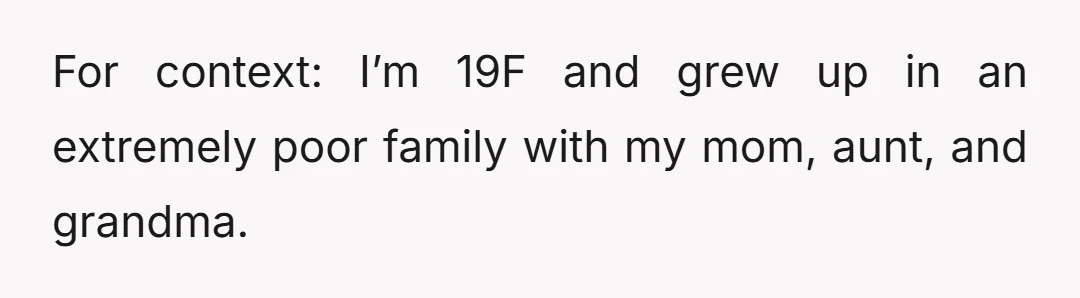
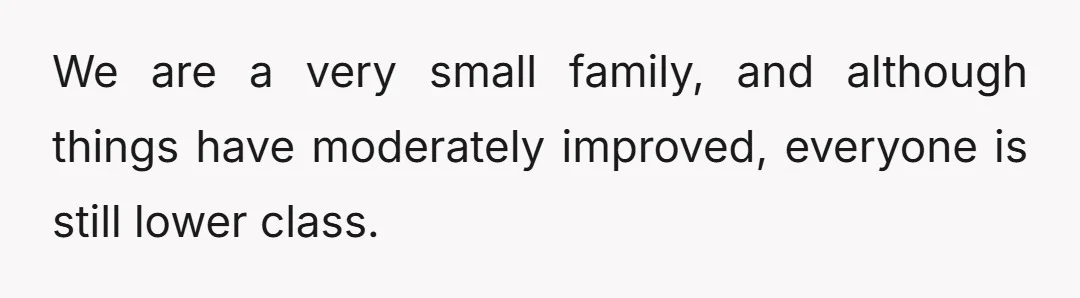



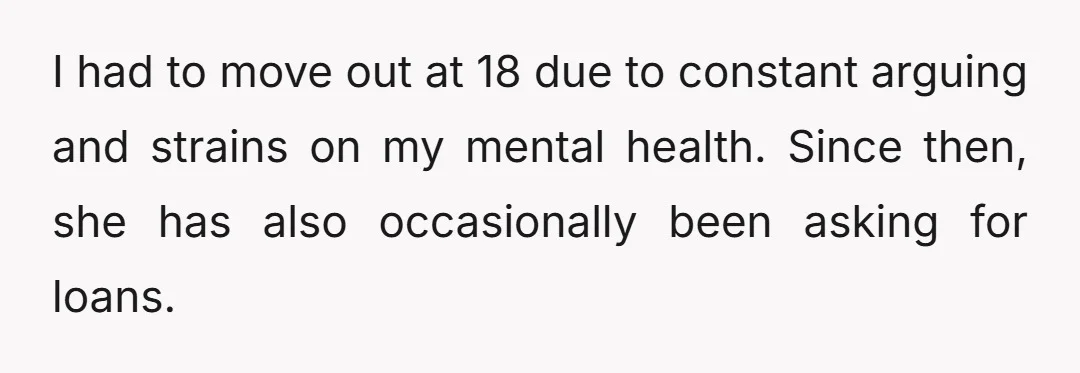
The breaking point finally arrived when her own hard-earned safety net vanished. This forced a difficult but entirely necessary conversation about financial limits, especially after realizing that her family’s spending habits were pulling her back into the very debt cycle she was trying to escape.
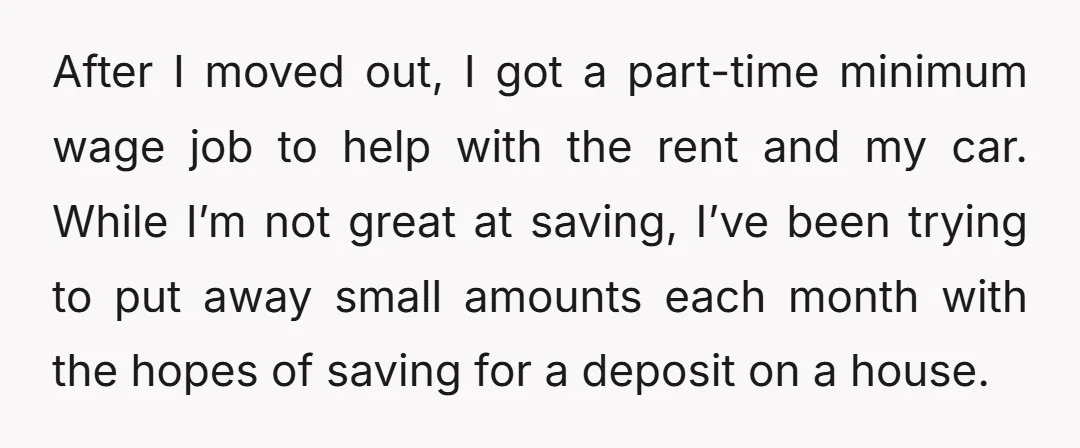
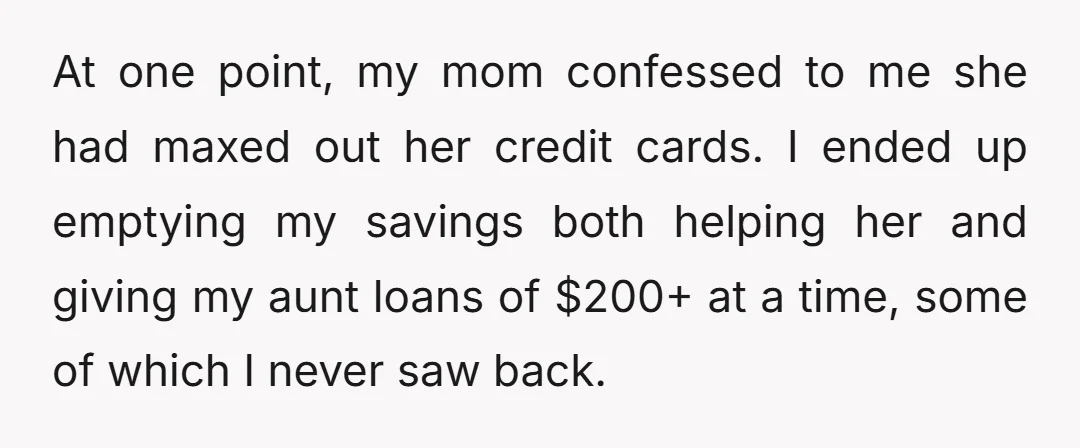


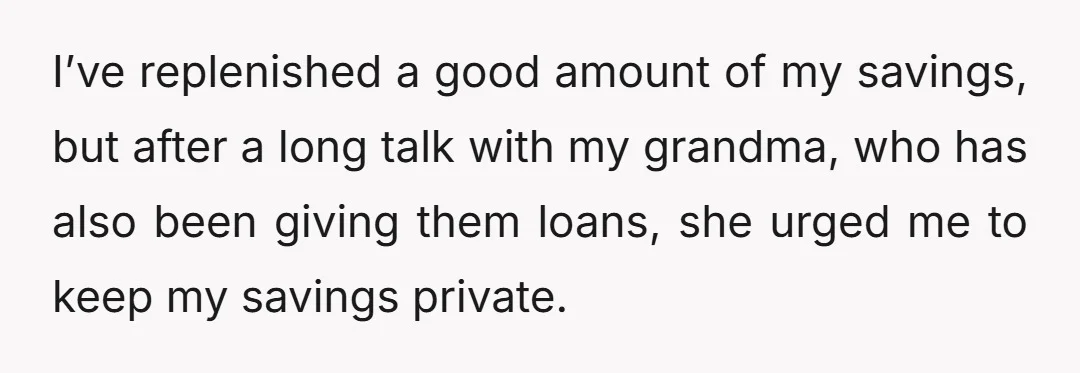

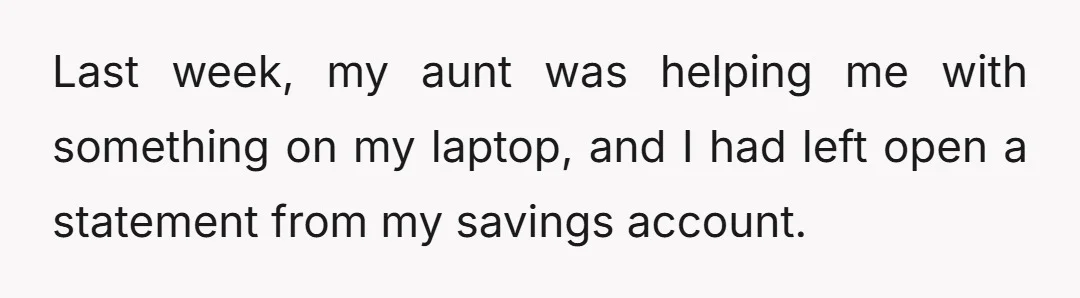
A simple, mundane technical favor suddenly morphed into an explosive confrontation over hidden boundaries. The accidental discovery completely shattered the fragile peace she had built, leading to harsh accusations and a painful standoff that left her questioning her own choices.
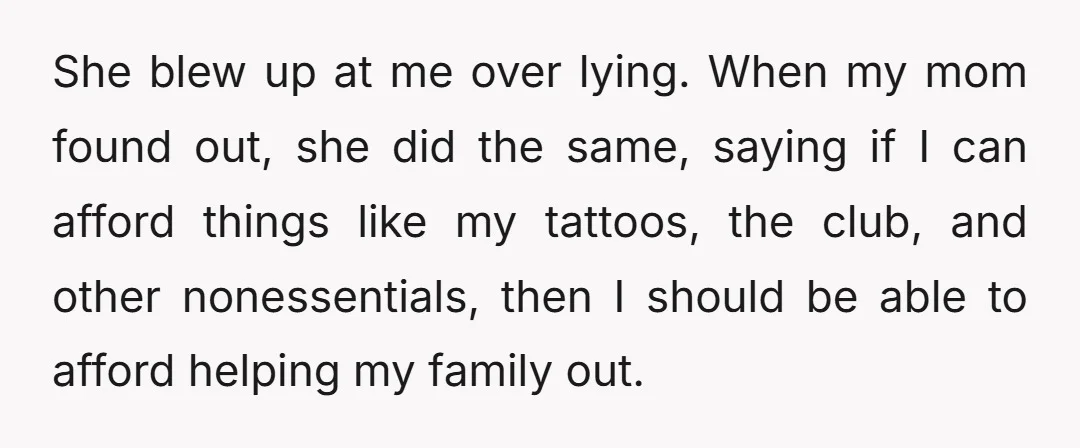
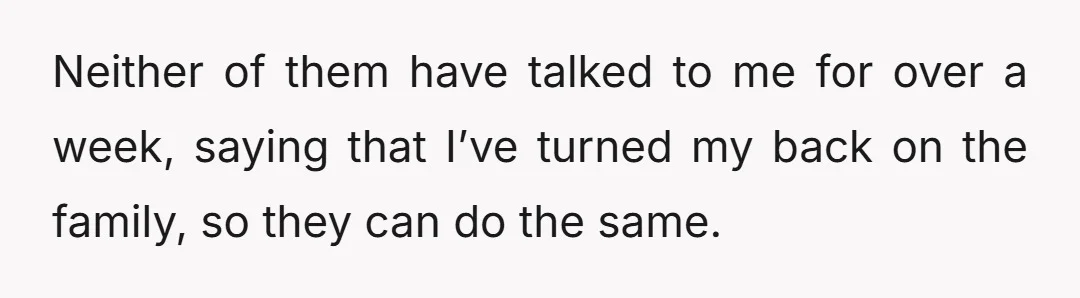

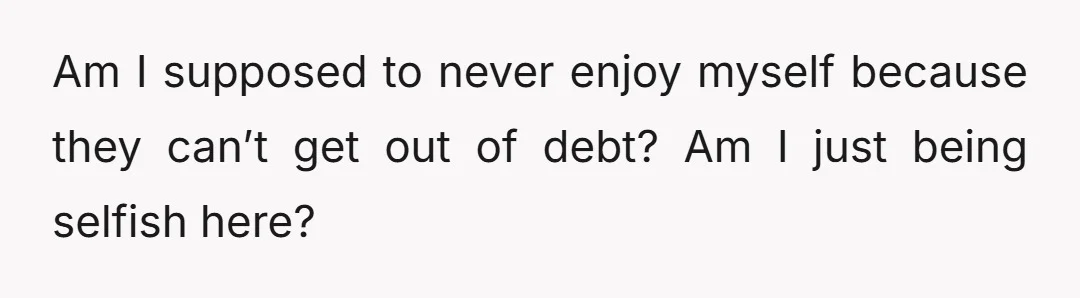
When relatives demand access to a young adult’s hard-earned savings like in this story, the conflict highlights a deeply ingrained pattern of weak financial boundaries. Psychologists note that when limits around how we earn, spend, and share money break down, the inevitable result is resentment, guilt, and severe relational strain.
In families with a history of systemic poverty, adult children are frequently subjected to invisible psychological contracts. Within these enmeshed dynamics, an individual’s personal success is often treated as communal property, making the act of saving money feel like a betrayal of the family unit.
The mother and aunt’s outrage isn’t just about the money itself; it’s a defensive reaction to the 19-year-old asserting her independence. When the grandmother advised her to keep her accounts private, she was essentially giving her permission to step off the family’s financial rollercoaster.
This type of boundary-setting is incredibly difficult for young adults who have been conditioned to act as the family’s emergency fund. By hiding her savings account, the original poster was taking a critical, albeit uncomfortable, step toward financial independence.
For young adults navigating similar guilt trips, experts recommend adopting a strategy of compassionate detachment. You can validate a family member’s struggle and offer emotional empathy without ever opening your wallet, protecting your own peace of mind in the process.
Setting firm, unwavering expectations—such as declaring a permanent end to cash loans while offering to help them review a budget—can establish a healthier dynamic. Maintain these limits steadily, as protecting your own mental health is the only way to build a secure future.
Navigating family expectations while trying to build a stable future is a tightrope walk that often leaves someone feeling like the villain. This young woman made a tough call to protect her own financial well-being, but the fallout has clearly taken a massive emotional toll.
Community Opinions
Reddit came in hot—nearly unanimous in their support for the teenager, with thousands urging her to lock down her finances immediately.
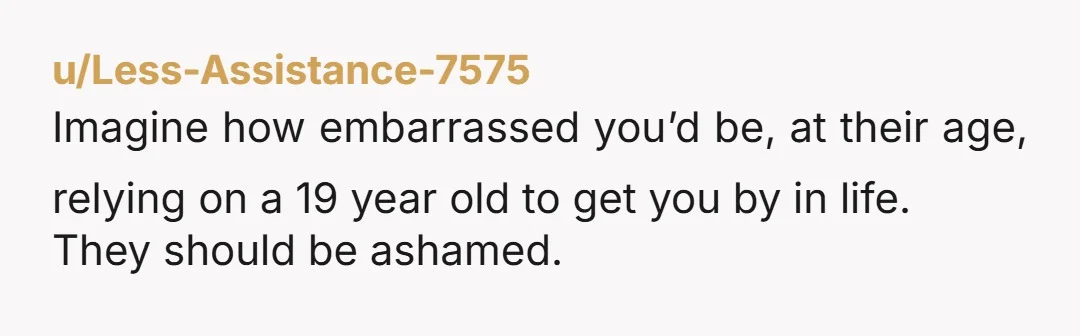

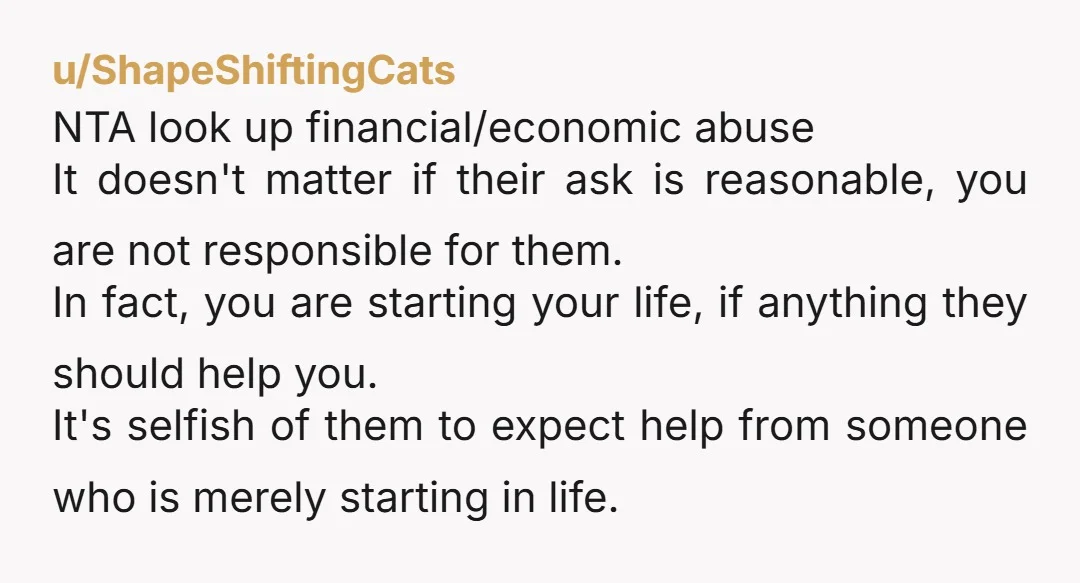






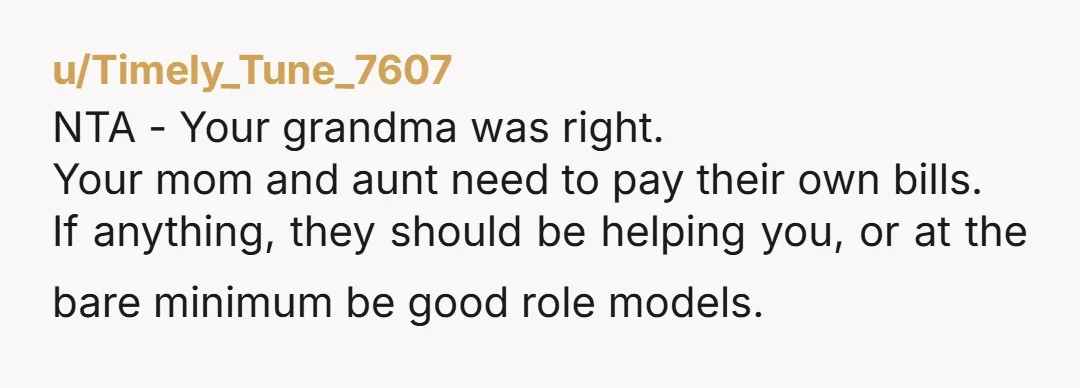

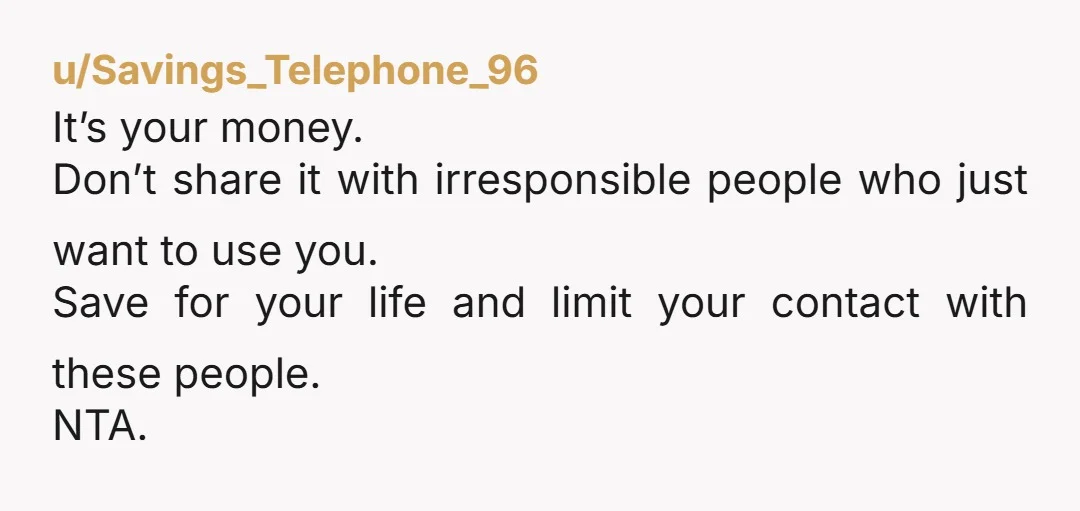
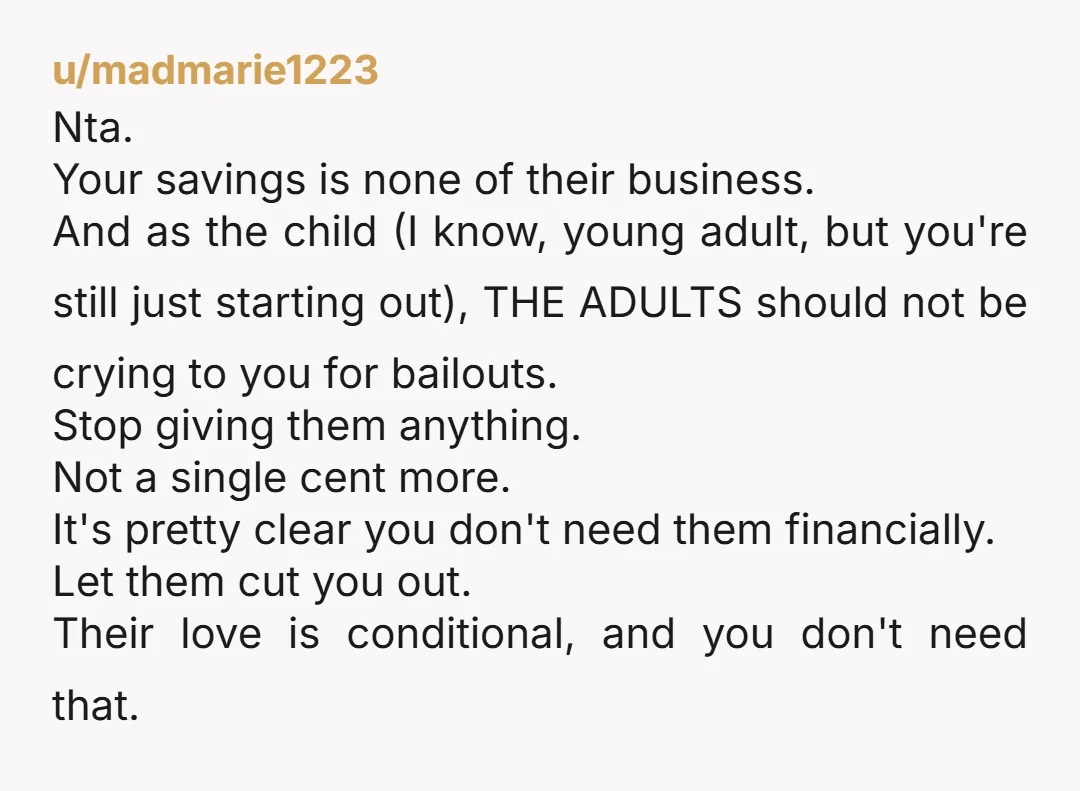
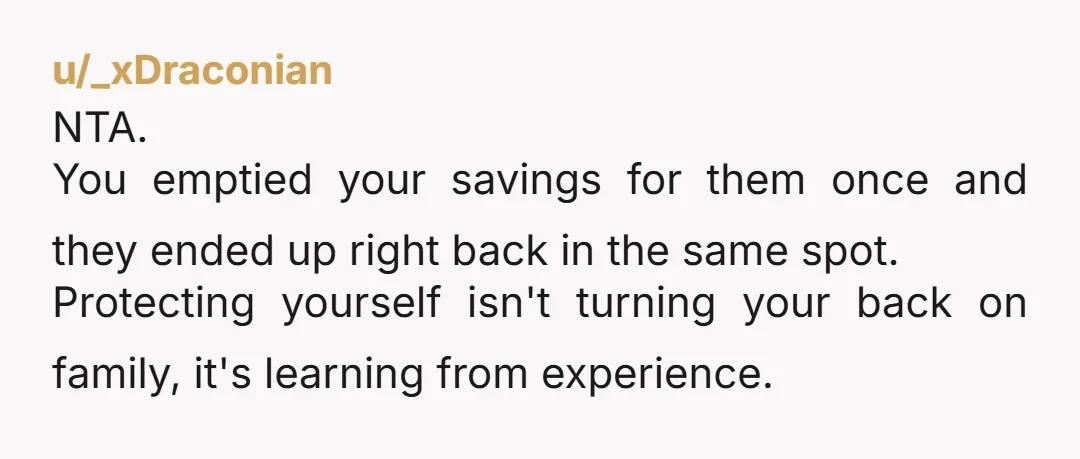
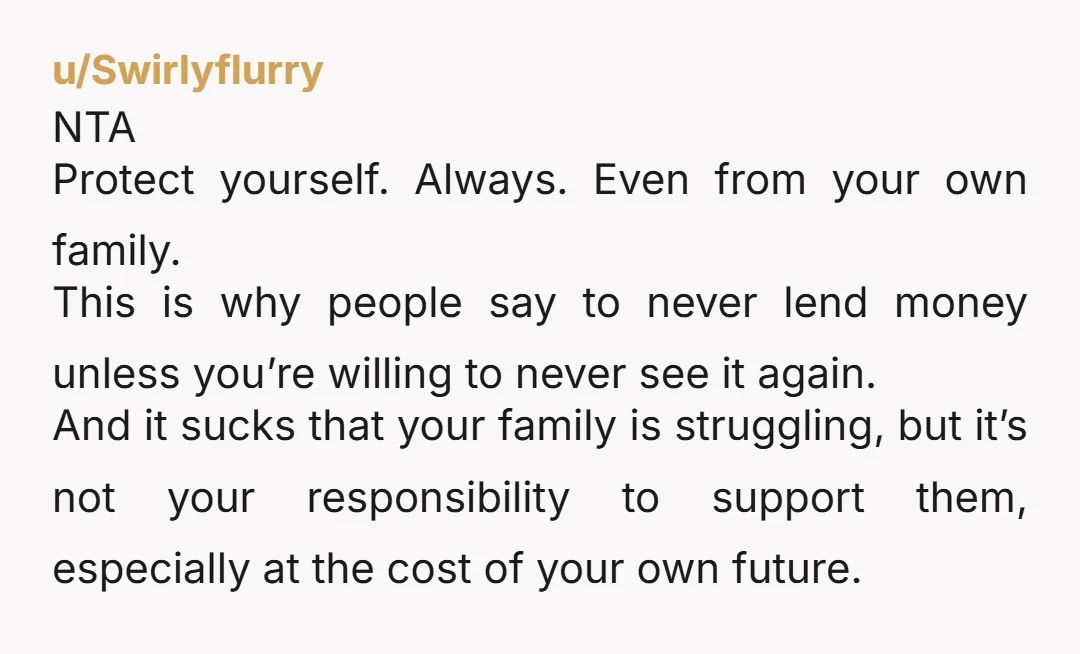
A few even reminded her that true family shouldn’t view their children as an emergency fund, praising her grandmother for stepping up with sound advice.
Navigating money within a tight-knit family is rarely straightforward, especially when past struggles blur the lines of personal responsibility and collective survival. While some readers see the teenager’s hidden savings as a harsh but entirely necessary boundary for her own financial survival, others might argue that honesty—even when it leads to painful arguments—is crucial for maintaining genuine family trust.
At the end of the day, balancing familial loyalty with personal ambition is a tightrope walk that many young adults are forced to navigate far too early. Do you think she was completely justified to conceal her savings account, or did her family have a valid reason to feel deeply betrayed by the lie? And how would you handle a close relative who constantly treats you like an ATM? Drop your thoughts in the comments.