
There are few moments more universally tense than the instant a plane parks at the gate and everyone prepares to stand. Some people leap up immediately, others wait patiently, and a silent debate about courtesy plays out row by row. On social media, one passenger shared a moment when that tension finally pushed them to act, and the result sparked a surprisingly heated discussion.
Frustrated by travelers who stood early and cut ahead the second an opening appeared, the poster decided to intervene in their own quiet, petty way. What followed was a slow, deliberate delay that lasted less than a minute but left a lasting impression. As the post spread, commenters rushed in with strong opinions, personal justifications, and plenty of sarcasm. The reactions revealed just how divided people are when it comes to the unspoken rules of getting off a plane.
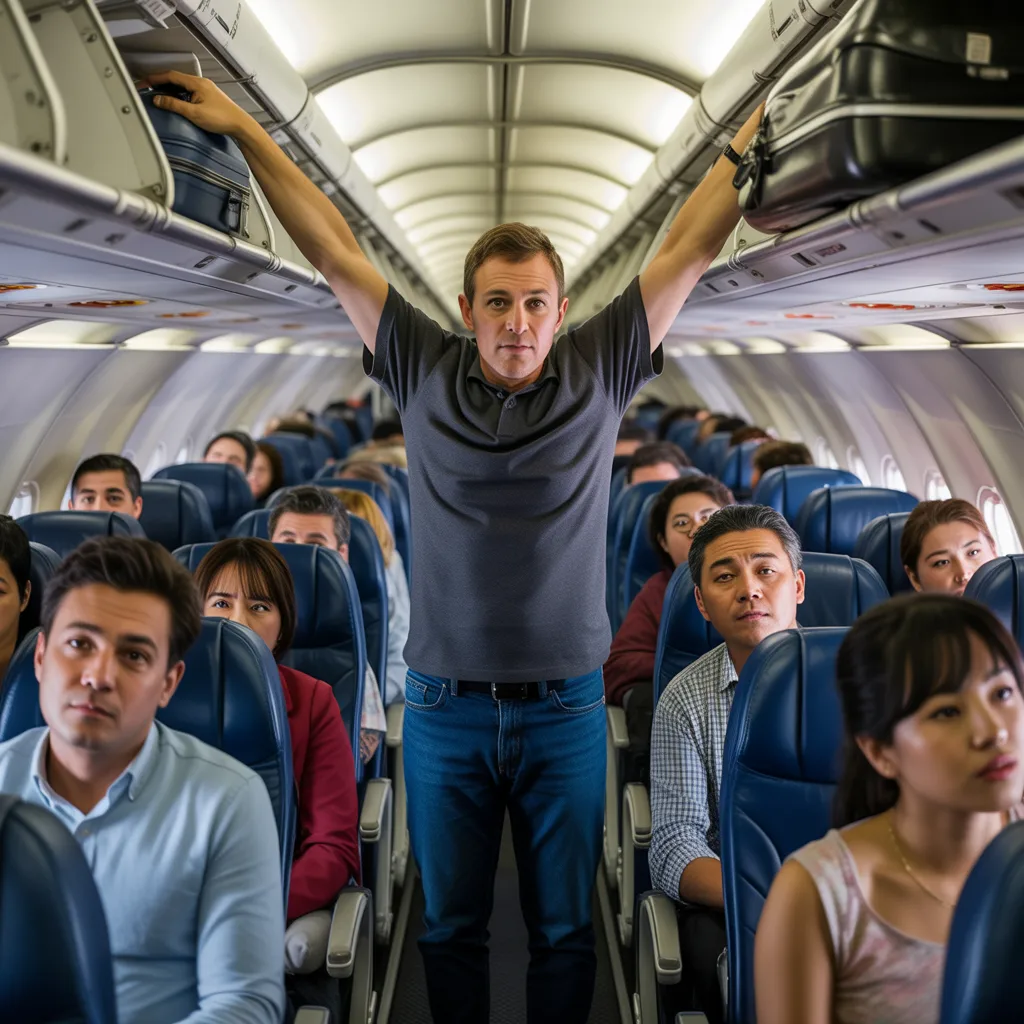
The frustration started building as the usual deboarding rhythm quickly fell apart
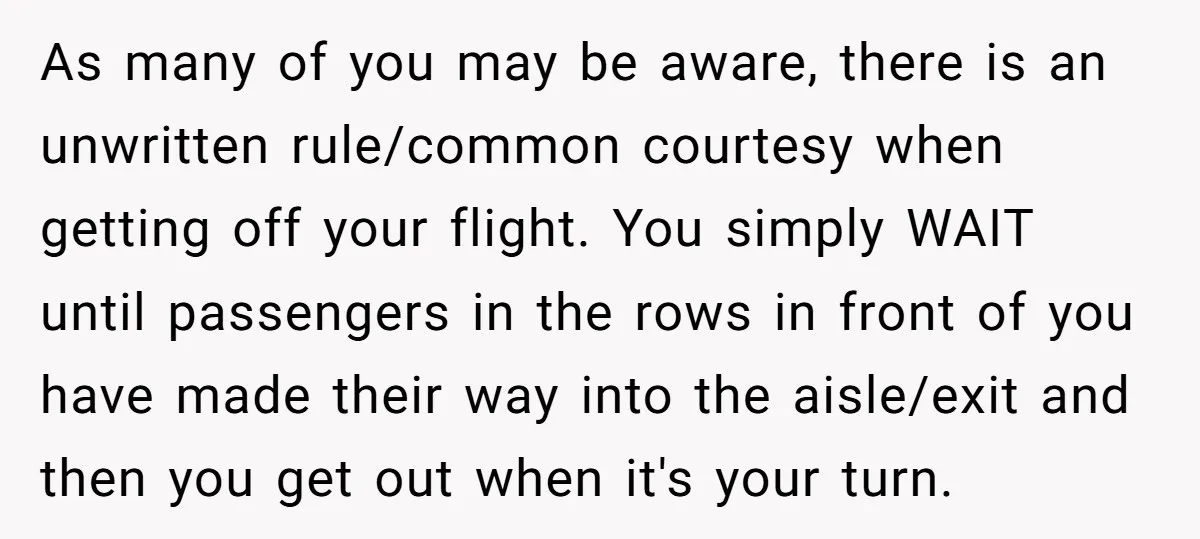
Annoyance turned into disbelief as certain behaviors repeated themselves again and again
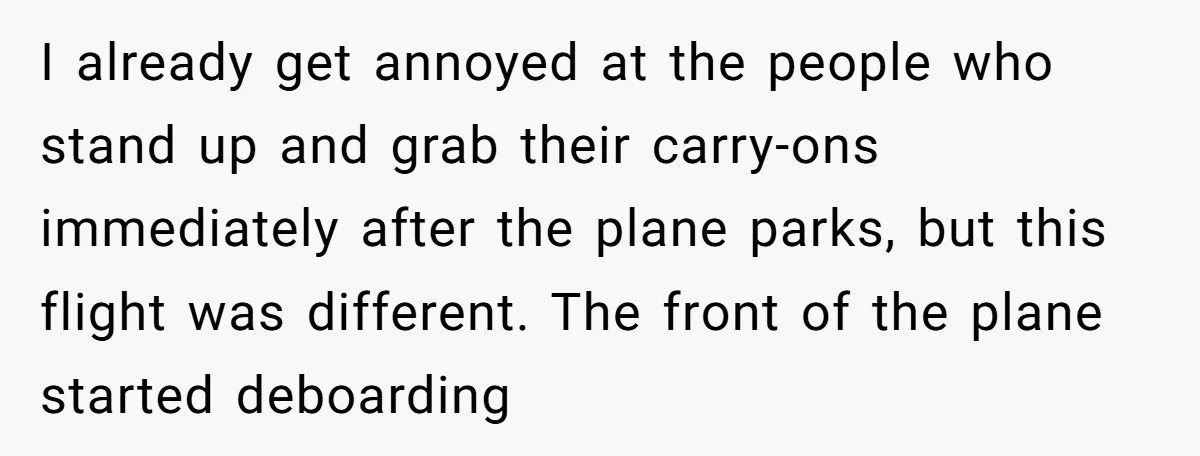
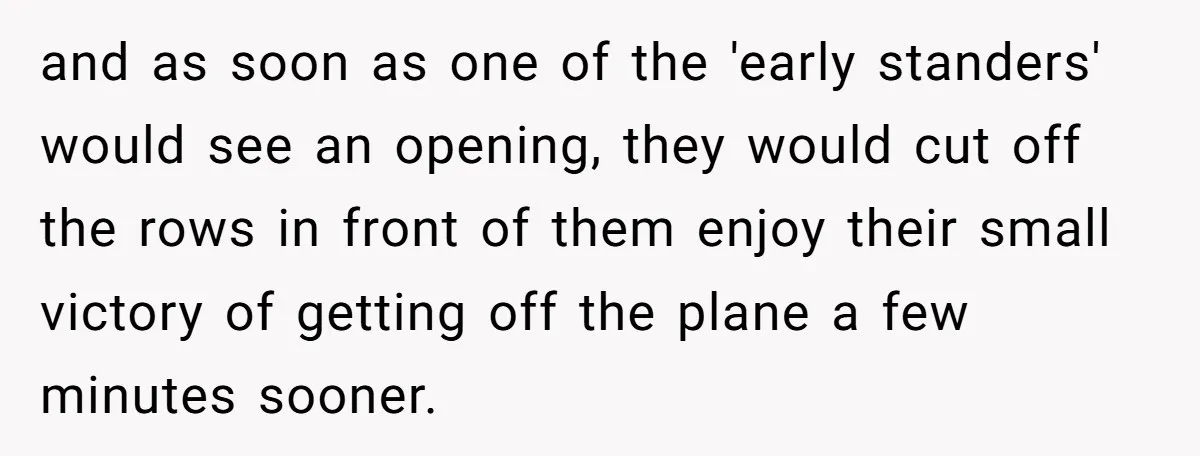
Watching the pattern continue, the poster felt a breaking point approaching fast
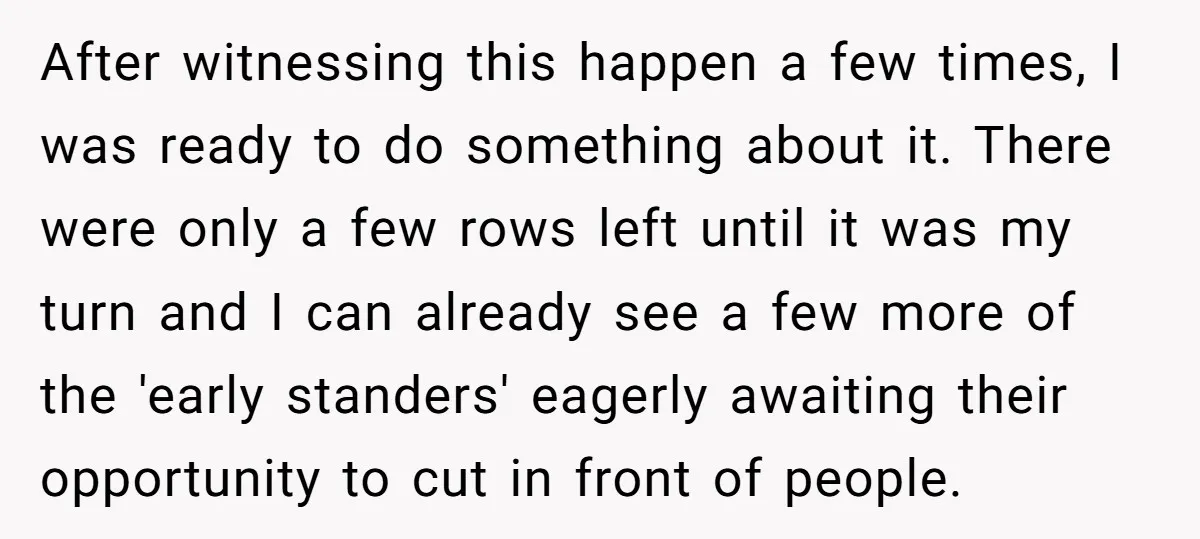
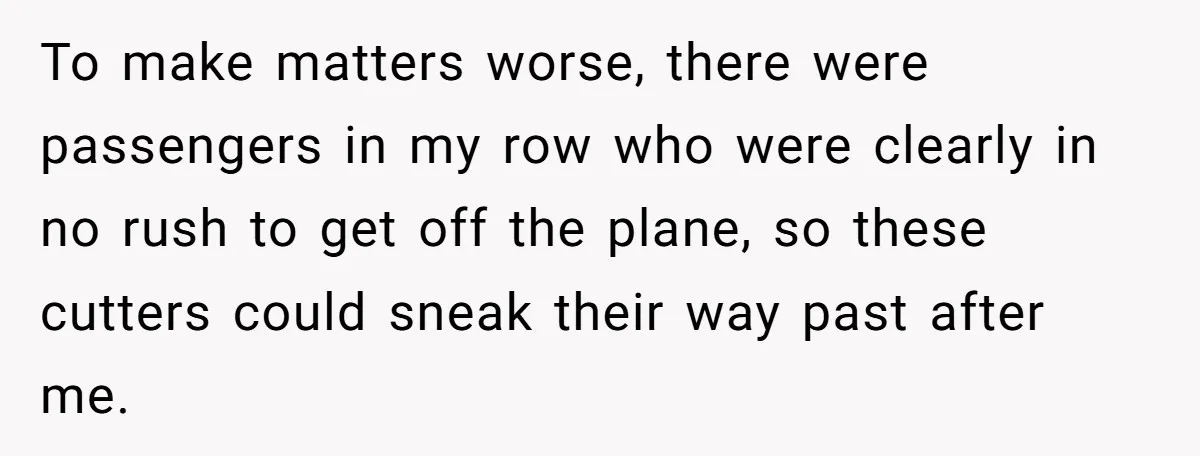
That’s when the poster decided to take physical, deliberate action
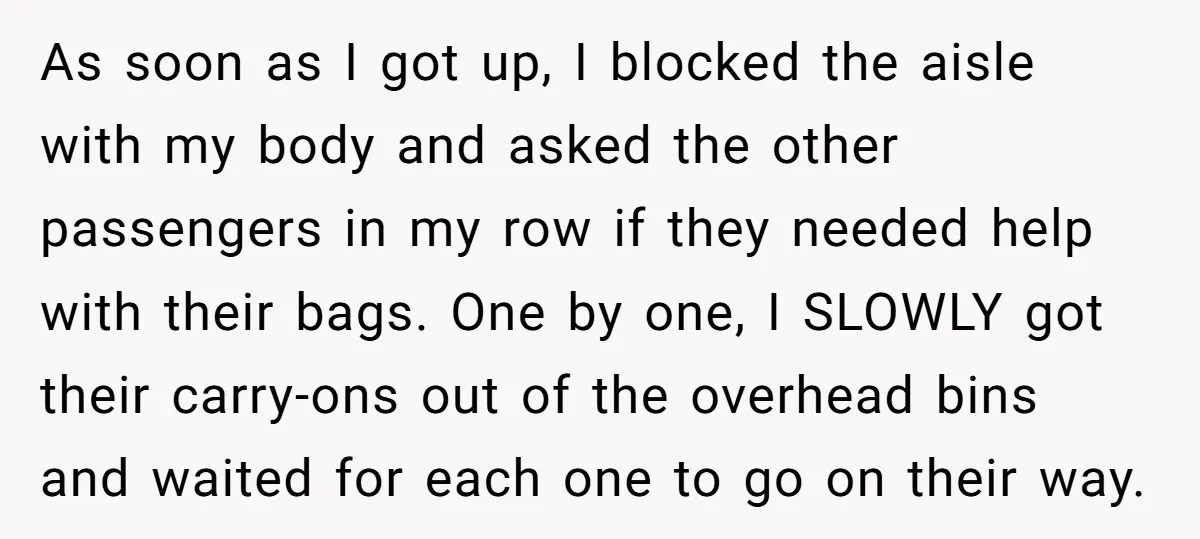
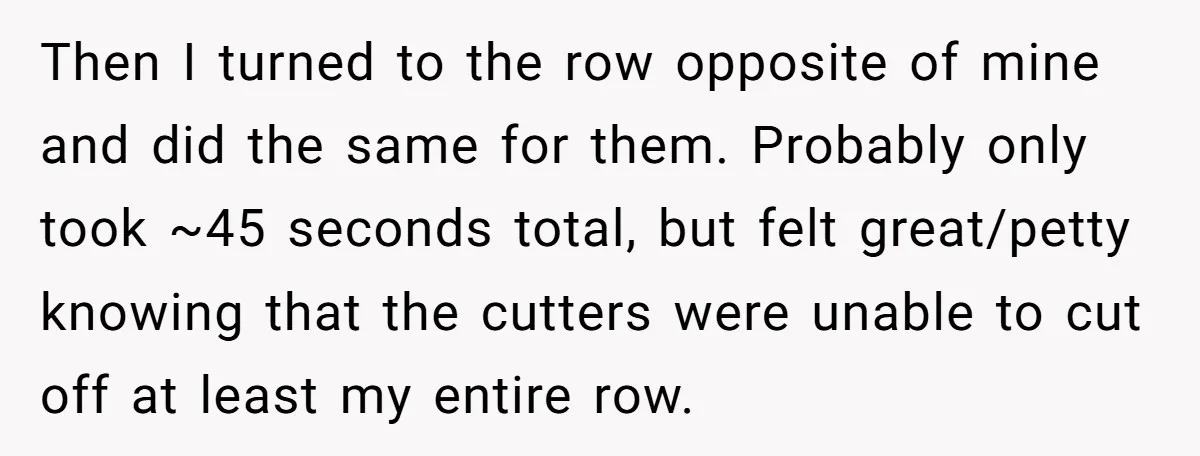
Situations like this highlight how unclear social norms can create friction in shared public spaces. The poster believed they were enforcing an unspoken rule of fairness, while others clearly viewed the same behavior as unnecessary interference. Air travel places people under stress, time pressure, and physical discomfort, which makes even small delays feel personal.
From another angle, many commenters pointed out that standing early does not always equal selfishness. Some passengers deal with physical pain, circulation issues, or anxiety from prolonged sitting. Others are racing against tight connections that may determine whether they reach their destination that day. When these motivations go unspoken, assumptions fill the gap quickly.
Dr. John Gottman of The Gottman Institute has noted, “Most conflict is not about the issue at hand, but about feeling misunderstood or unacknowledged.” That idea fits perfectly here. The poster felt disrespected by line-cutting, while other passengers felt judged for simply standing or moving when able. A more practical solution often suggested by experts is clear communication. If someone truly needs to pass quickly, asking politely can change the entire dynamic.
On the other side, passengers who are not in a rush may benefit from a bit of flexibility, recognizing that urgency is sometimes invisible. Airlines also play a role. Clear announcements requesting seated passengers to allow tight connections through can ease tension before it escalates. Ultimately, while the poster’s action was not dangerous, it shows how quickly courtesy can turn into control when frustration builds. A little patience, paired with clearer signals from both travelers and crew, would likely prevent these moments from becoming flashpoints altogether.
Let’s dive into the reactions from Reddit:
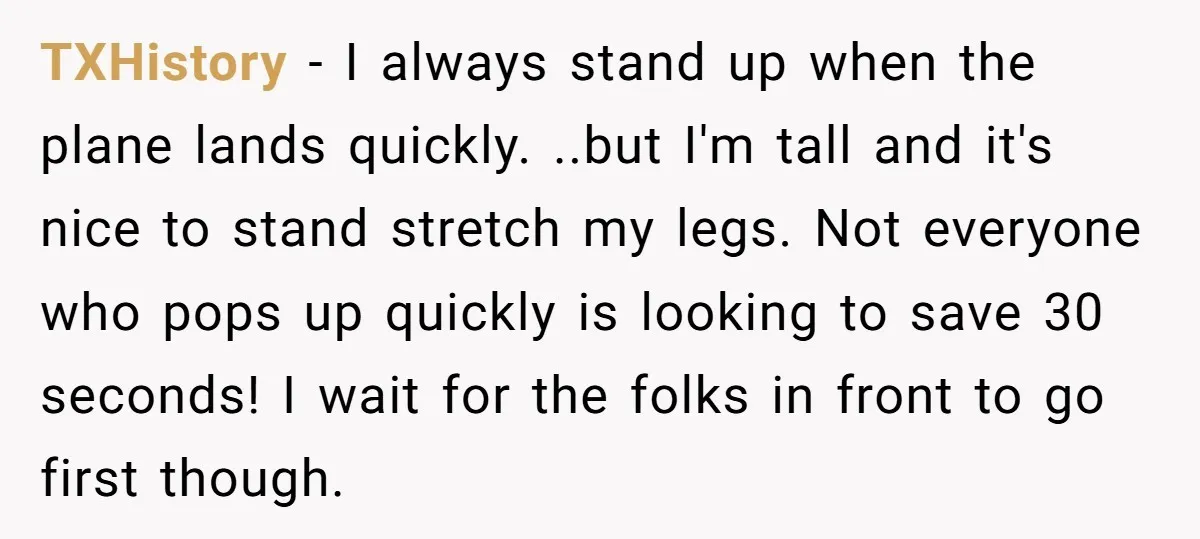
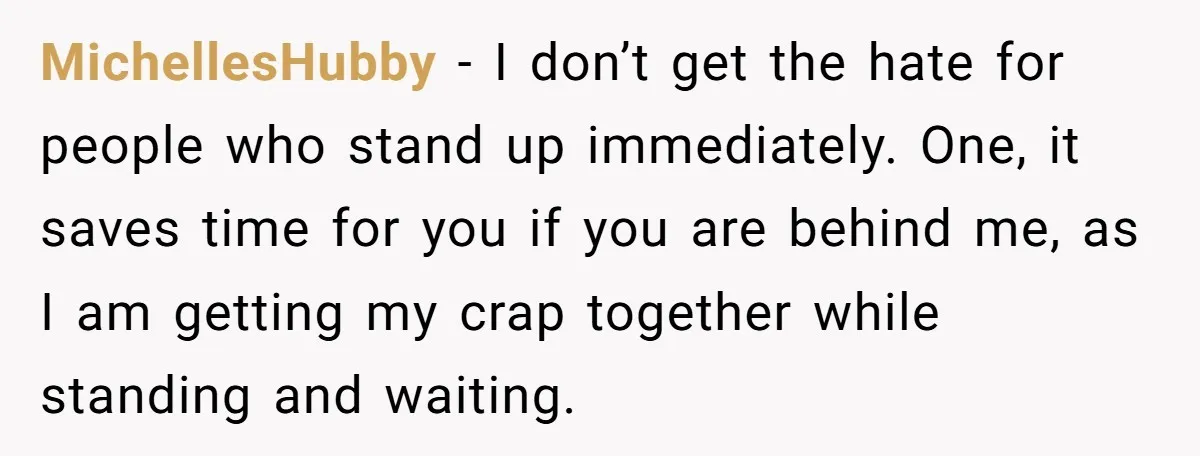
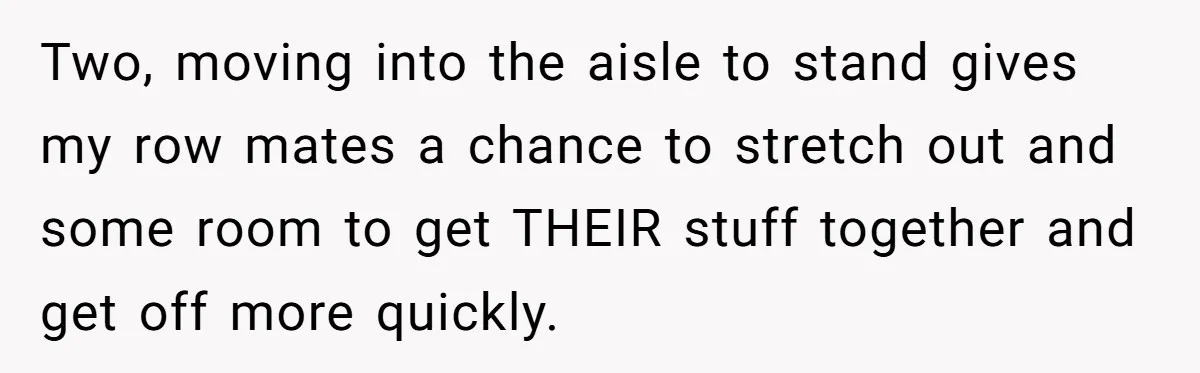
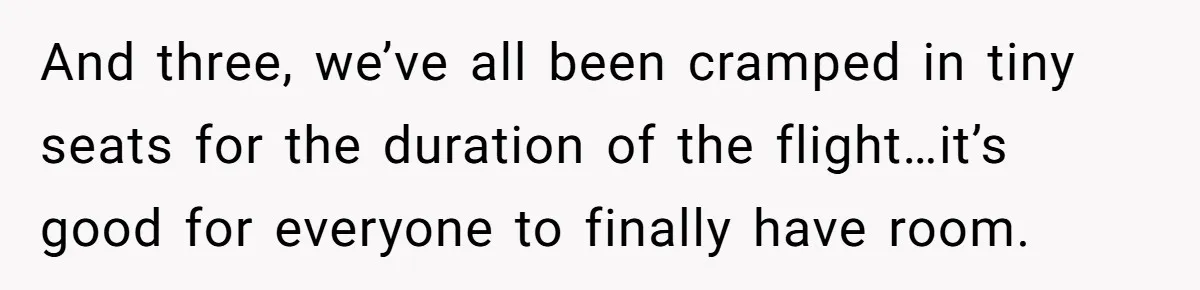
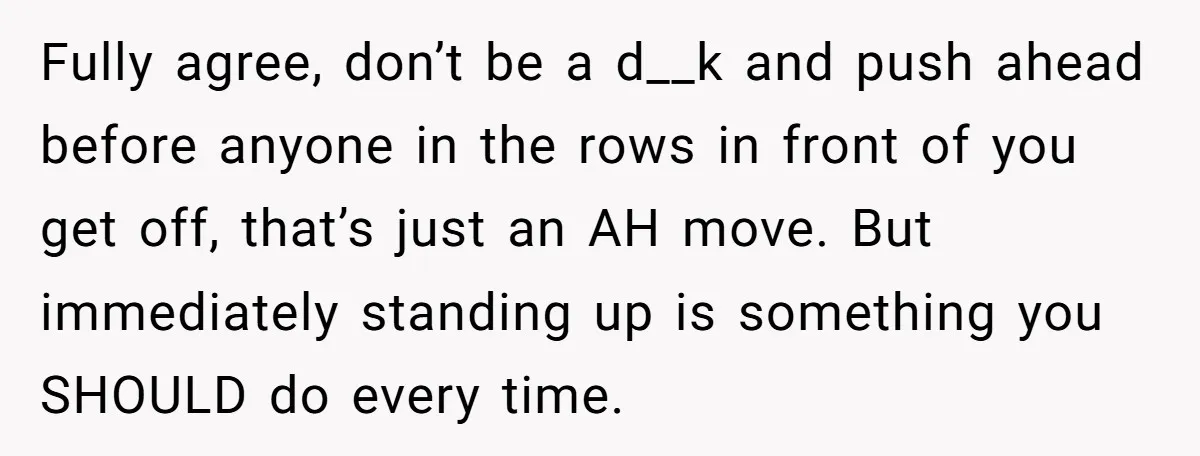
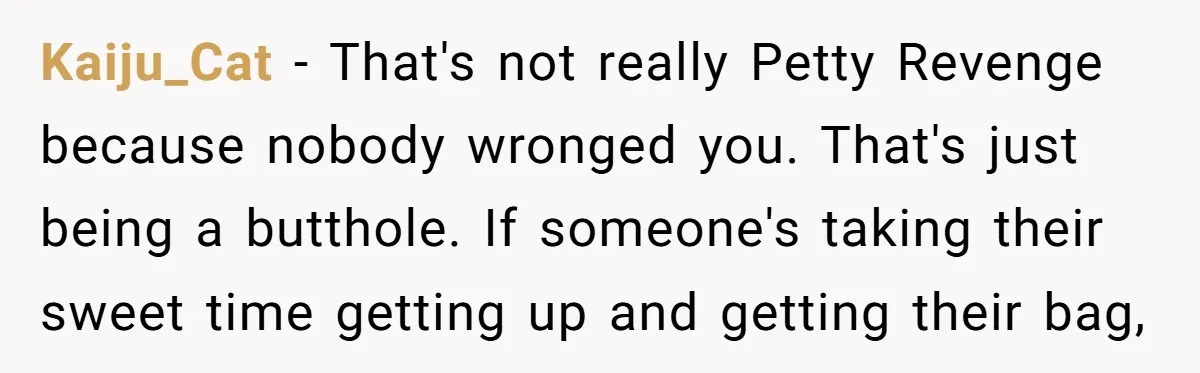
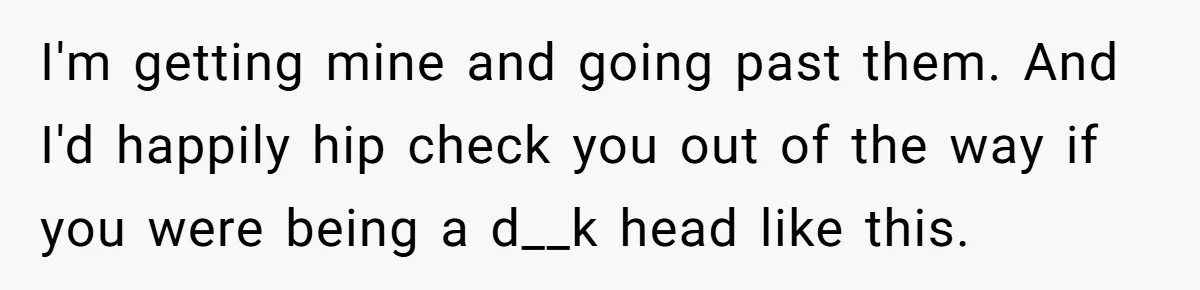
Many users supported the poster, praising their attempt to restore basic courtesy
![[Reddit User] − I have bad neuropathy in my feet/lower legs so I stand up asap.](https://loknam.com/aita/images/b005694e61/wp-editor-1768877235219-8.webp)
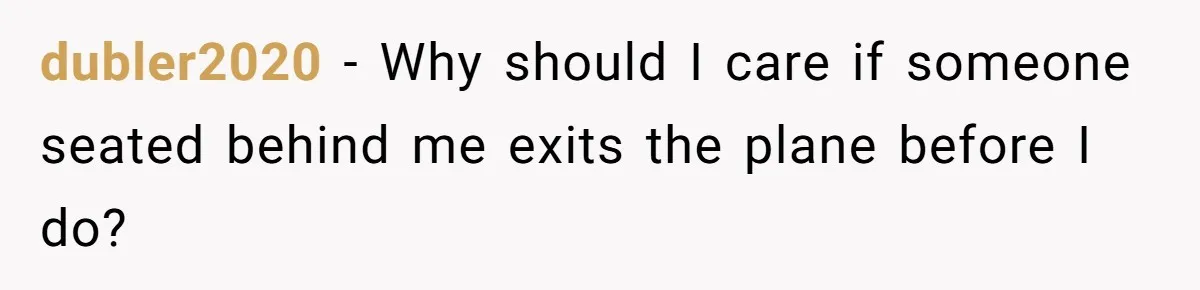
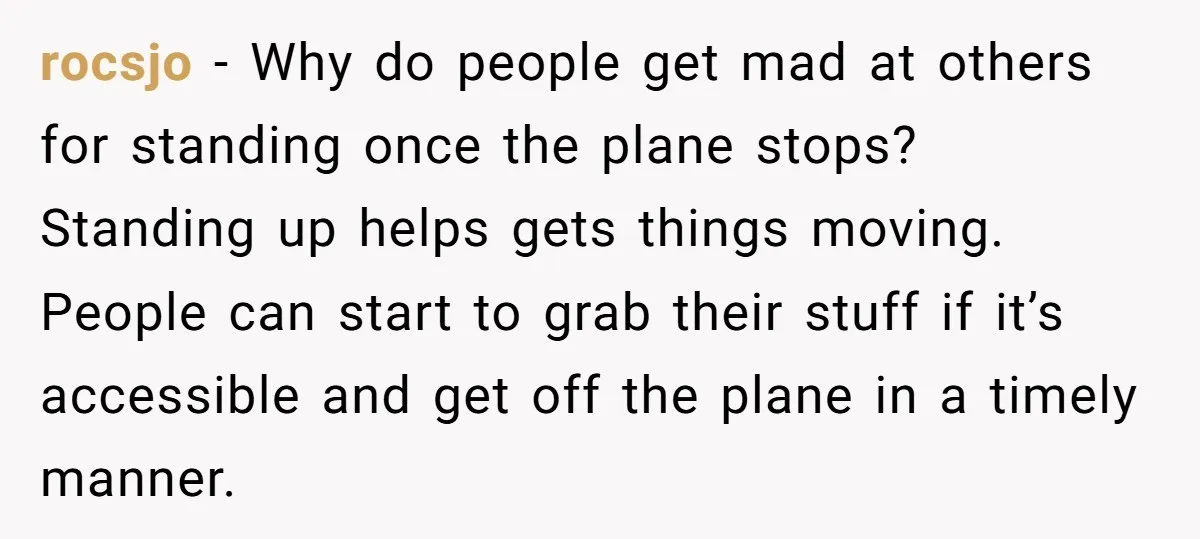
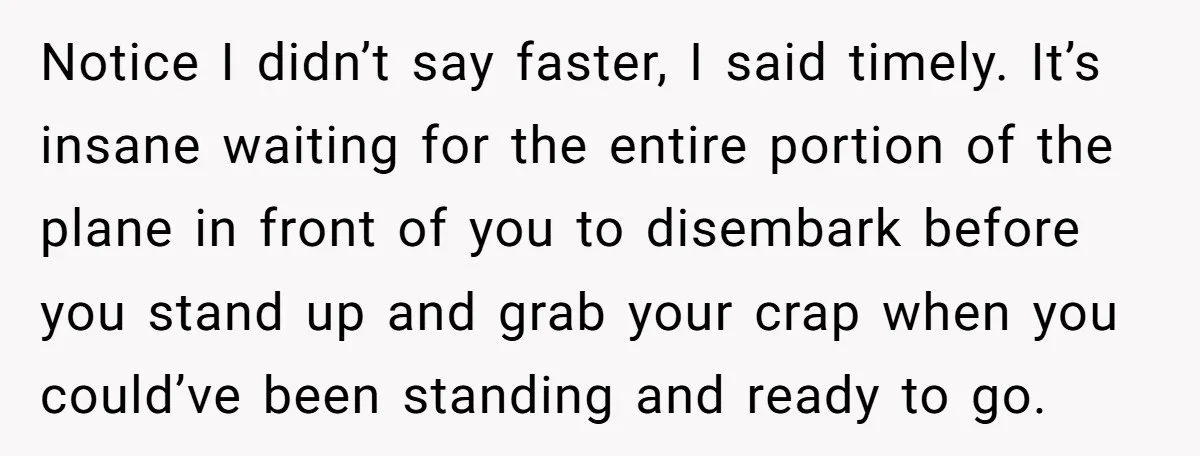
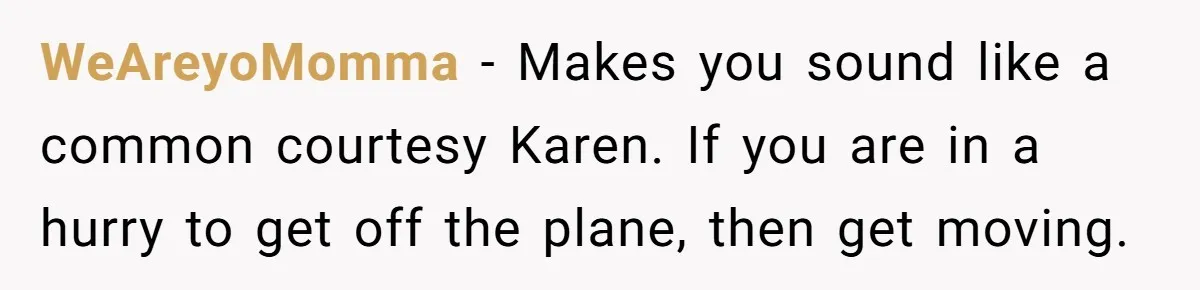
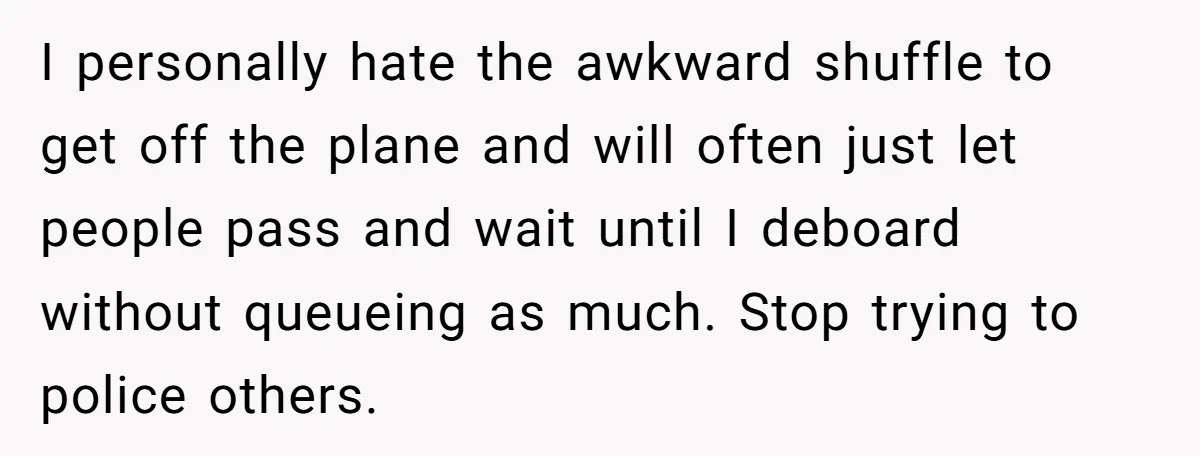
Others offered more balanced or critical takes, urging empathy for hidden circumstances
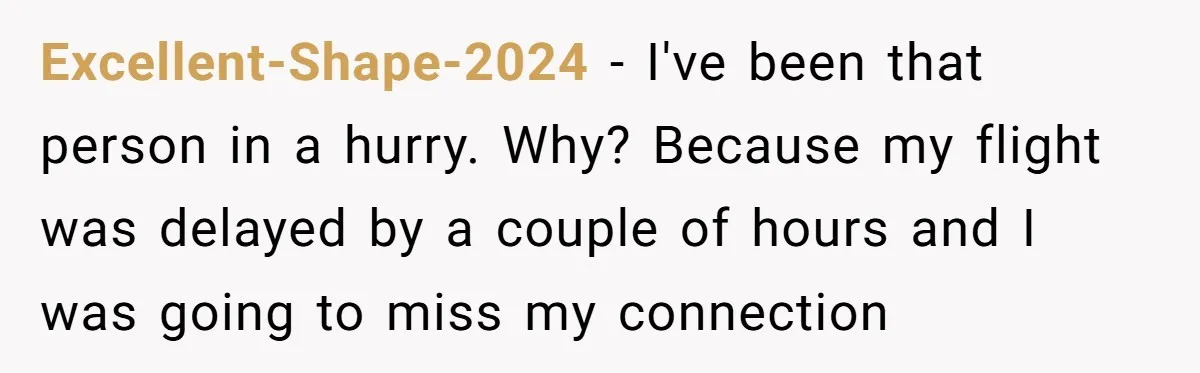
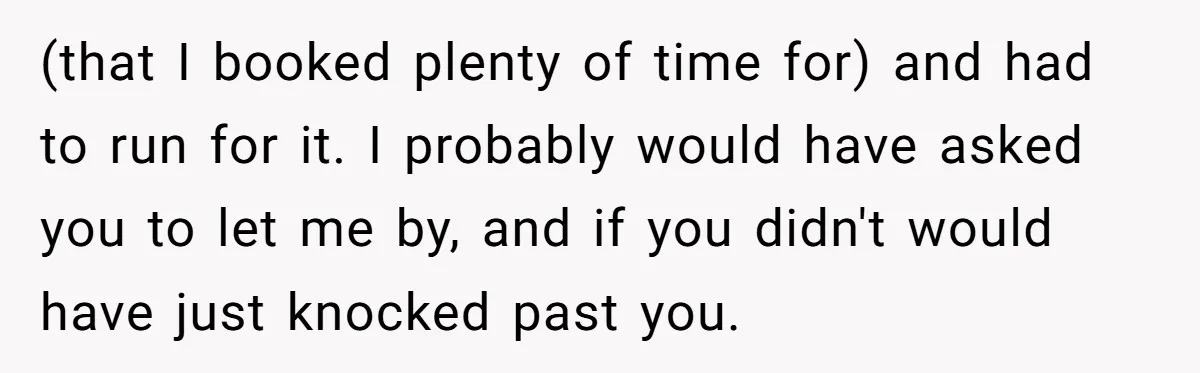
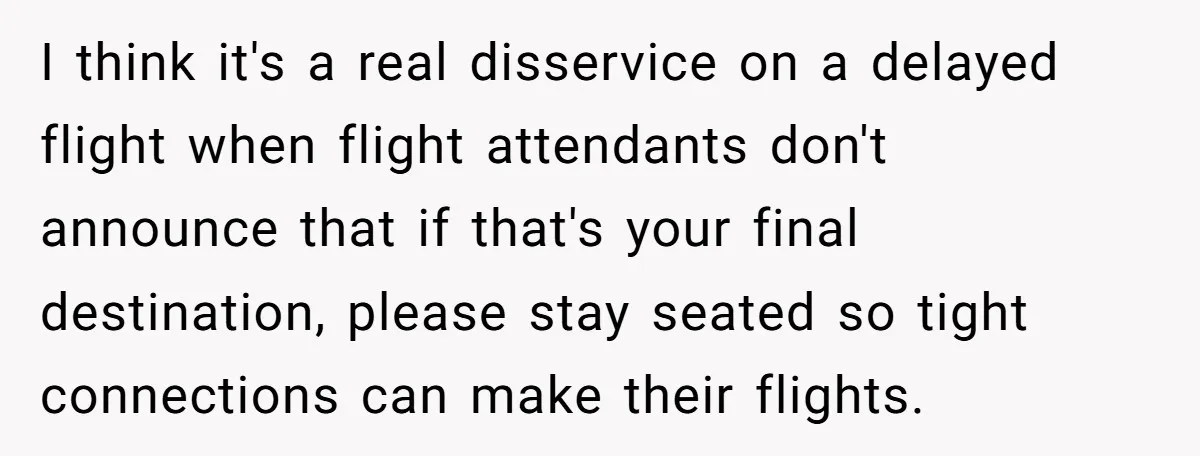
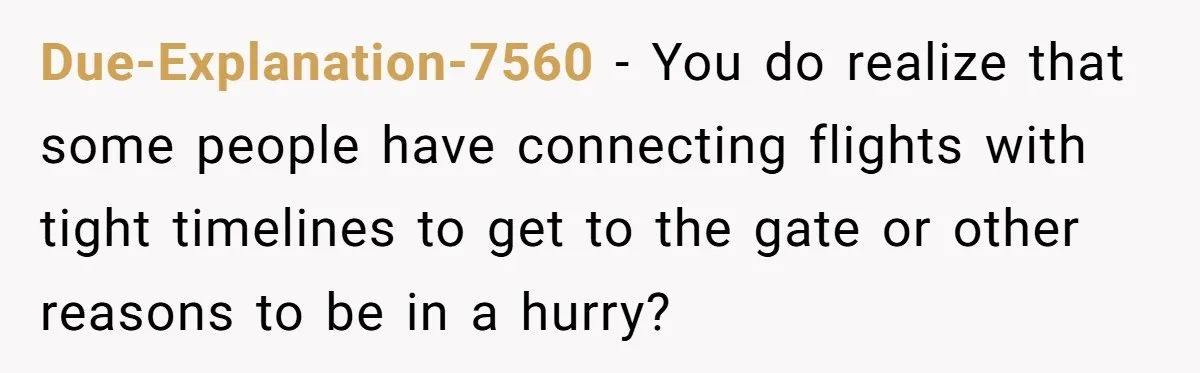
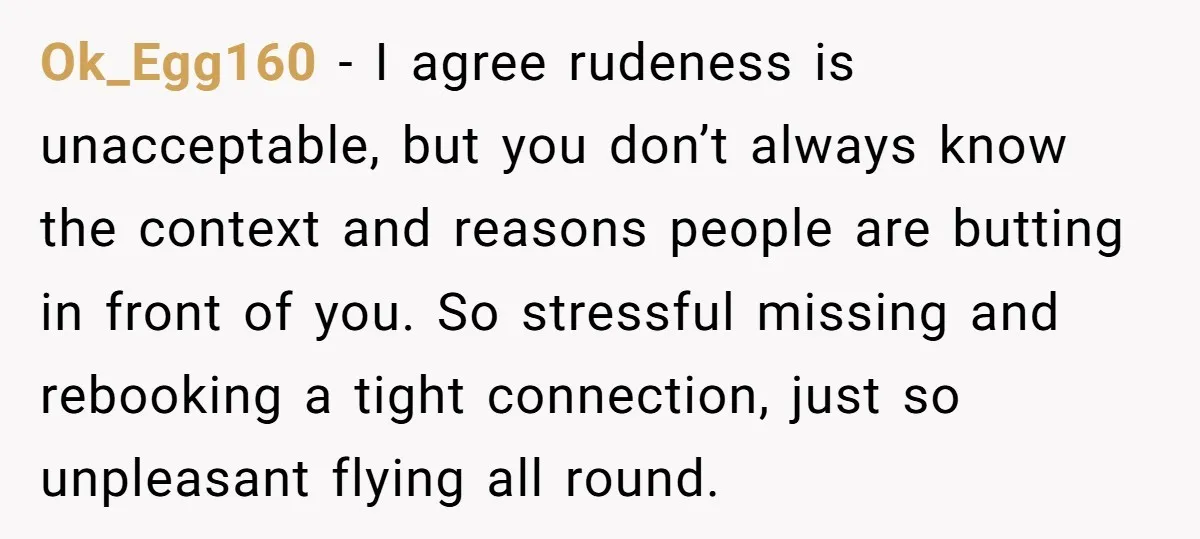
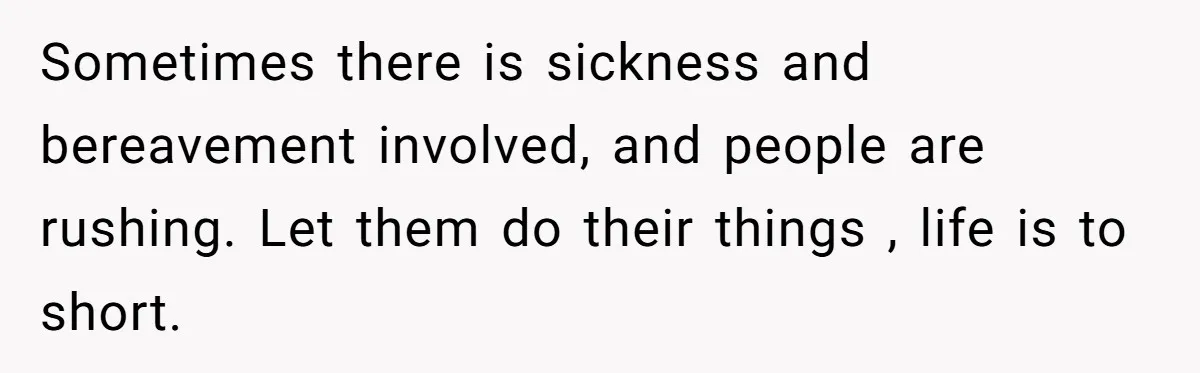
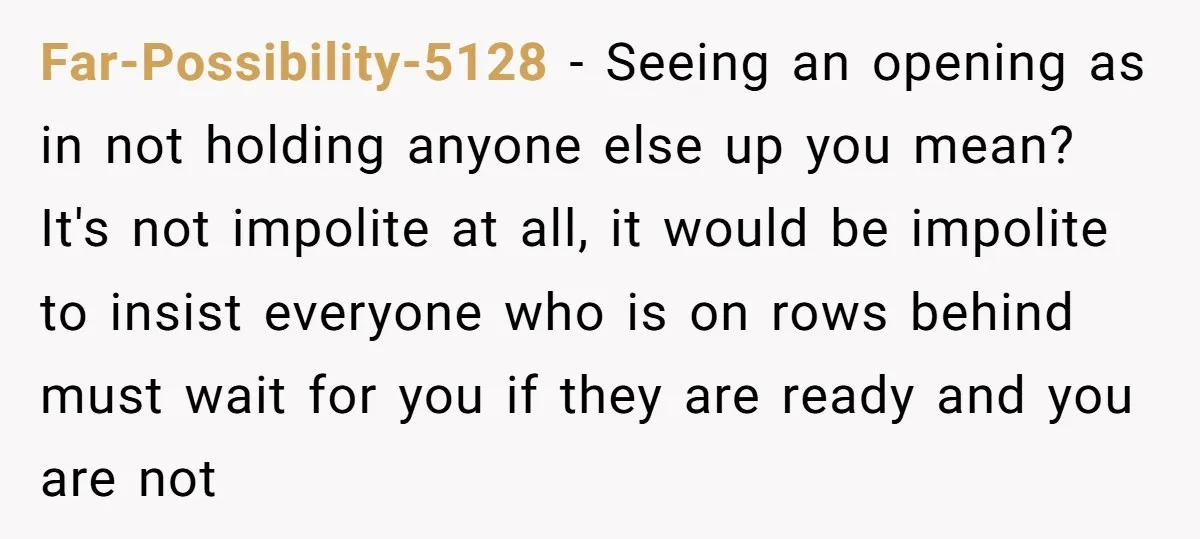
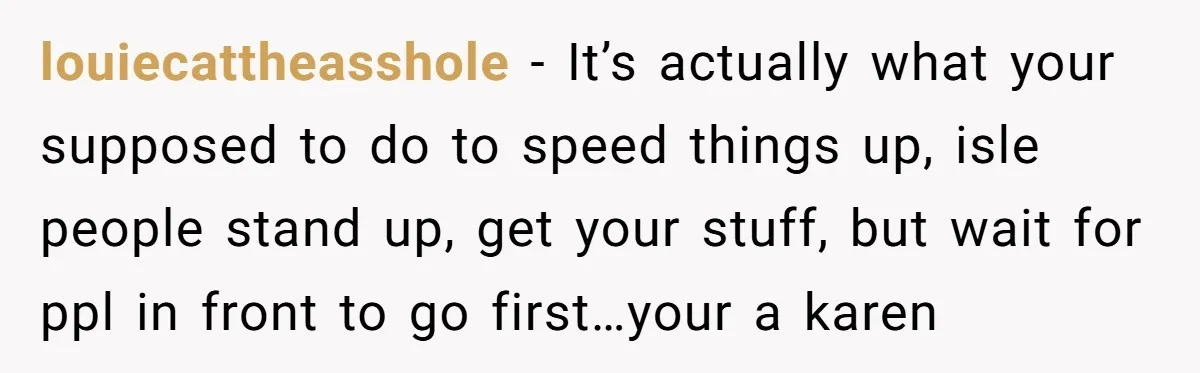
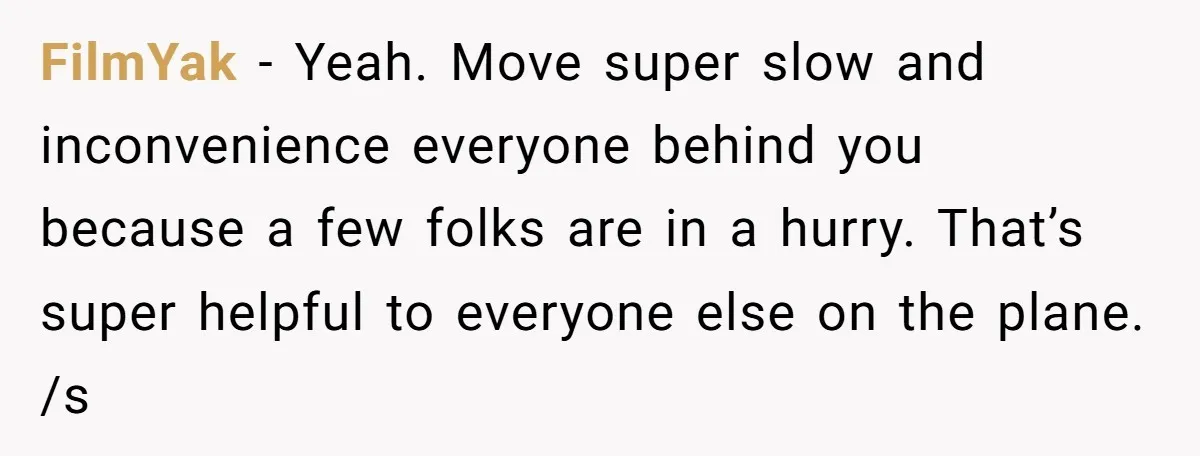
Some commenters went straight for sarcasm and blunt humor
![[Reddit User] − I do stand up, but I stay right in front of my seat. It actually saves the people behind me time, because if I don’t get up...](https://loknam.com/aita/images/b005694e61/wp-editor-1768877188070-1.webp)
![[Reddit User] − Good thing the plane police are here to stop people from making their connections](https://loknam.com/aita/images/b005694e61/wp-editor-1768877191913-5.webp)
What started as a small act of frustration during plane deboarding quickly turned into a larger debate about courtesy, urgency, and personal comfort. Some readers saw the poster’s actions as a justified stand against rudeness, while others viewed it as unnecessary control over strangers. The discussion shows how differently people interpret the same situation, especially under stress. With no official rule to settle the matter, opinions remain sharply divided. What would you do if you were stuck in that aisle?