
How do you react when your family suddenly grows by two people you never knew existed? For most teens, family feels like the one constant in life. When a parent reveals a hidden child and grandchild from decades ago, excitement for some can feel like upheaval for others.
One 17-year-old boy watched his parents and brother embrace the newcomers with open arms, while he struggled to see them as anything more than strangers. After months of forced outings and kid enthusiasm, he finally voiced his discomfort – and now faces consequences. Is he being selfish, or is the pressure to “get on board” too much too soon?

‘AITA because I don’t want to spend time with my half-sister and niece?’
The story begins with the shocking discovery that changed the family dynamic.



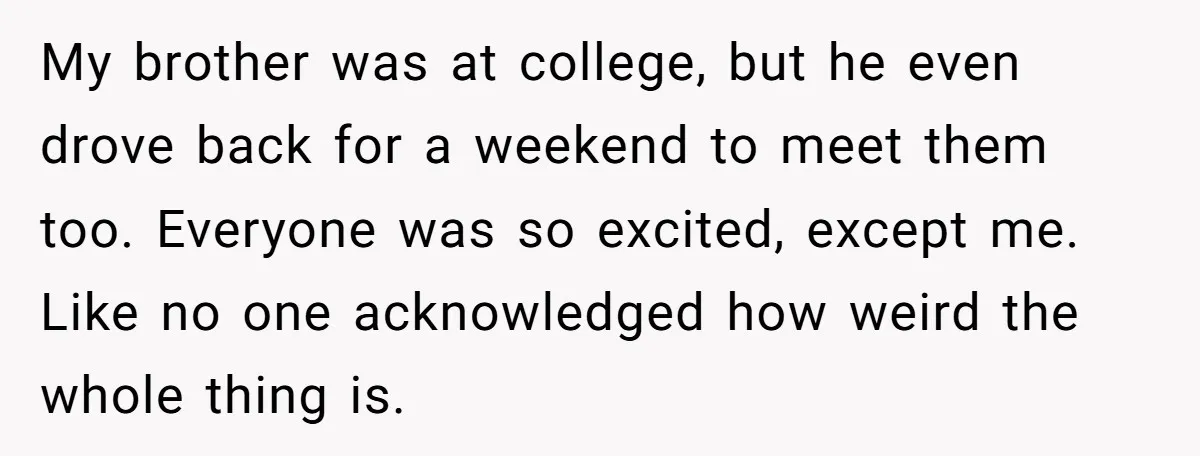
The visits brought constant interaction that felt overwhelming.




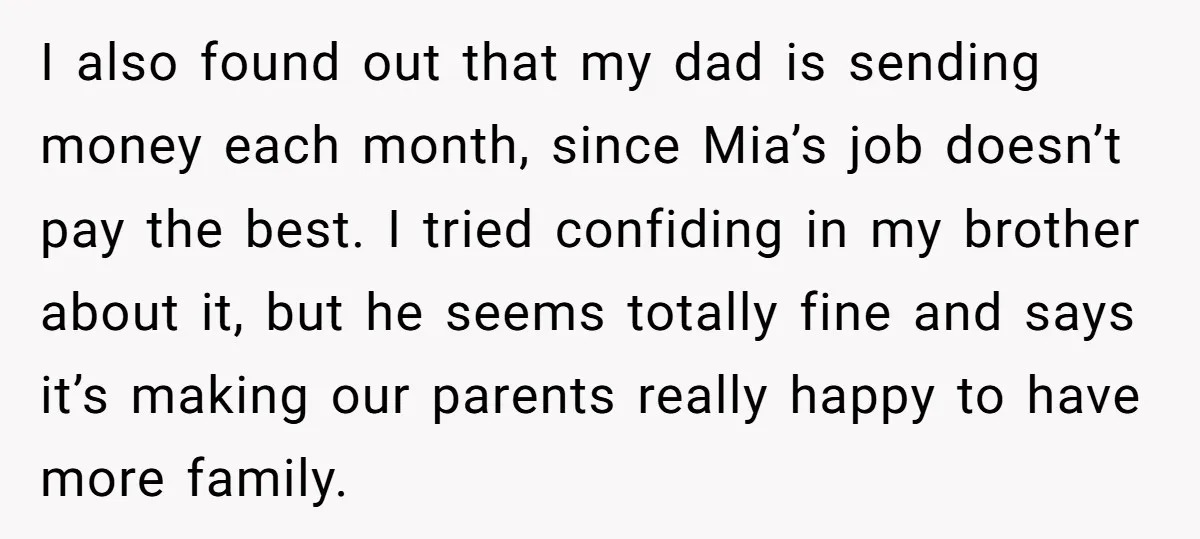
The breaking point arrived with news of yet another visit.






The central conflict revolves around a sudden family expansion and mismatched emotional timelines. The father and older family members experienced joy and guilt-driven eagerness to connect, while the youngest child faced an abrupt shift in attention, identity, and routine without time to process. At 17, the poster is navigating adolescence, independence, and his place in the family – a stage where change feels threatening.
The poster’s frustration stems from feeling sidelined and pressured to perform closeness. The parents’ excitement overlooked his need for space, turning inclusion into obligation. The comment about money was harsh, but it reflected deeper insecurity about loyalty and resources. The father’s threat to exclude him from vacation escalated things, showing poor handling of the teen’s resistance.
Family therapist Dr. John Gottman has noted that “in blended or expanded families, the pace of integration must match the slowest member’s readiness, or resentment builds quickly.” Here, the family moved at full speed while the poster lagged behind, creating tension.
Practical steps include private, calm conversations without ultimatums. The parents could offer opt-outs for activities, validate his feelings, and consider short family counseling to bridge the gap. The poster can practice small interactions without full commitment. Over time, neutral respect often eases discomfort more than forced bonding. Everyone benefits when feelings are heard, not dismissed.
Here’s what the community had to contribute:
Readers were divided, with many calling the poster immature while others defended his right to struggle with the change.
A large group viewed the reaction as childish, urging the poster to accept the new family members and apologize.

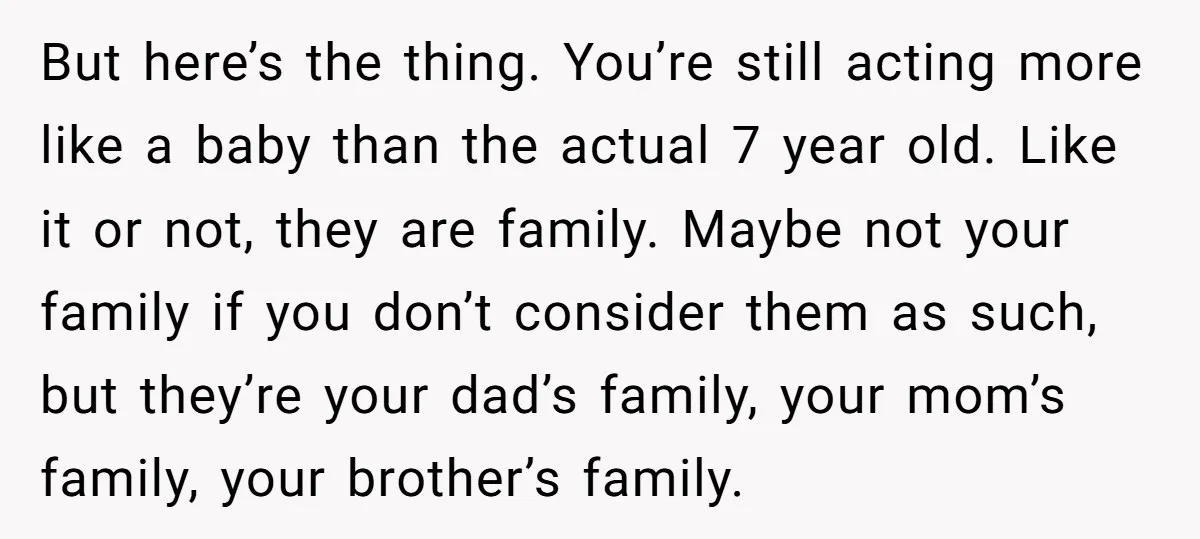








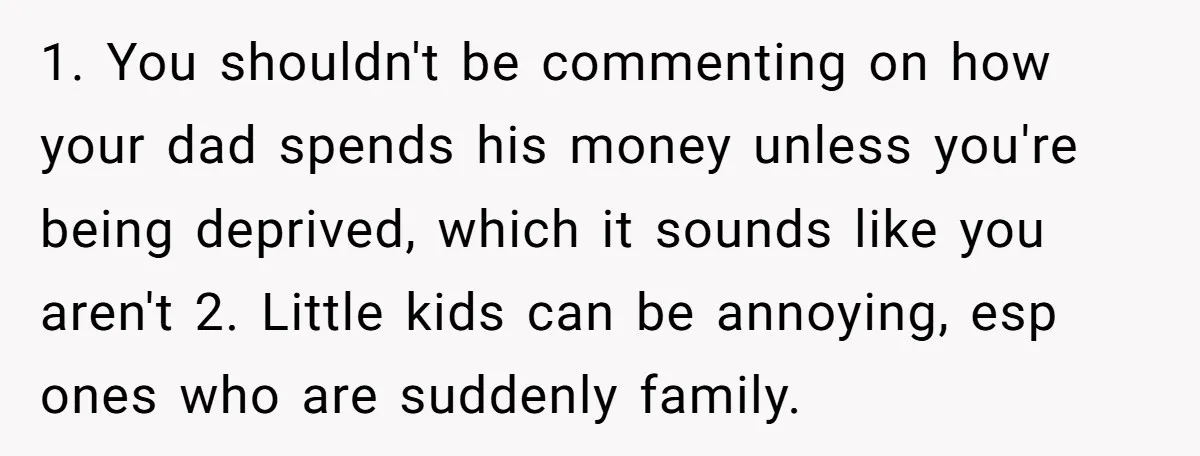

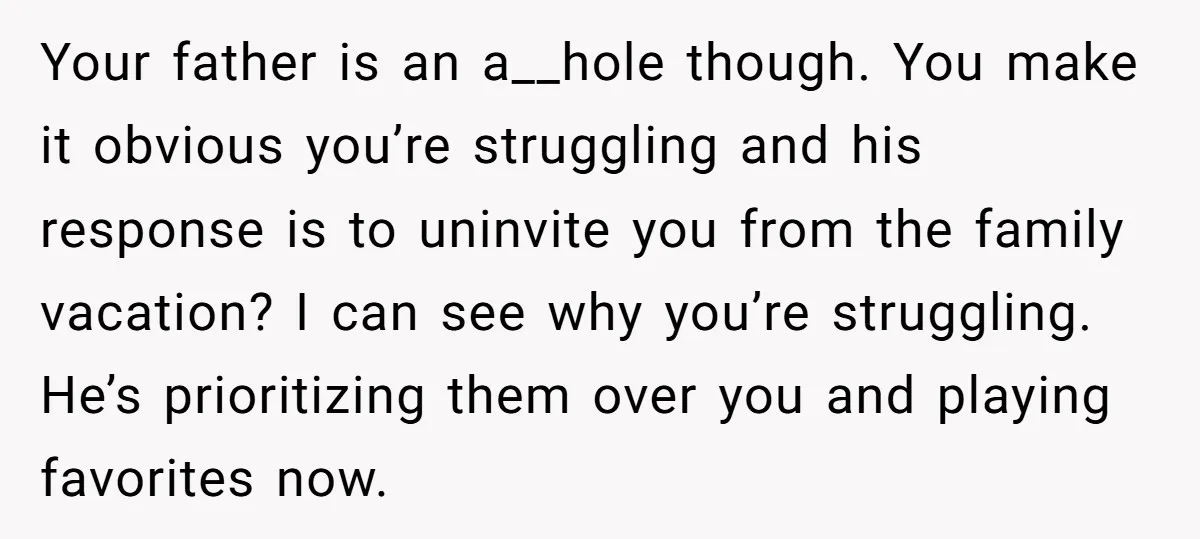
Others acknowledged the difficulty, criticizing the parents’ pressure while supporting the poster’s feelings.






![[Reddit User] − NTA. You just had your life turned upside down and some major changes thrust at you with no consideration for your feelings. It’s a hell of an...](https://loknam.com/aita/images/18593d6770/wp-editor-1767751295136-7.webp)

This experience highlights how fast family can change when a hidden chapter opens. The father’s joy and guilt are understandable, but so is a teen’s need for time and space amid the shift. Forcing acceptance rarely works – it often breeds resentment. Small steps toward neutral respect tend to feel more genuine than mandatory bonding.
Have you ever felt pushed to accept a major family change before you were ready? How would you balance welcoming new members while protecting your own feelings? When excitement for some feels like loss for others, what’s the fairest way forward?