
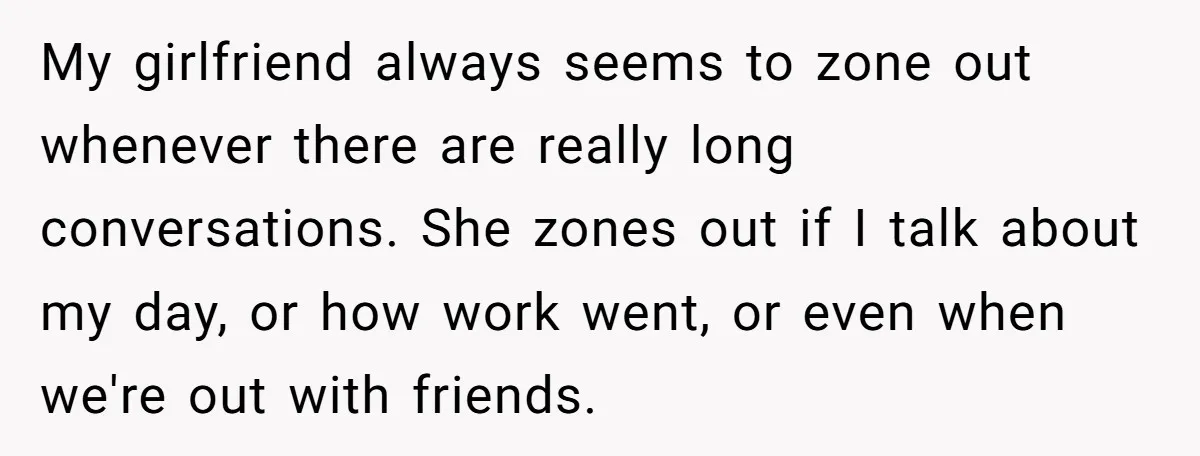
A boyfriend grew increasingly frustrated with his girlfriend’s habit of zoning out during long conversations, whether he was sharing details about his day, work, or even group outings with friends. Despite her apologies and explanation that the topics feel boring to her, the behavior persisted, leading to tension.
What makes the situation more complicated is his suspicion that she might have ADHD—she is trying to get a therapist appointment—and a recent family dinner where her drifting off was noticed by others. After yelling at her in the car to “get it under control,” he now regrets his harsh reaction as she has become quiet and distant.

‘AITA for blowing up at my girlfriend because she keeps zoning out?’
The poster described his girlfriend’s recurring zoning out and his growing annoyance.
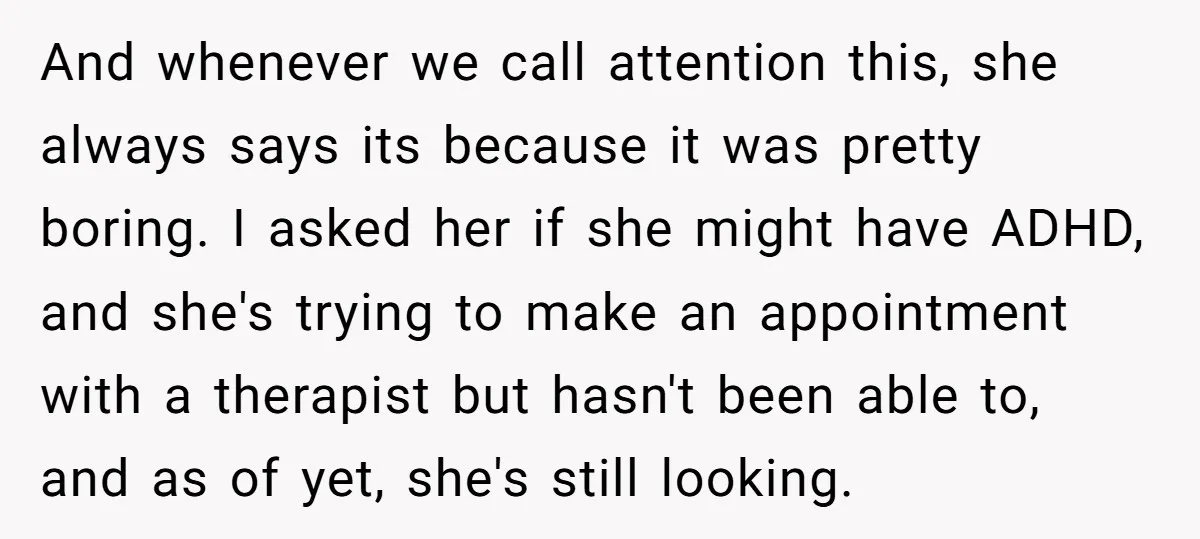
The poster recounted the incident at his parents’ house that escalated the conflict.

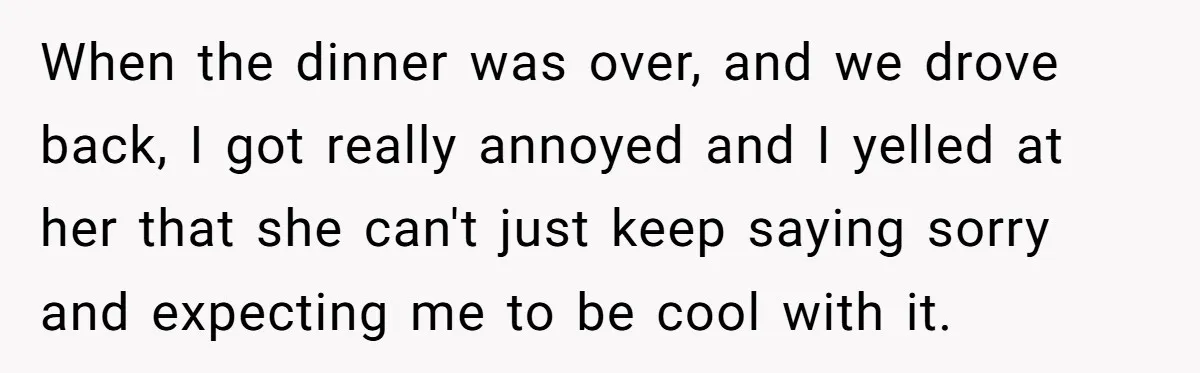
Finally, the poster expressed regret over his reaction and the current state of things.
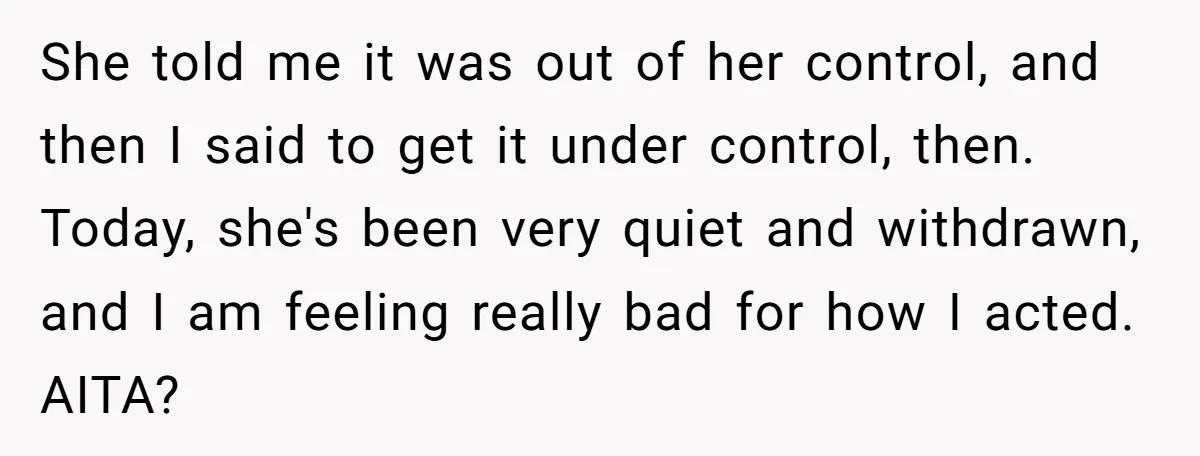
The central issue stems from the girlfriend’s frequent zoning out during conversations, which the boyfriend interprets as disinterest or rudeness, while she attributes it to boredom or lack of control. His suspicion of ADHD shows some empathy, yet his outburst—demanding she “get it under control”—dismisses the possibility that it may be involuntary. Yelling in frustration, particularly after a family event where her behavior was publicly noticed, amplified the hurt and left her withdrawn. Healthy relationships require patience when one partner struggles with focus, and blaming or shouting rarely helps; instead, collaborative solutions like shorter conversations or mutual topic-sharing build understanding.
Opposing perspectives might argue that the boyfriend has a right to feel unheard if conversations are consistently one-sided, or that her apologies without effort to change feel dismissive. Some could suggest he is justified in expressing annoyance if the zoning out happens even when topics involve both of them or during important social settings. However, these views weaken when considering her ongoing search for professional help and the likelihood of a neurological factor. Demanding instant control over something potentially involuntary ignores the reality many face with attention difficulties.
From a broader social perspective, this story highlights the challenges neurodivergent individuals encounter in neurotypical relationships, where zoning out is often misread as boredom or disrespect rather than a symptom. It also underscores how frustration can lead to regrettable reactions that harm trust. Open dialogue, mutual adjustments, and professional support tend to foster stronger connections than blame, reminding couples that empathy during struggles strengthens bonds rather than breaking them.
Here’s what the community had to contribute:
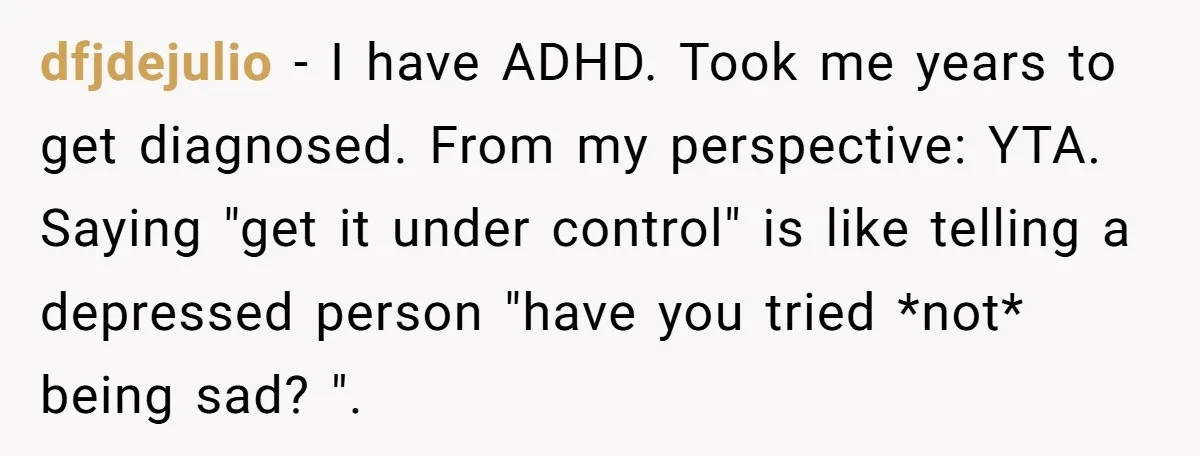
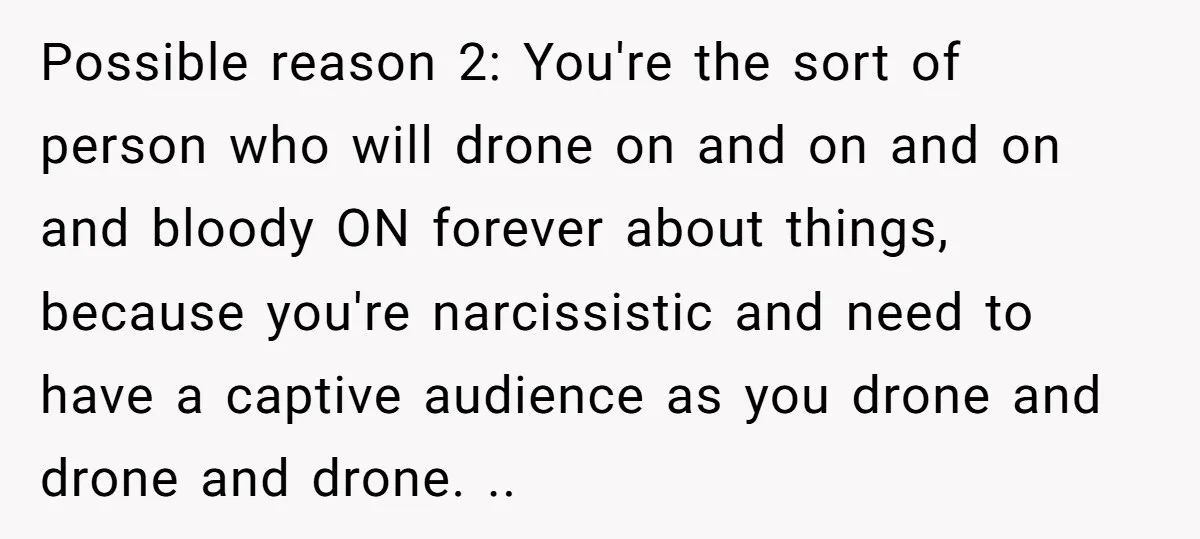
The majority of users judged the boyfriend as the asshole, emphasizing that zoning out may be involuntary and criticizing his harsh reaction.
![[Reddit User] − I used to do this. I was having seizures. YTA.](https://loknam.com/aita/images/02c9ea8b4d/wp-editor-1768295500368-1.webp)



![[Reddit User] − I think yelling at her may have been too extreme. I also do this and have ADHD and even with medication I zoned out.](https://loknam.com/aita/images/02c9ea8b4d/wp-editor-1768295509236-7.webp)

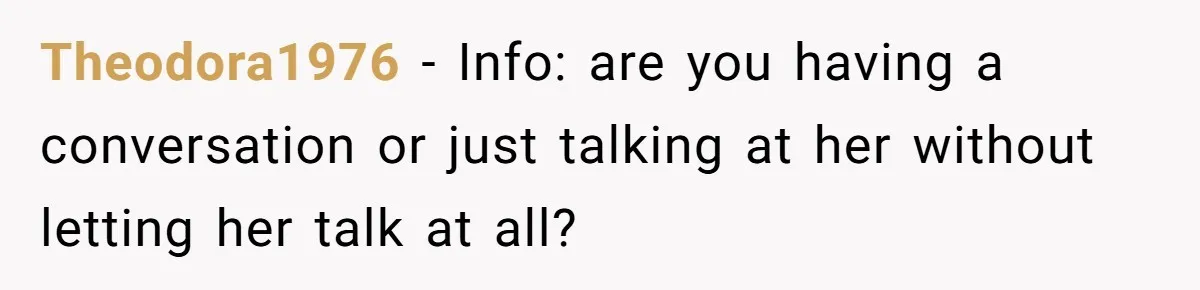
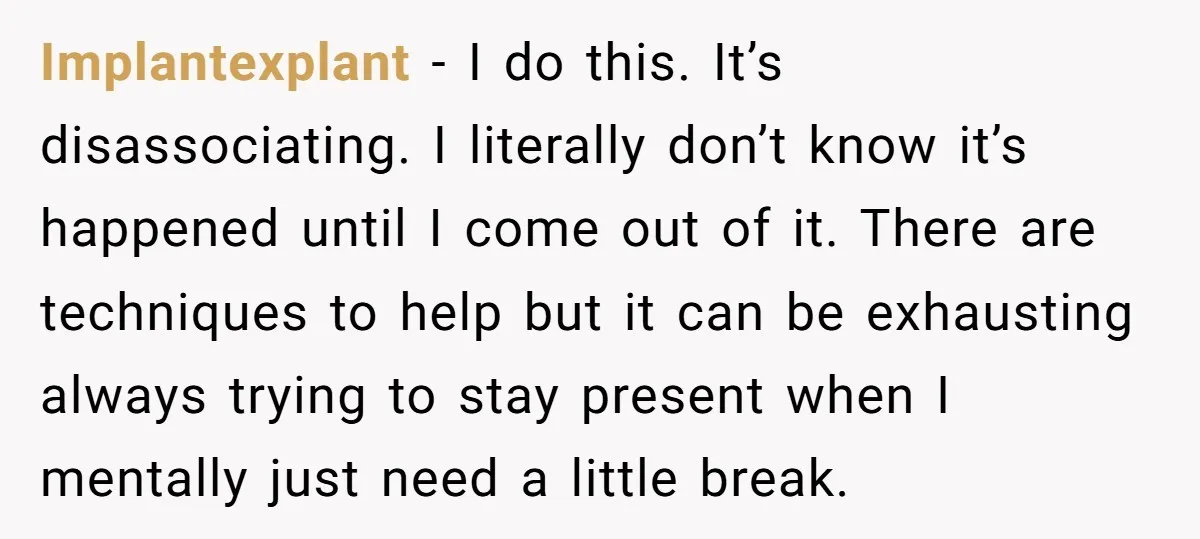
A few commenters offered balanced input, questioning conversation dynamics while still leaning toward the boyfriend bearing responsibility.


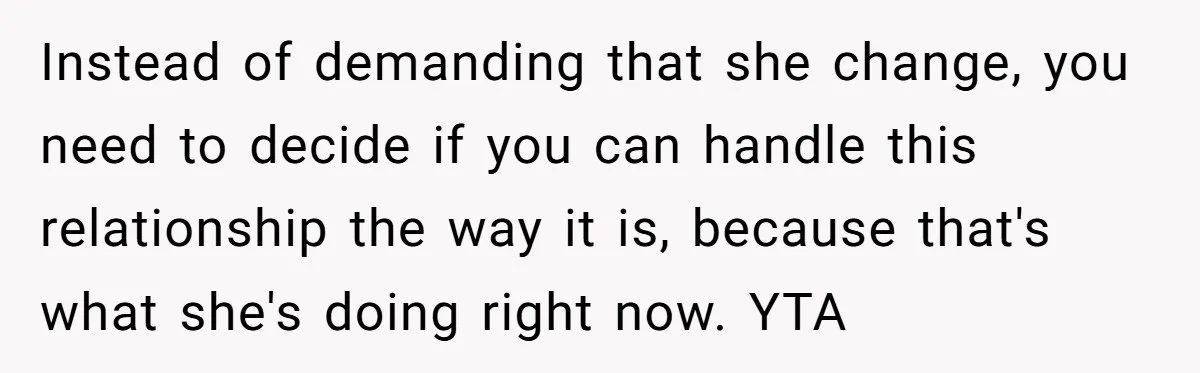
Others added witty or pointed remarks to underscore the unfairness of his demand and encourage self-reflection.


This story illustrates how frustration over one partner’s zoning out can quickly escalate into regret when met with anger instead of understanding, especially when a possible neurodivergent explanation is on the table. The community largely supports the girlfriend’s position, urging the boyfriend to reflect on his approach and consider mutual adjustments rather than demands.
Have you experienced zoning out in conversations or dealt with a partner who does? How do you handle moments when someone seems disengaged? Do you think yelling was justified, or should he have approached it differently? Share your thoughts or similar stories below.