
Moving in with a partner often reveals small differences that were easy to overlook before, especially when it comes to personal belongings. For one young woman, that difference took the shape of a tiny bat encased in epoxy, a childhood keepsake she genuinely finds fascinating rather than frightening. What seemed harmless to her quickly became a topic of discomfort once it entered a shared household.
The situation struck a nerve online because it touches on something many people recognize: where personal comfort ends and shared space begins. Some readers focused on the unusual nature of the item itself, while others zeroed in on the relationship dynamics and the noticeable age gap. As reactions poured in across social media, the discussion shifted from a single boxed curiosity to much bigger questions about control, compromise, and feeling truly at home.


Everything started with a personal item that had followed the poster since childhood, never causing conflict before.
Her comfort with animals and specimens made the bat feel normal, even sentimental, rather than disturbing.

The discomfort only surfaced during a casual conversation that unexpectedly turned physical.



When she brought the bat out to show them, the reaction was immediate and dramatic.
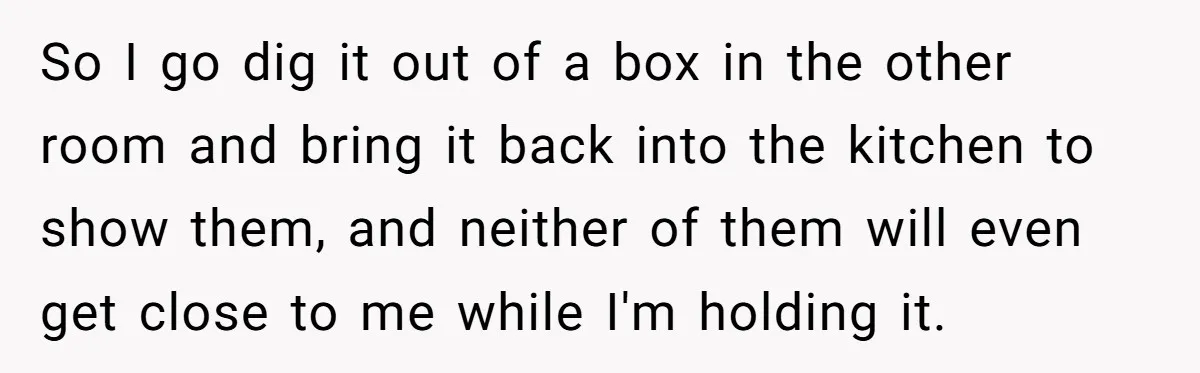
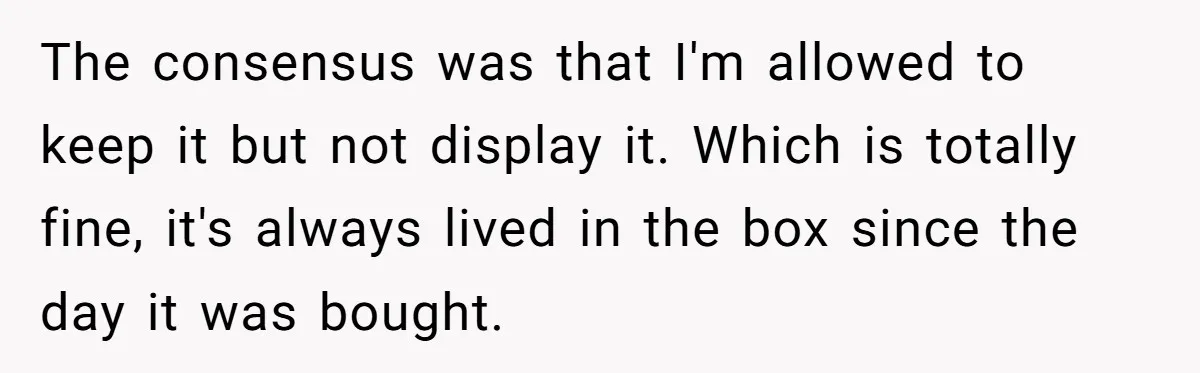
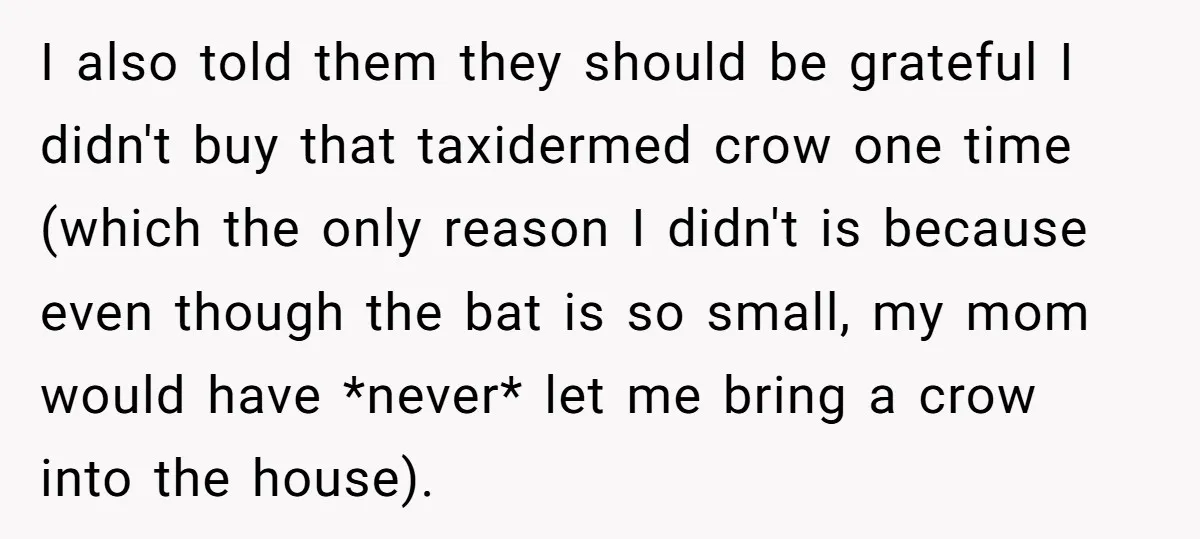
The poster didn’t feel angry, just unsure if she had crossed an invisible line.



At its core, this situation is less about a bat and more about shared space and unspoken expectations. The poster brought an item that already belonged to her life, stored discreetly and never forced into common areas. From her perspective, nothing changed except the address. For her boyfriend and his brother, however, the item suddenly felt intrusive once it entered their home.
Looking from the other side, discomfort with preserved animals is not unusual. Some people have strong reactions to dead specimens, even when they pose no risk. Their request to keep it out of sight can be seen as an attempt to protect their comfort. Still, discomfort does not automatically justify setting rules without discussion, especially when the item was known long before cohabitation.
Relationship experts often stress the importance of mutual space. According to Dr. John Gottman of The Gottman Institute, “Successful couples honor each other’s dreams, even when they don’t fully understand them.” That doesn’t mean loving every object your partner owns, but it does mean acknowledging its meaning and finding compromises that don’t feel one-sided.
A practical path forward would involve clear agreements. If one person can veto an item, the same courtesy should apply both ways. Creating designated personal spaces, even small ones, allows individuality to coexist with shared comfort. Most importantly, conversations like this should stay curious rather than corrective. When compromise feels mutual, small oddities stop feeling like threats and start feeling like part of a shared story.
Here’s the feedback from the Reddit community:
Many users supported the poster, arguing that her keepsake caused no real harm.



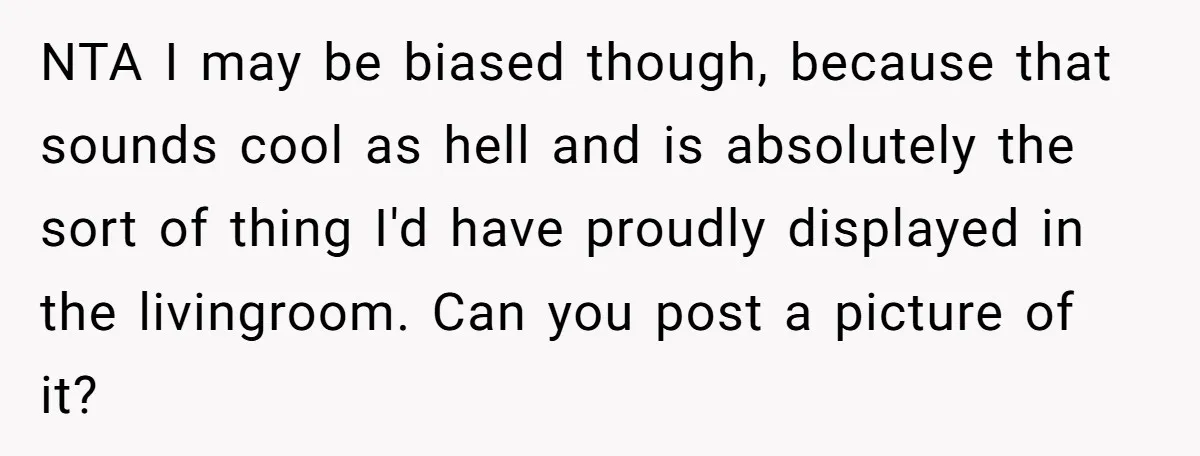
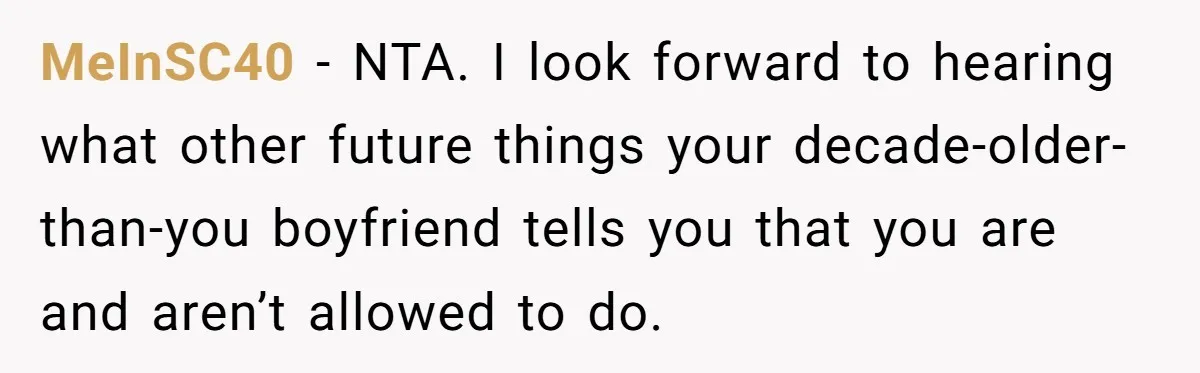

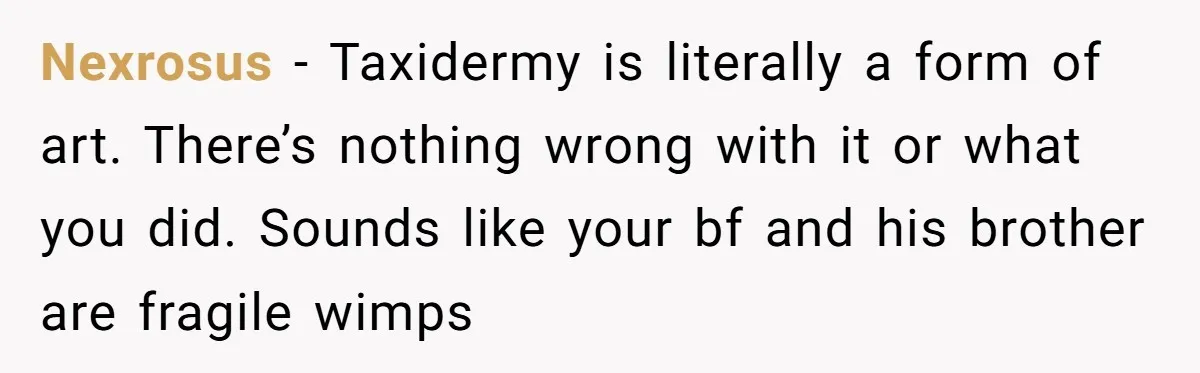

Other commenters tried to strike a more balanced tone.
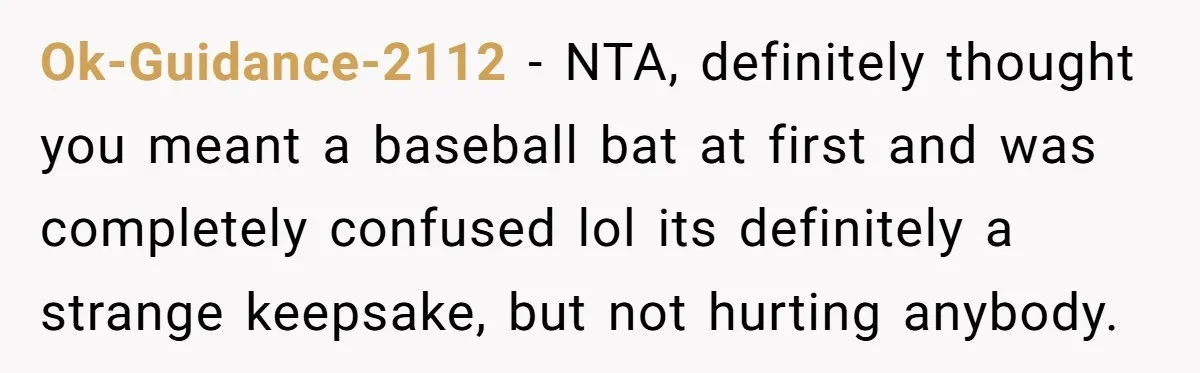
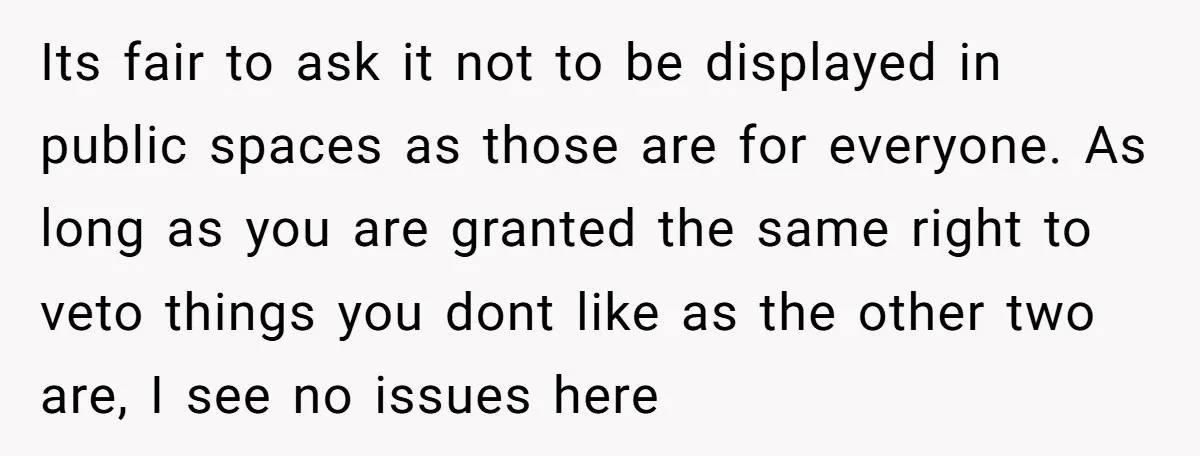

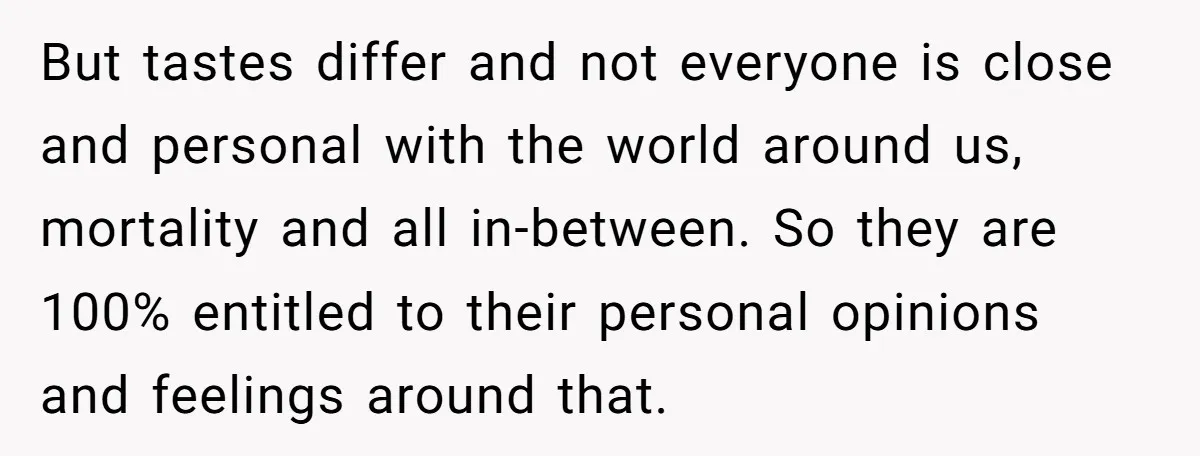
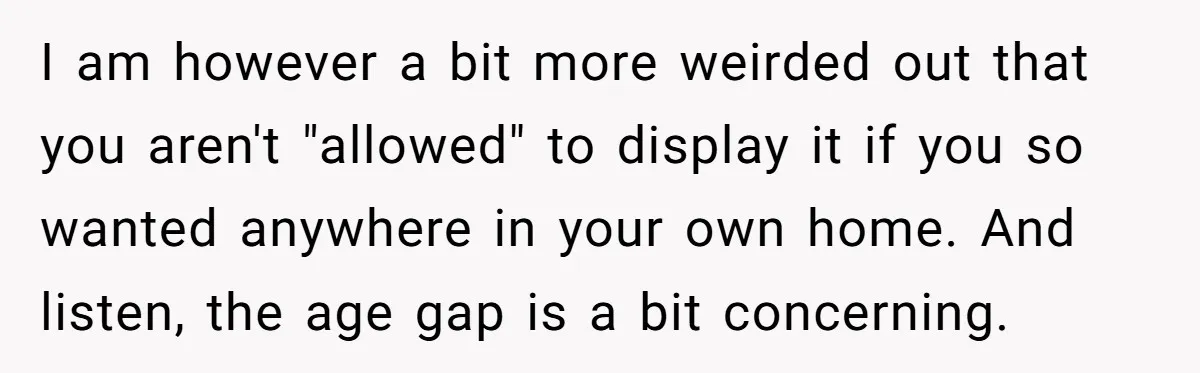

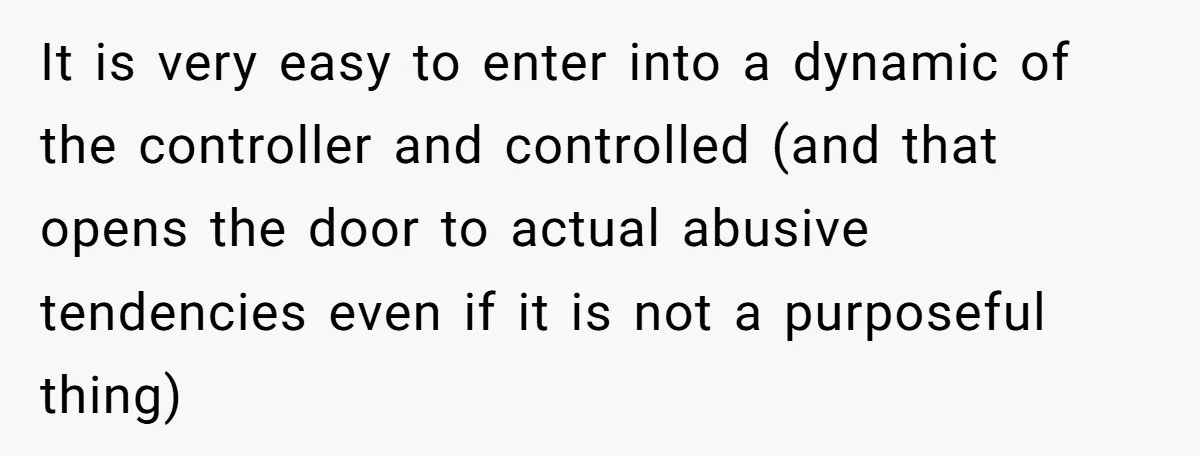
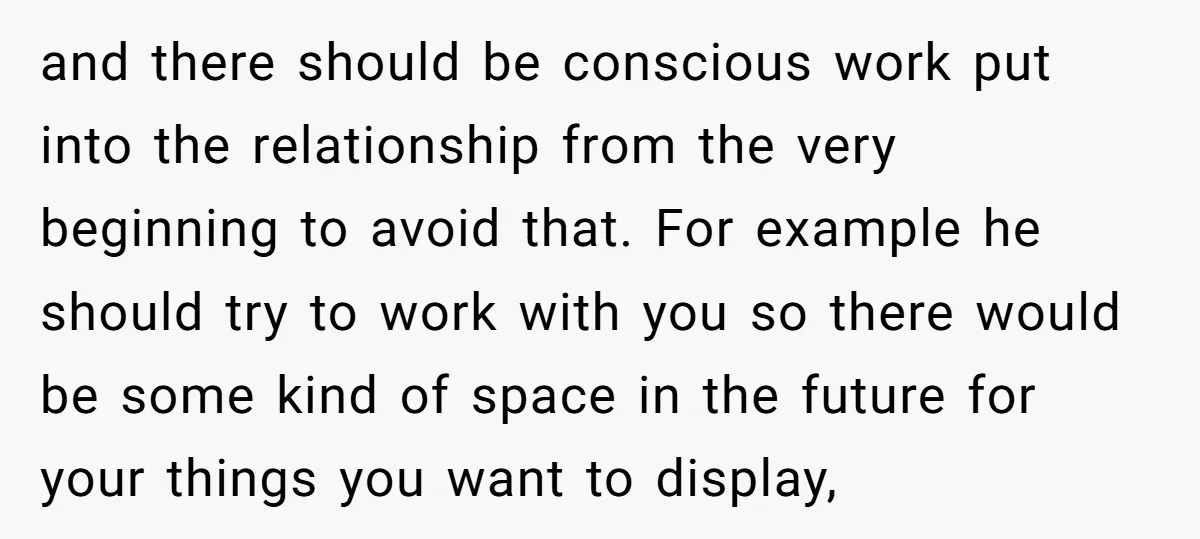
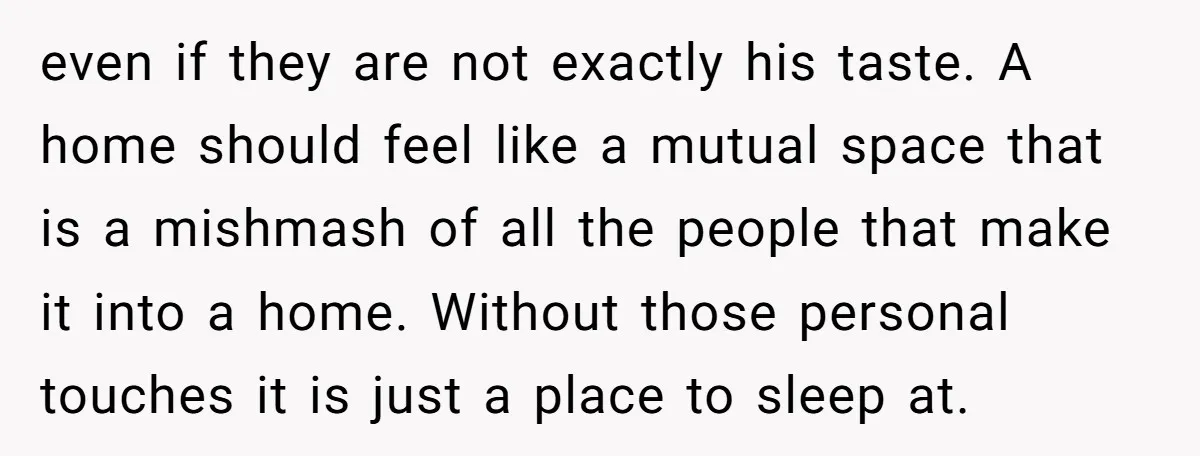
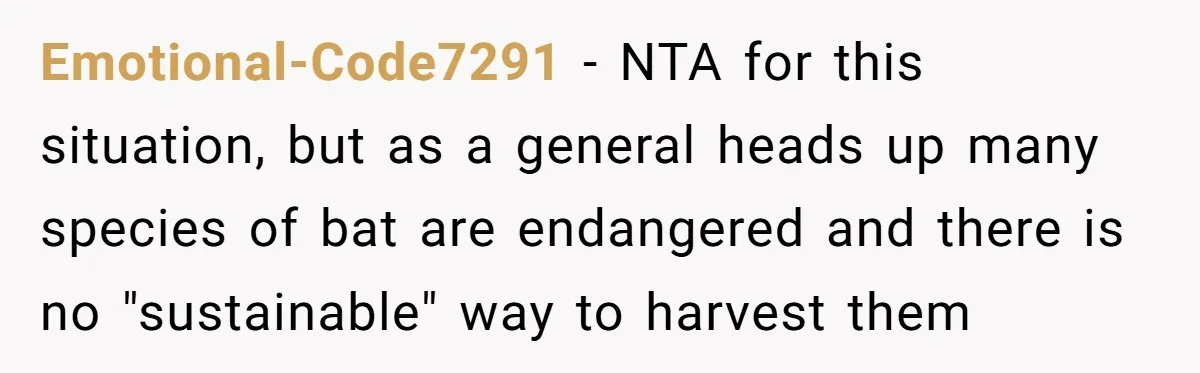



A few responses leaned into humor to lighten the mood.
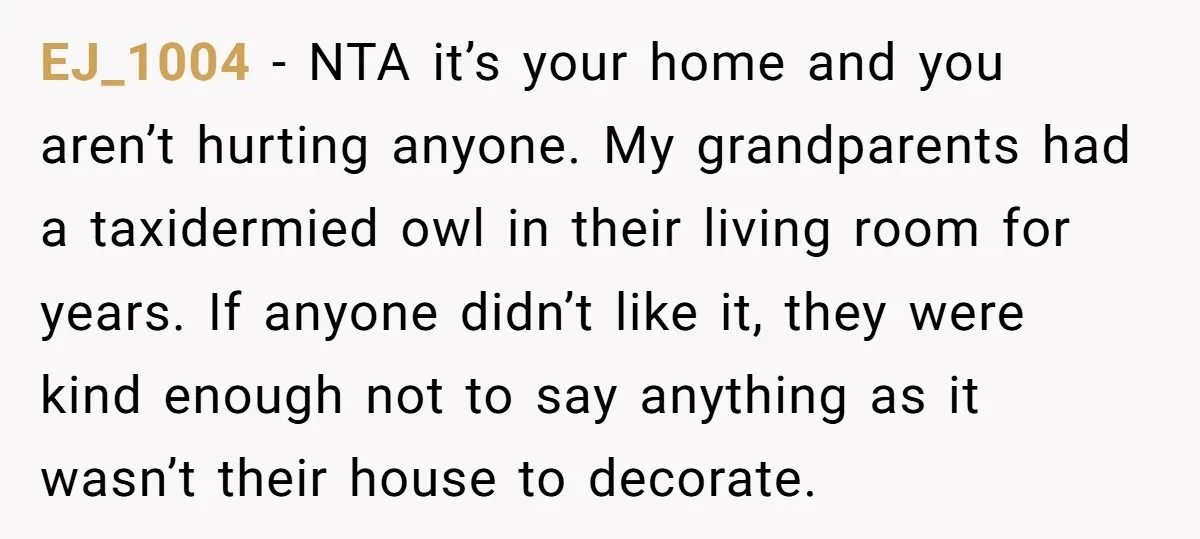




What started as a lighthearted debate over a small boxed keepsake quickly turned into a wider discussion about shared living, comfort, and unspoken power dynamics. While the bat itself remains harmless and hidden away, the reactions around it reveal how easily personal differences can feel bigger once space is shared. Some see harmless individuality, others feel genuine discomfort. So where should the line be drawn when two lives merge under one roof? What would you do in this situation?