
A lawyer attending her girlfriend’s family dinner did not expect the evening to turn into a confrontation about respect and favoritism. What began as a routine family gathering quickly shifted when a dismissive remark highlighted long-standing tensions within the household.
Shared on a social network, the story focuses on a woman who spoke up after witnessing her girlfriend being belittled by her own family. Although her comment was meant to defend and uplift her partner, the reaction from the table — and later from her girlfriend — raised questions about boundaries, family dynamics, and when speaking up does more harm than good.

‘AITA for calling out the obvious favoritism in my girlfriend’s family?’
The dinner brought together a family already shaped by comparison and quiet judgment.
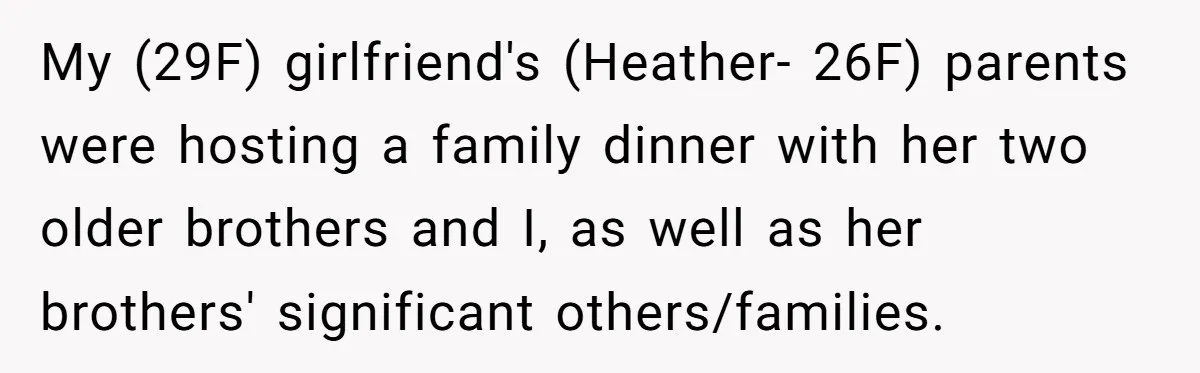
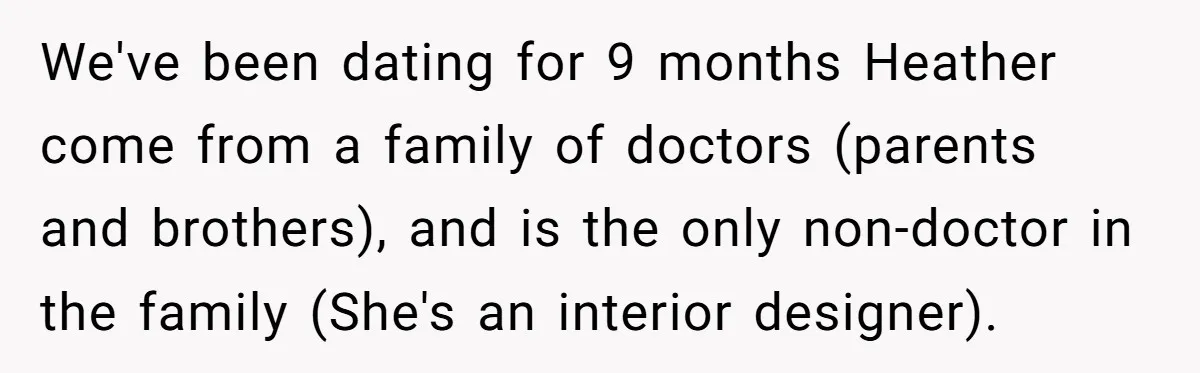
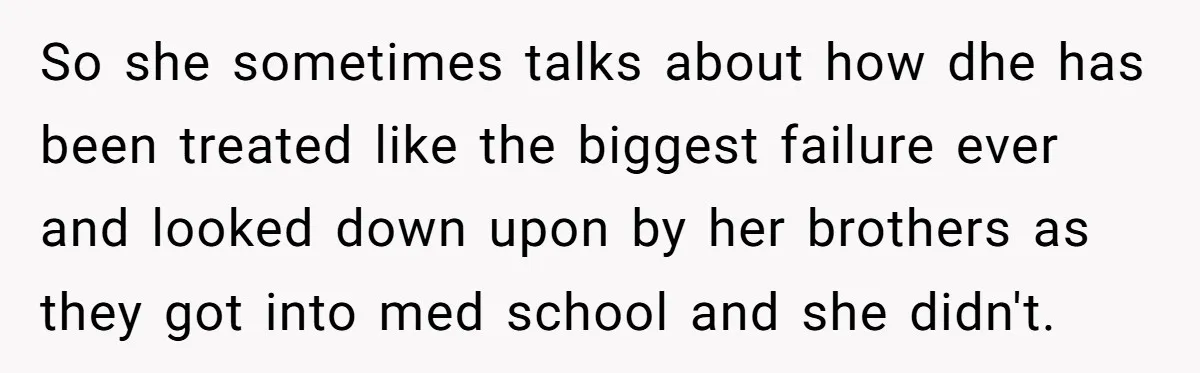


A single comment at the table exposed years of favoritism and resentment.
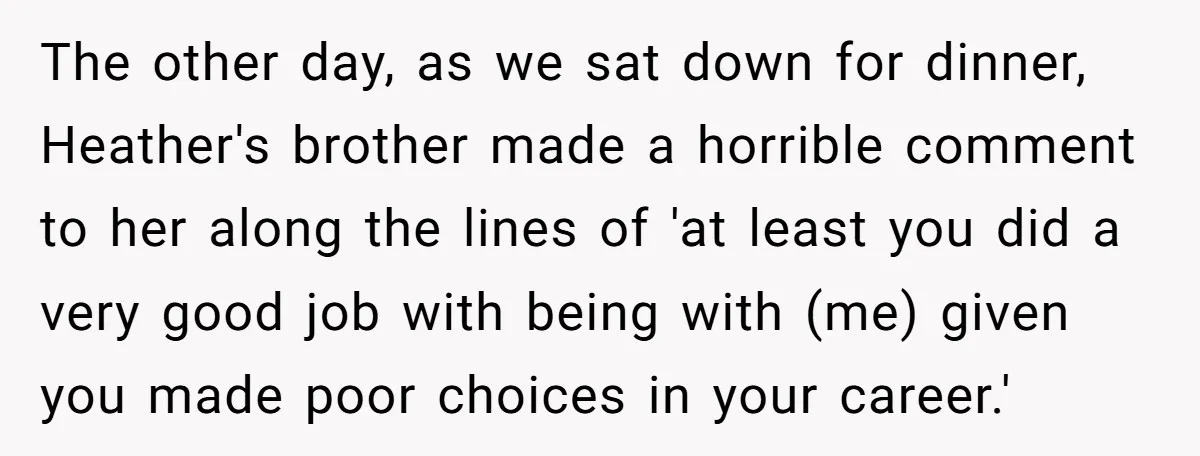
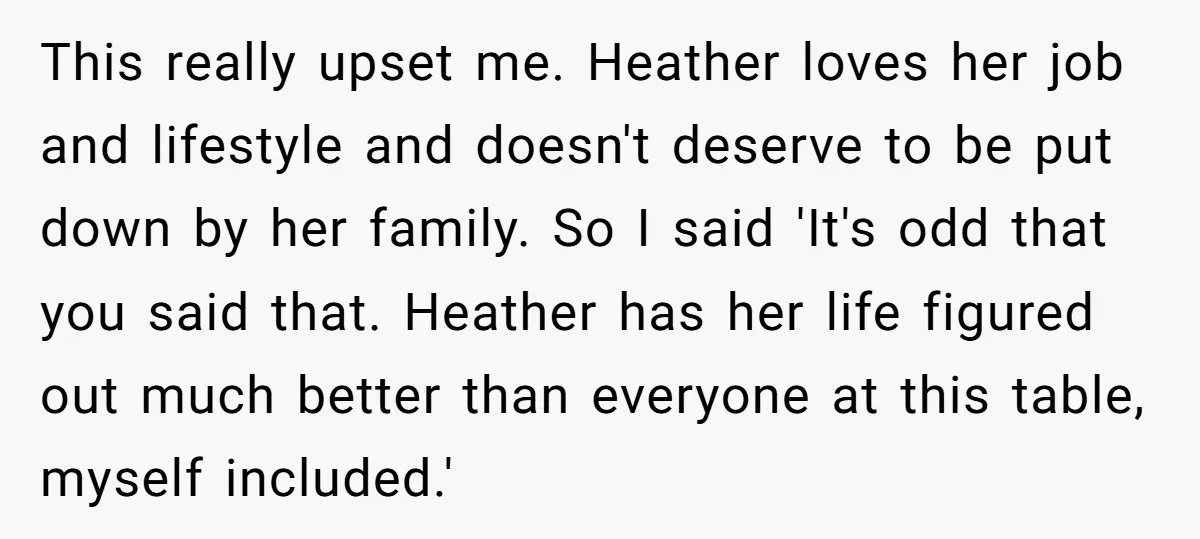
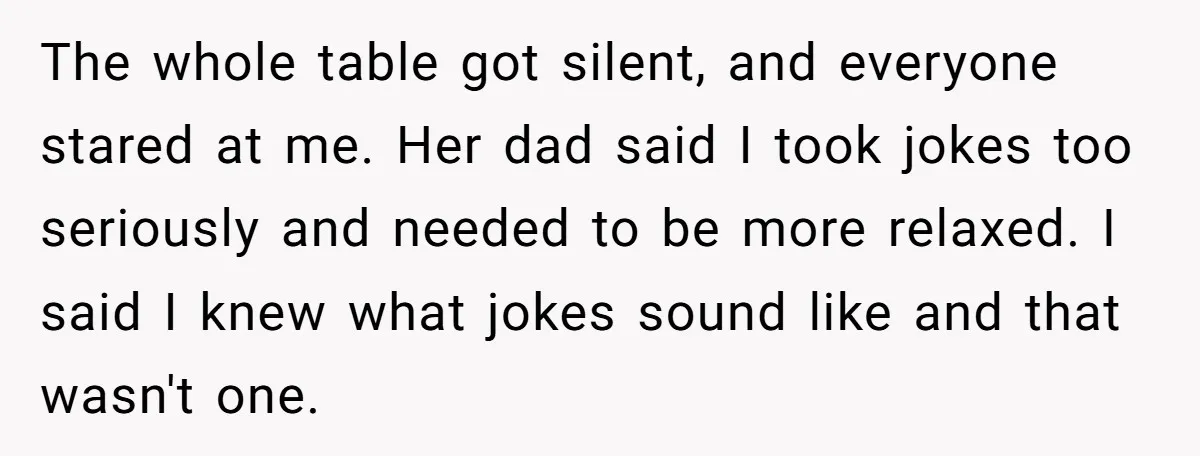
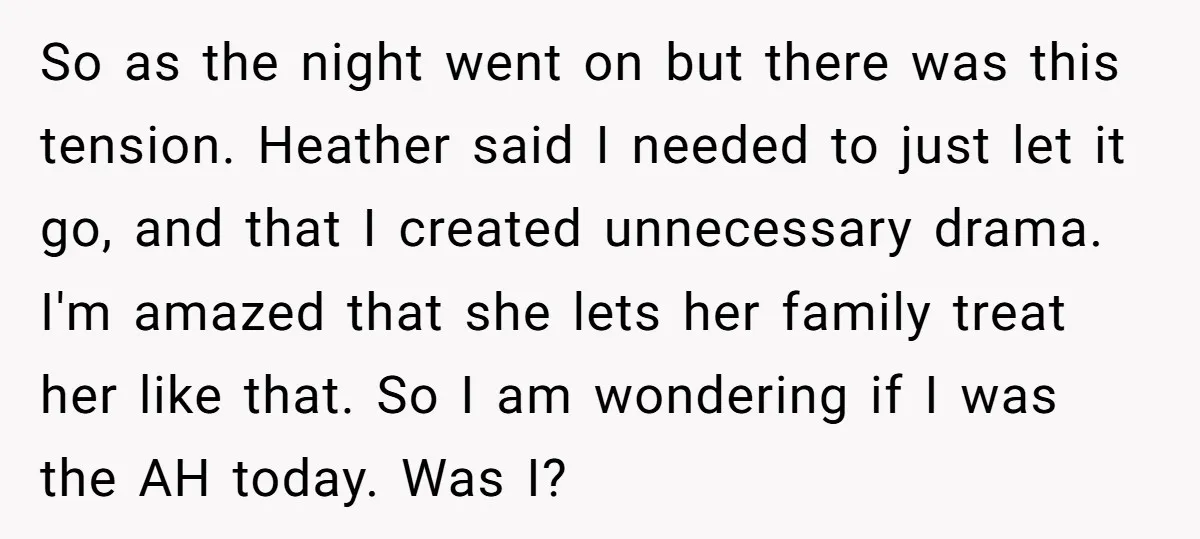
The aftermath left the couple divided on how the moment should have been handled.


The poster reacted instinctively to a remark that minimized her girlfriend’s achievements. From her perspective, the comment was not playful banter but a continuation of a long pattern of belittlement tied to career choice and identity. Her response avoided insults and instead reframed Heather’s success, which explains why it landed so sharply at the table.
Some may argue that confronting relatives publicly can escalate tension or make the targeted person uncomfortable. Heather’s reaction suggests she may have developed coping strategies that prioritize peace over confrontation. For individuals raised in critical environments, minimizing conflict can feel safer than challenging it.
From a broader social perspective, this story highlights how success is often narrowly defined within families, especially those centered around a single profession. When someone steps outside that mold, even thriving professionally and personally, they may still be treated as lesser. The conflict here is less about one comment and more about whether silence protects harmony or quietly reinforces harm.
Here’s the feedback from the Reddit community:
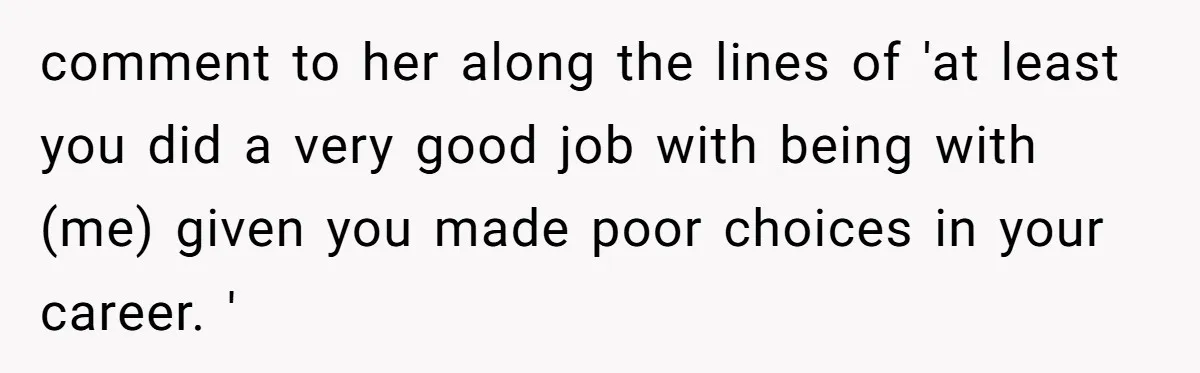
Many users supported the poster’s decision to speak up and defend her partner.

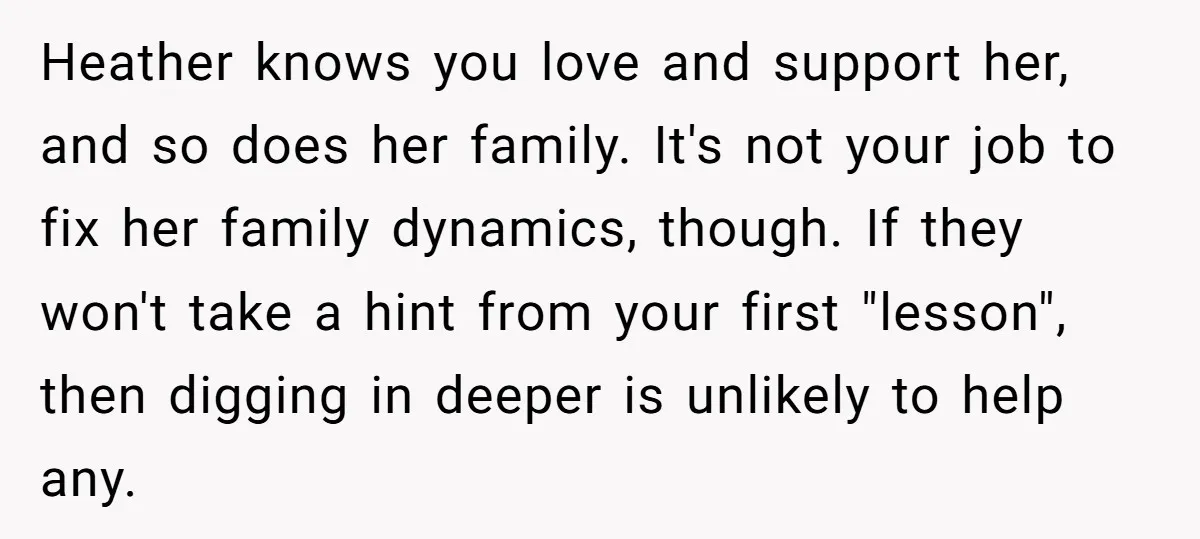




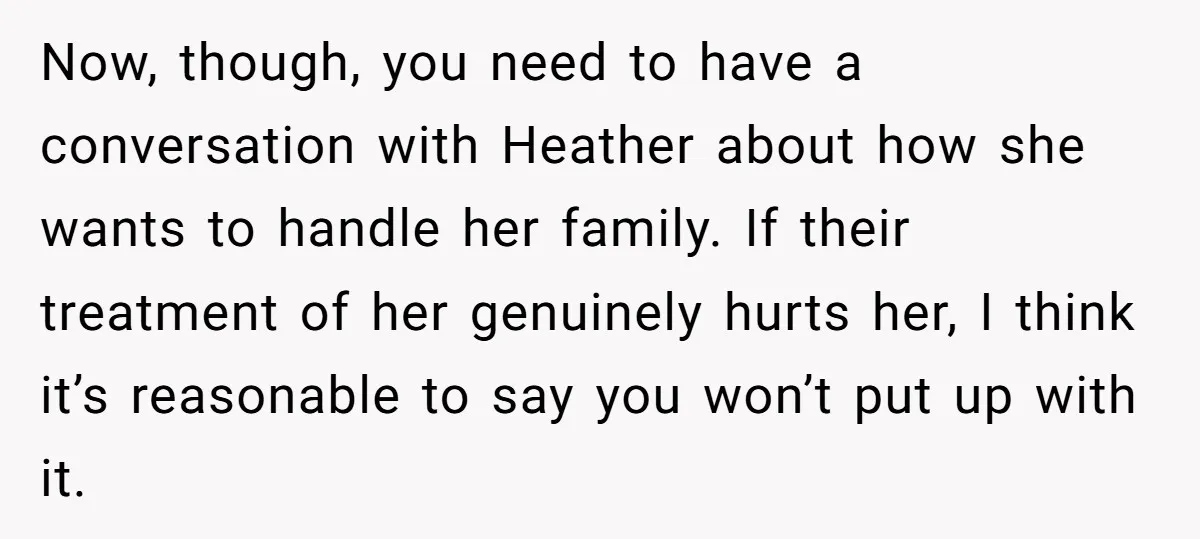
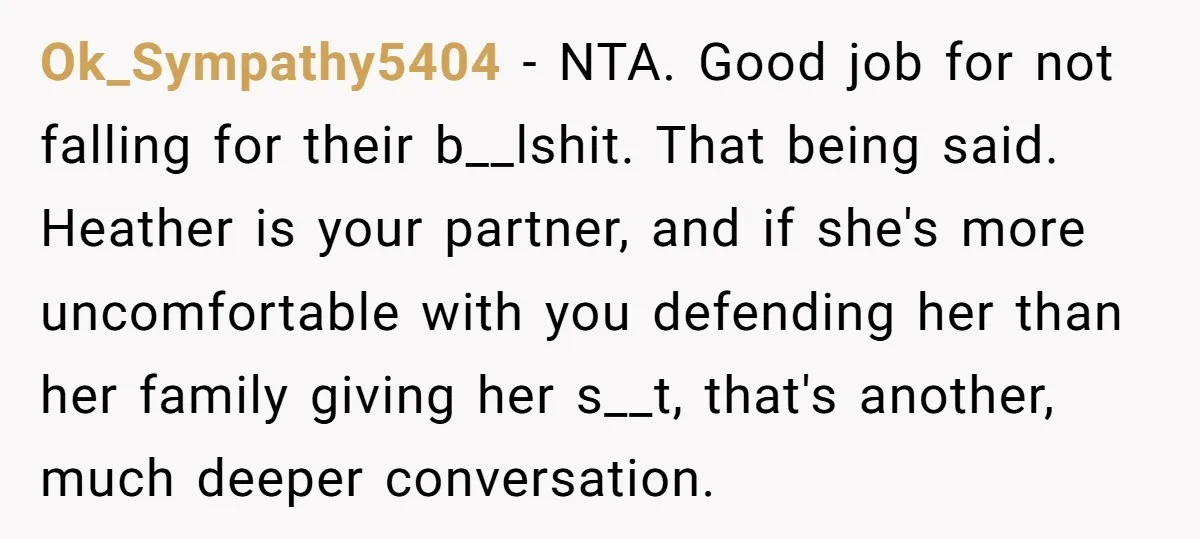
Others offered more balanced perspectives, emphasizing communication with Heather.
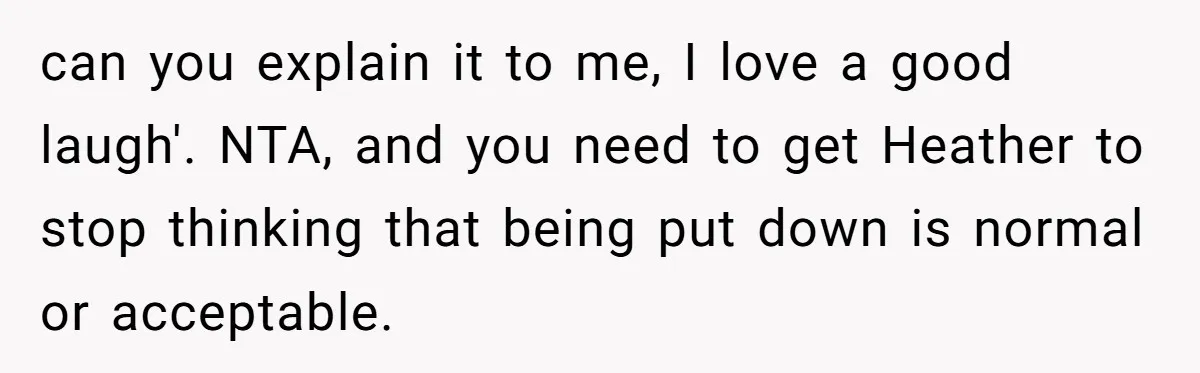
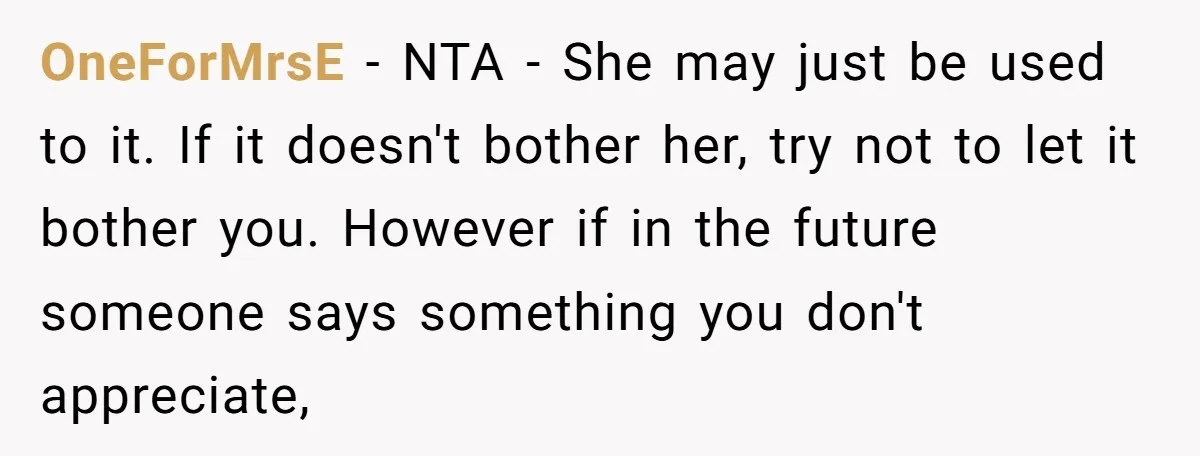
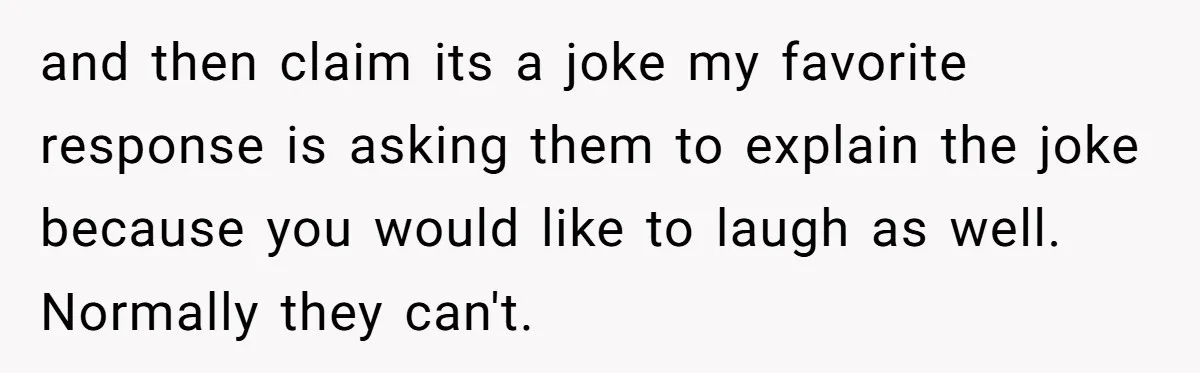
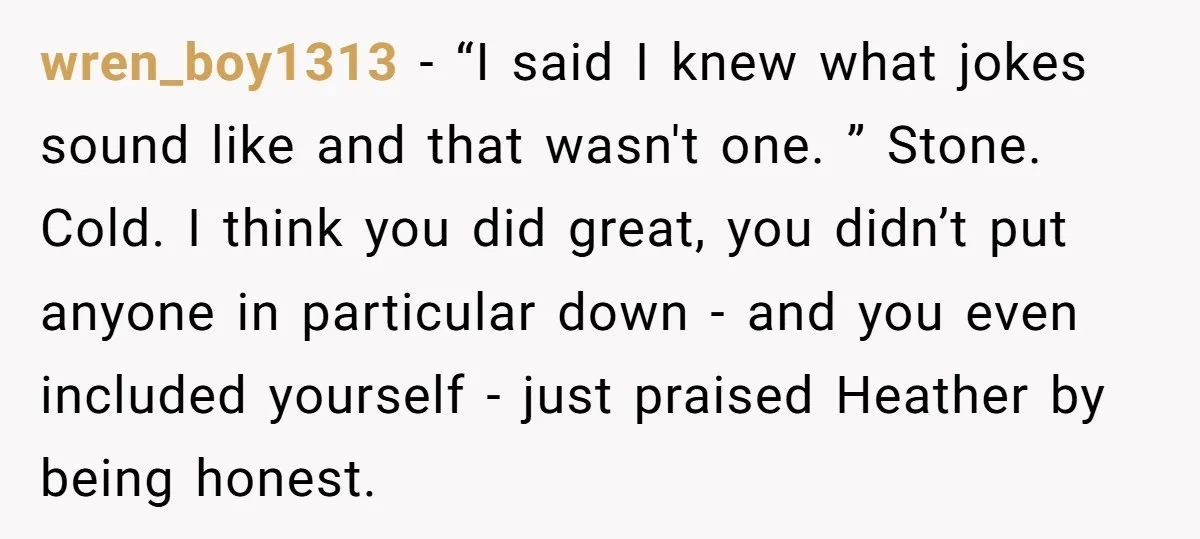

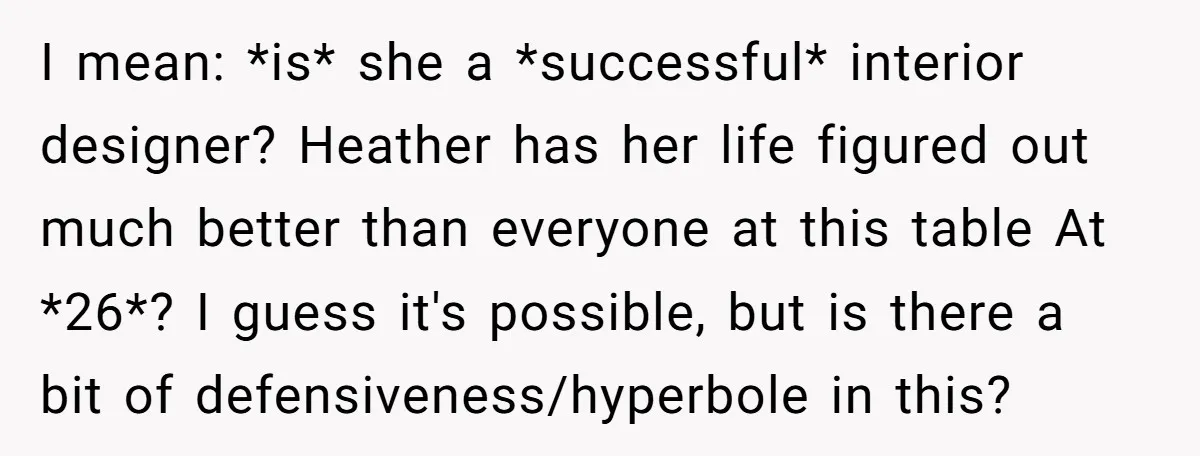
A few commenters focused on clarifying context or cutting through the tension directly.


![[Reddit User] − NTAH Major props for solidly having your GF's back. Her brother's passive aggressive "Joke". was anything but a joke. What an arrogant chode.](https://loknam.com/aita/images/7350043df1/wp-editor-1770090278963-6.webp)
The situation highlights the tension between defending a loved one and respecting how they choose to handle their own family. While the comment at dinner struck many readers as clearly dismissive, Heather’s reaction suggests years of adapting to similar treatment.
Is speaking up always the right move, even when it creates discomfort for the person being defended? Or does silence allow harmful family patterns to continue unchallenged? Readers are invited to share how they would handle favoritism and subtle insults when supporting a partner.