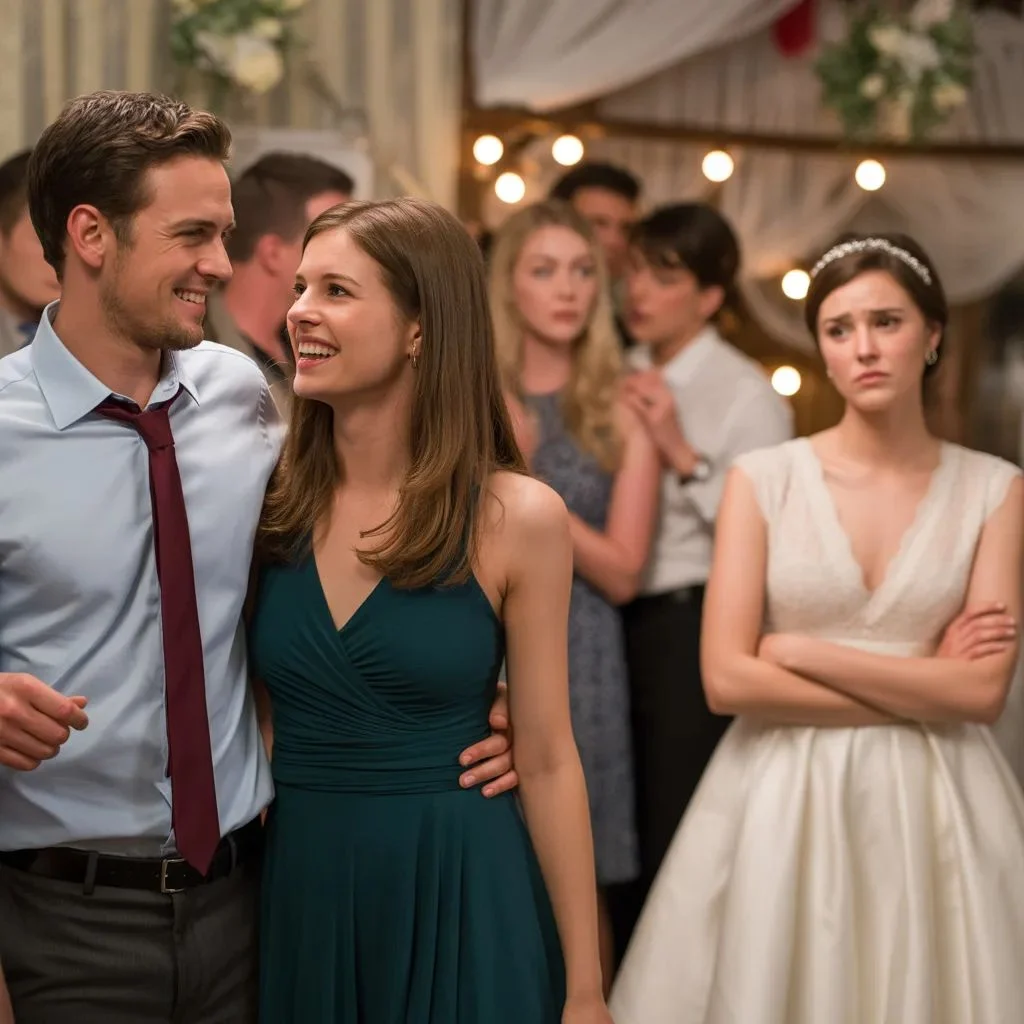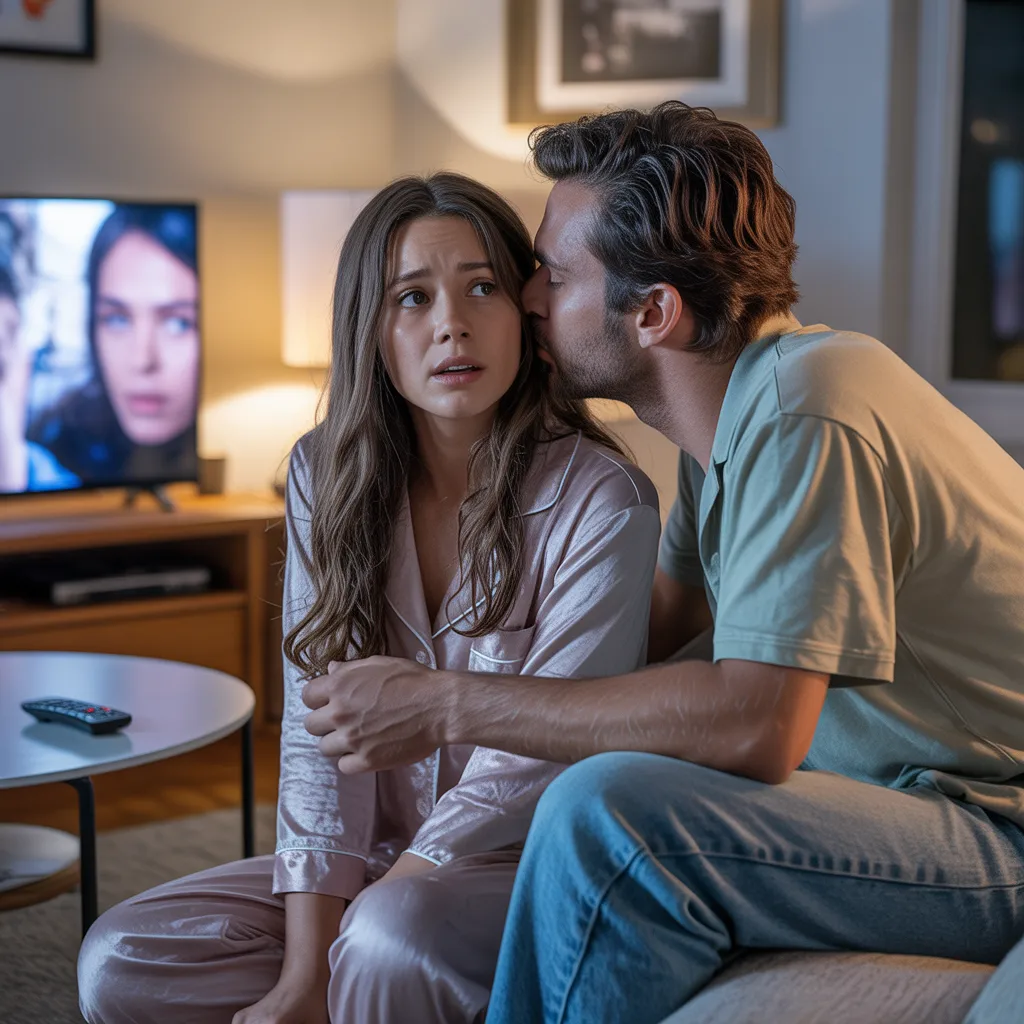
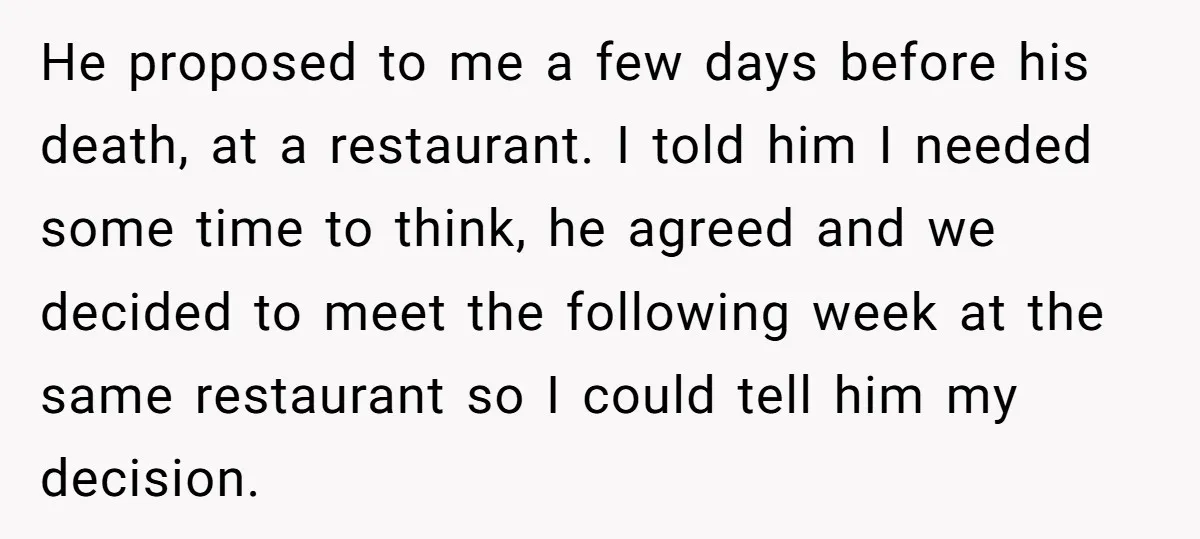
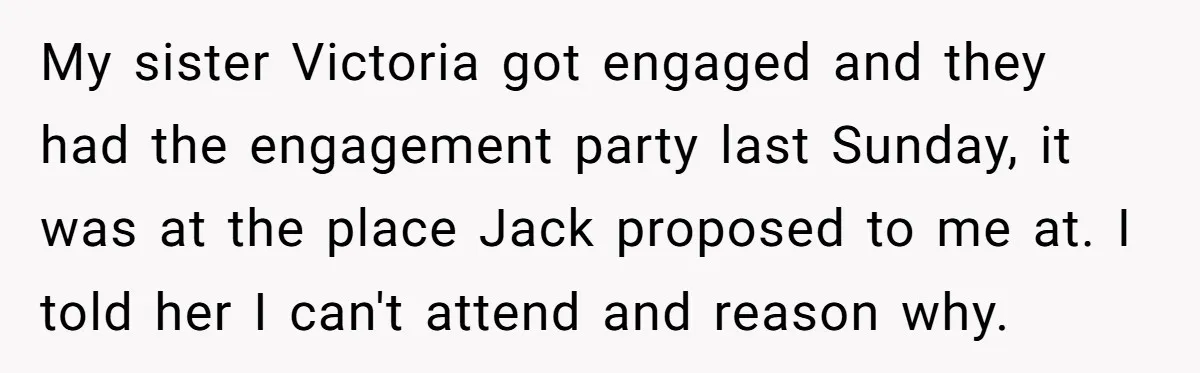
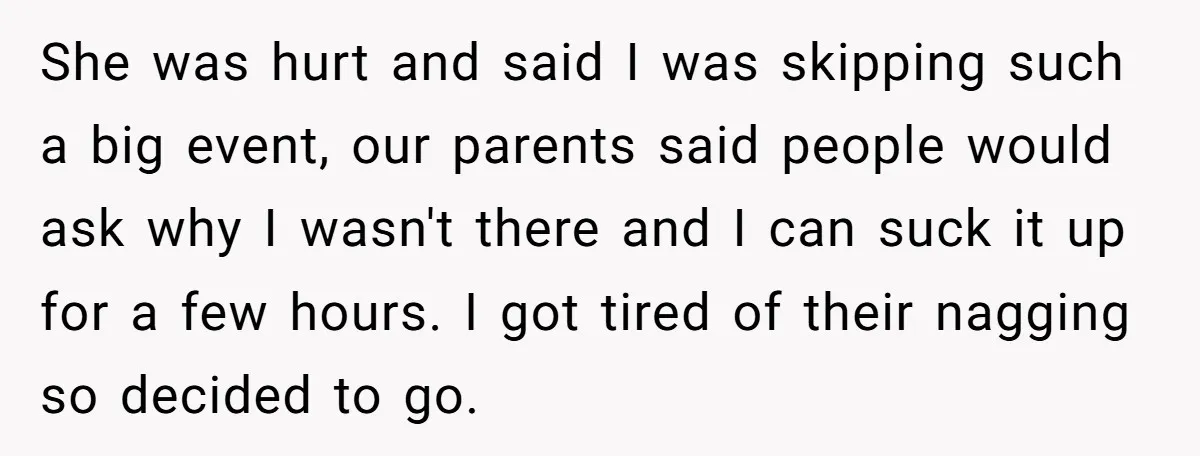
A woman attended her sister’s engagement party despite knowing it would be emotionally difficult. The event took place at the same restaurant where her late partner had proposed to her shortly before he passed away. Although she had explained why the location made her uncomfortable, her family encouraged her to attend anyway so that she could support the celebration.
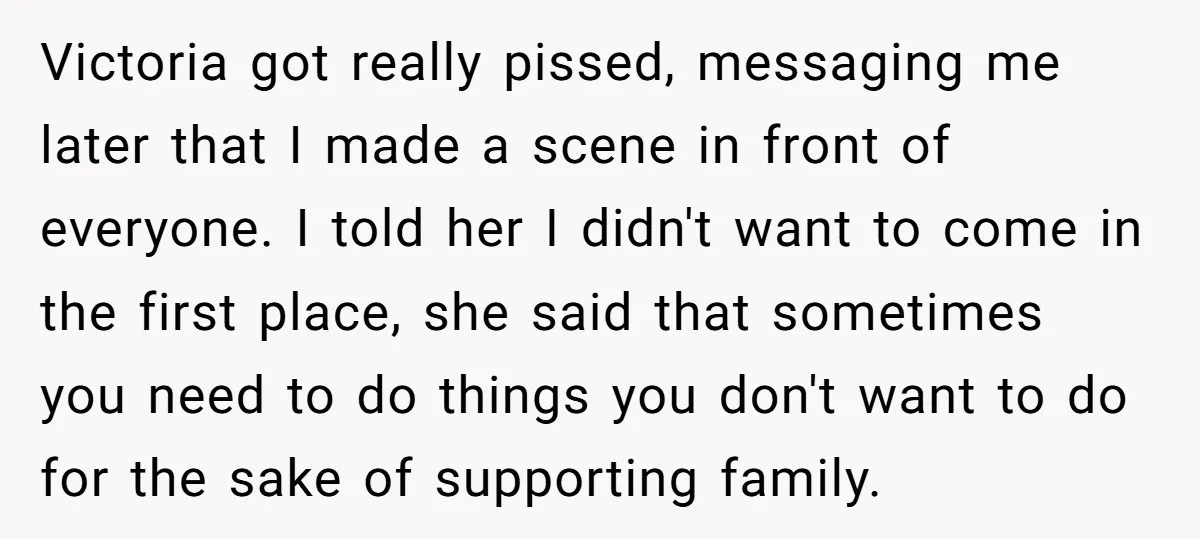
During the party, the memories became overwhelming and she quietly began to cry. She tried not to disrupt the gathering, yet her emotions were visible enough that some guests noticed. Afterward, her sister accused her of making a scene and embarrassing the family during an important milestone. The disagreement left her questioning whether she should have forced herself to hide her grief or stayed home as she originally wanted.
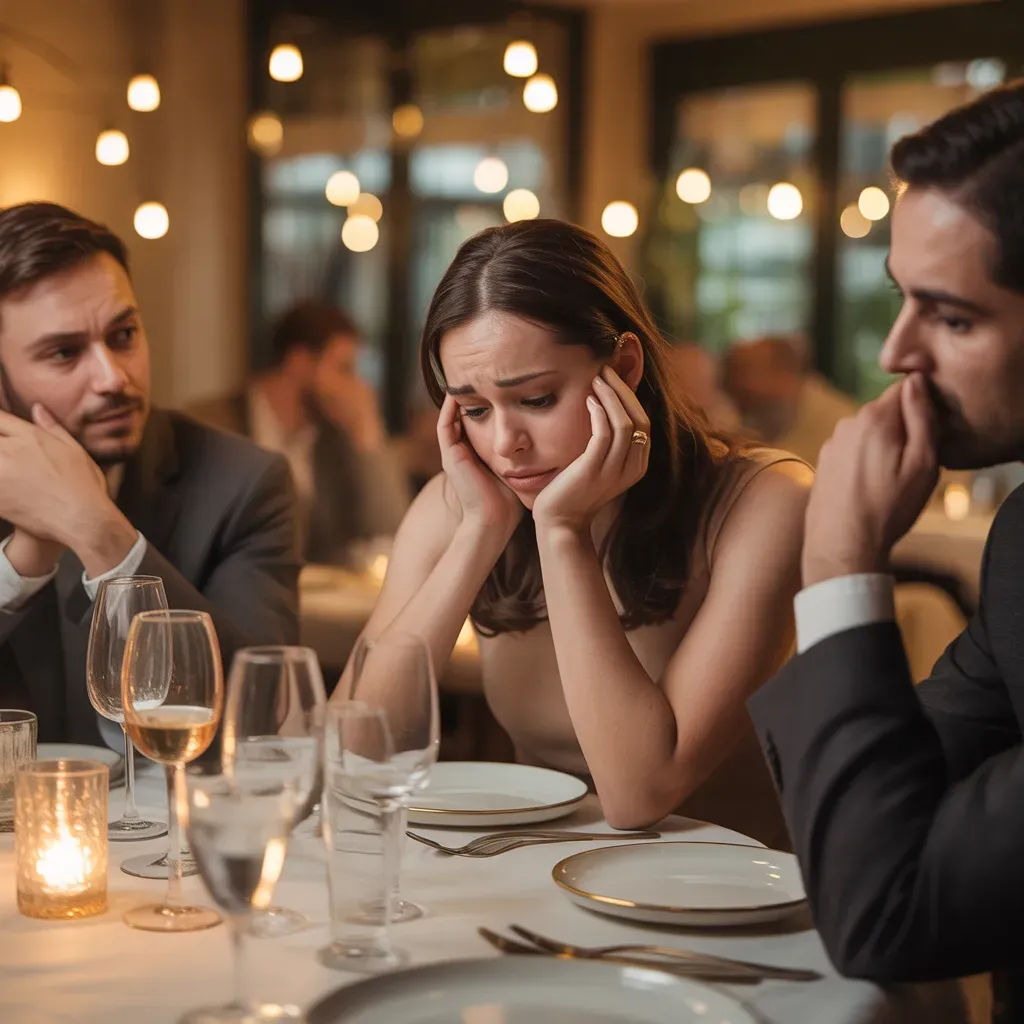
‘AITA for crying at my sister’s engagement party and “making a scene’?’
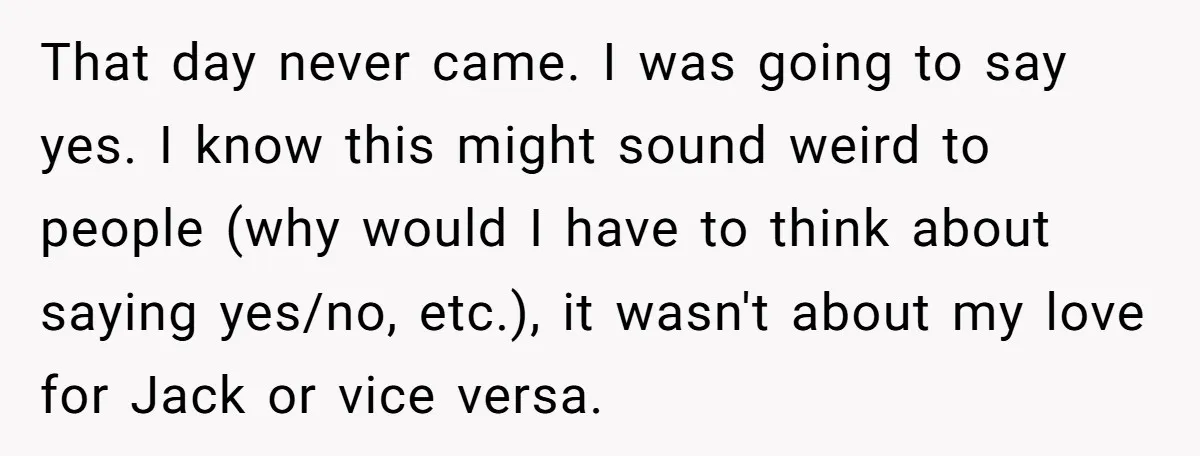
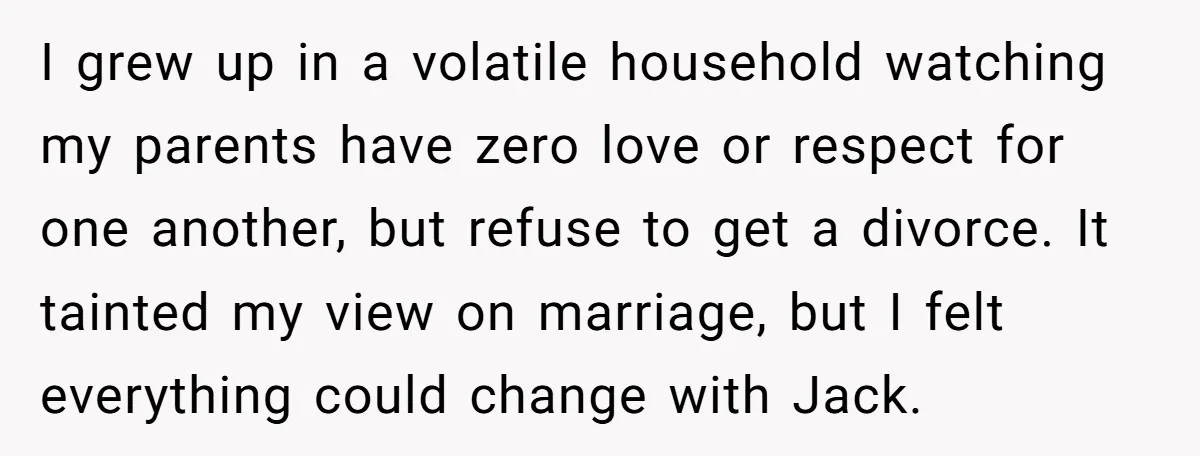
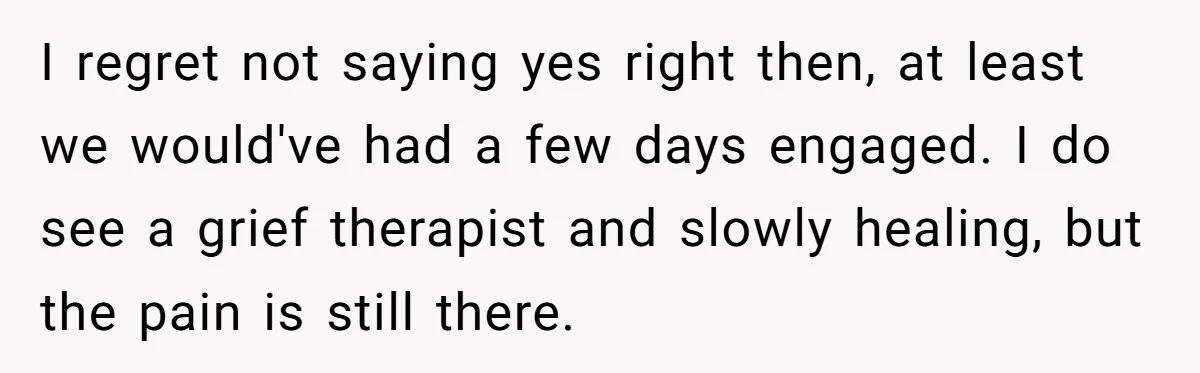
The poster shared the painful background behind her hesitation to attend.
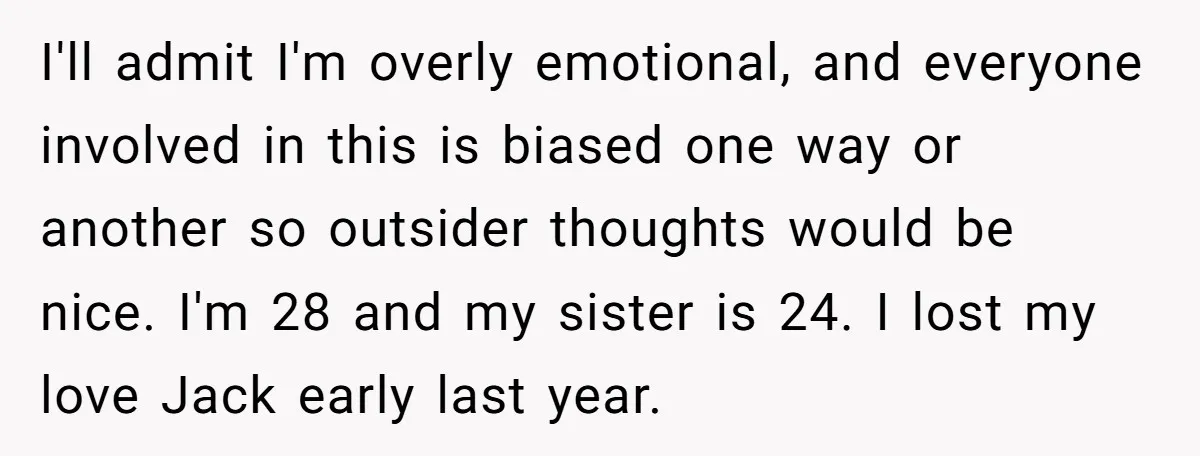
The engagement celebration happened at a place filled with memories.
The evening ended with tension after her emotions surfaced during the event.
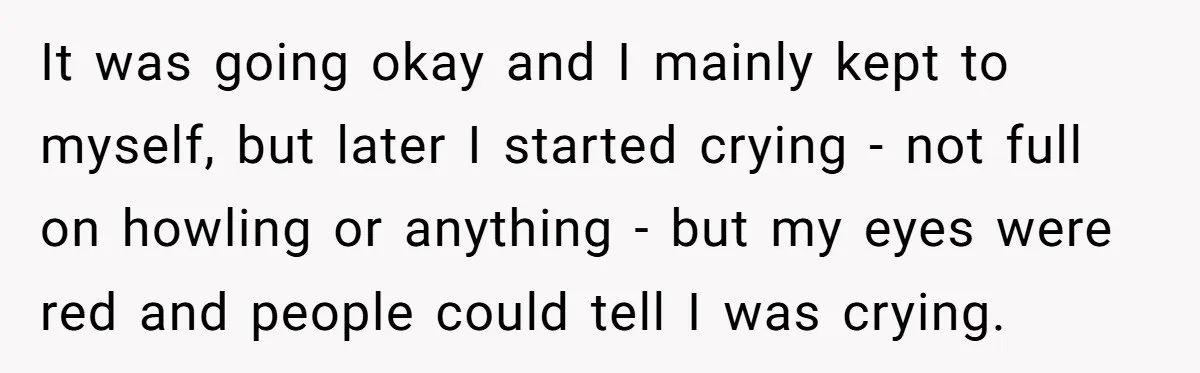
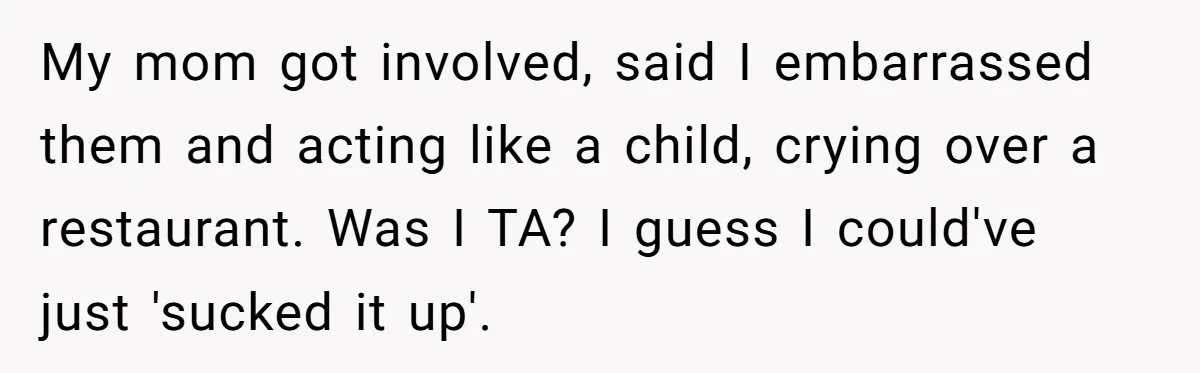
Grief often resurfaces in places tied to powerful memories. Returning to the same restaurant where a proposal happened—especially when the relationship ended with sudden loss—can trigger strong emotional responses even long after the event. Emotional reactions like quiet crying are common and do not necessarily indicate a lack of self-control or attention-seeking behavior.
In this situation, the conflict partly stems from differing expectations within the family. The sister and parents appear to prioritize maintaining the celebratory atmosphere and avoiding awkward questions from guests. From their perspective, they may have believed that attending briefly would show support and that emotions could be managed for the duration of the event. However, grief does not always follow a predictable timeline, and emotional triggers are often difficult to suppress.
At the same time, the poster attempted to communicate her boundaries in advance. She explained why the location would be difficult and initially declined the invitation. When someone expresses that a particular setting may reopen painful memories, respecting that request can help prevent exactly the type of situation that later occurred. The disagreement ultimately highlights the tension between family expectations and the personal process of healing after loss.
Here’s the comments of Reddit users:
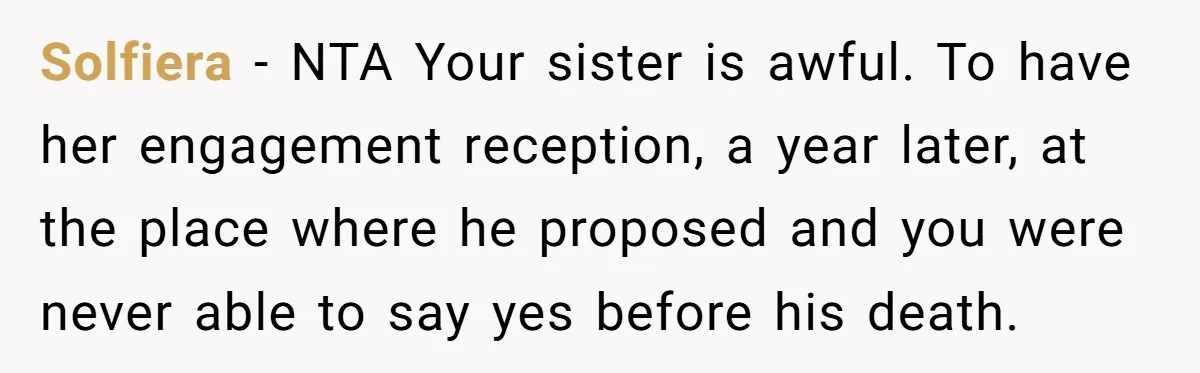
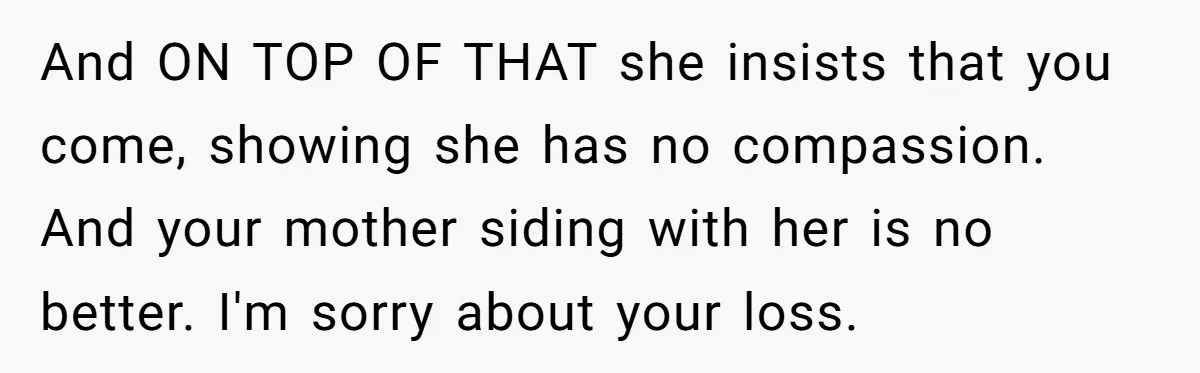
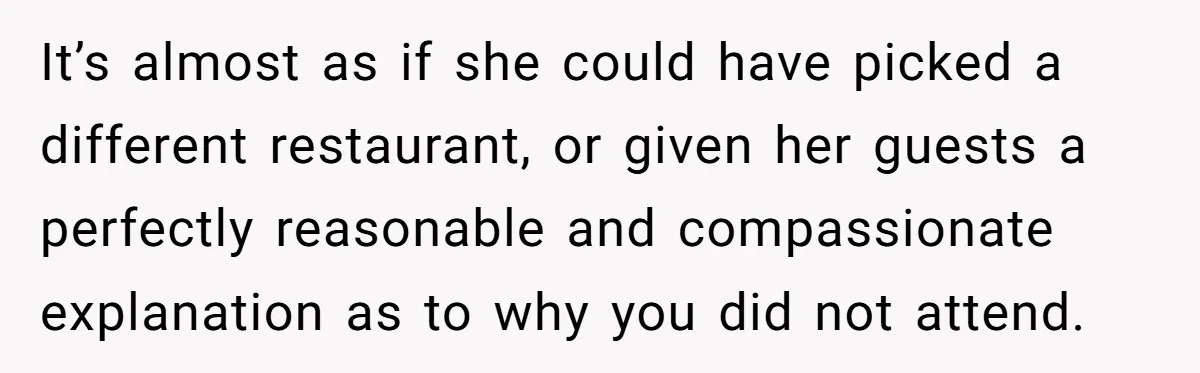
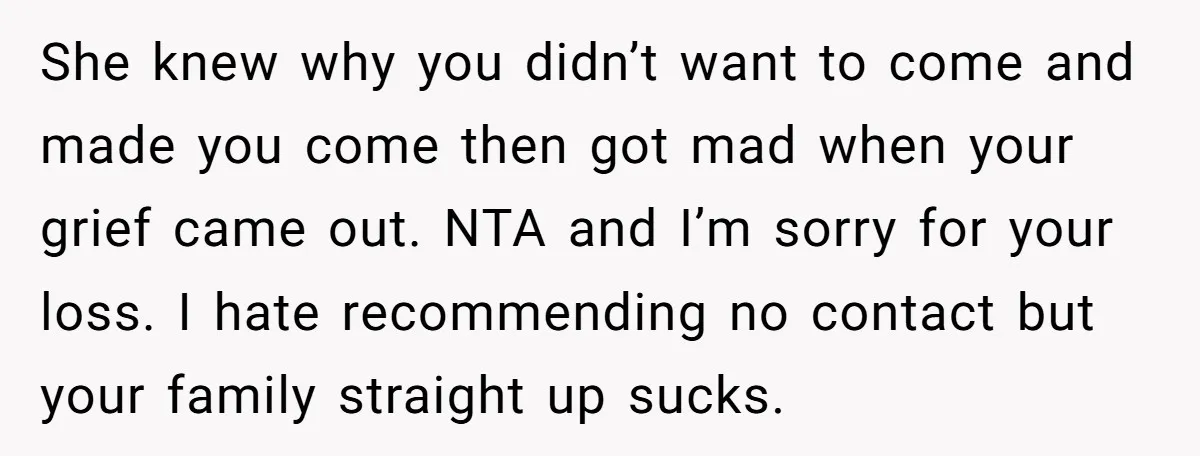
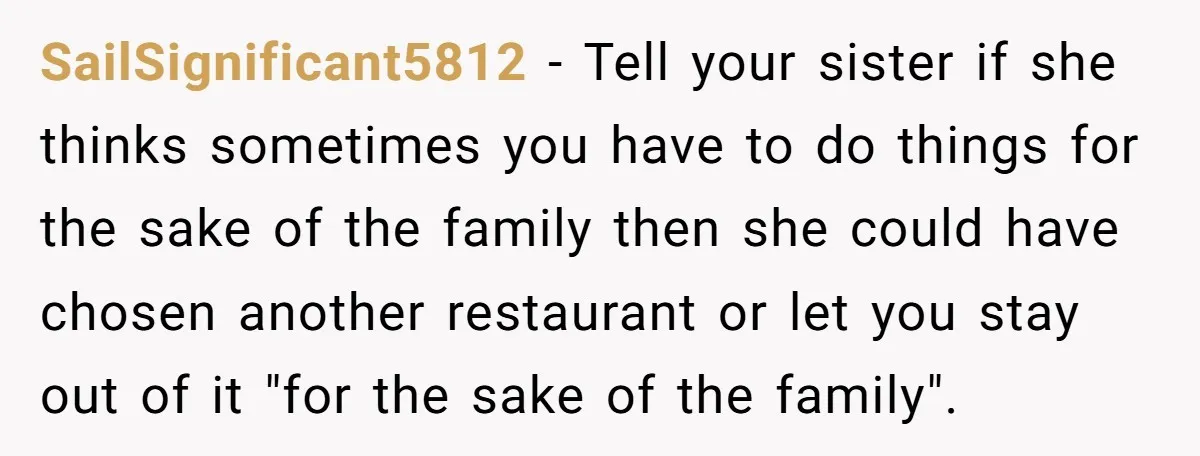
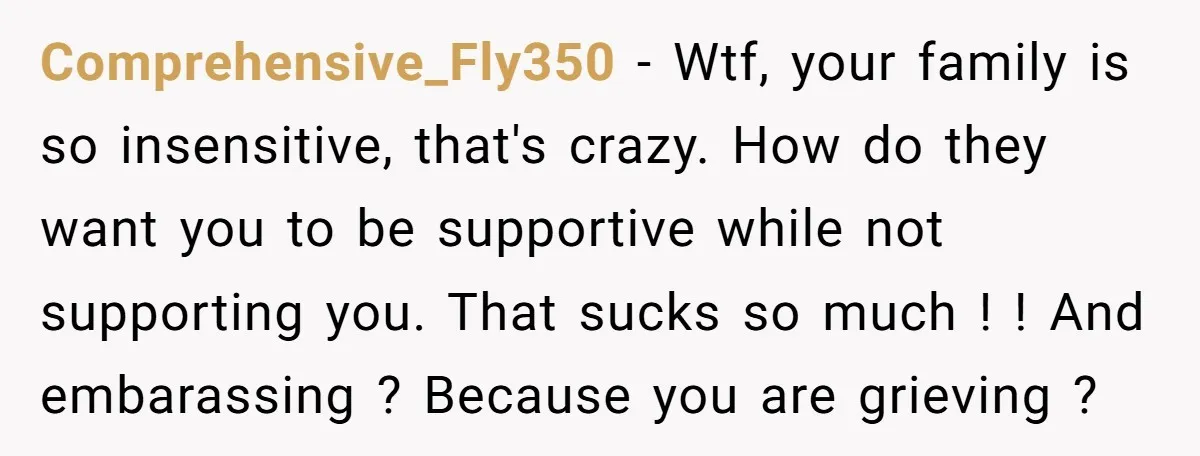
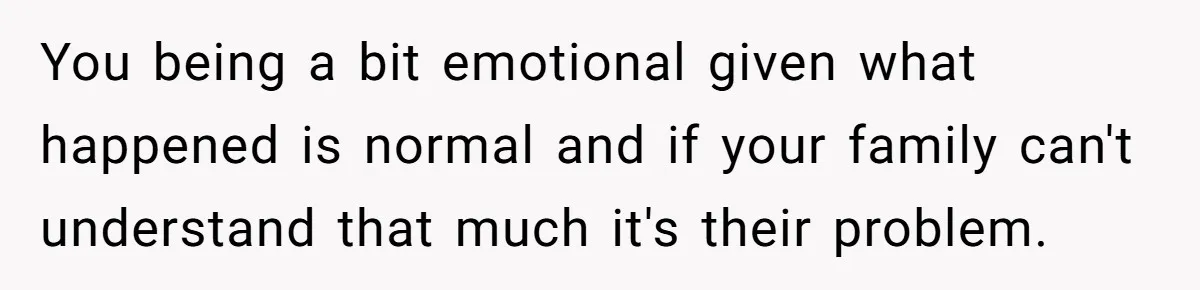
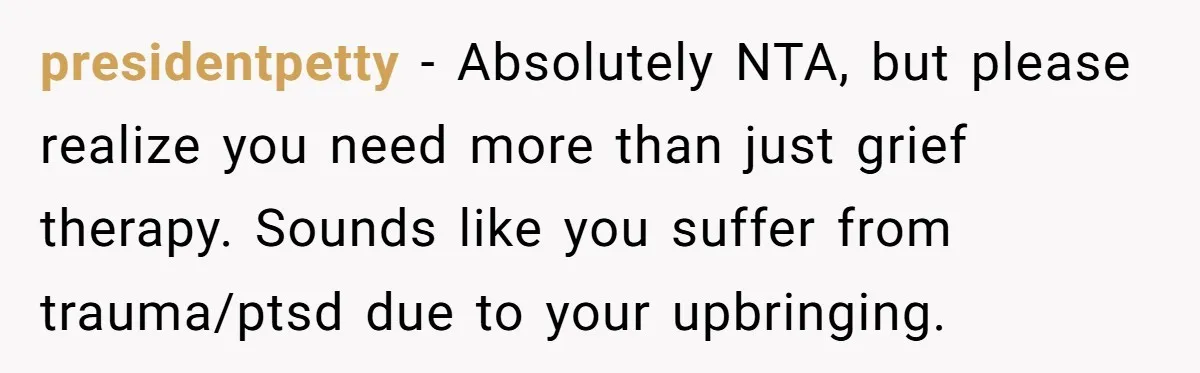
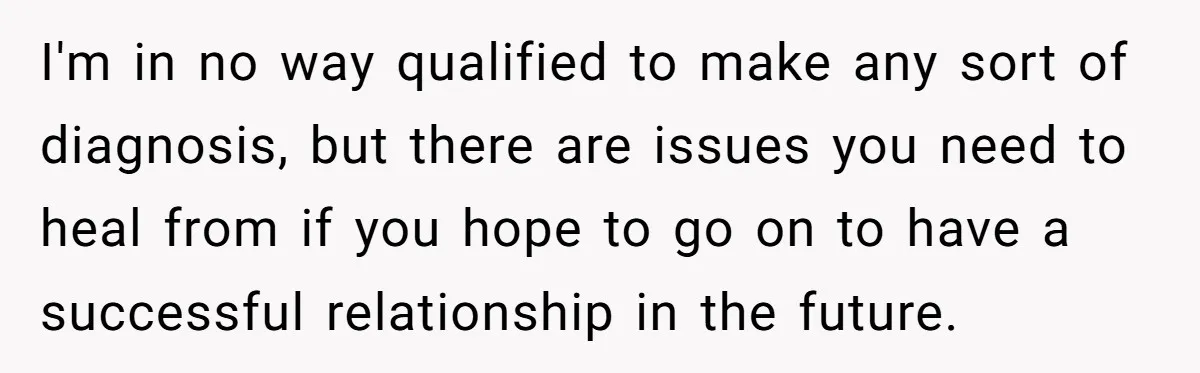
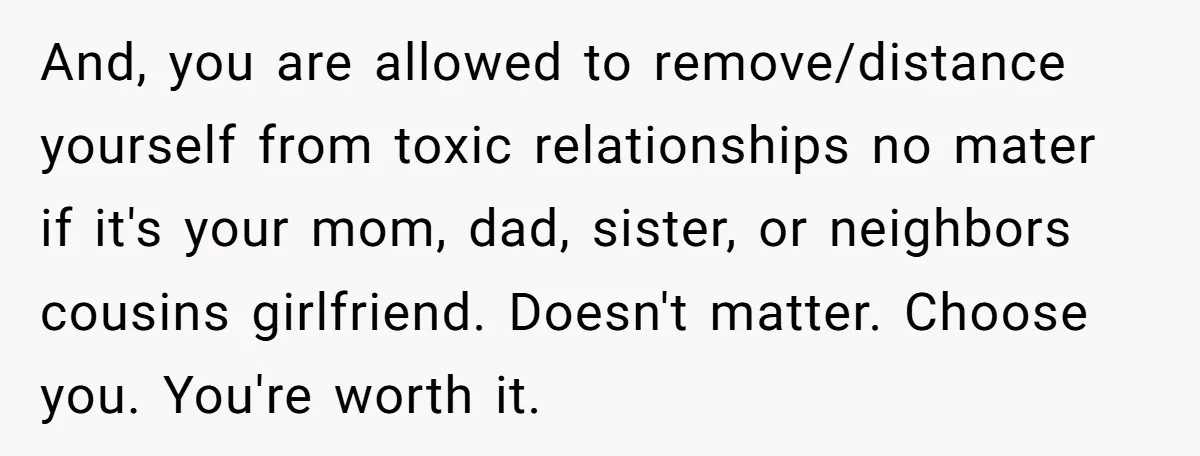
Many users expressed strong support and sympathy for the poster’s situation.

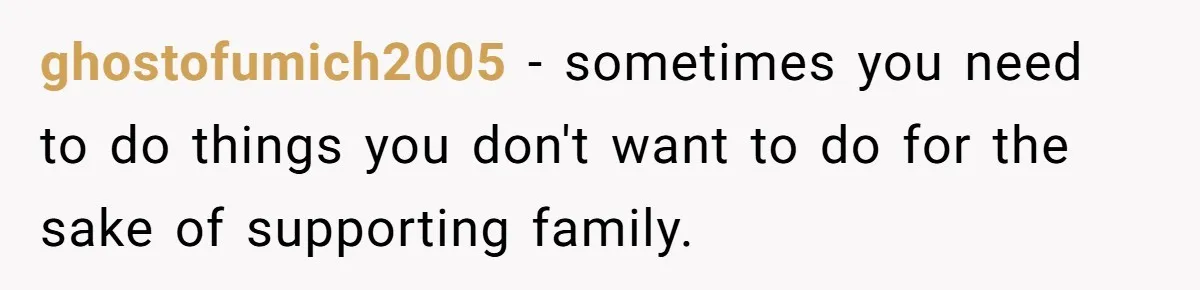


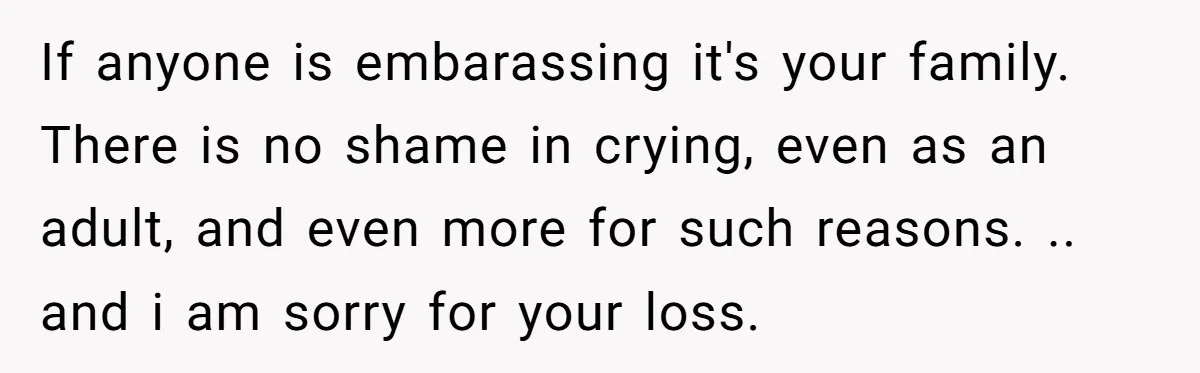

Some commenters focused on asking questions or offering more measured perspectives.

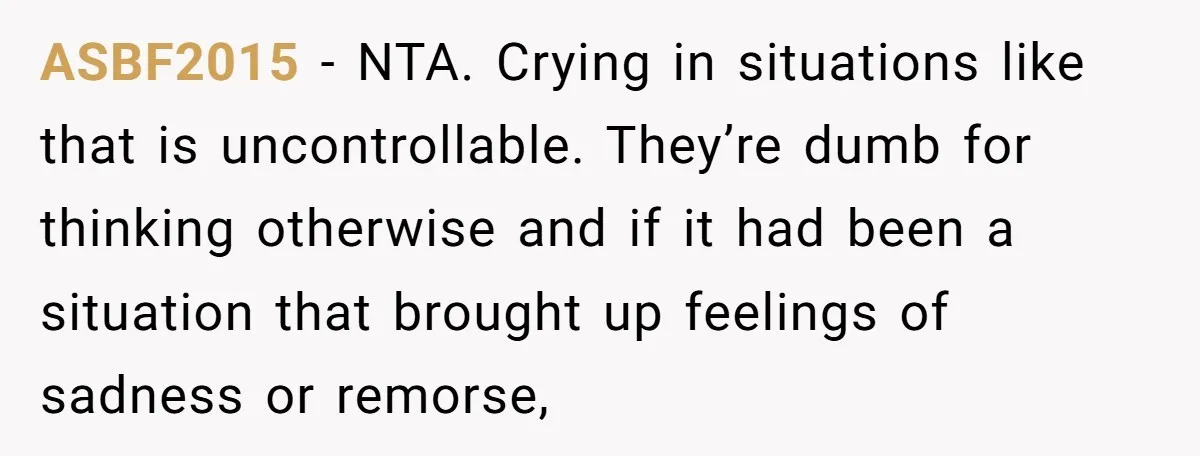


A few responses added lighter or more blunt reactions.
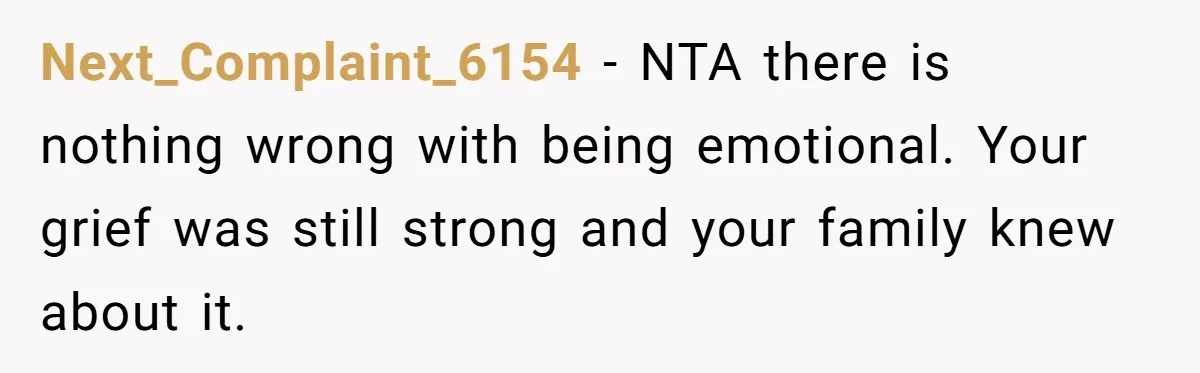
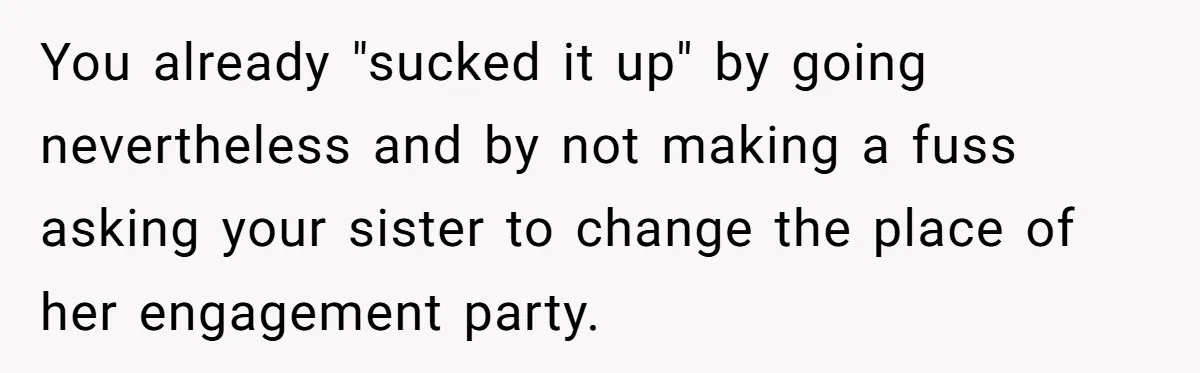
The story highlights how grief can surface in unexpected moments, especially when people return to places tied to meaningful memories. The poster tried to avoid the situation by explaining her feelings beforehand, yet family expectations eventually pushed her to attend the event anyway. When emotions appeared during the celebration, the response from her relatives created a new layer of conflict.
Situations like this raise broader questions about empathy and family obligations. Should someone push through personal pain to support relatives during important milestones? Or should family members respect emotional limits when someone is still healing from loss? How would you respond if a meaningful place triggered strong memories during a celebration?