
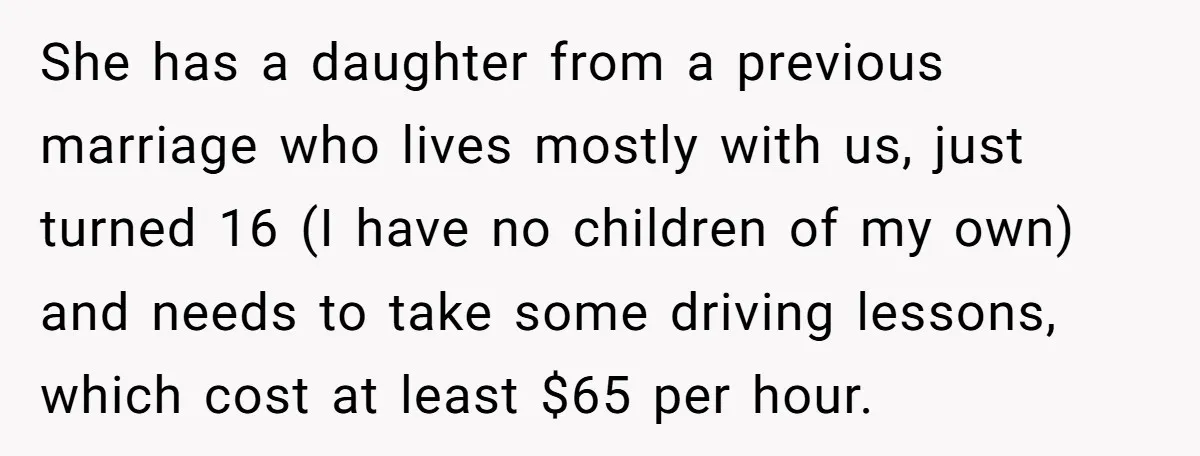
A man who has been living with his girlfriend for just three months faces an awkward financial expectation. His partner of under a year has a 16-year-old daughter who recently turned old enough for driving lessons, which cost at least $65 per hour in their country and require at least a few professional sessions to start safely.
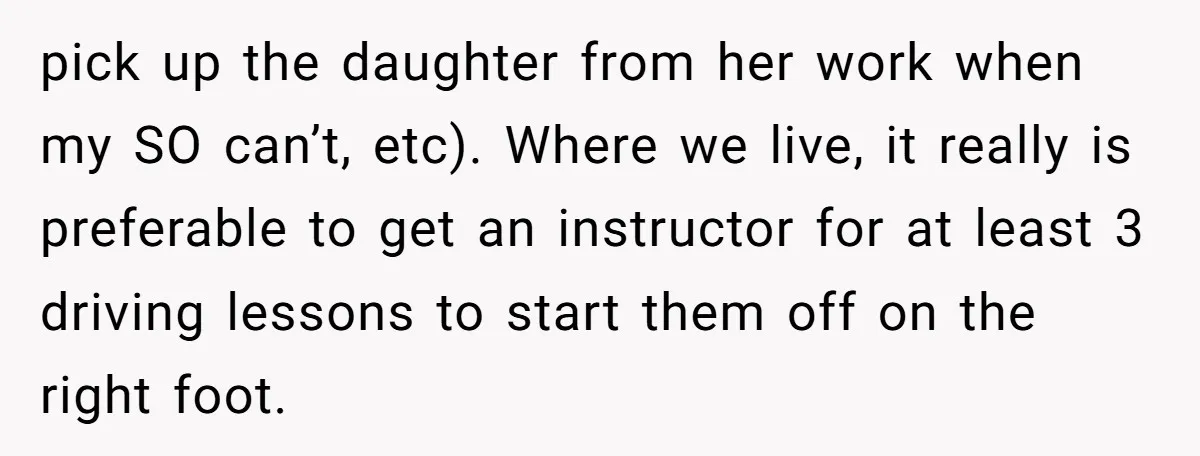
While the biological father provides no support, the girlfriend casually suggested that “we” would handle the expense—in front of her daughter—leaving him feeling pressured and unfairly put on the spot. He already helps out in many practical ways, such as teaching the teen to drive and assisting with school drop-offs and pick-ups, but he draws the line at contributing money to this particular cost.

‘AITA for declining to help pay for my SO’s daughter’s driving classes?’
The relationship is still new, with separate finances and a blended dynamic.

The expectation came up suddenly and publicly.
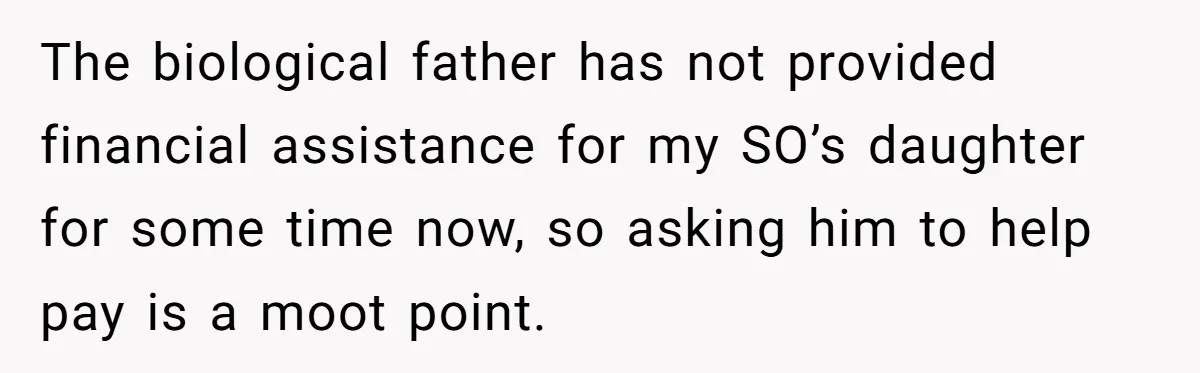


He sees clear boundaries despite his willingness to help in other ways.

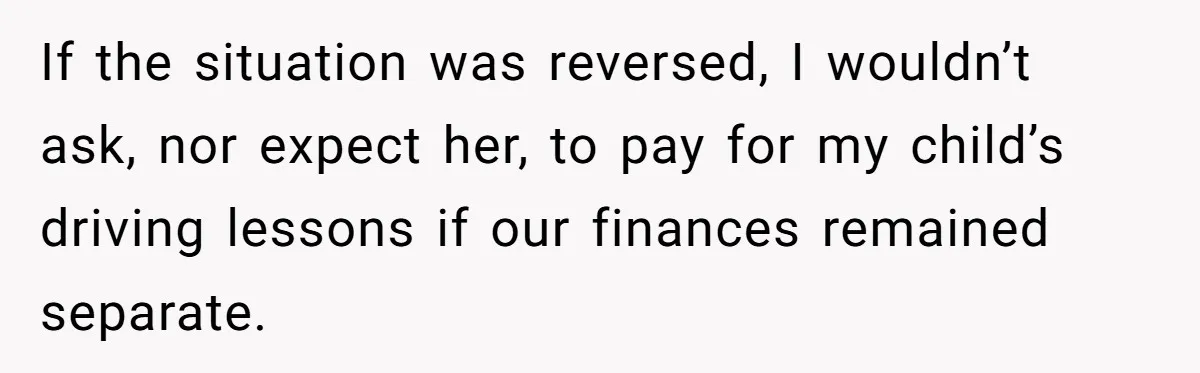



This situation highlights the challenges of blending finances and responsibilities in a relatively new relationship. After less than a year together and only three months of cohabitation, the poster is right to question being expected to cover a significant expense for his partner’s child. Driving lessons, while helpful, are not a basic necessity like food or housing, and the biological mother remains primarily responsible—especially with no contribution from the father.
What makes the story more complicated is the public way the suggestion was made, in front of the teenager, which can create pressure and awkwardness for everyone involved. Many see this as an early sign of mismatched expectations: one person viewing shared living as the start of shared financial burdens, while the other wants to keep money separate until (or unless) the relationship becomes more committed, such as through marriage.
From a broader perspective, setting boundaries now prevents resentment later. The poster already contributes generously with time and practical support, which is valuable in a blended family. Declining to pay for non-essential extras doesn’t make him uncaring—it protects the clarity of their current arrangement while leaving room for future discussions about money if the relationship deepens.
Check out how the community responded:
The majority of commenters support the poster’s stance, emphasizing that it’s too soon for him to take on financial responsibility for his partner’s child.

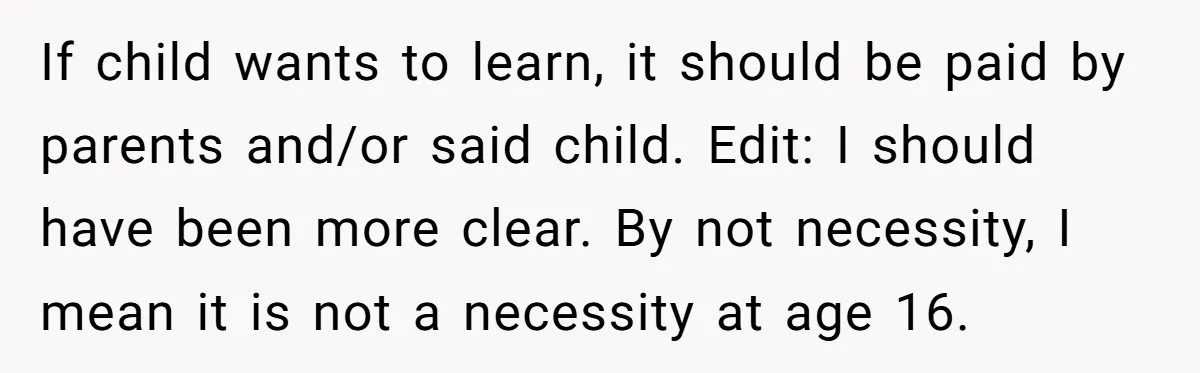









Some take a more balanced view, pointing out that living together naturally blurs lines and suggesting a serious money conversation.





A few voices encourage generosity if the relationship feels long-term, while still acknowledging no obligation.
![[Reddit User] − If you are living together her minor daughter is going to be part of your life. You are not obligated to pay for anything until you are...](https://loknam.com/aita/images/daa1e77d43/wp-editor-1768018199140-1.webp)





This story captures a common early tension in relationships involving children: how quickly (or slowly) financial responsibilities should blend. Most agree the poster isn’t wrong to protect his boundaries at this stage, especially with finances still separate and the relationship so new.
Have you ever faced a similar money discussion when dating someone with kids? How soon is too soon to start sharing expenses for a partner’s child? Do you think practical help (like teaching to drive) should count the same as financial contributions? Share your thoughts below.