
A graduate student found themself in an awkward classroom moment after confronting a classmate about unfinished work during a group presentation session. The incident unfolded during a Master’s program assignment where students were required to research different parts of a complex problem and present their findings to the group.
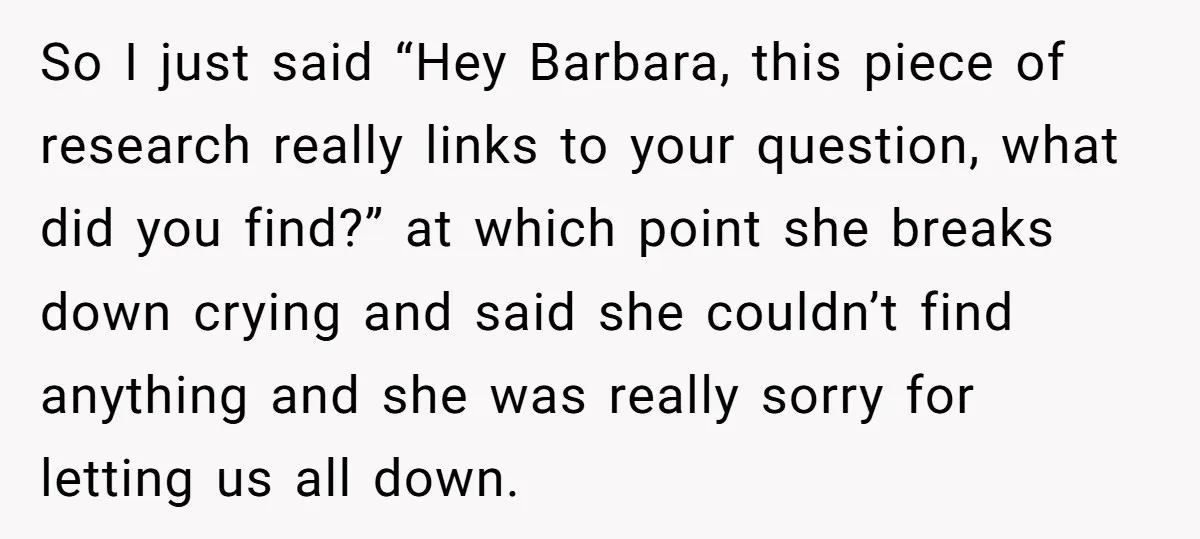
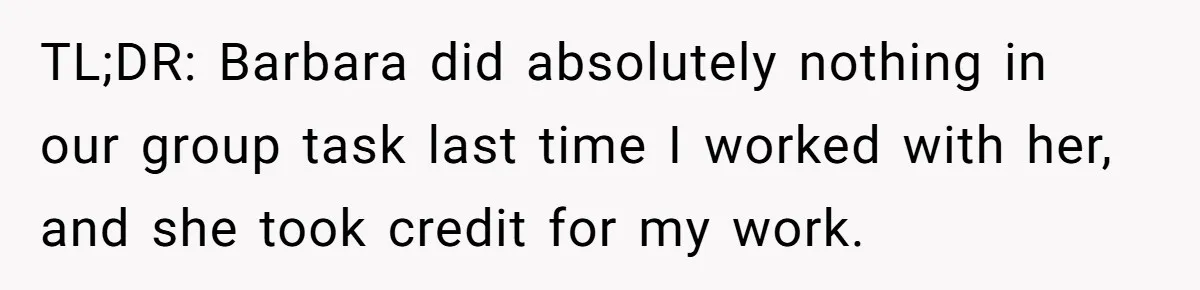
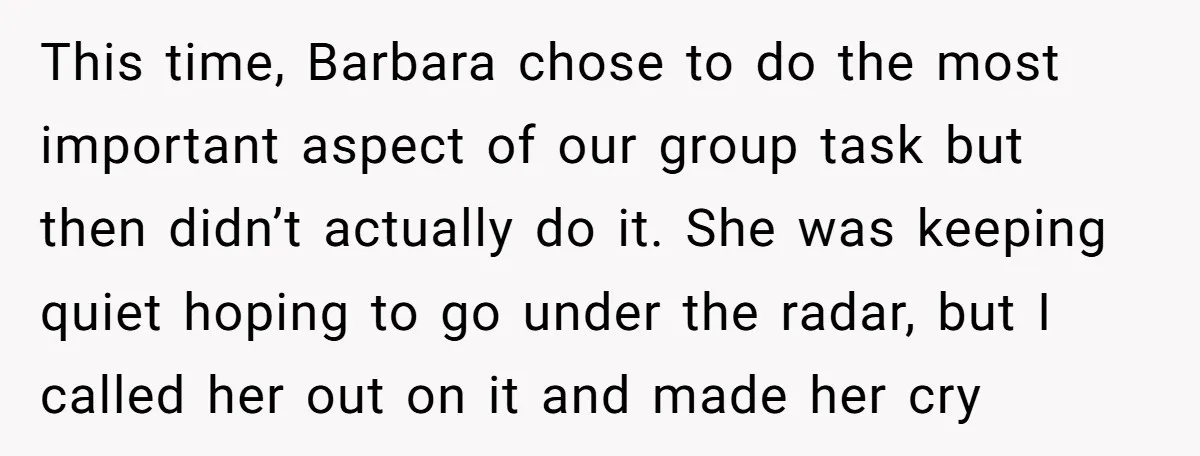
The poster had previously experienced frustration with the same classmate, Barbara, who had taken credit for shared work in an earlier project. When the class gathered again to present their research, Barbara stayed quiet despite volunteering for the most important part of the assignment. Knowing she had not completed the work, the poster asked her directly about it in front of the group. The question triggered an emotional reaction that left Barbara in tears, and the moment sparked debate online about whether the poster crossed a line.

‘AITA for embarrassing my classmate in front of everyone and making her cry?’
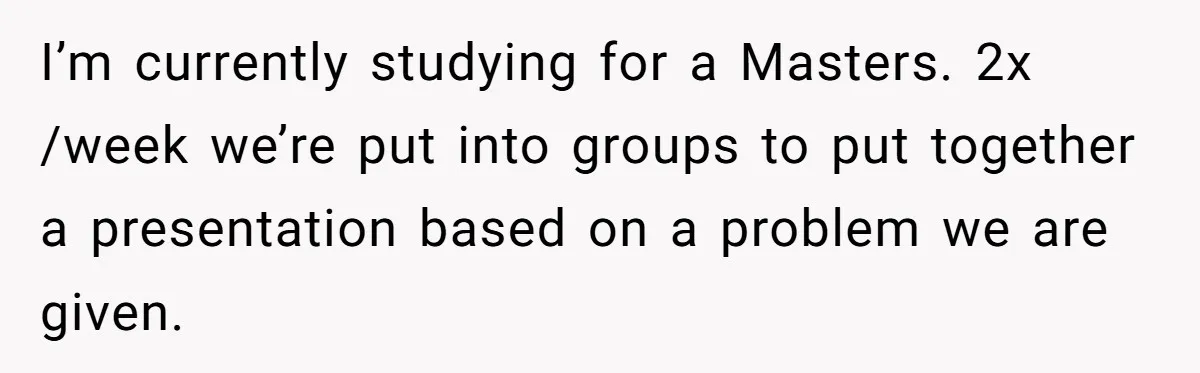
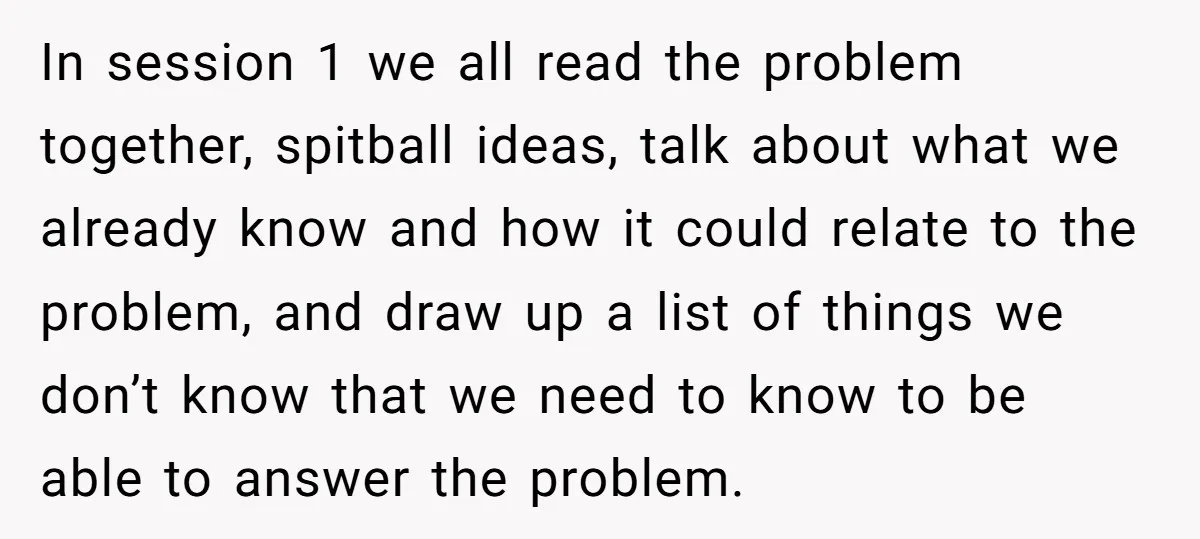
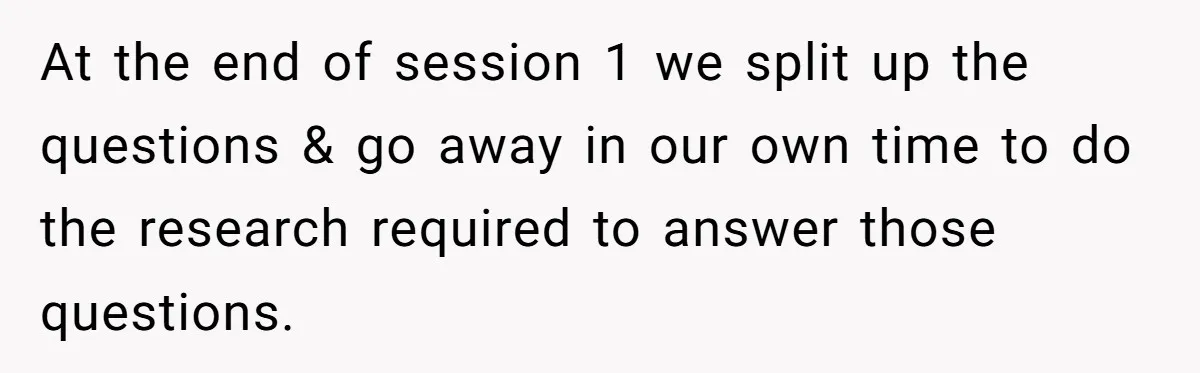
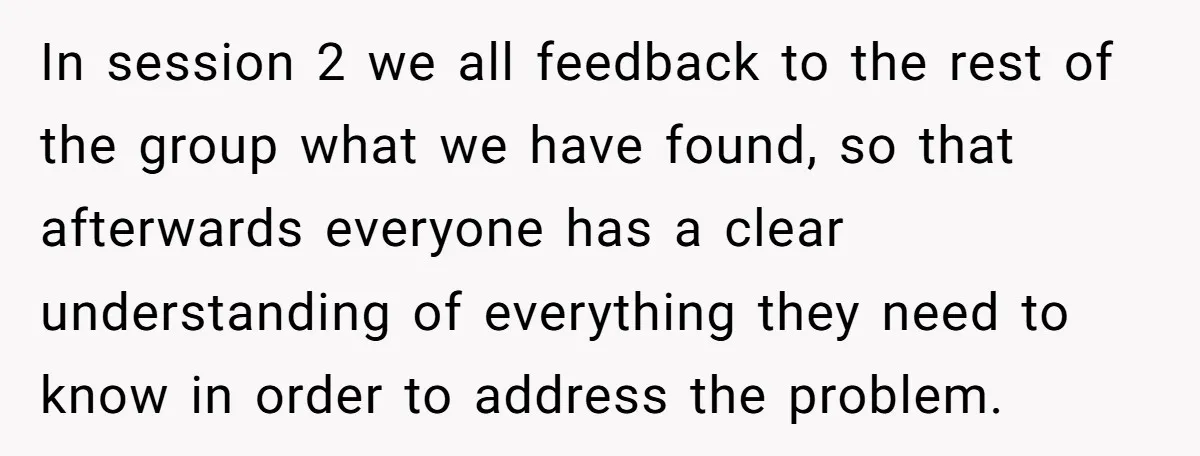
The poster describes how their graduate program regularly assigns group research presentations.
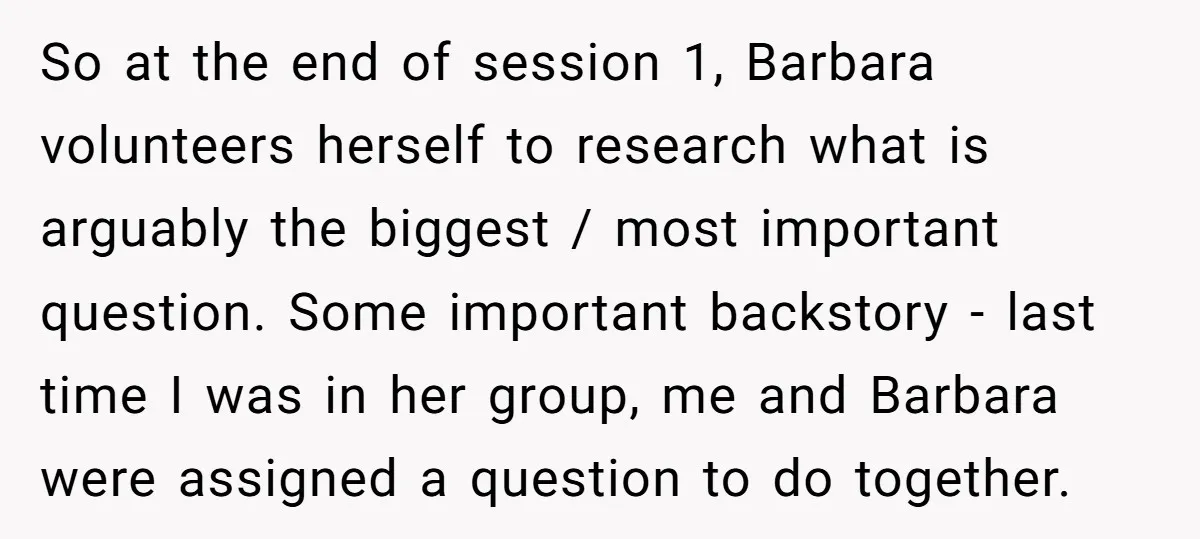
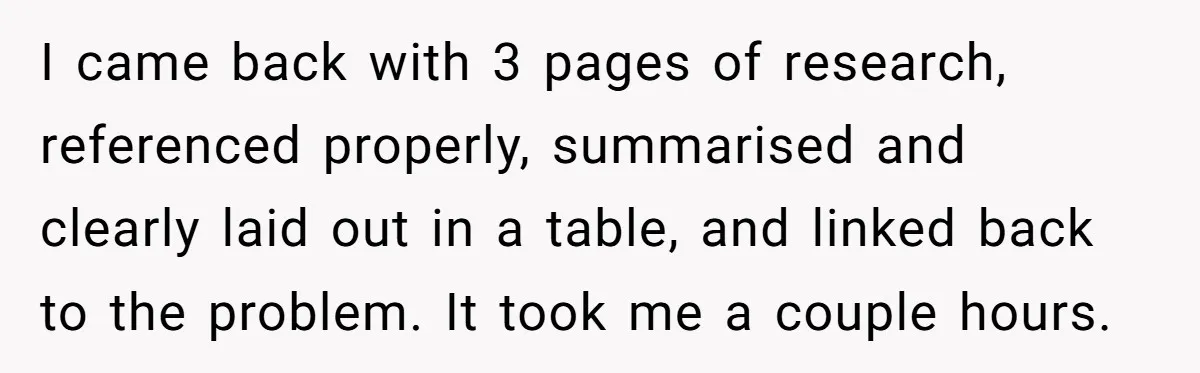
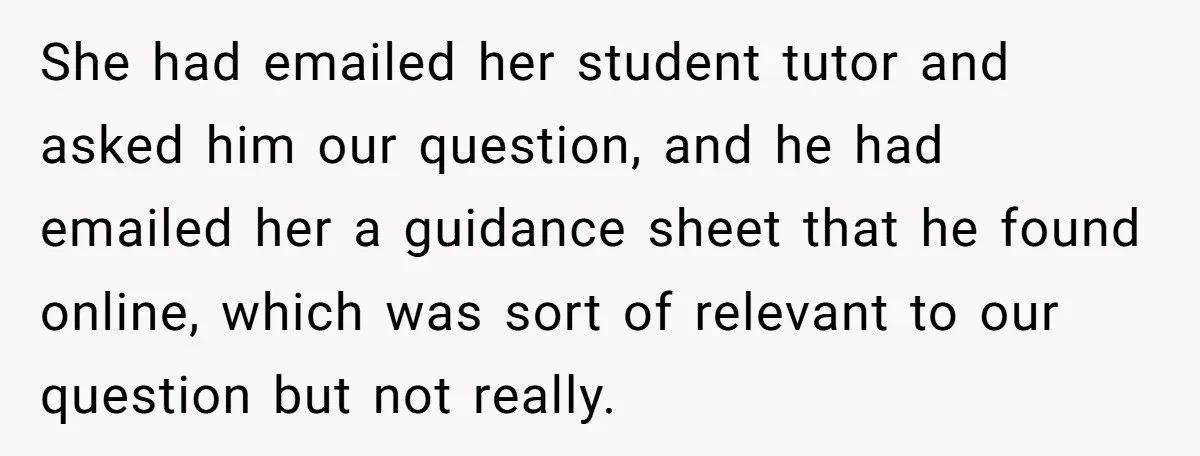
The earlier group experience had already created tension between the poster and Barbara.
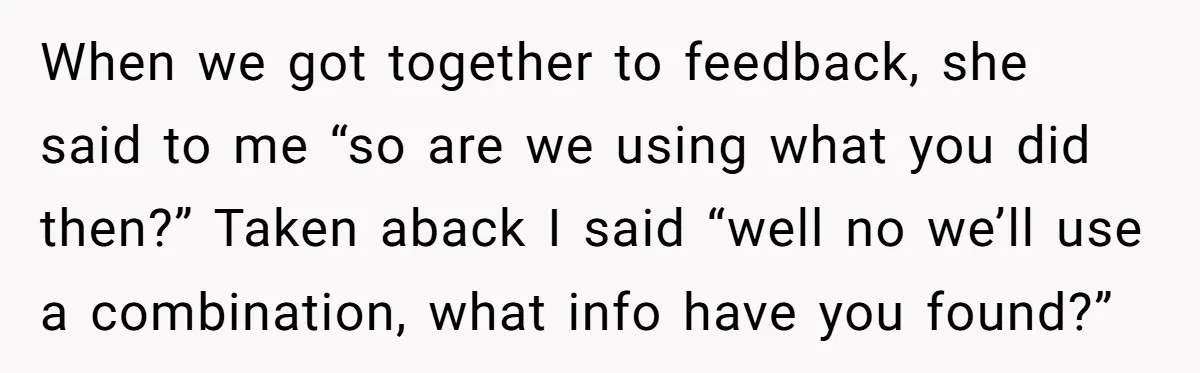
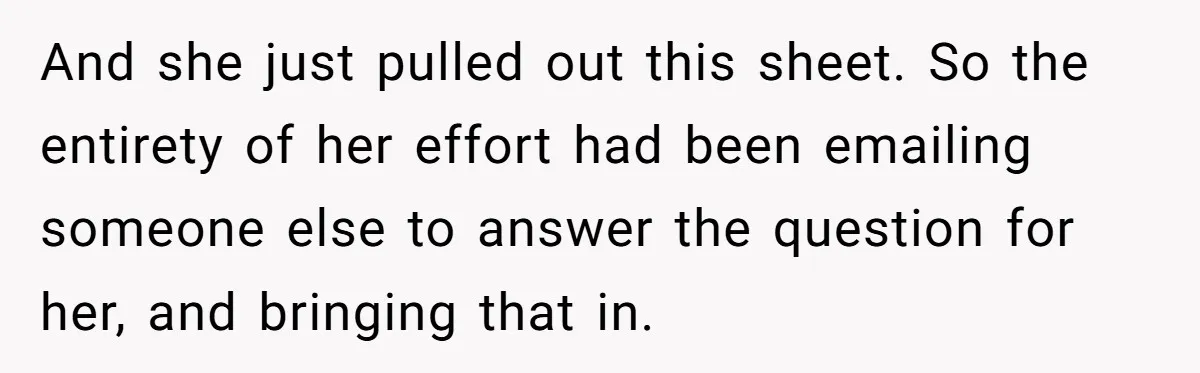
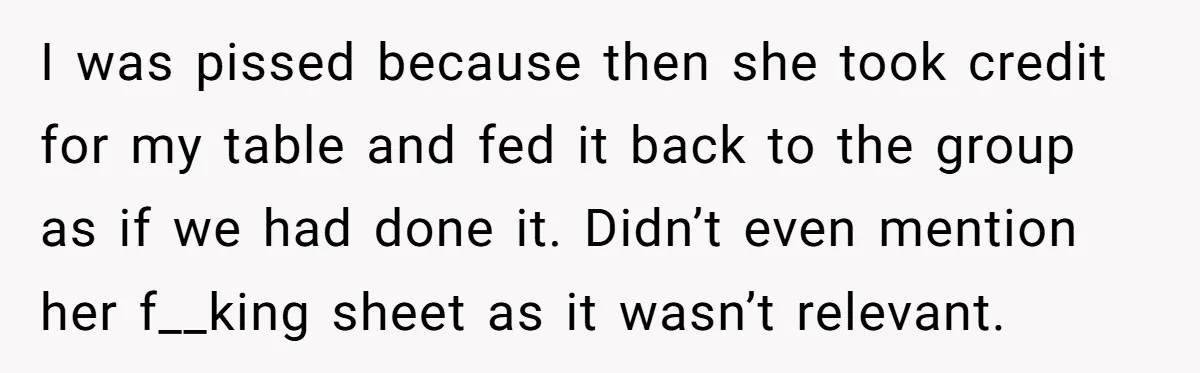
During the next group session, the poster noticed Barbara avoiding her responsibility.
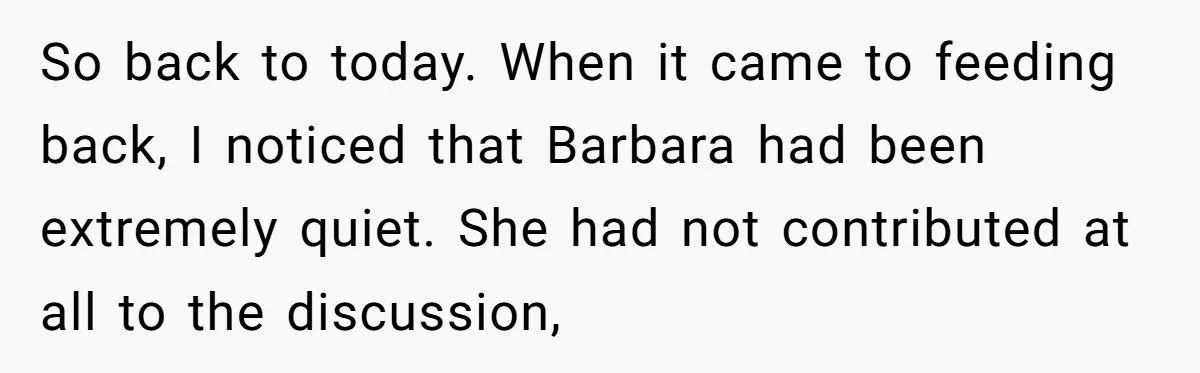
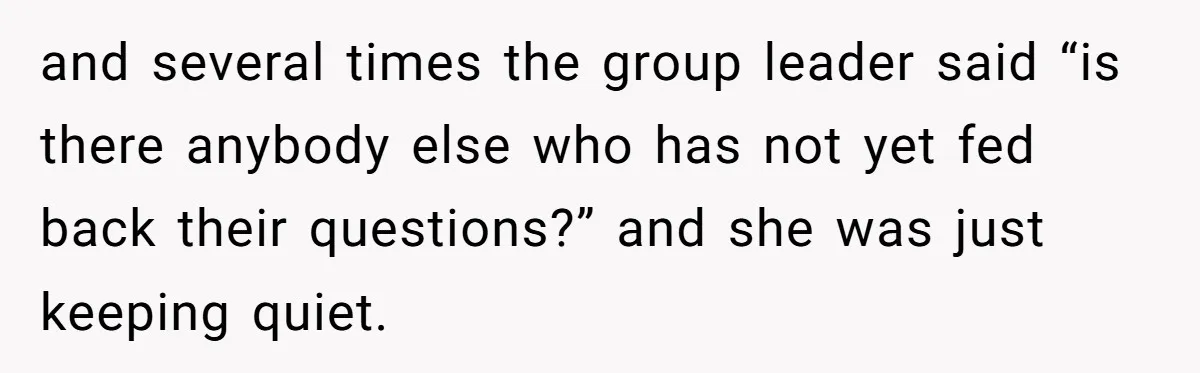

Group assignments often expose differences in work ethic and expectations among participants. In academic environments, especially at the graduate level, students are expected to contribute independently researched material while collaborating toward a shared goal. When one member fails to complete their portion, it can create tension and frustration among others who rely on that contribution to complete the project.
From one perspective, the poster’s reaction reflects a common frustration in collaborative academic work. If a student volunteers for a key research component and does not complete it, the rest of the group may feel misled or unfairly burdened. The poster’s previous experience with Barbara likely amplified this frustration, since it involved a perceived case of someone claiming credit for work they did not meaningfully contribute to. In that context, asking a direct question about her findings may have seemed like a reasonable attempt to maintain accountability.
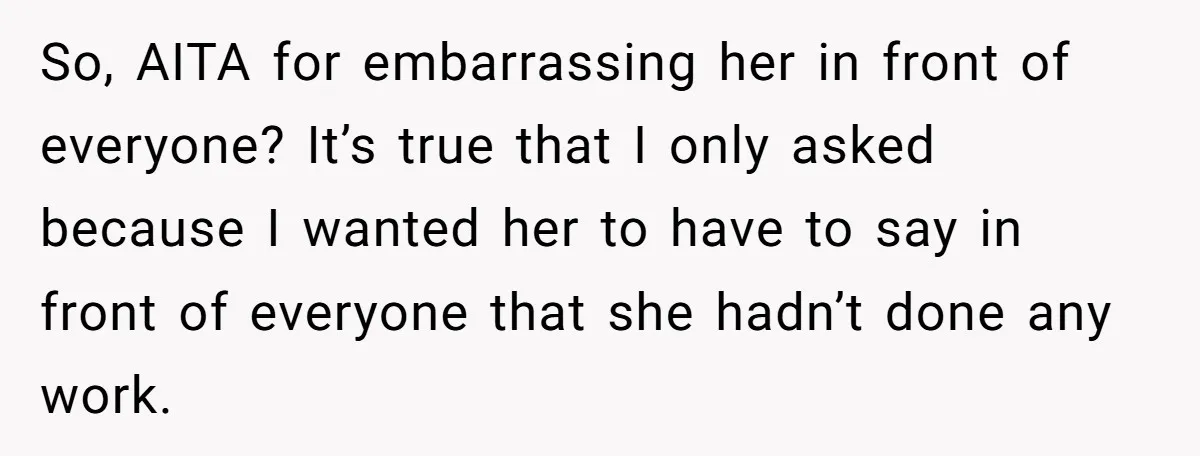
Another perspective considers the intent behind the action. The poster admitted they asked the question specifically to make Barbara acknowledge her lack of preparation publicly. While accountability can be important in group settings, intentionally creating a moment of embarrassment may escalate conflict instead of resolving it. The broader lesson highlights the challenge of balancing fairness, communication, and professionalism when working in collaborative environments where individual effort affects everyone involved.
Check out how the community responded:
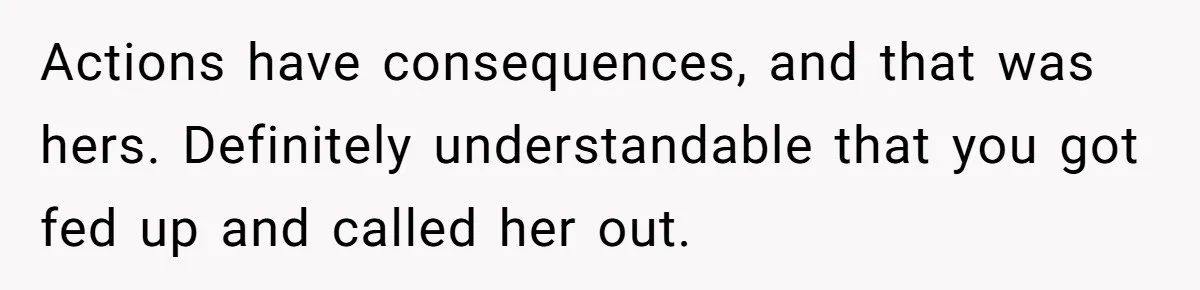
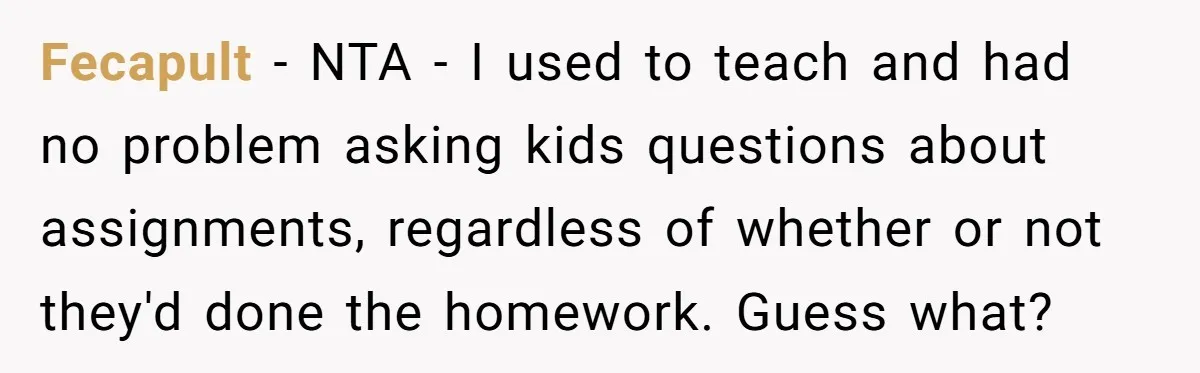
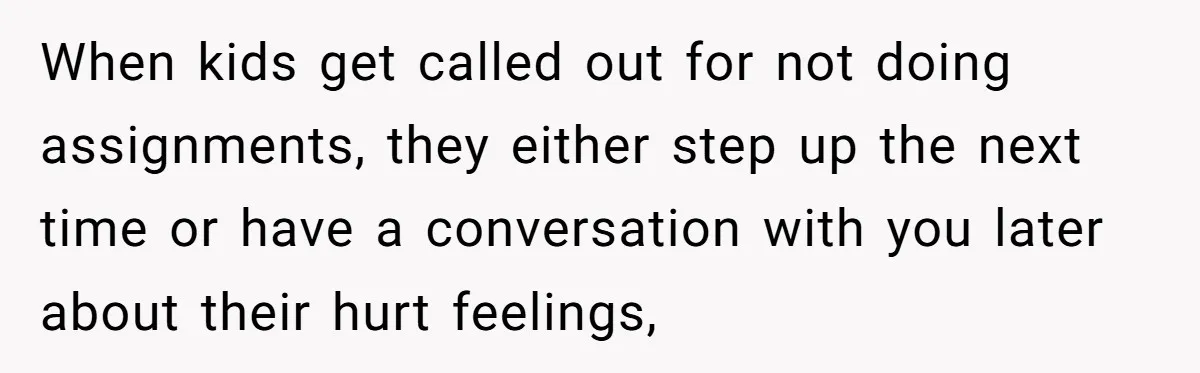
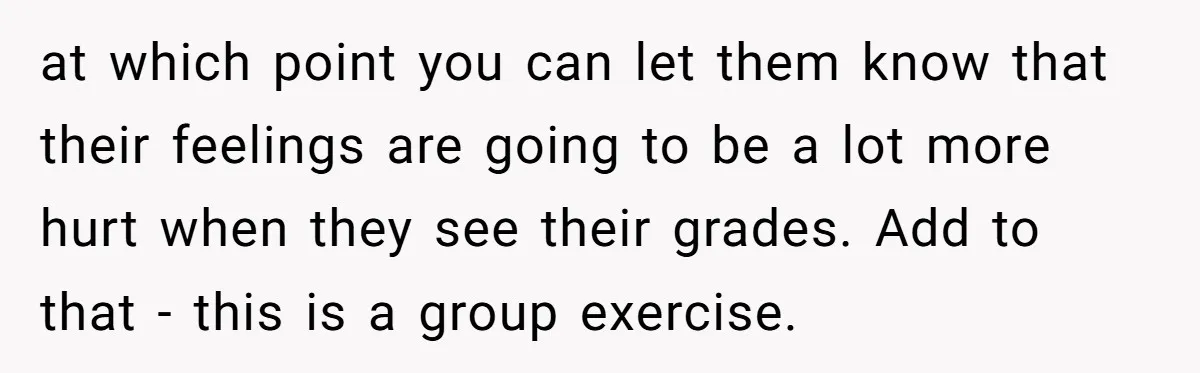
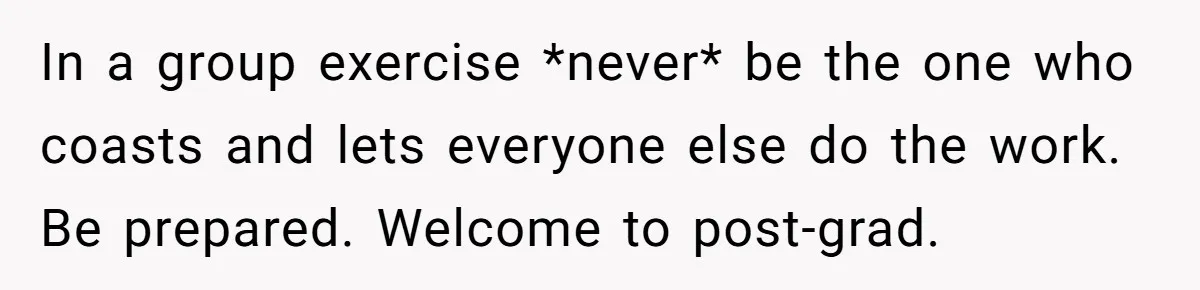
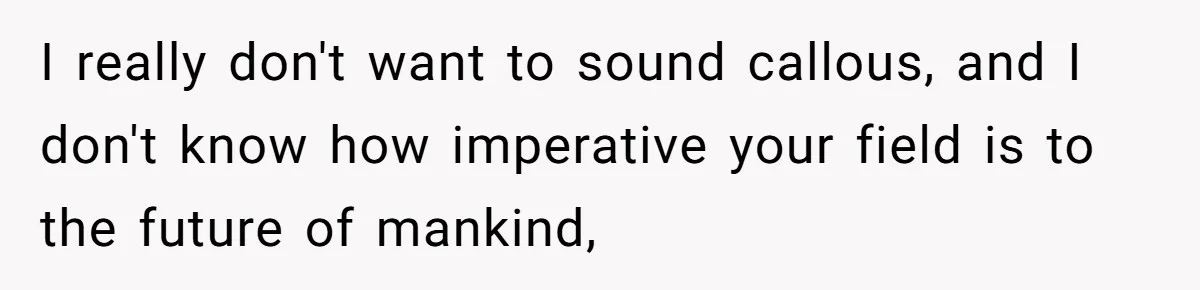
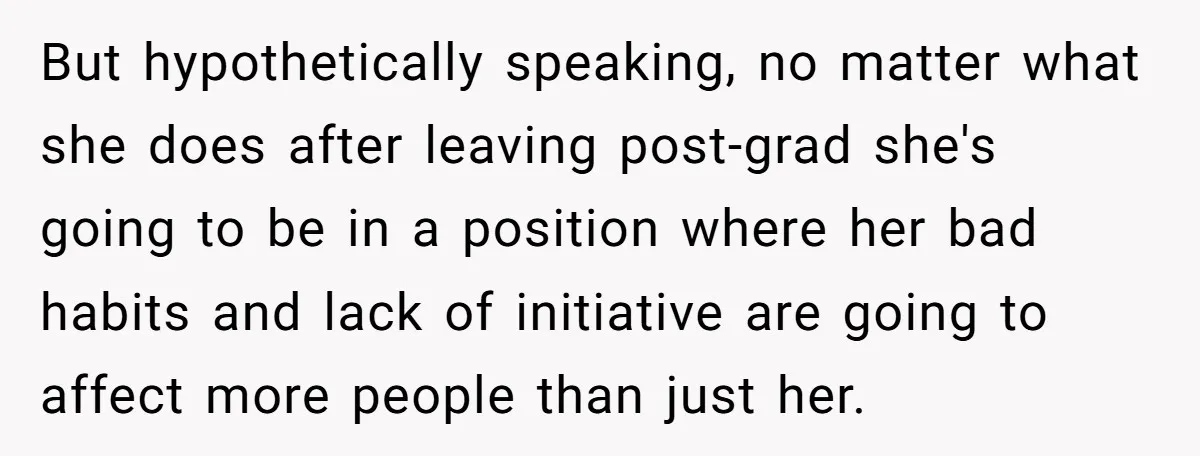
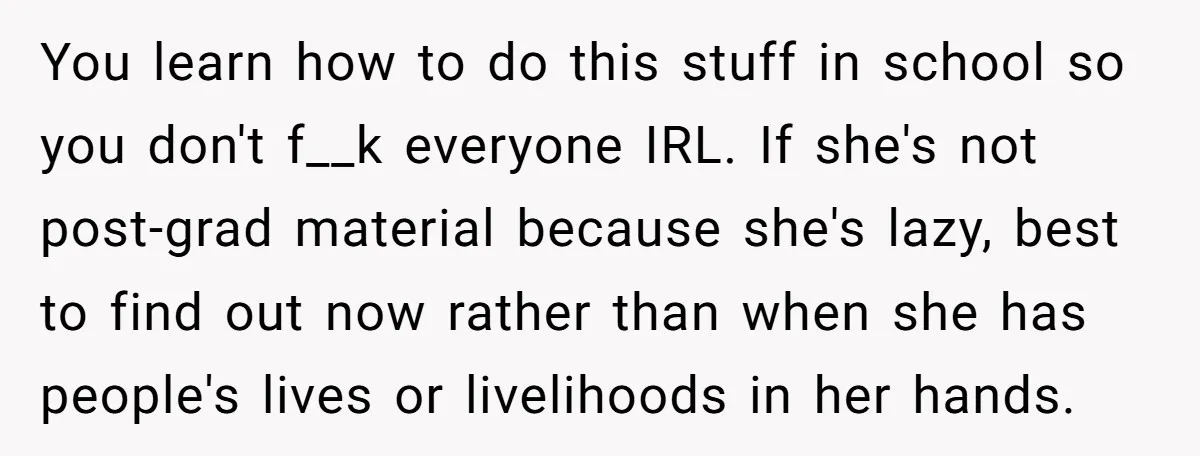
Many users supported the poster, arguing that graduate students must take responsibility for their work.
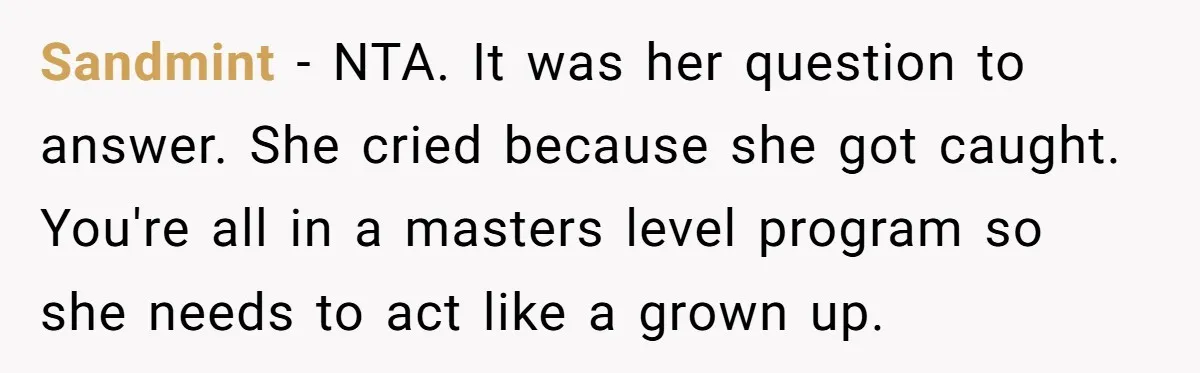
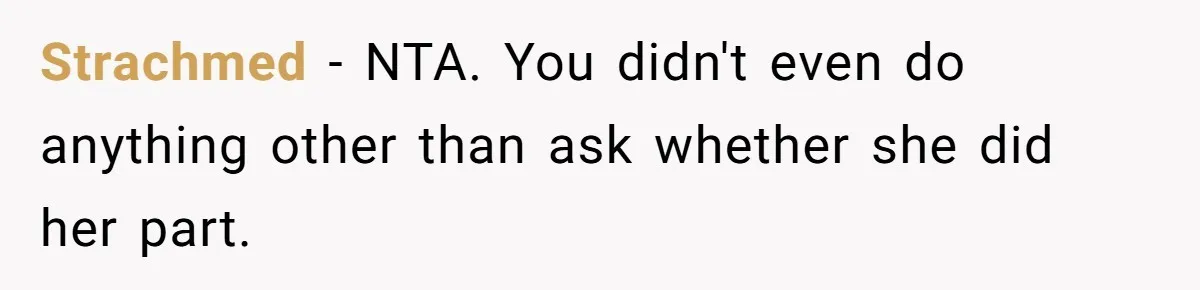
![[Reddit User] − NTA. She screwed up. You just called it out.](https://loknam.com/aita/images/6cfc113a76/wp-editor-1772616100961-3.webp)
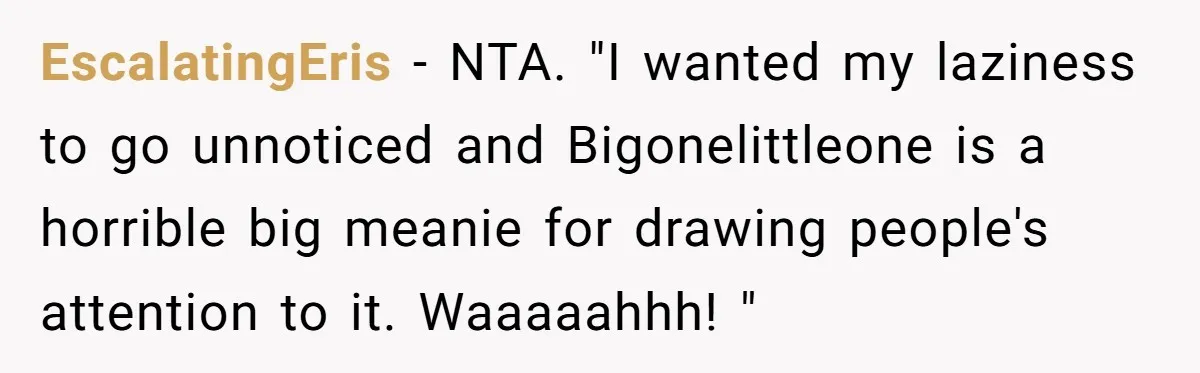
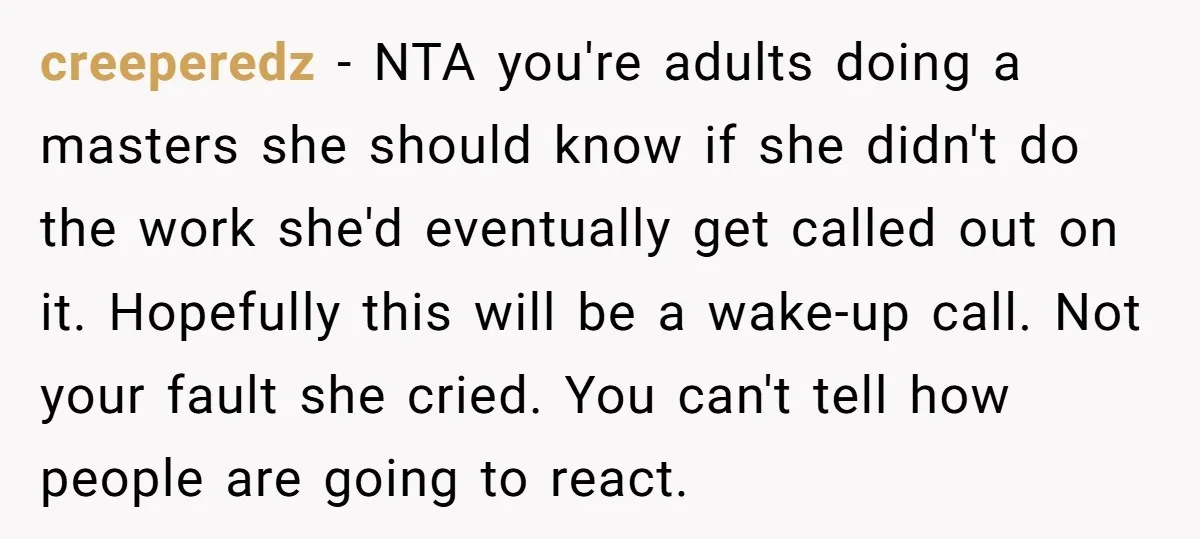
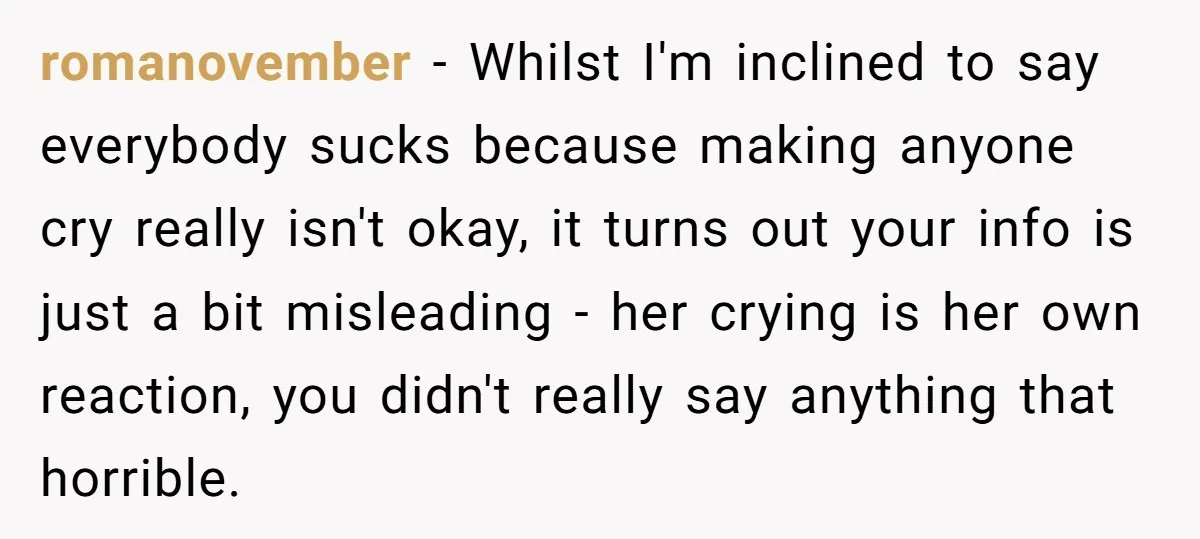
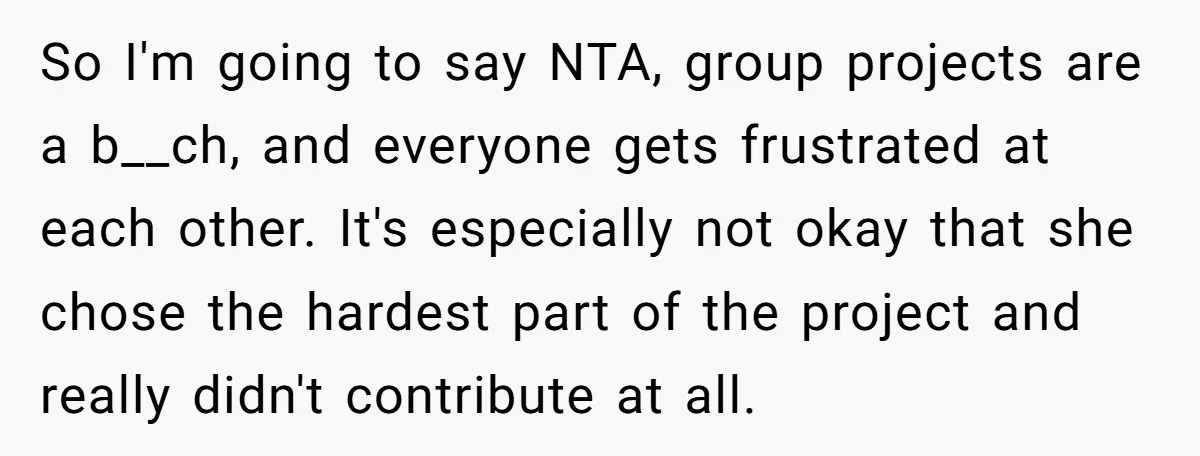
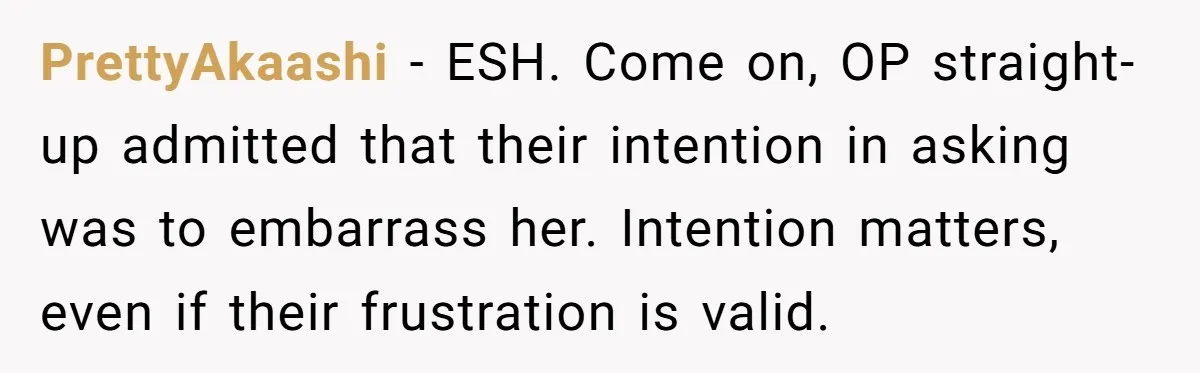
Others offered more balanced perspectives, acknowledging frustration while questioning the intention.
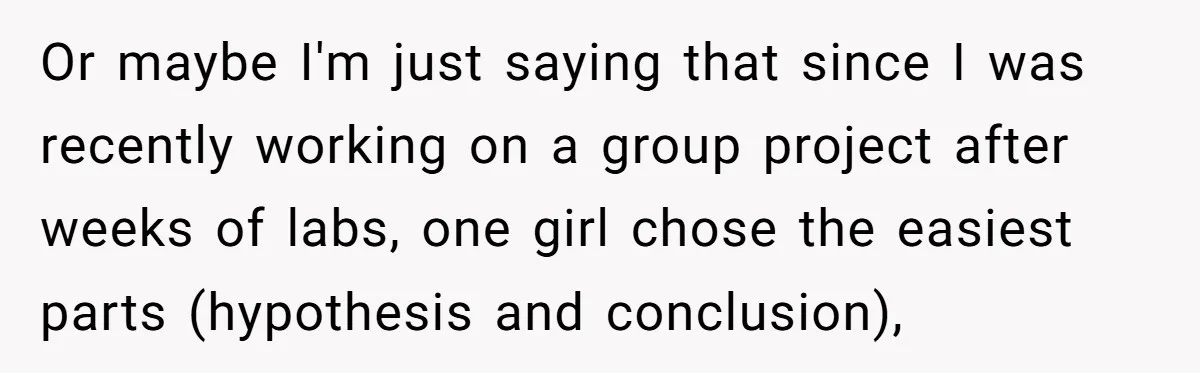
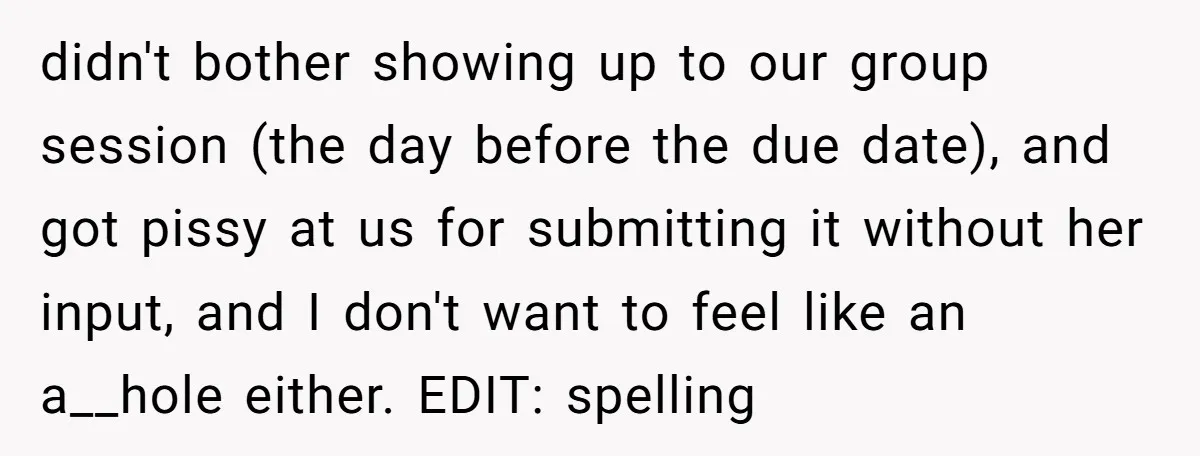

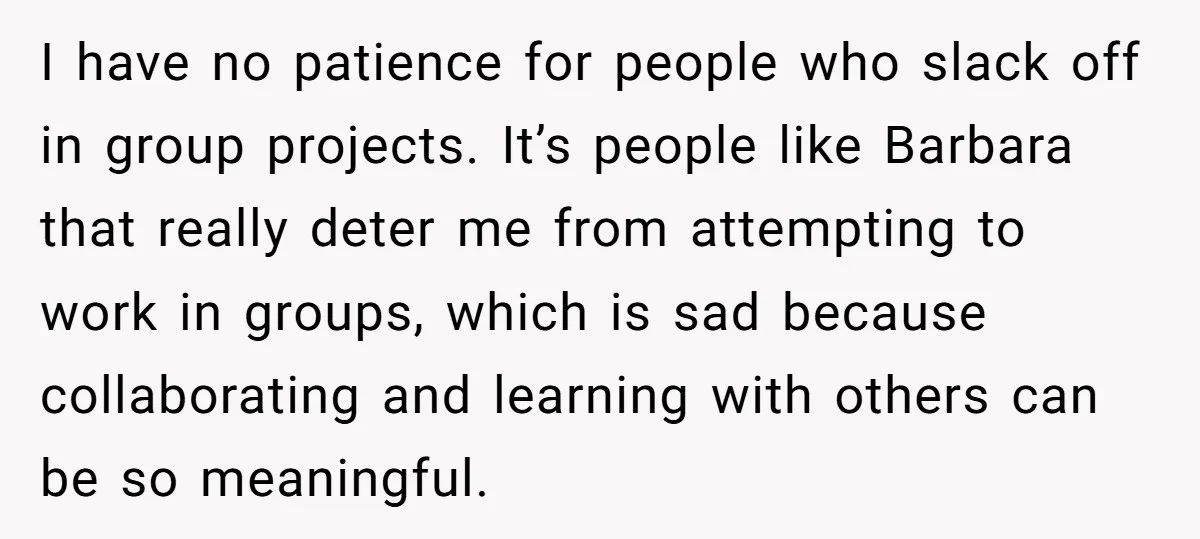
A few commenters lightened the mood with relatable observations about group projects.
![[Reddit User] − NTA you're here to get your god damn masters and she's trying to piggy back off of everyone else. Adult rules say she's a j__kass.](https://loknam.com/aita/images/6cfc113a76/wp-editor-1772616208981-8.webp)
![[Reddit User] − NTA. It was perfectly appropriate to draw her into the conversation and she is responsible for the consequences of not doing her work.](https://loknam.com/aita/images/6cfc113a76/wp-editor-1772616210974-9.webp)
The story highlights a familiar tension in collaborative environments: the frustration that arises when one person’s lack of preparation affects the entire group. In this situation, the poster’s direct question exposed the issue publicly, which led to an emotional reaction that complicated the classroom dynamic.
Moments like this raise difficult questions about accountability and empathy in group work. Should someone be called out publicly when they fail to contribute, or is it better handled privately? When frustration builds from past experiences, how should people respond without escalating the situation? Readers often have strong opinions about group projects, making this a discussion many people can relate to.