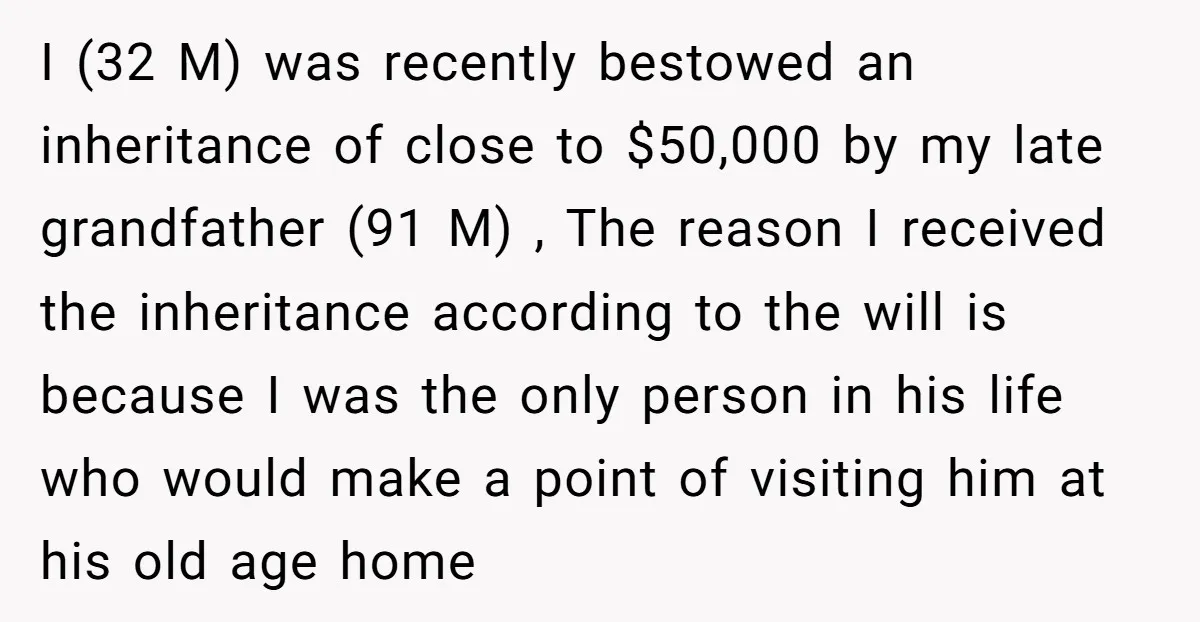
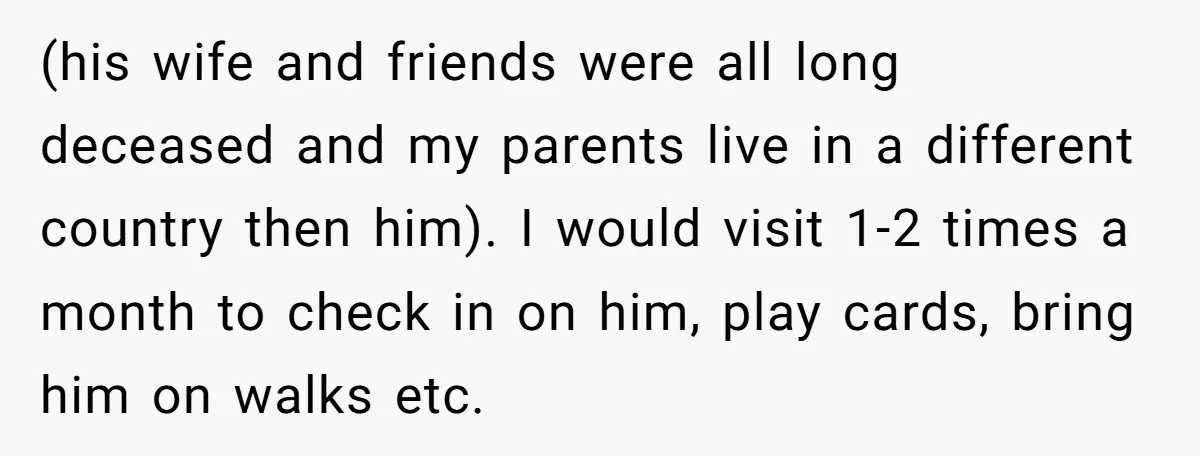
Inheritance stories rarely stay simple for long. Money has a way of bringing old family tensions back to the surface, especially when past conflicts were never fully resolved. A 32-year-old man recently shared his situation on social media after receiving an inheritance of nearly $50,000 from his late grandfather. According to the will, he was the only grandchild who would regularly visit the elderly man at his care home, stopping by once or twice a month to spend time with him.
Because of that effort, the grandfather decided to leave the entire amount to him. But the situation quickly became complicated. The man’s sister, who had cut off contact with their grandfather years earlier due to his harsh views about the LGBTQ+ community, demanded that half of the money should belong to her. The disagreement has now created a serious rift between the siblings.

‘AITA For Keeping My Entire Inheritance Even Though My Sister Says It Should Be Shared?’
The relationship between the man and his grandfather had grown out of shared life experiences and mutual understanding:

Despite that bond, their conversations were not always easy, particularly because of the older man’s controversial beliefs:
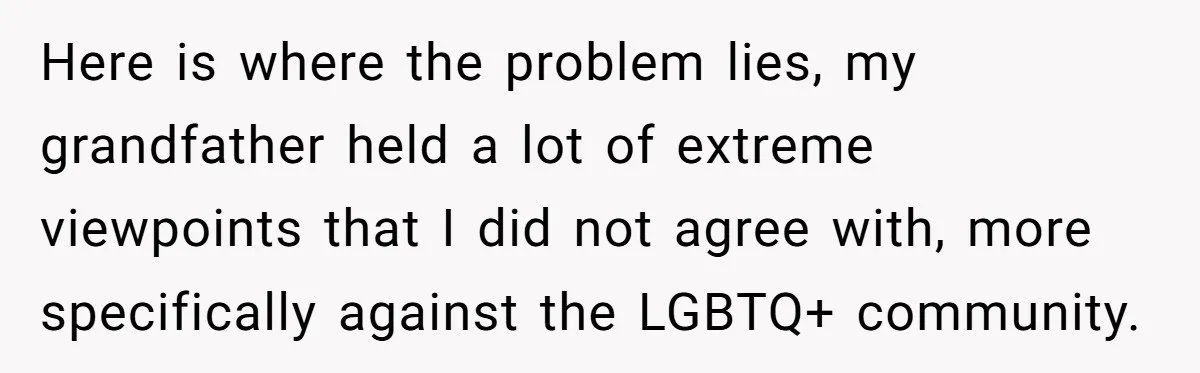
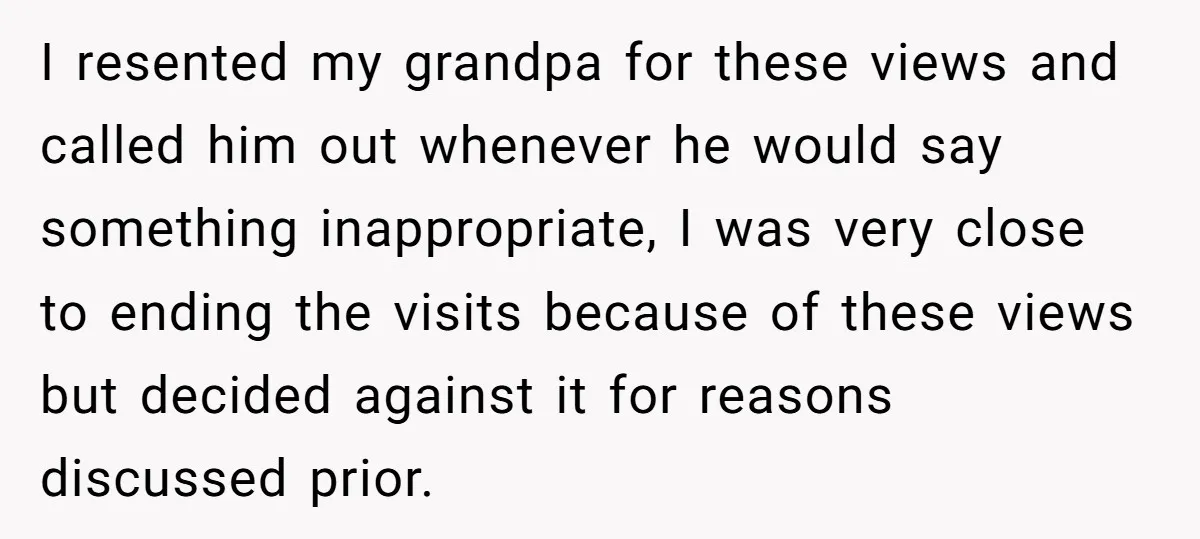
Those views directly affected the man’s sister, who decided she could not maintain a relationship with their grandfather:
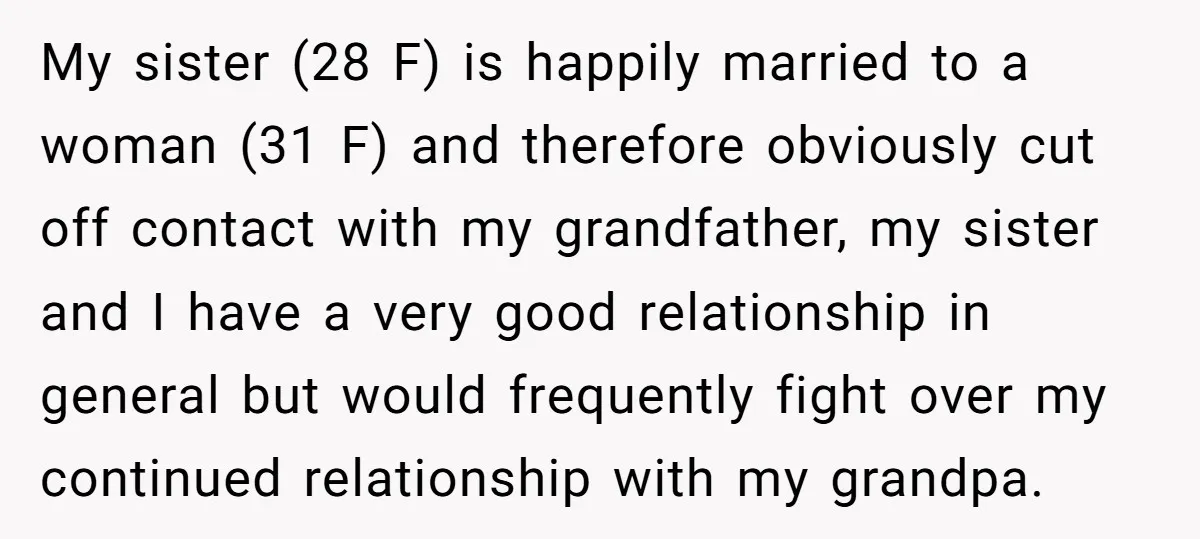
When the grandfather eventually passed away, the will brought unexpected tension into the family:
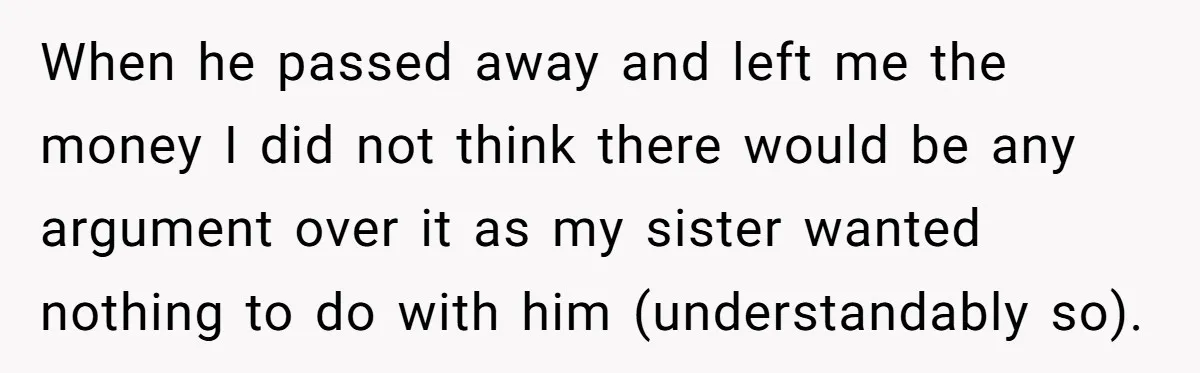
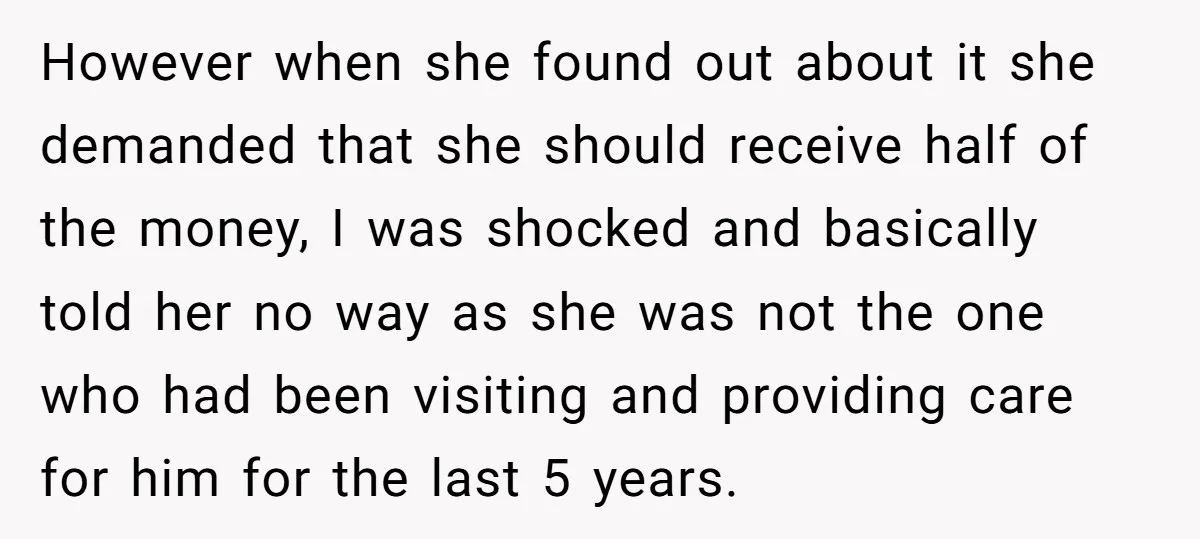
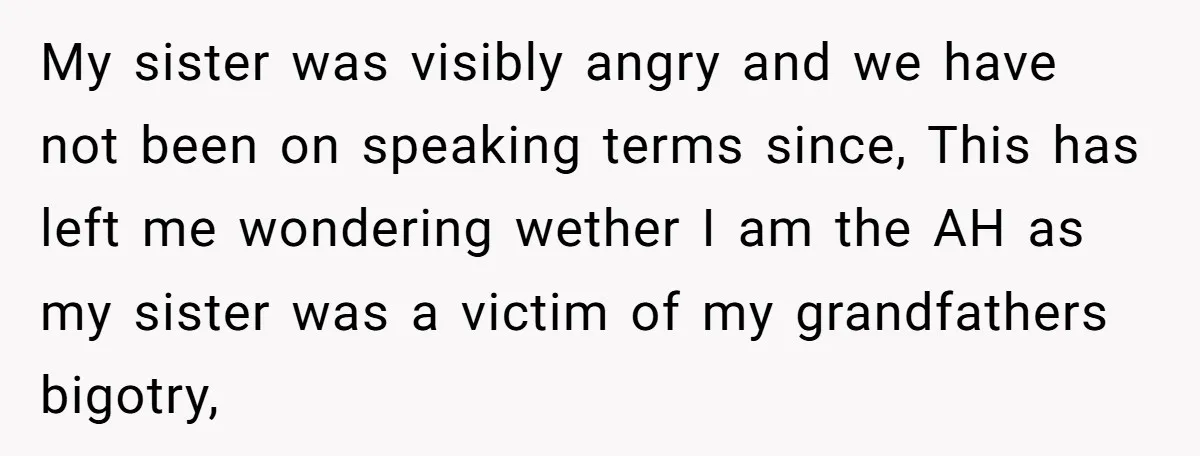
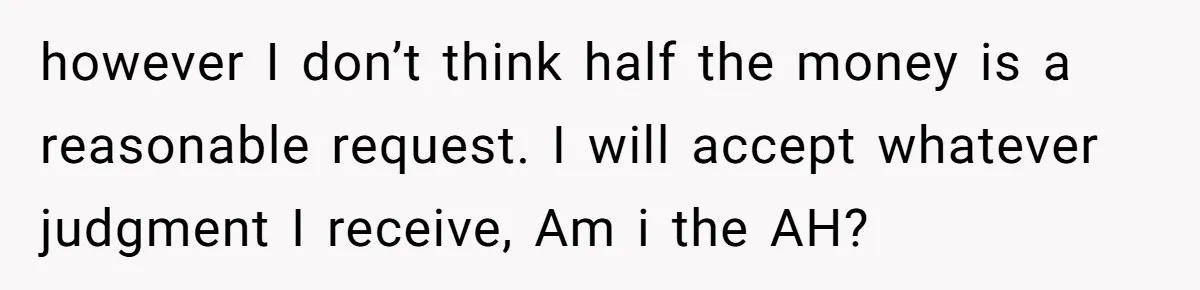
Family inheritance disputes often involve far more than money. In many cases, the financial aspect becomes a symbol of deeper emotional conflicts that have existed for years. In this situation, the grandfather clearly intended the inheritance as recognition for the time and companionship his grandson provided during the last years of his life. For older individuals who feel isolated, consistent visits and shared time can mean far more than people realize.
However, the sister’s perspective adds another important layer to the story. Her decision to cut off contact did not come from indifference or neglect. Instead, it stemmed from the fact that the grandfather openly held views that rejected a fundamental part of who she is. For someone facing that kind of hostility, maintaining a relationship can feel emotionally exhausting or even harmful. That context makes the inheritance appear less like a reward for dedication and more like a consequence of circumstances she could not comfortably change.
Sociologist Dr. Karl Pillemer, author of Fault Lines: Fractured Families and How to Mend Them, explains that inheritance conflicts frequently become symbolic battles about fairness and recognition within families. According to Pillemer, disagreements over money often reflect long-standing feelings about who was valued, who was overlooked, and whose experiences were acknowledged.
When situations like this arise, families are often forced to weigh two competing ideas. On one side is the desire to respect the wishes of the person who wrote the will. On the other is the desire to maintain peace and fairness among the living relatives. Neither path guarantees a perfect outcome. Some people choose to follow the will exactly as written, while others decide that sharing the inheritance is worth it if it preserves important family relationships.
Ultimately, the question becomes less about legal entitlement and more about personal priorities. Whether someone keeps the full inheritance or chooses to share part of it, the decision can shape family dynamics for years to come.
Here’s the feedback from the Reddit community:
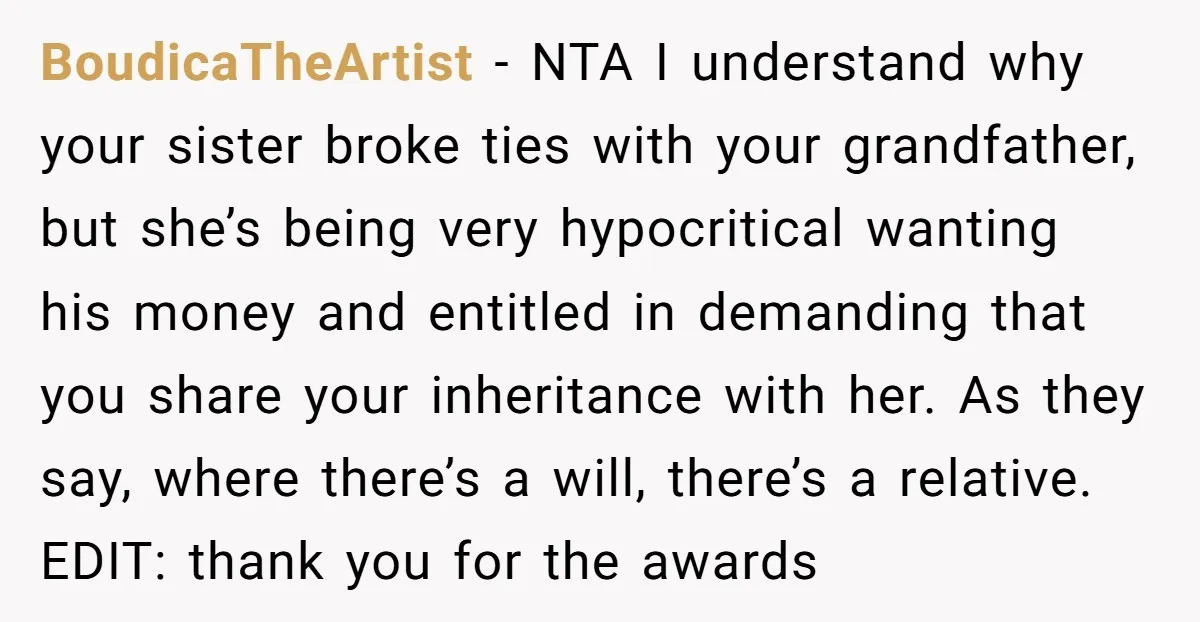
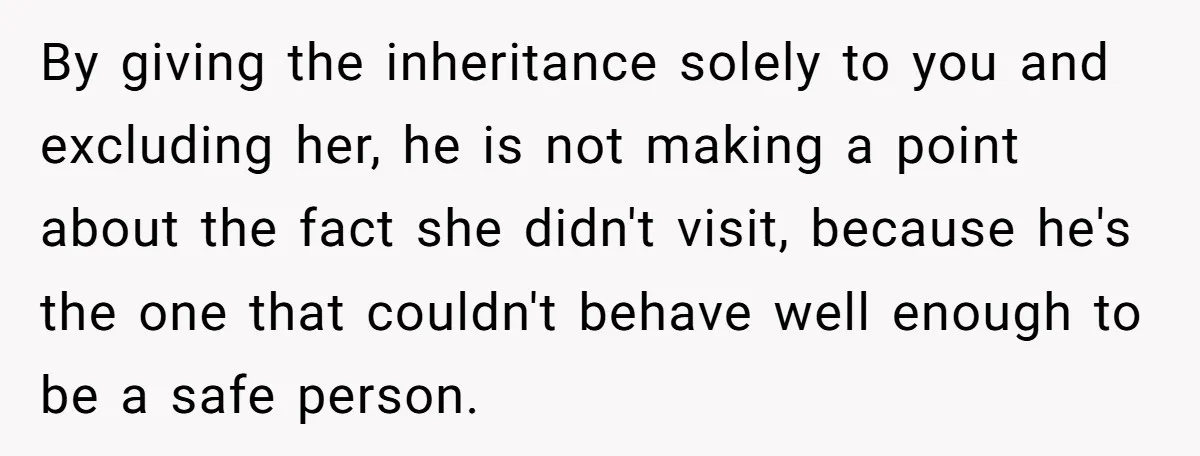
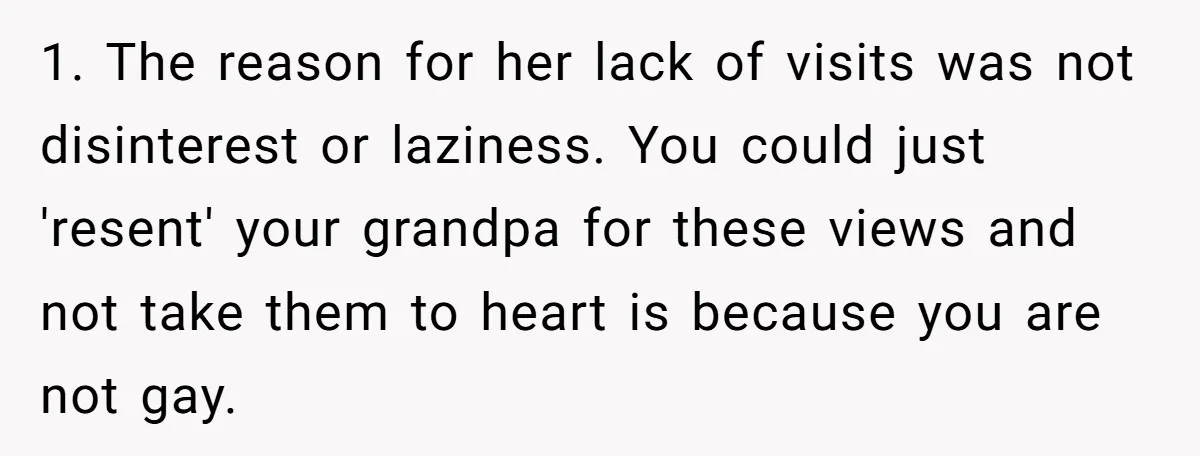
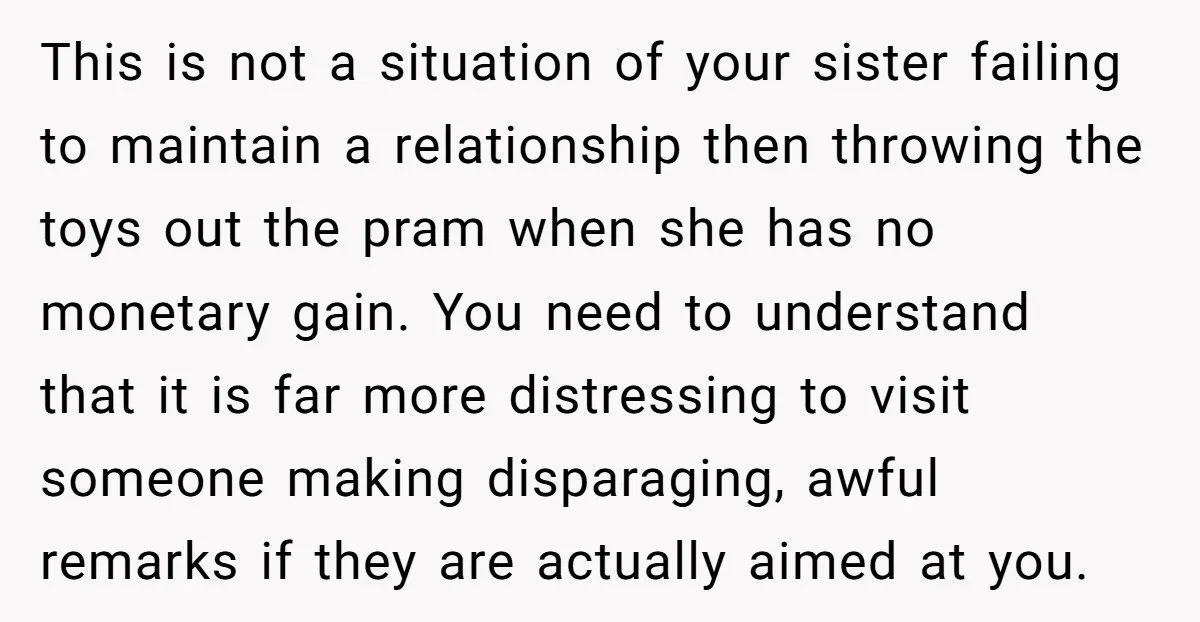
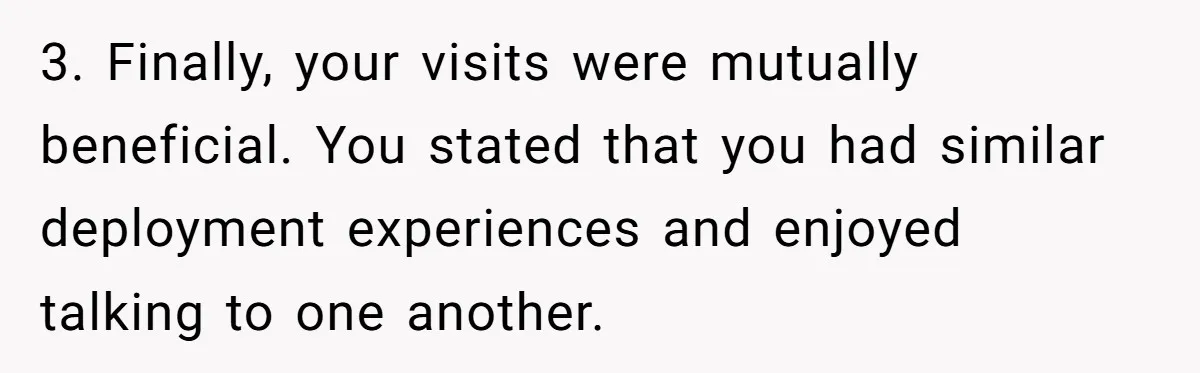
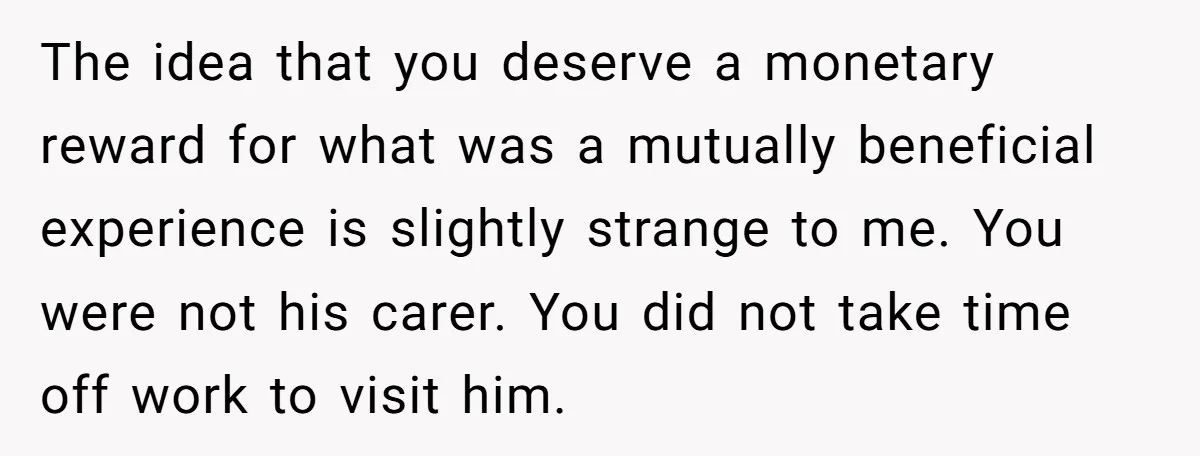
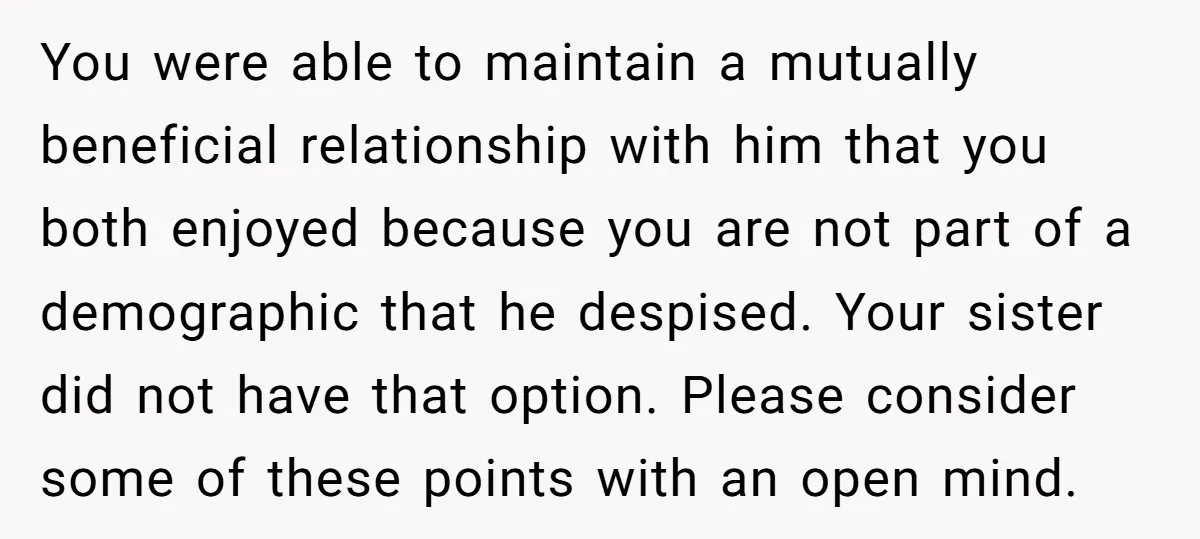
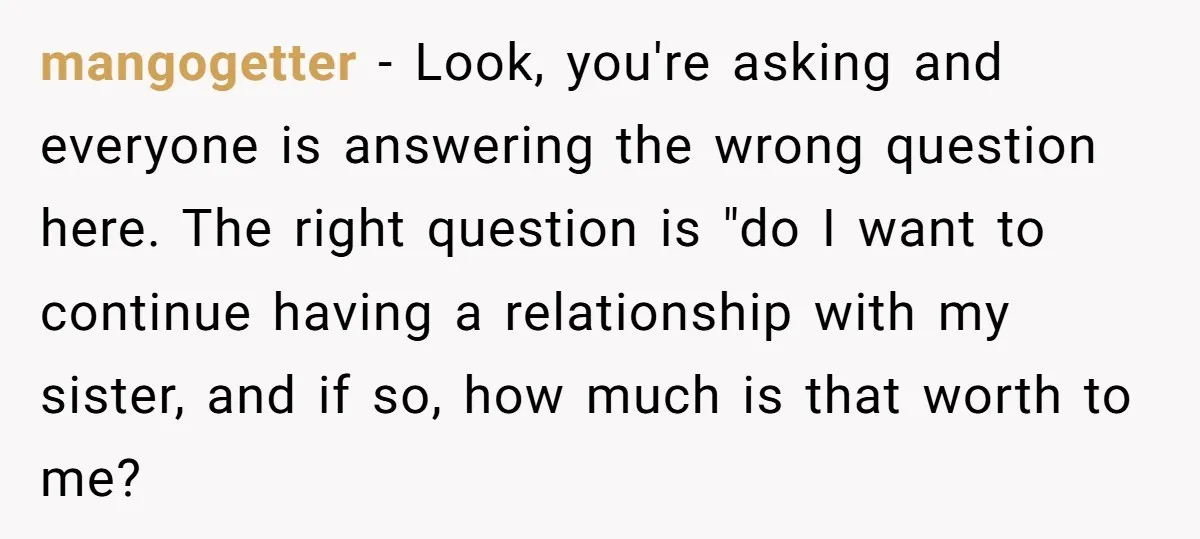
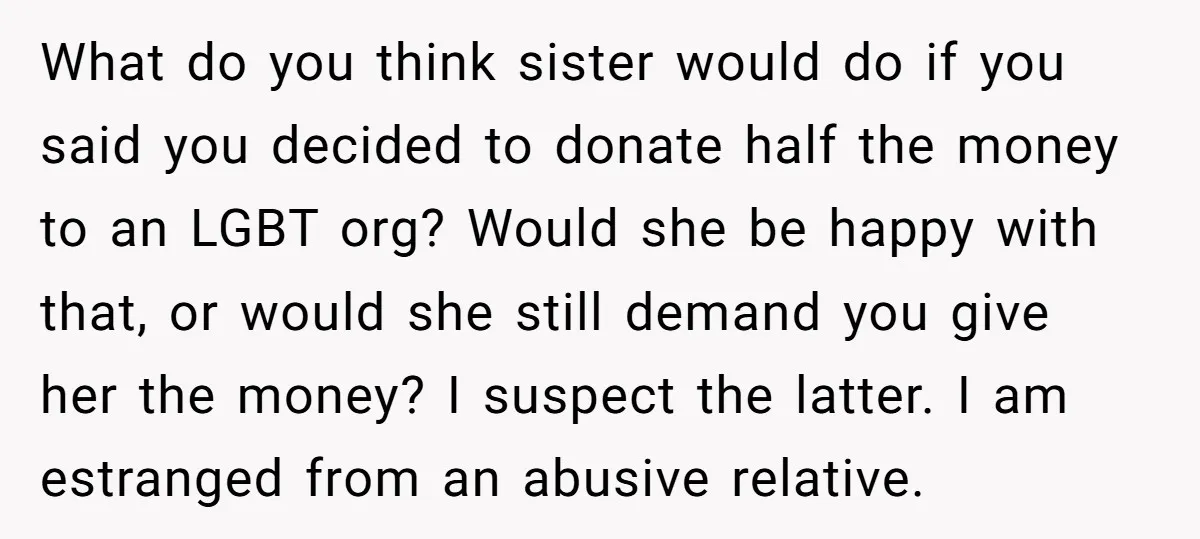
Many readers felt the man had every right to keep the inheritance exactly as it was left to him:

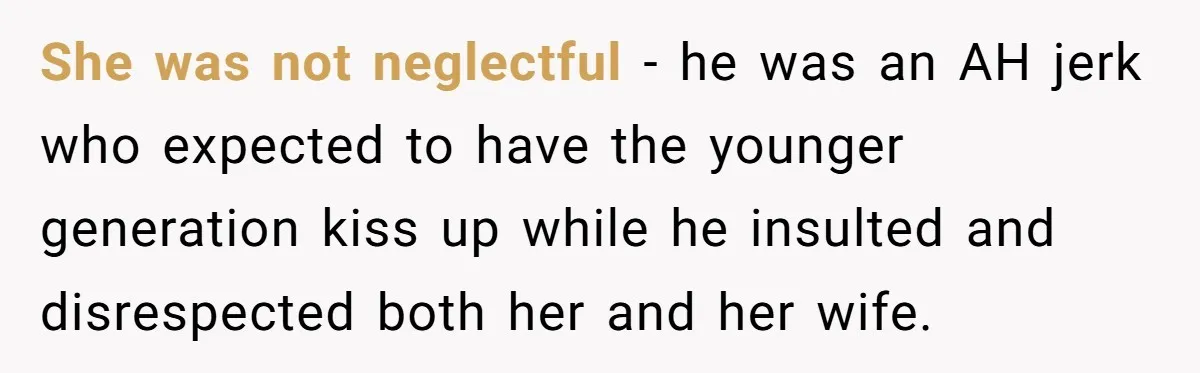

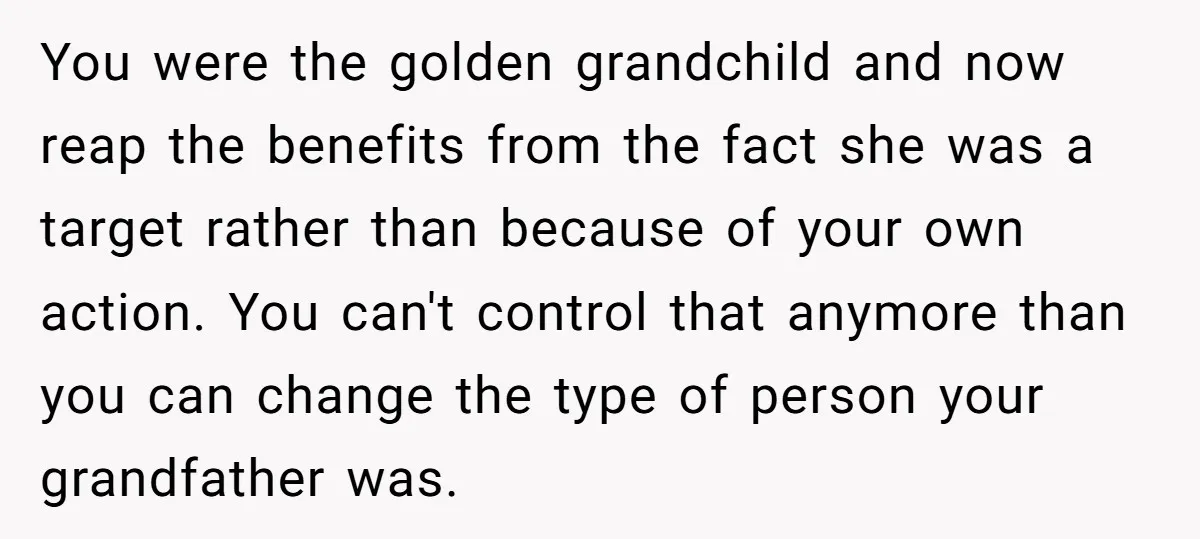
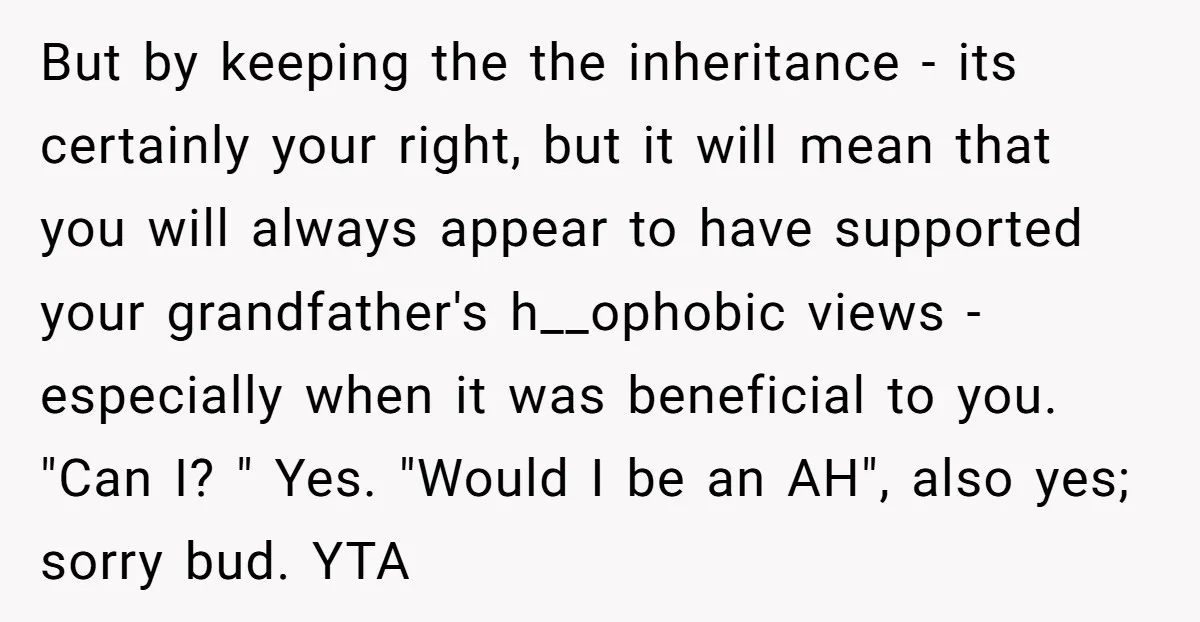
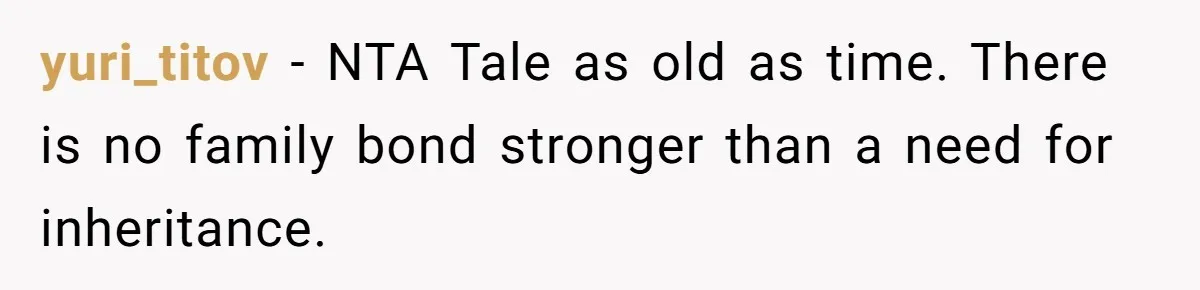
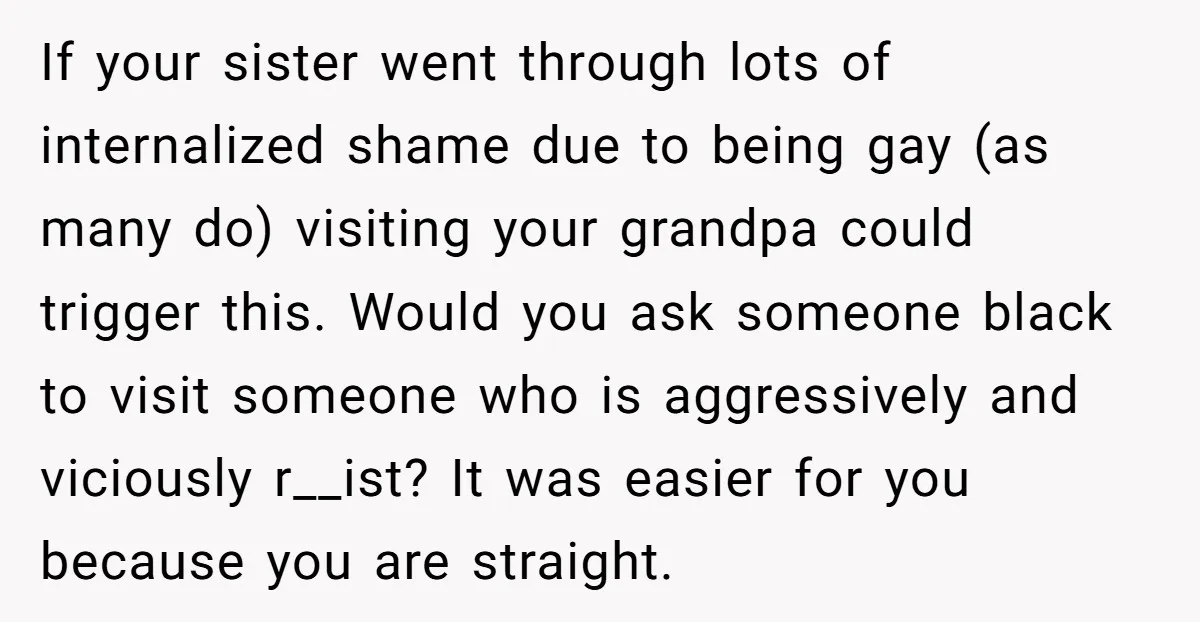
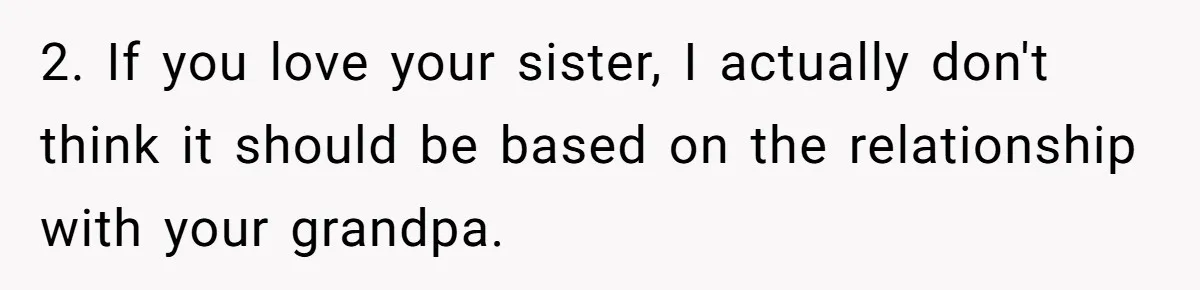
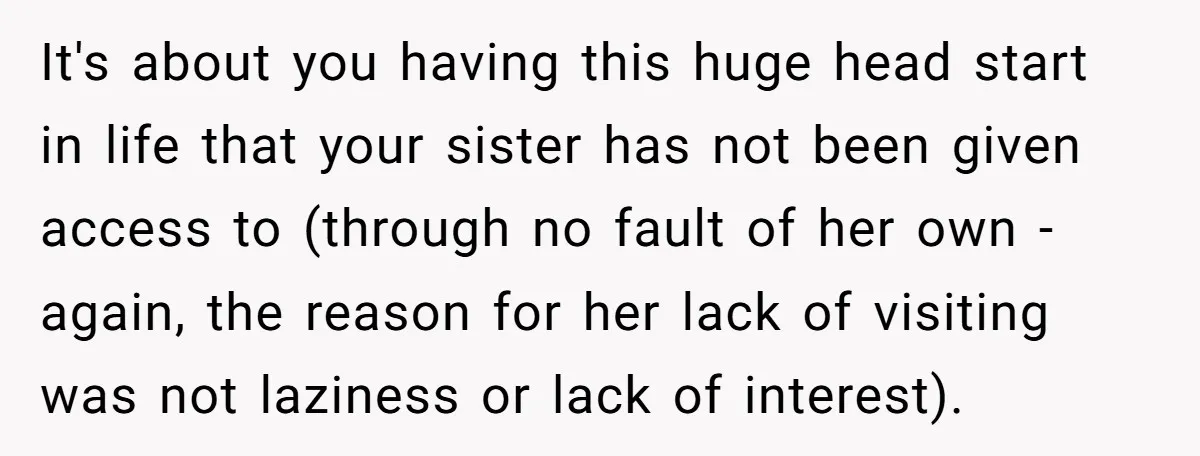
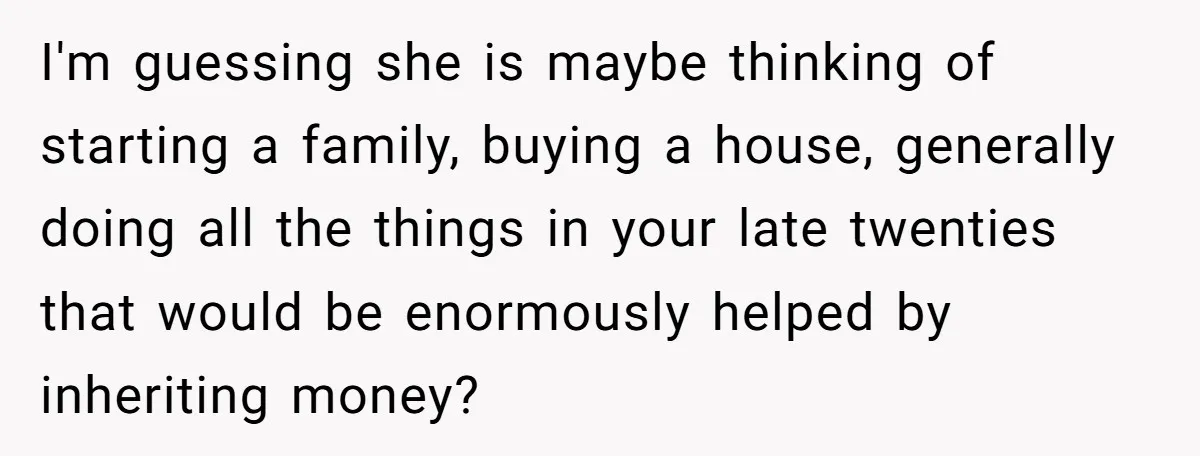
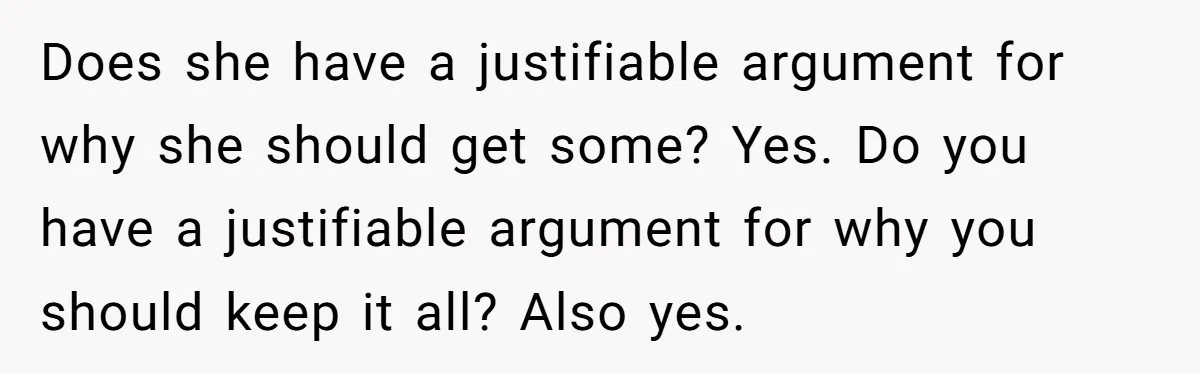
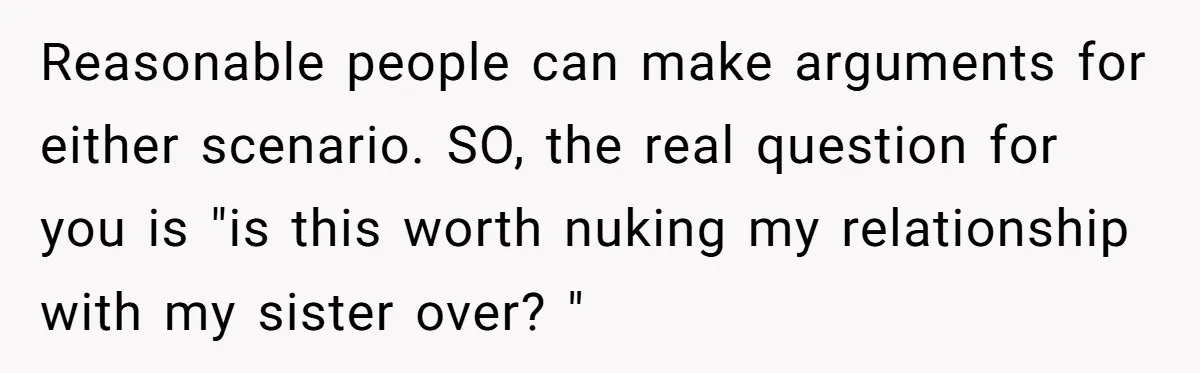
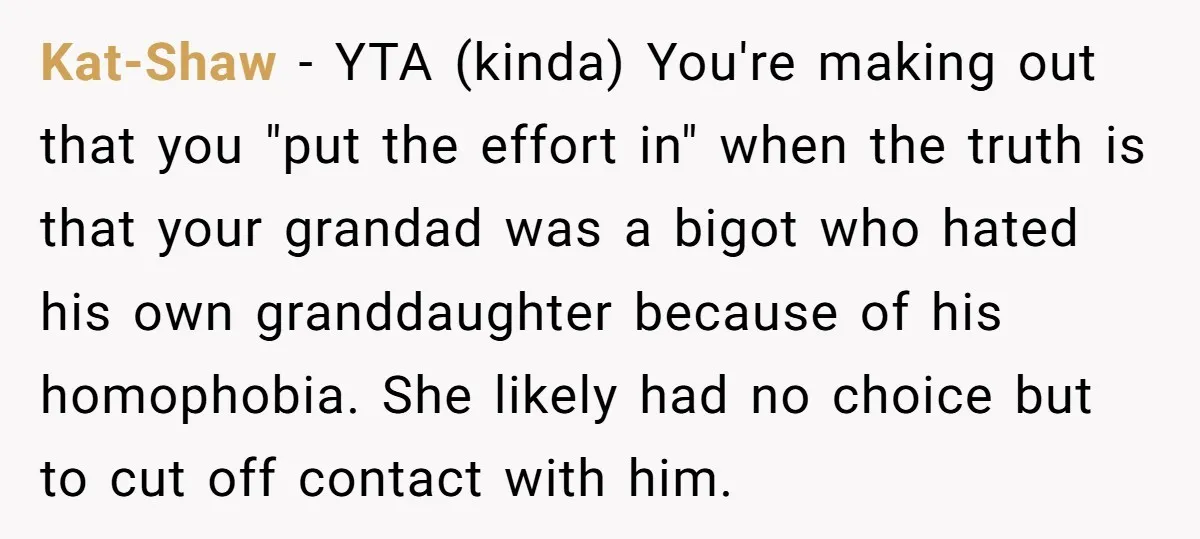
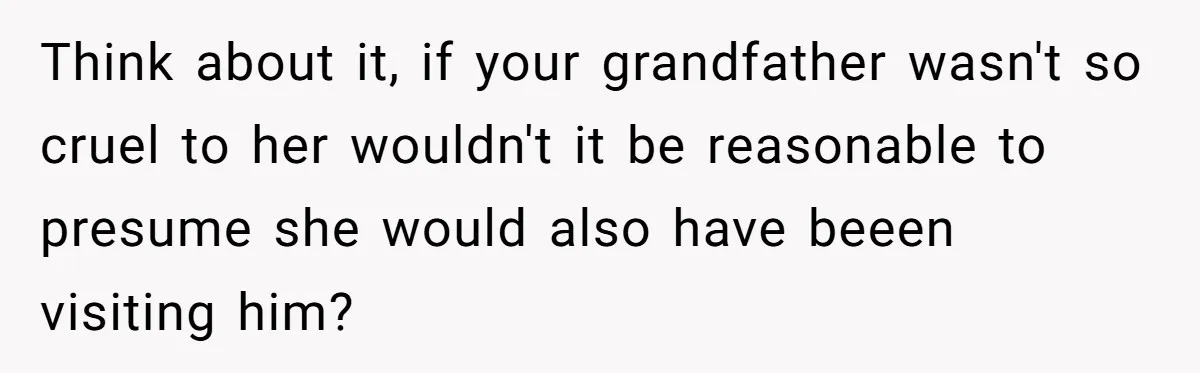
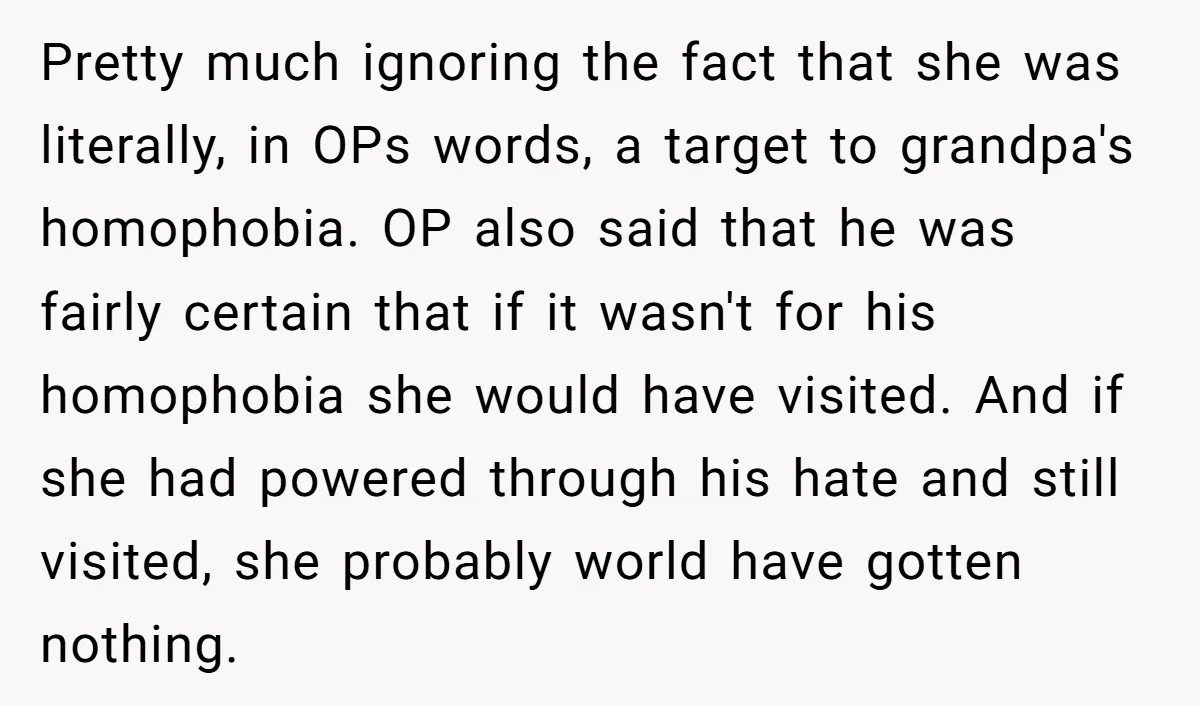
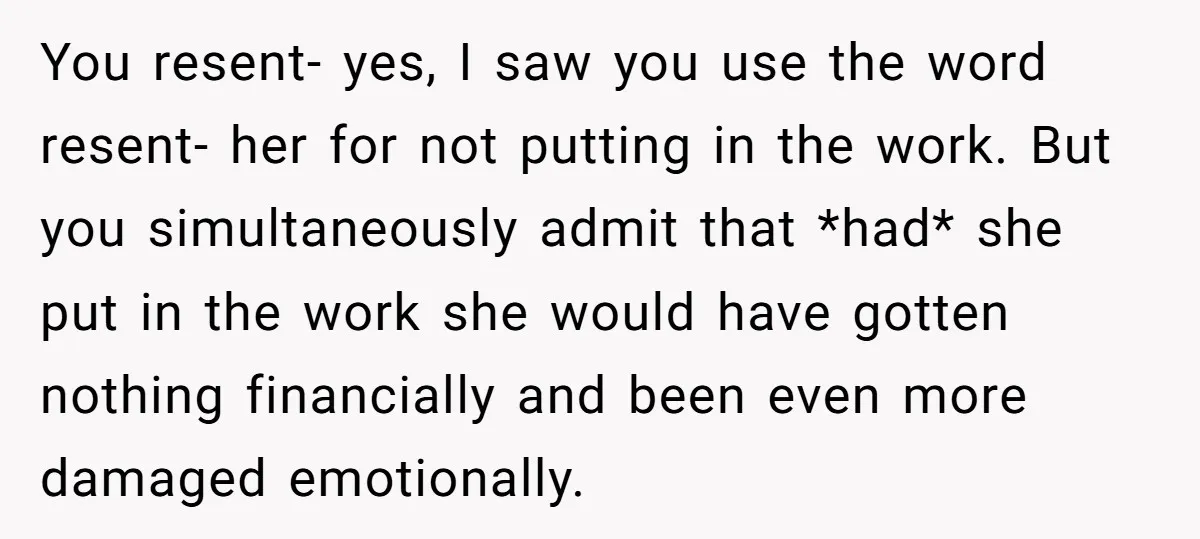
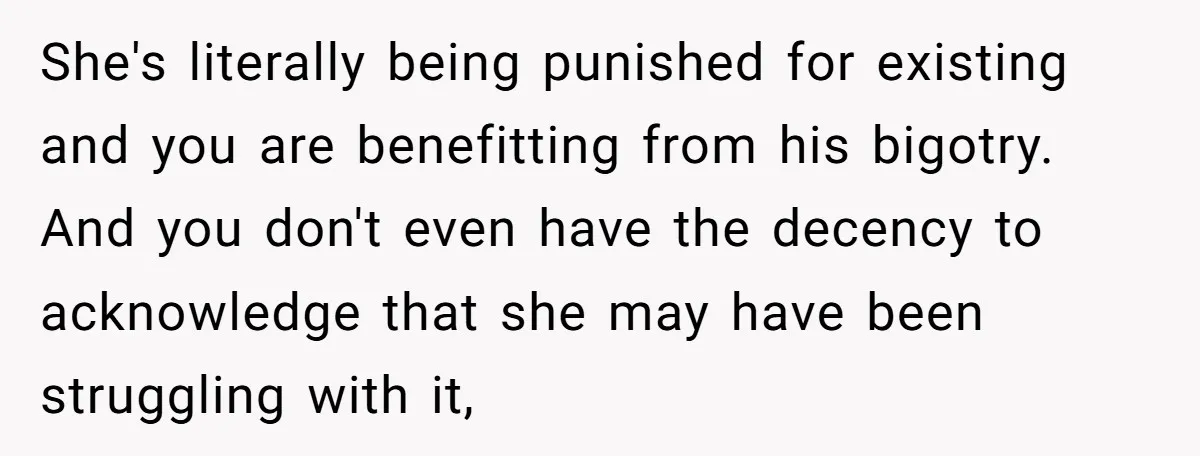
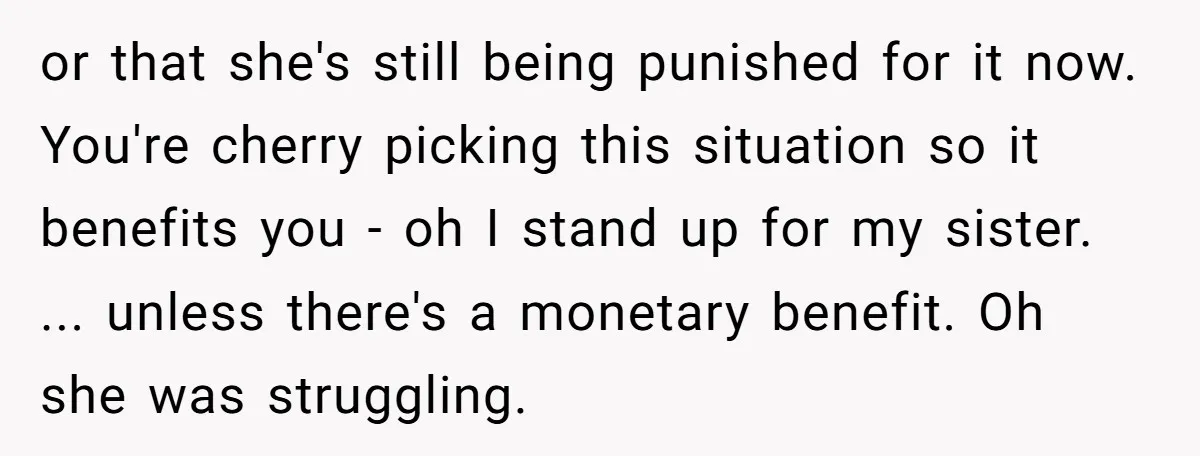
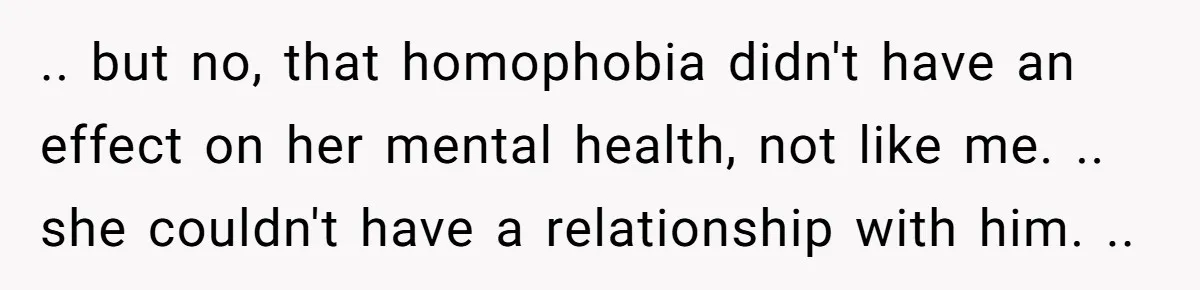
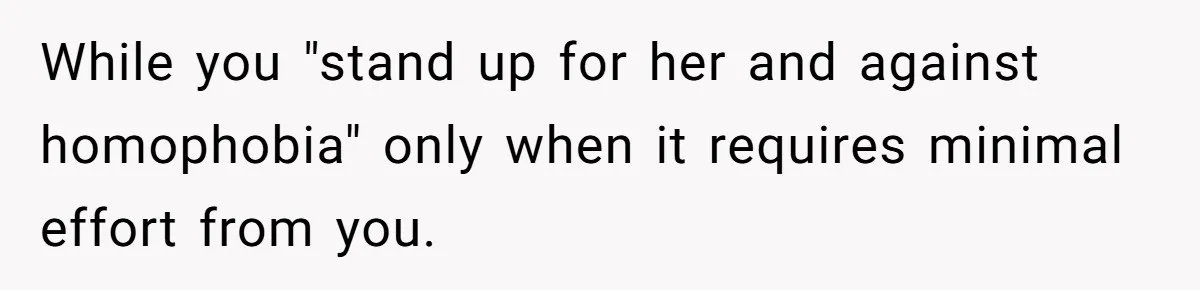
Others saw the situation as more complicated and suggested that sharing at least a portion of the money might help preserve the relationship:
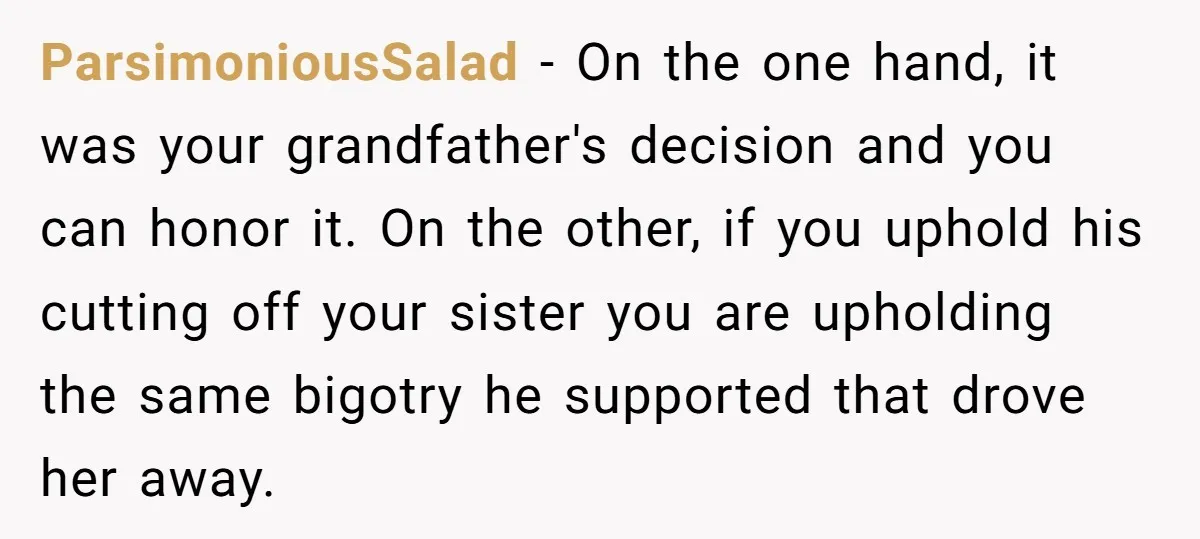
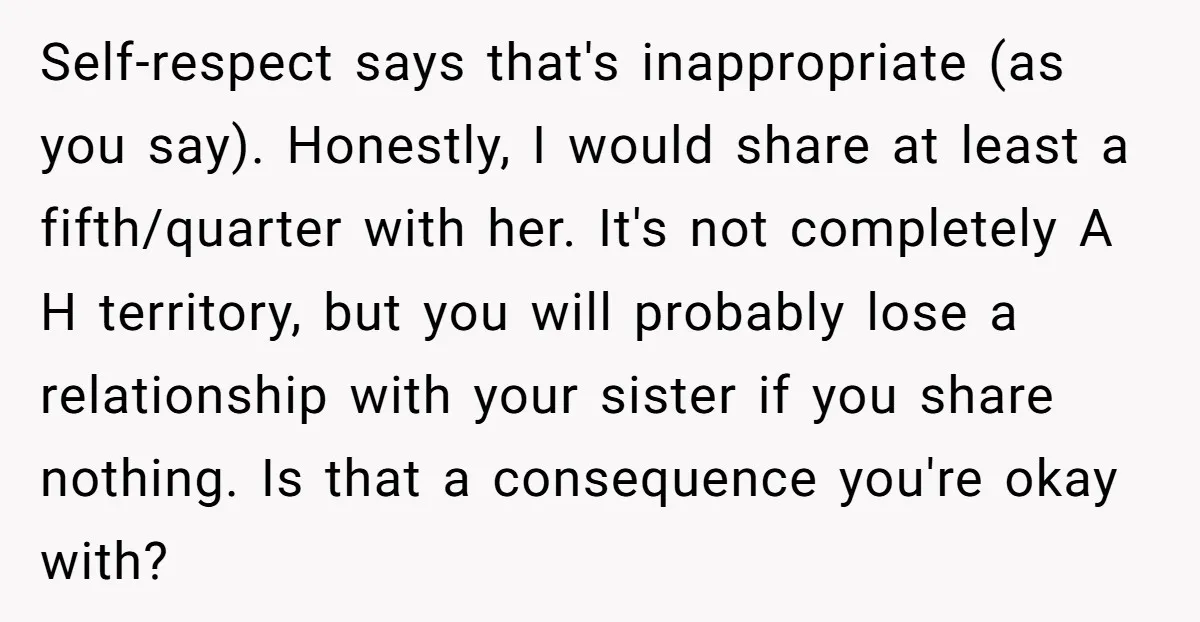



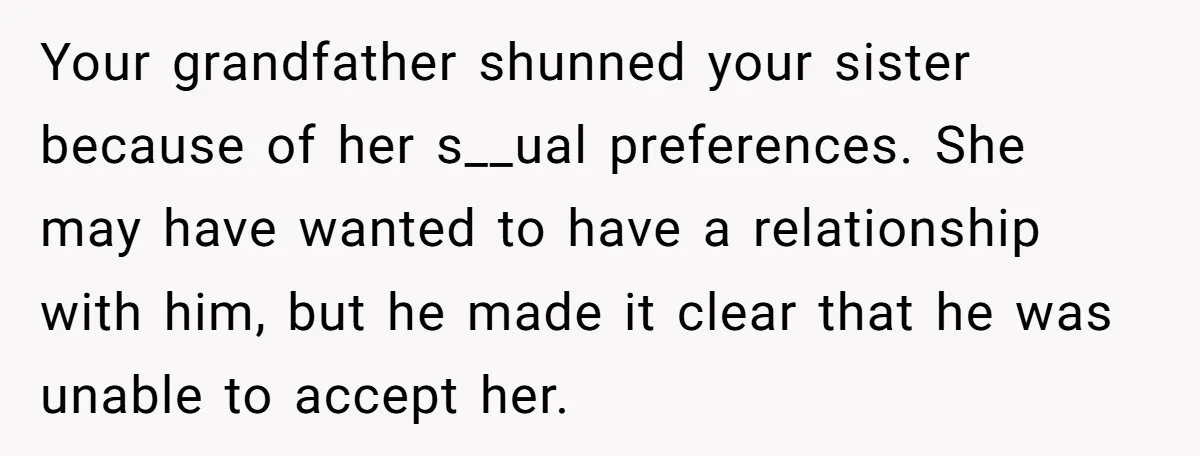
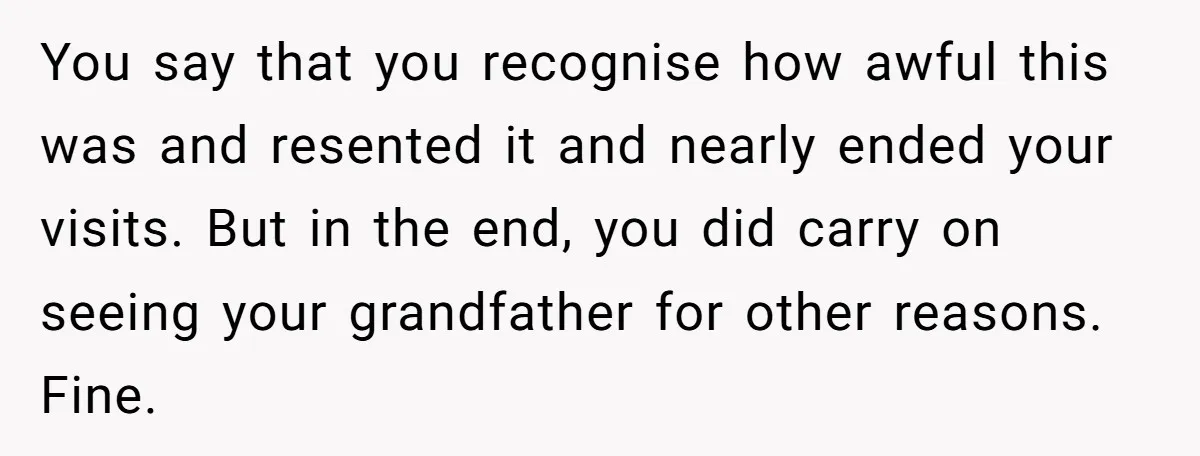
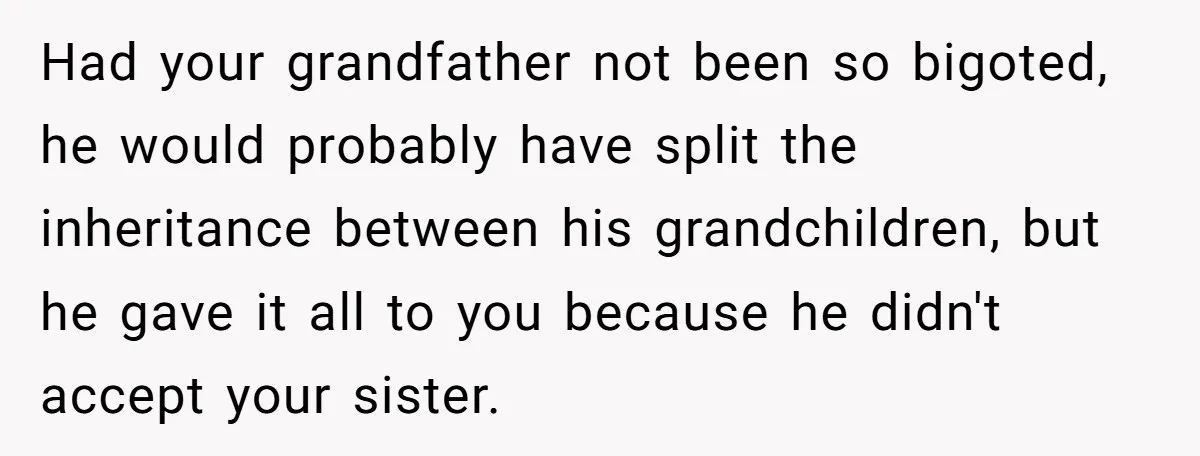
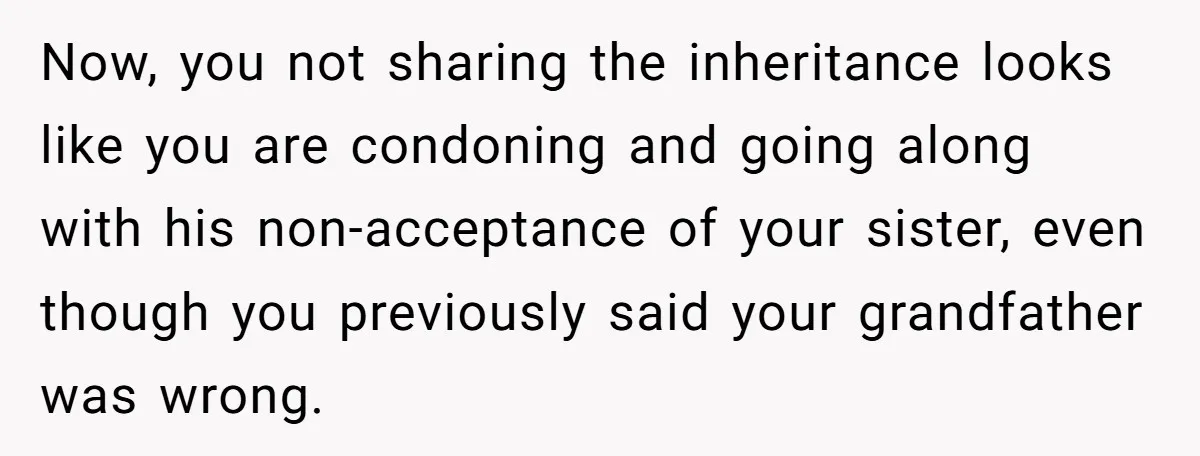
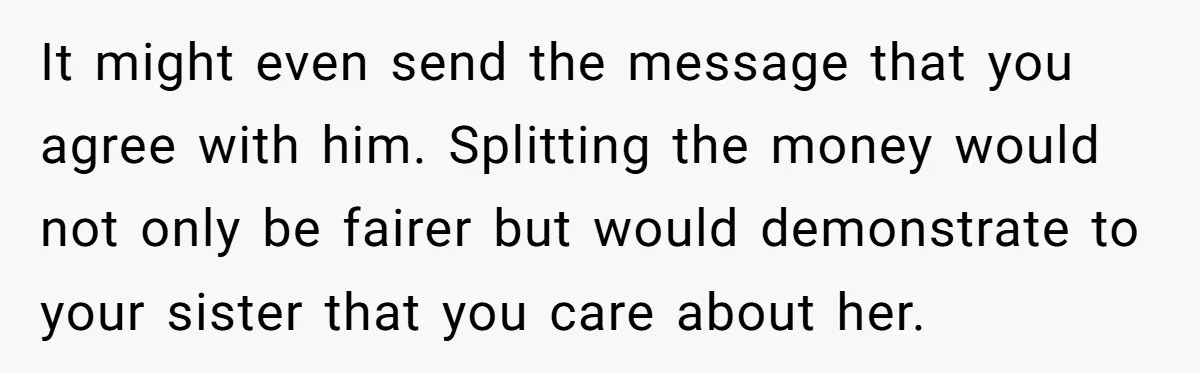

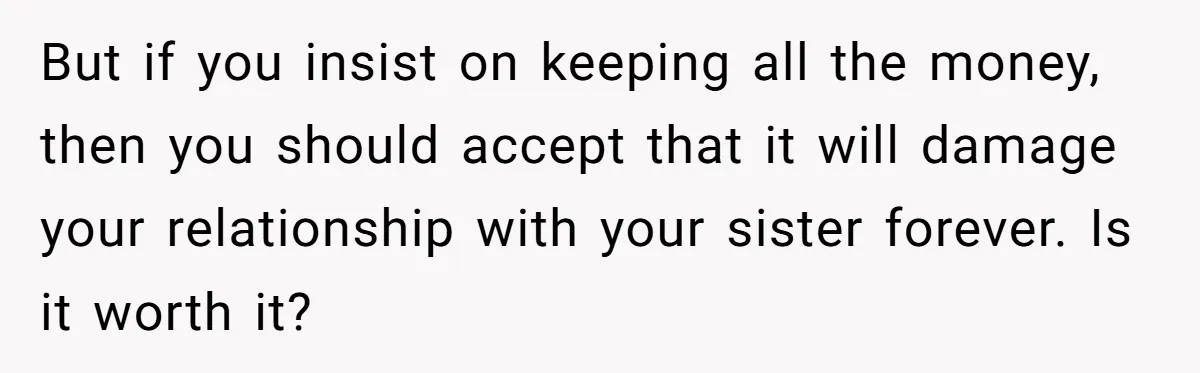
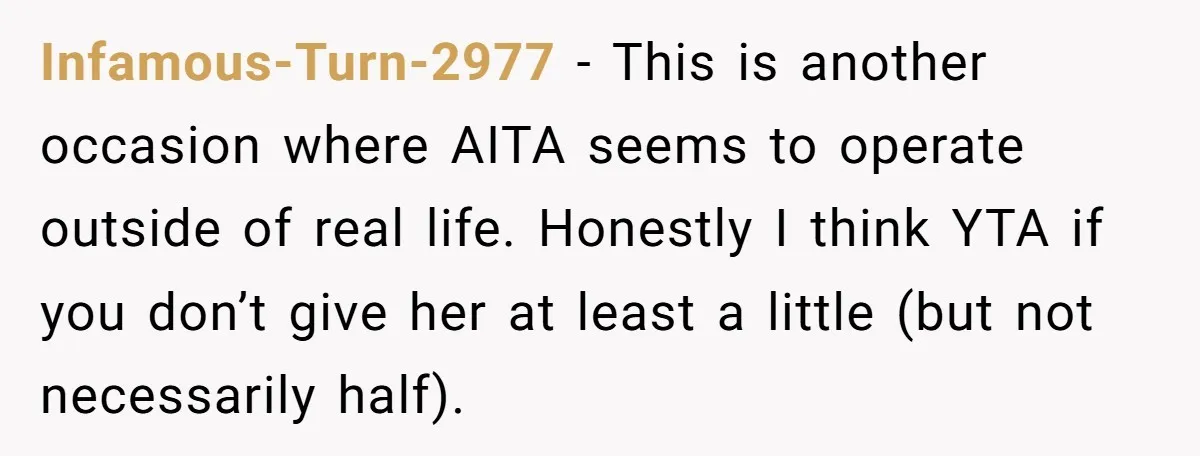

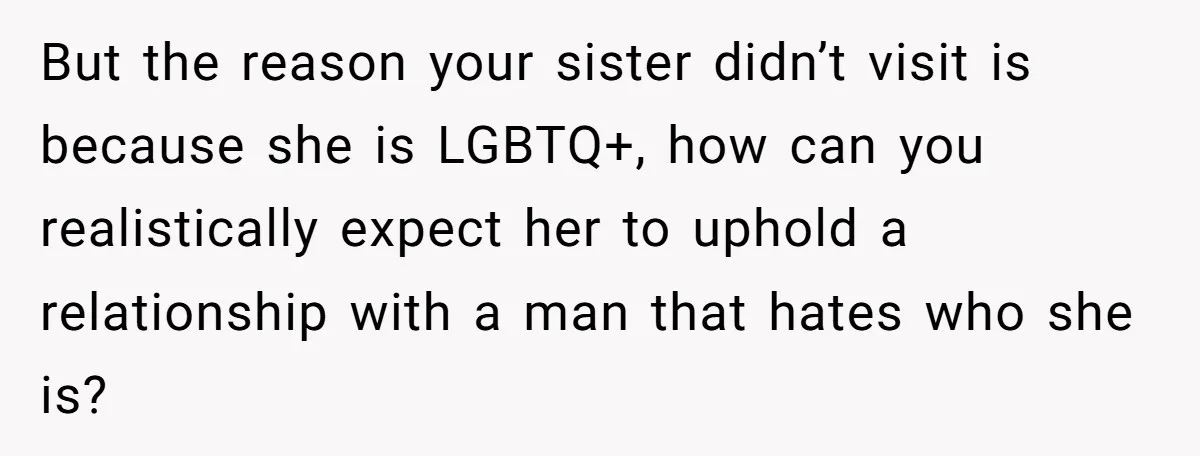
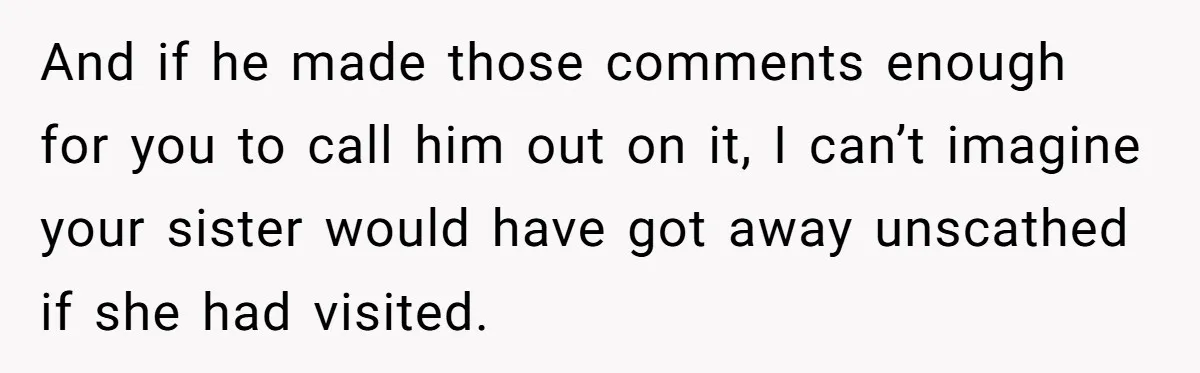
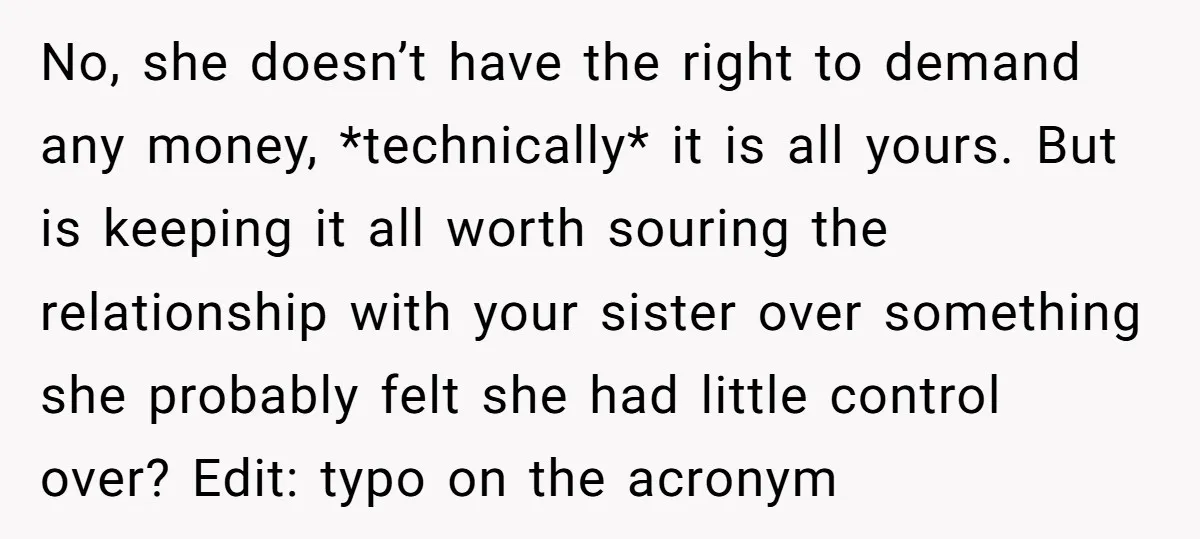
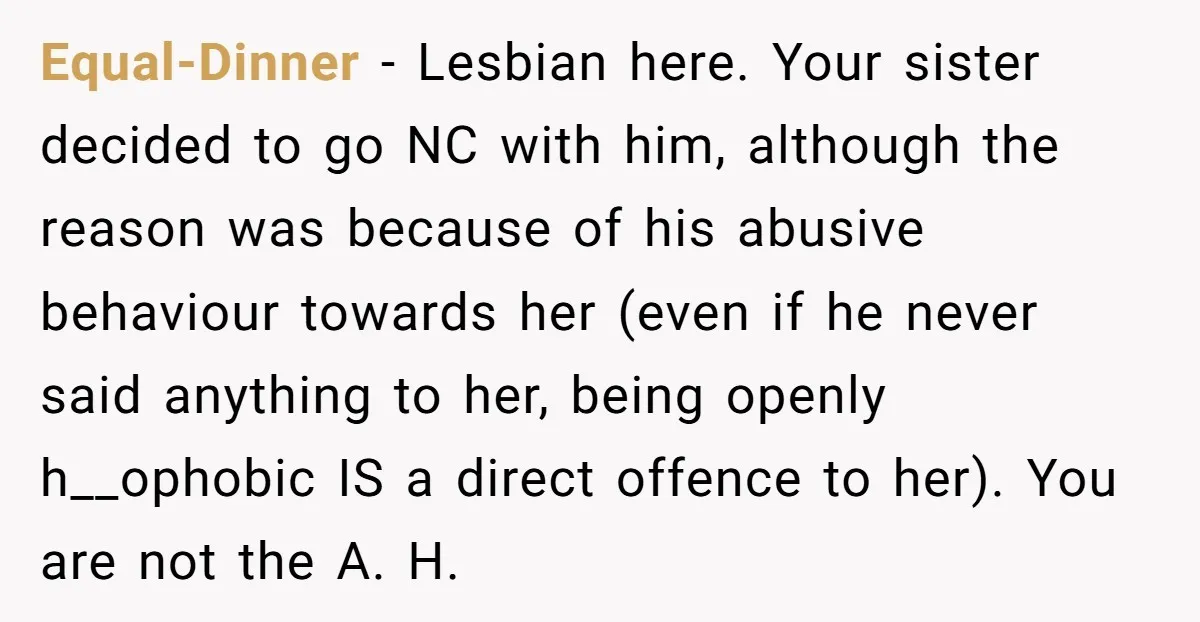
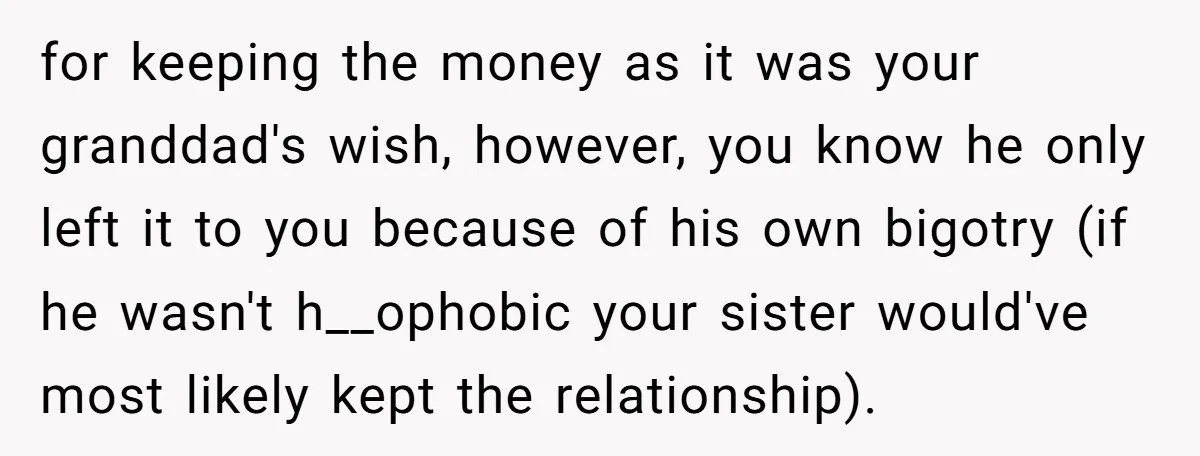
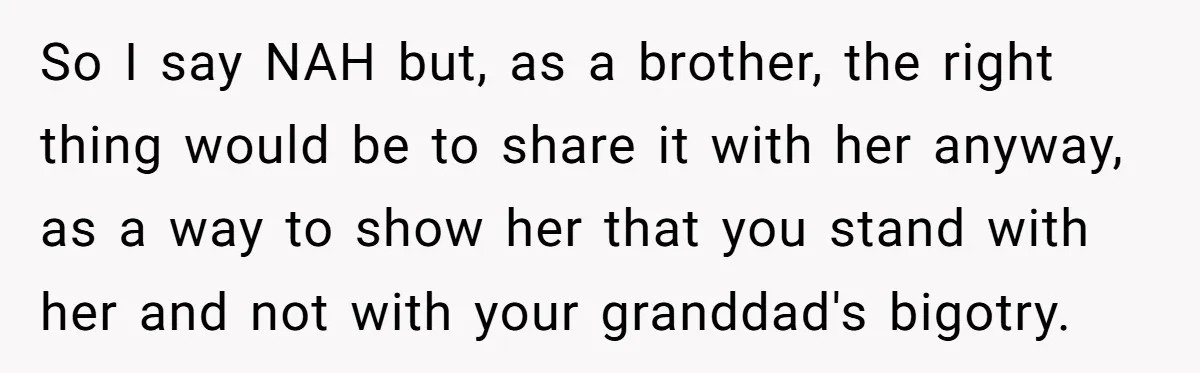
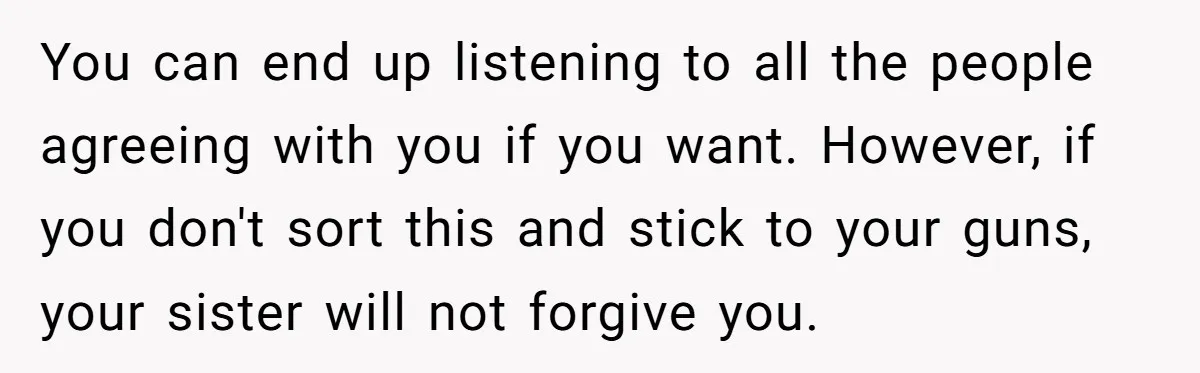
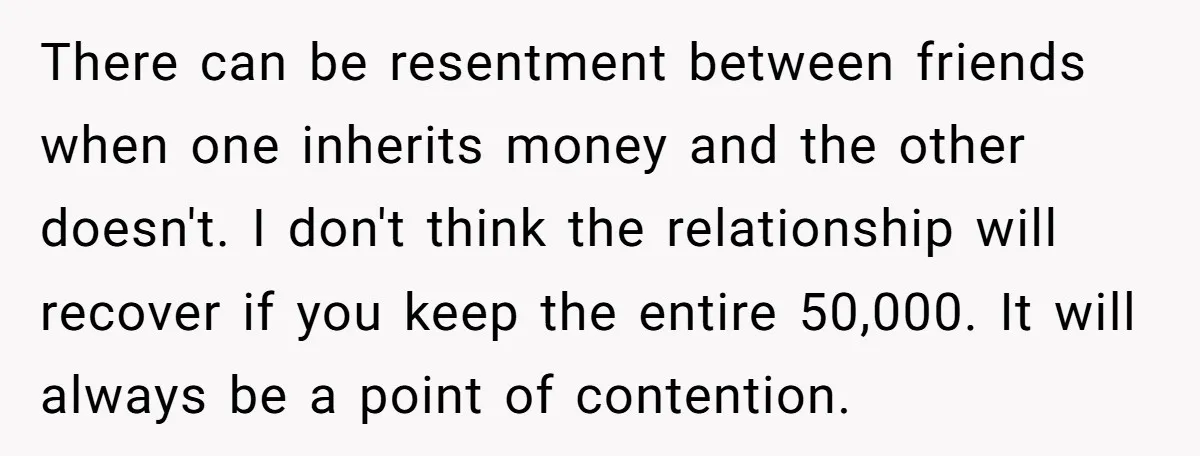
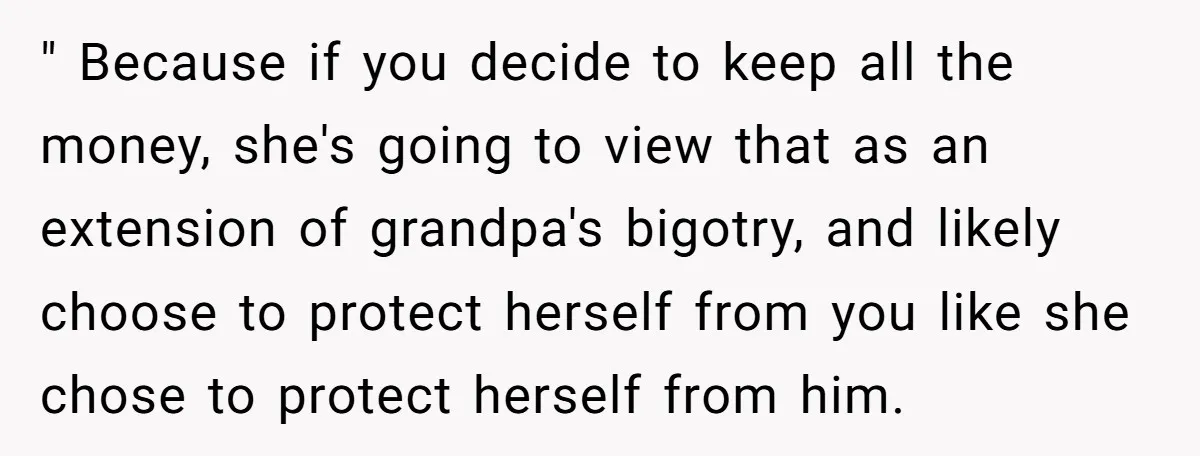
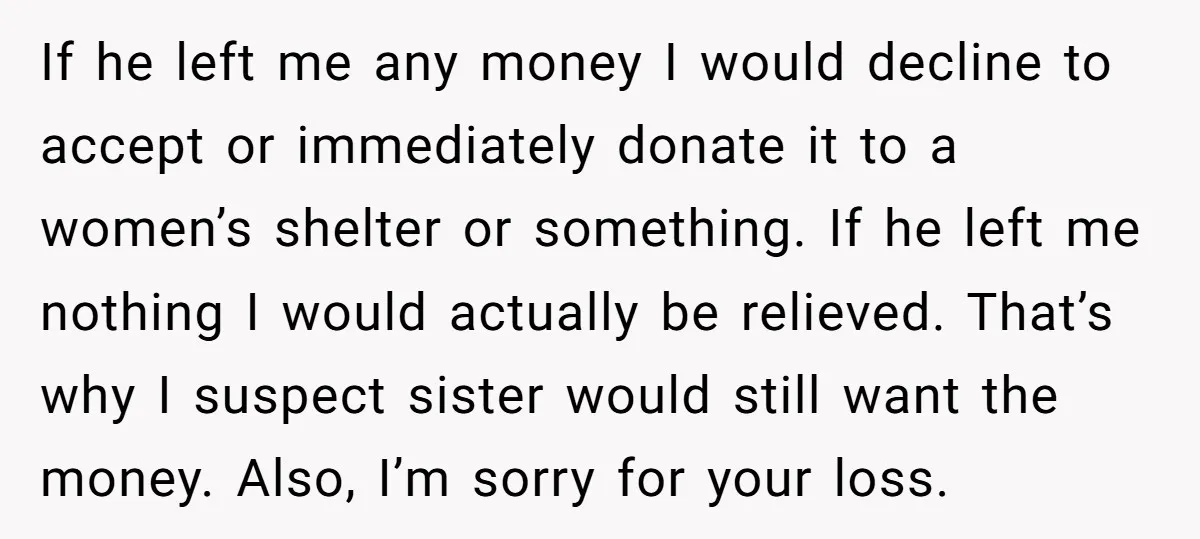
Some commenters even warned that the decision could permanently affect the siblings’ relationship:
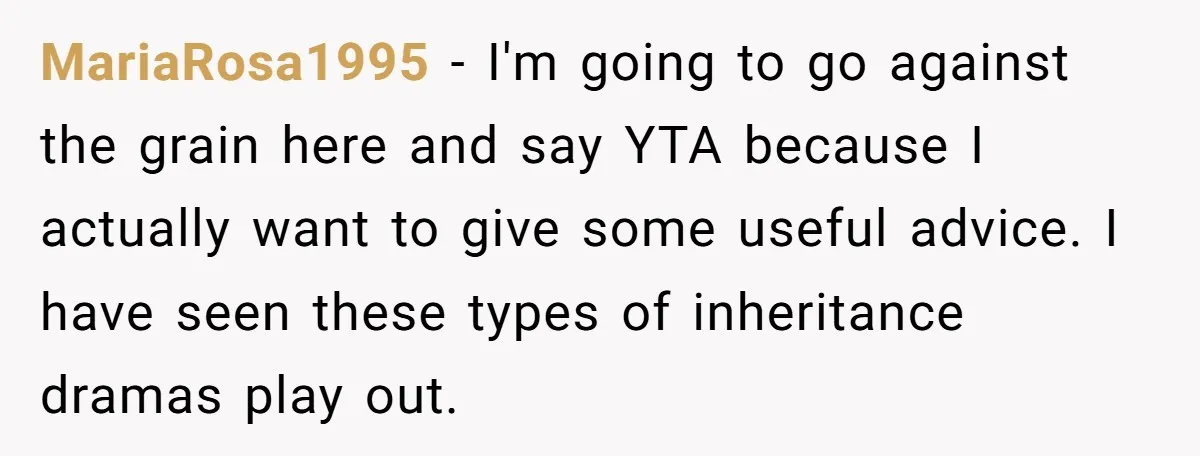


![[Reddit User] − NTA. Here’s an interesting thought exercise (just a thought exercise…don’t actually do this).](https://loknam.com/aita/images/09bfb7a109/wp-editor-1772857320893-16.webp)



What started as a personal inheritance quickly turned into a complicated family conflict. Legally, the grandson has every right to keep the money exactly as his grandfather intended. But emotionally, the situation carries far more weight than a number written in a will.
For the sister, being excluded from the inheritance may feel like an extension of the rejection she already experienced. For the brother, the money represents years of visits and a meaningful bond with someone who helped him during difficult moments. When those perspectives collide, the answer is rarely simple. If you were in this situation, would you keep the entire inheritance, or share some of it to protect the relationship with your sibling?