
A new father and his wife chose a middle name for their baby girl that honored one of his two sisters, Alexandra, with whom he shares a particularly close bond. Both sisters had been supportive during the pregnancy, but the decision sparked immediate upset from the other sister, Vanessa. She felt overlooked and questioned whether the family had an issue with her, especially since two other siblings had already chosen similar names inspired by Alexandra.
What seemed like a heartfelt tribute quickly turned into accusations of favoritism and exclusion. The father insisted the choices were coincidental and not deliberate, yet Vanessa’s pain highlighted deeper tensions about perceived unequal affection among siblings. This story explores how personal name decisions can unintentionally reopen old wounds in family relationships.
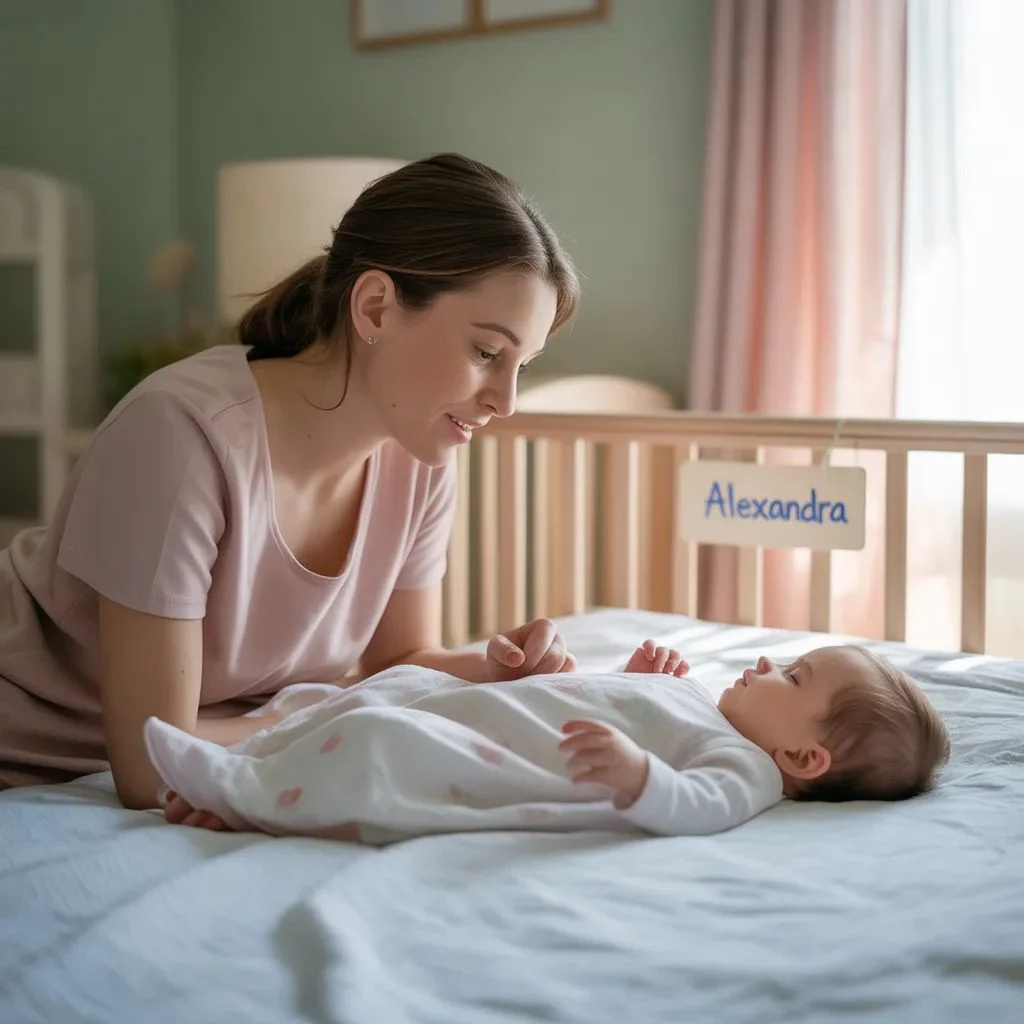
‘AITA for naming my daughter after my sister?’
The couple settled on a middle name that felt meaningful to the father.
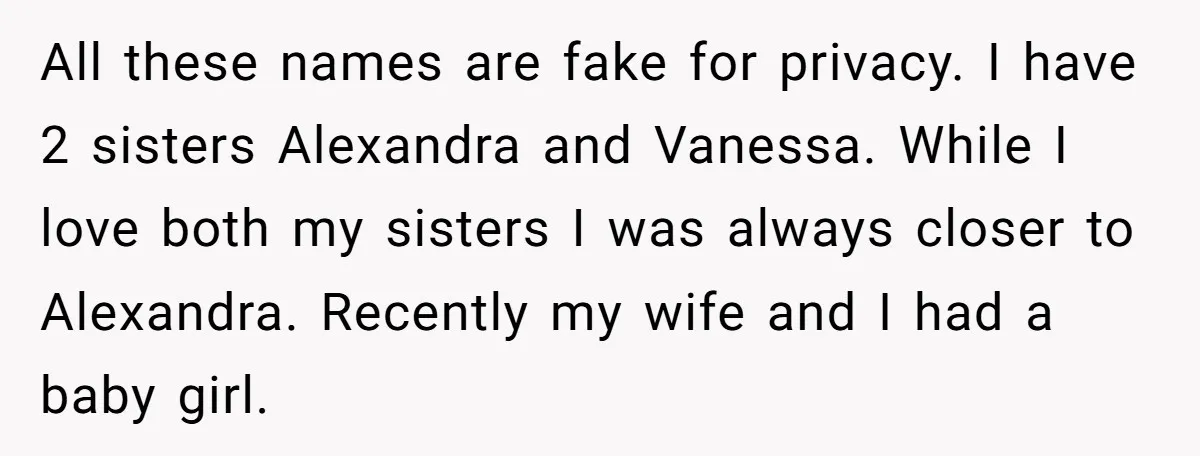
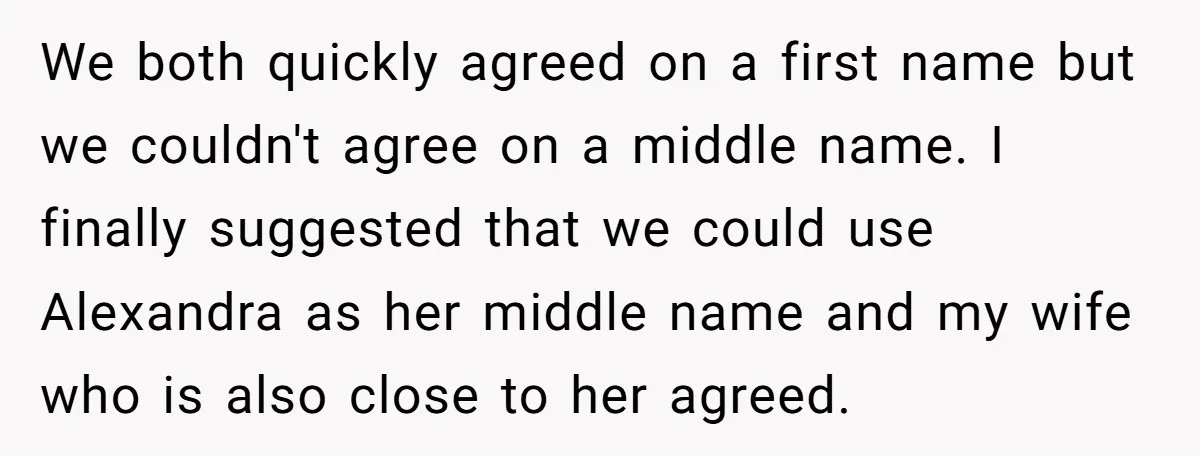
The announcement upset one sister who felt repeatedly sidelined.
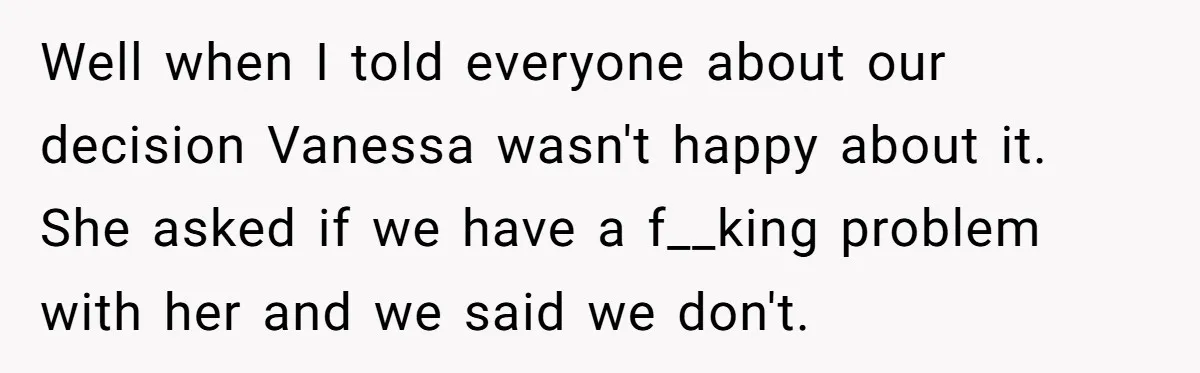
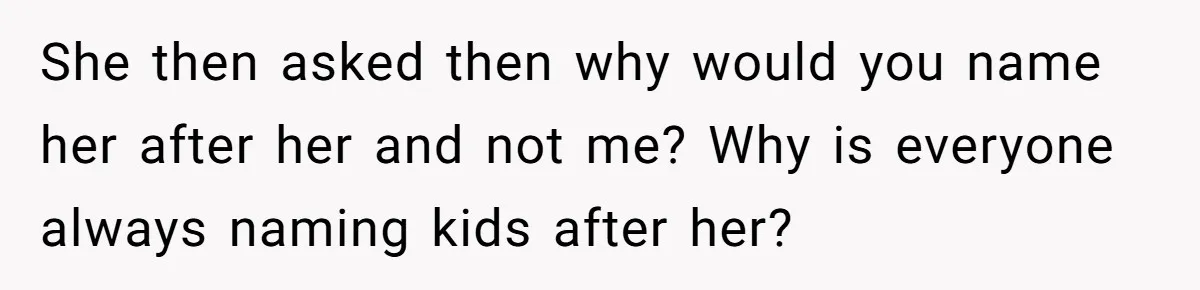
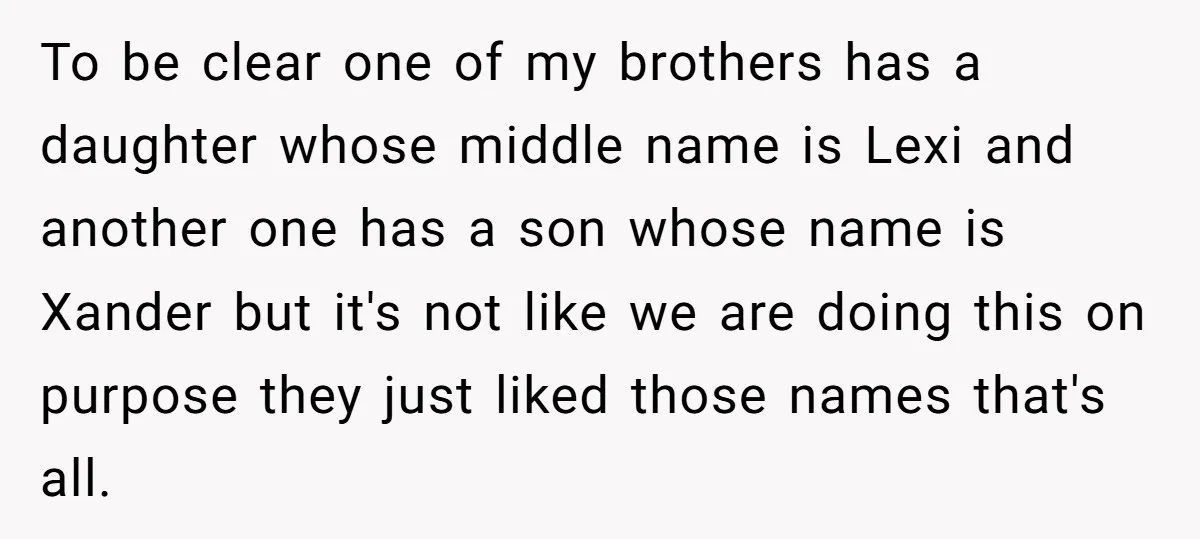
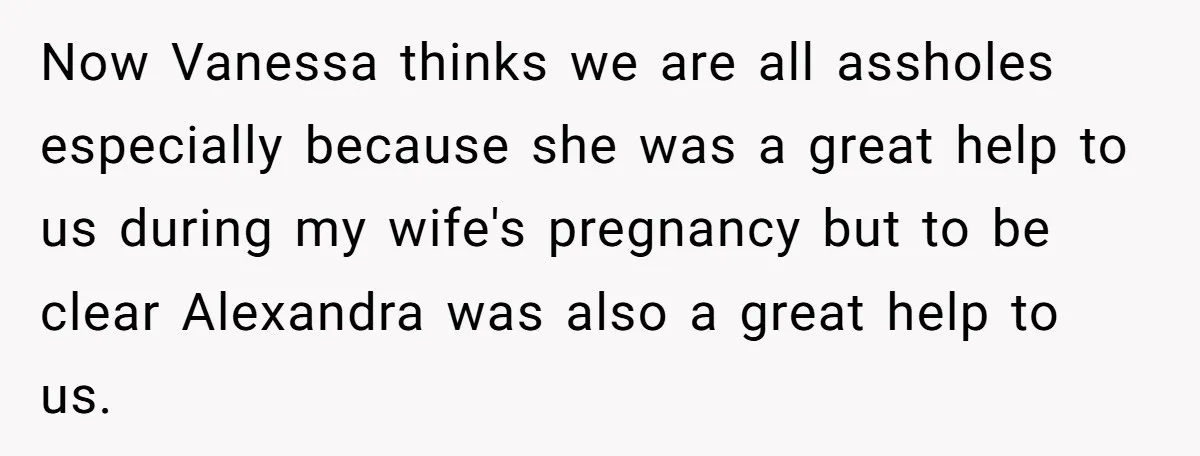
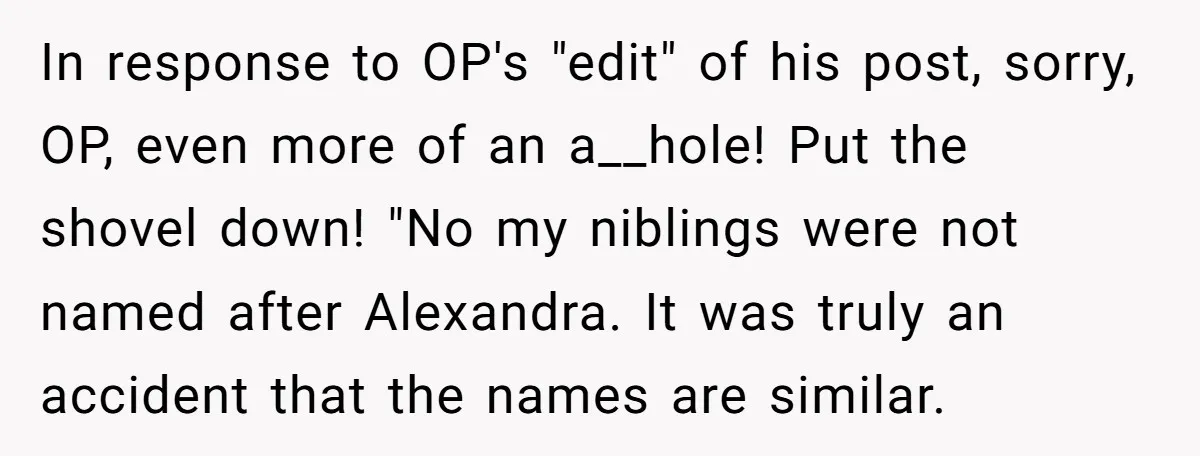
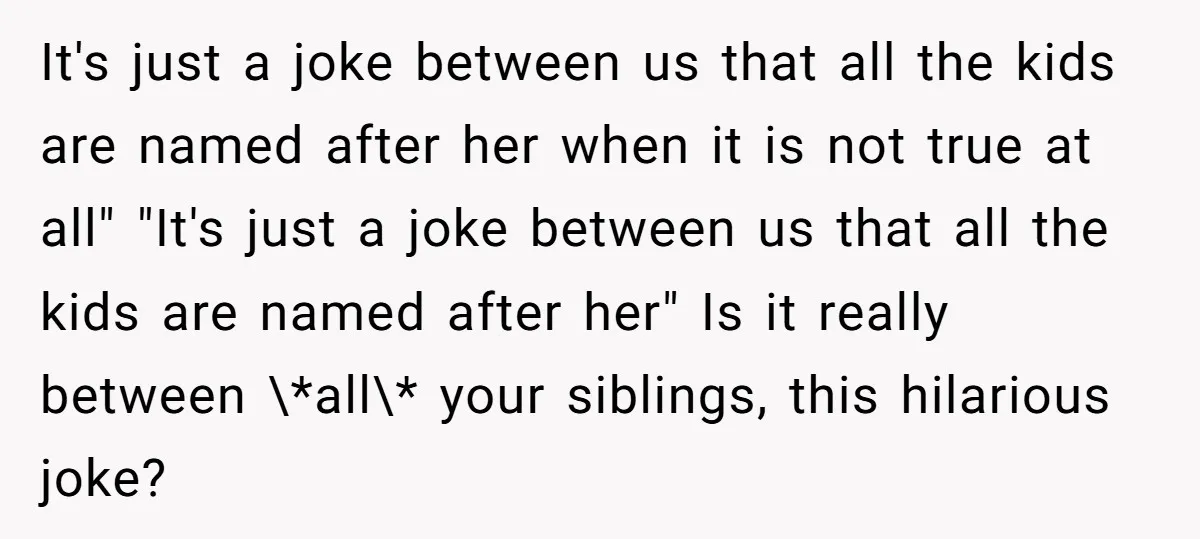
The father pushed back against claims of favoritism in an edit.
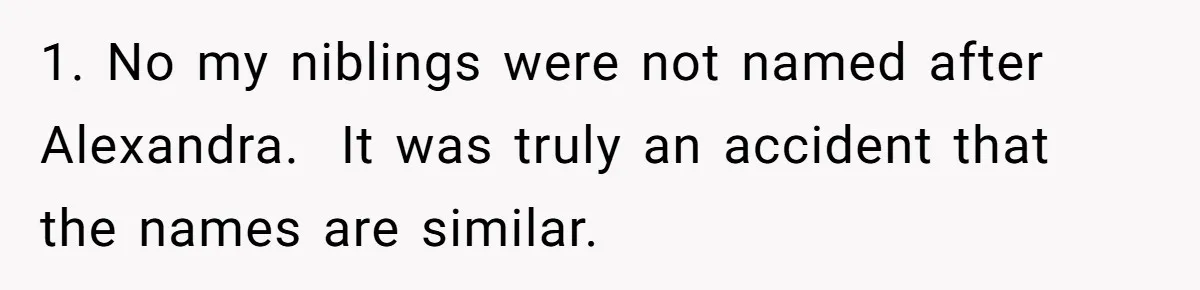
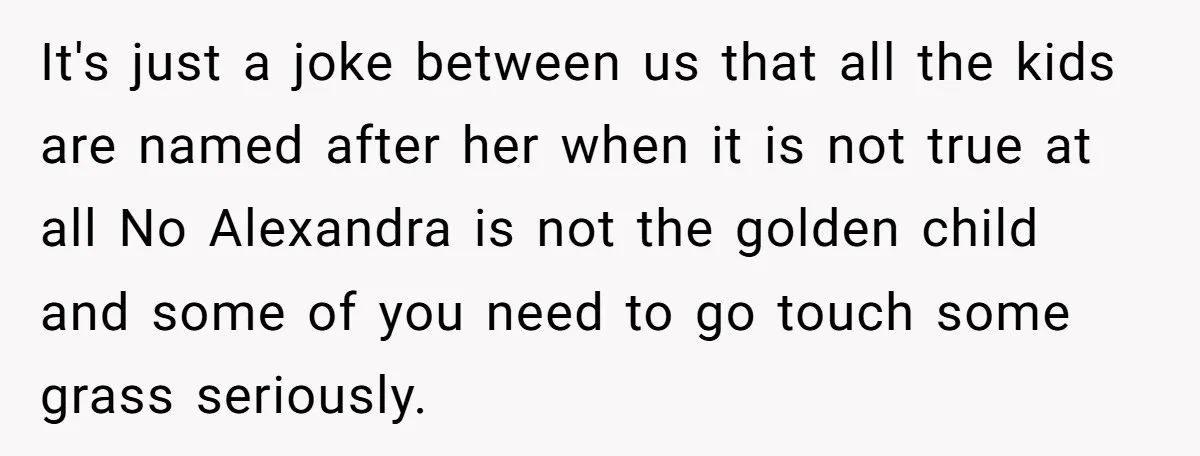
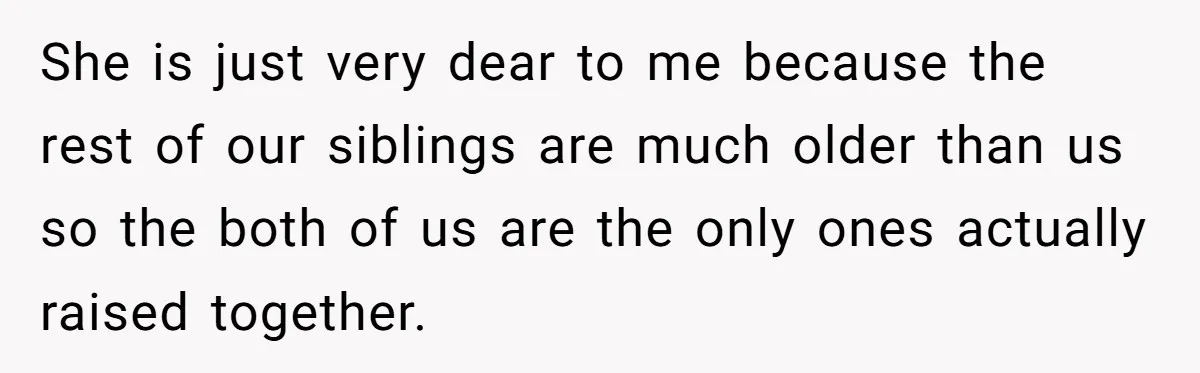
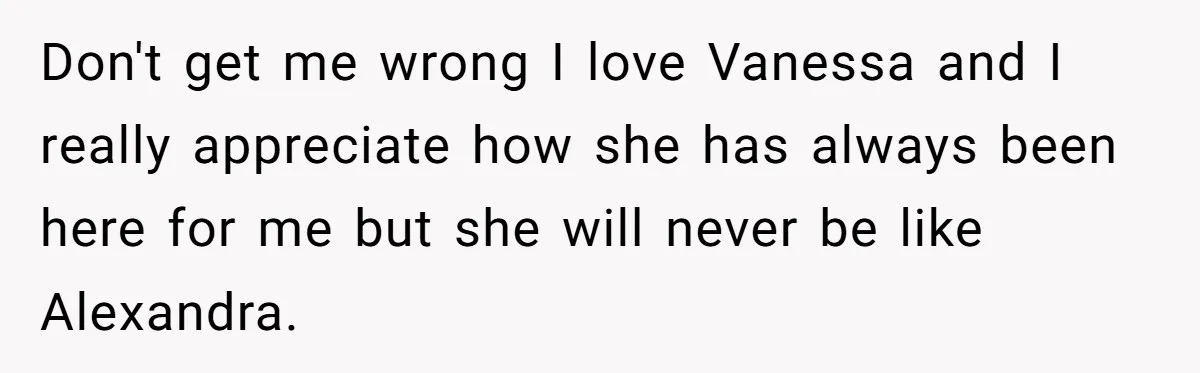
The father’s perspective is valid—he chose a name tied to a sister he feels especially close to due to shared upbringing, and no one is required to name a child after every family member equally. The coincidence of similar names from other siblings wasn’t planned, and dismissing it as mere preference avoids forcing artificial balance. What makes the story more complicated is Vanessa’s repeated experience of seeing Alexandra honored while her own contributions go unrecognized in the same symbolic way.
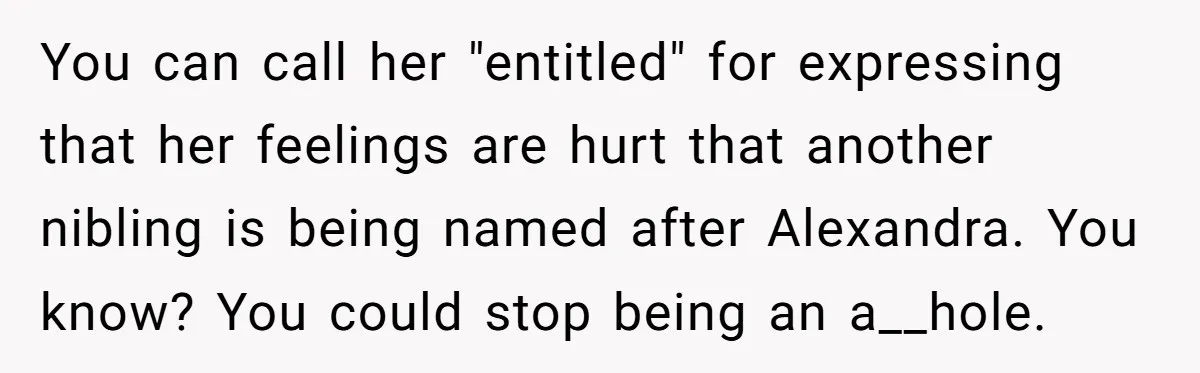
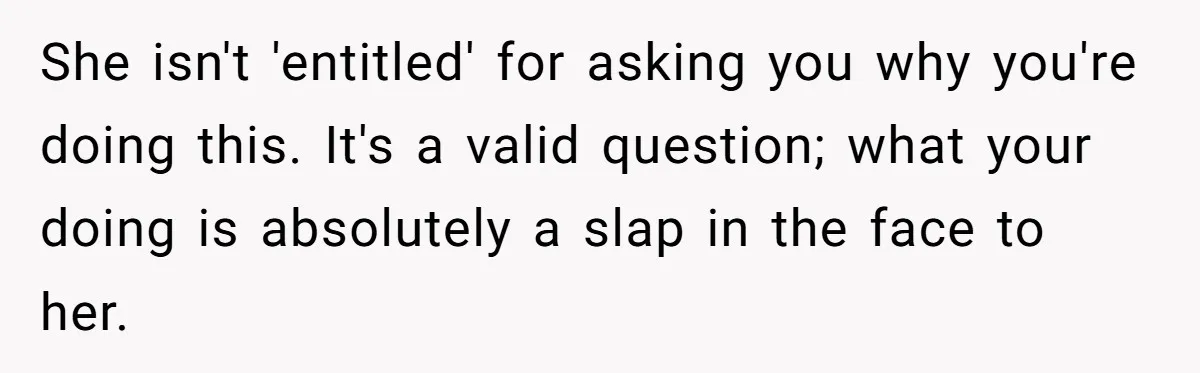
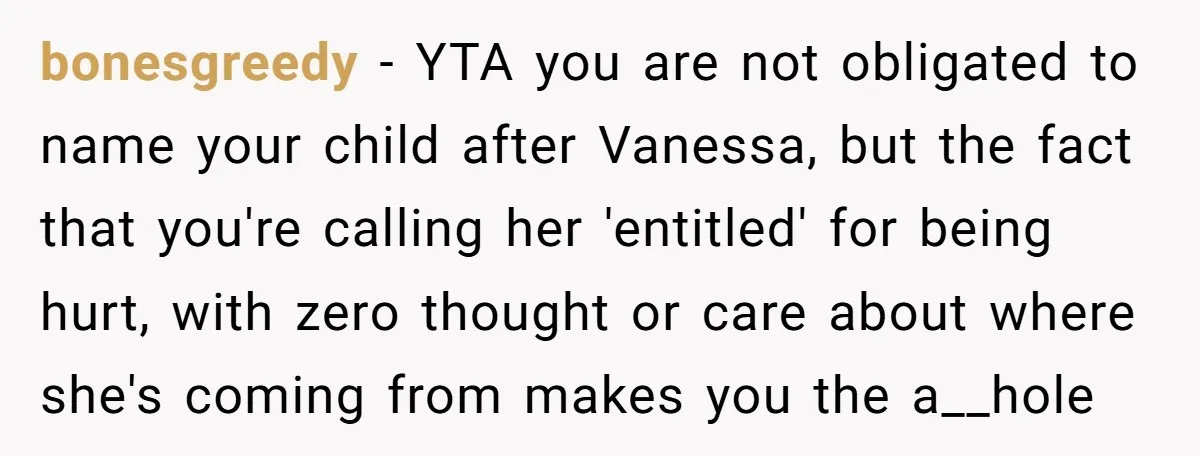
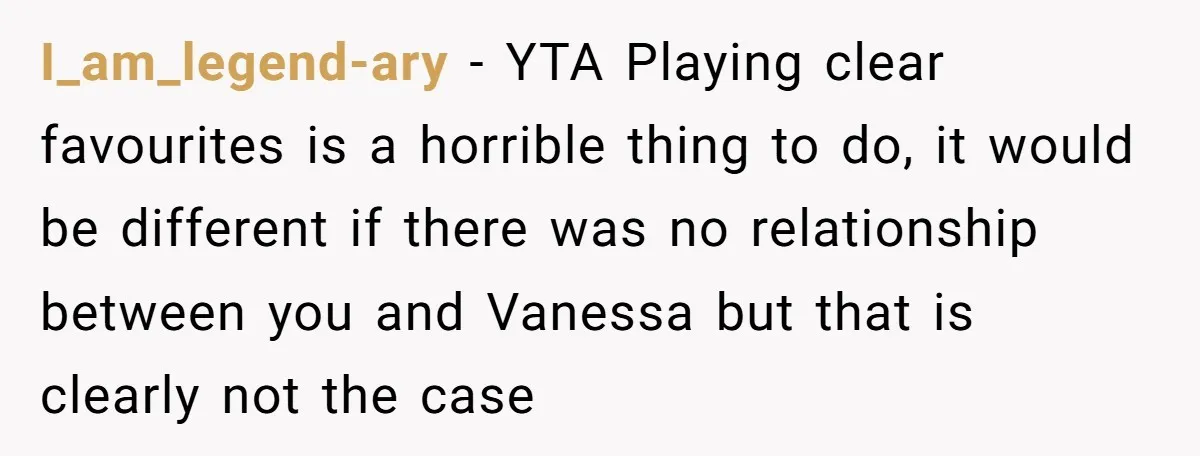
Critics argue the pattern creates a clear message of favoritism, even if unintentional. Three instances of names echoing Alexandra can understandably sting, especially when Vanessa has been equally supportive. Calling her “entitled” for voicing hurt minimizes legitimate emotions and shifts blame rather than acknowledging the impact. A more empathetic response might have validated her feelings without changing the name.
In broader terms, baby names carry emotional weight in families, often reflecting closeness or gratitude. When patterns emerge, they can highlight imbalances that simmer beneath the surface. Open acknowledgment of hurt, rather than defensiveness, tends to preserve relationships better than insisting on coincidence or jokes that exclude one person.
These are the responses from Reddit users:
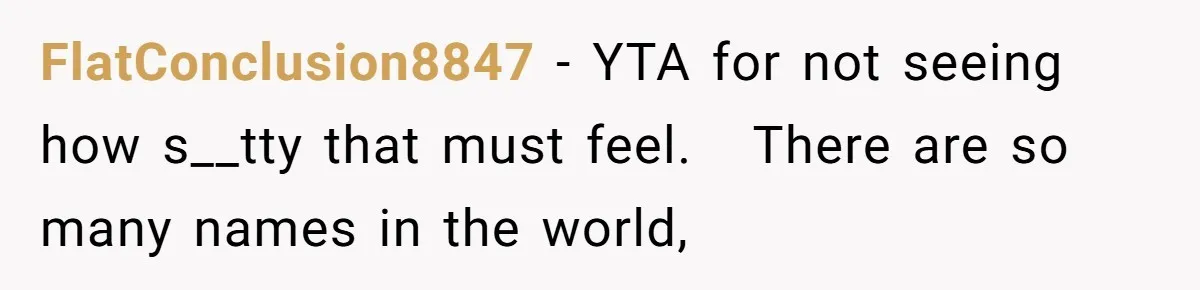
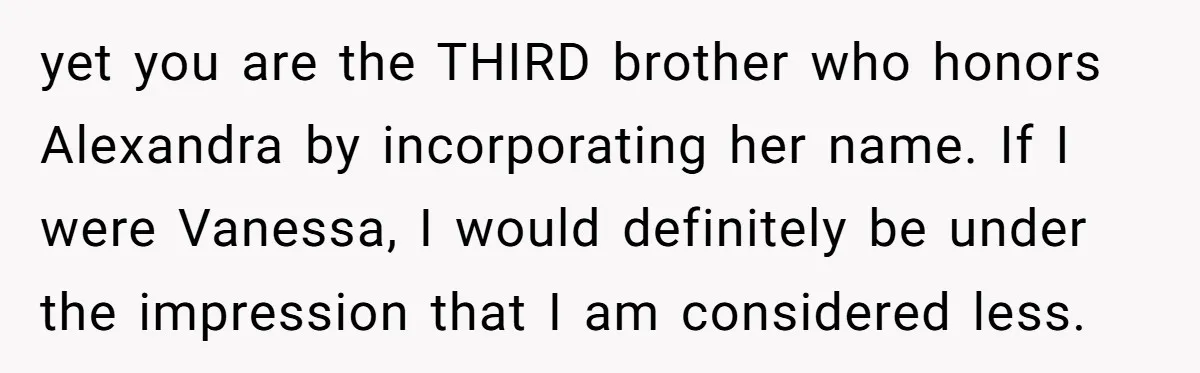
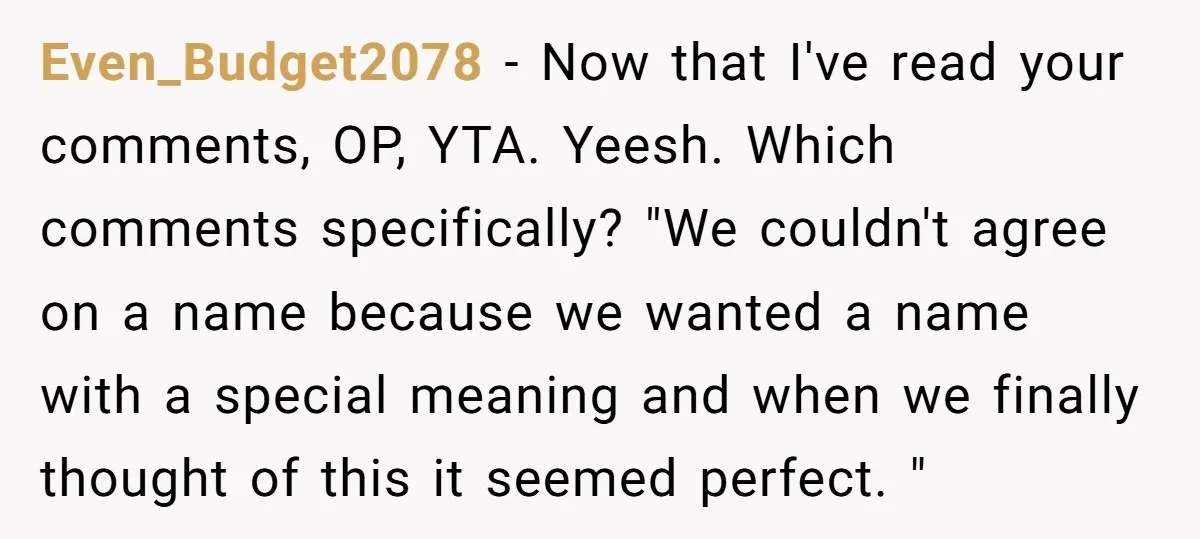
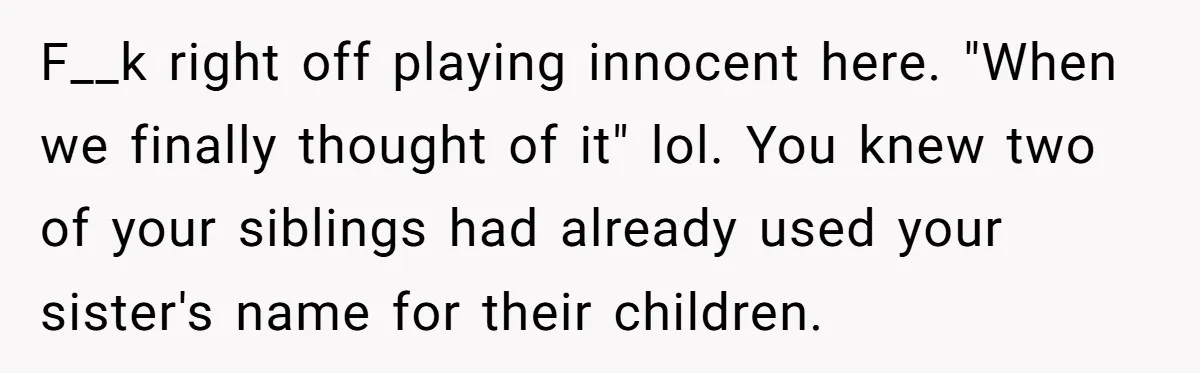
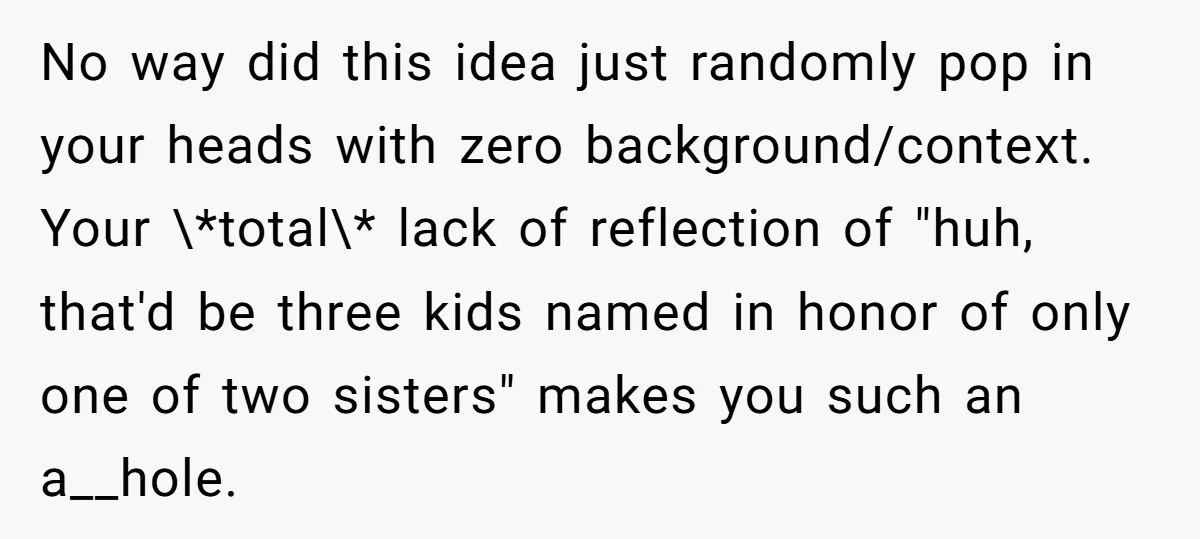
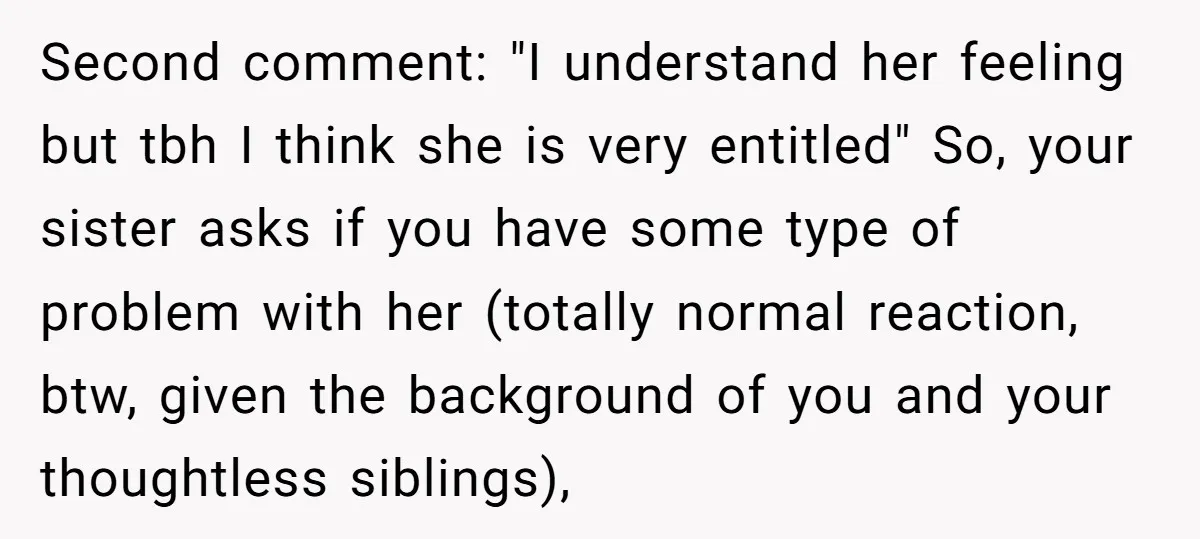
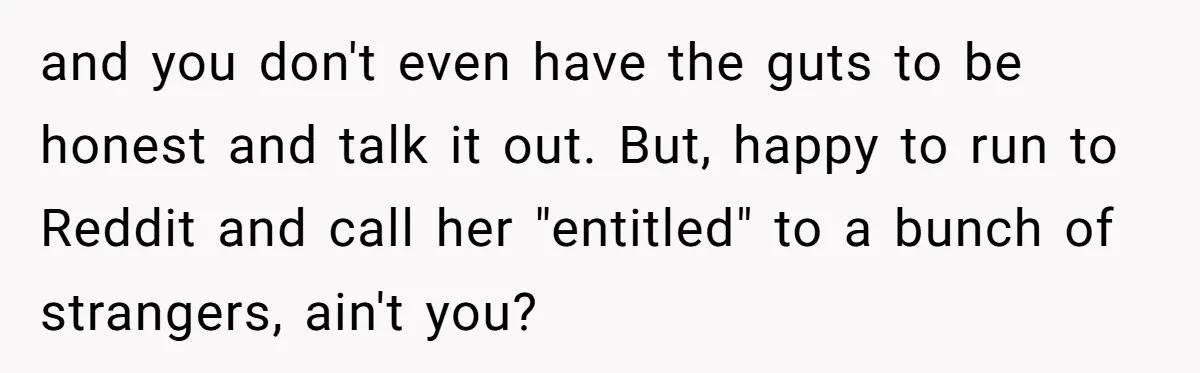
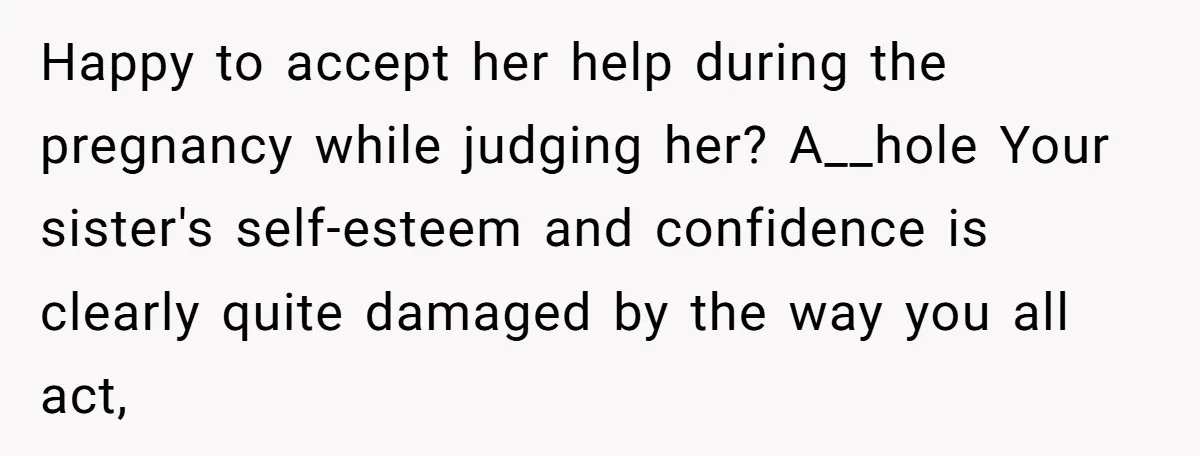
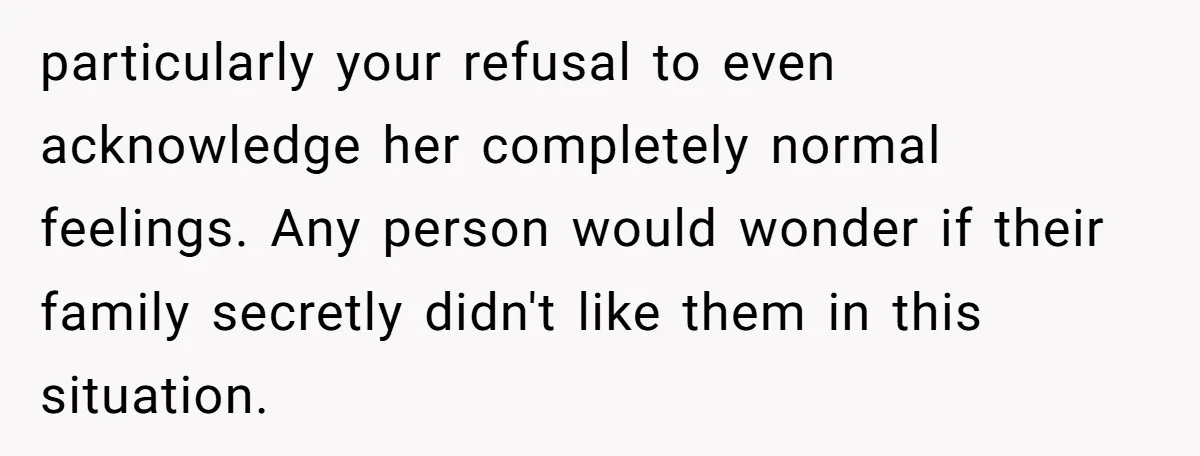
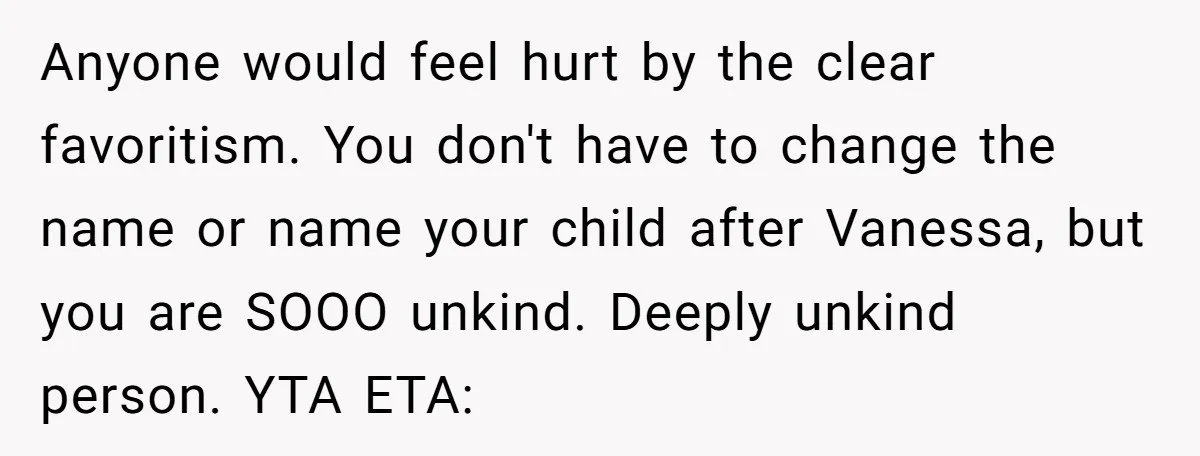
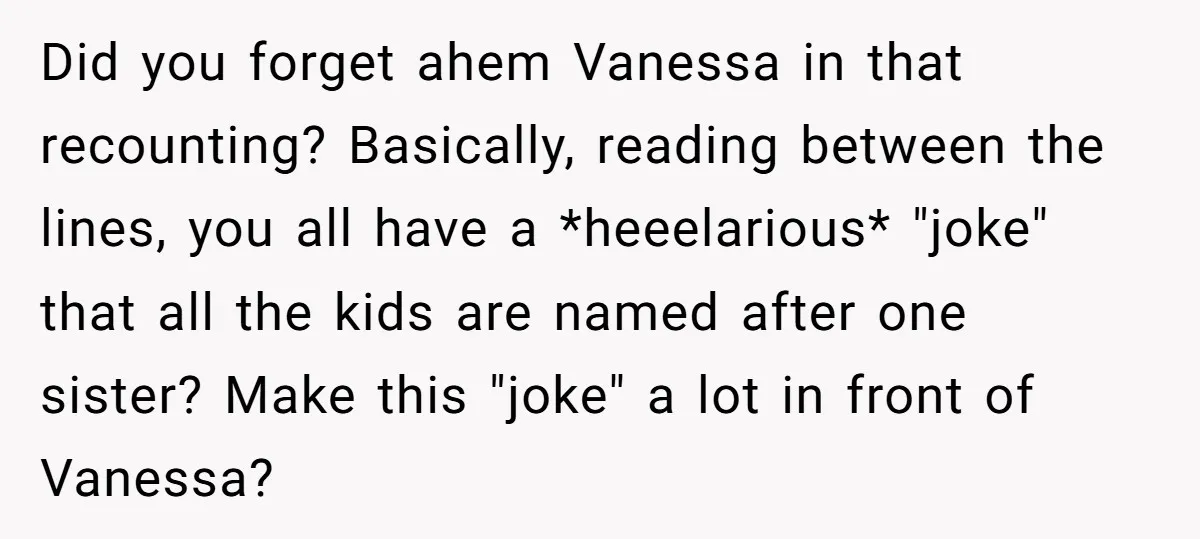
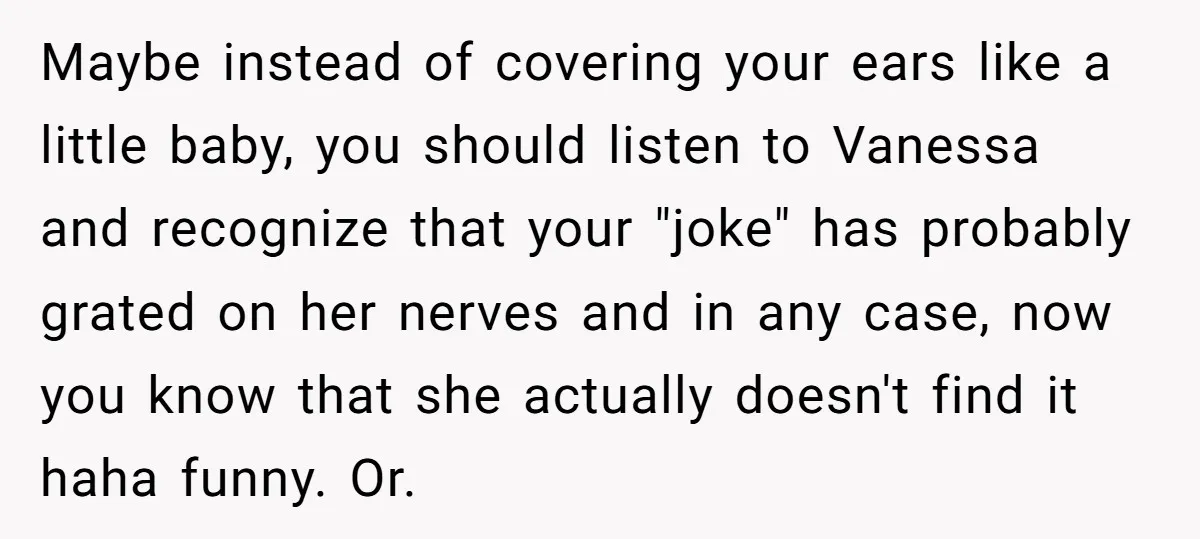
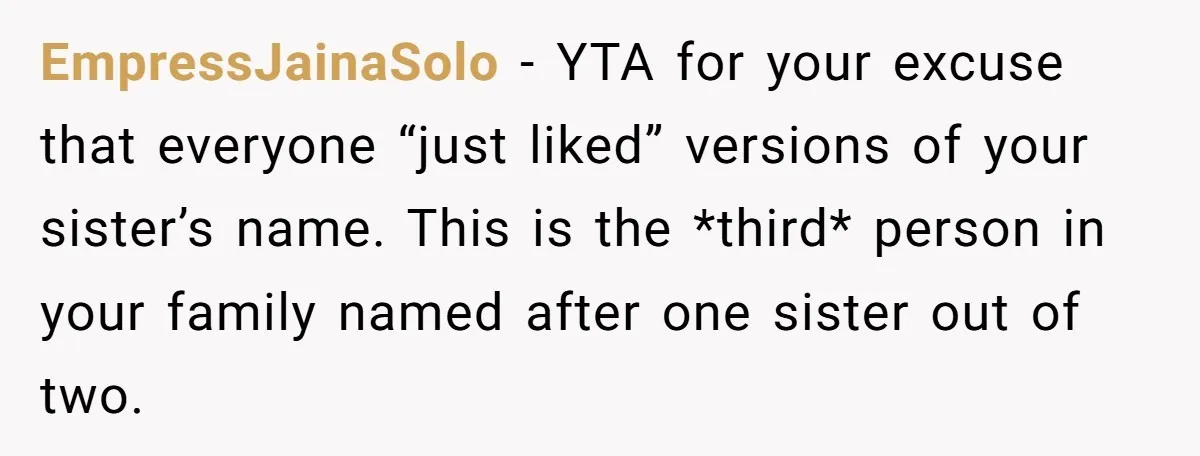
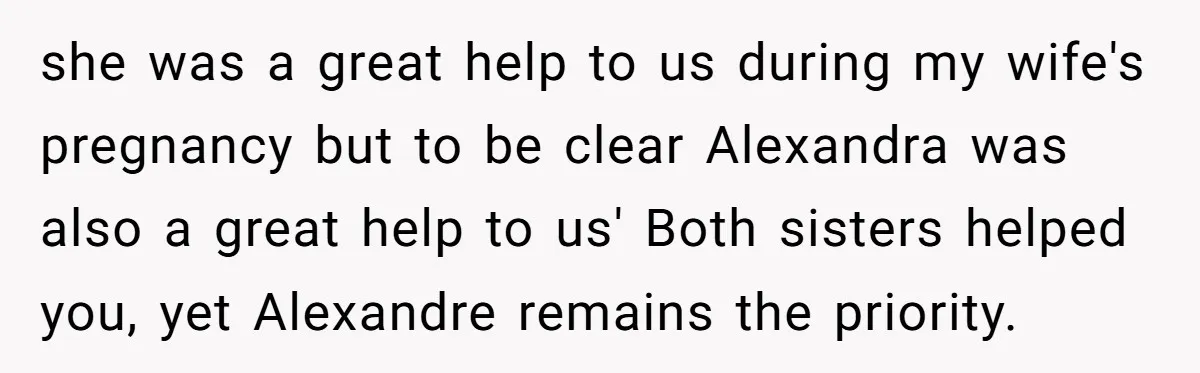
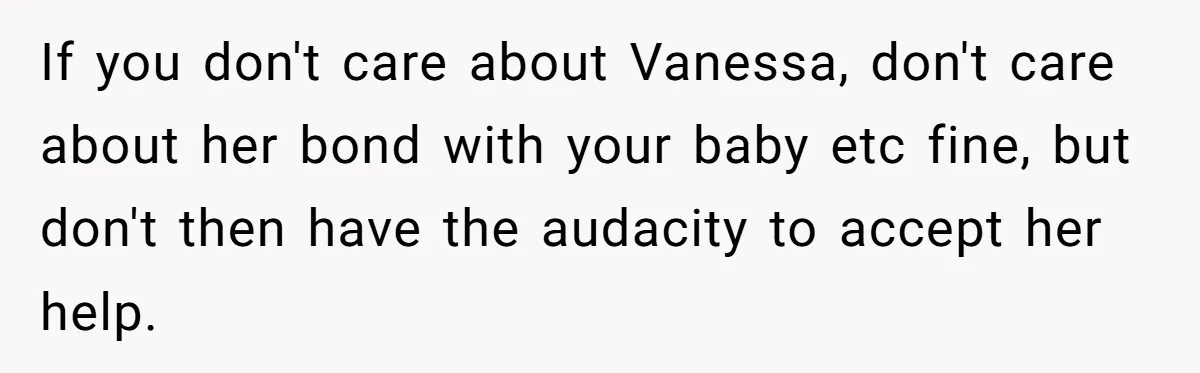
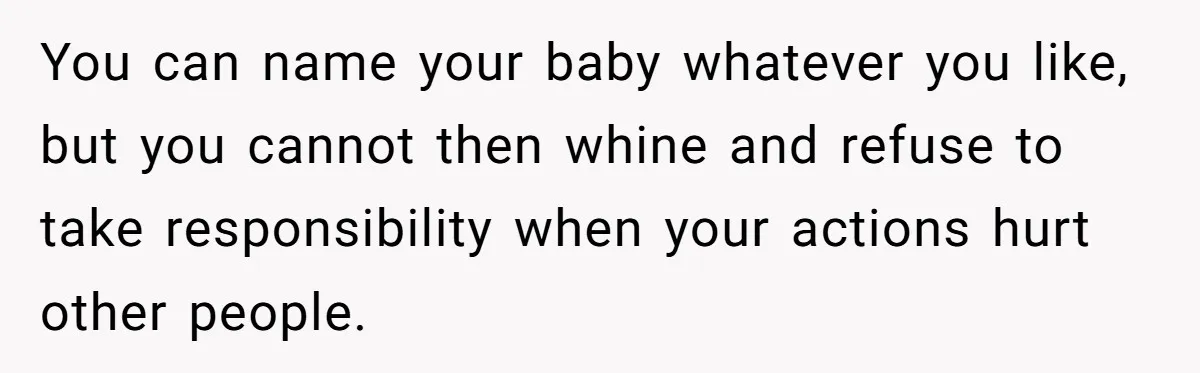
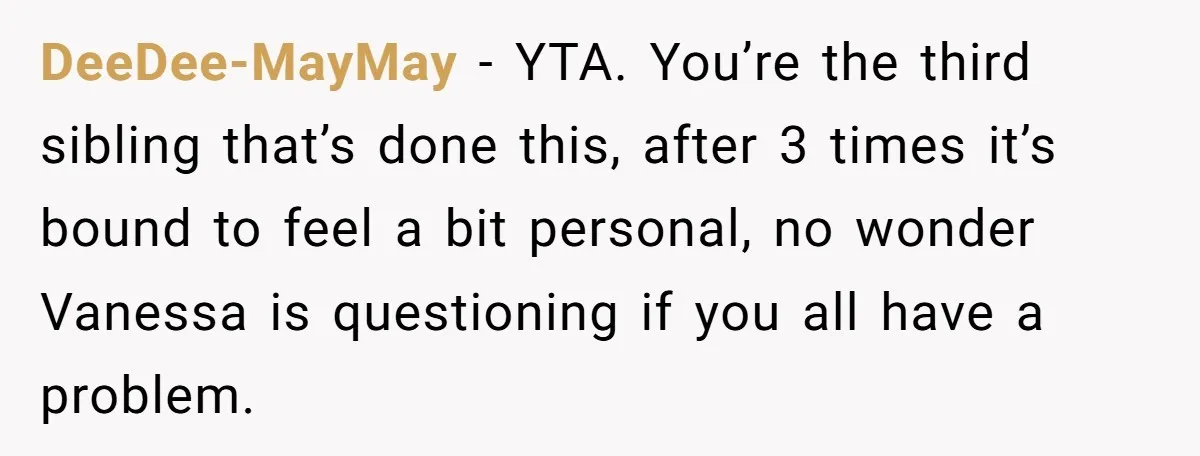
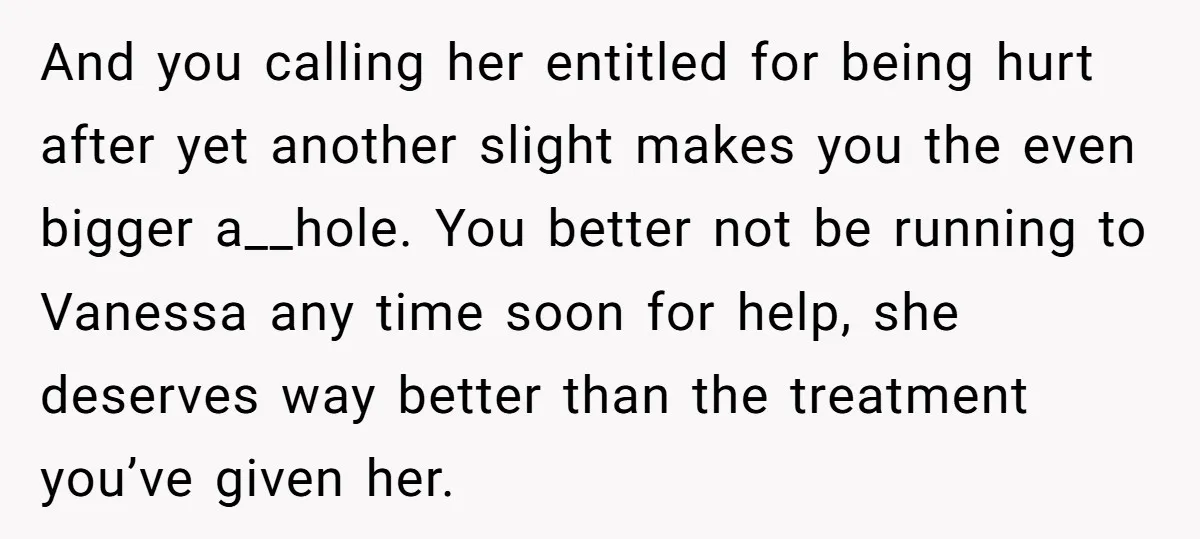
The majority of commenters label the poster YTA, emphasizing that the repeated pattern feels like blatant favoritism and that dismissing Vanessa’s pain as entitlement makes it worse.

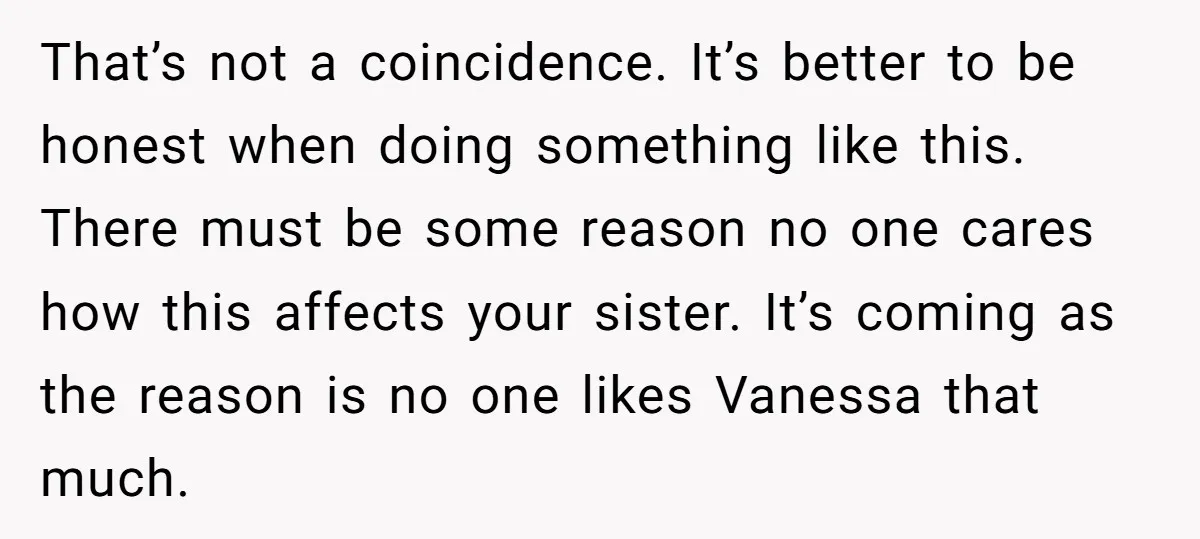
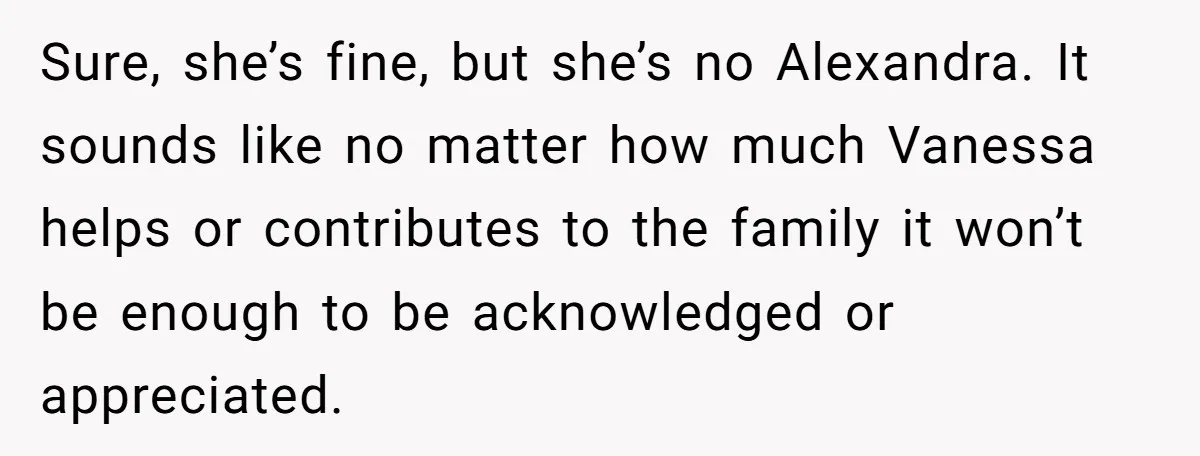
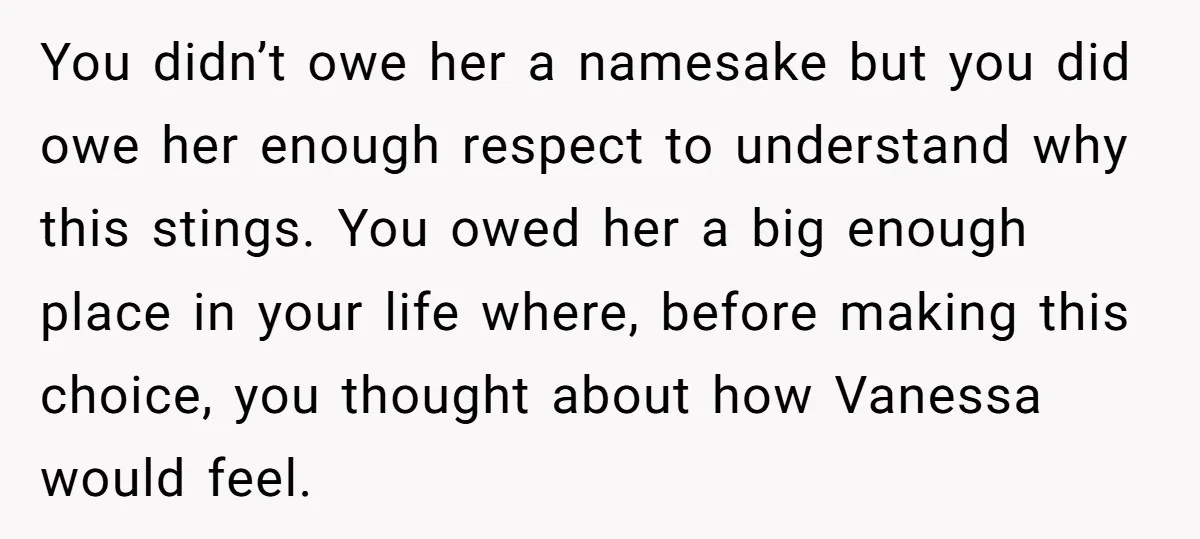
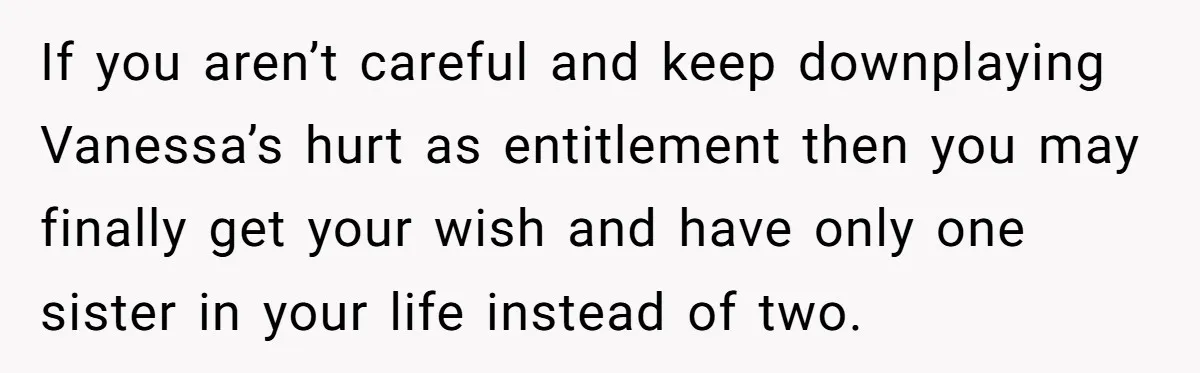
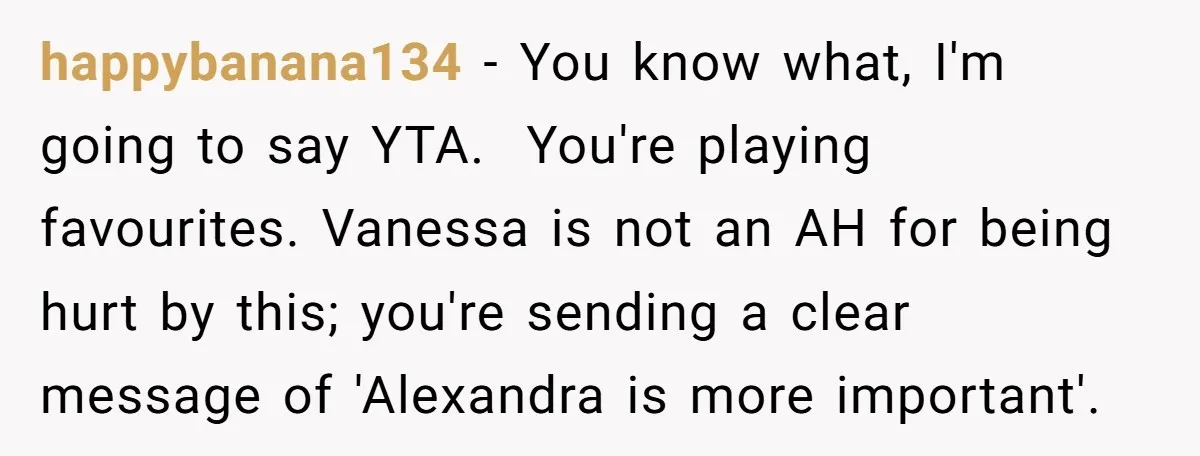
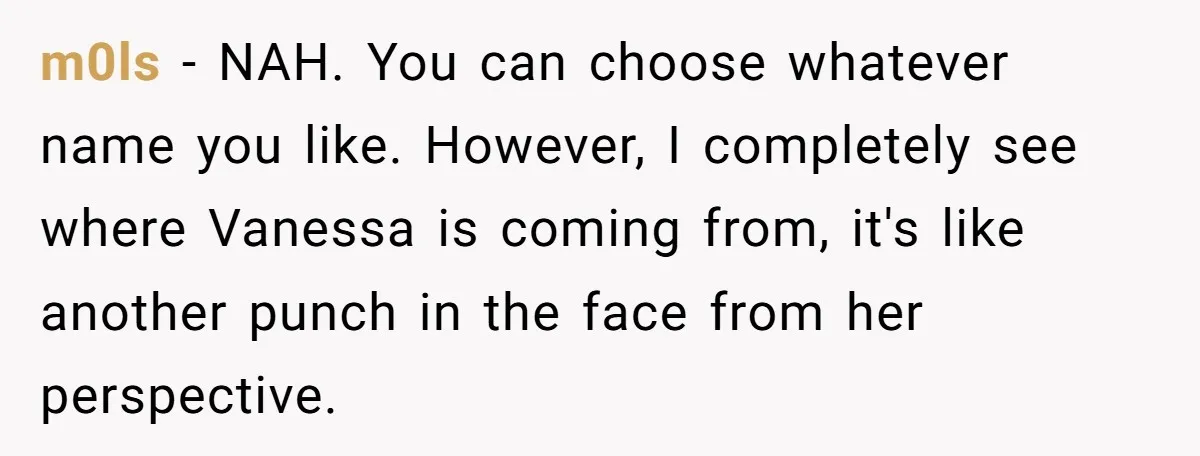
A smaller group takes a more neutral NAH stance, acknowledging both the right to choose a name and Vanessa’s justified hurt.
![[Reddit User] − If I was Vanessa I would be keeping my distance from all of you.](https://loknam.com/aita/images/d9c1a30233/wp-editor-1769152408819-3.webp)
A couple of comments warn about the long-term relational damage from perceived exclusion.
![[Reddit User] − NAH. You can name your daughter what you want, but after 3 times, your other sister is kind of justified in feeling hurt.](https://loknam.com/aita/images/d9c1a30233/wp-editor-1769152420199-1.webp)
This story reveals how a simple, meaningful name choice can unintentionally deepen sibling rifts when it appears to reinforce favoritism. The father stood by his decision and closeness to Alexandra, while Vanessa felt repeatedly overlooked despite her support, leading to accusations of insensitivity and entitlement.
Do you believe the name should have been changed to avoid hurt feelings, or was it fair to prioritize personal meaning? Have you witnessed or experienced similar favoritism dynamics in your own family when it comes to naming kids, gifts, or attention? How did it affect relationships? Share your thoughts and stories in the comments!