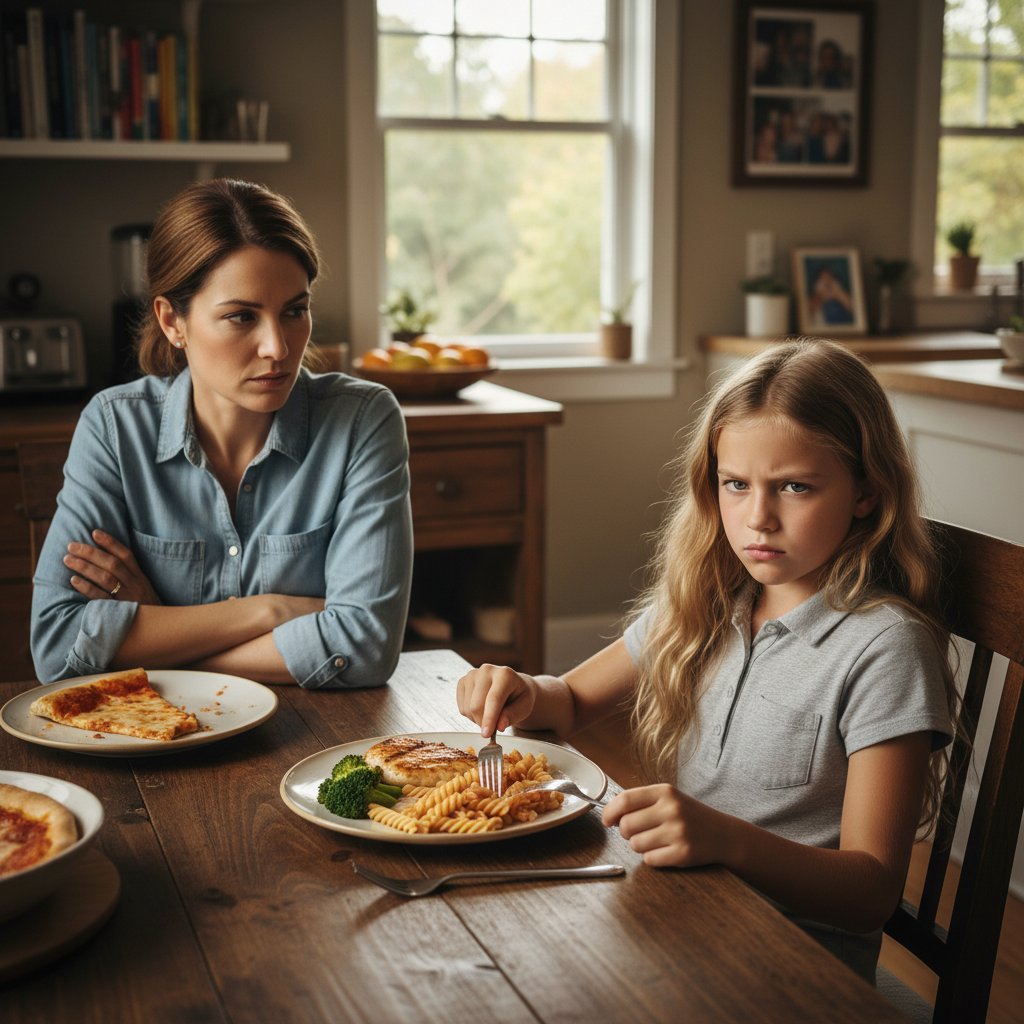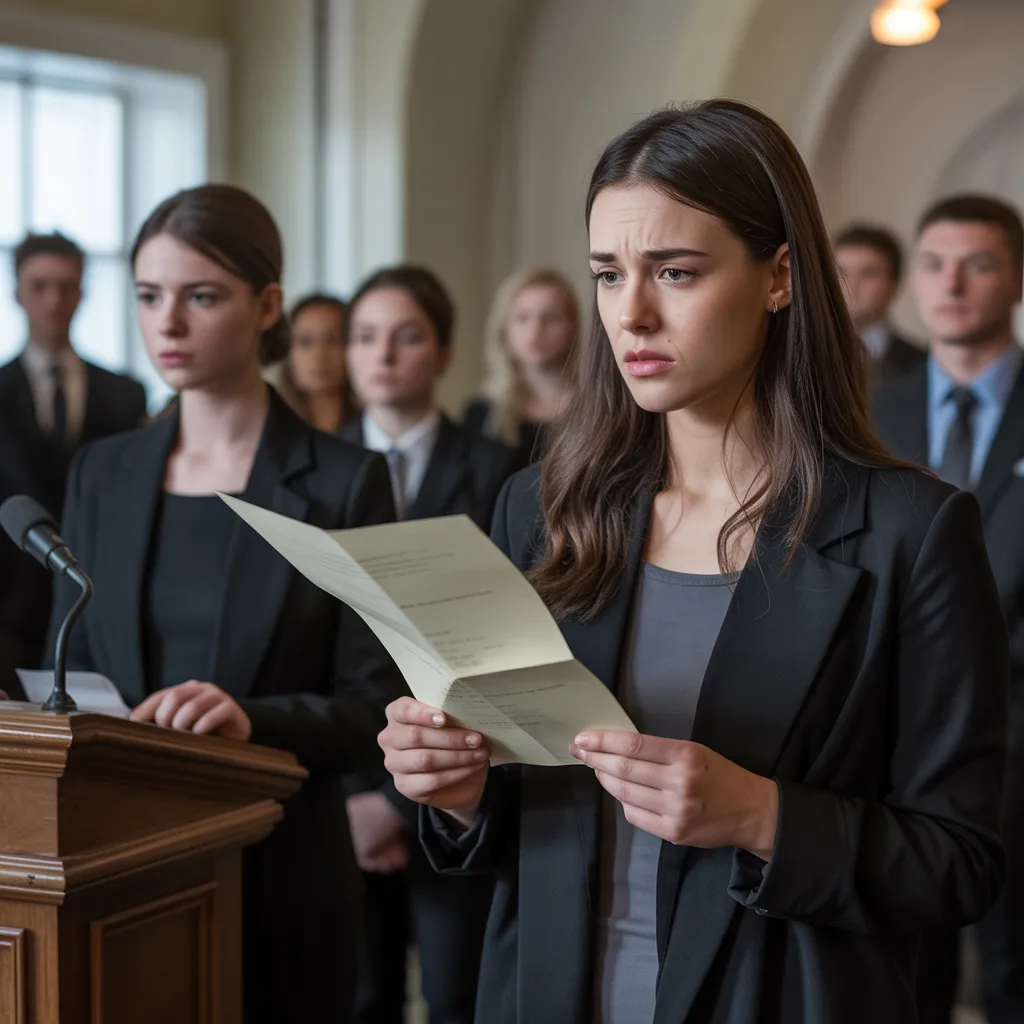
A 50-year-old woman who has carefully built significant financial security through smart early decisions now faces pressure from her live-in boyfriend of 44 to let his 23-year-old son drive one of her extra vehicles. The son, an adult still living at home, has repeatedly failed his driver’s license test—most recently due to a severe panic attack—and remains unlicensed. Her boyfriend argues it would help the son save on expensive Uber rides, but she refuses, citing the massive legal and financial risks if an unlicensed driver causes an accident.
What began as a simple request quickly highlighted deeper issues: her home and properties are solely in her name, she carries the full liability burden, and she worries that one incident could wipe out decades of hard work. Her boyfriend’s insistence has left her questioning whether she’s being unreasonable or if this reveals bigger red flags in the relationship.
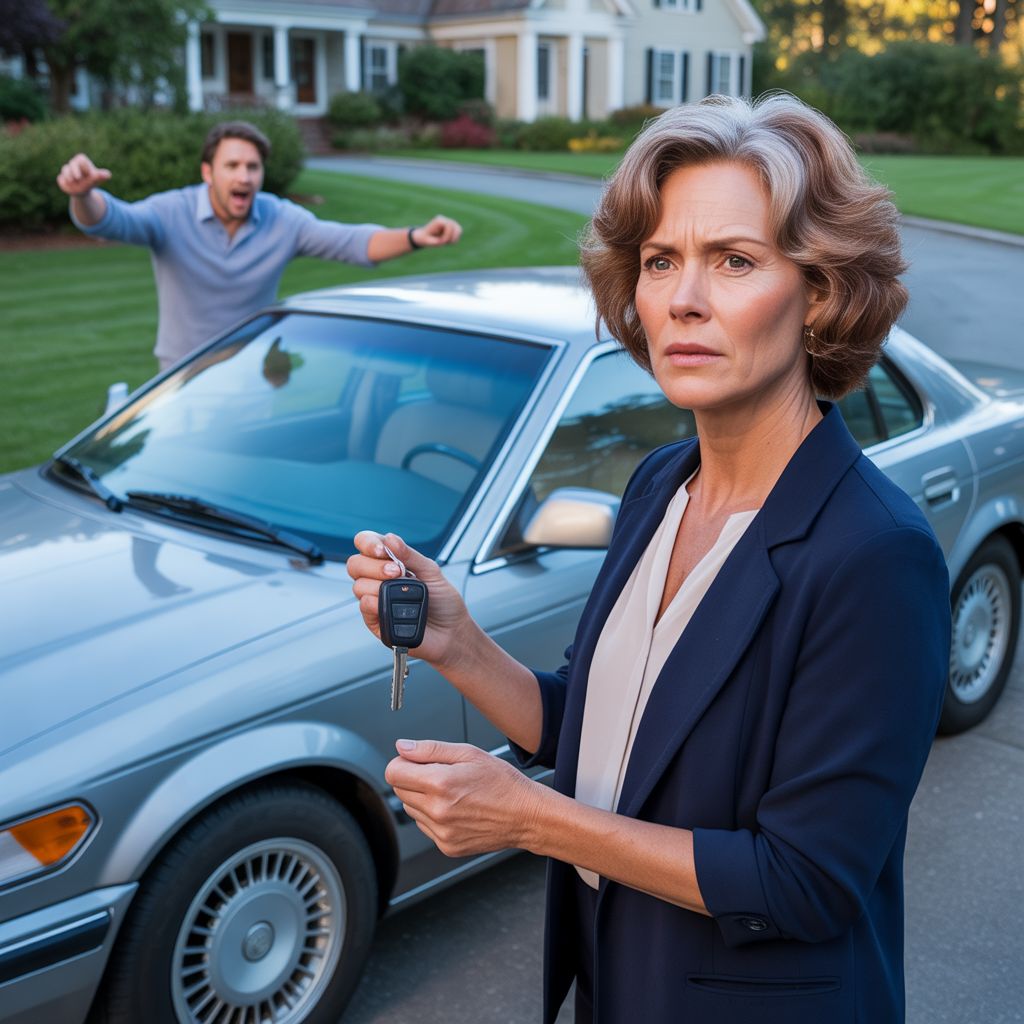
‘AITA for not allowing my BF son drive my car illegally?’
The living arrangement seemed stable until a risky request put everything on the line.
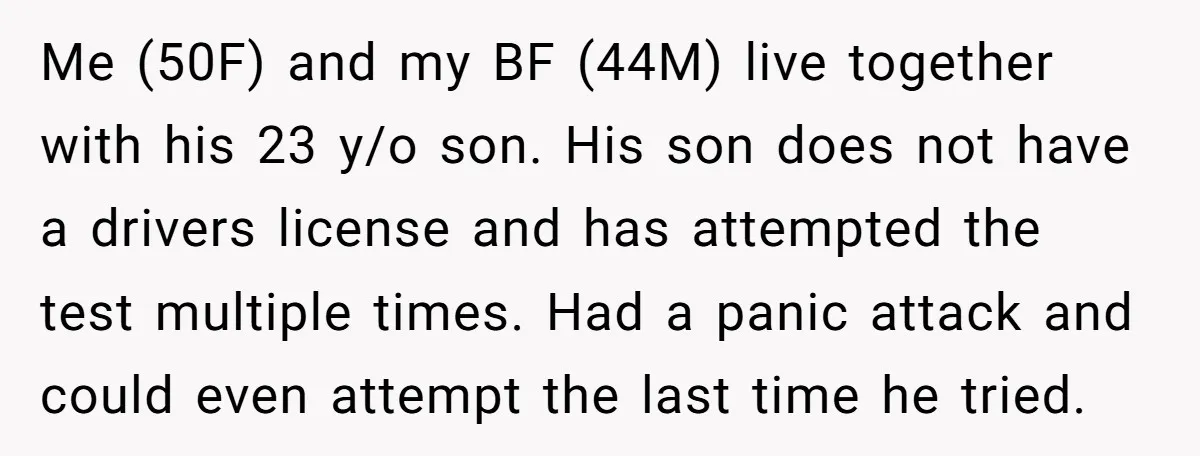
The disagreement escalated when her boyfriend pushed for access to her property in a way that carried serious consequences.
Tensions rose as she stood firm on protecting her assets, prompting questions about the relationship itself.
The woman’s refusal is grounded in clear legal reality: allowing an unlicensed driver to operate her vehicle exposes her to severe civil and potentially criminal liability. In most jurisdictions, the vehicle owner can face lawsuits, insurance denials, or even charges for permitting unlicensed operation—risks amplified when the driver has documented anxiety severe enough to prevent passing a basic competency test. Her wealth, built through disciplined choices and tied directly to owned properties, isn’t abstract; one serious incident could trigger judgments far exceeding typical insurance limits. Prioritizing long-term security over short-term convenience for an adult stepson-to-be is a rational, self-protective stance.
Opposing views might frame her position as overly harsh or ungenerous, suggesting small gestures of help could strengthen family bonds or support the young man’s independence. Some could argue she might explore alternatives—like paying for driving lessons, therapy for his panic, or rideshare credits—without handing over keys. However, these options shift responsibility away from the son and boyfriend, who appear to view her assets as a shared resource rather than hers alone. The boyfriend’s push, despite knowing the stakes, signals a troubling disregard for her hard-earned boundaries.
On a broader level, this highlights common challenges in relationships where one partner brings significantly more financial stability or assets. Unequal contributions can breed entitlement or resentment if not addressed early. The son’s ongoing reliance at 23, combined with the boyfriend’s willingness to risk her security, raises valid concerns about long-term compatibility and mutual respect.
Here’s how people reacted to the post:
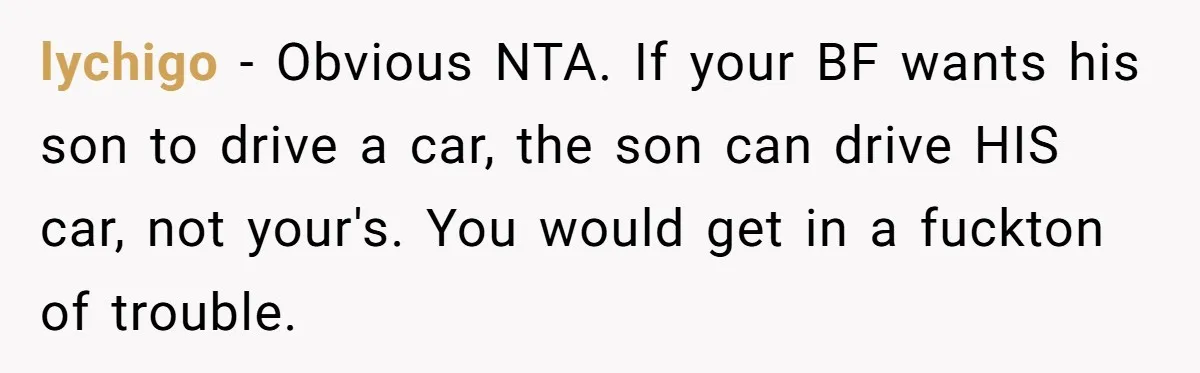
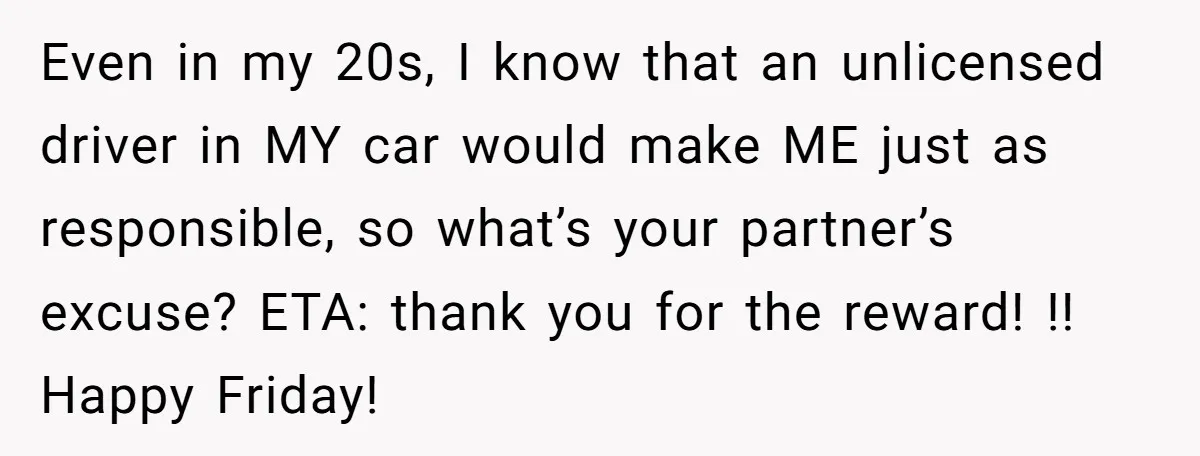
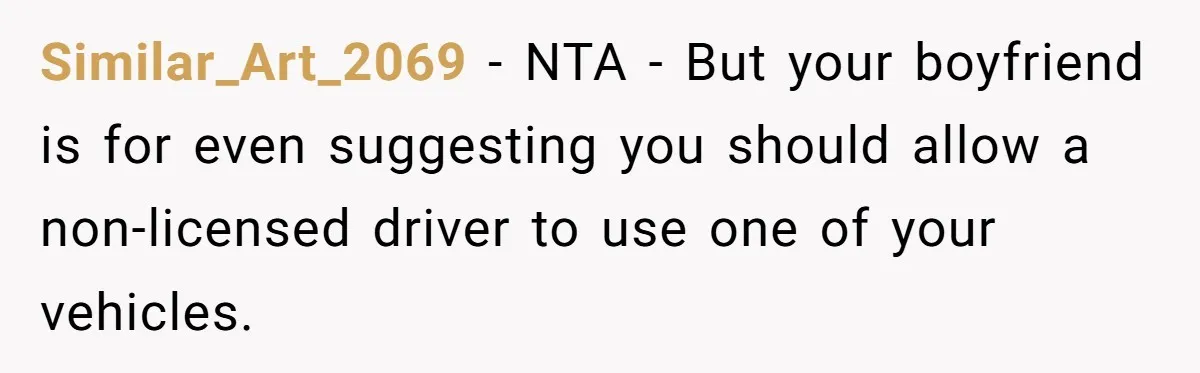
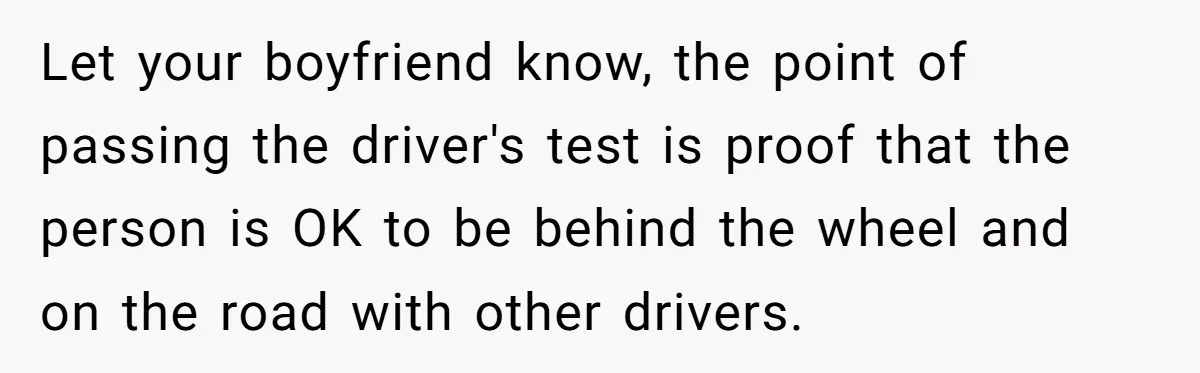
The vast majority of commenters backed the woman completely, calling her stance not only reasonable but essential for protecting herself from foreseeable disaster.
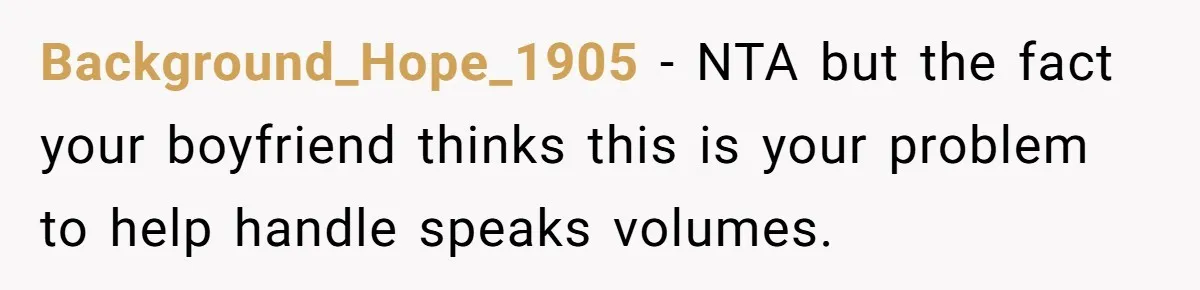
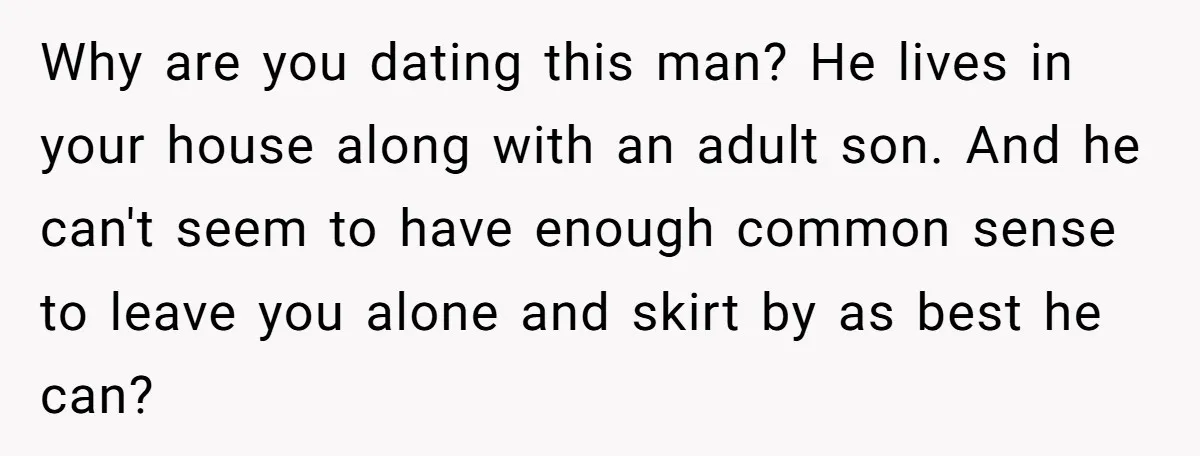
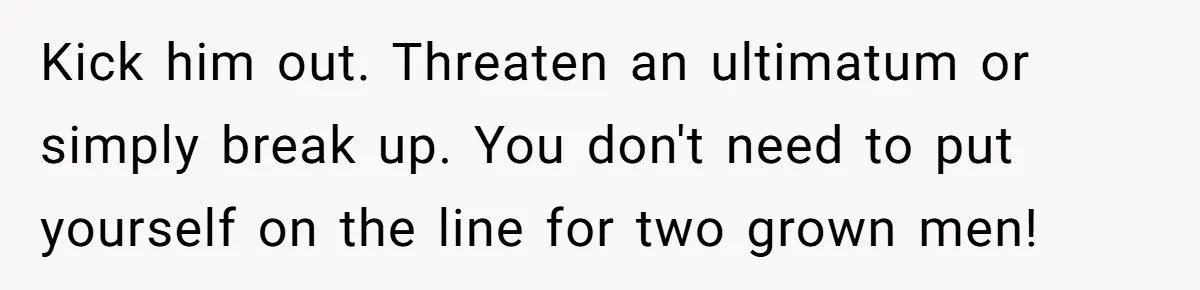
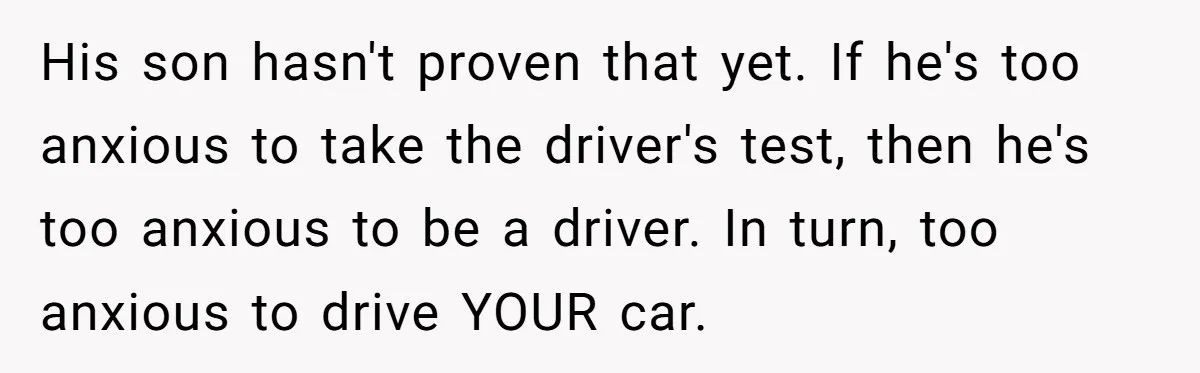

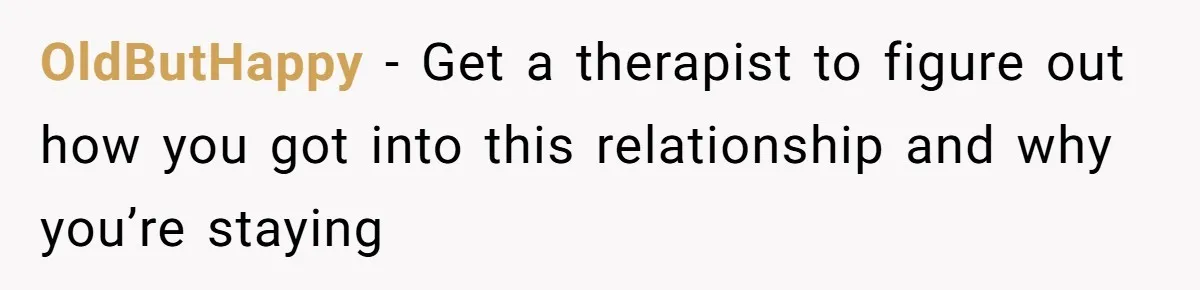
A few responses offered blunt advice mixed with concern, urging her to reevaluate the entire relationship dynamic.
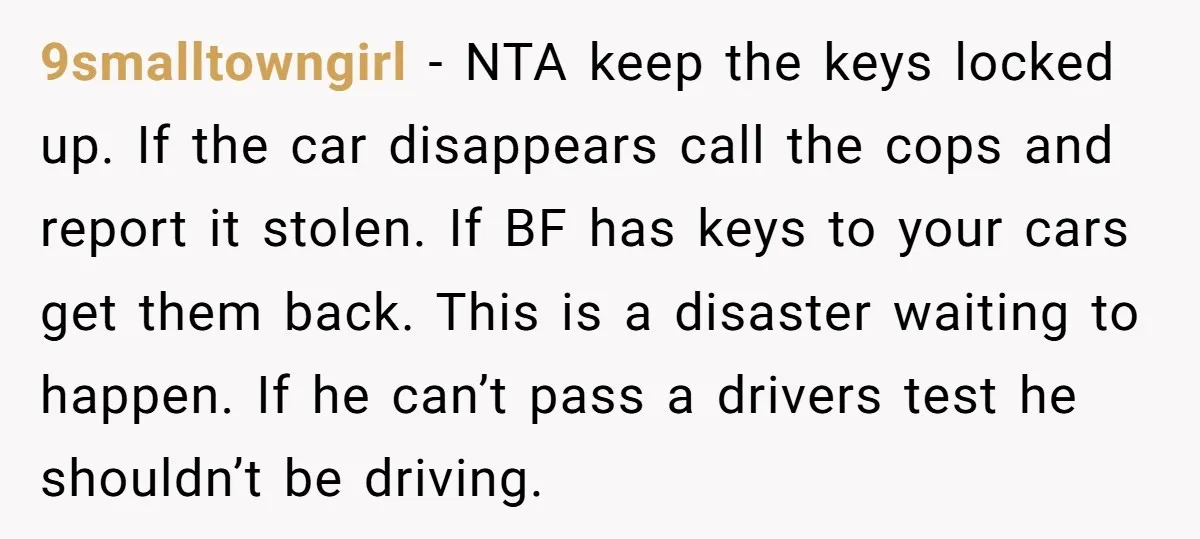
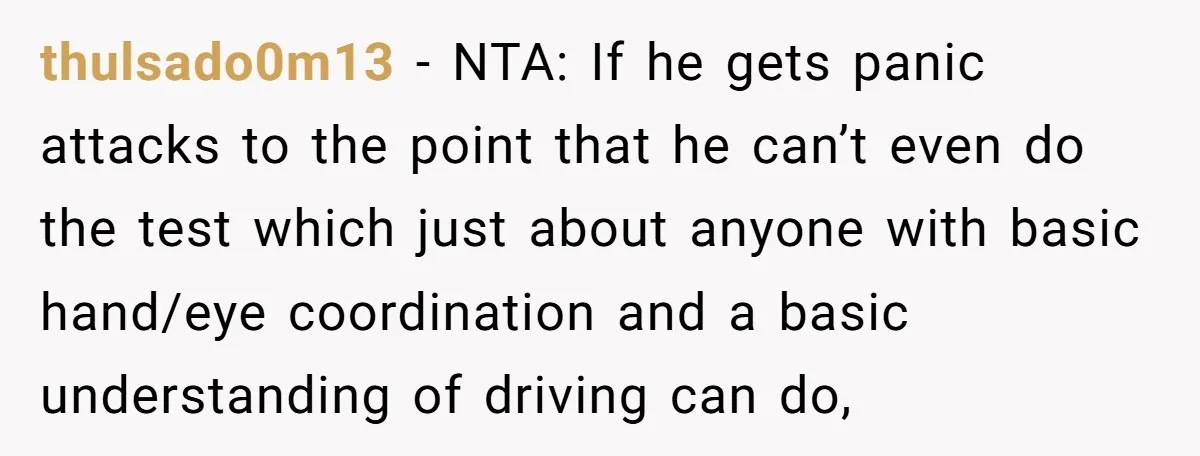
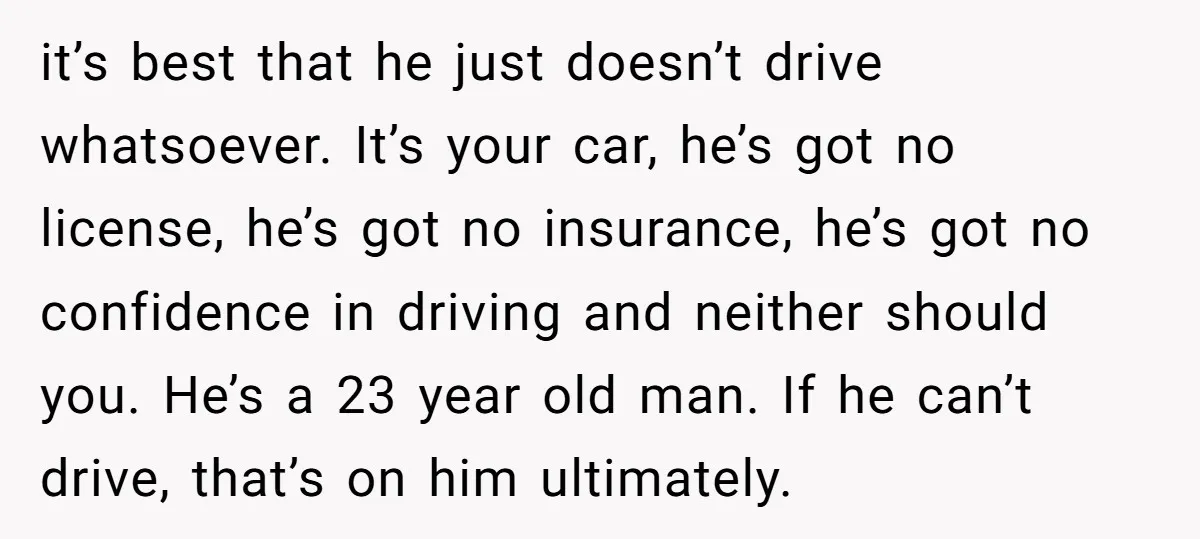
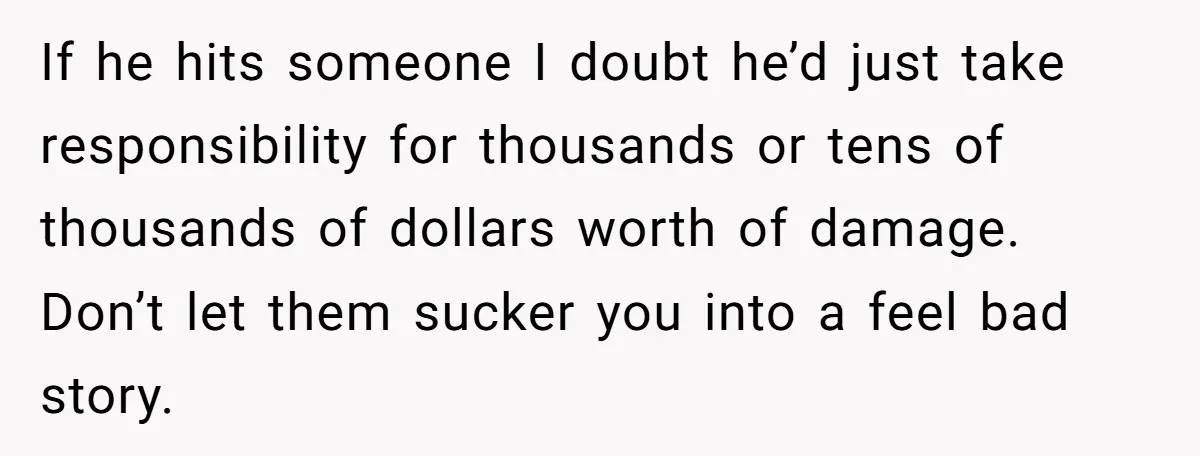
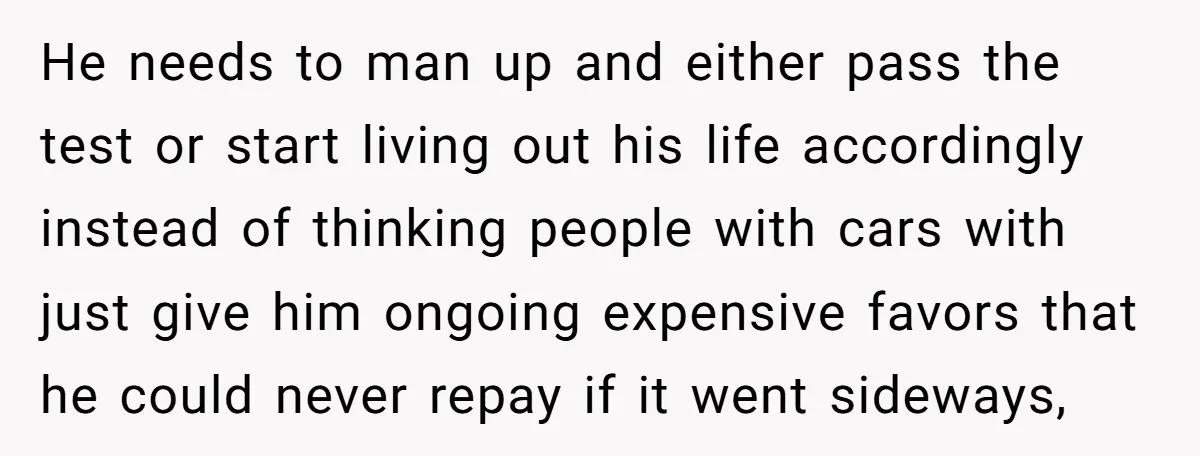
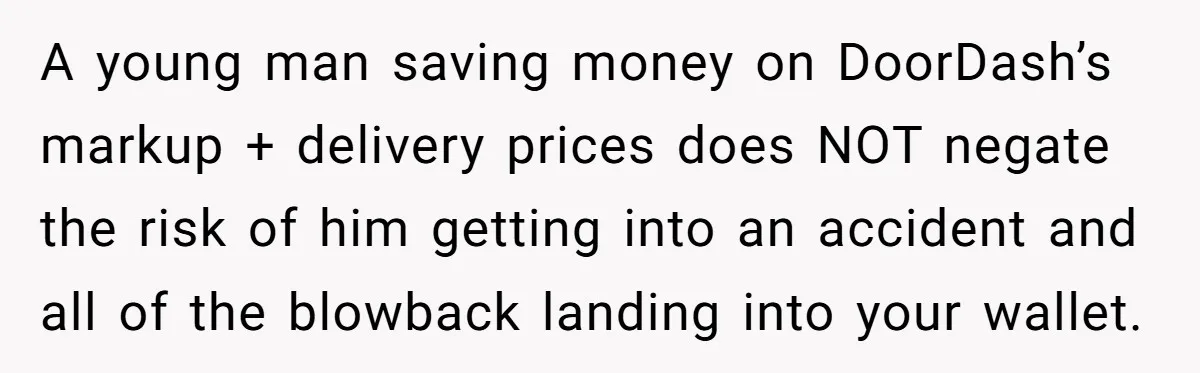
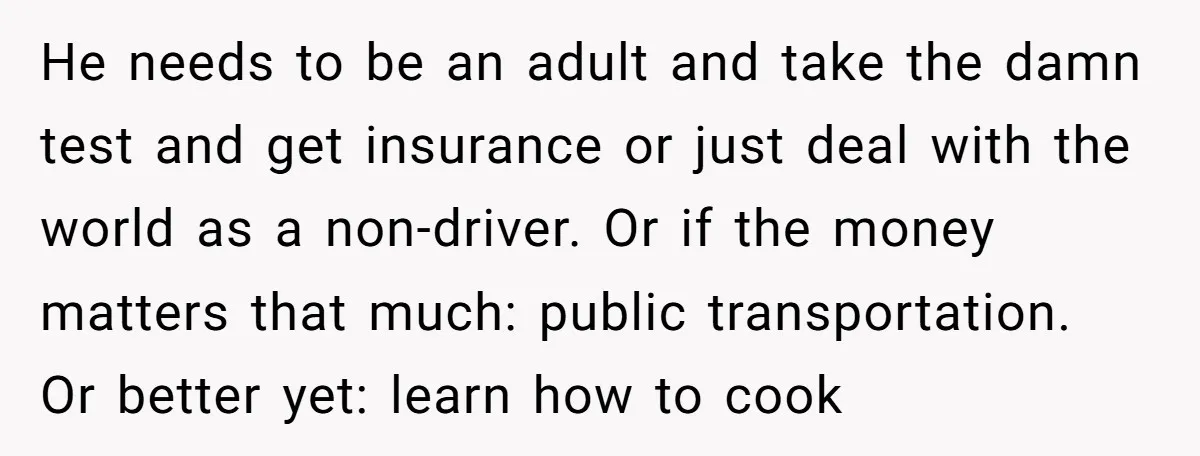
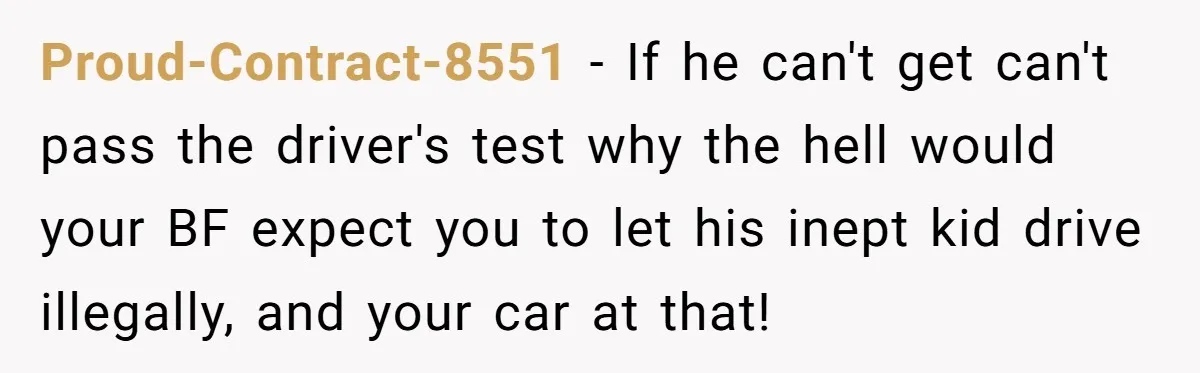
One sarcastic take captured the absurdity of the request while reinforcing the consensus view.

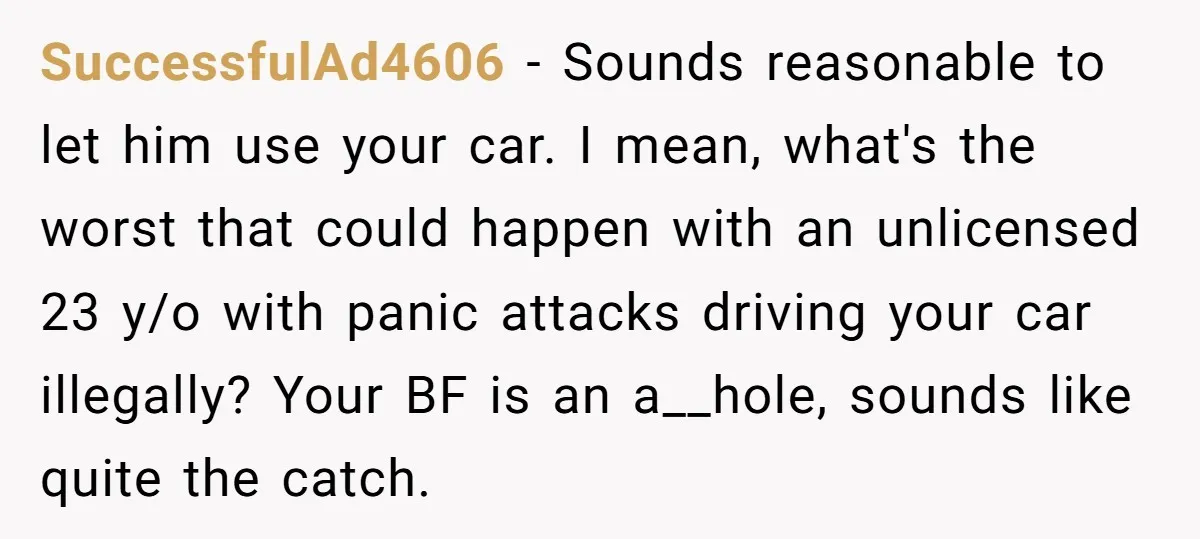
This story underscores how quickly financial boundaries can become flashpoints in relationships, especially when one partner owns most of the assets and the other pushes for access without accepting the associated risks. The woman’s firm “no” safeguards her future, yet it has exposed mismatched values and expectations that may require deeper conversations—or difficult decisions.
Have you ever had to draw a hard line with a partner or family member over money, property, or legal exposure? Do you think it’s fair to expect someone to risk their financial security to help an adult relative, or should each person handle their own challenges independently?