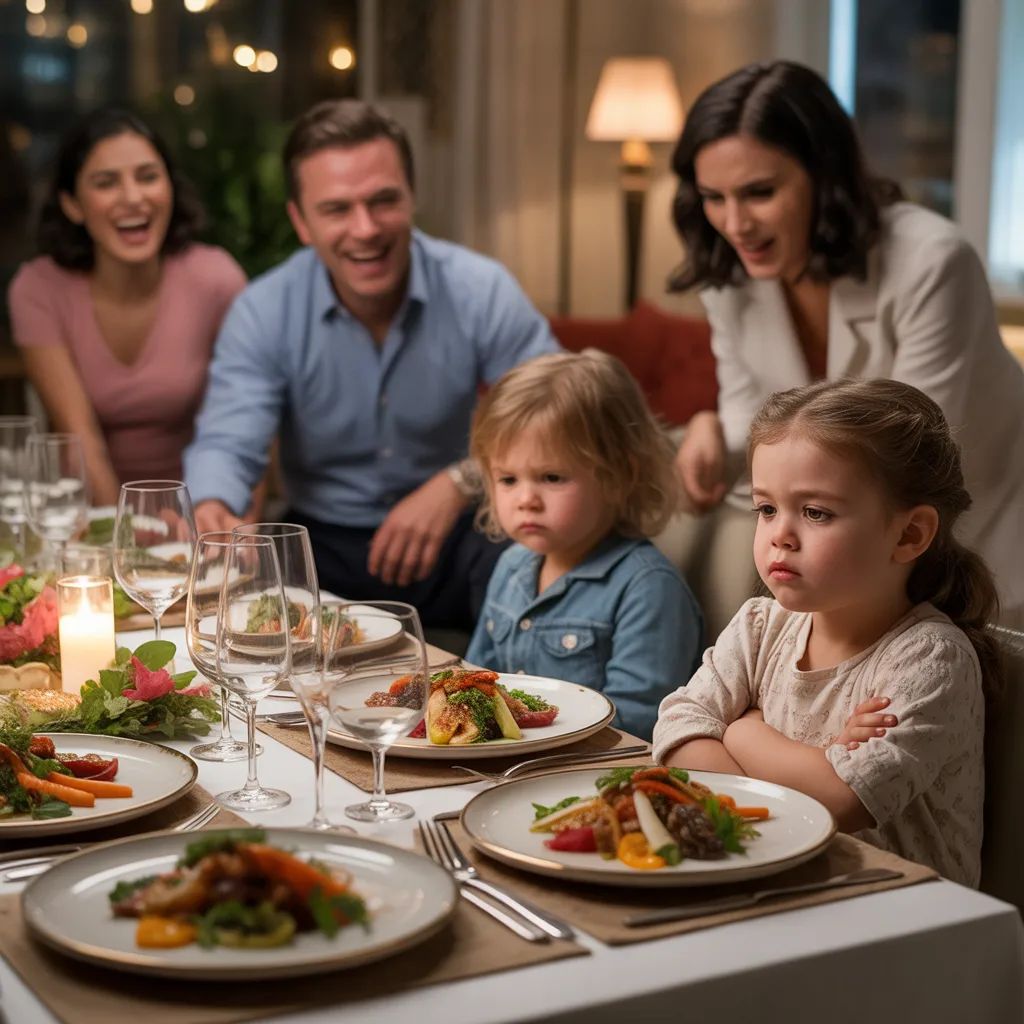
Blended families often come with complicated emotions, but this situation struck a particularly raw nerve. One father, who lost his wife shortly after their daughter was born, has relied on his sister to fill a maternal role for over a decade. That bond grew into a monthly ritual of visits filled with comfort, stability, and joy for his daughter.
Everything changed when he got engaged. Suddenly, what had always been a deeply personal connection became a source of resentment. His fiancée’s children wanted the same trips, the same perks, and the same attention. What followed was a clash between grief, jealousy, and the idea that fairness always means equality. Readers across social media had strong reactions, especially when the daughter made it clear just how much this relationship meant to her.


The story begins with loss, and a family member quietly stepping into an irreplaceable role
A new relationship brought new children, and with them, growing resentment
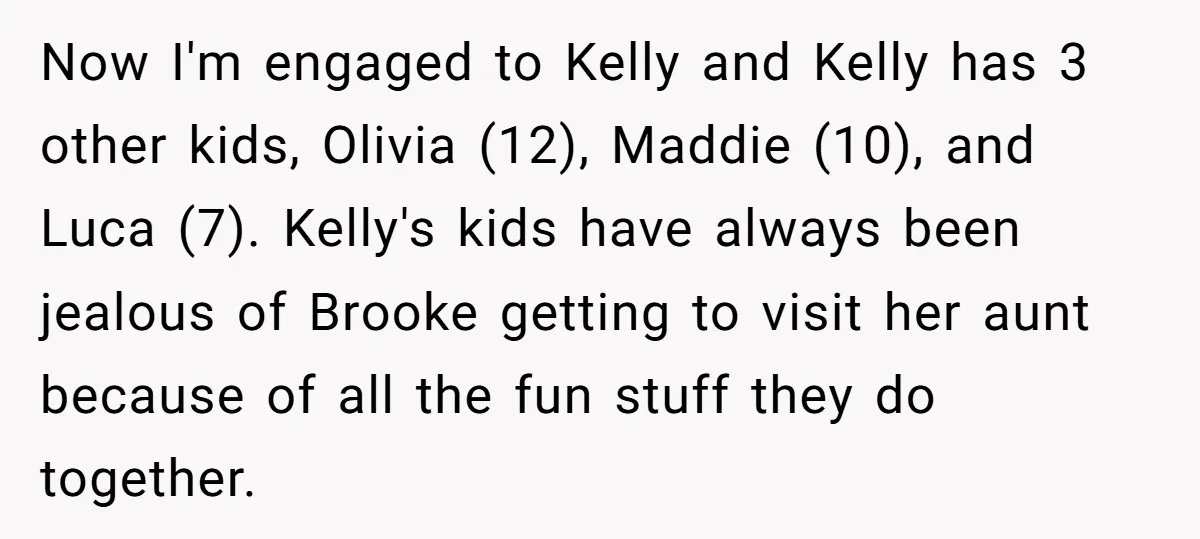

Tension at home spilled over into behavior that made everything worse
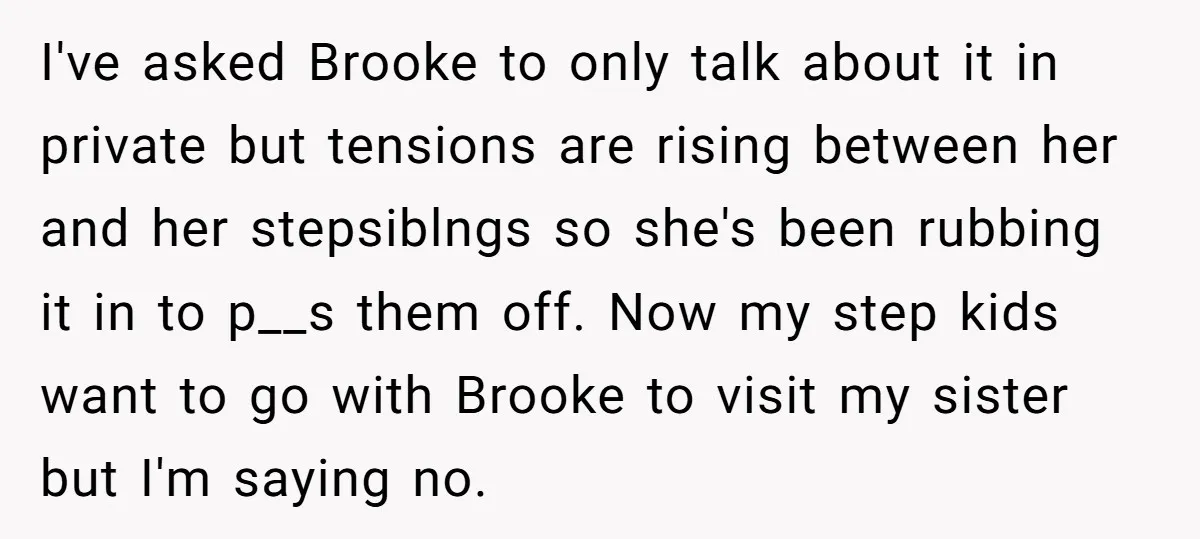
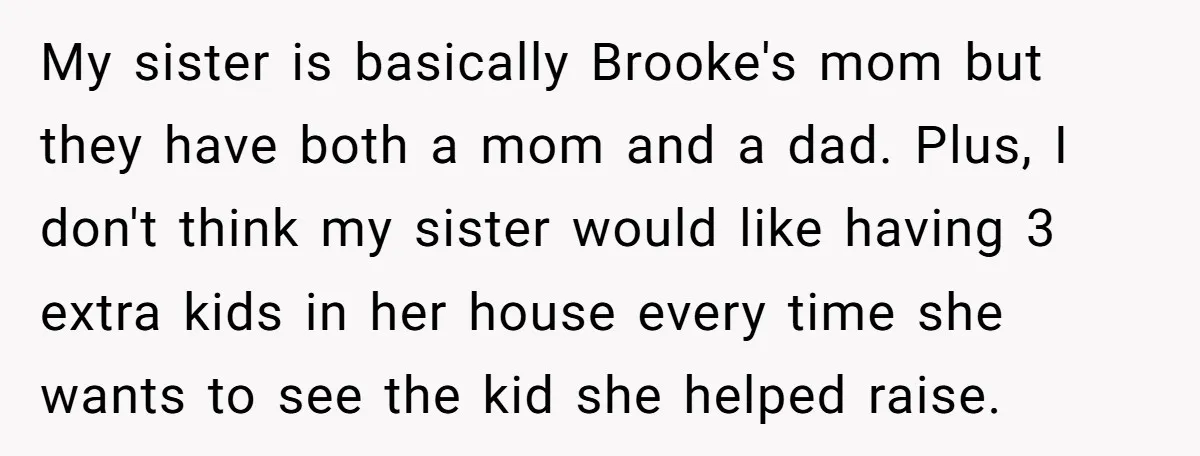
Accusations of favoritism and a painful ultimatum brought the conflict to a head
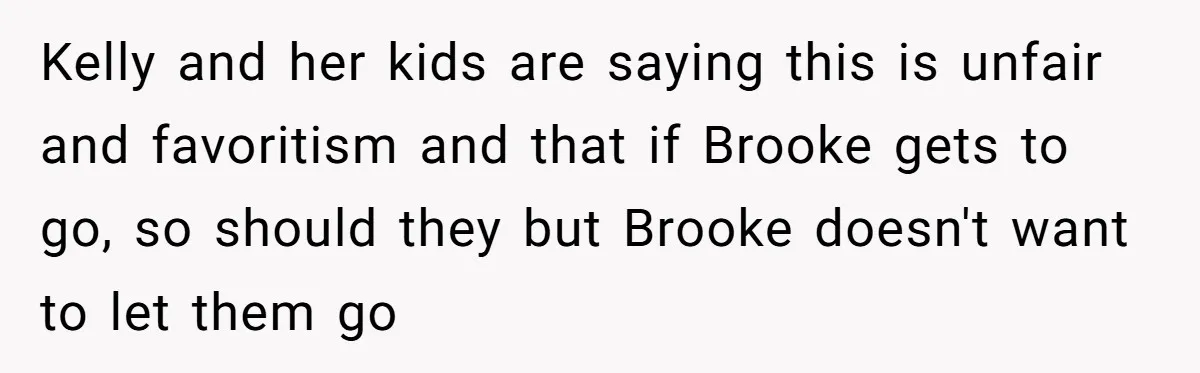
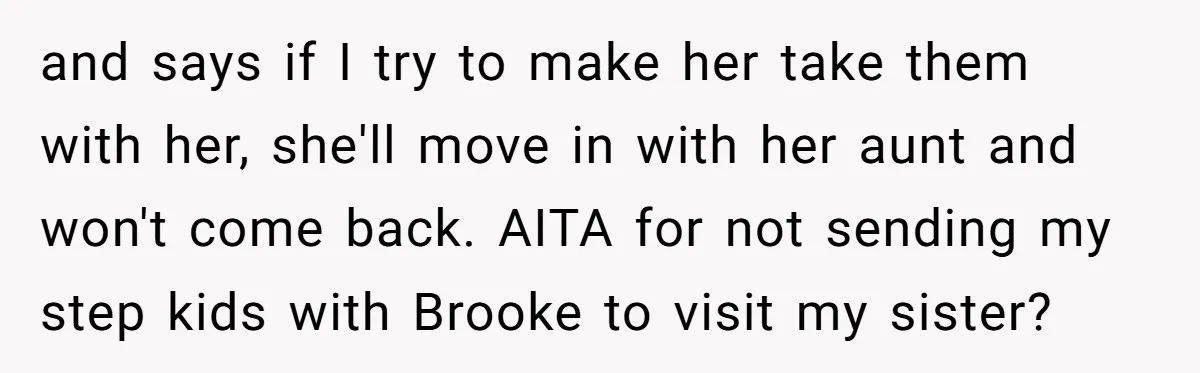
At the heart of this situation is a child who lost her mother at birth and found emotional safety with an aunt who stepped in without hesitation. For Brooke, these visits are not vacations in the traditional sense. They represent continuity, attachment, and a maternal bond that predates any blended family arrangement. Removing or diluting that bond would feel like another loss layered on top of the first.
From the fiancée’s perspective, the desire for fairness likely comes from wanting to protect her children from feeling excluded. That instinct is understandable. However, fairness does not always mean identical experiences, especially in blended families where histories are uneven. Treating unequal circumstances as if they are the same often leads to resentment rather than harmony.
Child psychologist Dr. John Gottman of The Gottman Institute has explained, “Children don’t need everything to be equal. They need to feel understood and emotionally safe.” This distinction matters here. Brooke’s safety comes from consistency and a relationship built on shared grief and care. Forcing inclusion risks damaging that foundation.
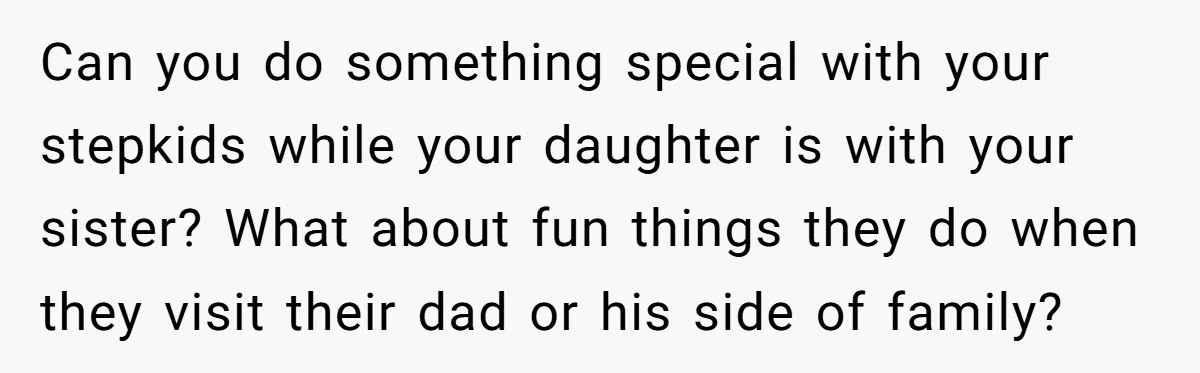
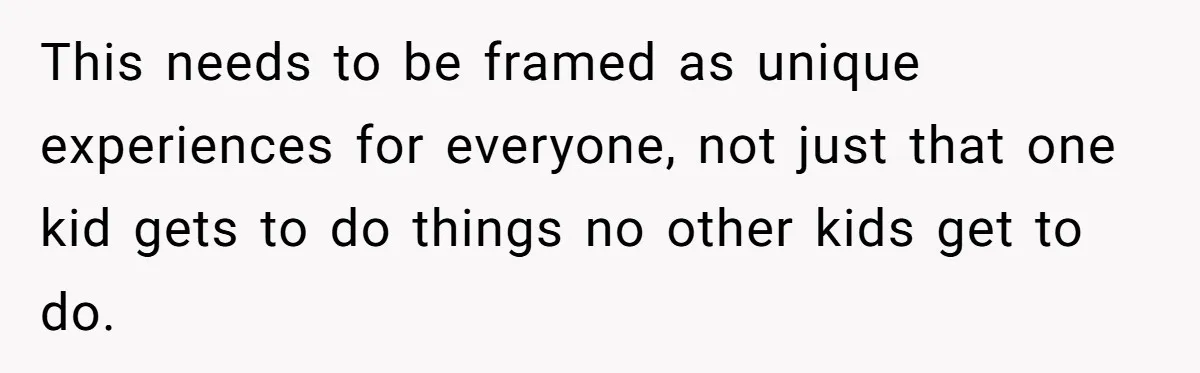
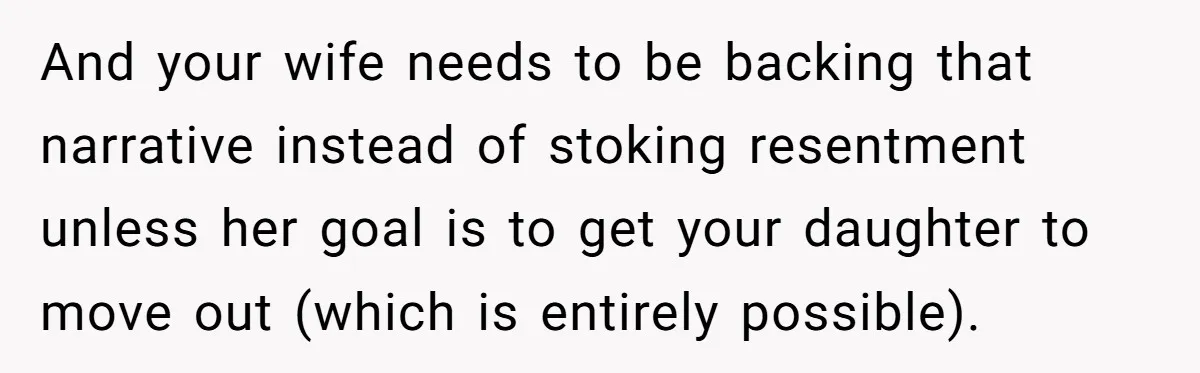
A healthier approach would involve clear boundaries paired with empathy. Brooke should be guided away from rubbing experiences in her step-siblings’ faces, while the other children need age-appropriate explanations about why this relationship exists. Parallel special experiences with each side of the family can help reduce jealousy without sacrificing something that clearly anchors one child’s emotional well-being.
Here’s the comments of Reddit users:
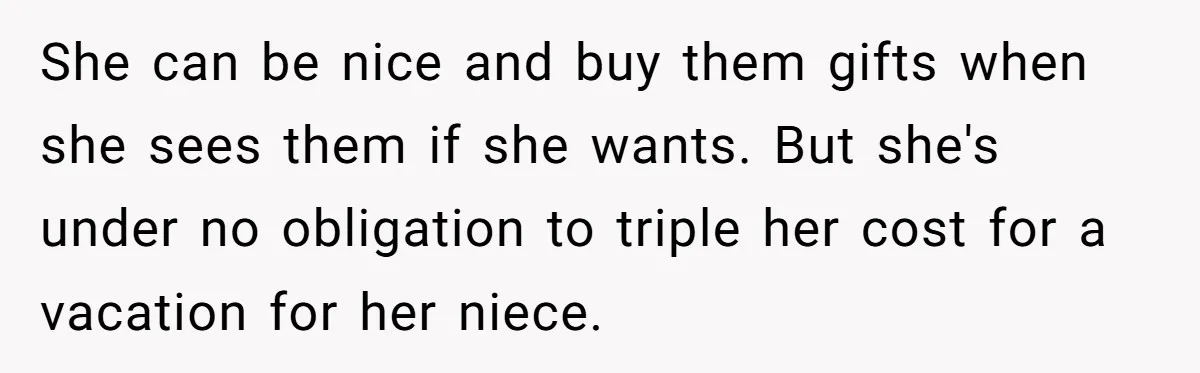
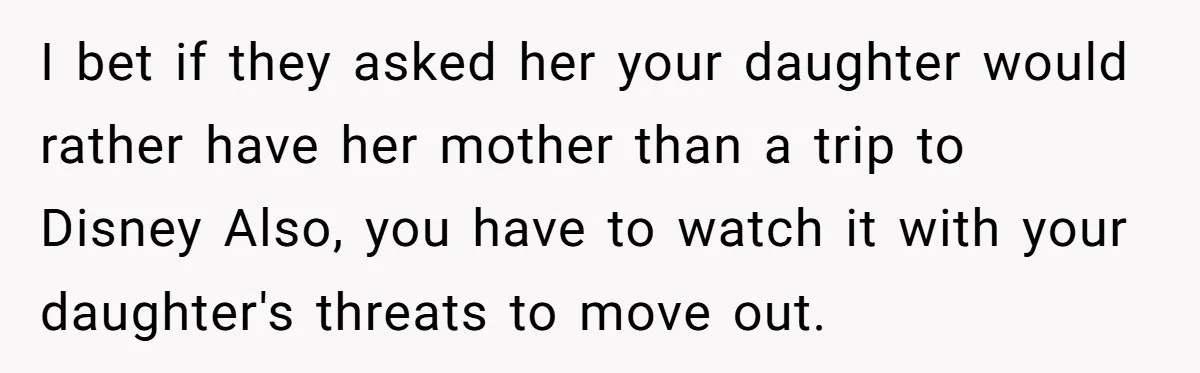
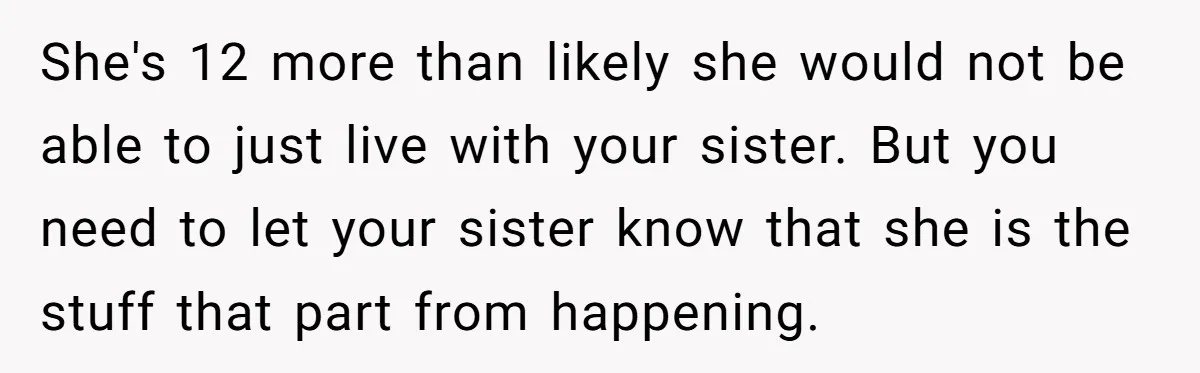
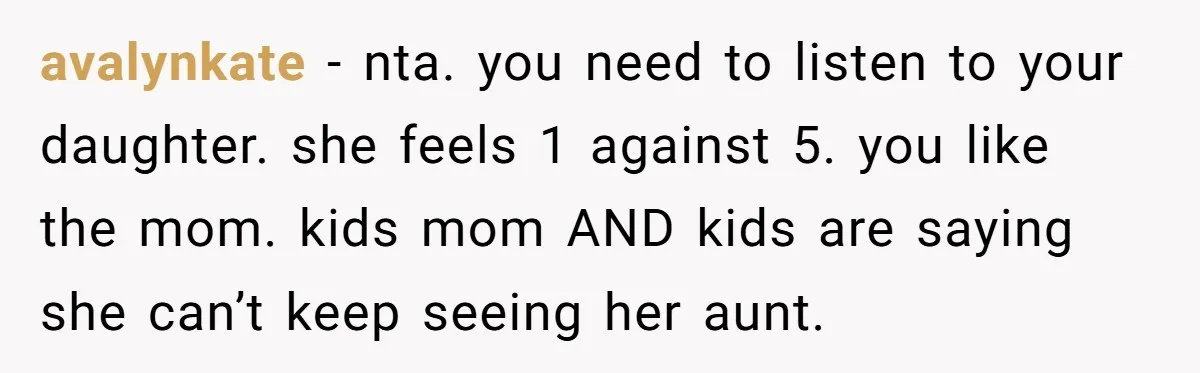
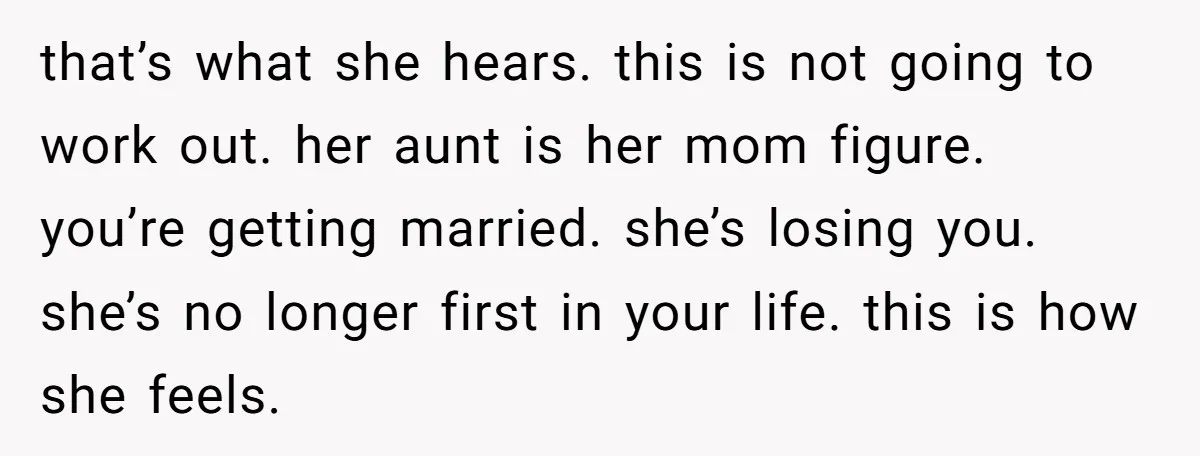
Many readers strongly defended the father’s decision to protect his daughter’s bond
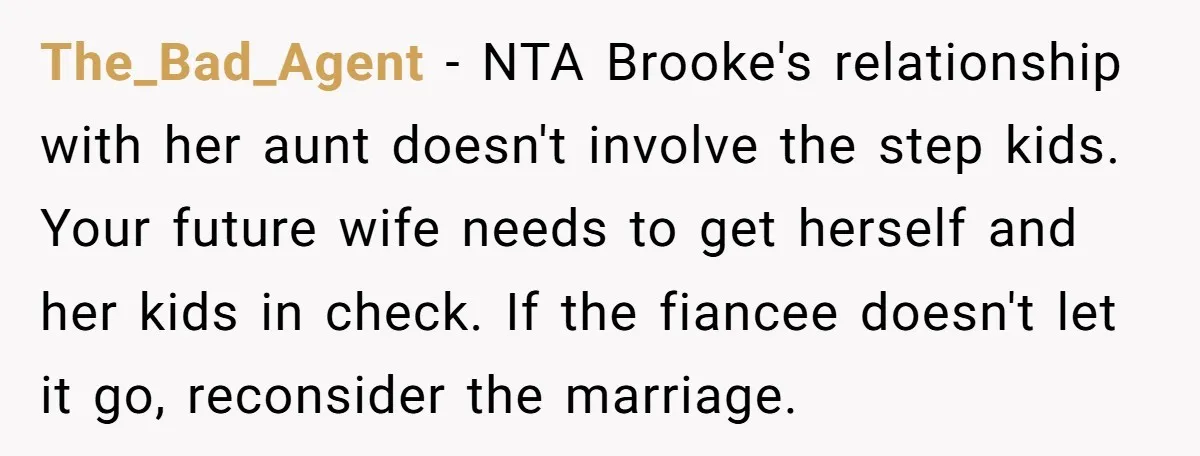
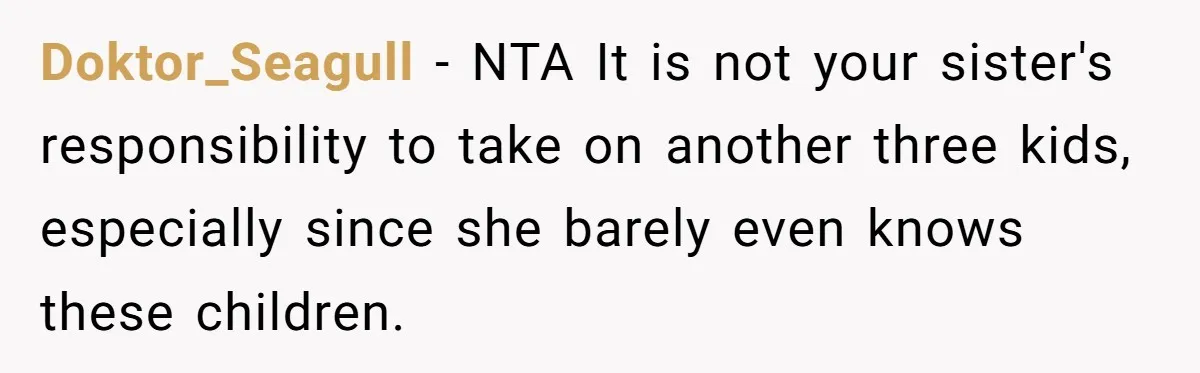
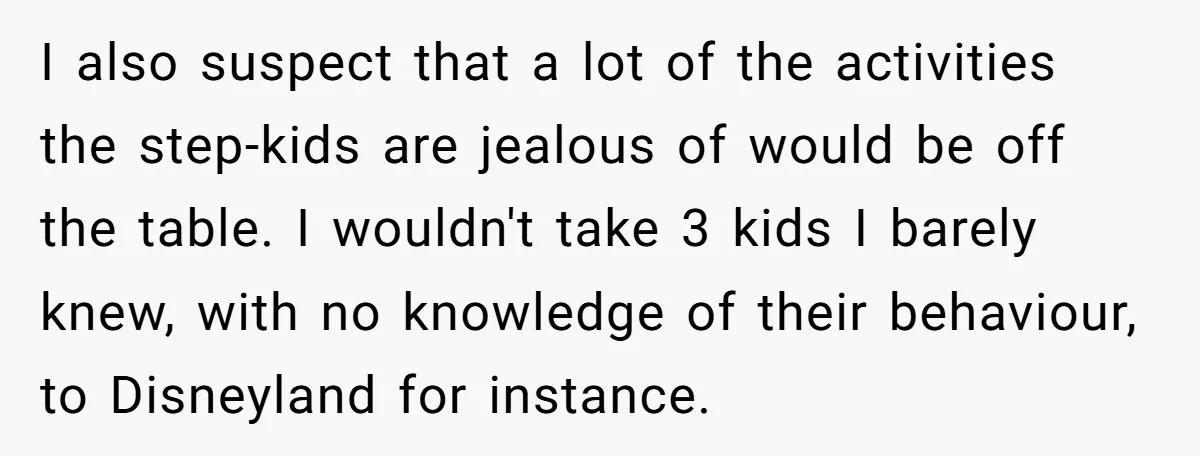
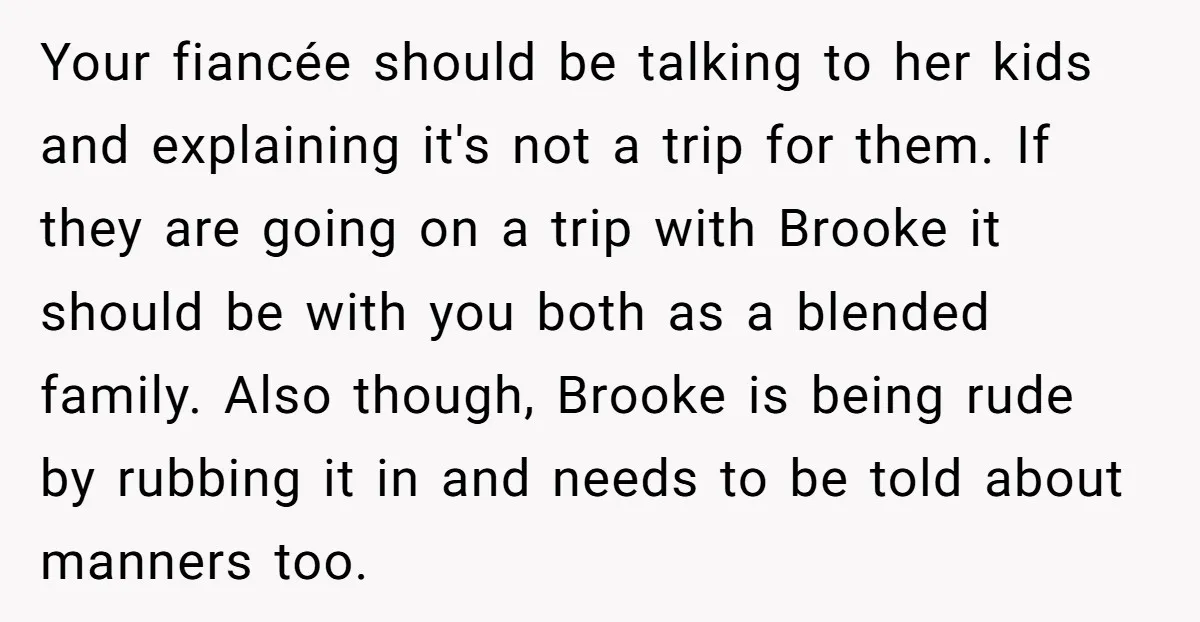

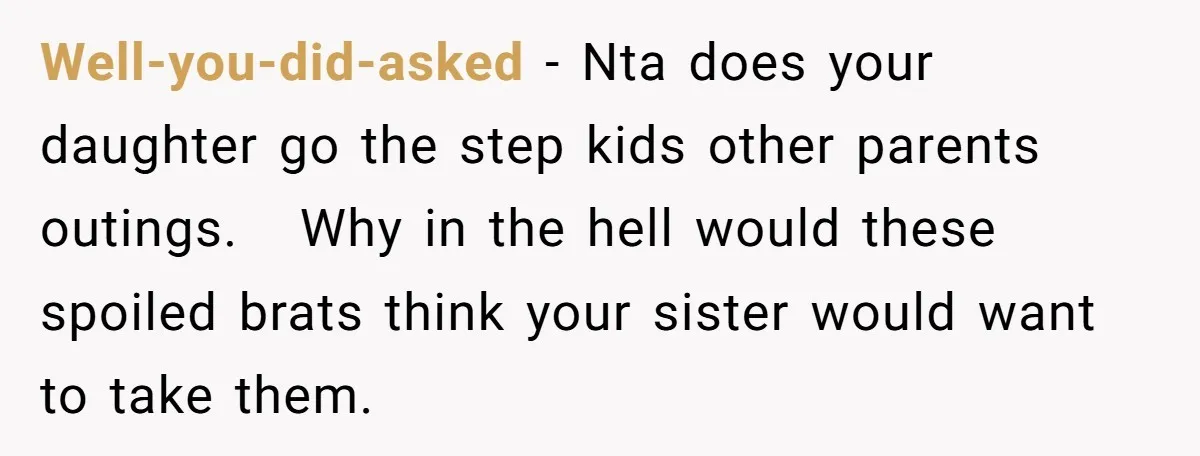
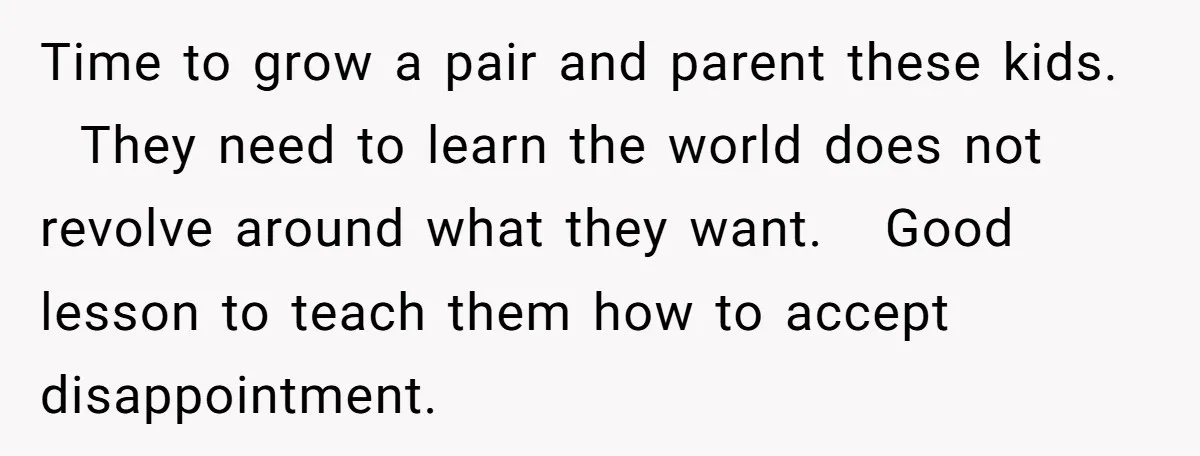
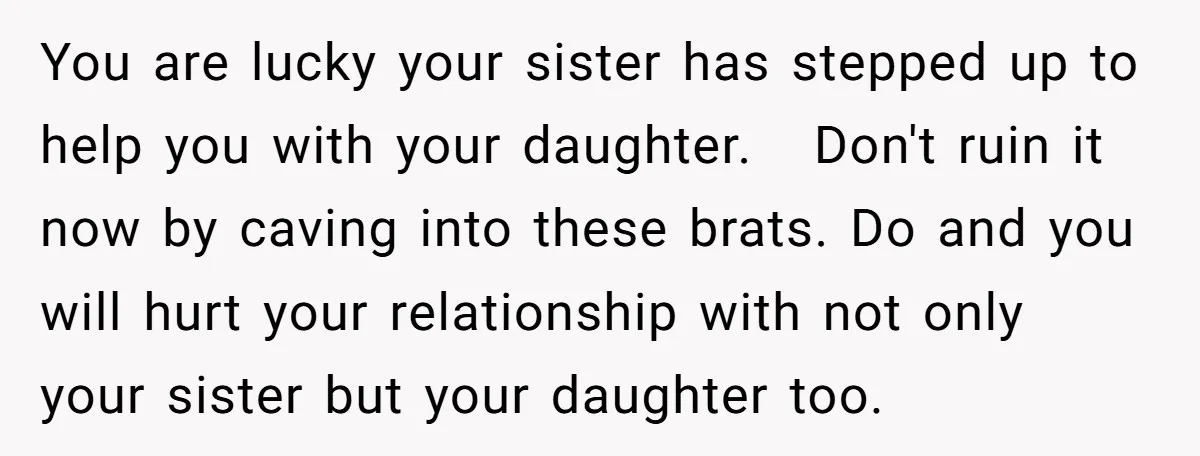
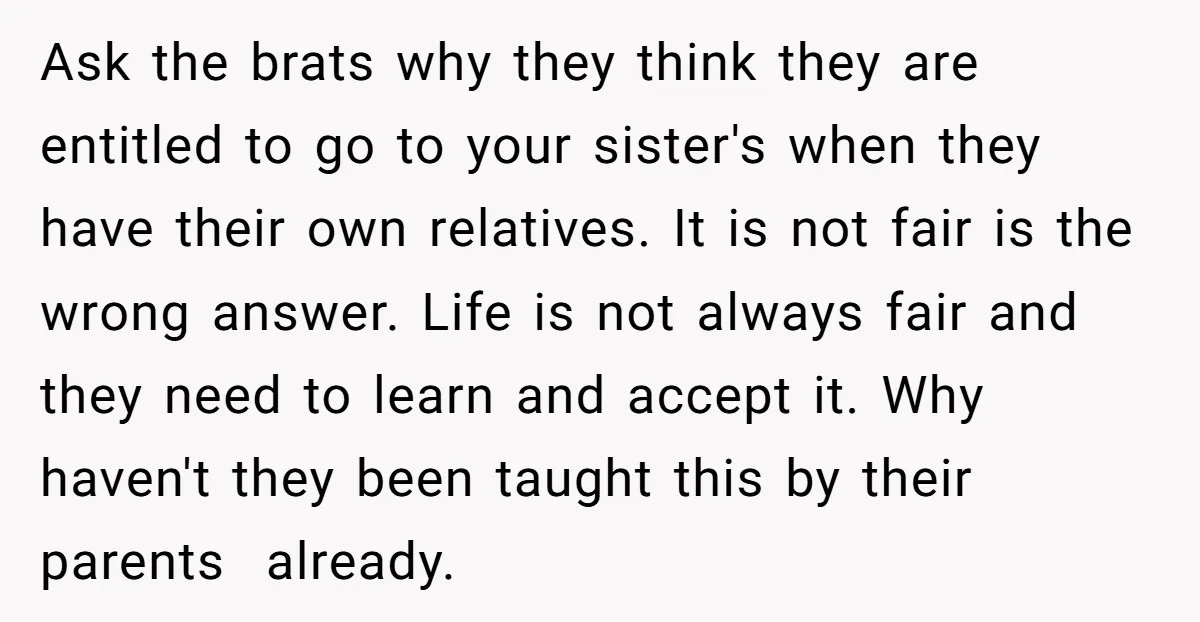
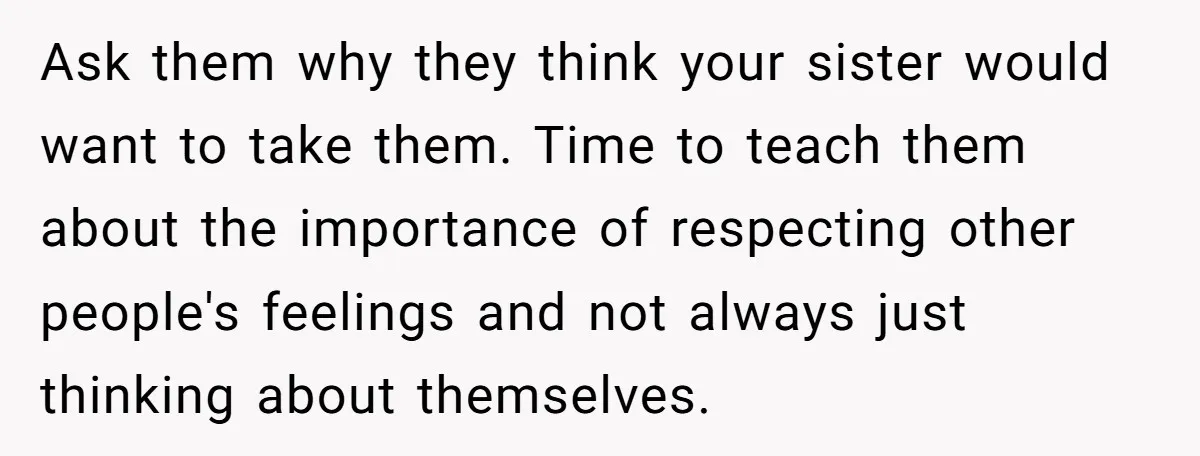
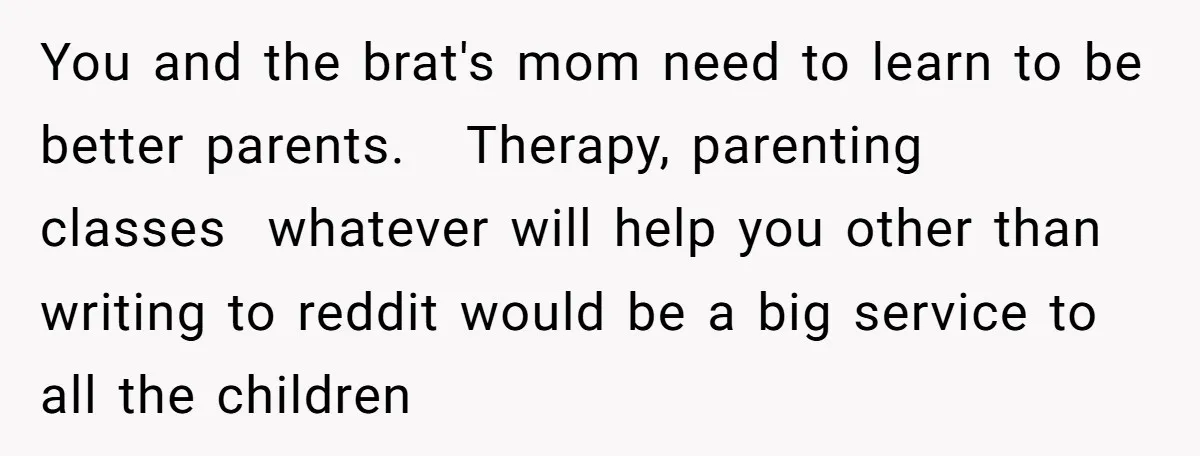

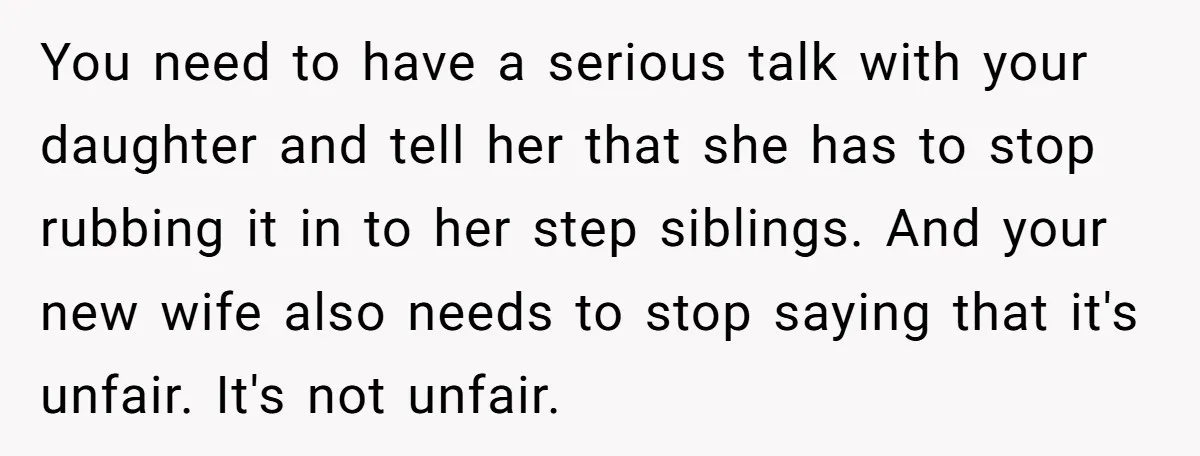
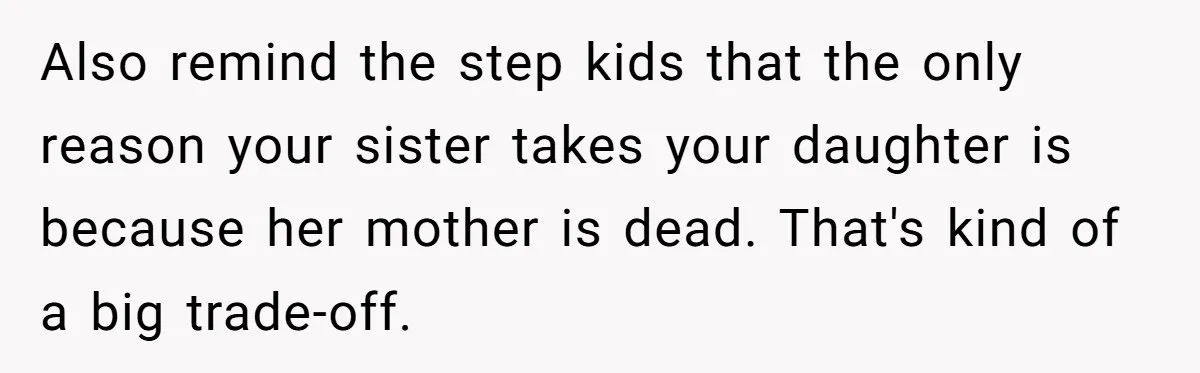
Others agreed overall but pointed out behavior that still needs correction
![[Reddit User] − Kelly and her kids are saying this is unfair and favoritism and that if Brooke gets to go, so should they but Brooke doesn't want to let...](https://loknam.com/aita/images/b162f8f522/wp-editor-1770277895987-1.webp)
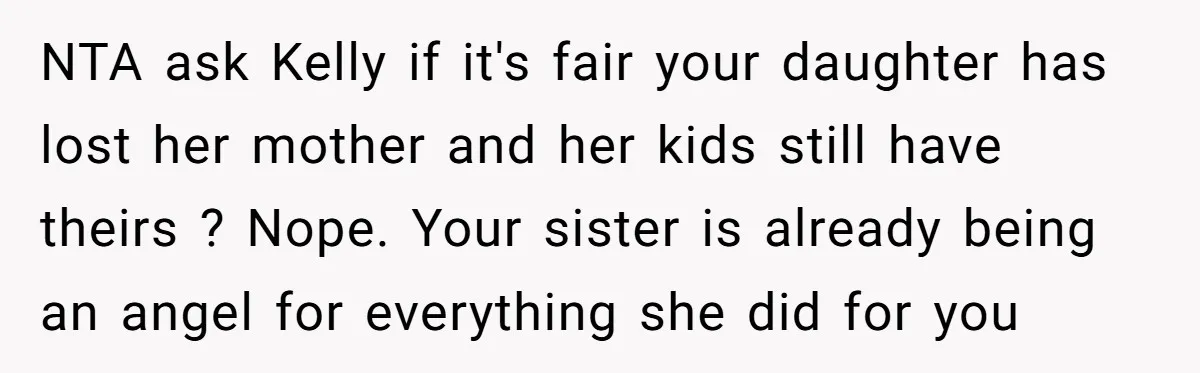
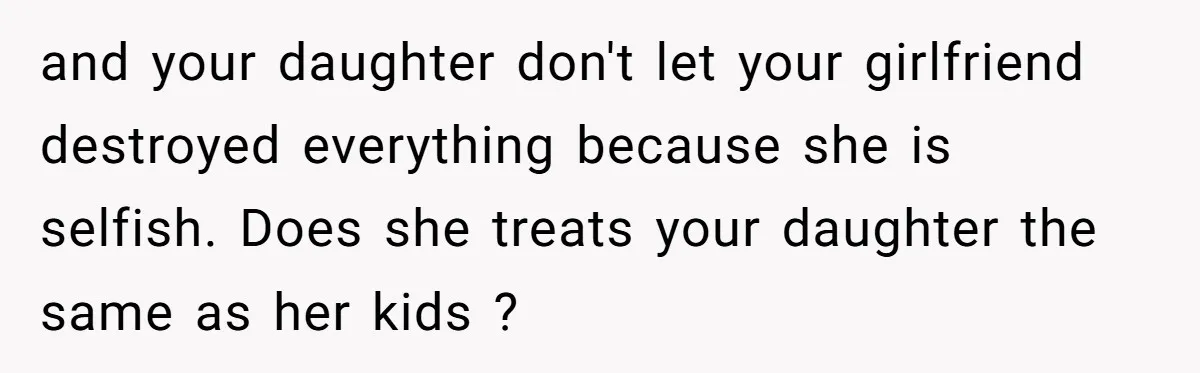
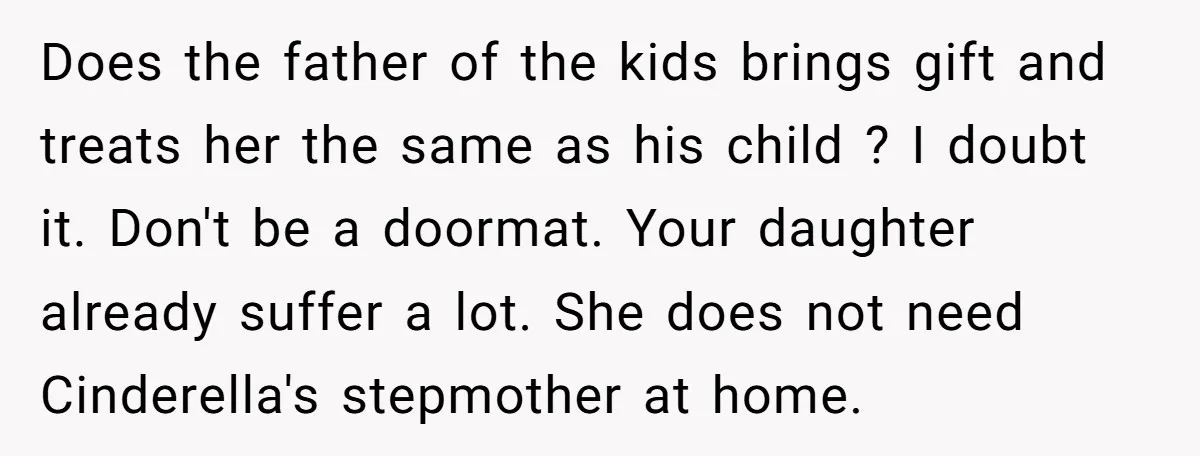
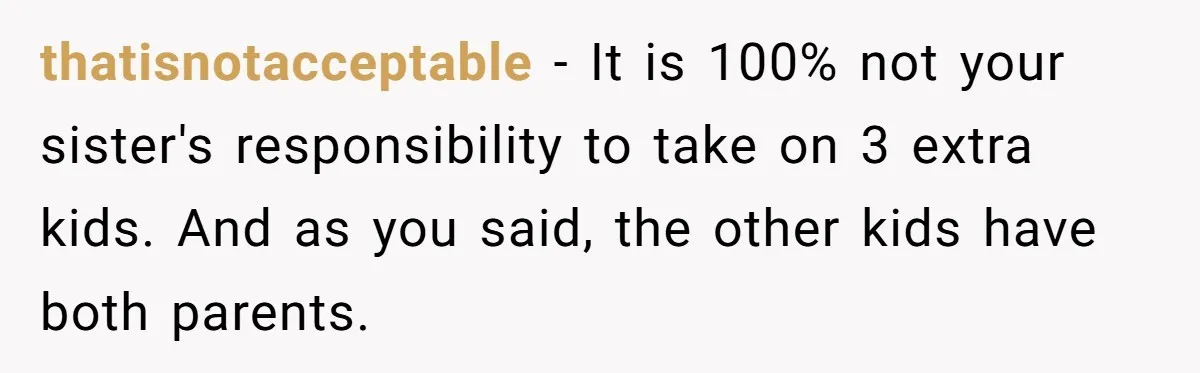
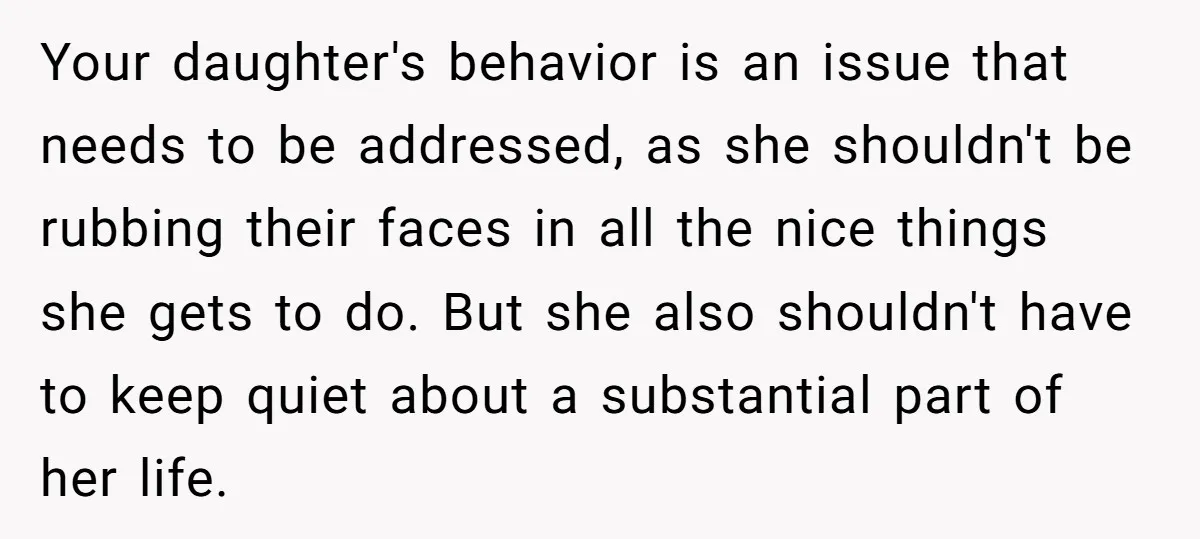

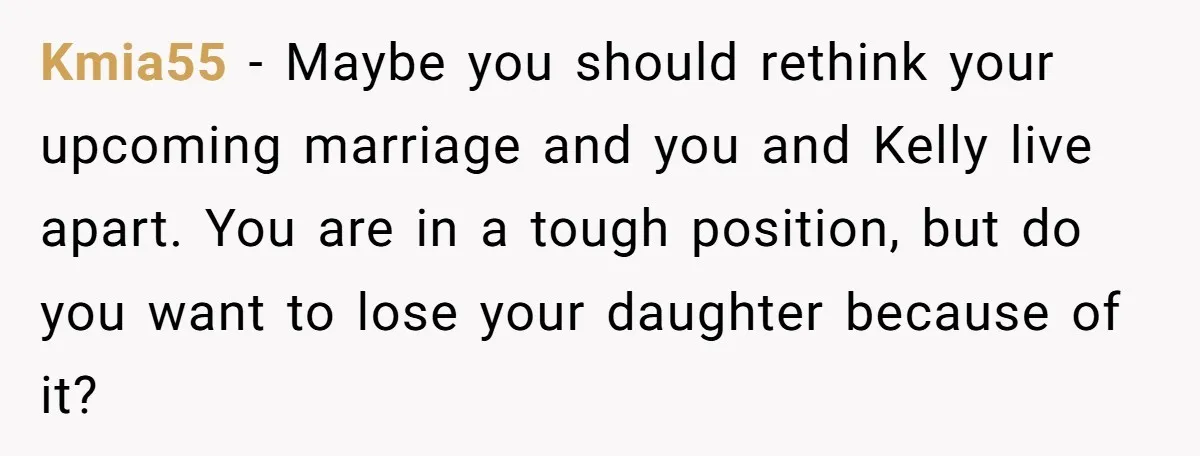
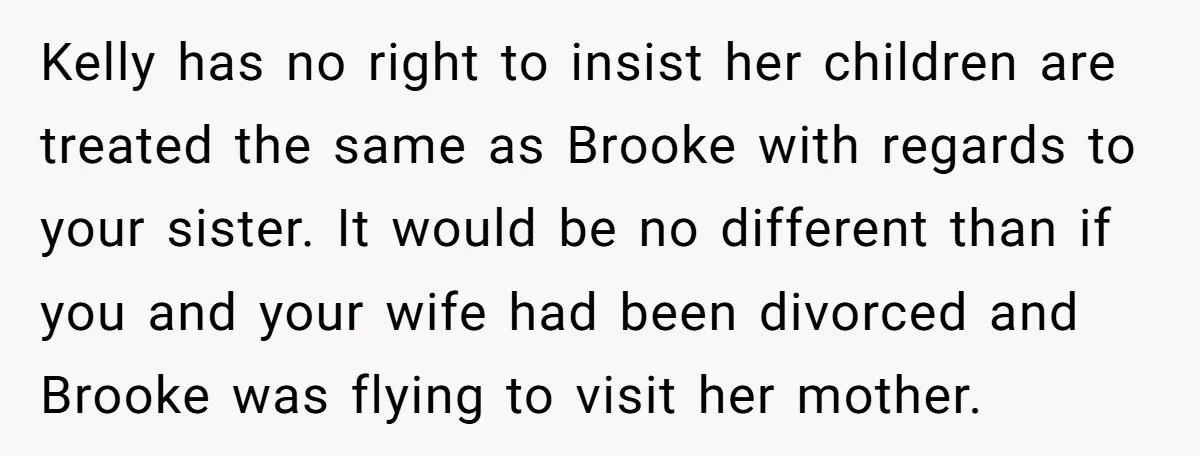
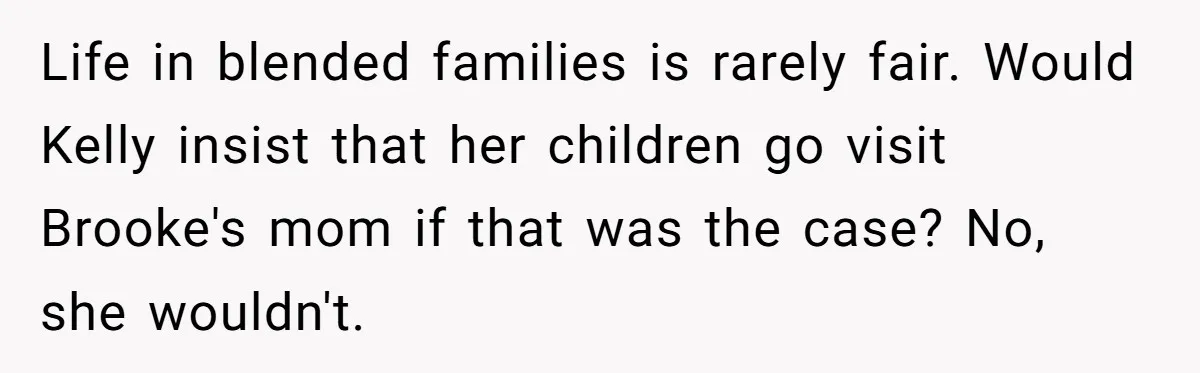
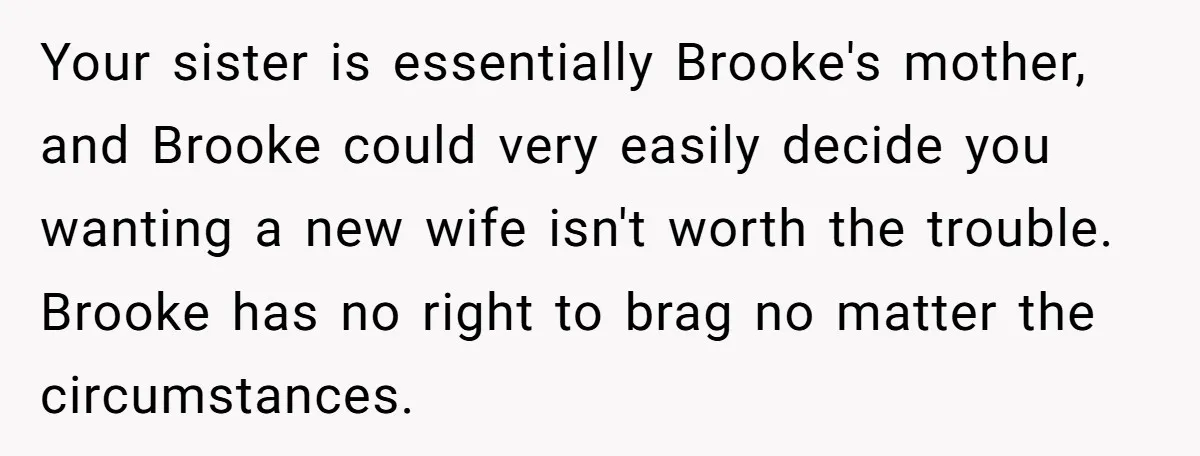
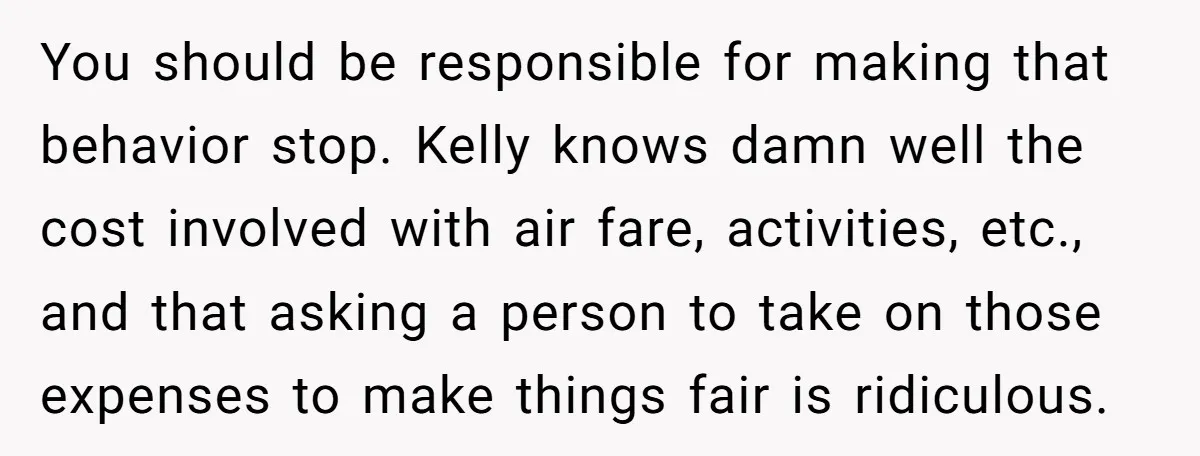


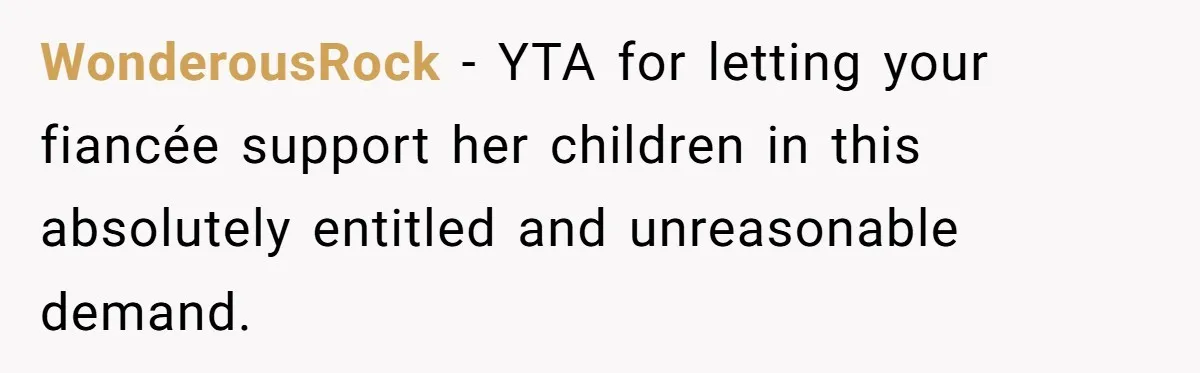
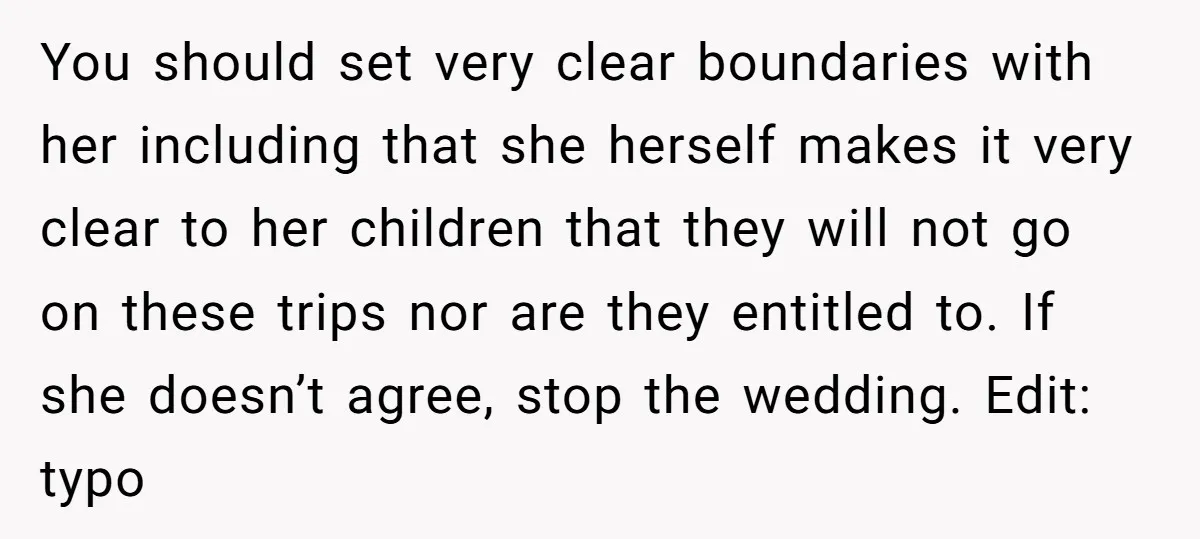
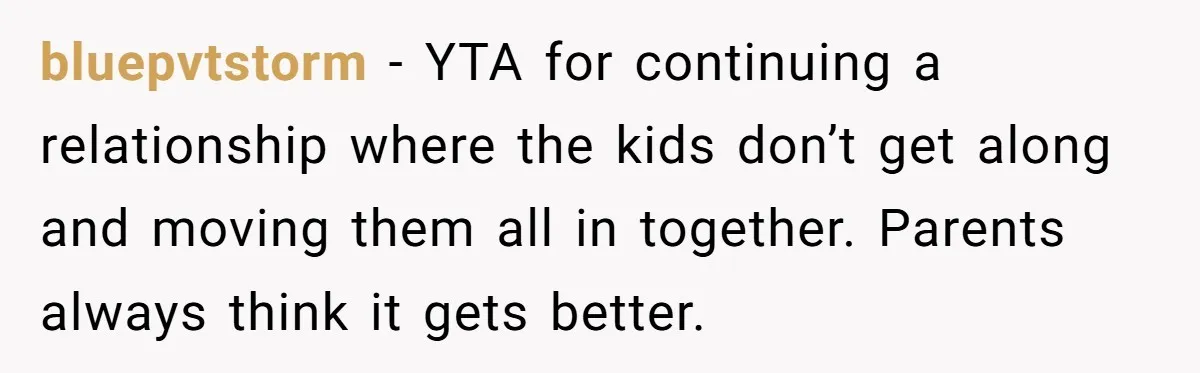
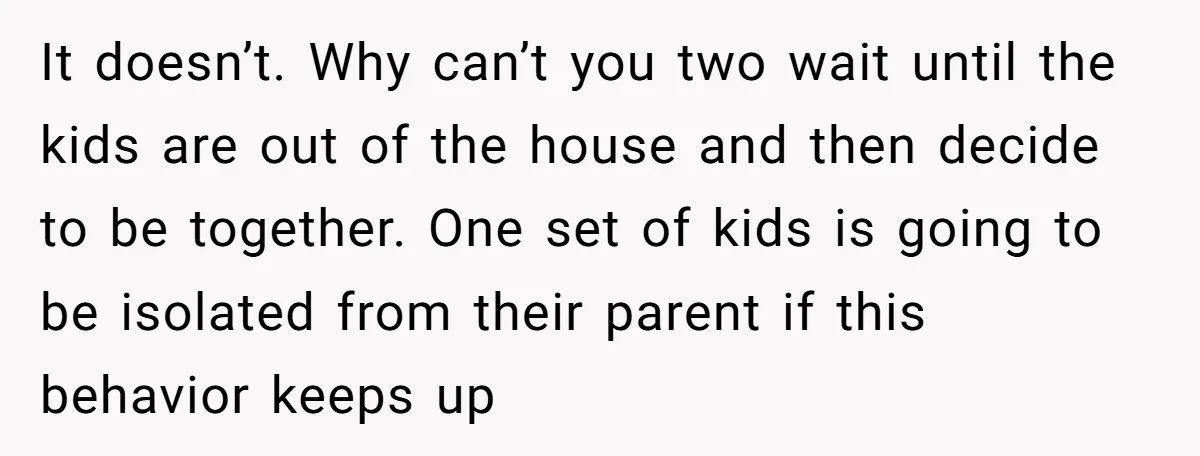
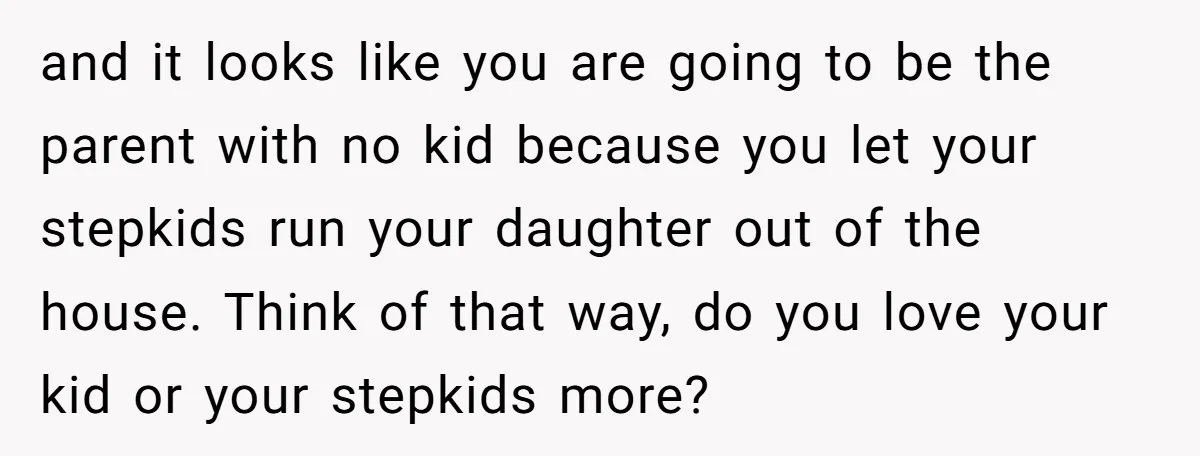
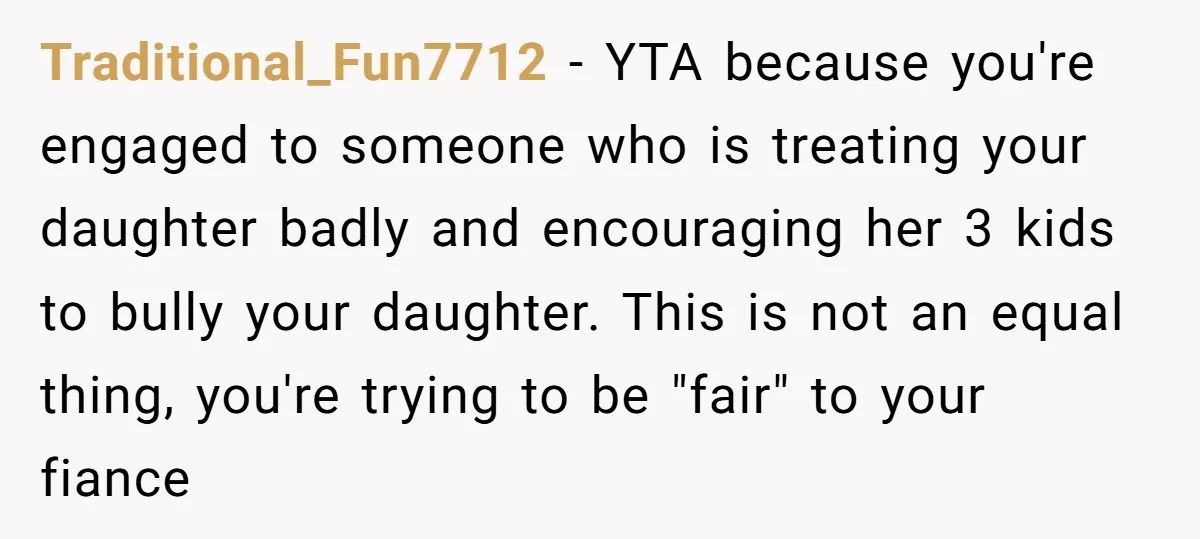
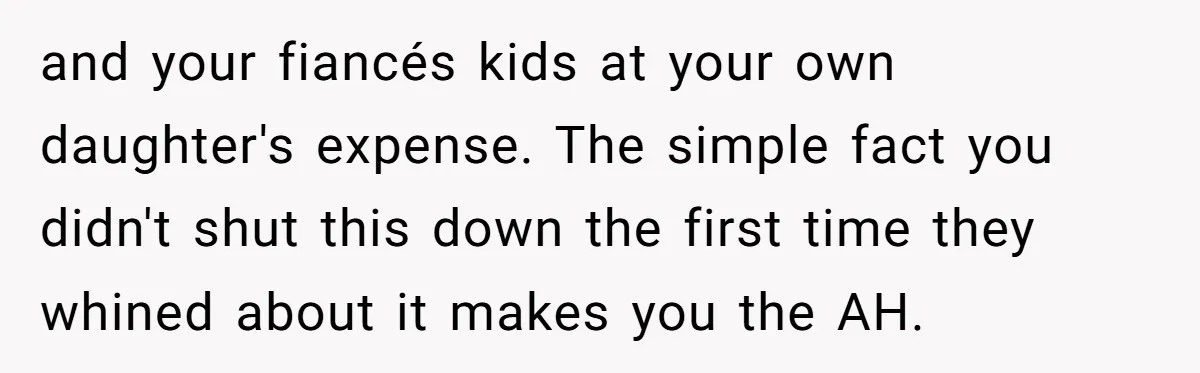
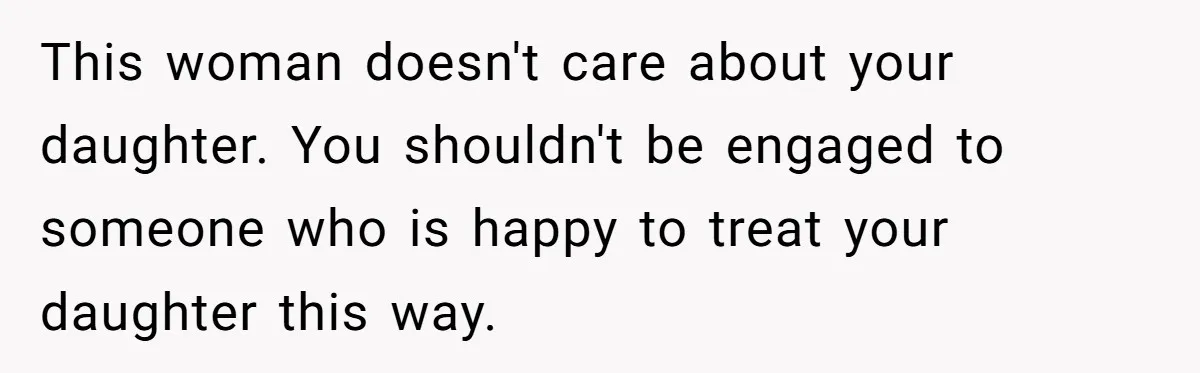
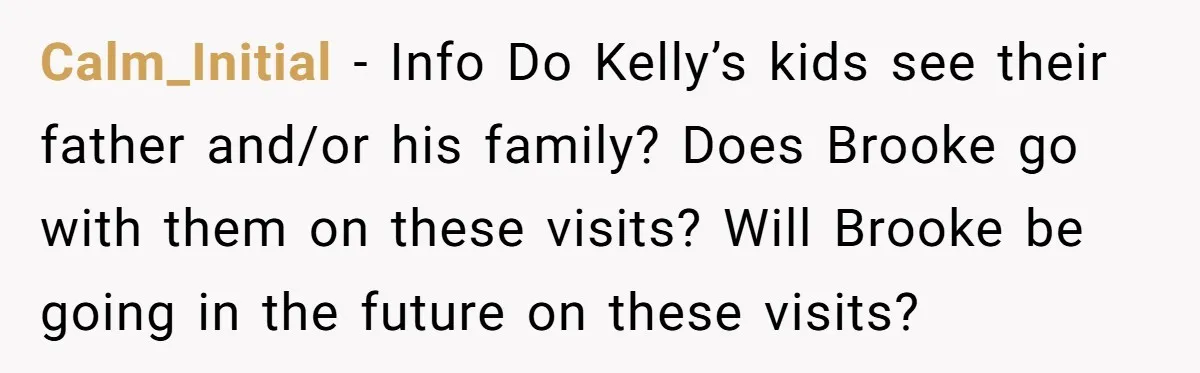
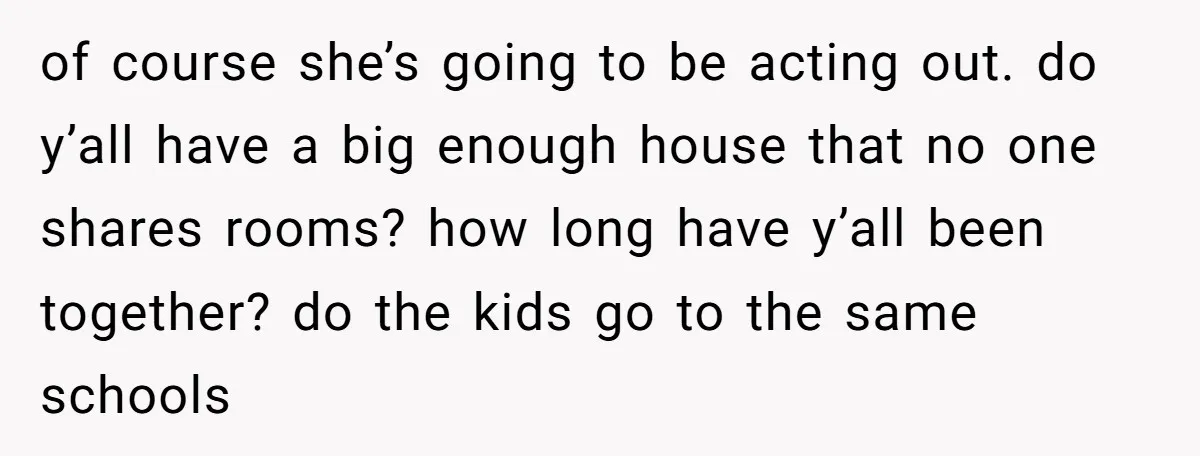
Some commenters zoomed out and questioned the entire relationship dynamic

![[Reddit User] − NTA, but your daughter is acting peetty to the step kids by rubbing what she does with her aunt in their face. The aunt has nothing to...](https://loknam.com/aita/images/b162f8f522/wp-editor-1770277817211-5.webp)


This story highlights how blended families often struggle when emotional histories collide with expectations of fairness. A relationship born from loss cannot be measured the same way as ordinary privileges. While jealousy and acting out need to be addressed on all sides, many readers felt the father was right to protect something deeply meaningful to his daughter. The bigger question remains: in families like this, how do you balance empathy for everyone without erasing what makes each bond unique? What would you do in his place?