A mother refused to attend her own brother’s wedding after learning her teenage daughter was not welcome. What initially sounded like a simple no-children policy quickly turned into something far more personal. When she discovered another guest’s 13-year-old daughter had been invited, she confronted her brother, only to hear the truth.
He admitted he did not want her 14-year-old daughter there because she is autistic. The revelation left the mother devastated and furious, especially knowing how excited her daughter had been for the big day. Dresses were bought, hair and nails were done, and hopes were high—until the invitation was effectively withdrawn at the last minute. Now, the family is divided, and she is questioning whether skipping the wedding was the right move.
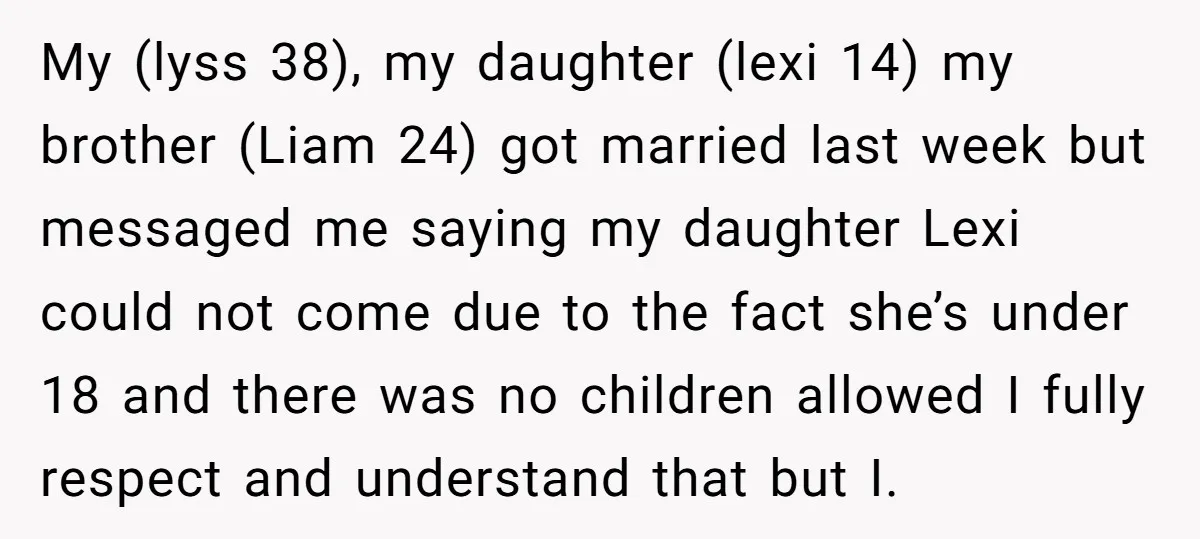
‘AITA for not going to my brothers wedding because he said my daughter can’t go?’
The invitation initially seemed straightforward but quickly changed.
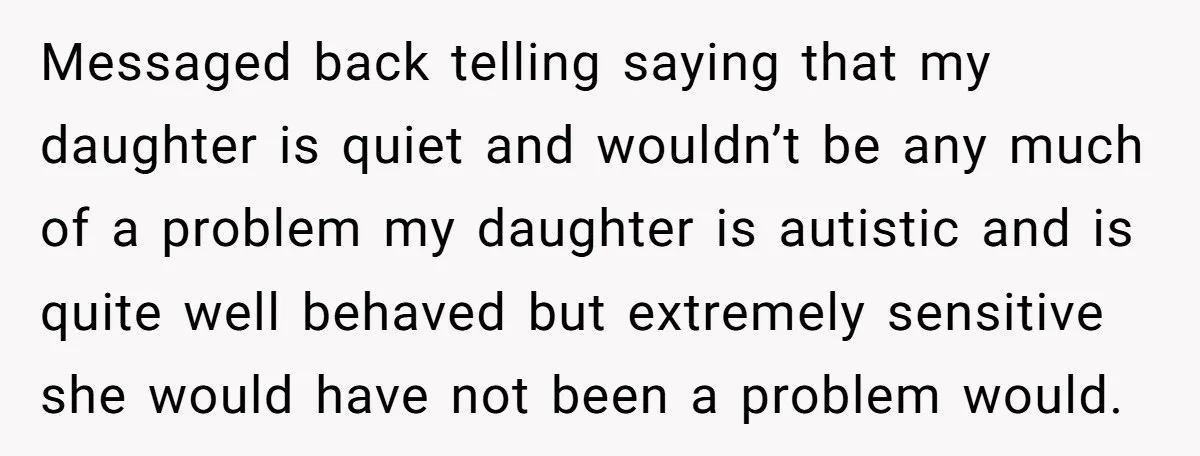
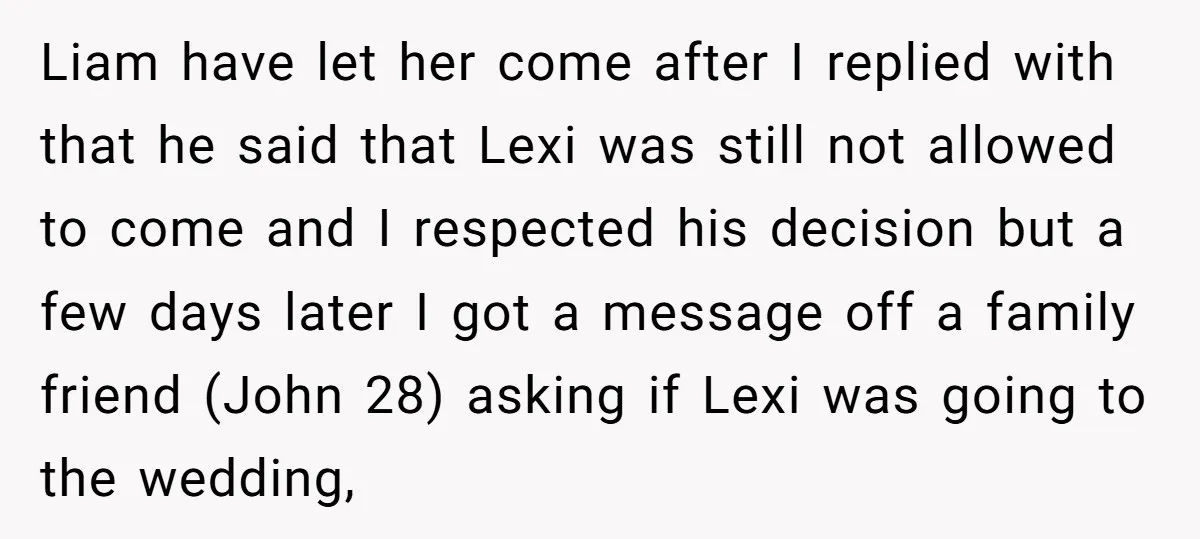
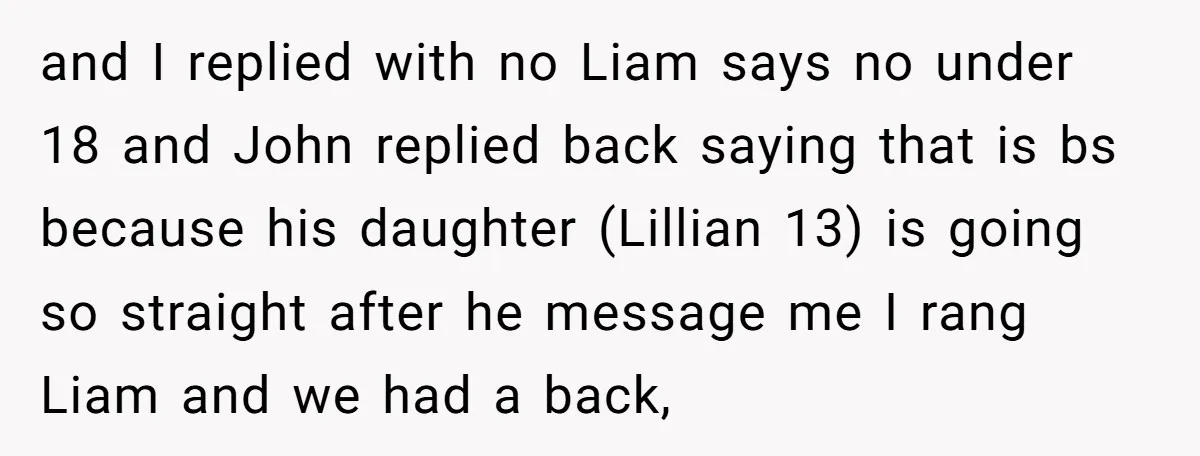
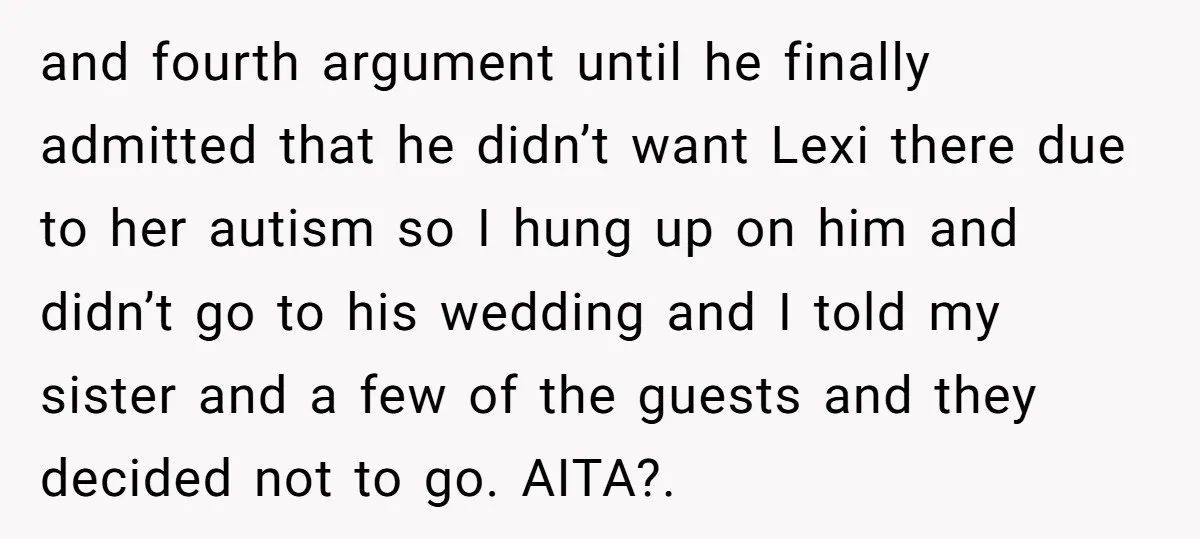
Her daughter had been excited and prepared for the celebration.
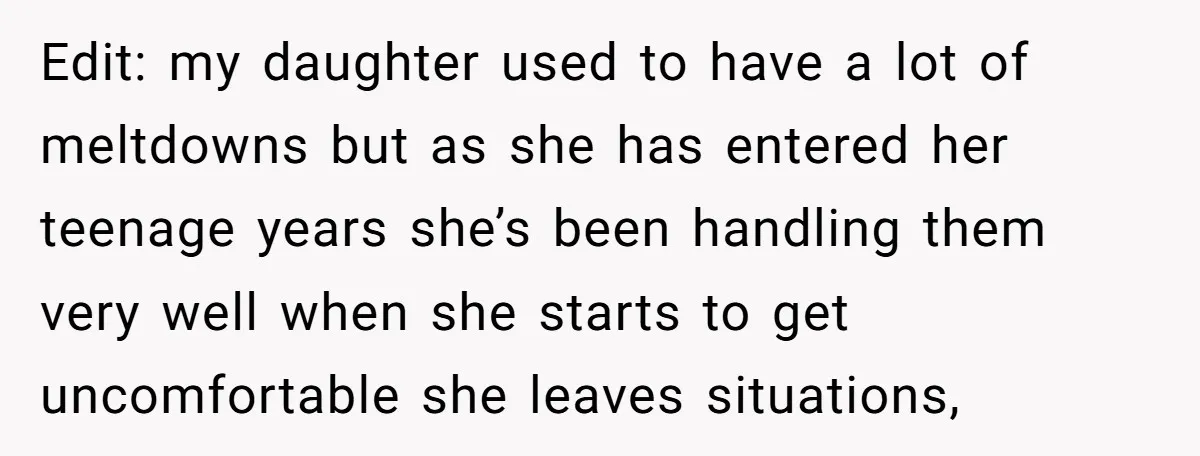
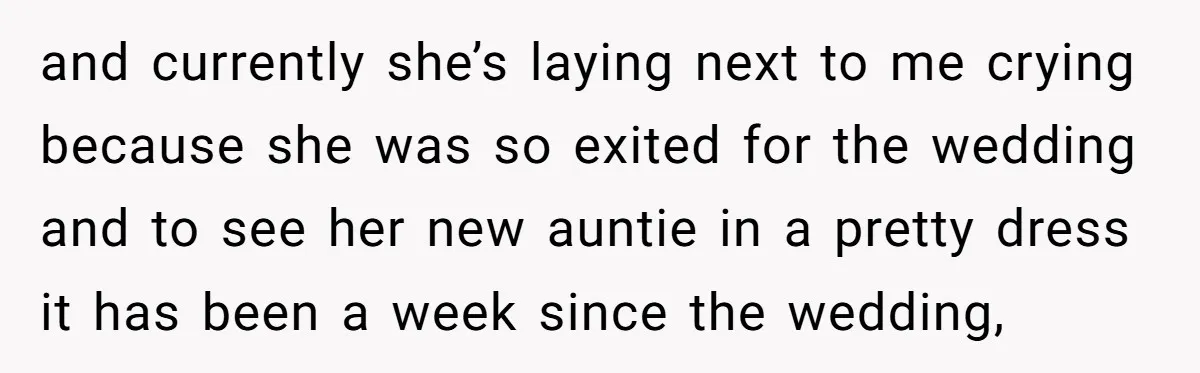
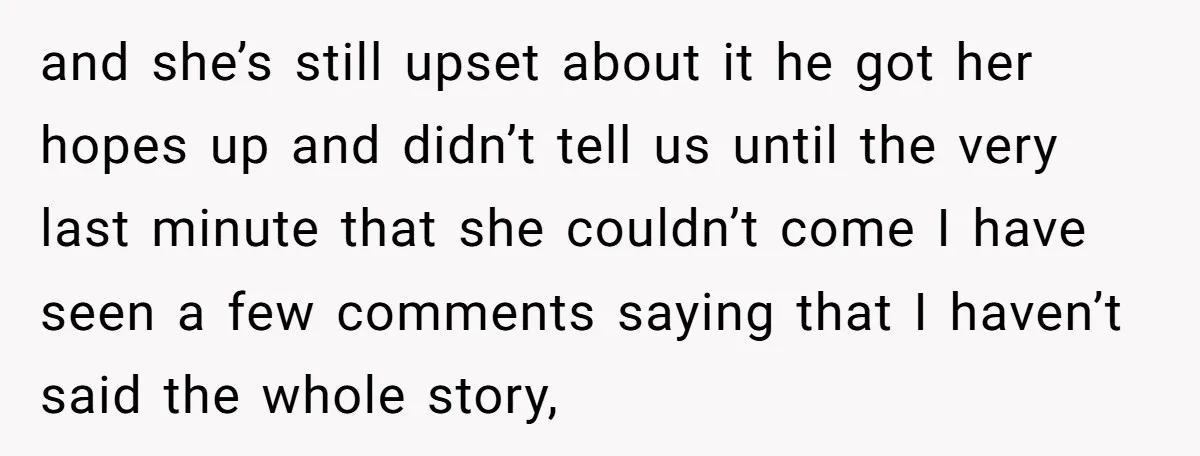
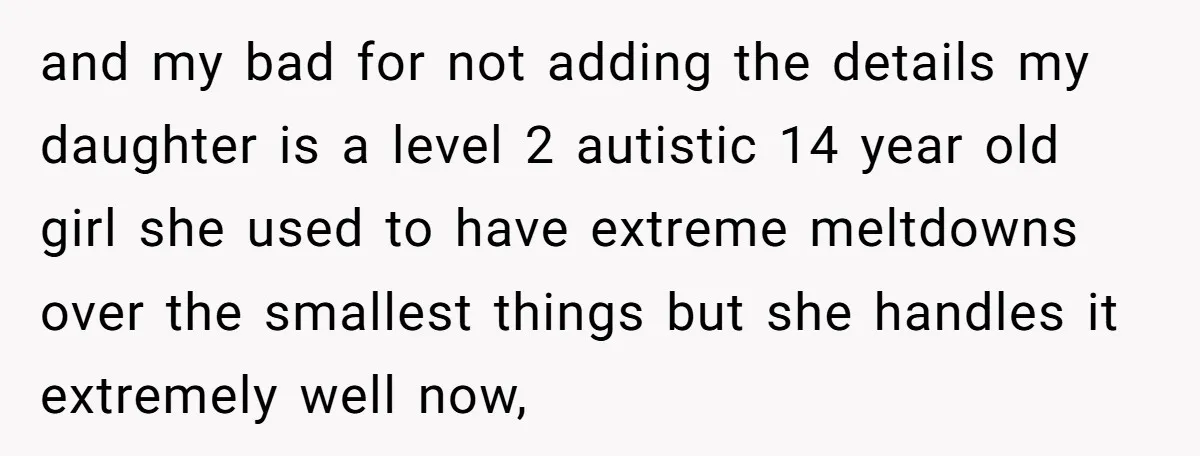

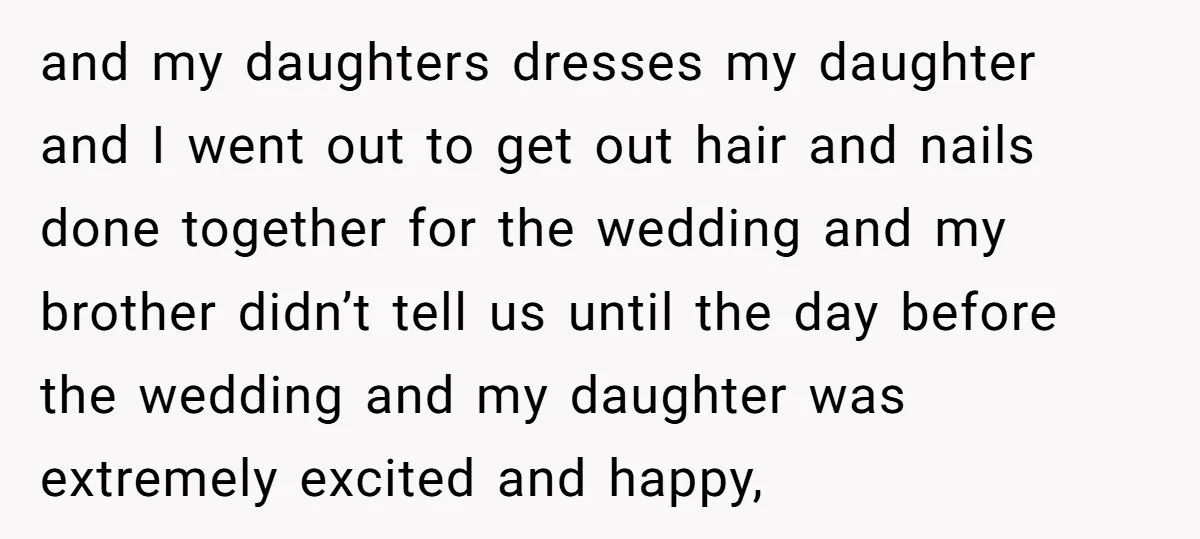


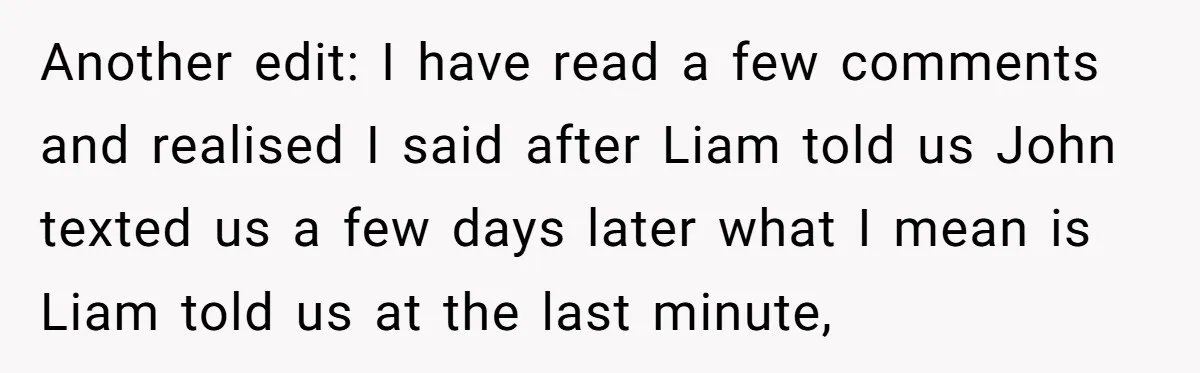
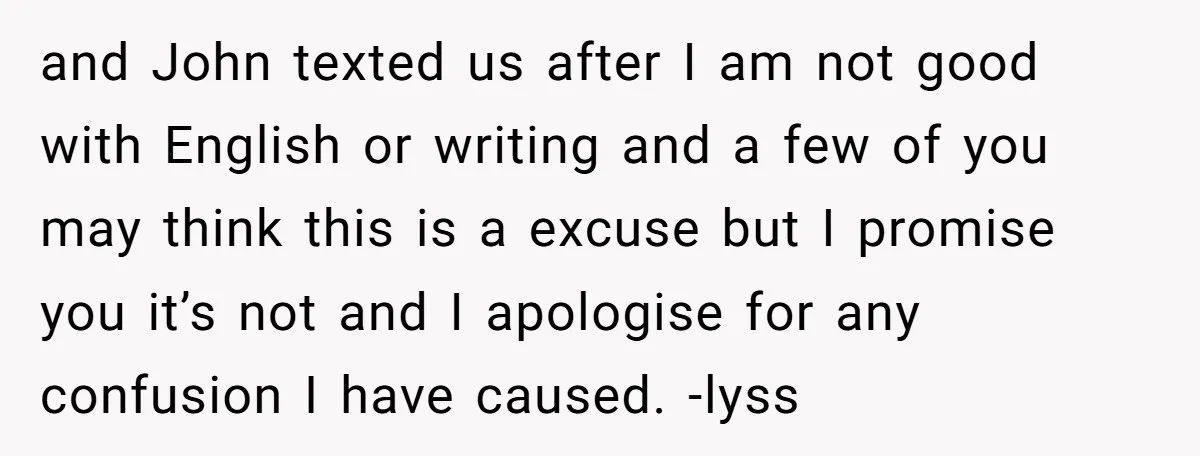
She later clarified timeline confusion and language concerns.
Family celebrations often carry emotional weight, especially when expectations are involved. In this situation, the conflict stems less from the decision itself and more from how it was communicated. A child-free wedding is a personal choice many couples make. However, when exceptions appear to be made without transparency, trust begins to erode.
The mother’s frustration is rooted in the discovery that another minor was invited. From her perspective, the issue shifted from a general rule to something specifically directed at her daughter. The brother’s eventual admission that autism was the reason adds another layer of complexity. Weddings are significant milestones, and couples may worry about disruptions. At the same time, excluding someone based on a diagnosis without honest conversation can feel deeply hurtful and discriminatory.
There are also competing viewpoints. Some argue that a wedding is ultimately the couple’s day and they have the right to decide their guest list. Others emphasize that honesty and sensitivity are crucial, especially when children’s feelings are involved. This story reflects broader conversations about inclusion, communication, and the delicate balance between personal boundaries and family unity.
Here’s what people had to say to OP:
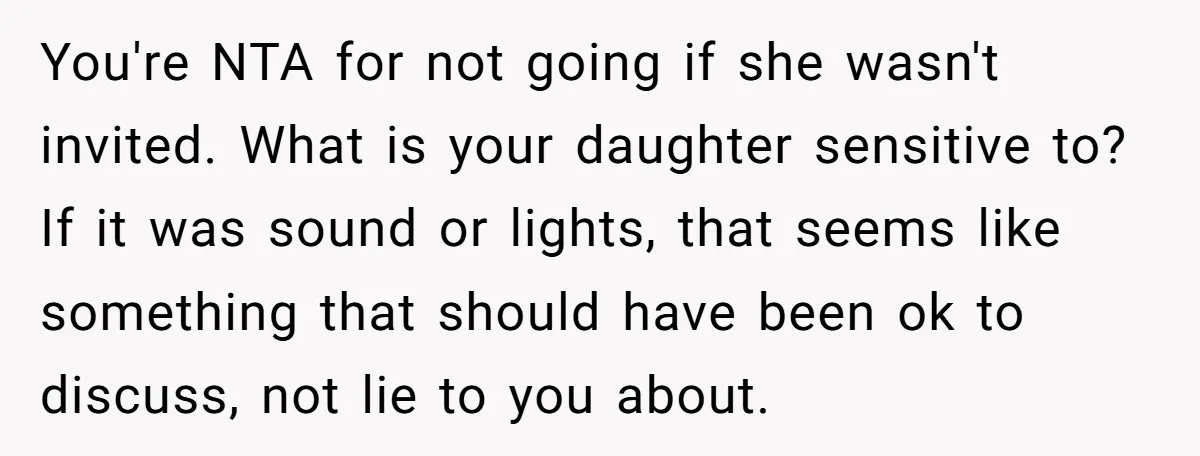
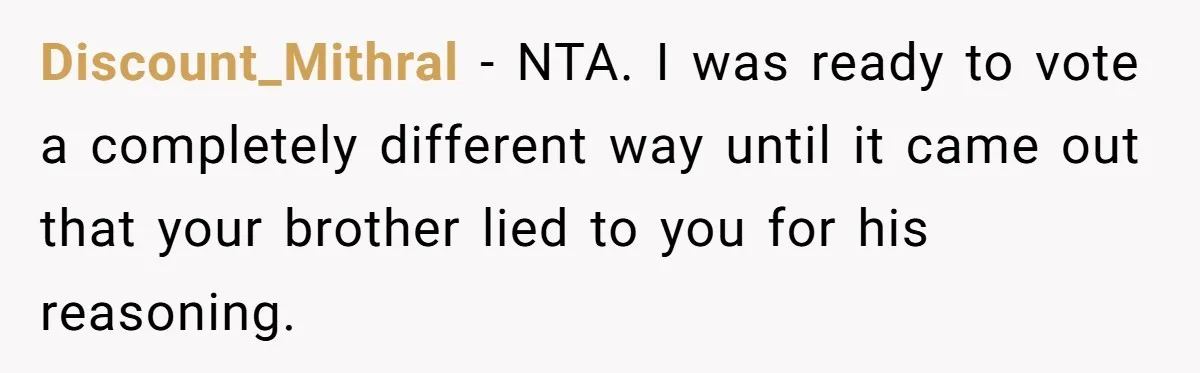
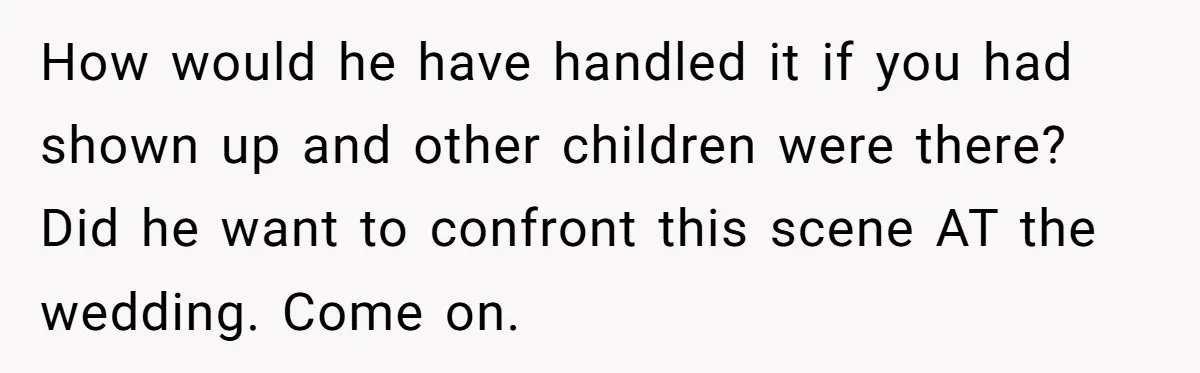
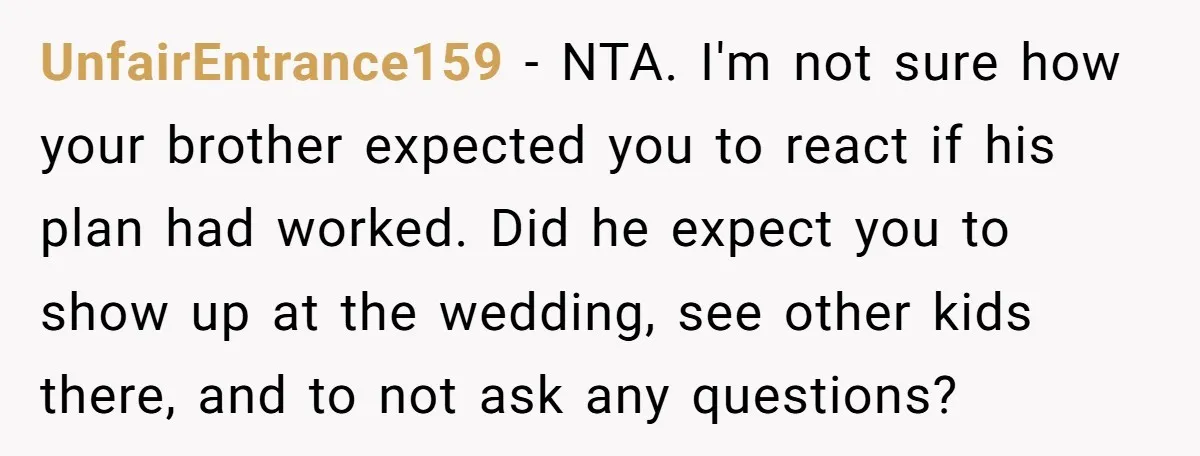
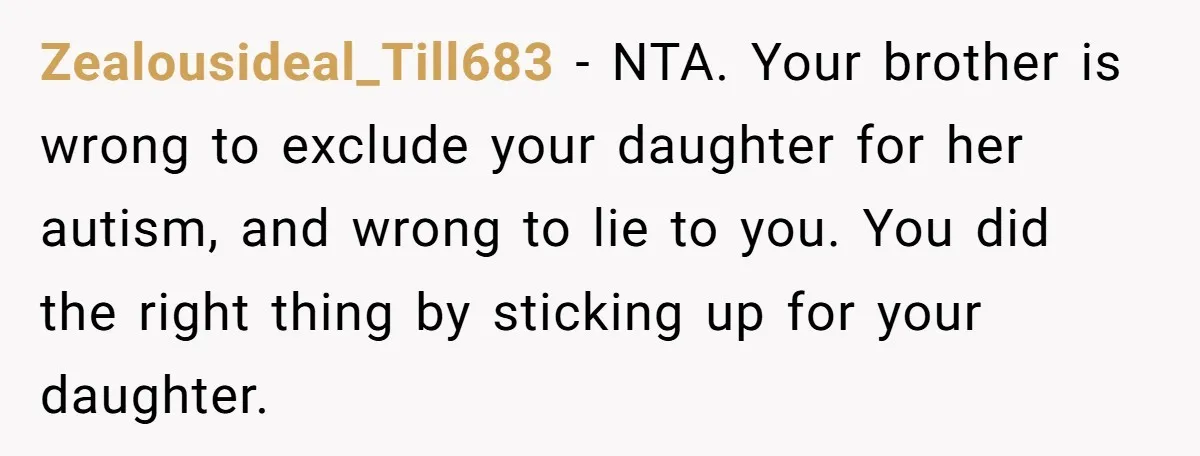
Many users supported the mother’s decision to stand by her daughter.
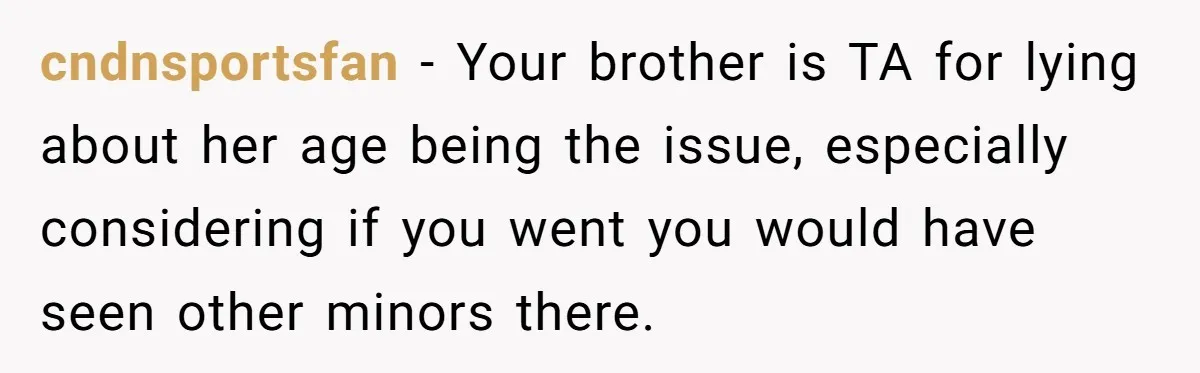
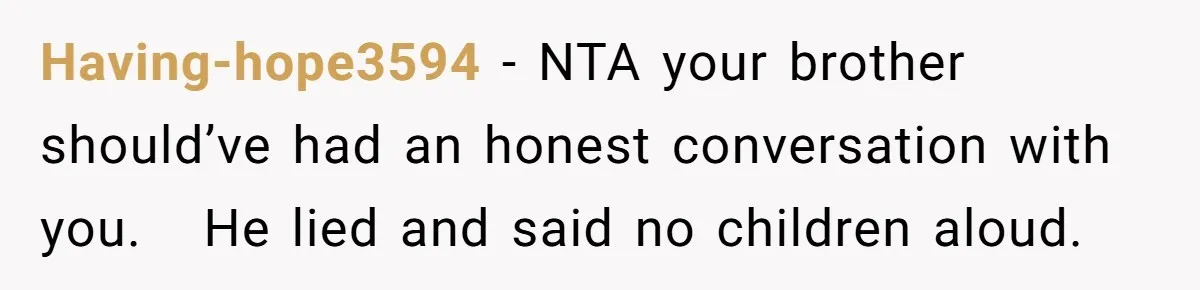
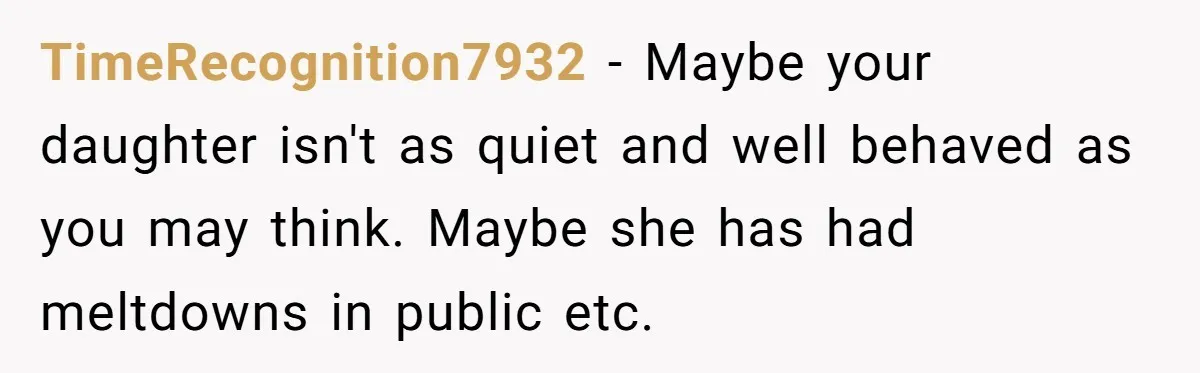

Others questioned the full story or offered mixed perspectives.
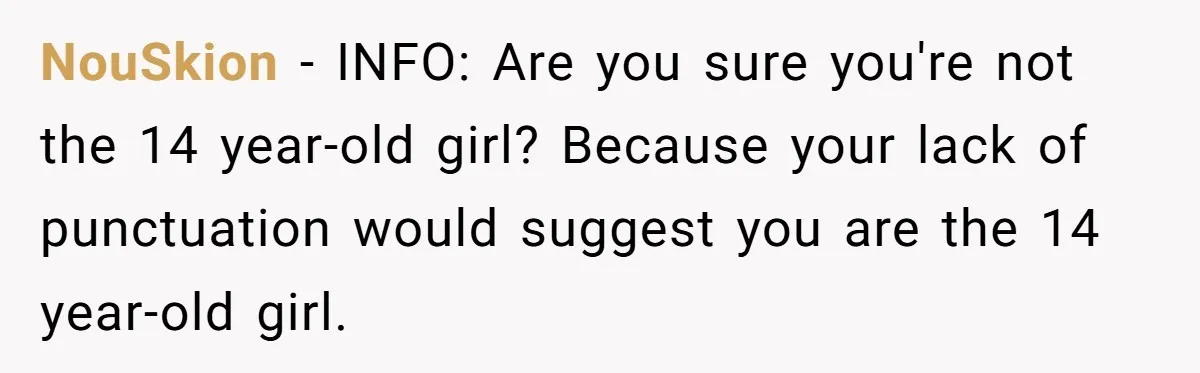
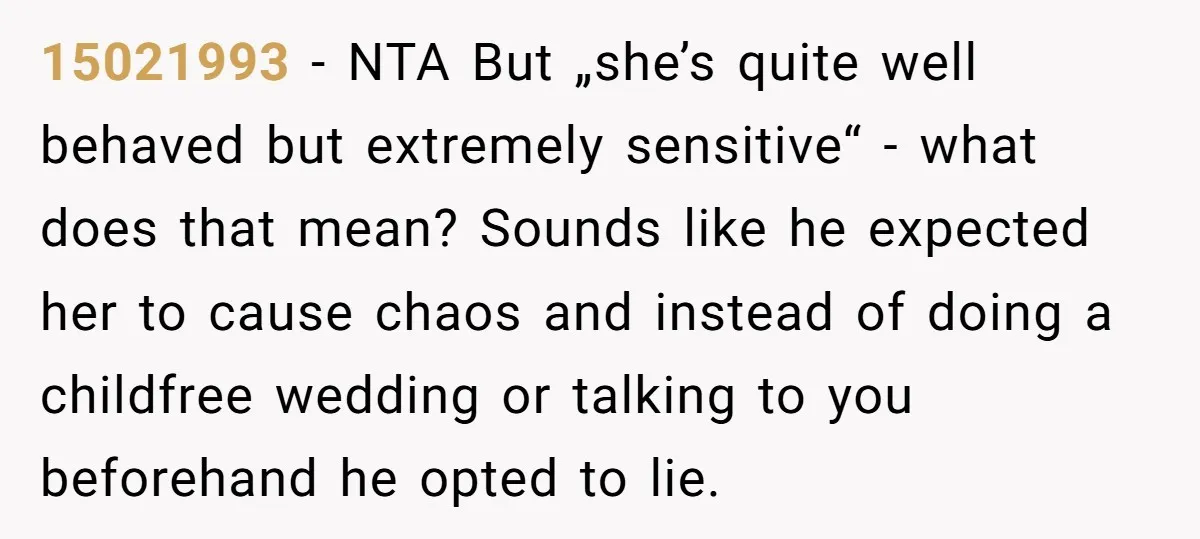

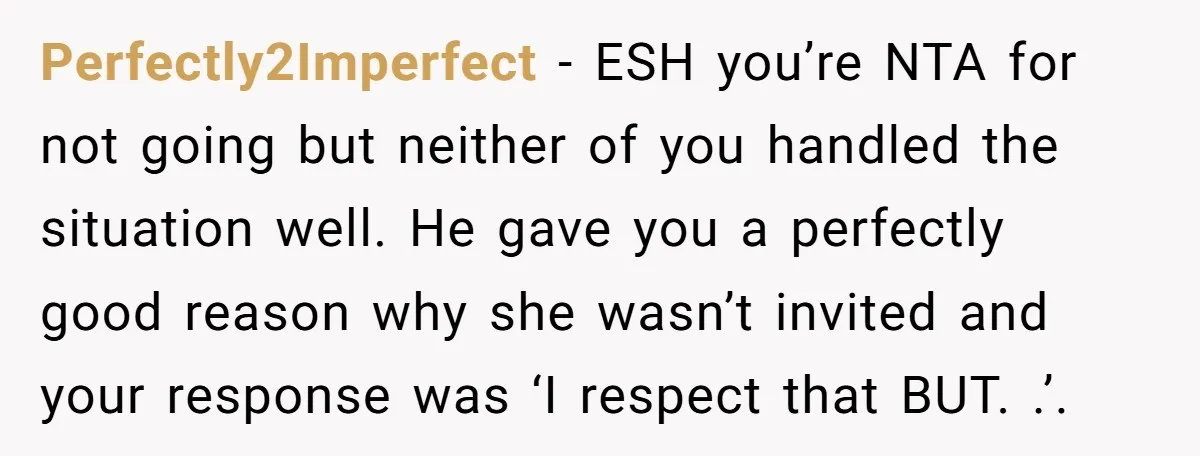
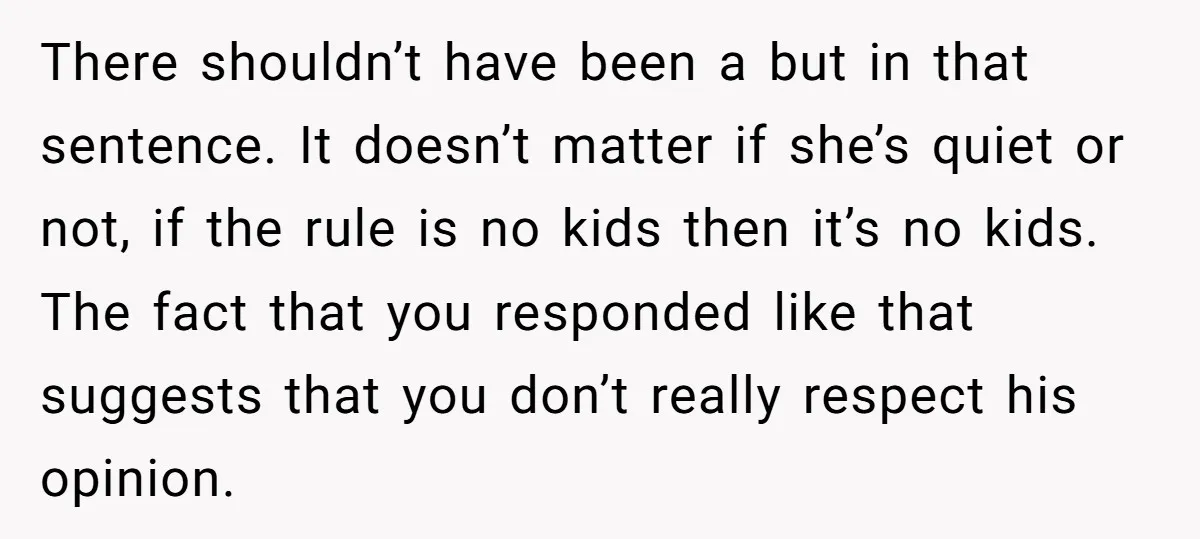
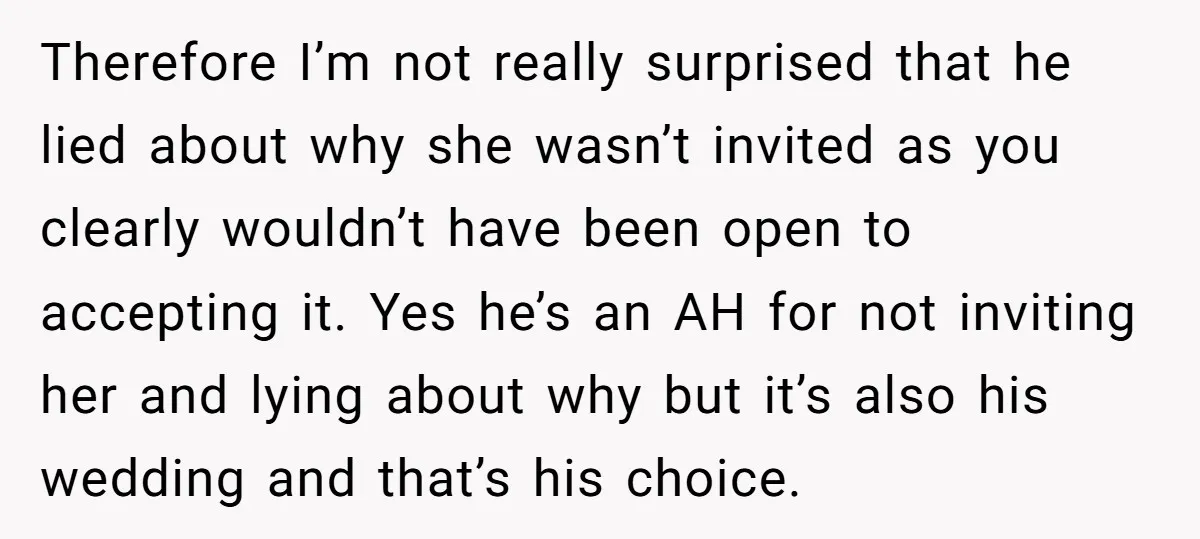
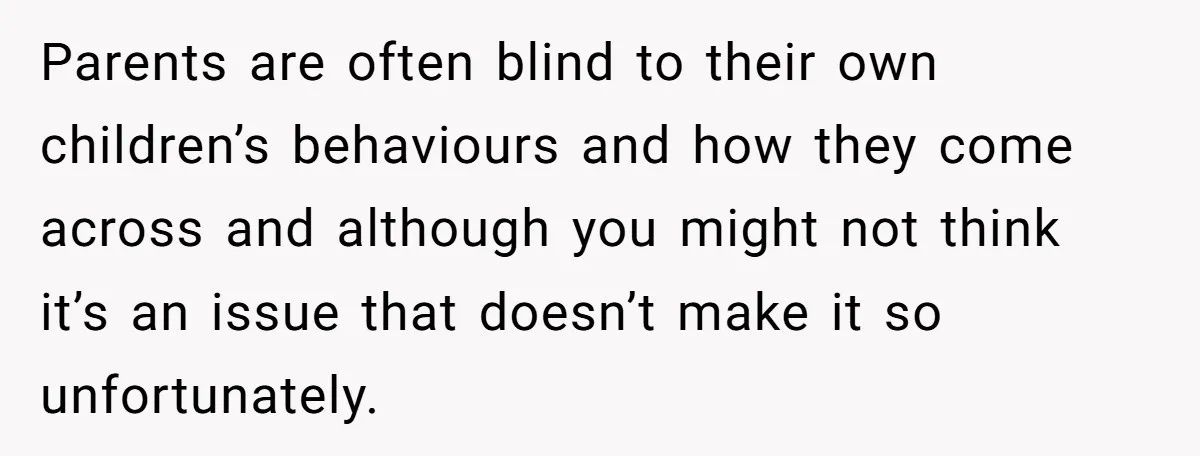
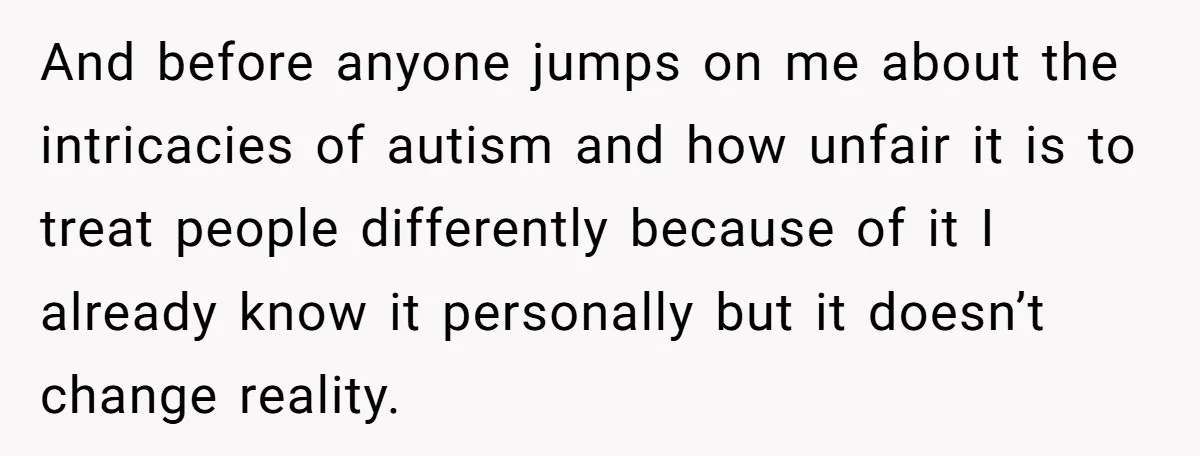
A few commenters were more blunt in their reactions.
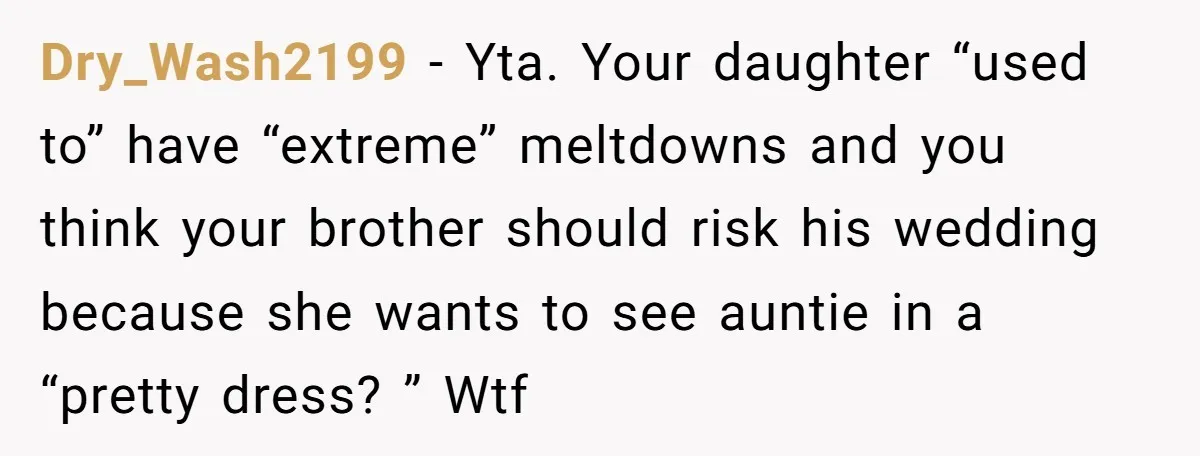
This situation revolves around trust, communication, and inclusion within a family. The mother chose to prioritize her daughter’s feelings after discovering the real reason behind the exclusion. The brother, meanwhile, may have been concerned about potential disruptions on his wedding day.
Was skipping the wedding justified once the truth came out? Should the brother have been more transparent from the beginning? And how should families handle events when there are concerns about special needs guests? Share your thoughts below.