
A married woman found herself questioning whether parenthood was truly what she wanted after her husband unexpectedly expressed a desire to have a child. Married young and without deep discussions about future family plans, the couple now faces a serious crossroads years later. The shift in expectations forced her to confront her own hesitations and fears about how a child would permanently reshape her life.
Rather than outright refusing, she proposed a structured set of conditions she believed were reasonable given the physical, emotional, and long-term consequences she would face. While her husband accepted most of these requirements, one demand became a breaking point. The disagreement sparked intense reactions online, with many questioning not just the condition itself, but whether a child should be part of this marriage at all.

‘AITA for not having a child until my husband agrees to my fourth requirement?’
The couple’s long marriage began without major conversations about parenthood.
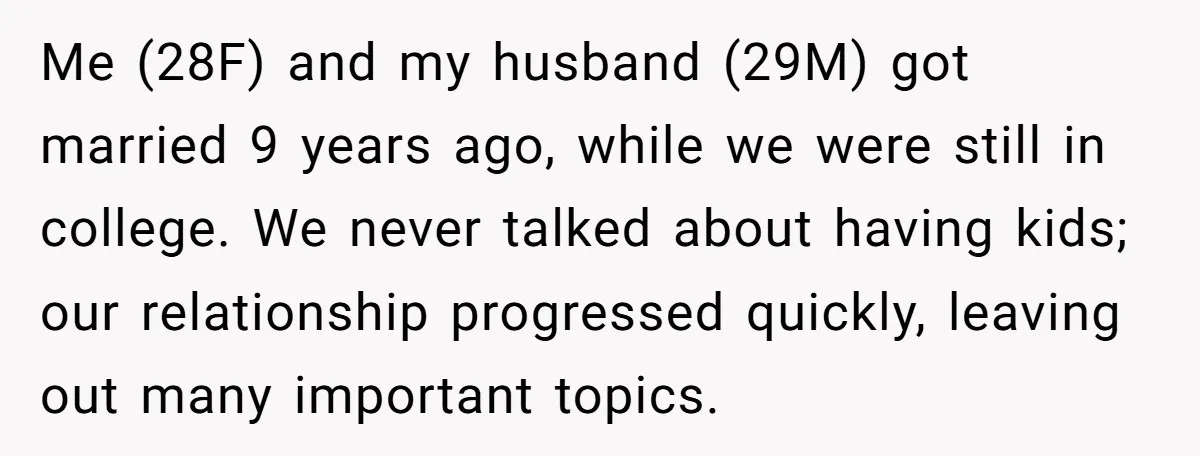
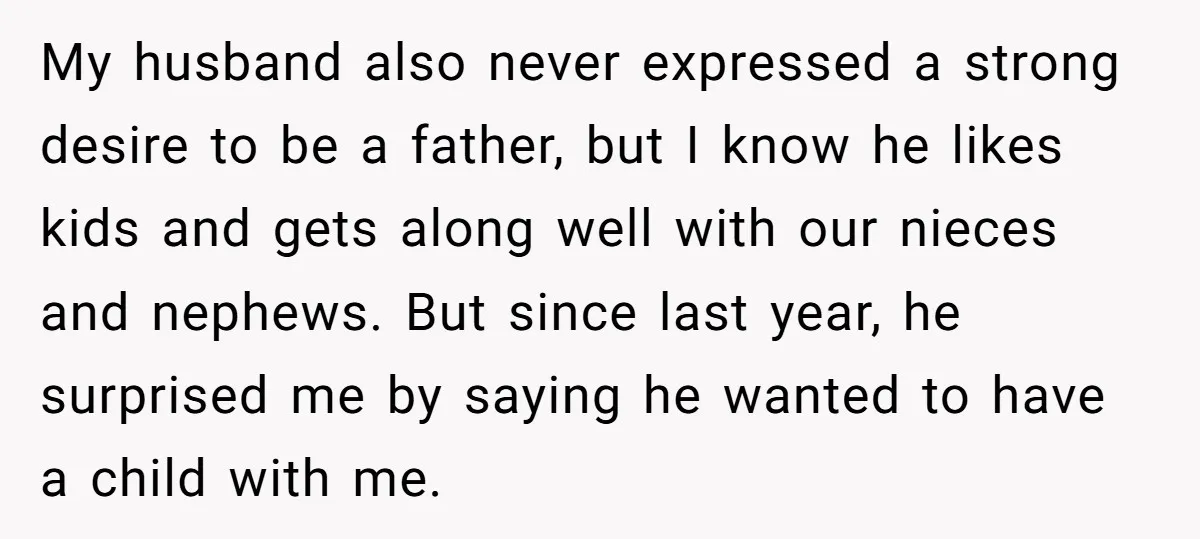
Uncertainty led to deep reflection and a list of firm conditions.
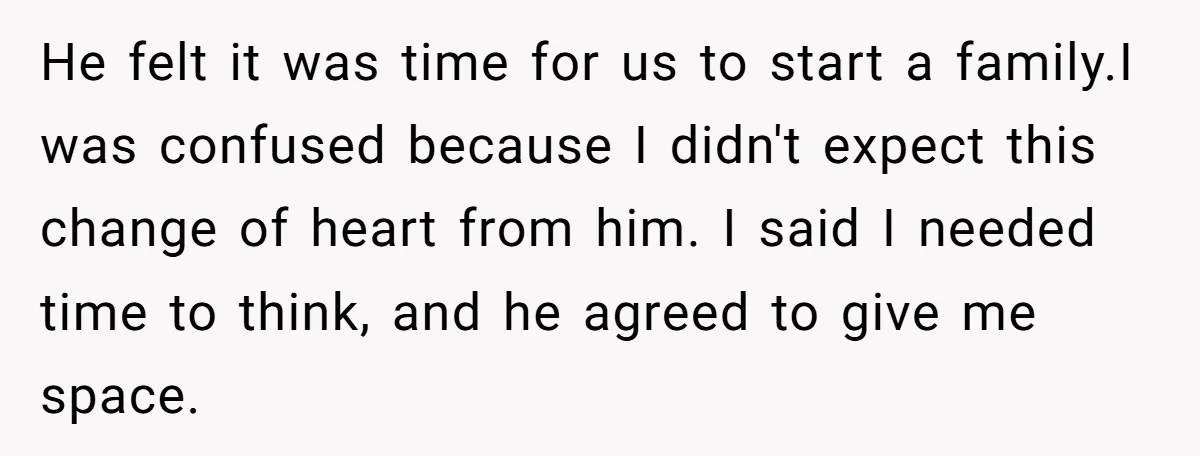
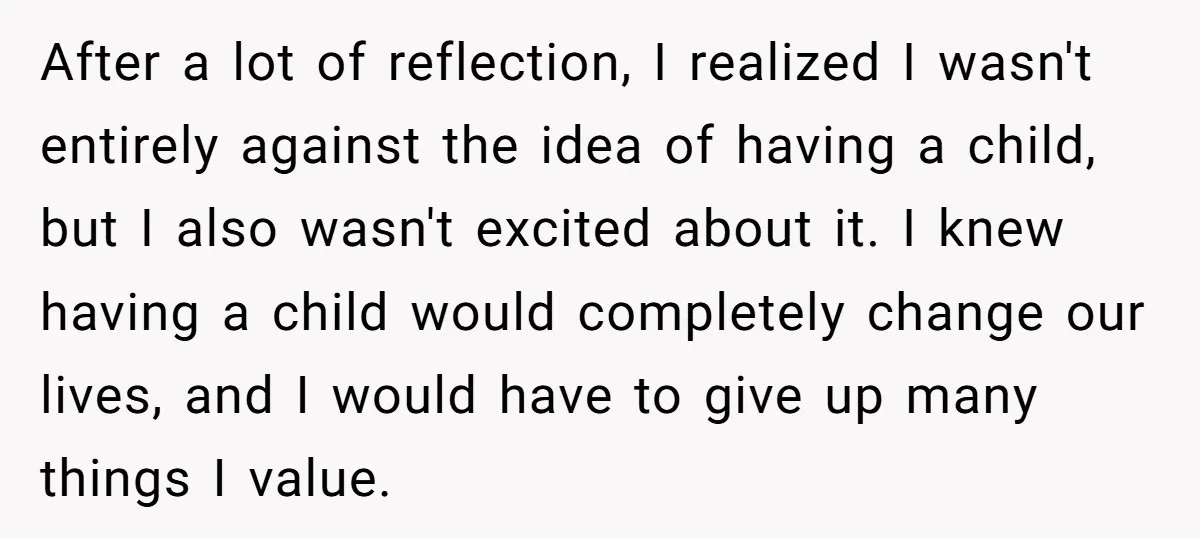
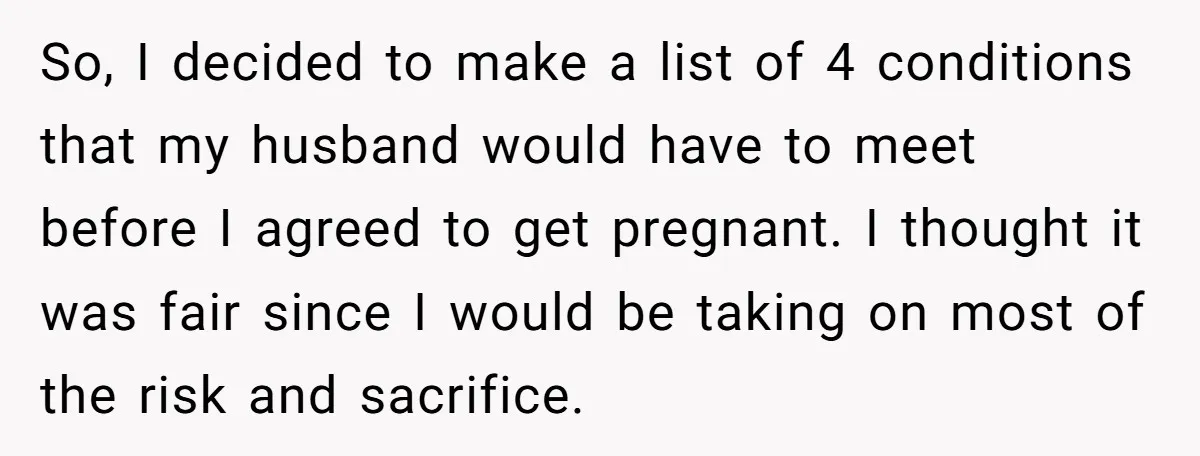
Agreement on most terms fell apart over one deeply personal requirement.
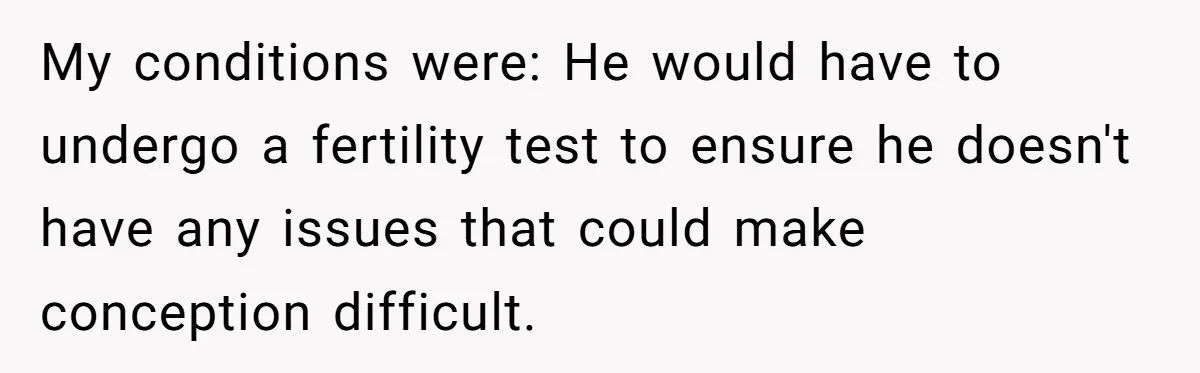
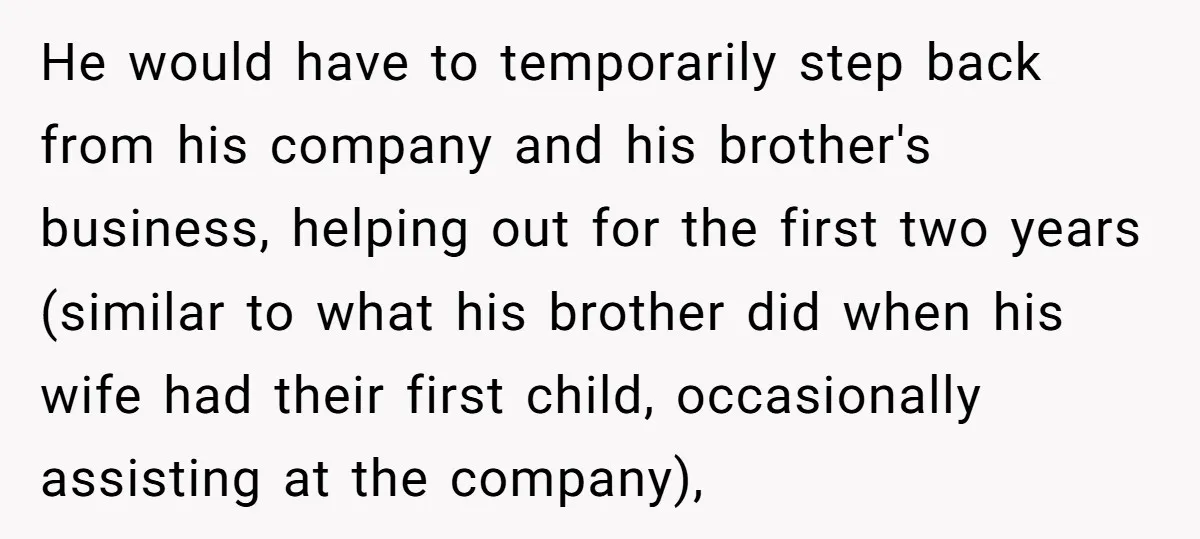
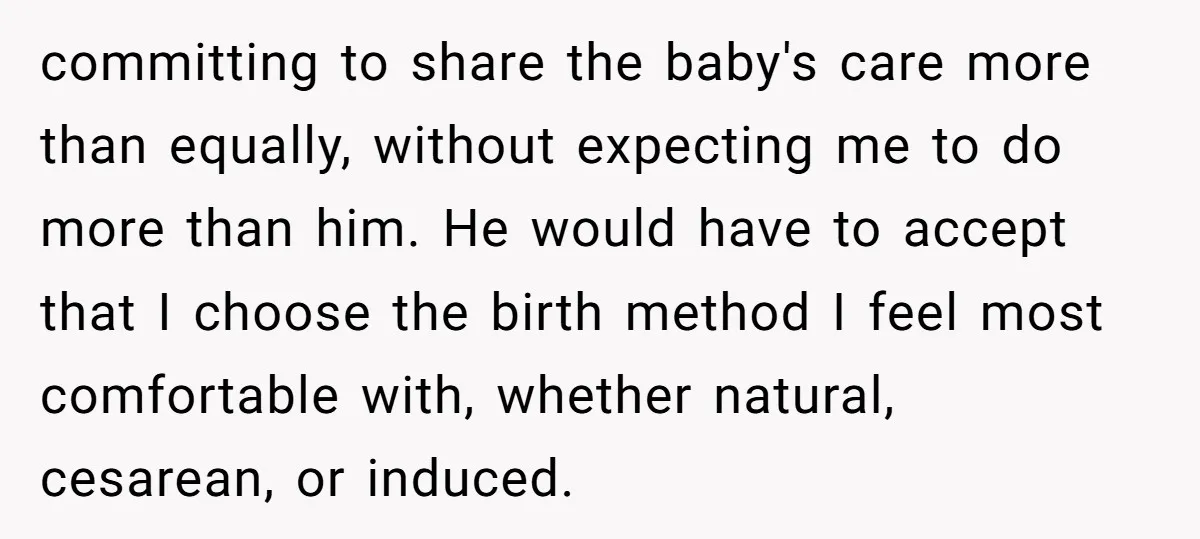
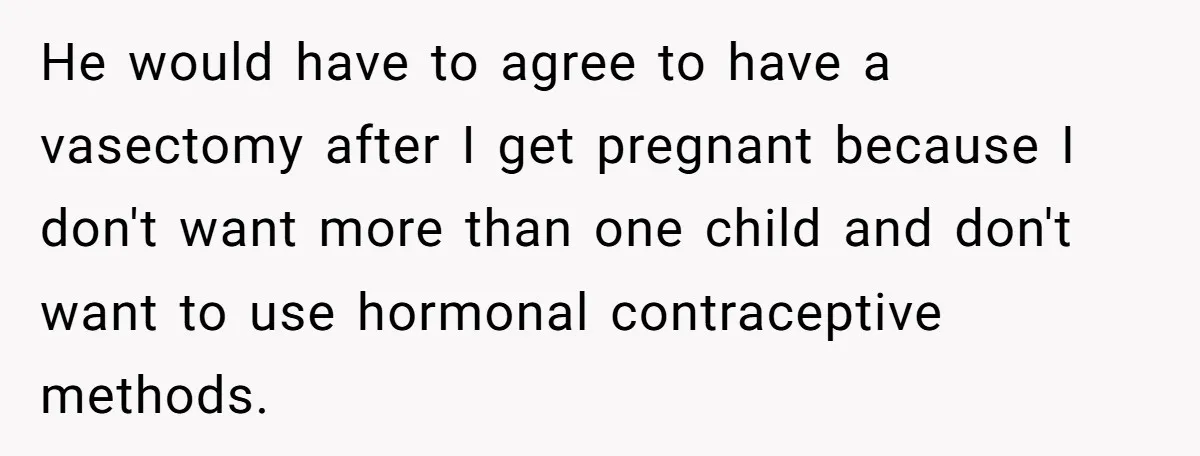
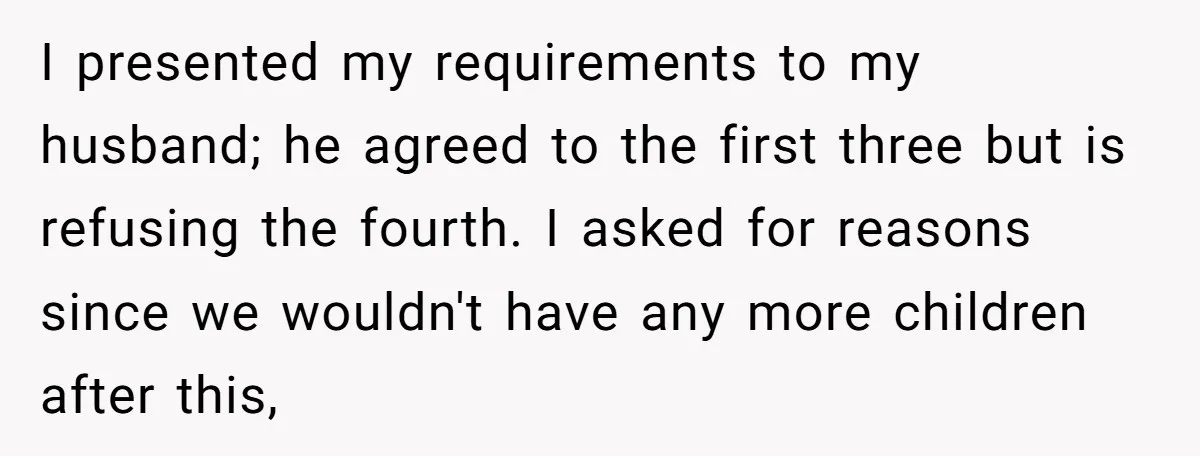
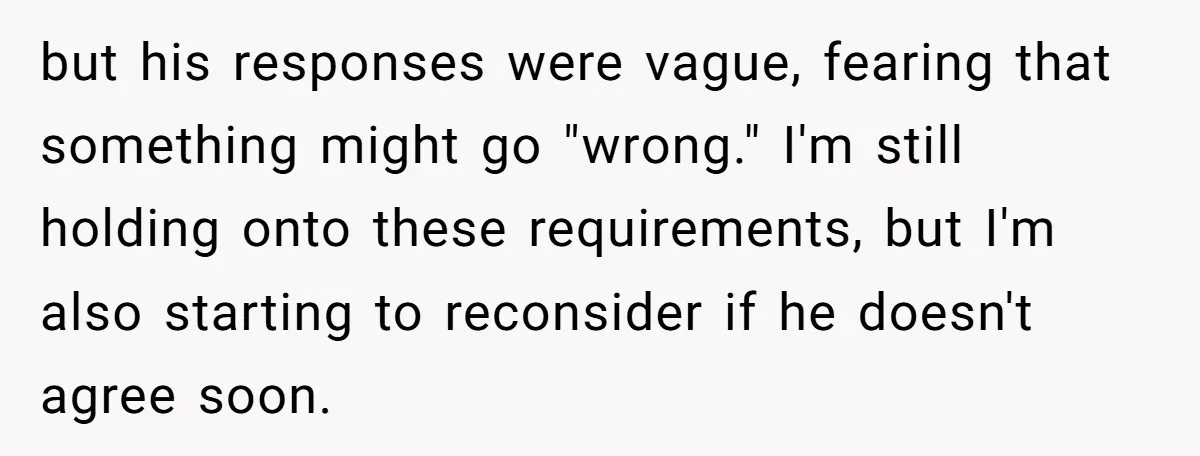
This situation reflects a deeper issue than a single medical procedure. At its core, the disagreement reveals long-standing gaps in communication about family planning, personal autonomy, and future expectations. Both partners are reacting not only to the present disagreement, but to years of unspoken assumptions.
From one perspective, the woman’s conditions stem from a desire for control over a life-altering decision. Pregnancy, childbirth, and early childcare disproportionately affect women, and her requirements reflect an attempt to balance that reality. Her hesitation also signals that she may not be emotionally ready for parenthood, which is a critical consideration often overlooked in marital compromises.
On the other hand, the husband’s refusal highlights concerns about bodily autonomy and irreversible decisions. A vasectomy represents permanence, and his fear of unforeseen circumstances—divorce, loss, or regret—cannot be dismissed. Socially, this conflict underscores how couples who delay essential conversations may find themselves negotiating parenthood like a contract rather than a shared vision, increasing the risk of resentment for both partners and any future child.
Check out how the community responded:
Many users criticized the poster, expressing concern about her true intentions regarding motherhood.
![[Reddit User] − You clearly don't want a child, so don't have one. Go read some stories about regretful parents and maybe that'll make you wake up.](https://loknam.com/aita/images/2eec42a752/wp-editor-1770449643433-1.webp)


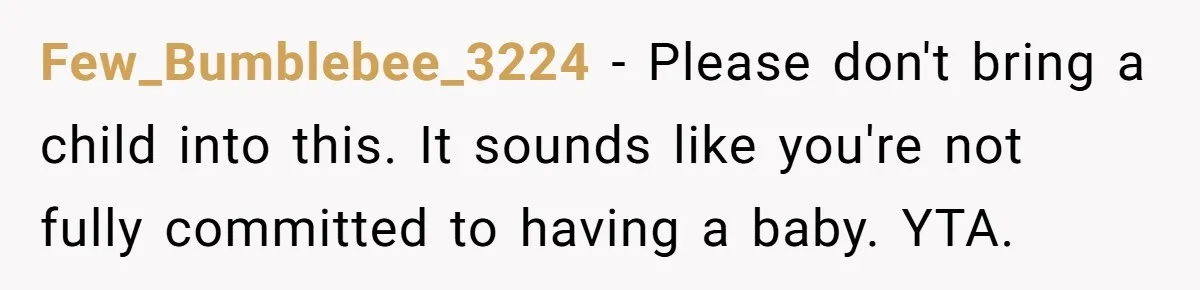

Some commenters offered critical but more reflective takes on the relationship dynamics.
![[Reddit User] − *I don't want more than one child and don't want to use hormonal contraceptive methods. * What are you using now?](https://loknam.com/aita/images/2eec42a752/wp-editor-1770449679479-1.webp)

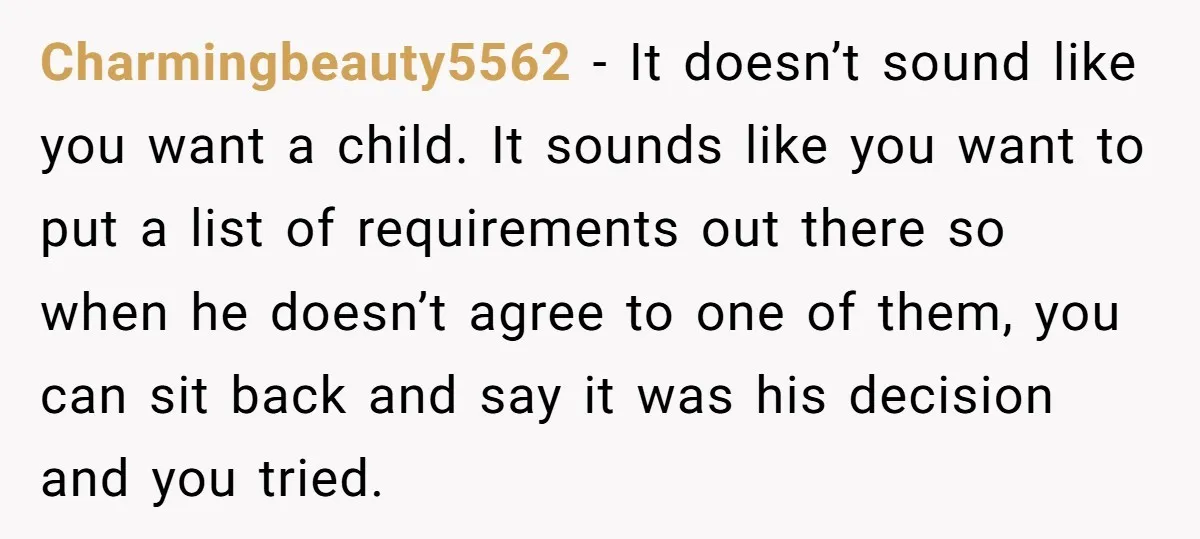
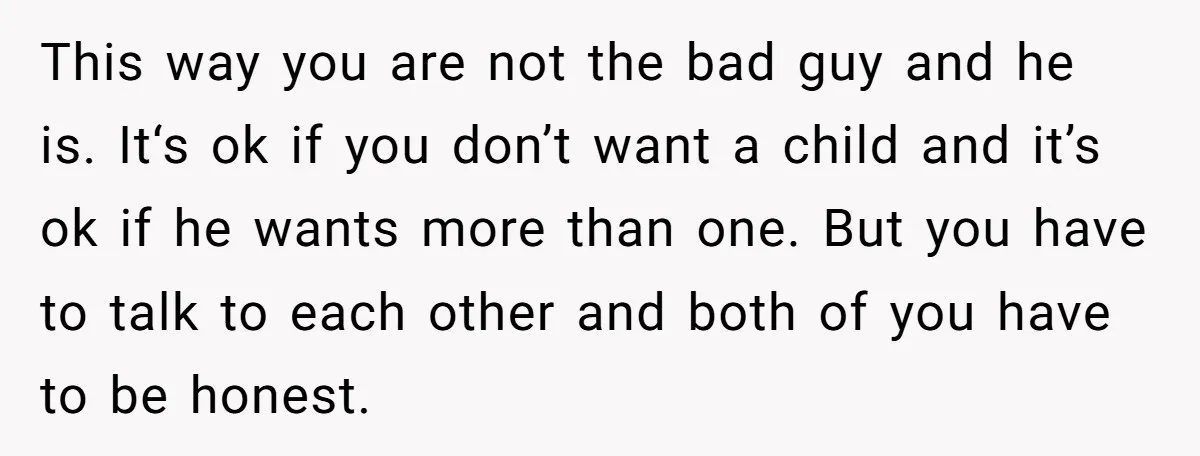
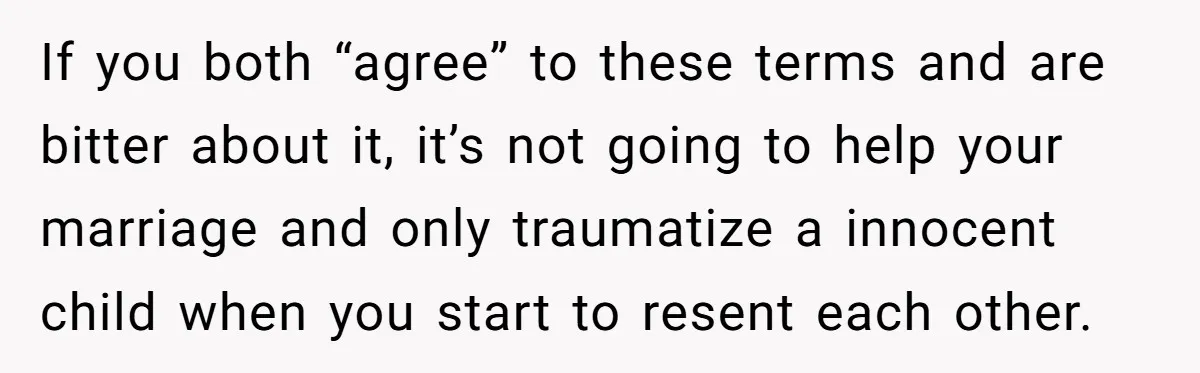
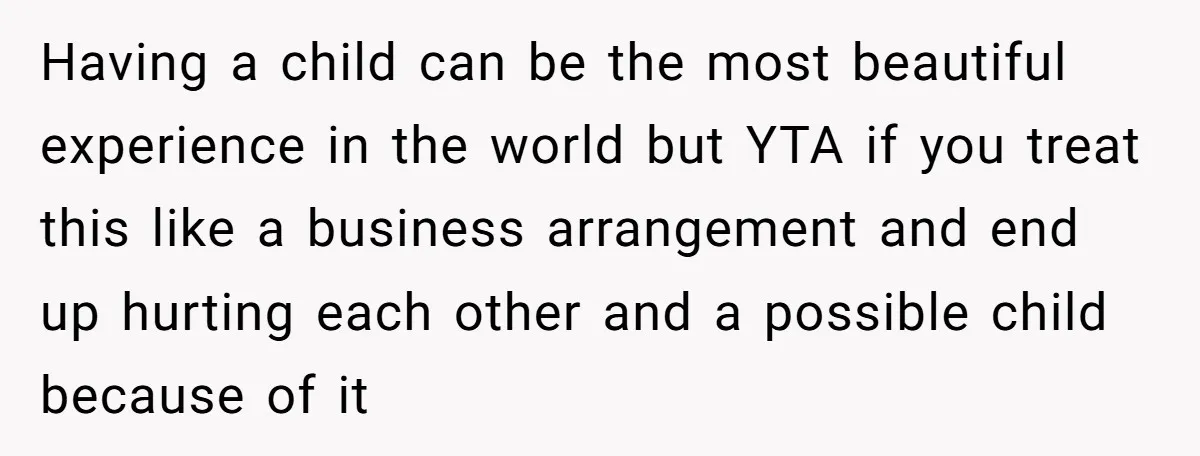
Others reacted with blunt or dark humor to the situation.

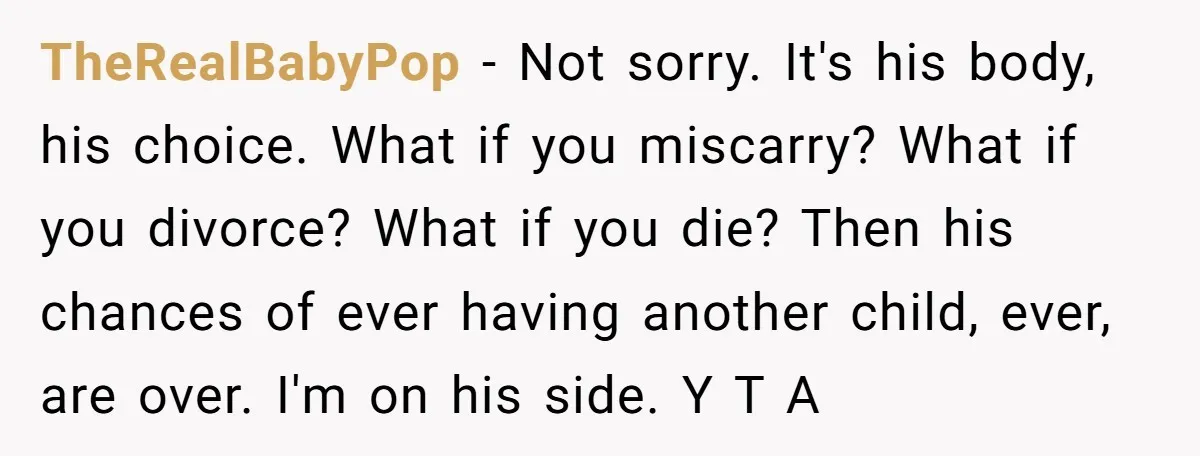
This story highlights how unresolved expectations can resurface years into a marriage, especially when decisions carry permanent consequences. The disagreement is less about one requirement and more about readiness, honesty, and shared vision for the future.
Should couples reconsider parenthood if enthusiasm is one-sided? Where should the line be drawn between compromise and personal autonomy? Readers are encouraged to reflect on whether structured conditions help protect individuals—or simply postpone difficult truths.