
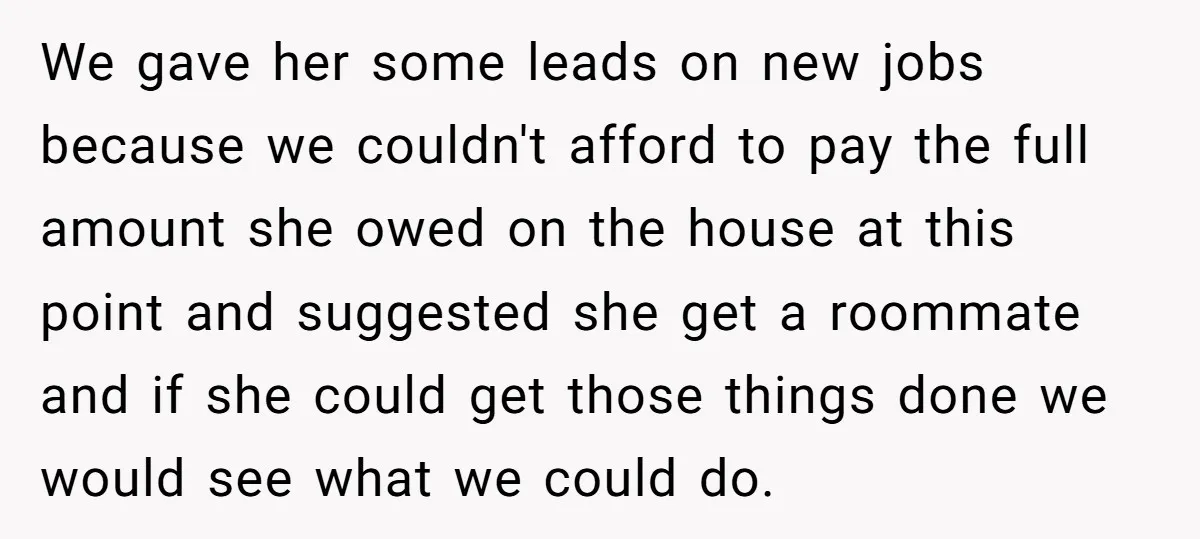
A couple proudly co-signed a mortgage to help their 27-year-old daughter buy her first home, even splurging on a washer and dryer despite their modest means. They checked in regularly, especially after she switched jobs, and she insisted everything was fine. Then their own credit scores dropped from late payments on her loan. She blamed a bank mix-up, but months later the truth emerged: she was six months behind after quitting her job without a backup plan—and hadn’t told them.
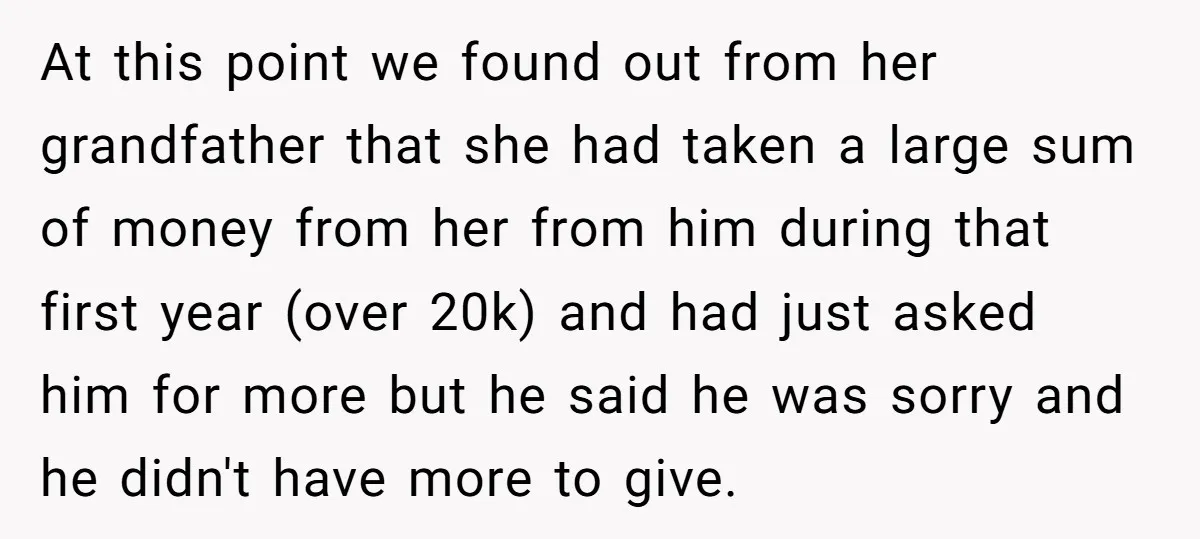
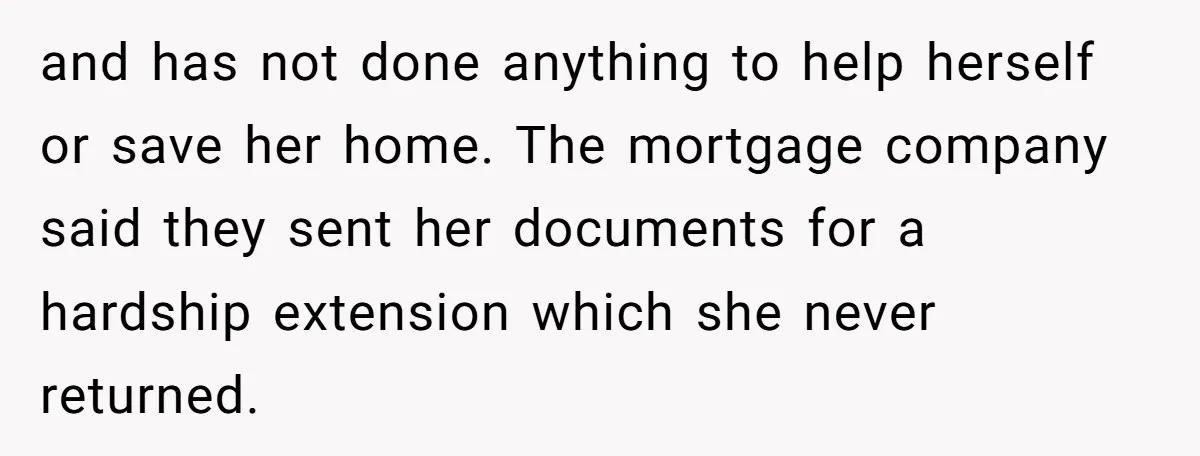
Further digging revealed she’d secretly borrowed over $20,000 from her grandfather and asked for more. She ignored hardship options from the lender, rejected roommate ideas, and barely pursued job leads they provided. Faced with the risk of draining their retirement to cover her debts—while she continued lying—the parents chose not to step in financially. The house was sold, clearing their names, but she cut contact briefly before slowly reopening communication. Were they wrong to protect themselves?

‘AITA for not helping my daughter to save her house?’
The support started with good intentions years ago:
Her explanations didn’t hold up under scrutiny:

The pattern of secrecy grew clearer:

More family involvement exposed deeper issues:
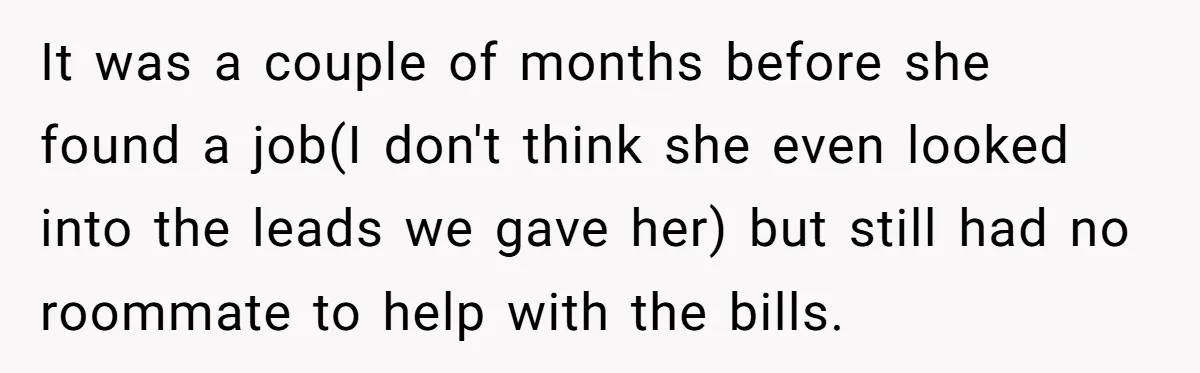

The final choice came down to self-protection:

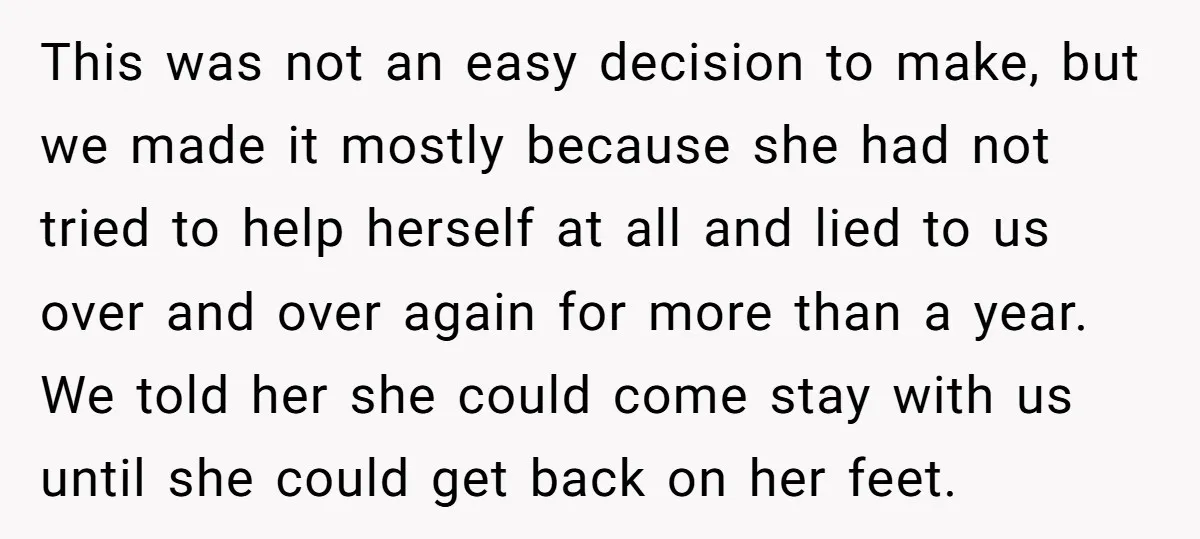



Co-signing a loan for an adult child is a generous act, but it ties your financial health directly to theirs. Here, the parents discovered repeated deception—hidden job loss, missed payments, secret large loans from another family member—over more than a year. Protecting retirement savings and personal credit was reasonable when the daughter showed no serious effort to fix her situation (ignoring hardship forms, rejecting roommate suggestions, minimal job pursuit).
From the daughter’s side, embarrassment or deeper struggles (possible addiction, mental health issues, or poor impulse control) might explain the secrecy and inaction. Shame spirals can paralyze people from asking for help early, leading to worse lies and consequences. Yet as an adult, she bears primary responsibility for her finances—parents aren’t obligated to rescue every misstep, especially when it jeopardizes their own security.
Family dynamics experts often stress that enabling chronic irresponsibility through unlimited bailouts can prolong problems rather than solve them. Financial therapist Bari Tessler notes: “Money issues are often emotional issues in disguise. Boundaries around finances protect relationships by forcing accountability.” (Adapted from her work on money and relationships). Here, refusing to drain retirement forced consequences without abandoning emotional support—offering a place to stay showed care without enabling.
Practical steps: Secure personal finances (monitor credit, freeze accounts if needed), seek counseling for family communication, and encourage professional help if addiction or mental health seems likely (without funding it directly). The olive branch is wise—rebuilding trust takes time and her willingness to own mistakes. Parents did right by prioritizing long-term stability over short-term rescue; true help sometimes means letting someone face reality so they can grow.
Here’s how people reacted to the post:
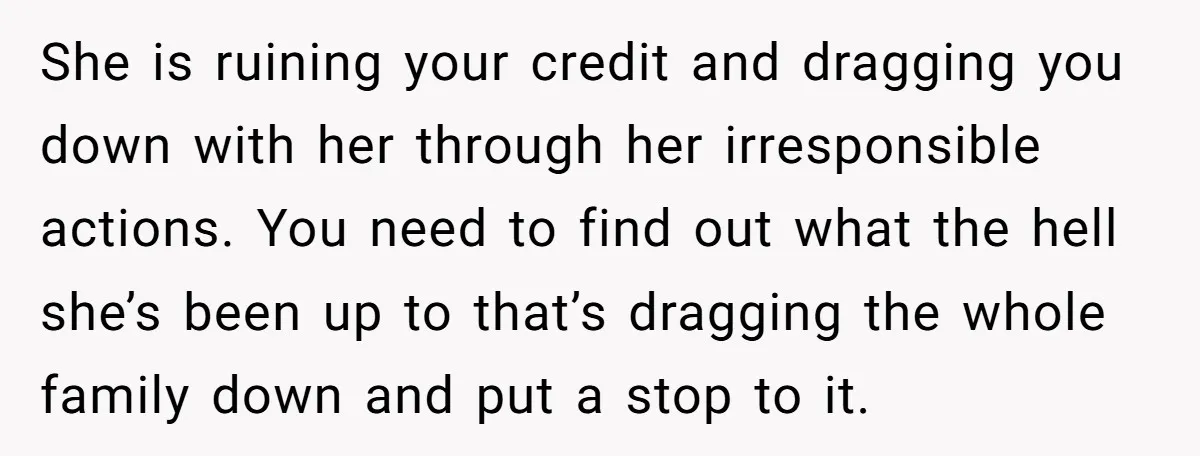
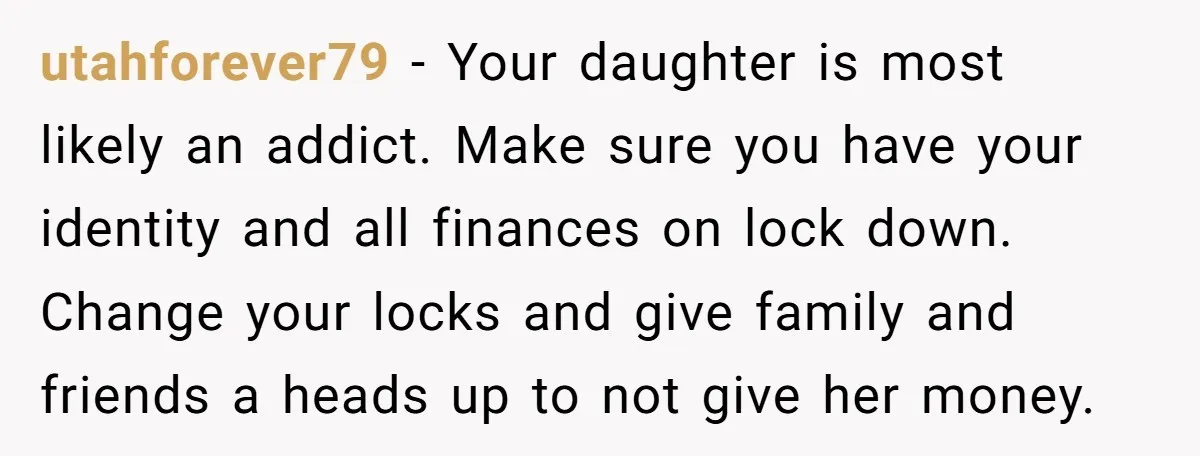
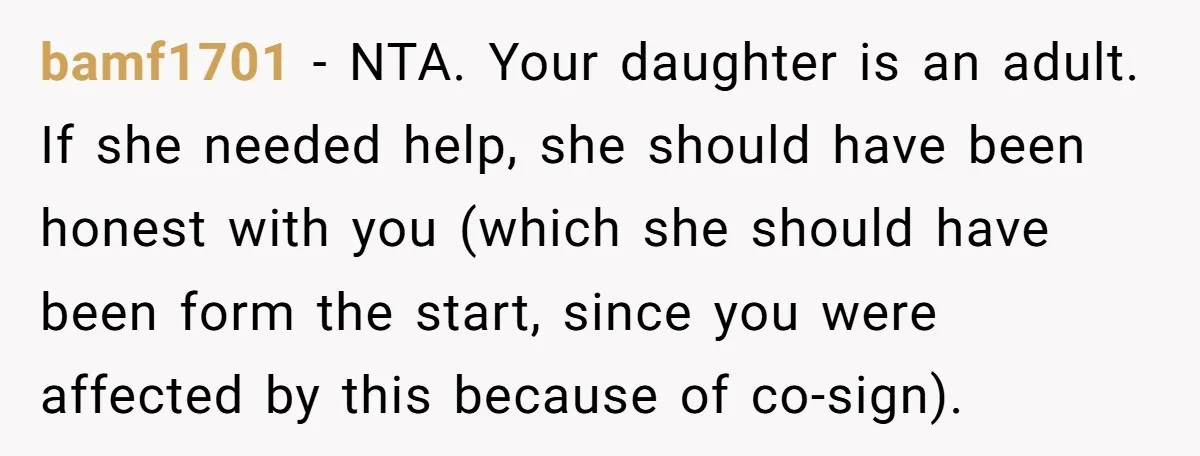
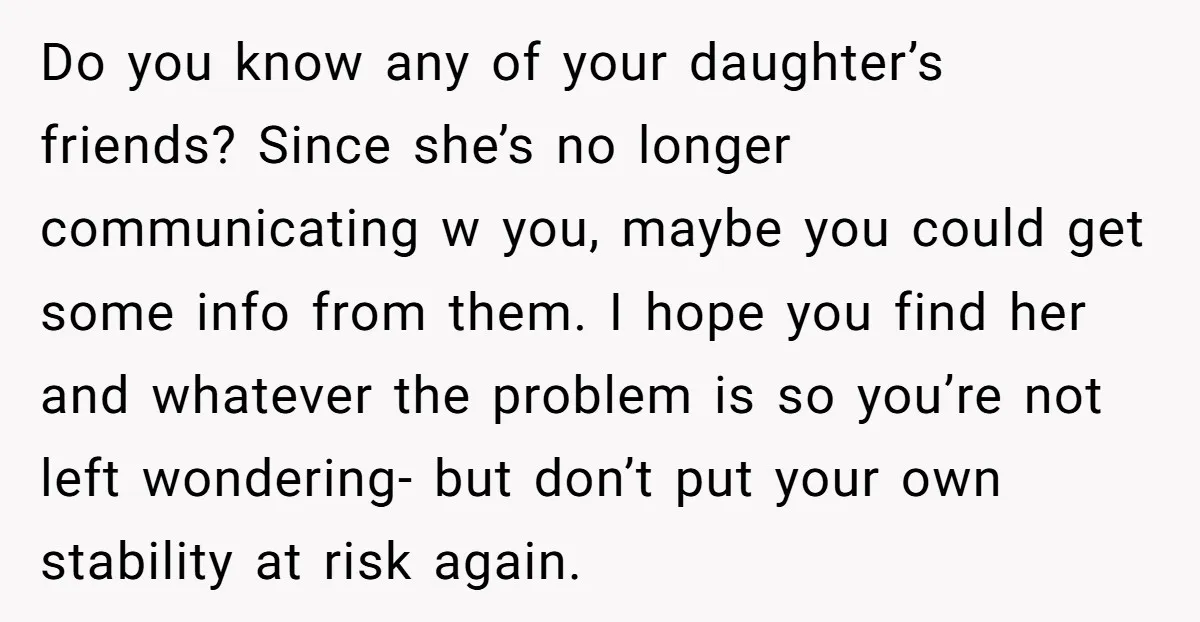
Commenters overwhelmingly supported the parents, focusing on accountability and red flags:
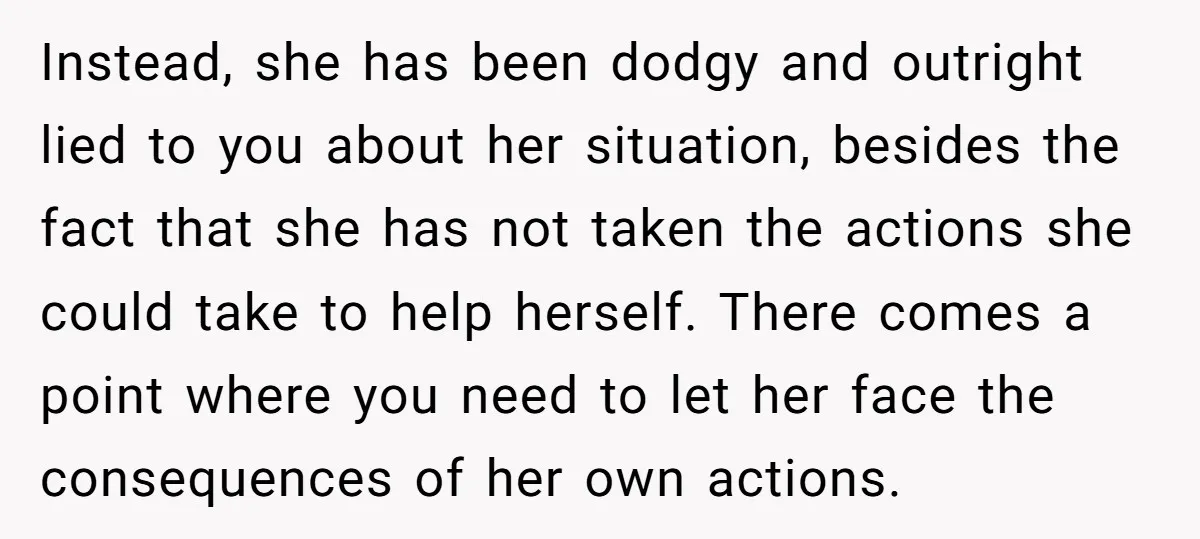
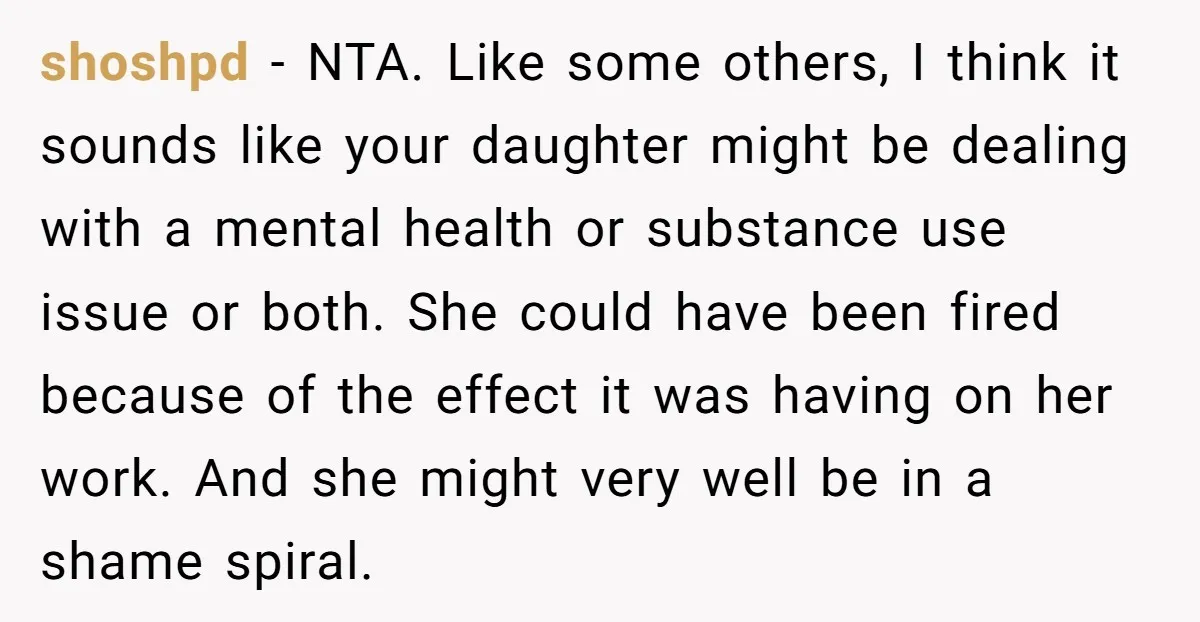
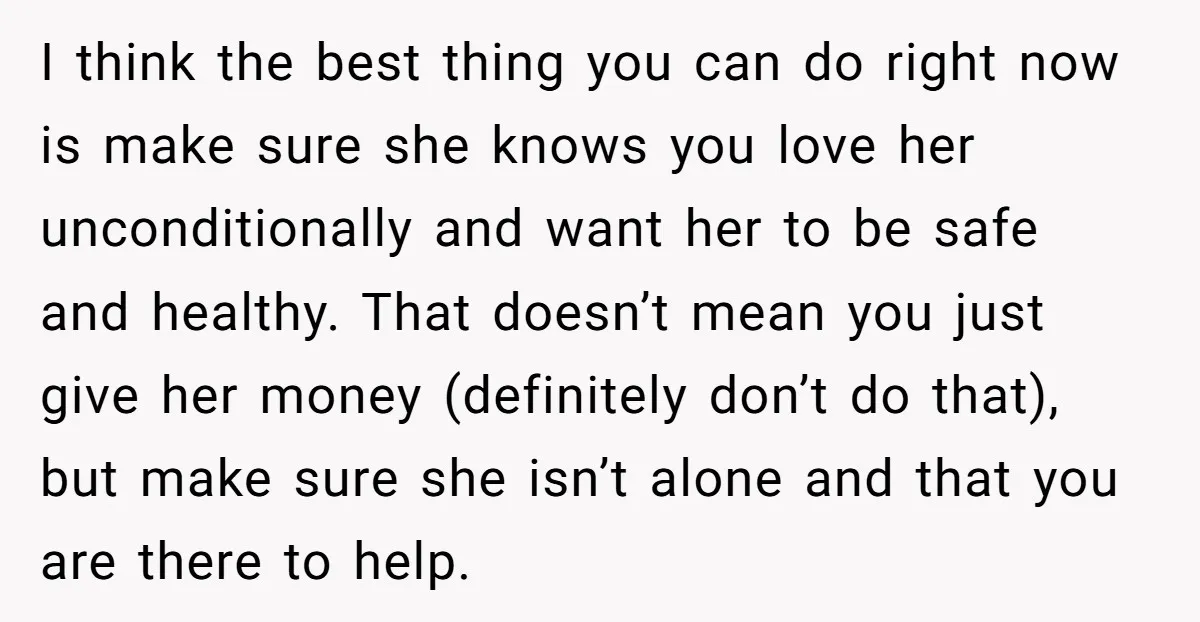
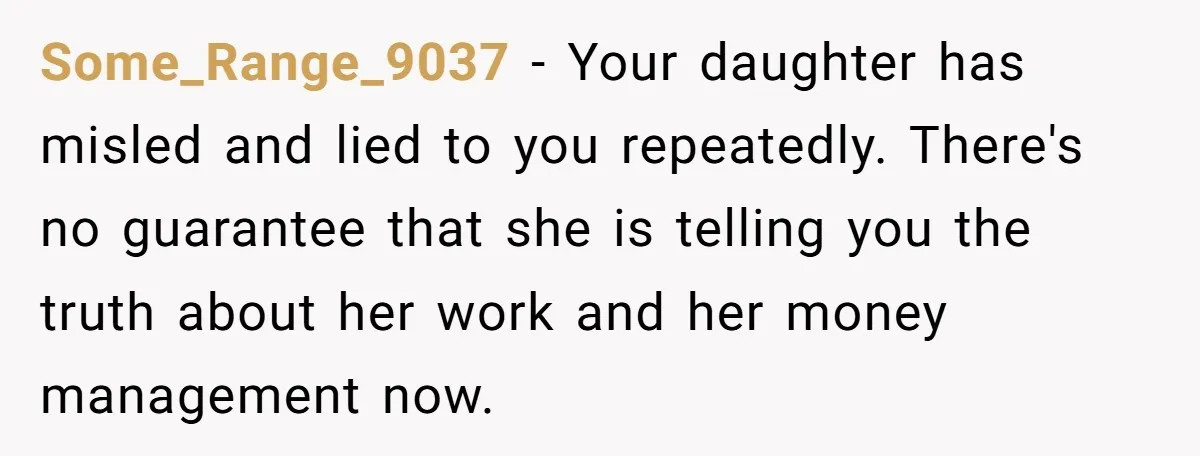
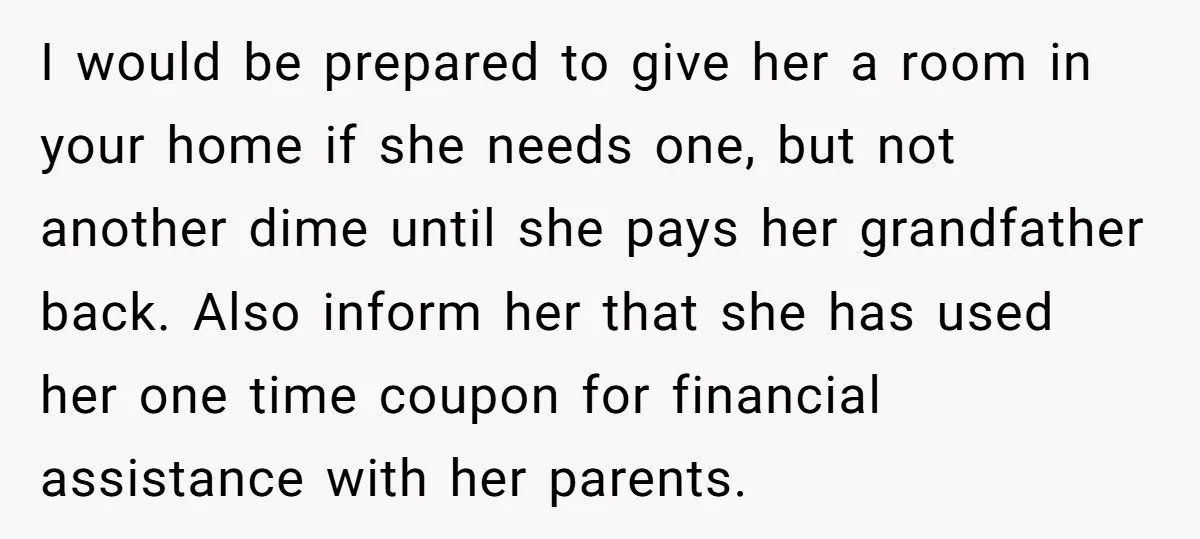
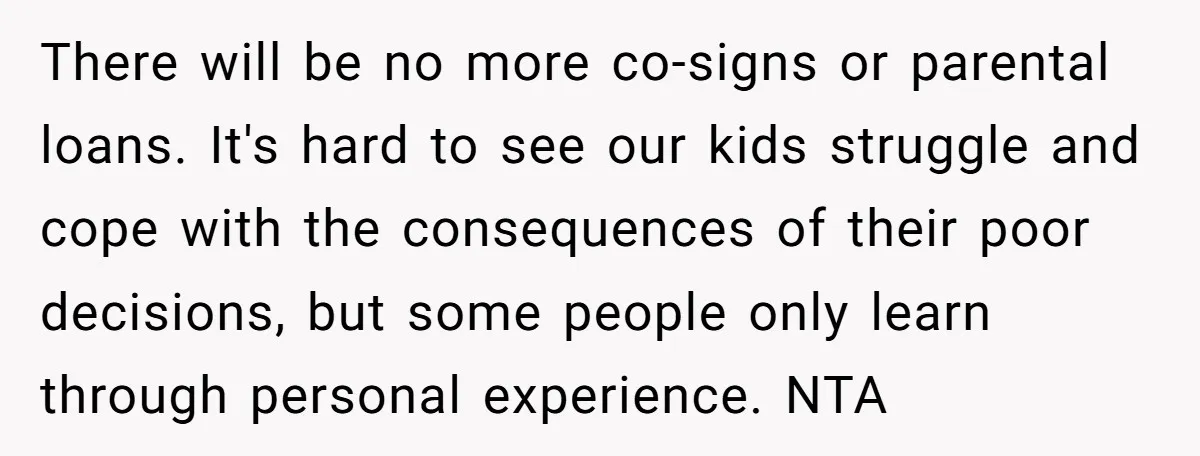
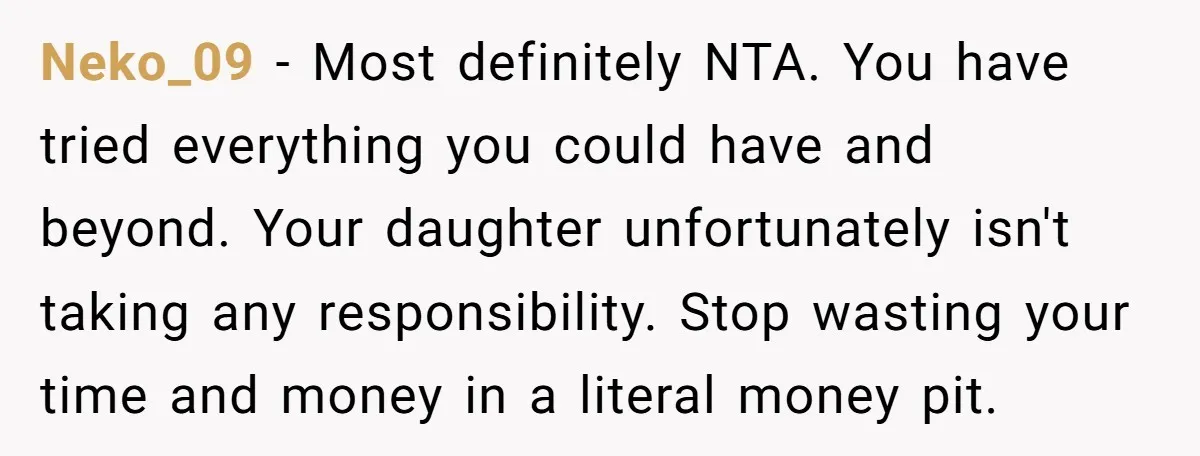
Most called the decision NTA, citing the daughter’s lies and lack of effort:













This painful situation shows how quickly family financial help can turn sour when honesty and effort vanish. The parents gave generously—co-signing, appliances, job leads—but drew the line at sacrificing their retirement after repeated lies and inaction. Letting her face consequences while offering a place to stay balanced tough love with care.
Do you think they should have done more, or was protecting themselves the right call? Have you dealt with a loved one’s hidden financial troubles or addiction signs? Share your experiences below.