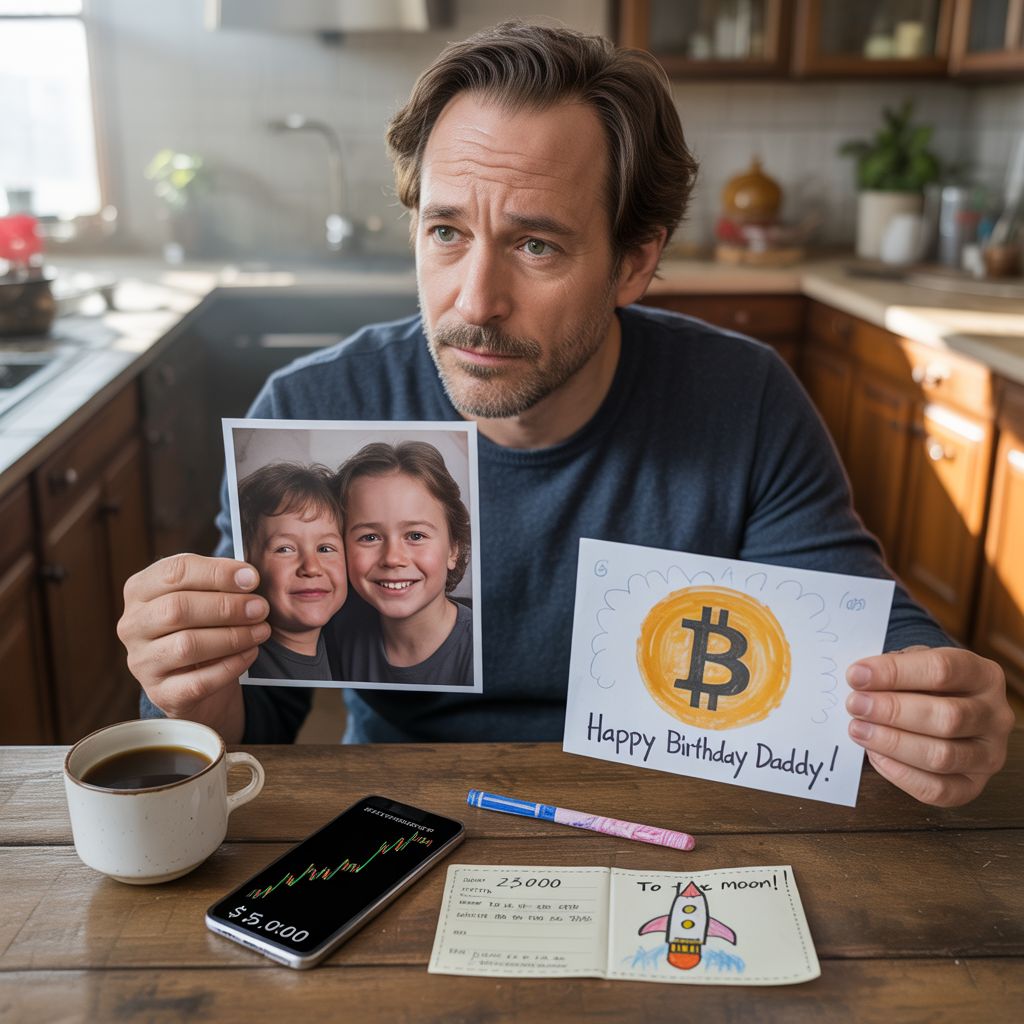
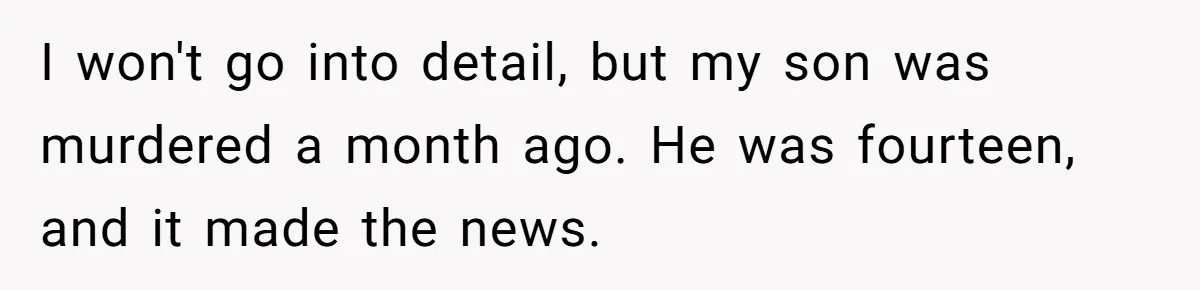
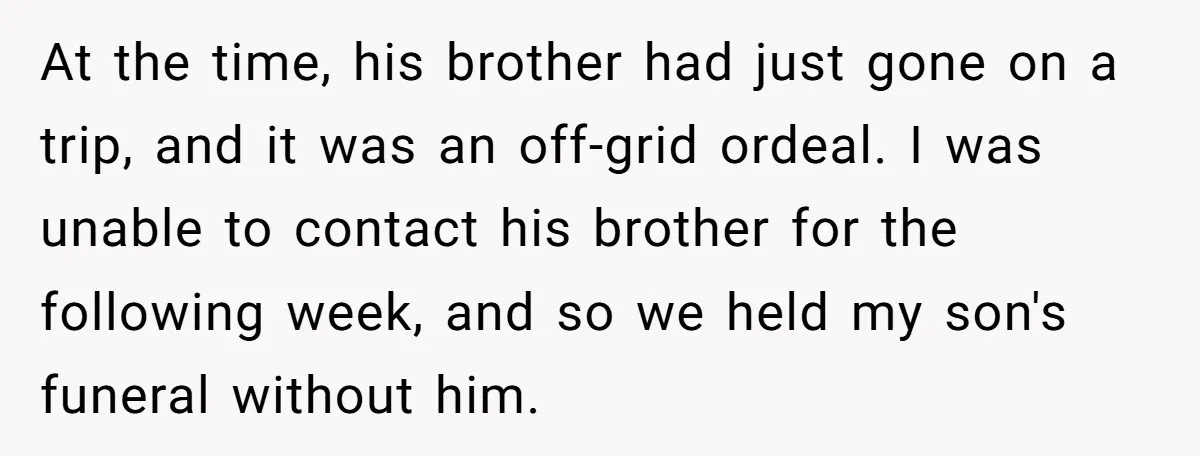
A grieving father faced an impossible decision after the tragic death of his adopted son. The boy, who was only fourteen, had been part of the family for four years, though he remained close to his older brother who had aged out of the foster system earlier. When the tragedy occurred, the brother happened to be on a remote off-grid trip, leaving the family unable to reach him during the days following the loss.
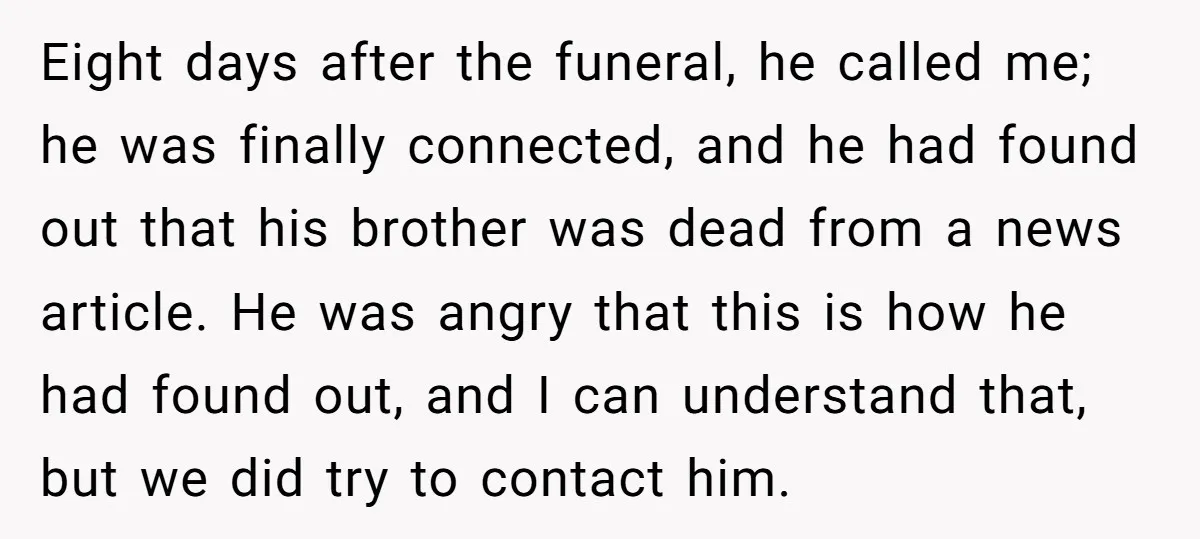
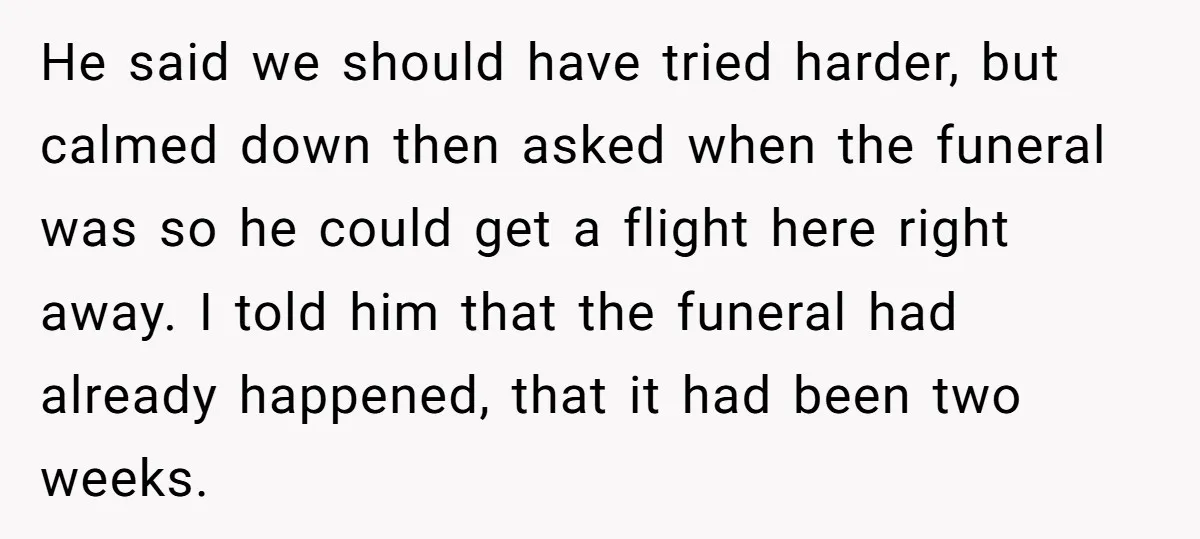
With no clear way to contact him and funeral arrangements already underway, the parents chose to move forward with the service. Weeks later, the older brother finally regained connection to the outside world and learned about the death through a news article. Discovering that the funeral had already taken place left him devastated and angry. Now the father wonders whether holding the funeral without waiting was a mistake.
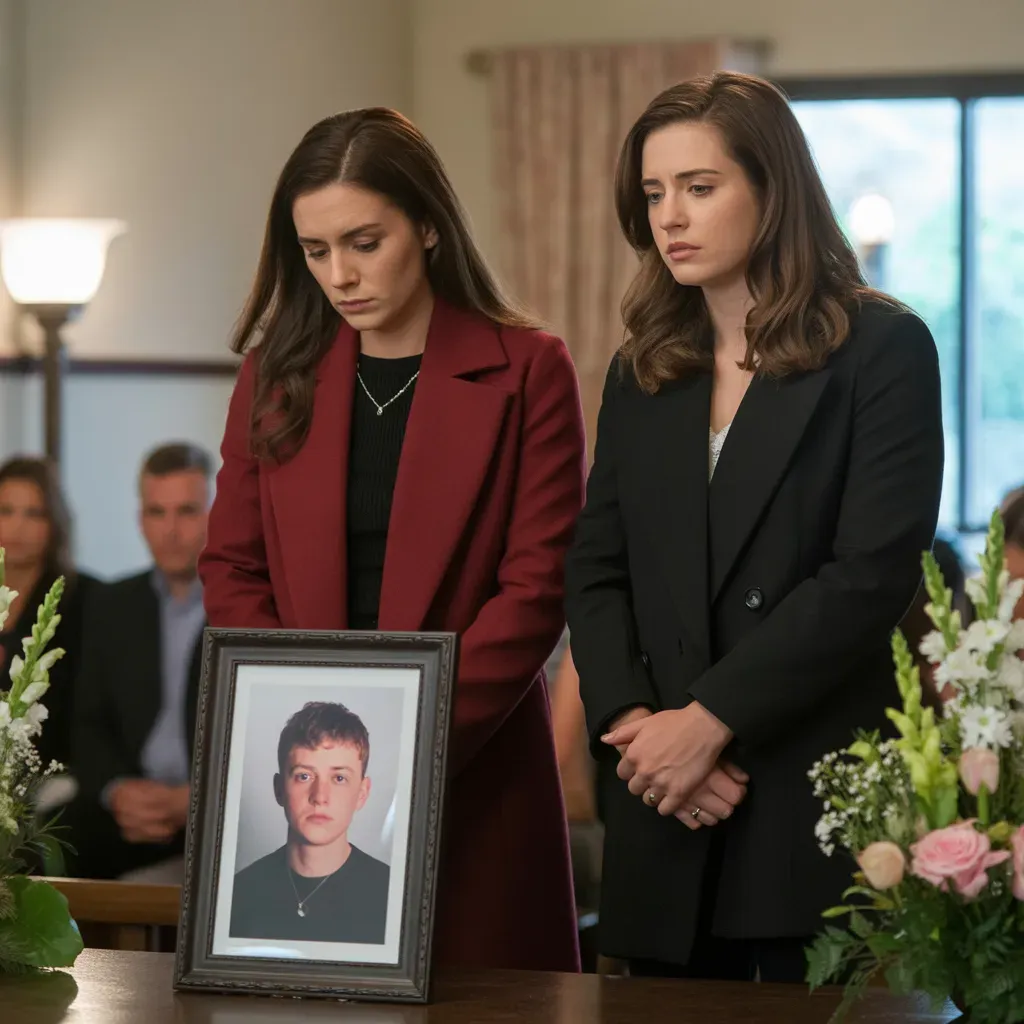
‘AITA for not inviting my son’s brother to his funeral?’
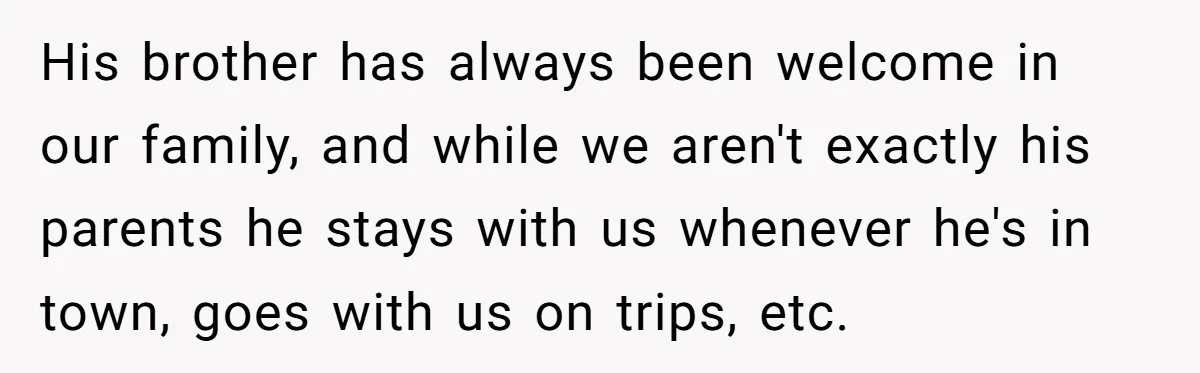
The father explained that his adopted son had remained close with his older brother.
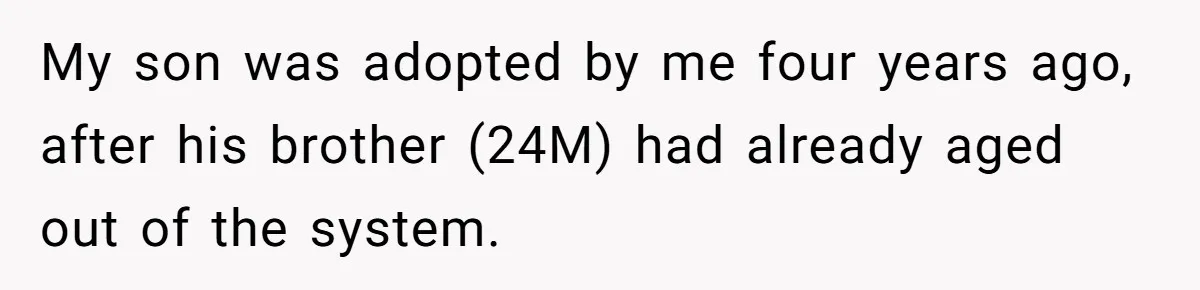
Then tragedy struck when the father’s teenage son was killed.
The situation escalated when the older brother eventually learned the news and reacted with grief and anger.
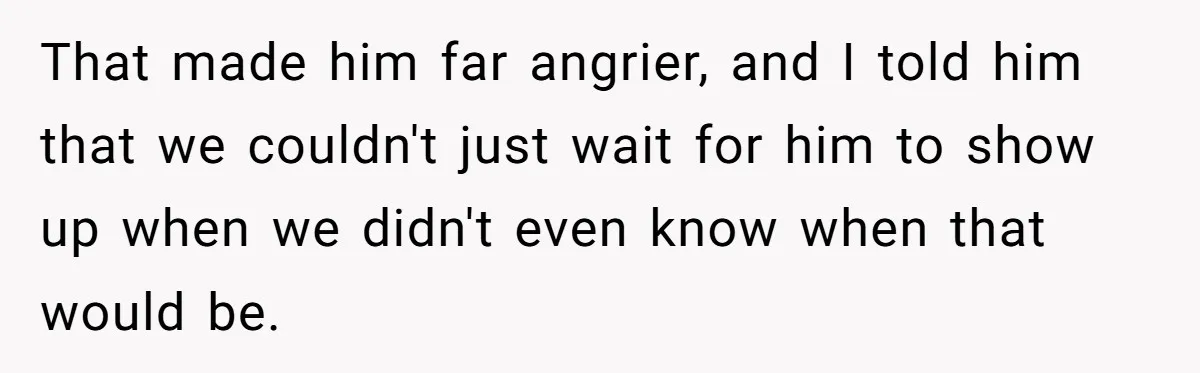
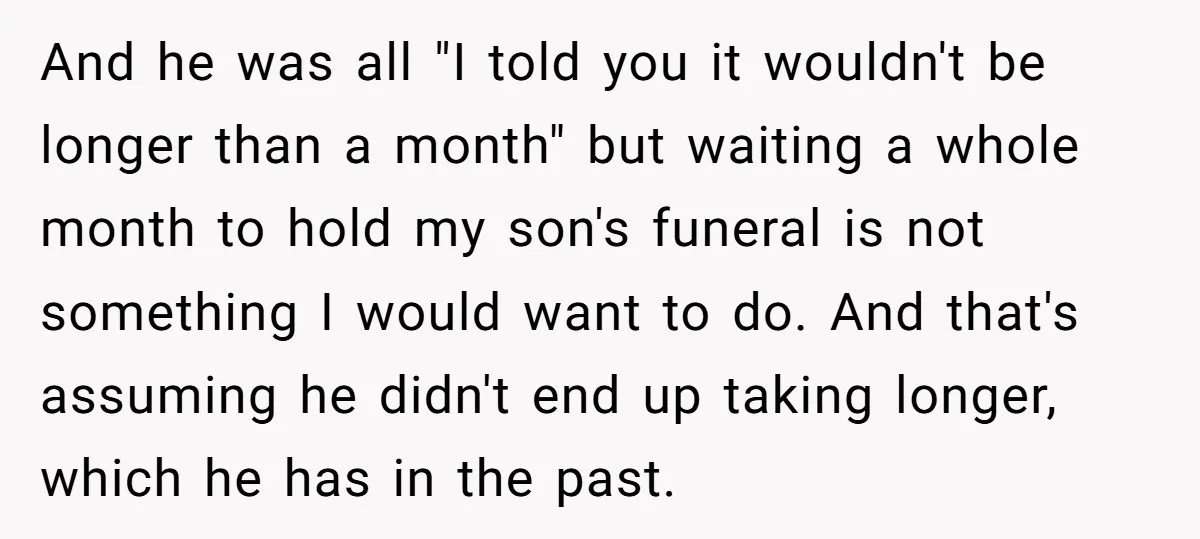
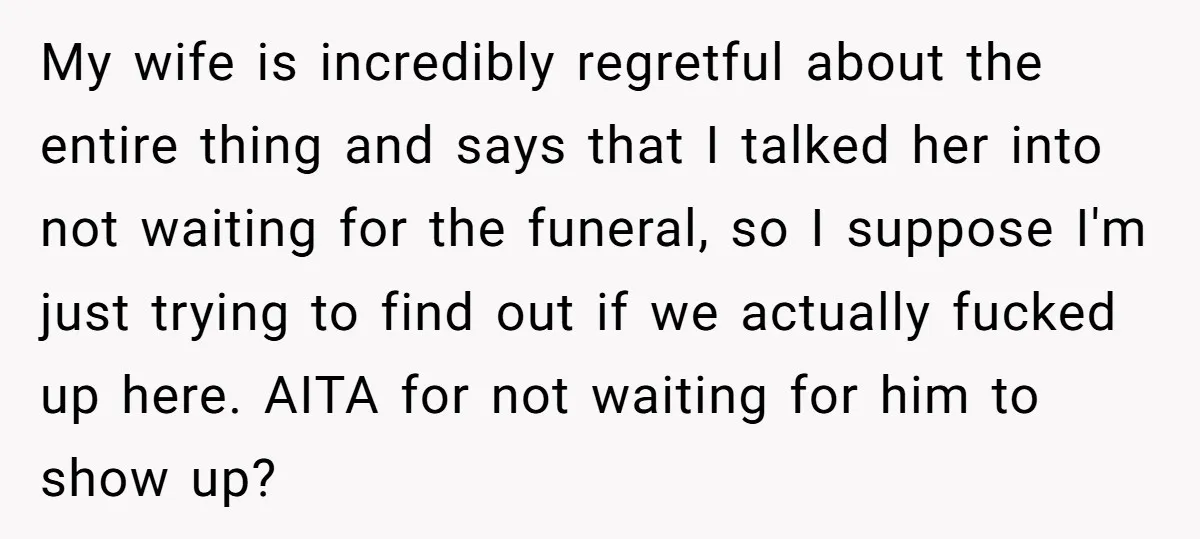
Funerals often serve two purposes: honoring the person who passed away and helping the living process grief together. When tragedy occurs suddenly, families must make decisions quickly, often while still in shock. The father in this situation faced a painful dilemma. With the older brother unreachable during an off-grid trip and no clear timeline for his return, the parents chose to proceed with the funeral rather than delay the ceremony indefinitely.
From a practical perspective, funerals are usually held within a limited timeframe for logistical, cultural, and emotional reasons. Many families feel that waiting weeks or months could prolong the grieving process or complicate arrangements. In situations where a key person cannot attend, families sometimes move forward with burial services and plan additional memorial gatherings later so loved ones can still participate in remembrance.
At the same time, the older brother’s reaction reflects a different kind of grief. Discovering his sibling’s death through a news article and realizing he missed the chance to say goodbye could feel deeply isolating. Anger often appears in early stages of grief, particularly when someone feels excluded from a final moment of closure. While the parents were coping with their own devastating loss, the brother was also confronting a sudden absence in his life. Situations like this highlight how grief can create conflicting needs among people who are all hurting at the same time.
See what others had to share with OP:
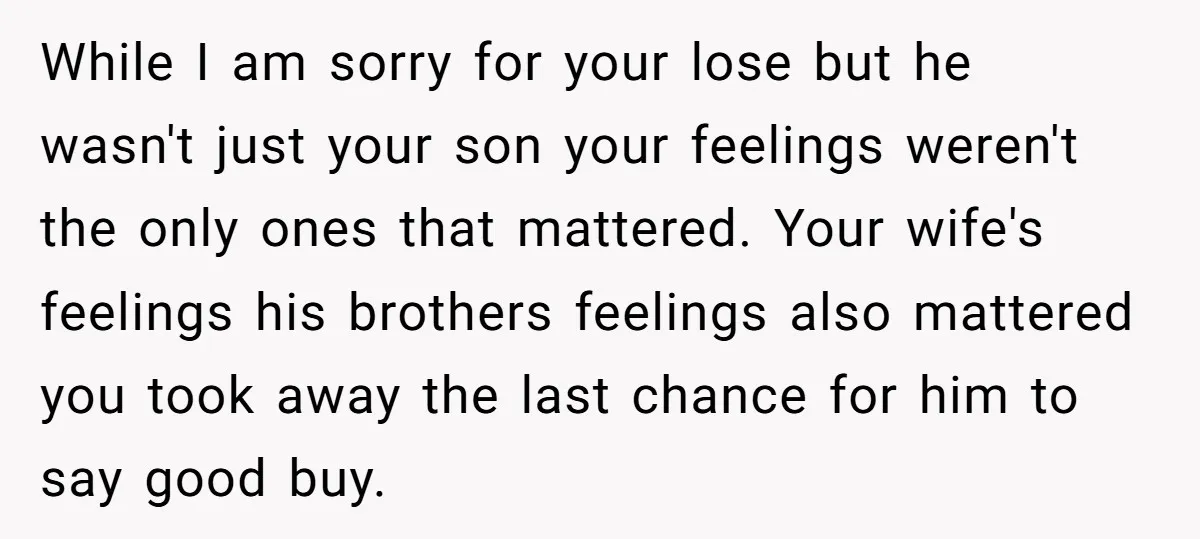
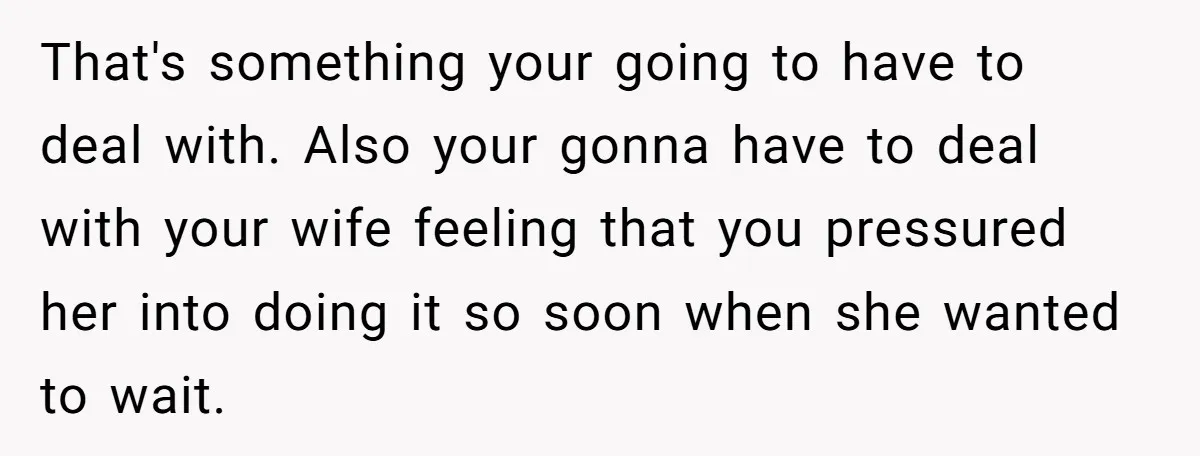
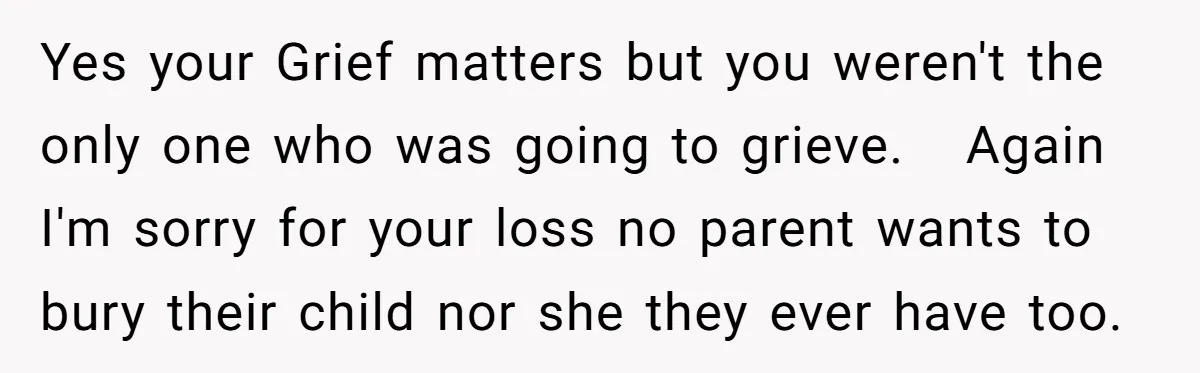
Many commenters expressed sympathy and believed the father made a reasonable decision.
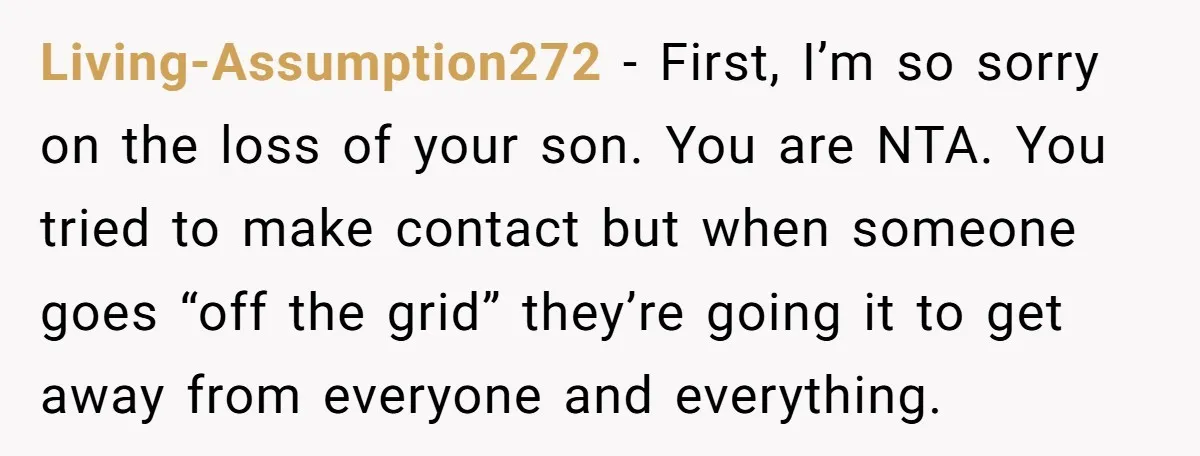
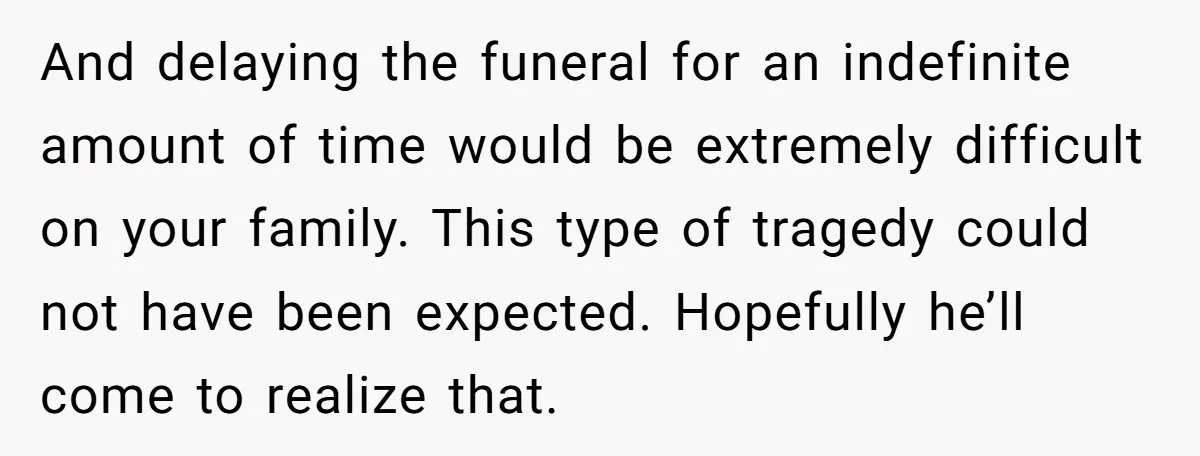

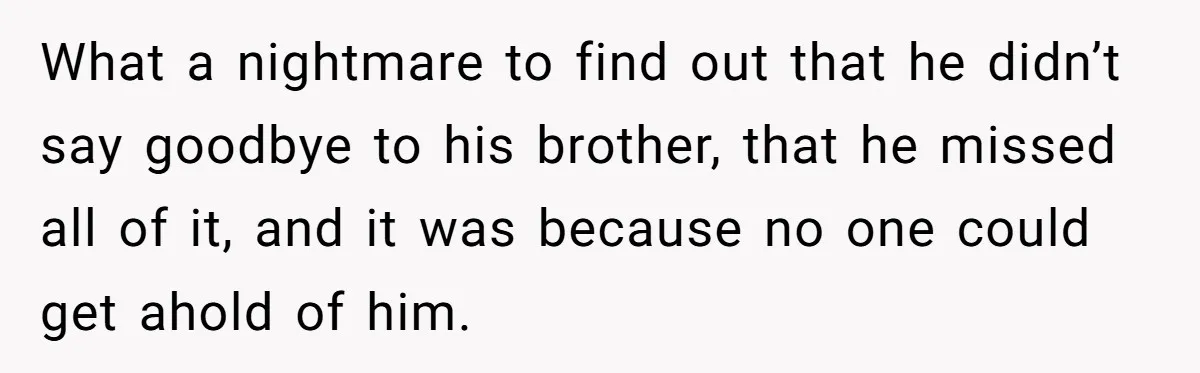
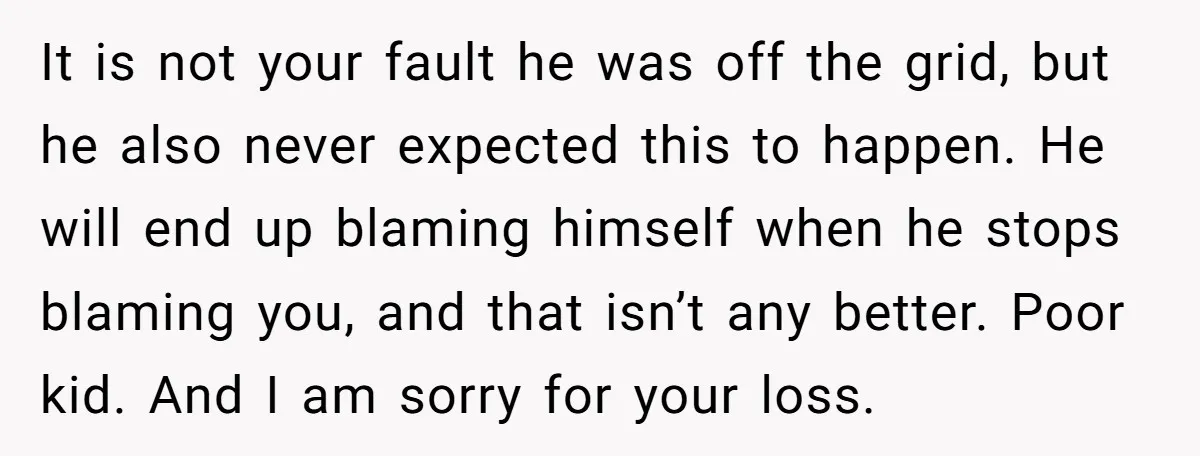
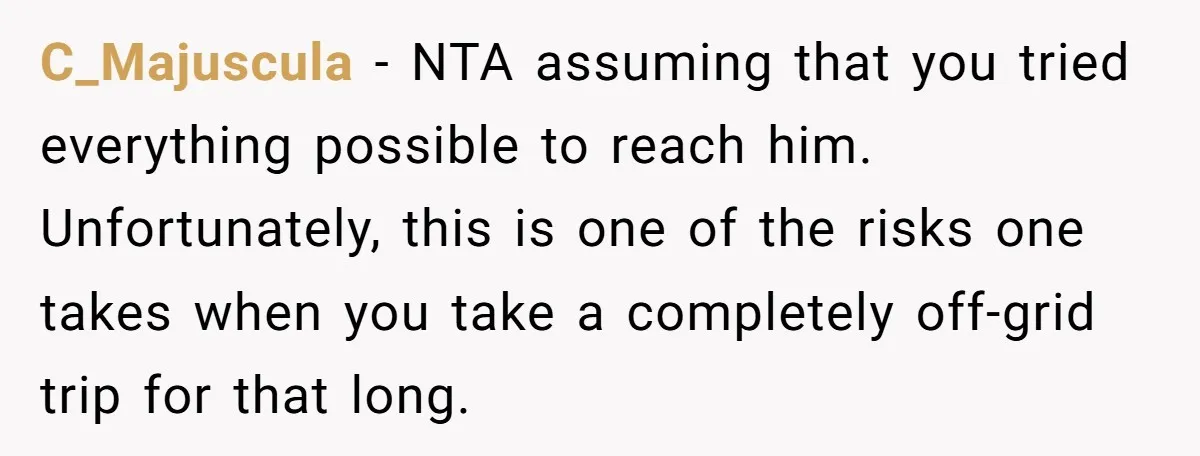
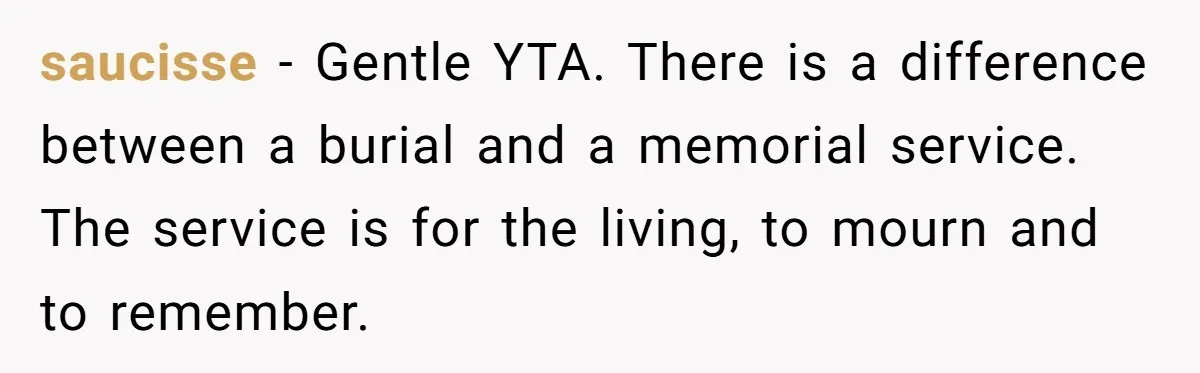
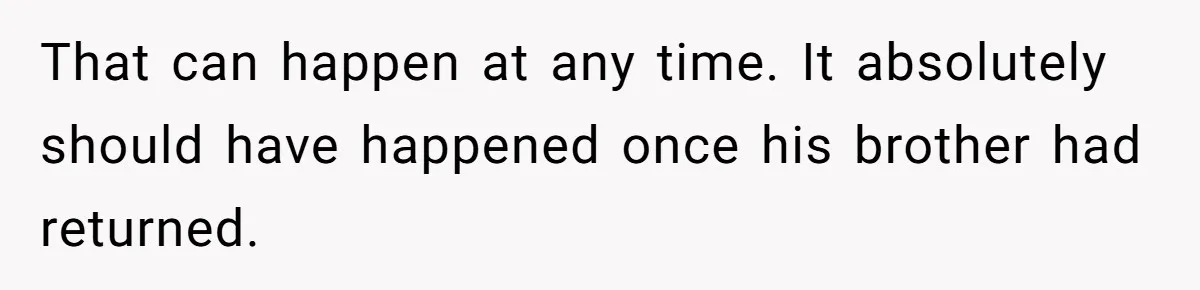

Others offered more mixed opinions and suggested alternatives that could help everyone grieve.
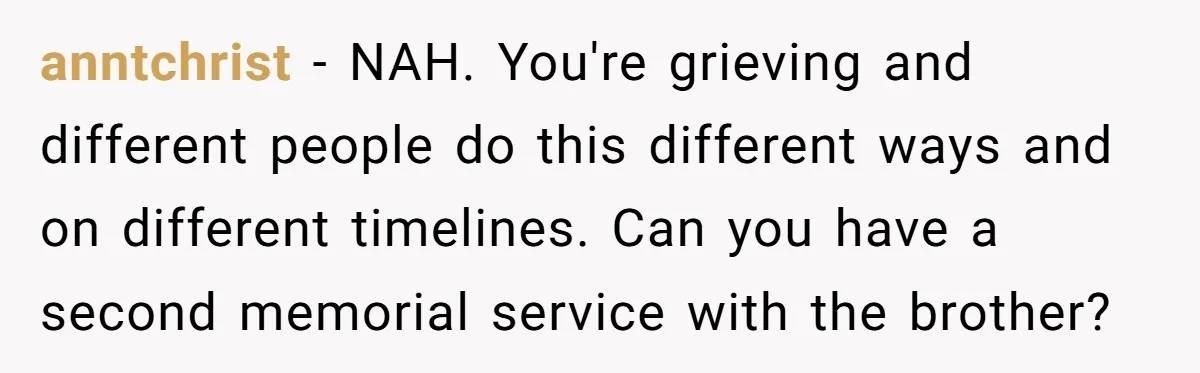
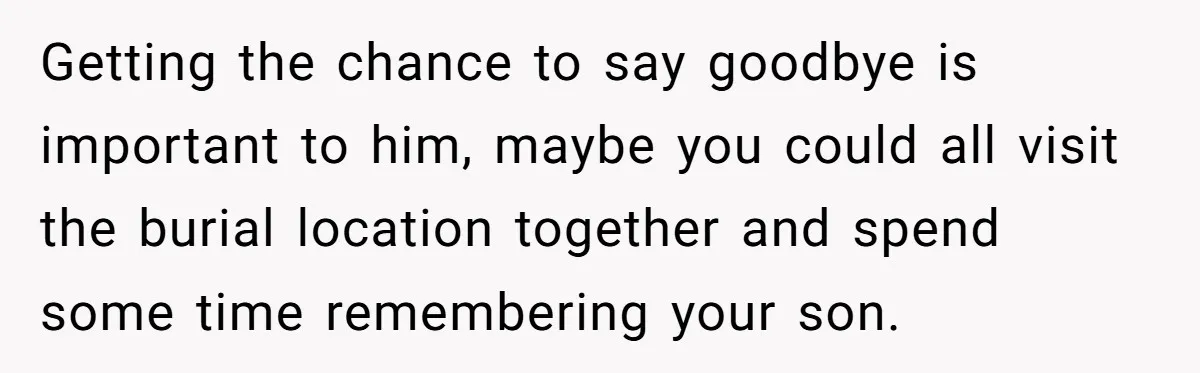
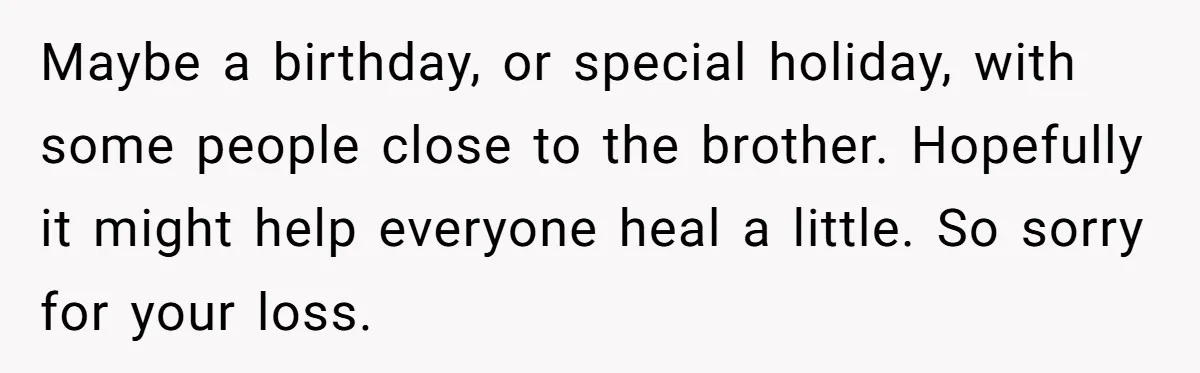
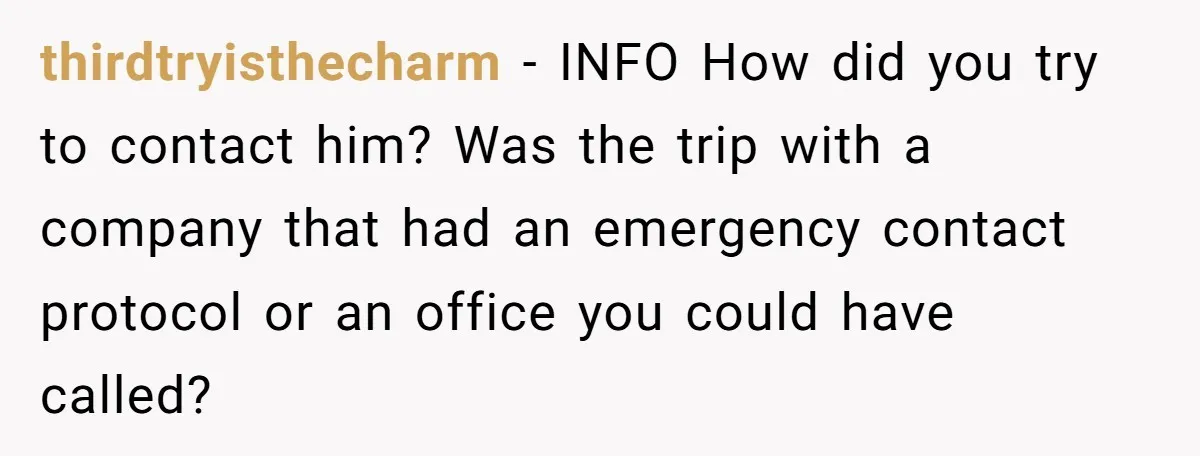
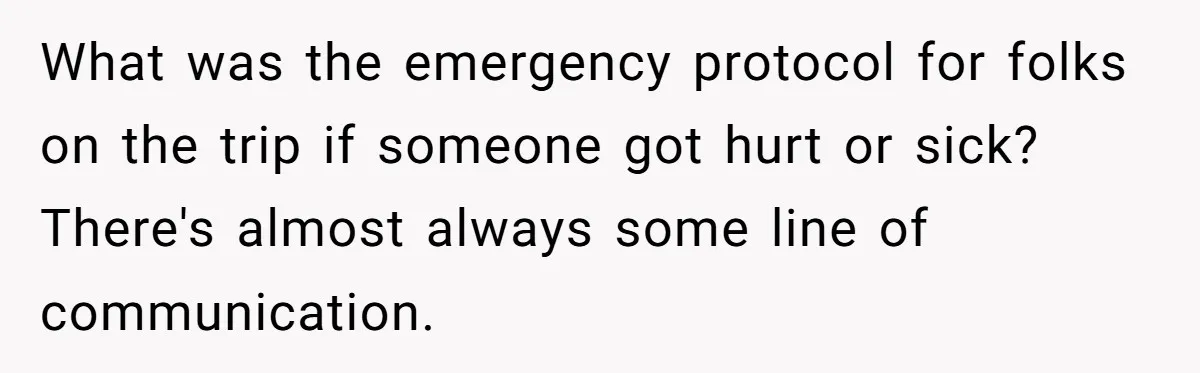
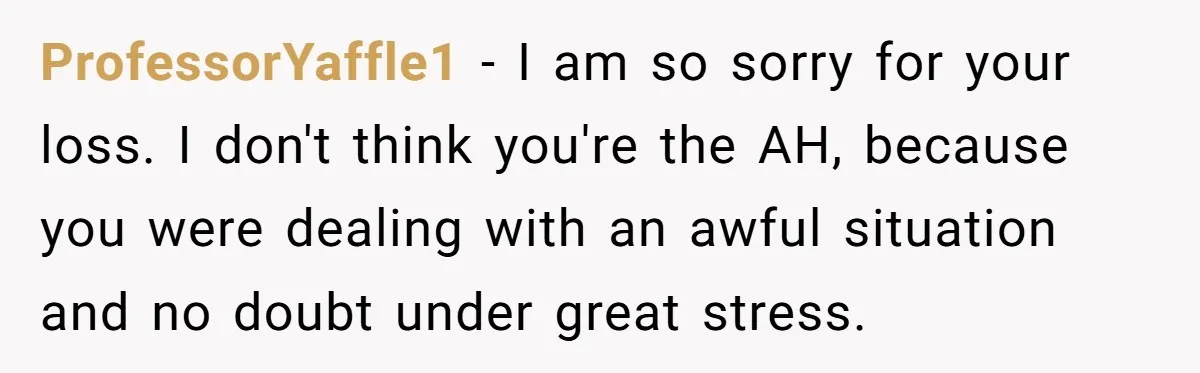
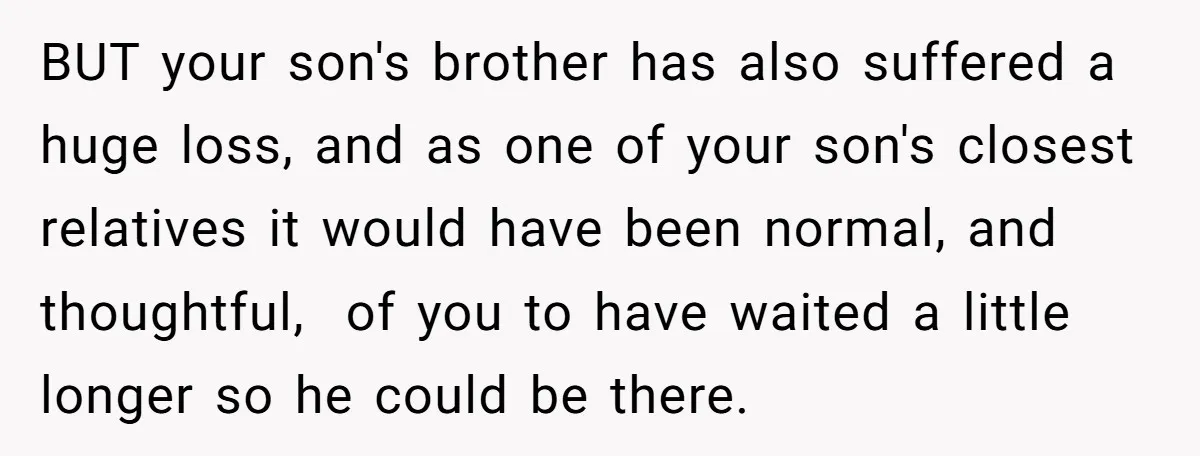
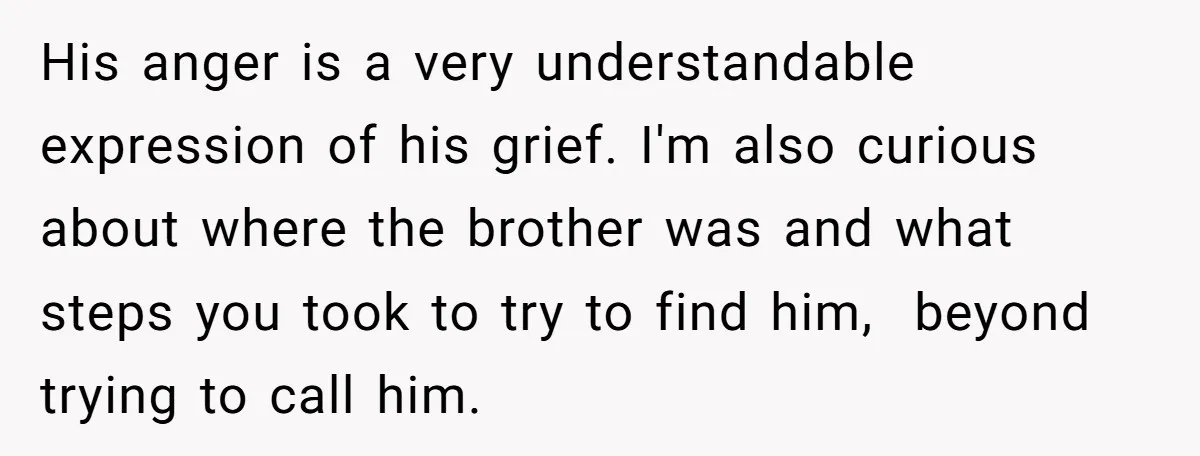
Some commenters focused on easing tension while acknowledging the emotional complexity.
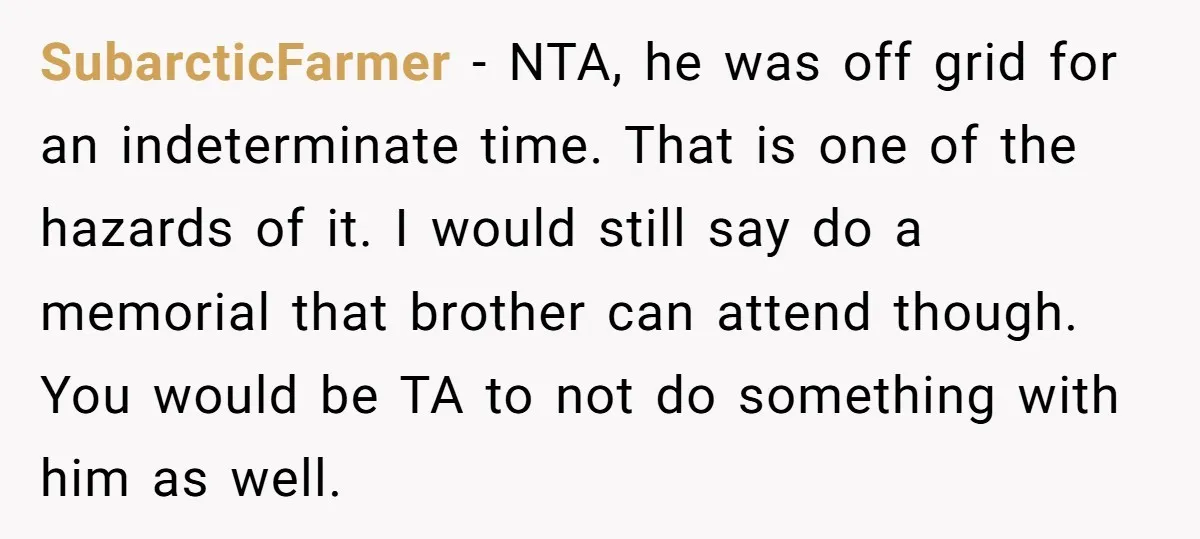


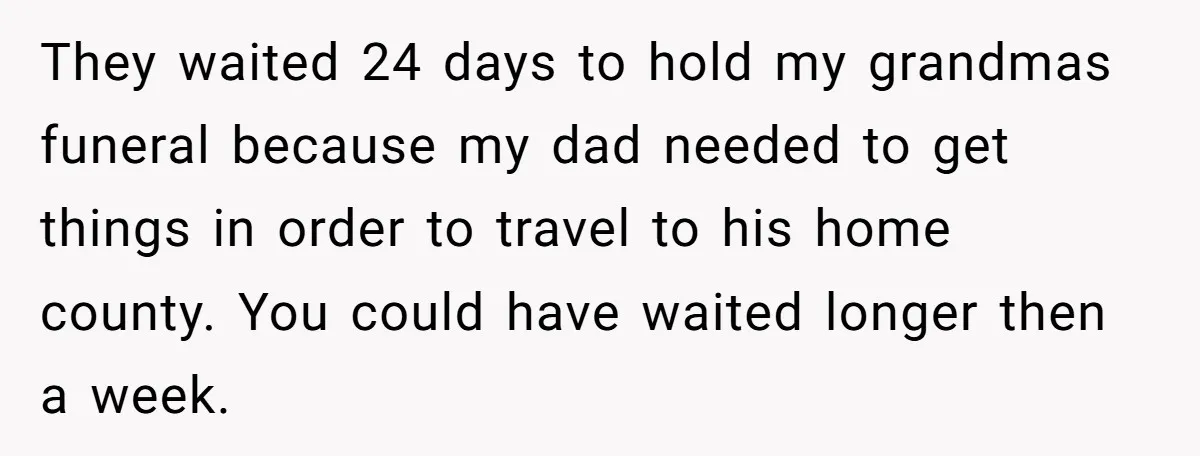
This heartbreaking story shows how grief can lead to painful misunderstandings between people who care deeply about the same person. The father had to make quick decisions after a devastating loss, while the older brother experienced the shock of learning the news too late to attend the funeral. Both perspectives come from a place of sorrow and love for the same teenager.
Moments like this raise difficult questions about how families handle tragedy and closure. Should the parents have waited longer despite uncertainty, or was moving forward with the funeral a practical choice under overwhelming circumstances? If you were in this situation, what would you have done?