
A woman planned a solo vacation to destress and spend time relaxing on her own. The trip was meant to be a quiet break from everyday responsibilities, something she had been looking forward to for a while. However, when a close friend learned about the plan, she asked if she could come along. The idea initially sounded pleasant, and the woman agreed, thinking a bit of shared time with a friend might still be enjoyable.
Things took an unexpected turn once the travel costs were discussed. When the hotel bill was split and shared, the friend reacted with surprise, explaining that she assumed she could stay in the same room without paying for it. The disagreement quickly turned awkward, leaving the woman wondering whether refusing a free stay for her friend was unreasonable or simply fair.

‘AITA for not letting my friend tag along my vacation for free?’
The poster planned a quiet solo vacation, hoping to relax and recharge.
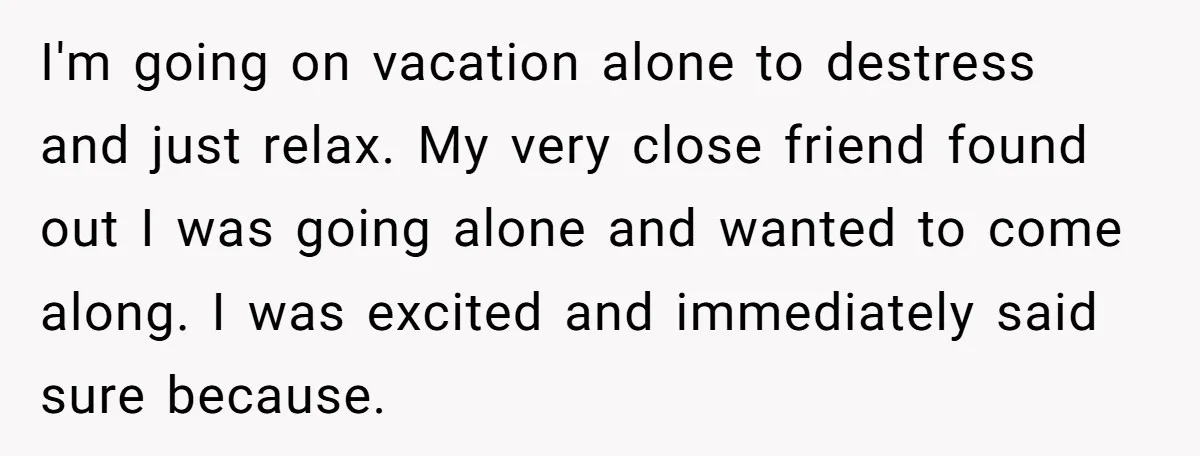
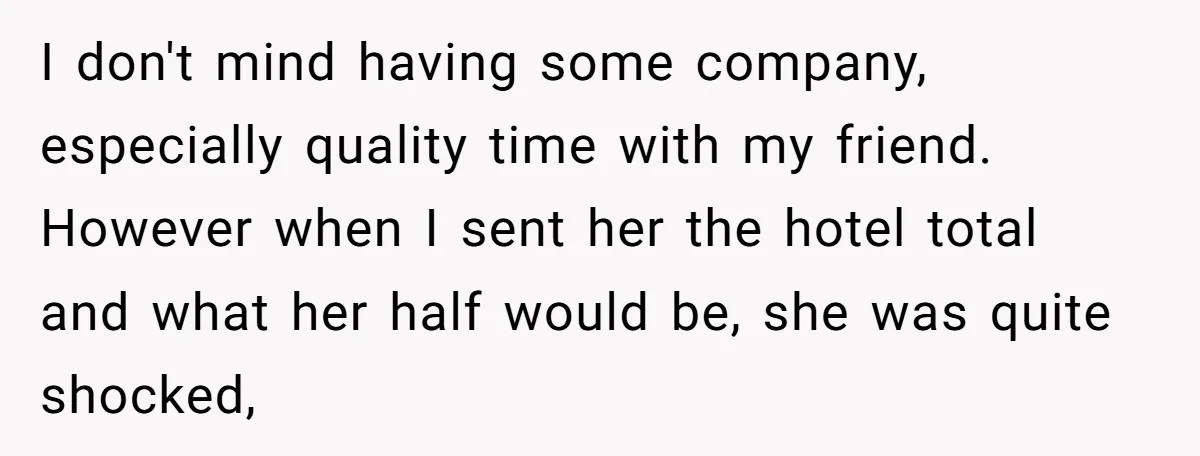
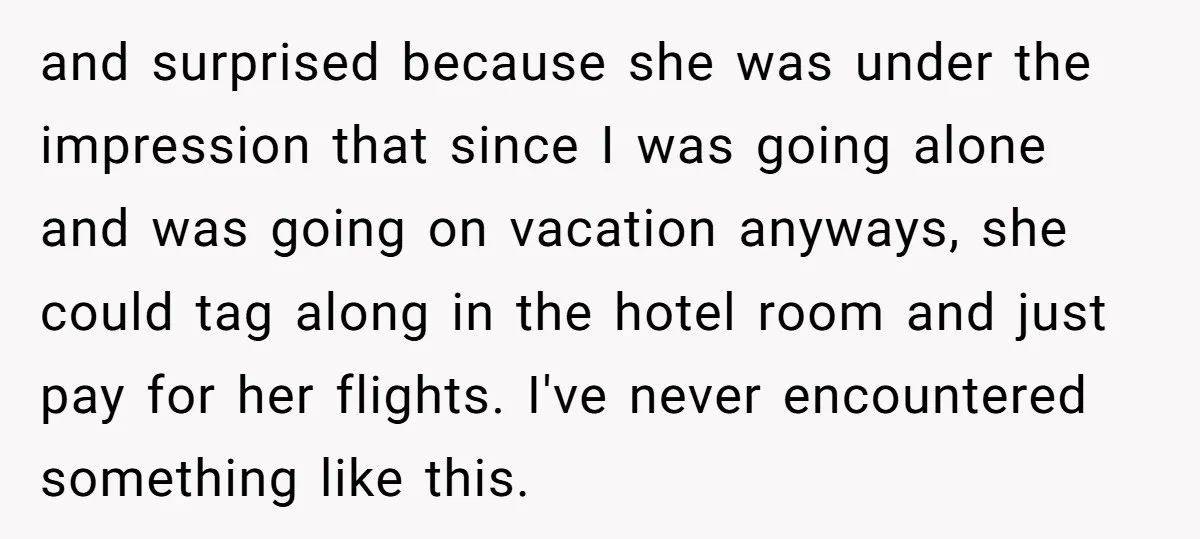
The confusion deepened when the friend pushed for sharing a room despite objections.
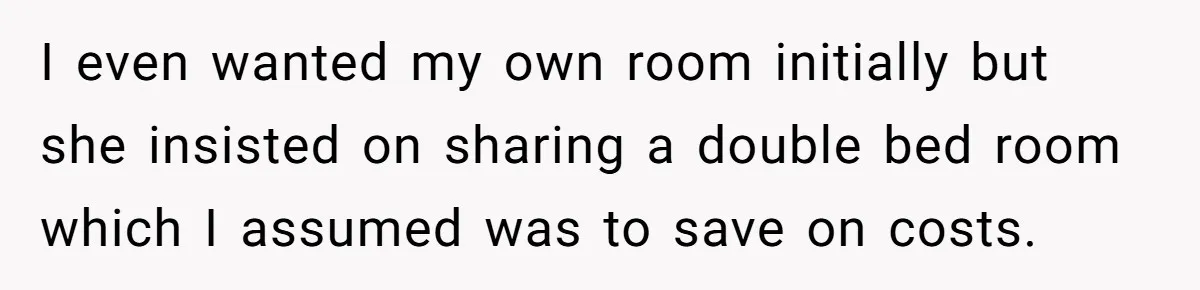
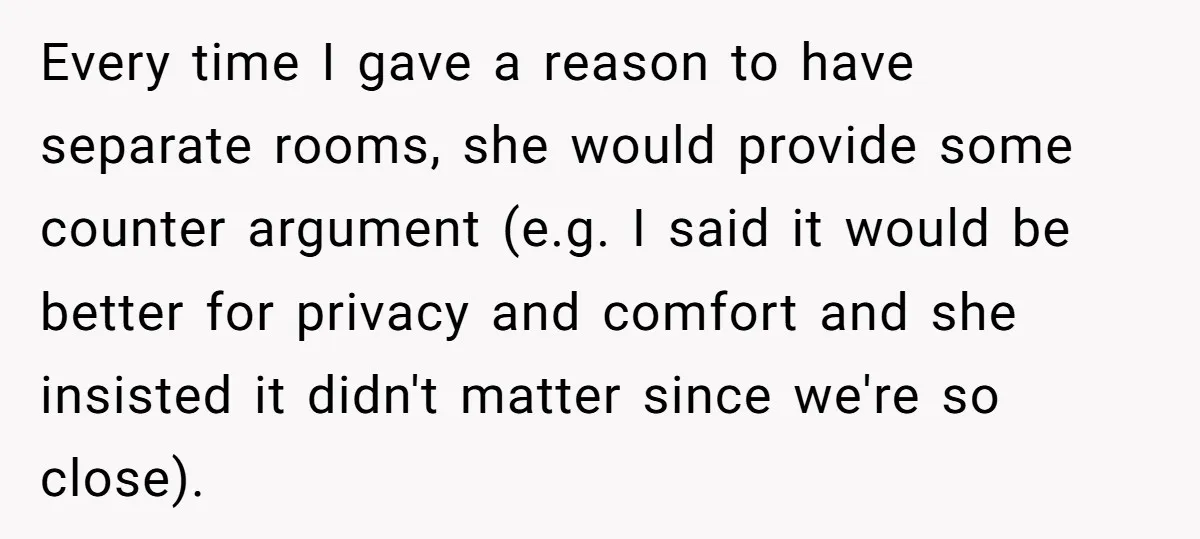
The disagreement escalated after the friend accused the poster of being selfish.
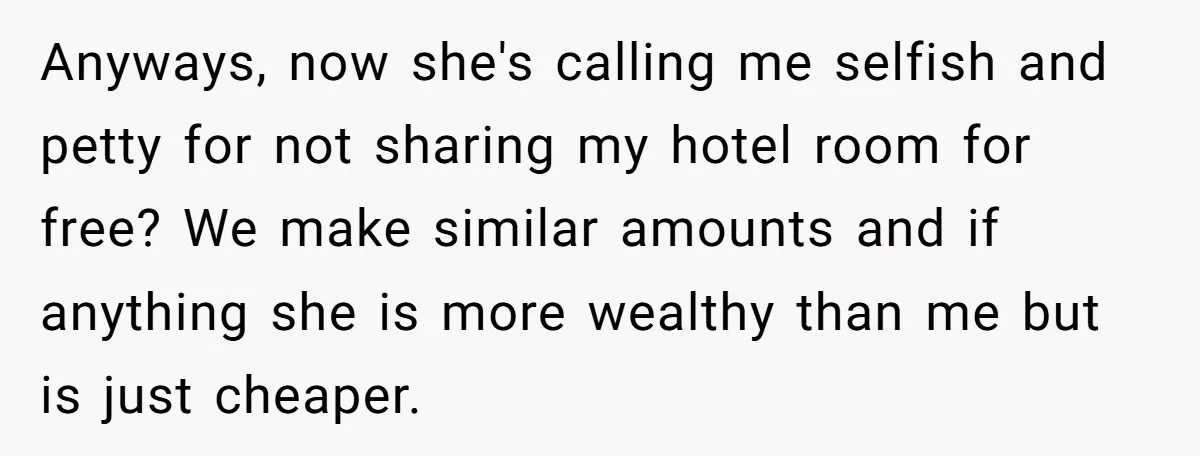
In this situation, the disagreement appears rooted in different assumptions. The poster viewed the vacation as her personal trip that a friend could join if costs were shared. From her perspective, splitting expenses is a normal part of traveling together, especially when both individuals have similar financial means. Paying half for a shared hotel room is a standard arrangement among friends on trips, making the expectation reasonable.
The friend, however, interpreted the invitation differently. She assumed that because the trip was already planned and the hotel room was already booked, staying in the same room would not add significant cost. Some people see travel plans as flexible arrangements where tagging along should not drastically affect the original budget. That perspective may explain her surprise, though it does not automatically make the expectation fair.
From a broader social viewpoint, situations like this highlight how important communication is during trip planning. Friendships can become strained when financial expectations remain unspoken. Clear agreements about costs, accommodations, and personal space help prevent misunderstandings that can quickly turn a relaxing vacation into a stressful situation.
Here’s the feedback from the Reddit community:
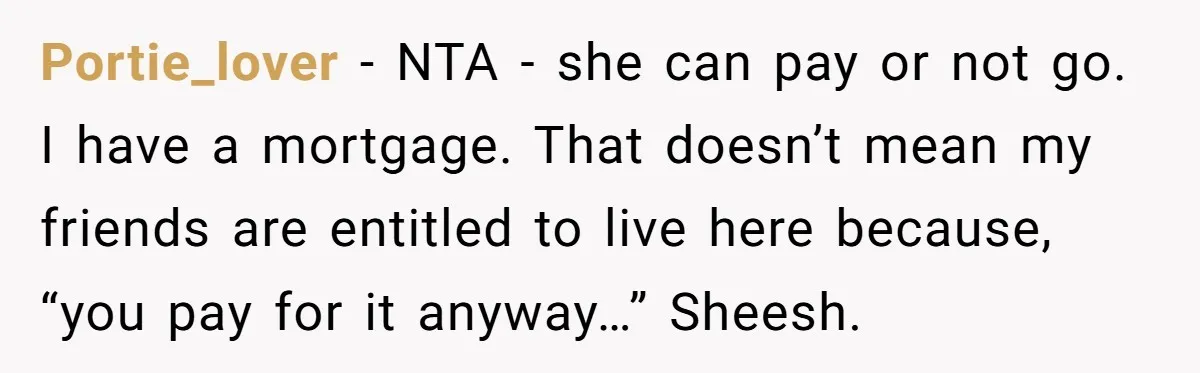
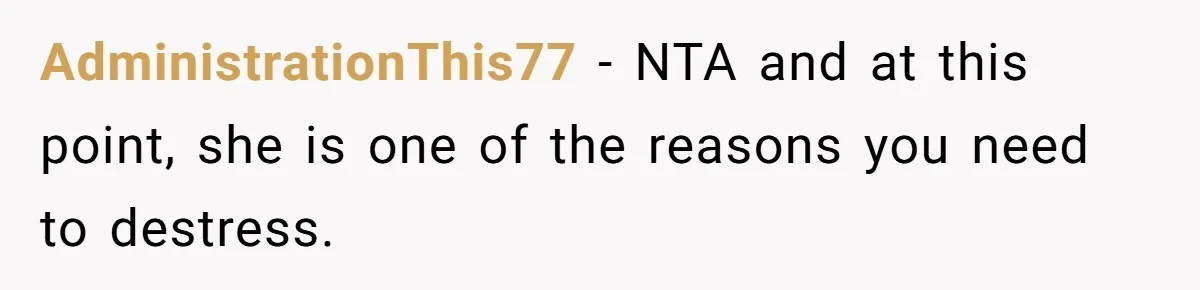
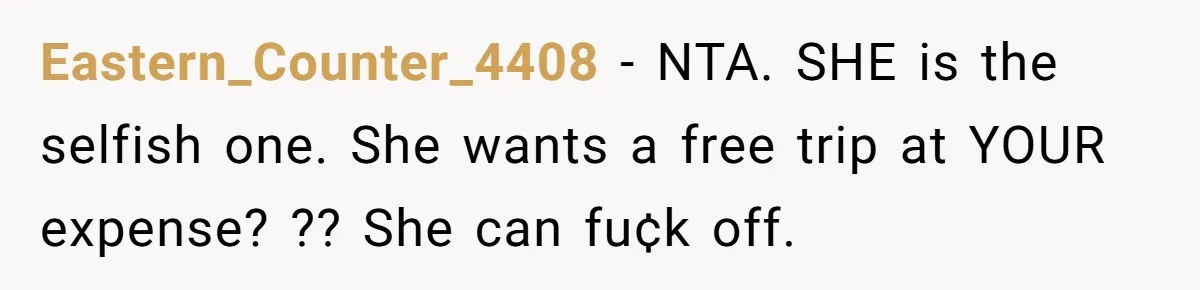
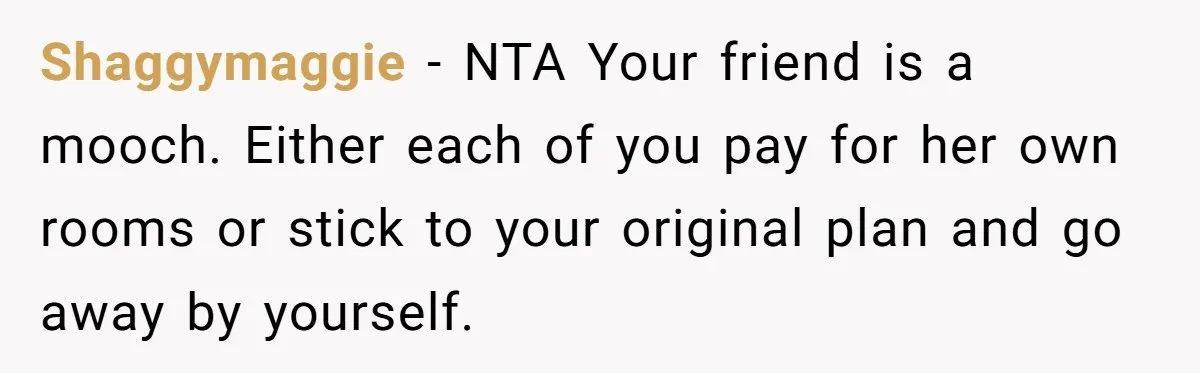
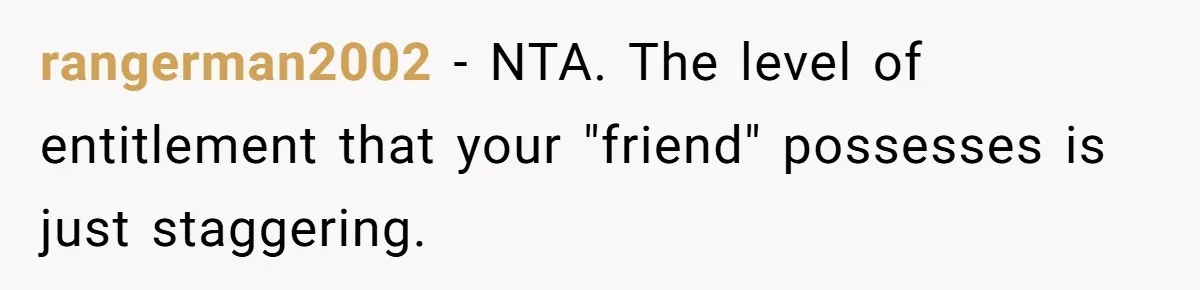
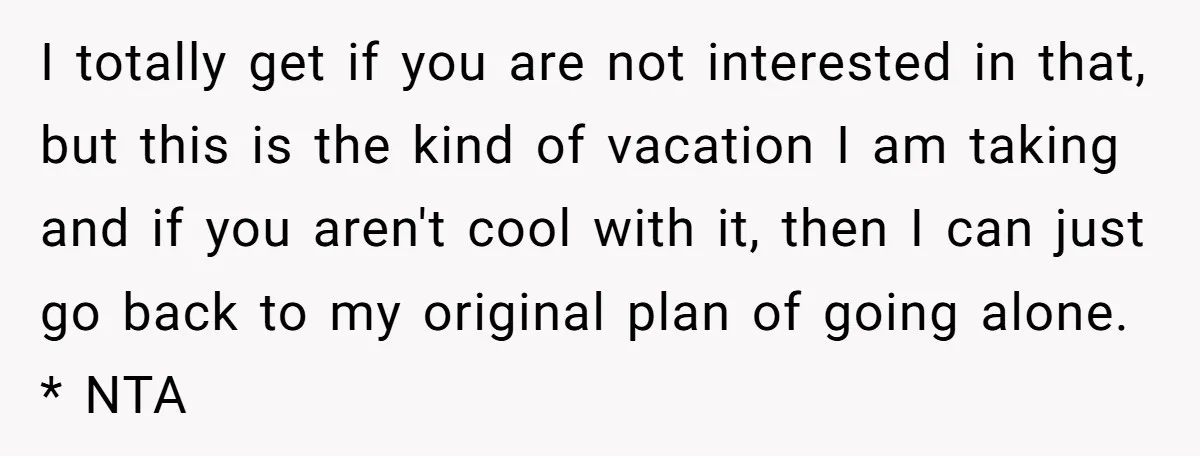
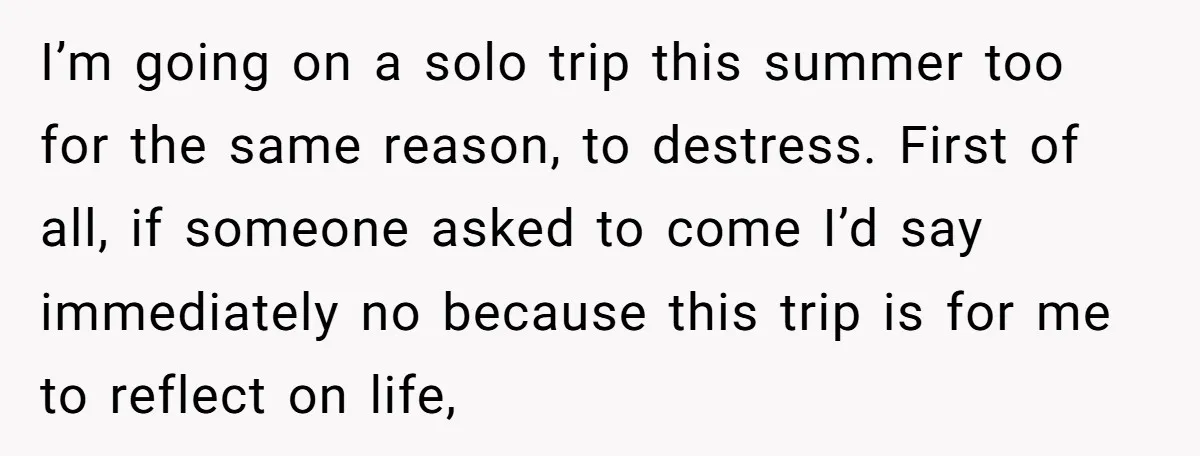
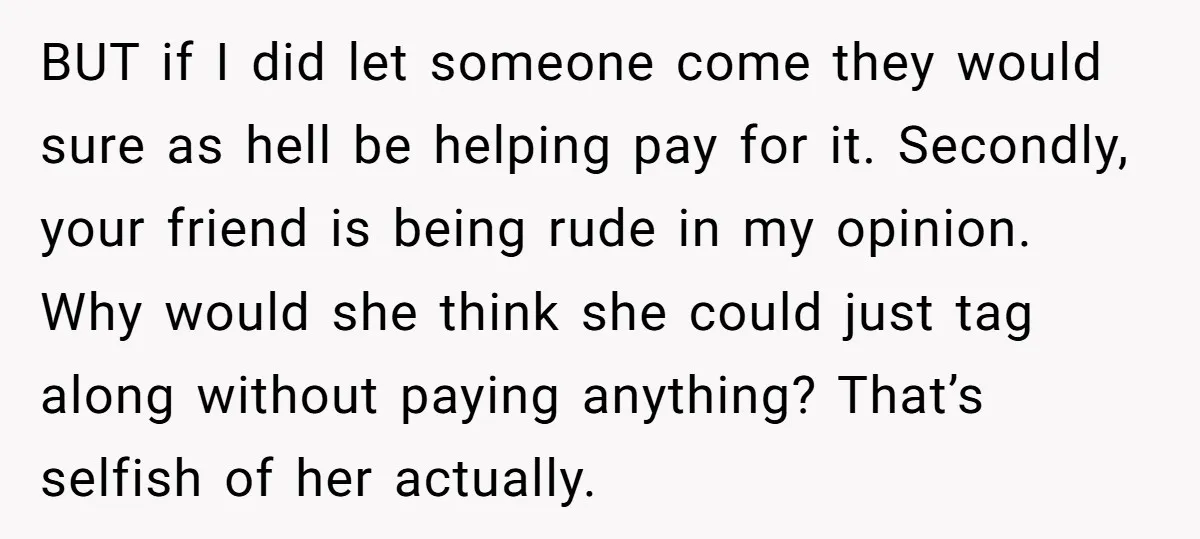
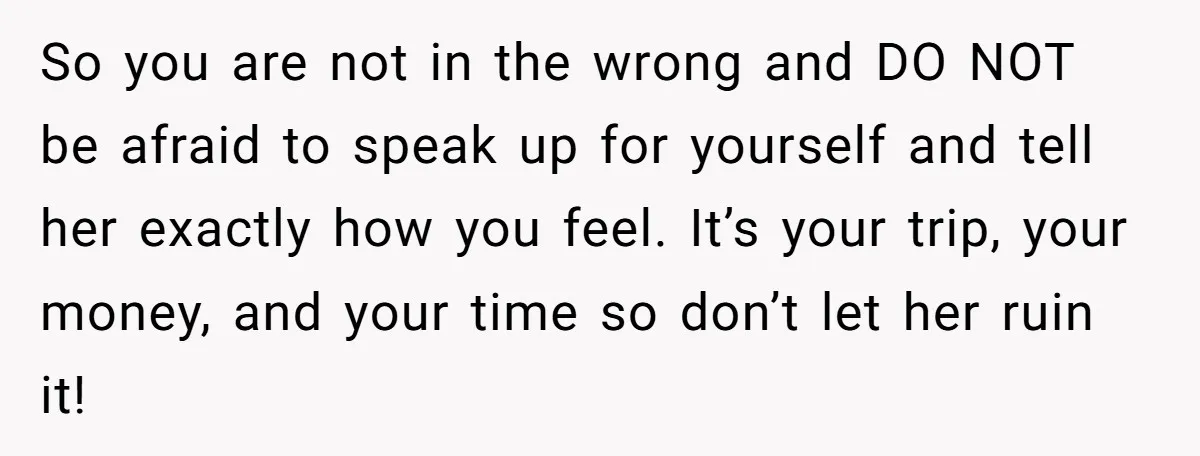
Many users supported the poster, saying the request for a free stay seemed unreasonable.


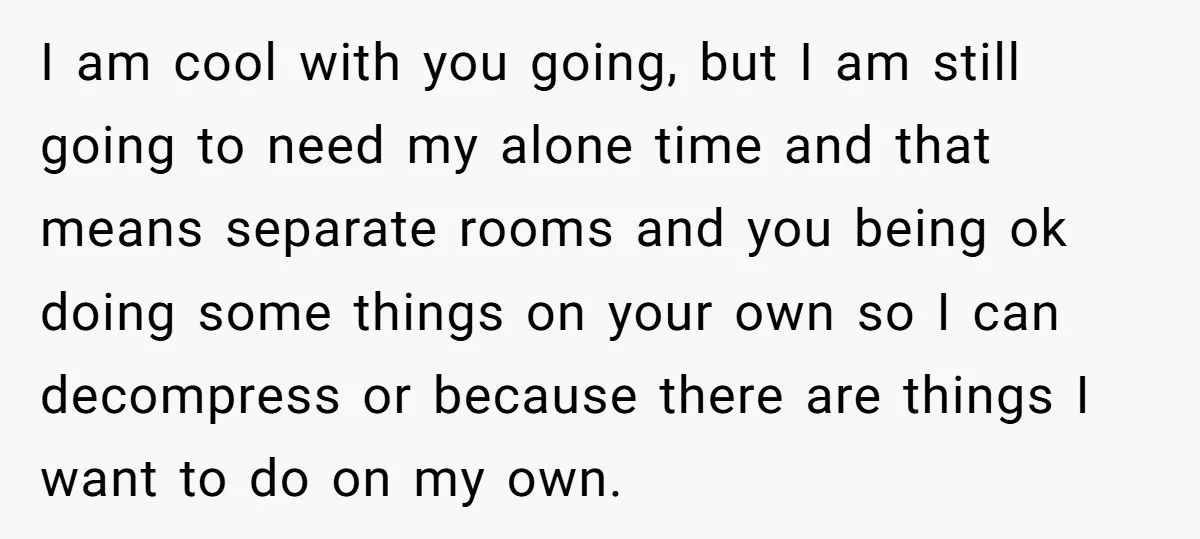
Others offered more balanced views, suggesting communication could help resolve the tension.

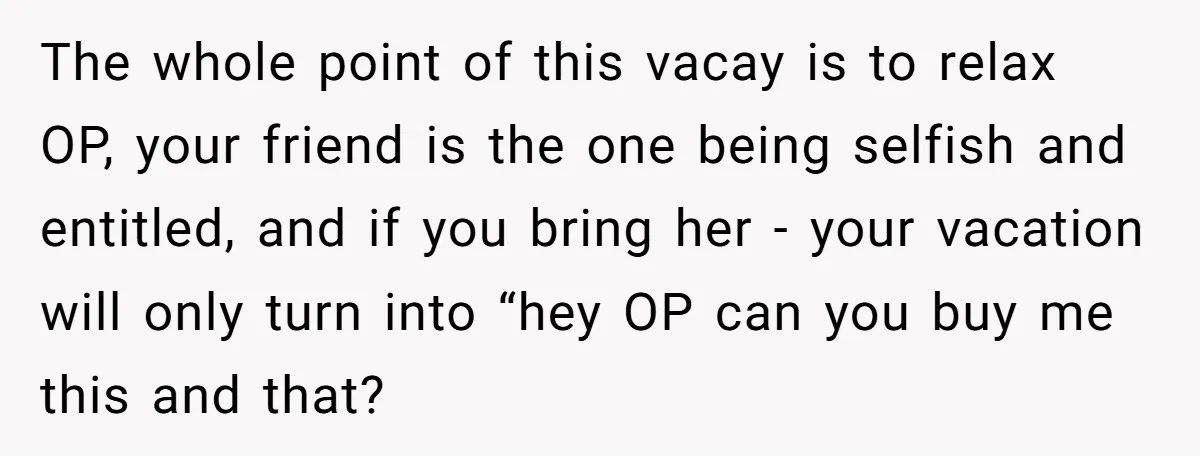
![[Reddit User] − NTA! !!! SHE is the a__hole. Girl, you need to put your foot down and tell her that if she’s going to be joining you on the...](https://loknam.com/aita/images/7a958abd58/wp-editor-1772612078969-4.webp)
A few users added lighter remarks that still captured the awkward situation.
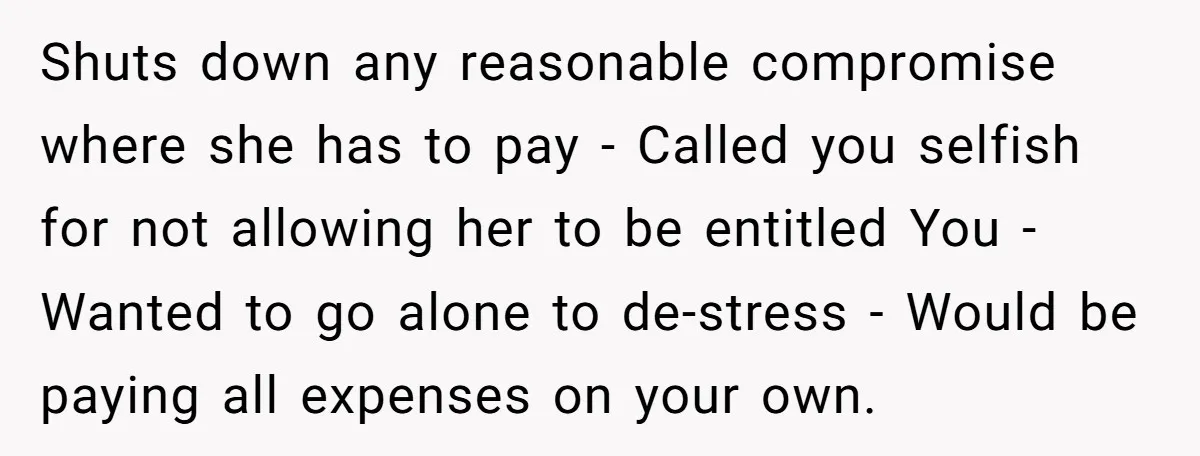
![[Reddit User] − NTA your friend wants to - Go on a paid vacation without contributing much - Wants to stay in a double bedroom where you share a bed...](https://loknam.com/aita/images/7a958abd58/wp-editor-1772612165242-1.webp)
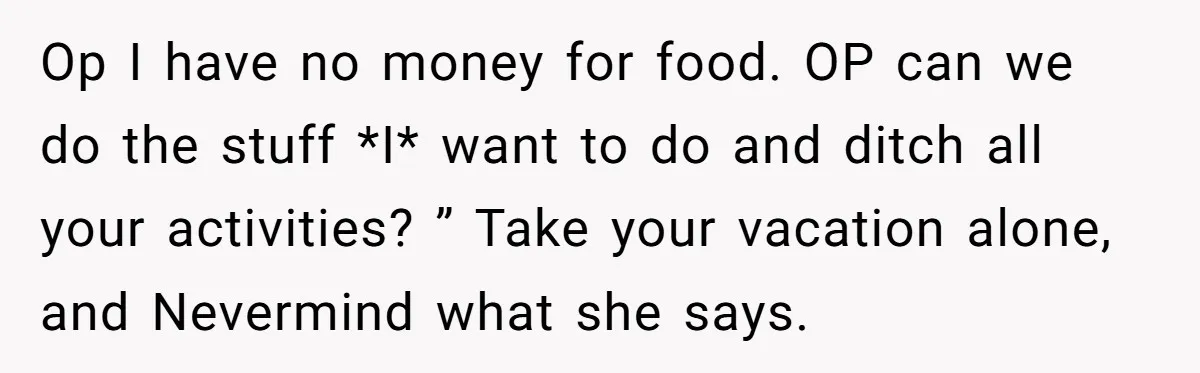
![[Reddit User] − NTA. She is so entitled. Wow.](https://loknam.com/aita/images/7a958abd58/wp-editor-1772612200947-5.webp)

This situation shows how easily misunderstandings can arise when travel expectations are unclear. One person planned a peaceful solo getaway, while the other saw an opportunity to join the trip without sharing the full cost. The disagreement quickly shifted the focus from relaxation to conflict, raising questions about fairness and friendship dynamics.
Situations like this often lead to bigger conversations about money, boundaries, and communication between friends. Should someone who joins a trip always split accommodation costs, even if the room was already booked? And how should friends respond when expectations about shared expenses suddenly clash?