
A 30-year-old woman rescued a one-week-old orphaned kitten from the roadside a few weeks ago and has been bottle-feeding and raising it in her bedroom. With shelters overwhelmed during kitten season, she plans to keep the now-thriving kitten long-term. Her 25-year-old roommate, who already owns two adult cats, suddenly claims she’s allergic to the new kitten—despite showing zero symptoms (no itching, watery eyes, hives, or rashes) and having lived with cats her entire life.
The roommate waited five weeks to complain and now threatens to report the situation to the landlord. The woman refuses to rehome the kitten, pointing out the inconsistency with the roommate’s own cats (which she calls ESAs) and insists the allergy claim seems fabricated. She asks if she’s wrong for standing firm.
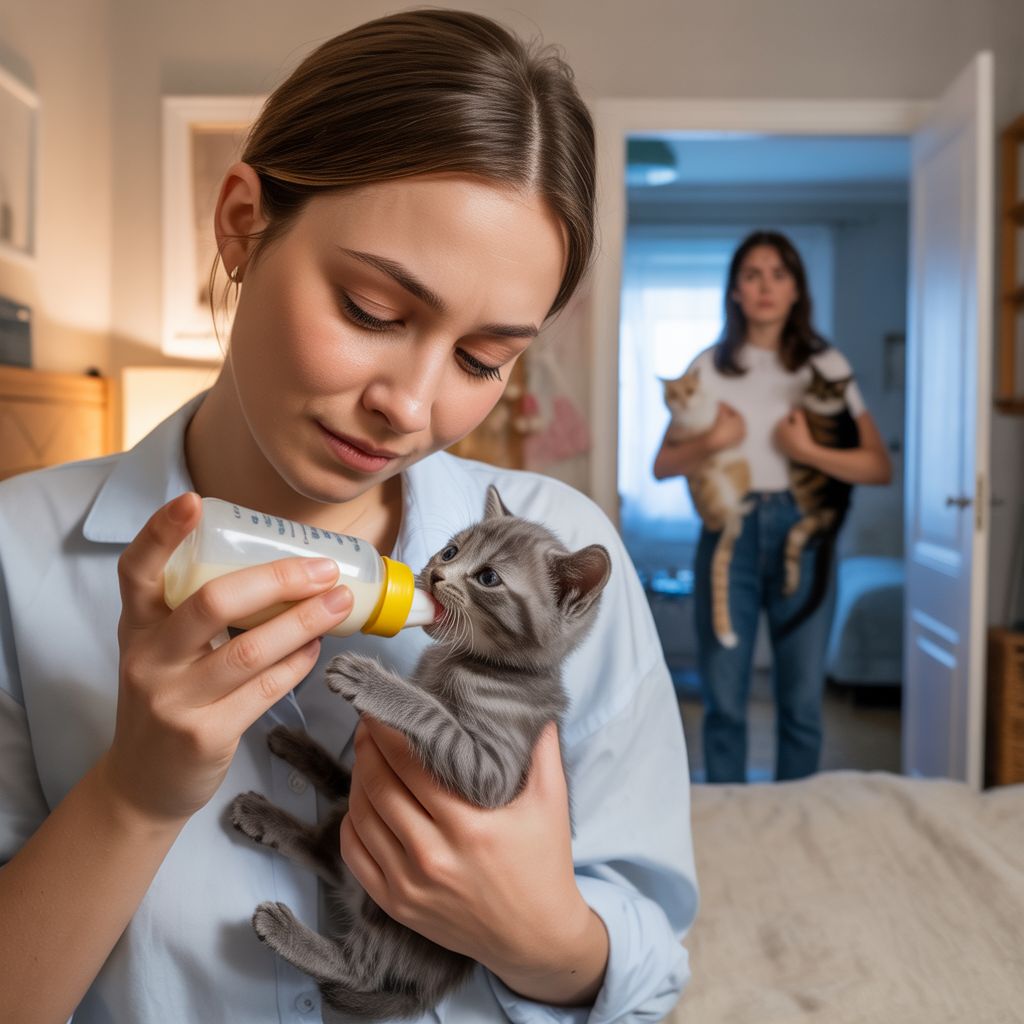
‘AITA for not rehoming my bottle baby kitten due to roommate’s fake allergies?’
She saved the kitten and has been raising it herself.


The roommate says she’s allergic but shows no signs.

The roommate escalates while the woman stands her ground.

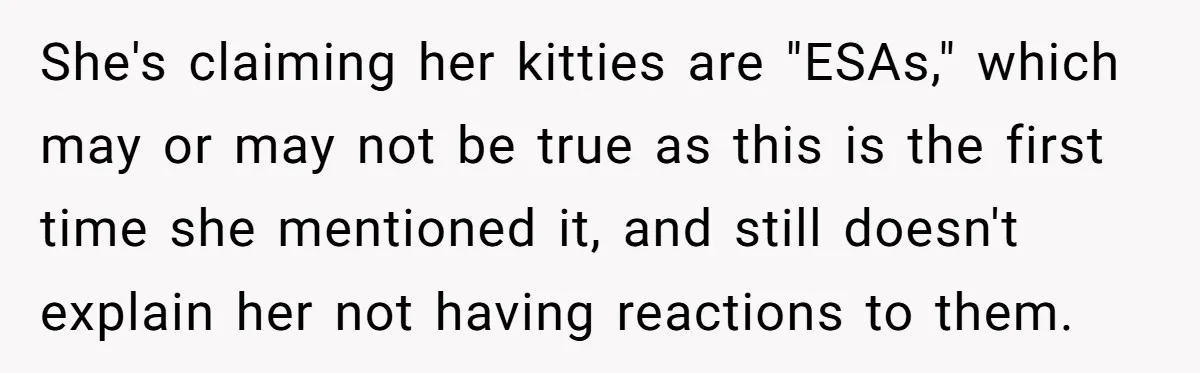
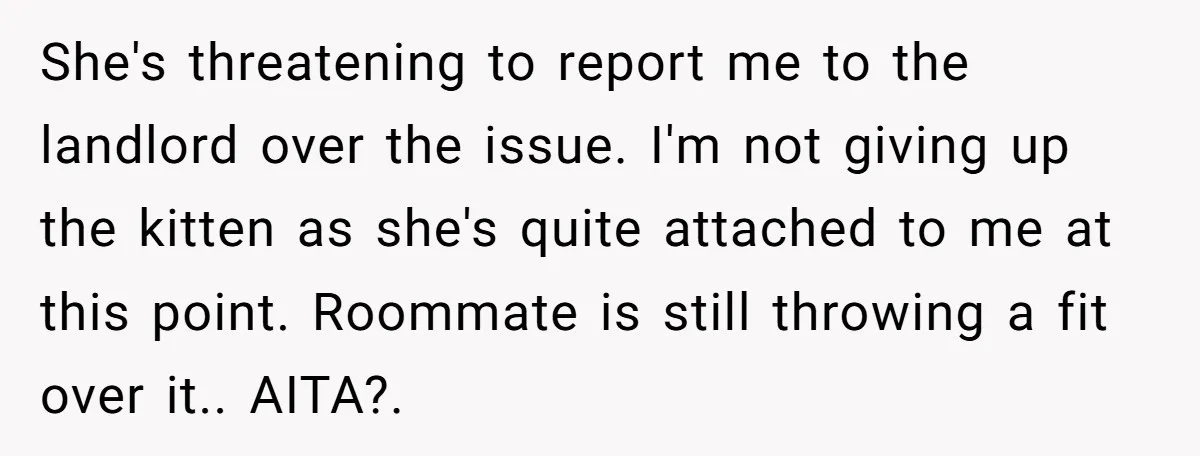
The woman acted compassionately by rescuing and bottle-feeding a vulnerable kitten when shelters were full—commendable during kitten season. Keeping the kitten in her bedroom during the fragile early weeks is reasonable for supervision and safety. The roommate’s sudden allergy claim after five weeks, combined with zero symptoms and her own two cats, strongly suggests the issue is not medical but territorial or personal. Invoking “ESAs” as leverage (especially for the first time) further undermines credibility; emotional support animals don’t make owners immune to allergens.
Adding a pet to a shared home without prior discussion is generally inconsiderate, as it affects everyone and existing animals’ stress levels. However, the lease apparently allows pets without limits, and the roommate already has two cats, weakening her position. Threatening to involve the landlord over a permitted pet risks backfiring if it prompts stricter rules. The woman’s refusal to rehome is understandable given the kitten’s attachment and her investment, but long-term, the kitten needs household access for socialization and enrichment—not permanent bedroom confinement.
A mature resolution would involve open conversation about boundaries, introducing the cats slowly, and allergy testing if genuinely claimed. Without evidence of real symptoms or lease violation, the roommate’s threats appear manipulative. Prioritizing the kitten’s welfare while respecting shared space is fair; fabricating issues to force removal is not.
Here’s the comments of Reddit users:
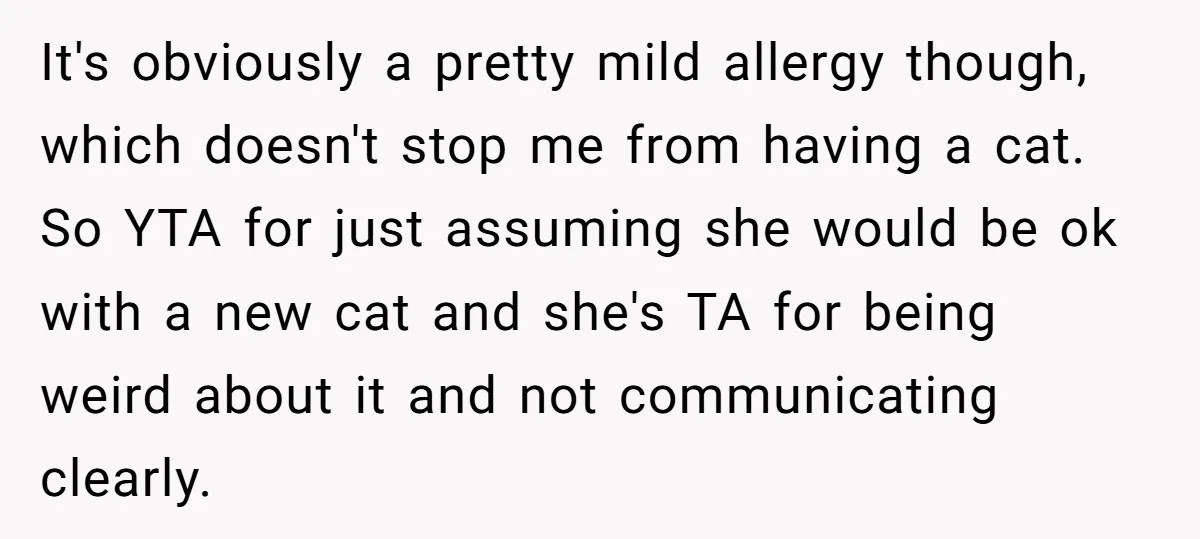
Most commenters sided with the woman (NTA), calling the roommate’s allergy claim suspicious and unreasonable given her own cats.

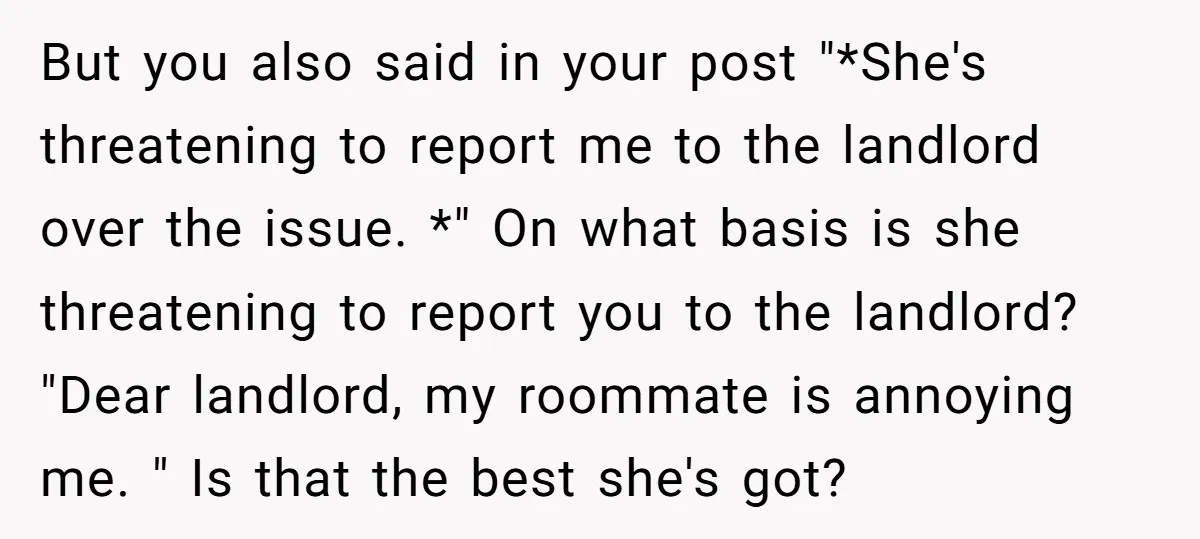




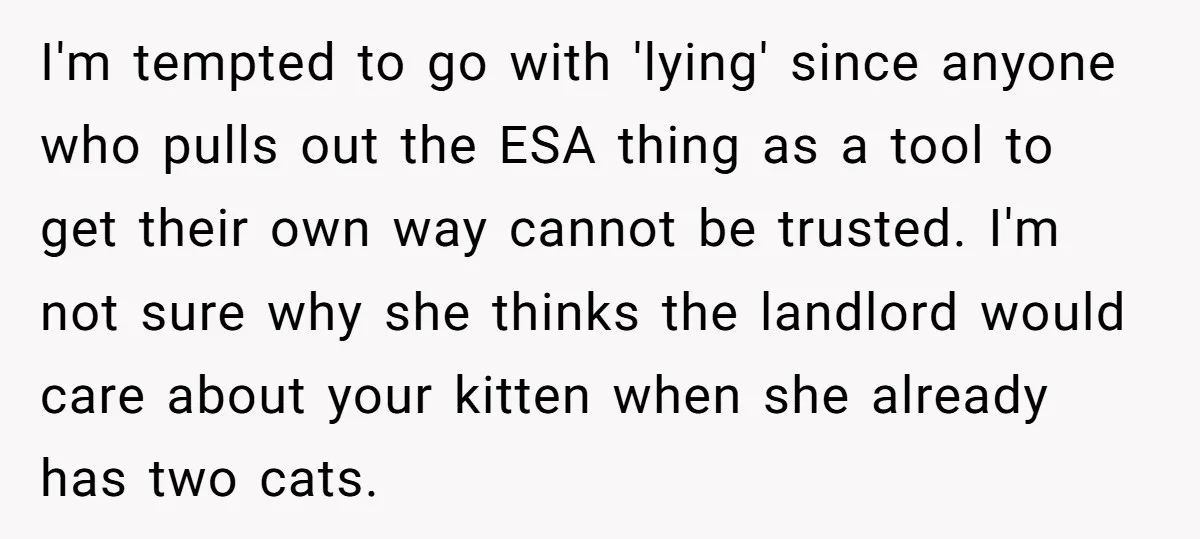

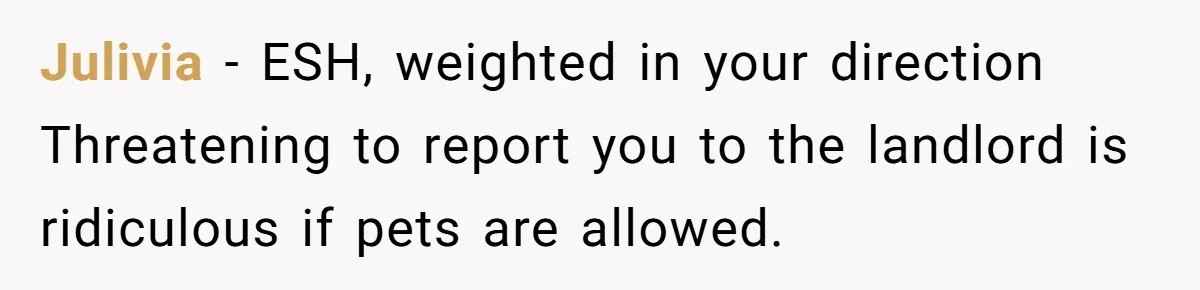
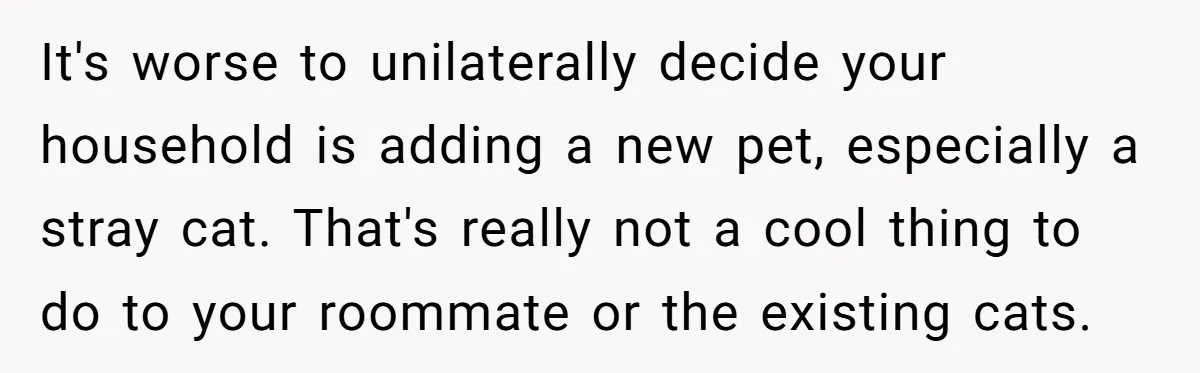
A significant group viewed both as AHs (ESH), criticizing the woman for adding a pet without discussion and the roommate for the inconsistent allergy story.



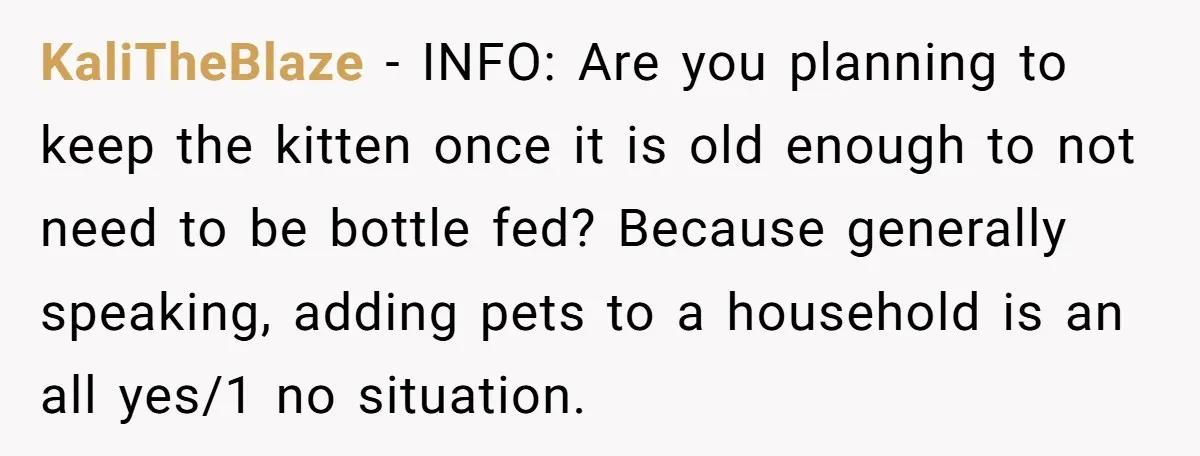
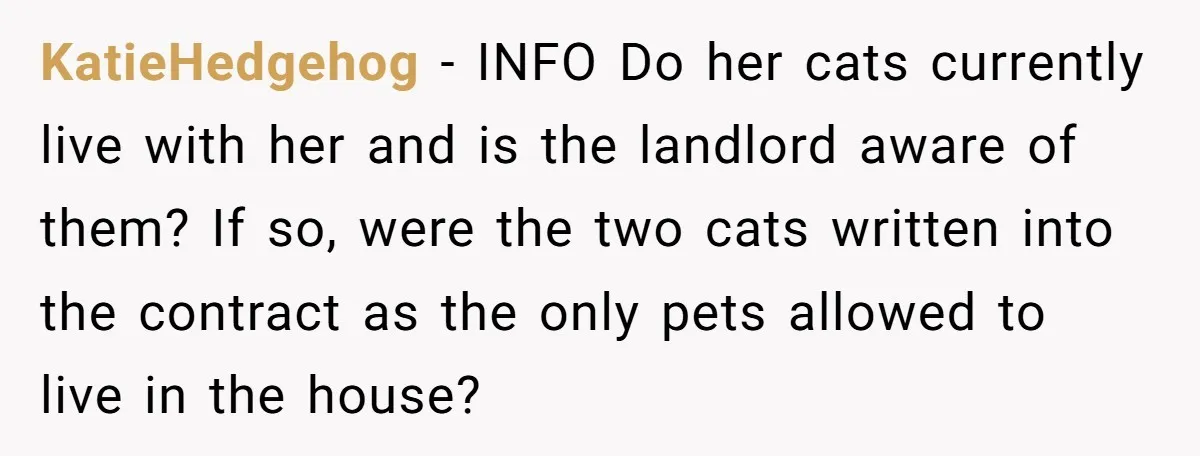
Some asked for more info or focused on practical long-term concerns.




This woman rescued and bottle-fed an orphaned kitten, only to face her roommate’s sudden, symptom-free “allergy” claim and landlord threats—despite the roommate already having two cats. The community largely sees the allergy story as implausible and the roommate’s reaction as overblown, though many note that adding a pet without prior roommate agreement is inconsiderate in shared housing. The story highlights how pet rescues in roommate situations can quickly become contentious when trust and communication break down.
Have you ever added a pet to a shared living space? Do you think the roommate’s allergy claim holds up, or does it seem fabricated? Should the woman rehome the kitten long-term, or is keeping it in her room acceptable? Share your thoughts and similar roommate pet stories in the comments below.