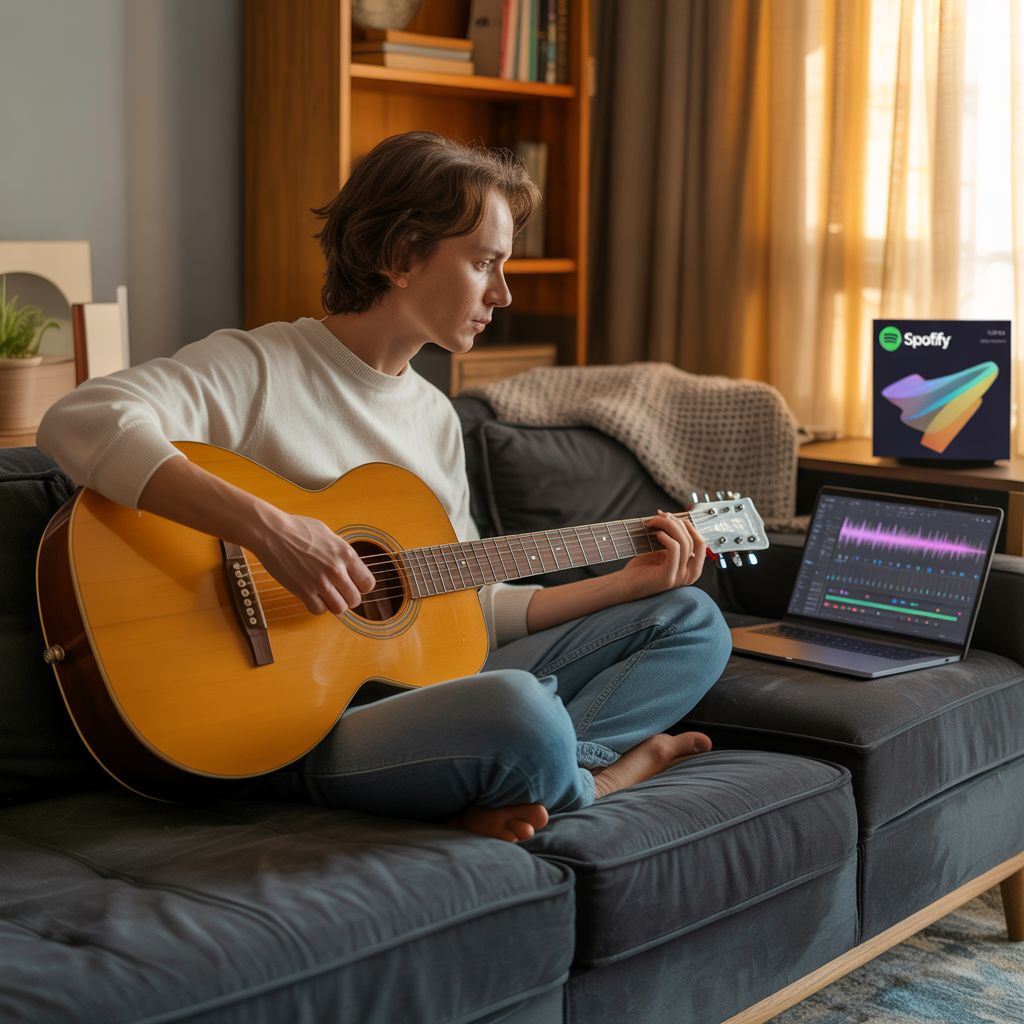
A longtime friend who once created heartfelt, guitar-driven songs has shifted to using AI music generators to produce entire tracks from simple prompts. What started as a casual hobby now involves a full Spotify album release and active social media promotion, with the friend asking for public support and shares.
The poster feels uneasy about endorsing what they see as soulless, machine-made music that bypasses real creative effort. After politely explaining their discomfort months ago, they now face pressure to promote the project—and wonder if refusing makes them a bad friend.
‘AITA for not supporting my friend’s “AI music career”?’
The friendship once revolved around genuine, hands-on music-making together.
Everything changed when AI music tools entered the picture.
Now the situation has escalated into a public “career” push.
This dilemma highlights a growing tension in creative circles: the rise of AI-generated content and how it reshapes friendships, authenticity, and artistic value. The poster isn’t judging their friend’s right to experiment; they simply draw a personal line at actively promoting work they view as lacking the human craftsmanship they once admired together. What makes the situation more complicated is that the friend has moved from private fun to public presentation, effectively asking others to co-sign something that feels inauthentic to the poster.
Many in the community see AI music as fundamentally different from human-created art. Critics argue it relies on vast datasets of existing works without permission, producing polished but ultimately derivative output. They worry about the long-term erosion of skills—once someone leans heavily on AI, the motivation to practice guitar, write lyrics, or refine melodies can fade quickly. The consensus here leans toward protecting personal integrity: supporting a friend doesn’t mean endorsing every choice, especially when it contradicts shared values about creativity.
From a broader perspective, this reflects a cultural moment where people must decide how much to accommodate AI in artistic spaces. Refusing to promote the album isn’t about gatekeeping talent; it’s about honesty with oneself and the friendship. The poster can still be kind, listen, and wish success without becoming a marketer for a process they believe undermines the very joy of music-making that originally bonded them.
Here’s the feedback from the Reddit community:
The vast majority of commenters strongly support the poster’s decision, viewing AI-generated music as inauthentic and harmful to real artistic skill.
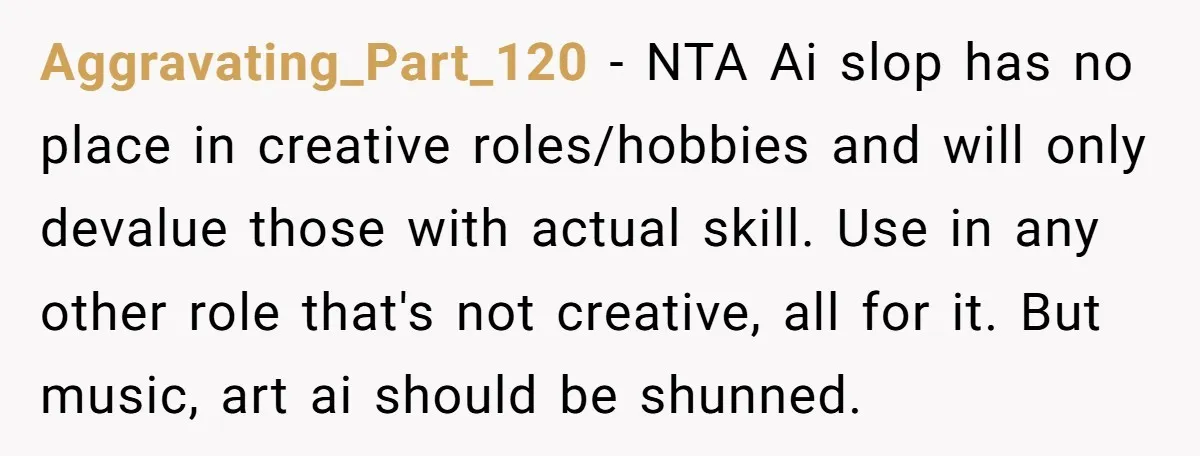
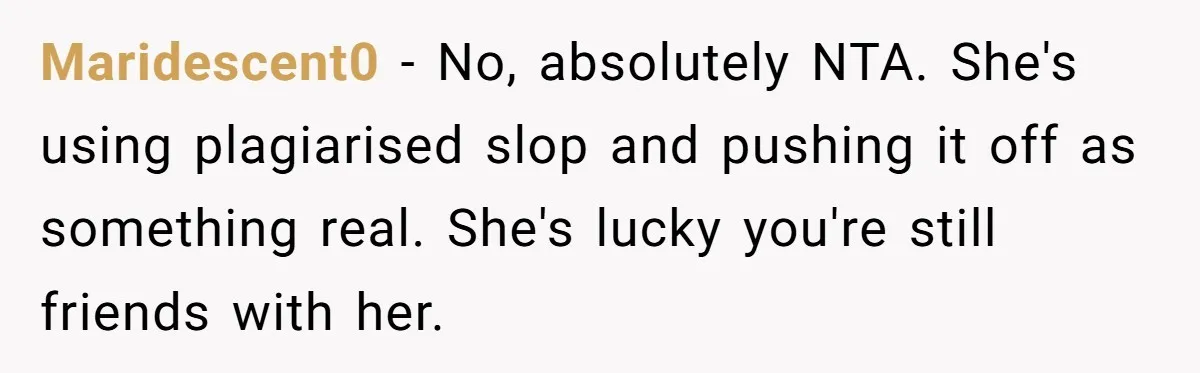
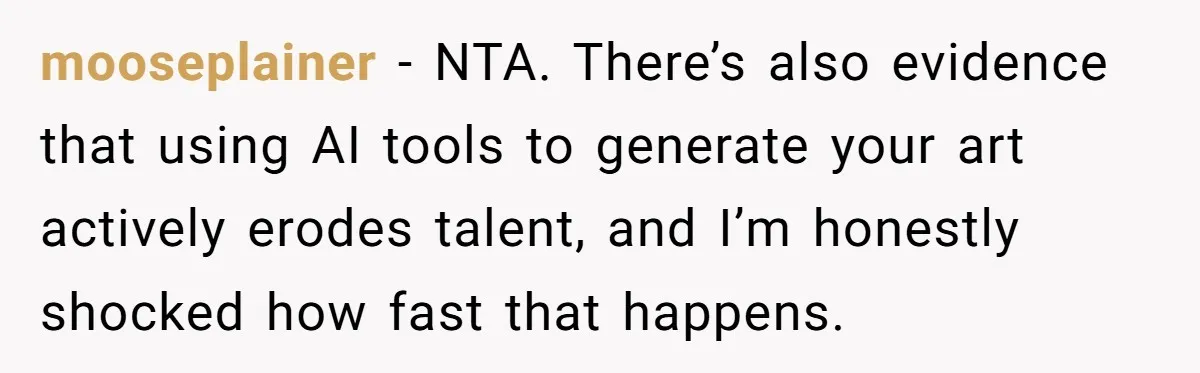
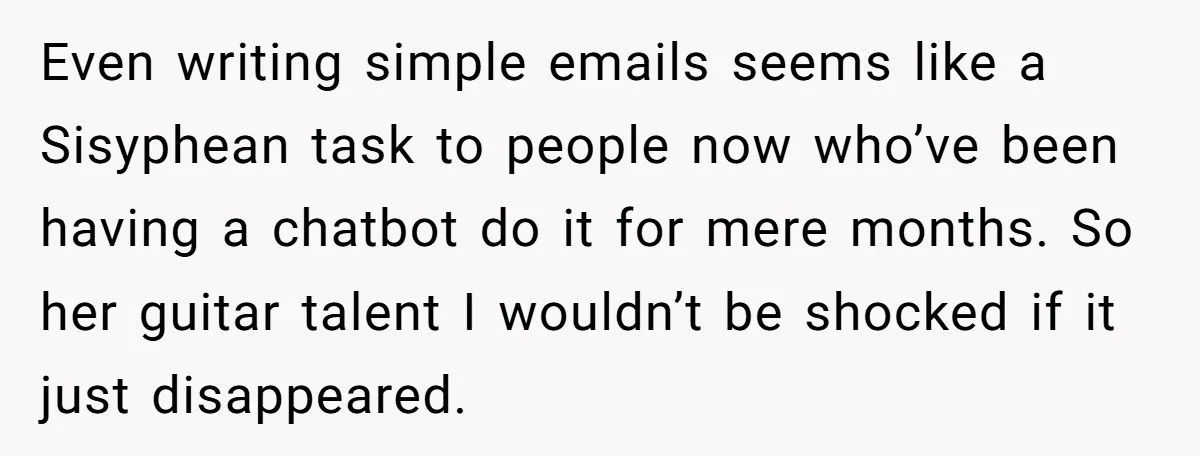
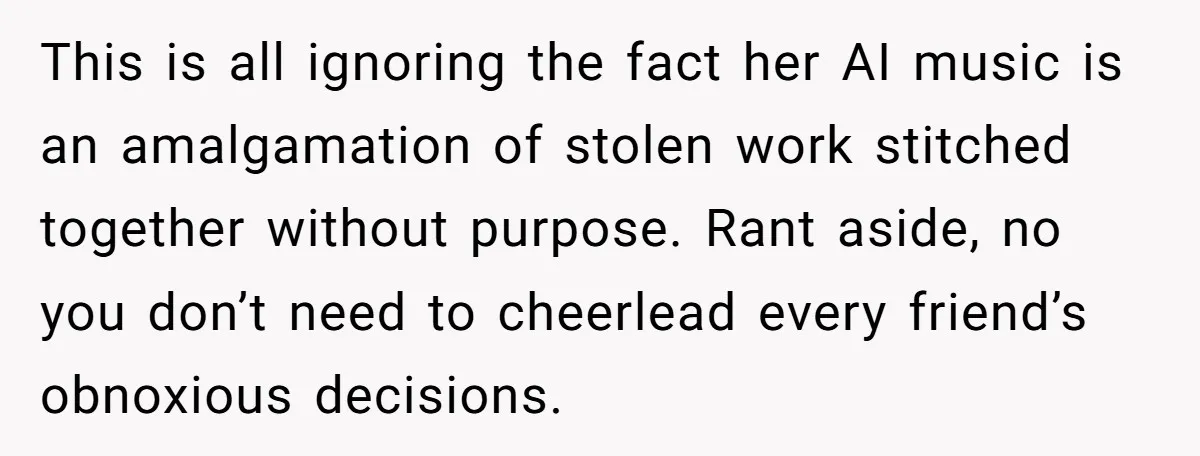


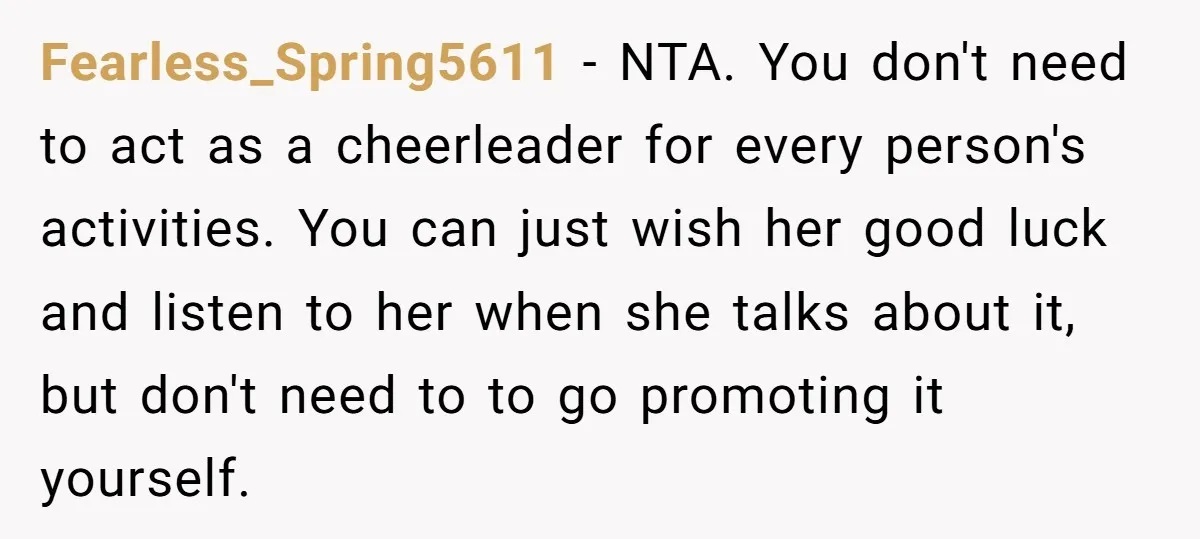
A smaller group offers a slightly softer stance, focusing on the freedom to decline promotion without ending the friendship.
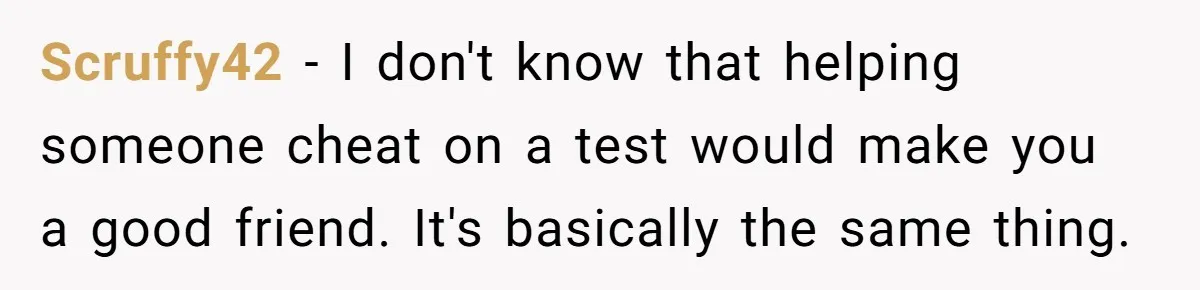
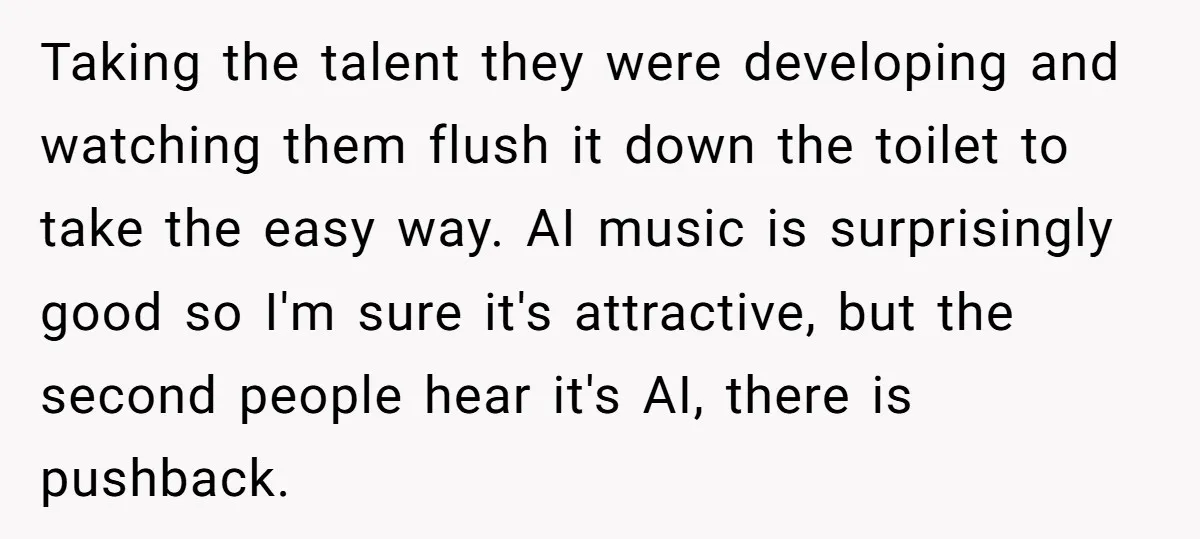
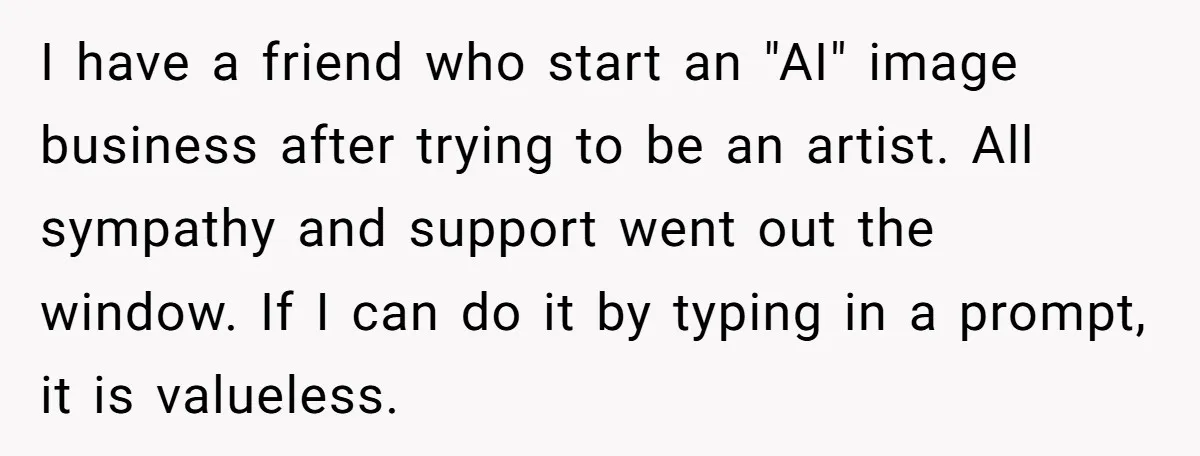
A few comments add sharp humor or blunt sarcasm to underline the perceived absurdity of calling AI output a “career.”

![[Reddit User] − Not even going to read the whole thing NTA. Don't support AI in any art form.](https://loknam.com/aita/images/f97f1125b9/wp-editor-1768015659095-2.webp)
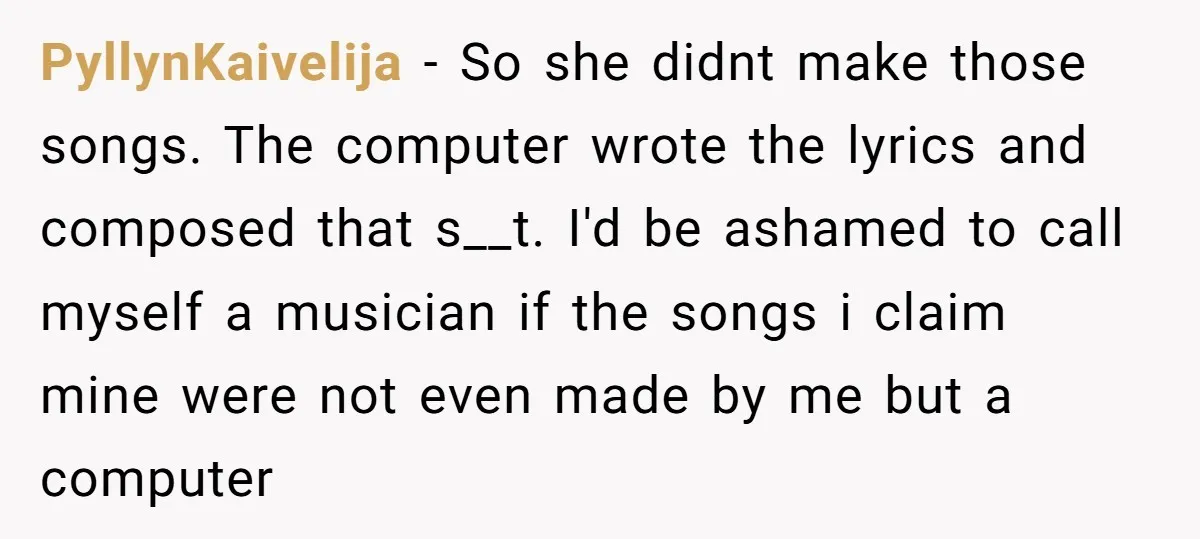
This story captures the awkward intersection of friendship, personal values, and the rapid adoption of AI in creative fields. While the poster values their friend, they draw a clear boundary against promoting content that feels disconnected from the human effort they once shared, and most readers agree that’s a fair choice.
Where do you stand: Would you share a friend’s AI-generated music to support them, or do you feel the same unease about authenticity? Have you noticed AI changing the way people approach hobbies like music or art in your own circle? Drop your thoughts in the comments.