
A husband recently found himself caught between his wife and his family after what seemed like a simple dinner outing. He and his wife met his younger sister and her new boyfriend for an early meal before heading out to a nightclub to listen to live music. The evening seemed ordinary until his phone lit up with a message from his sister criticizing his wife’s outfit.
The complaint quickly escalated into a larger family dispute. According to the sister, the wife’s leather mini skirt was inappropriate for meeting her new boyfriend. When their mother later joined the argument and suggested the husband should tell his wife how to dress around family, he firmly refused. His stance left both his sister and mother angry, turning a casual dinner into a surprisingly heated debate about personal choices and family expectations.

‘AITA for not telling my wife how to dress?’
The poster described the dinner outing and the outfit that sparked the disagreement.
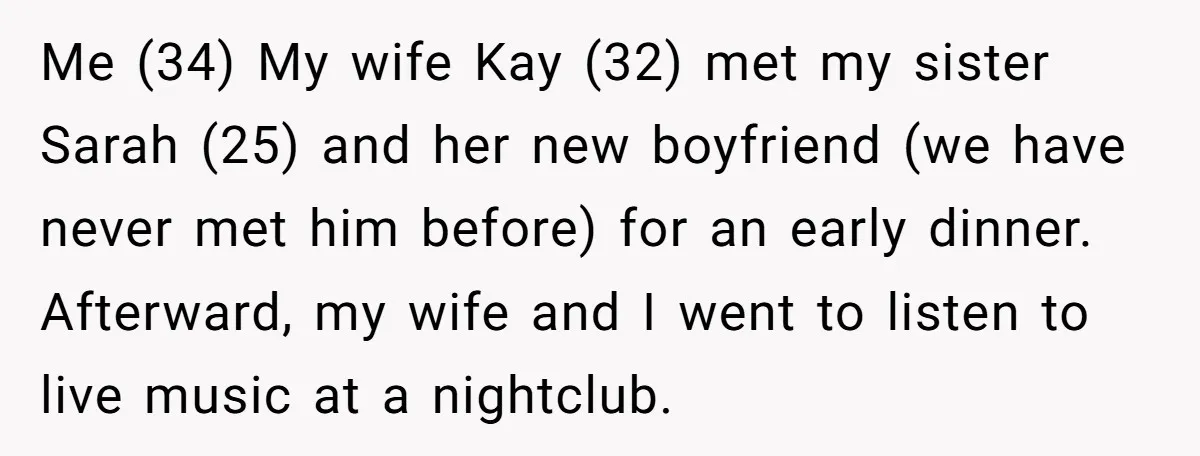

Soon after dinner, the sister sent an angry message criticizing the wife’s clothing.
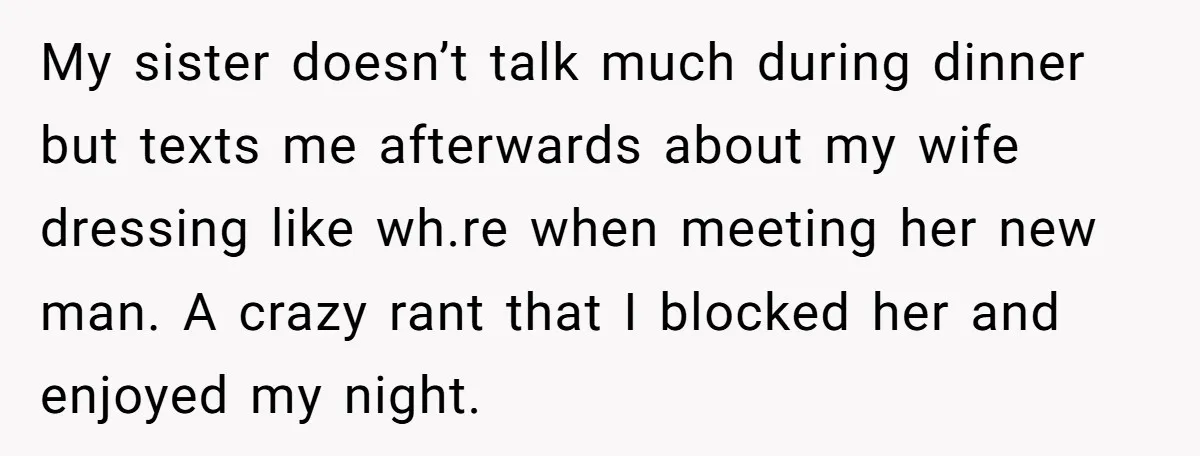
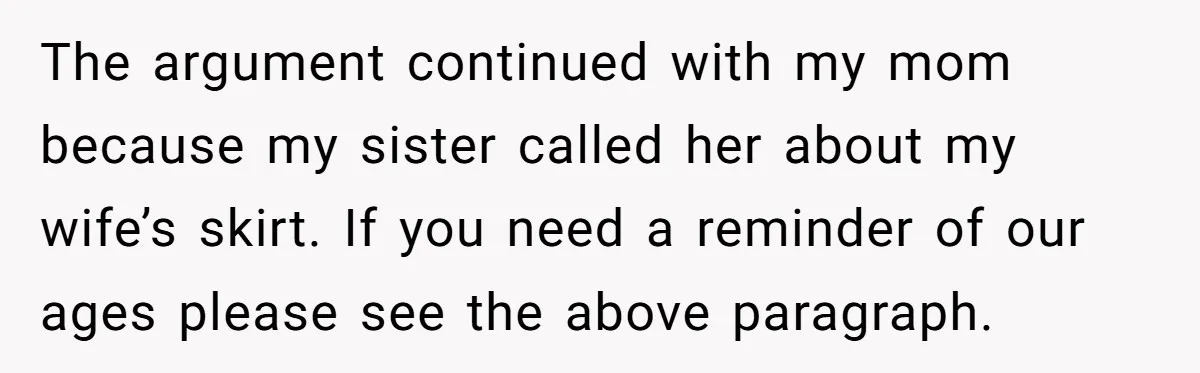
The disagreement escalated as the poster refused to control his wife’s clothing choices.
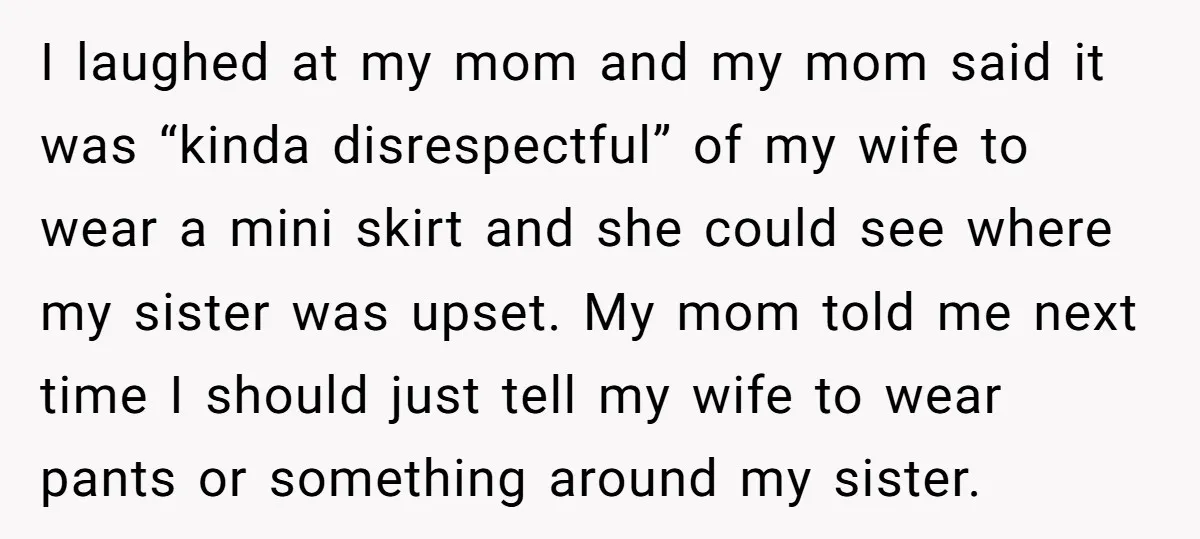


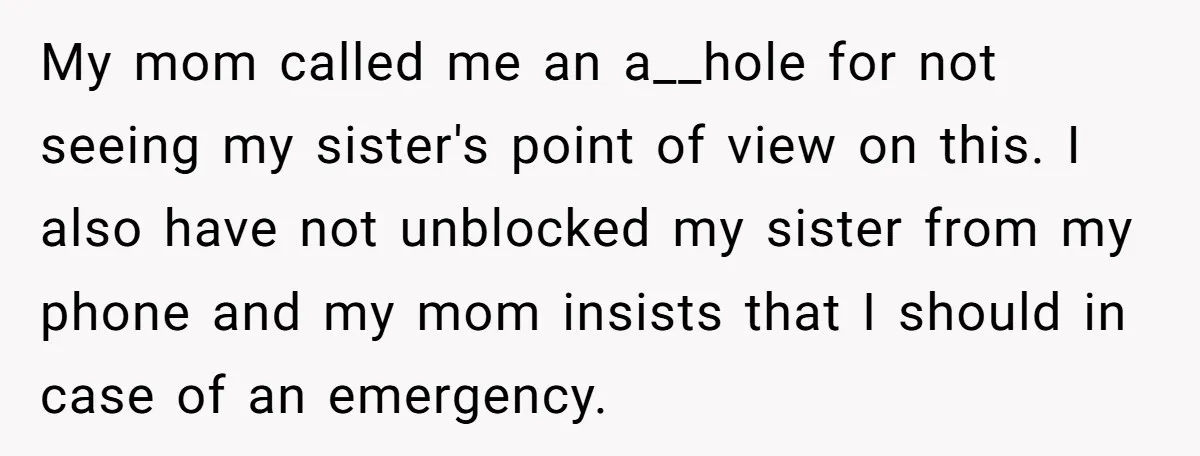
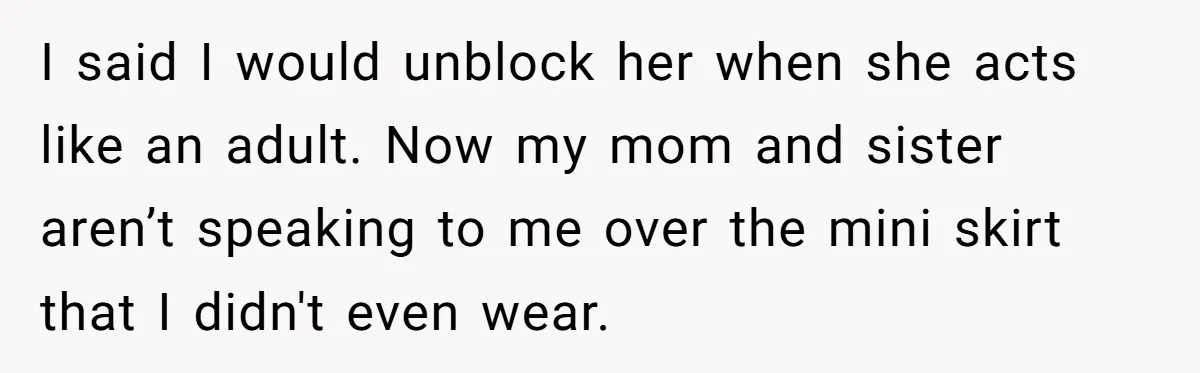
Conflicts over clothing often reflect deeper issues involving control, expectations, and personal boundaries within families. In this situation, the disagreement appears less about the outfit itself and more about differing beliefs regarding social etiquette and authority in relationships. From a relationship perspective, many experts emphasize that adult partners should maintain autonomy over personal decisions, including how they dress. When a spouse attempts to control another adult’s appearance, it can create resentment and imbalance in the relationship.
The husband’s refusal to dictate his wife’s clothing aligns with a partnership model based on mutual respect and independence. However, family members sometimes interpret clothing choices through the lens of social impression. The sister may have worried about how her boyfriend perceived the meeting or may have felt uncomfortable introducing her partner in a situation she believed was overly casual or attention-grabbing. These perceptions can lead to criticism even when no formal dress expectations exist.
Ultimately, this conflict highlights a common generational and interpersonal divide: whether family members should adapt their behavior to avoid upsetting relatives, or whether adults should prioritize individual choice even when others disapprove. Resolving such disputes often requires clear communication about expectations and respect for personal autonomy.
See what others had to share with OP:
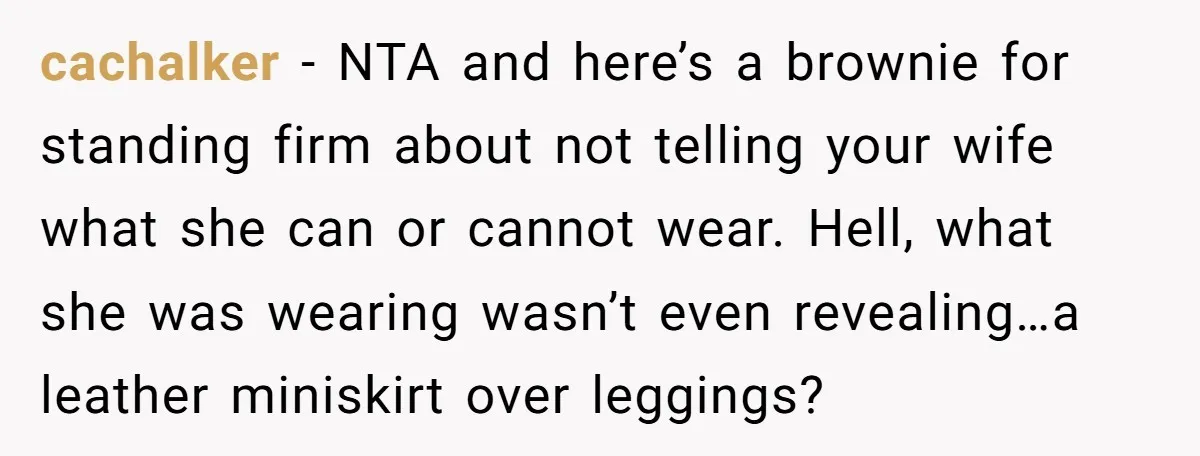
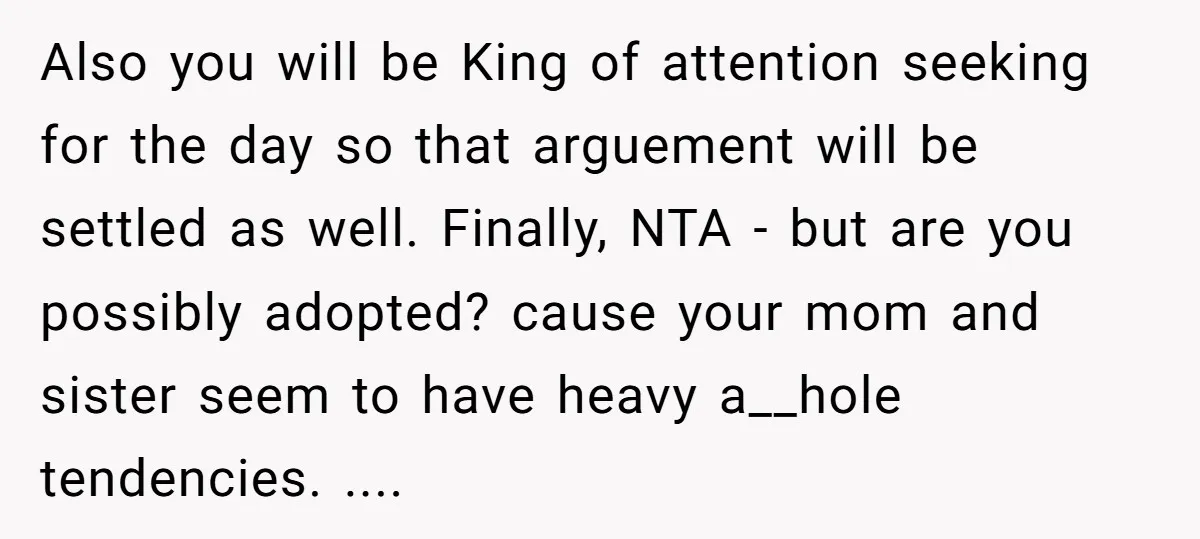
Many users strongly supported the husband and praised him for backing his wife.





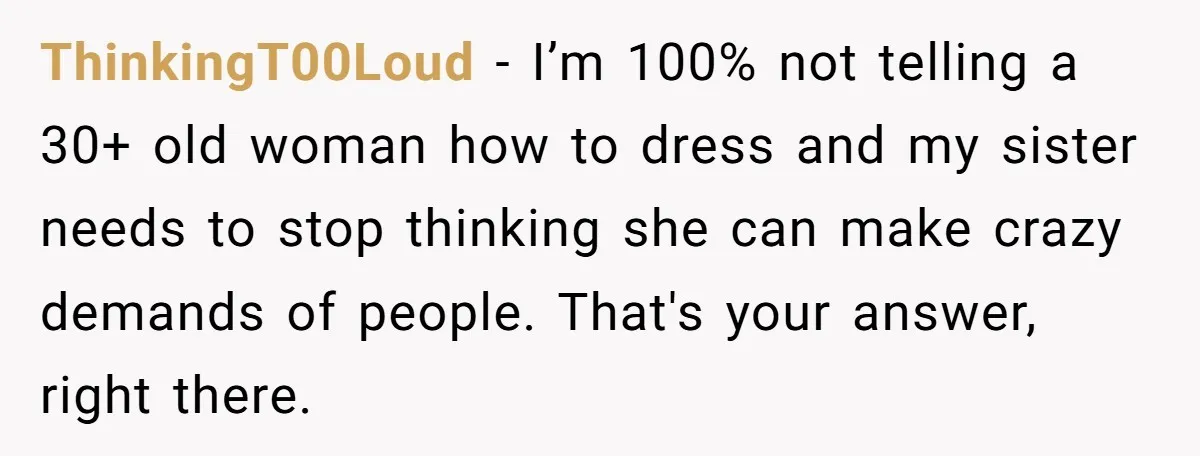


Others offered observations about the sister’s reaction and the family dynamic.
![[Reddit User] − NTA and I’m baffled that your sister is competing with your wife. I can’t believe she even had the nerve of involving your mother in this ridiculous...](https://loknam.com/aita/images/ba6a23d9ae/wp-editor-1772505081095-1.webp)
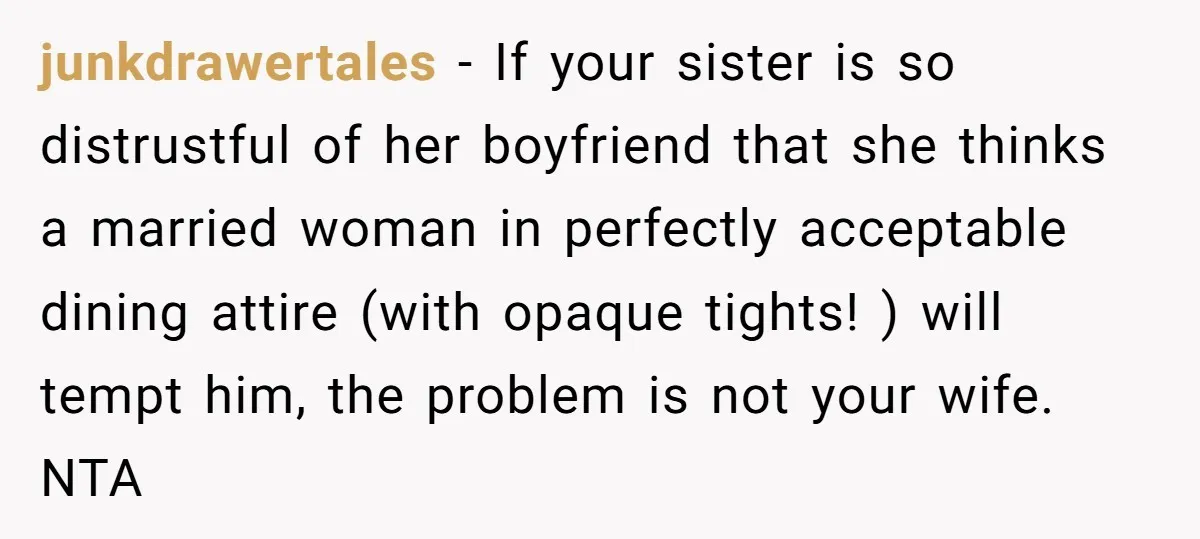

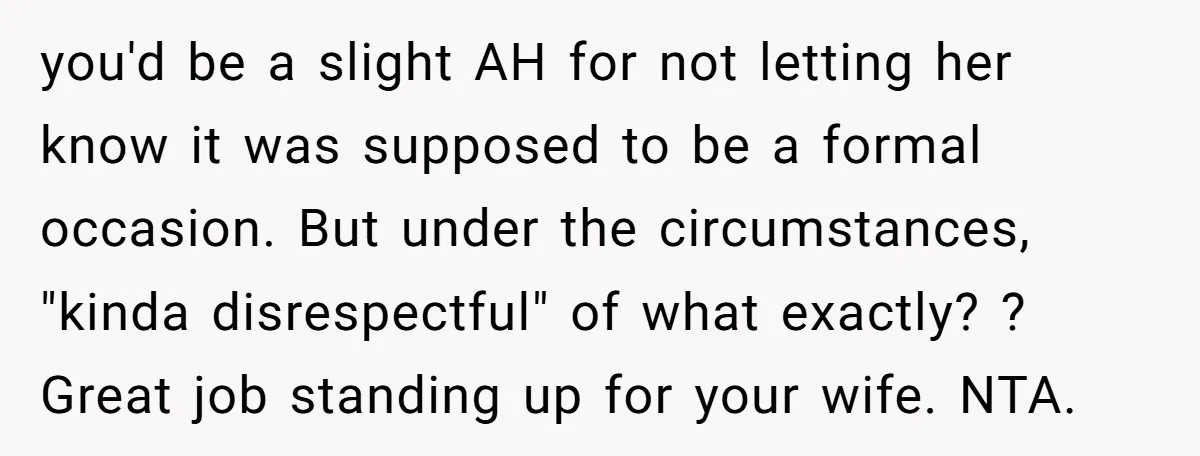
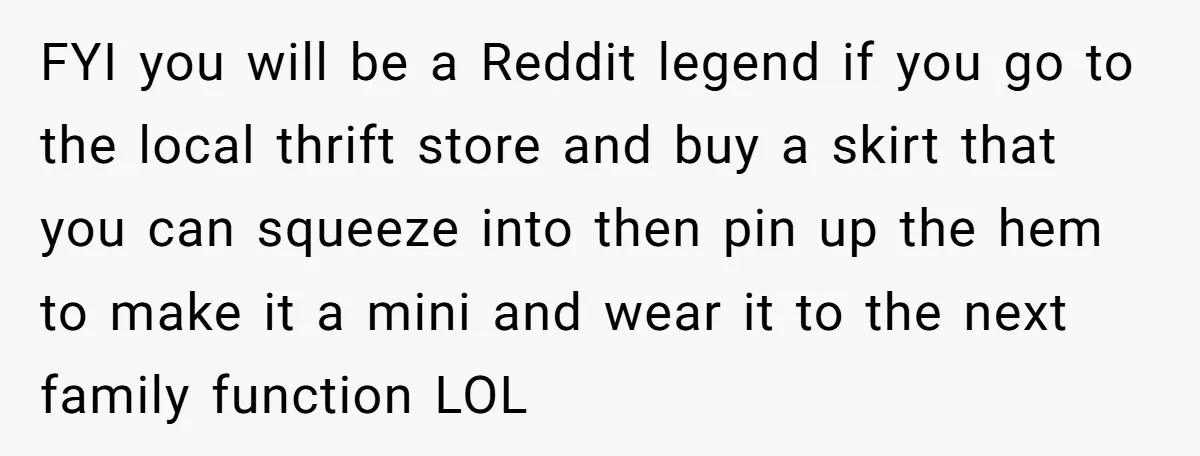
Some commenters responded with humor about the dramatic family reaction.


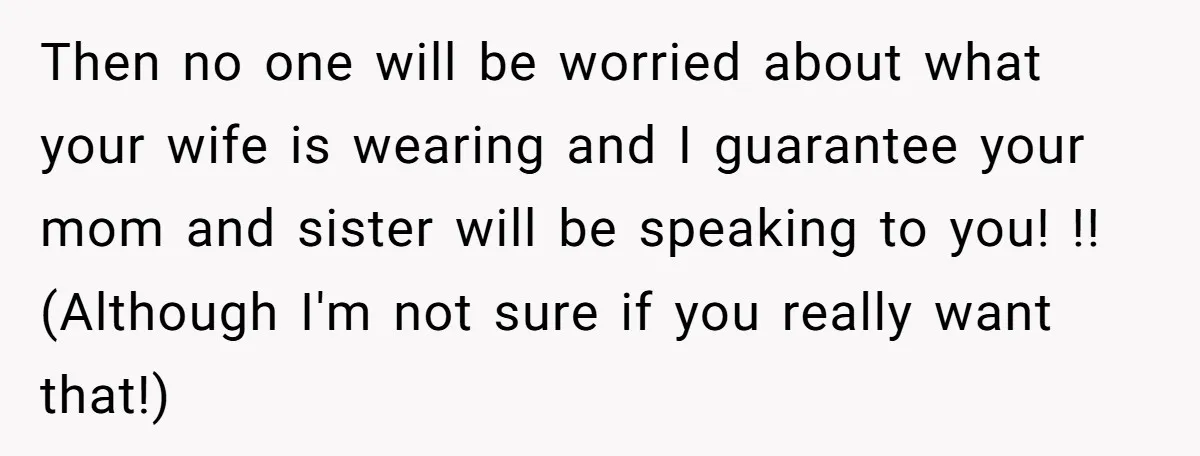
The disagreement began with a single outfit but quickly evolved into a broader argument about personal autonomy and family expectations. While the husband stood firm in refusing to dictate his wife’s clothing, his sister and mother viewed the situation through a different lens of social appropriateness.
Conflicts like this raise interesting questions about how much influence family members should have over each other’s personal choices. Should people adjust their clothing or behavior to avoid upsetting relatives, or is it more important to defend individual independence? What would you have done in the husband’s position?