
A 30-year-old woman hoped to spend a quiet weekend catching up with a close friend she hadn’t seen in months. Since moving three hours away the previous summer, visits had become less frequent, and she was excited to finally host her friend—especially because she had recently adopted a kitten and knew her friend, a fellow cat lover, would be thrilled to meet it.
However, the plan quickly ran into trouble when her friend said she couldn’t come without bringing her boyfriend. The poster had envisioned a relaxed one-on-one visit where they could talk openly and reconnect. When she suggested that her friend visit alone instead, the conversation unexpectedly turned tense. The disagreement left both women frustrated, and the poster began wondering whether asking for solo time with a friend was unreasonable.
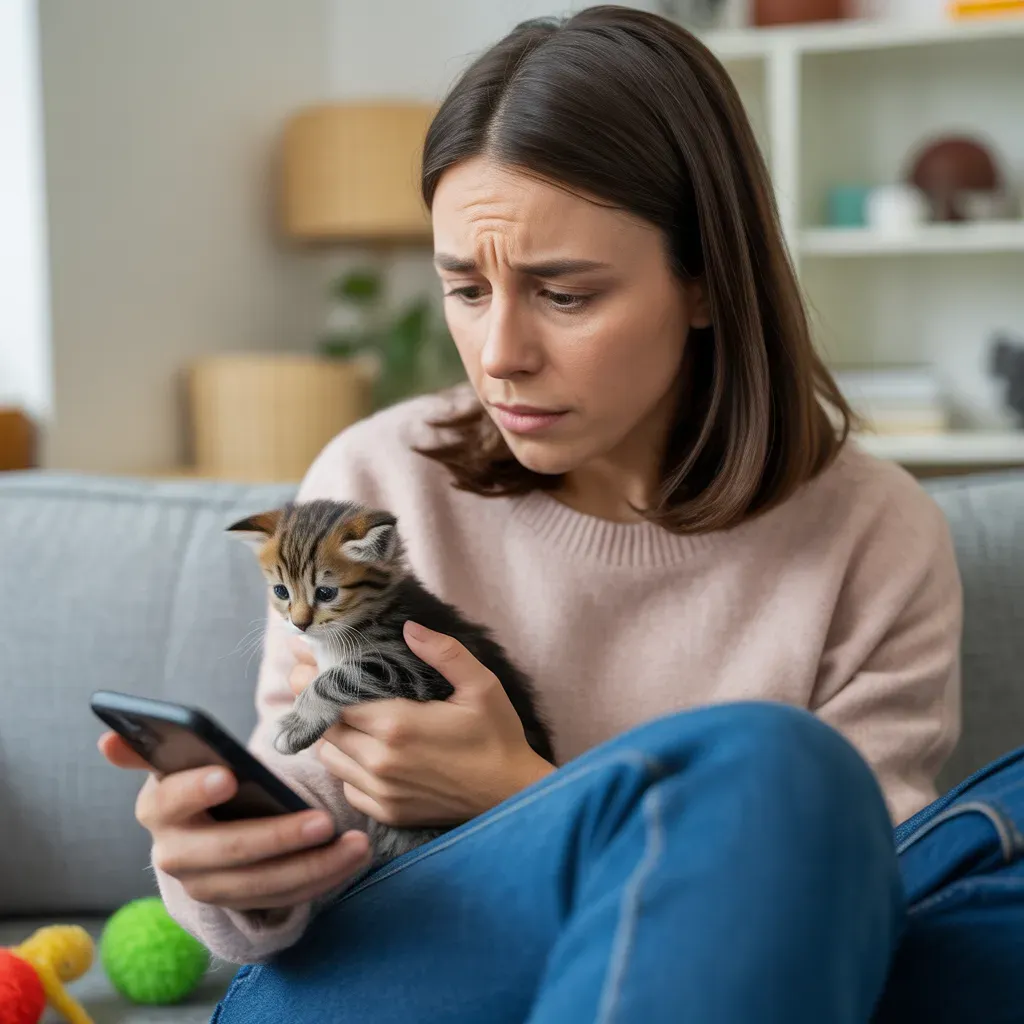
‘AITA for not wanting my friend’s boyfriend to hang out with us?’
The poster invited her friend for a weekend visit after months apart.




She suggested spending time together alone, which sparked an unexpected disagreement.
![I tell her "hey, I don't mind [boyfriend] but I was actually thinking of hanging out just the two of us? You could take a train too, it's cheaper and...](https://loknam.com/aita/images/74595cbd45/wp-editor-1772524621436-1.webp)

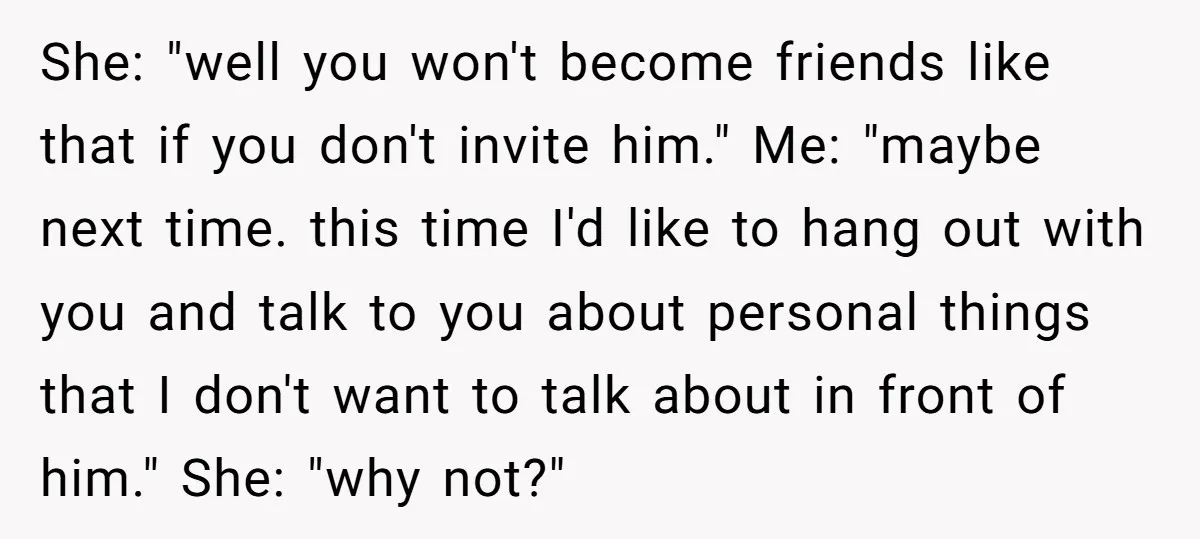

After the conversation, communication stalled and the poster questioned whether she was unreasonable.






Friendships often shift as people enter long-term romantic relationships. In this situation, the poster expected dedicated one-on-one time with a friend she had not seen in months. Wanting private conversations with a trusted friend is common, particularly when discussing personal matters that someone may not feel comfortable sharing in front of a partner.
However, from the friend’s perspective, priorities may have changed after being in a relationship for over a year. Couples often plan their limited free time together, particularly on weekends. Traveling several hours alone may feel less appealing when it means spending a large portion of available time away from a partner. In that context, inviting the boyfriend along could seem like a practical compromise rather than an intrusion.
The broader issue highlights how friendships and romantic relationships can compete for time and emotional energy as adults grow older. Maintaining both requires flexibility and communication from everyone involved. Friends may still value each other deeply even if schedules and priorities evolve. In situations like this, understanding each person’s expectations—rather than assuming neglect or codependency—can help prevent small disagreements from becoming larger conflicts.
These are the responses from Reddit users:
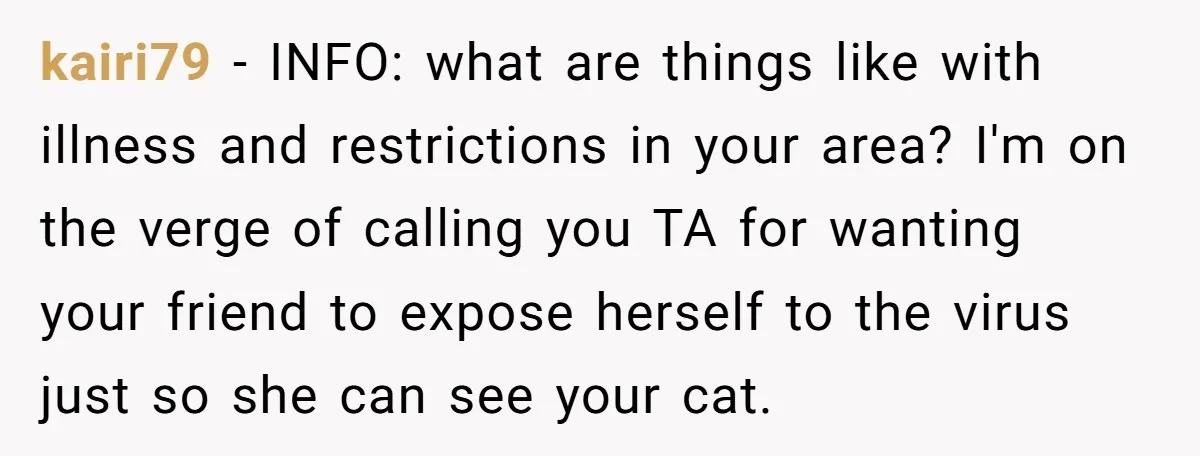
Many users supported the poster and believed one-on-one time between friends is important.
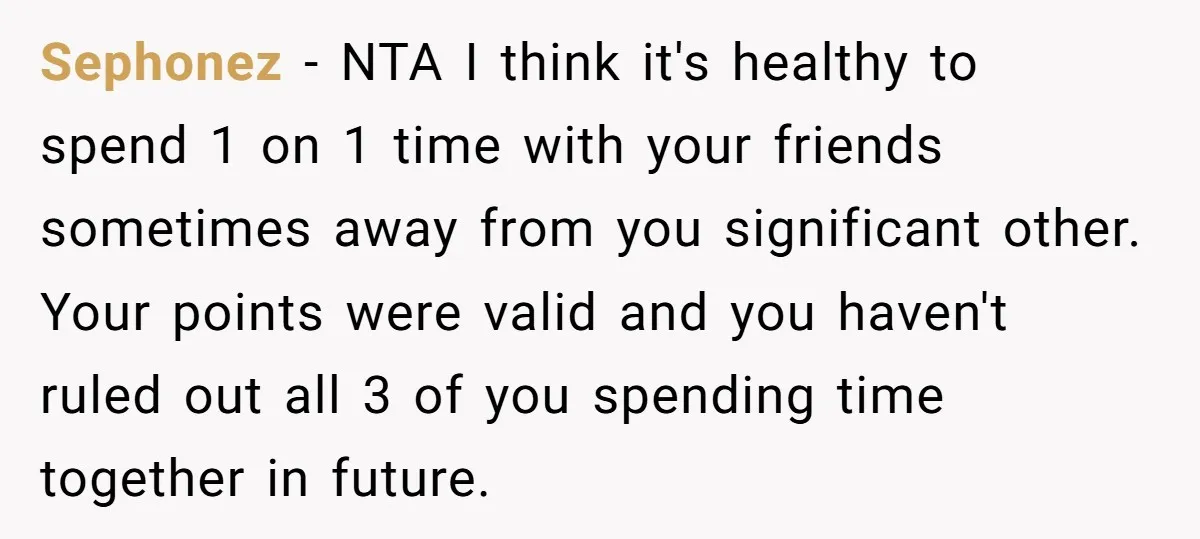







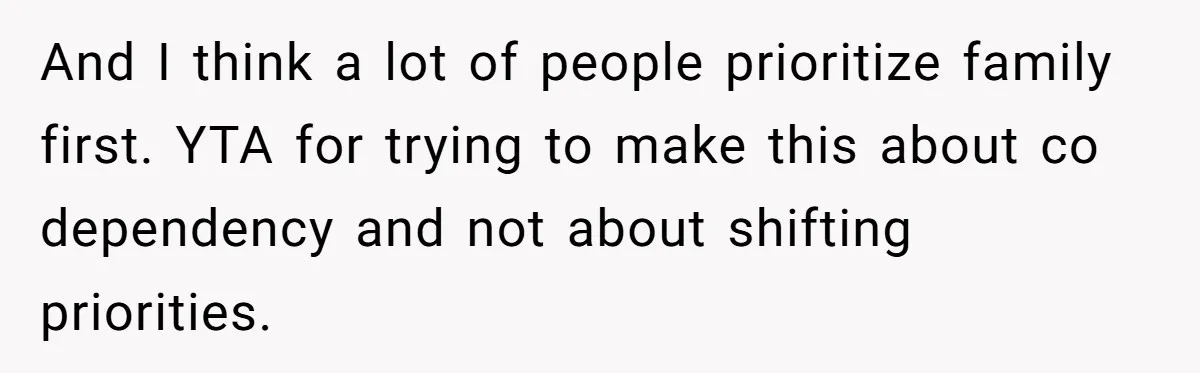
Others offered opposing or balanced viewpoints about travel and relationship priorities.









Some commenters added reflective takes on changing priorities in adulthood.










This situation highlights a common tension many adults face as friendships and romantic relationships evolve. The poster hoped for private time to reconnect with a close friend, while the friend appeared to prioritize spending the weekend with her partner. Neither desire is unusual, but mismatched expectations can easily lead to misunderstandings.
It also raises broader questions about how friendships change over time. Is it reasonable to expect friends to occasionally spend time together without their partners? Or is it natural for couples to prefer including each other in most plans? Where do you think the balance between friendships and romantic relationships should lie?