
Co-parenting after a divorce is rarely simple, but some situations push even the calmest parents to their limits. In this case, a mother believed she was doing exactly what her custody agreement allowed, stepping in to care for her sick three-year-old when her ex-husband was unavailable. Instead of a smooth handoff, she found herself blocked by his girlfriend, a confrontation that left her child crying and forced her to call the police.
Beyond the immediate shock, the fallout stretched on for more than a year. Accusations flew, trust evaporated, and communication between the parents deteriorated even further. Now, the ex-husband and his girlfriend insist that an apology is the only way forward. On social media, readers reacted strongly, debating parental rights, boundaries, and whether peace is worth swallowing anger that still feels justified.


Everything started when OP checked on her sick child during her ex-husband’s custody time:

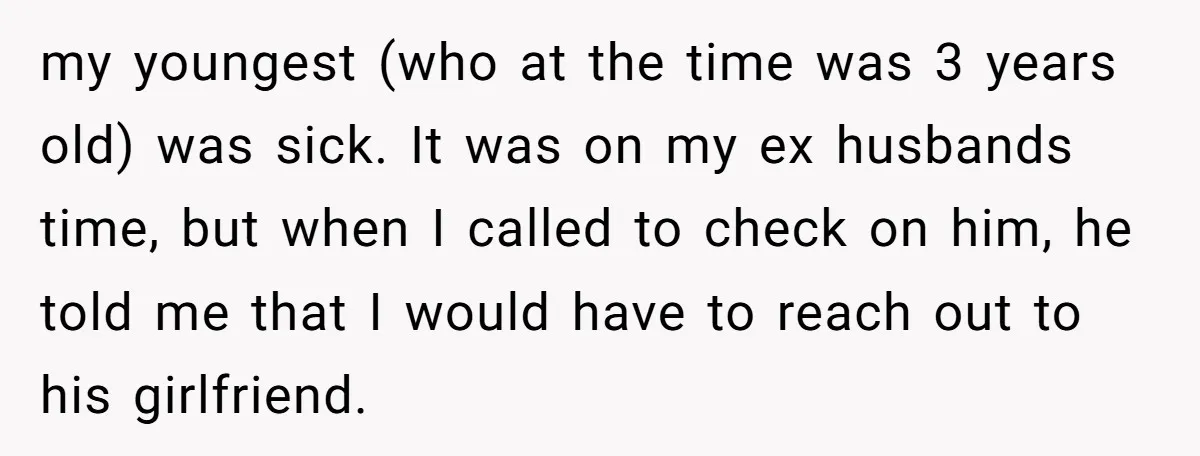
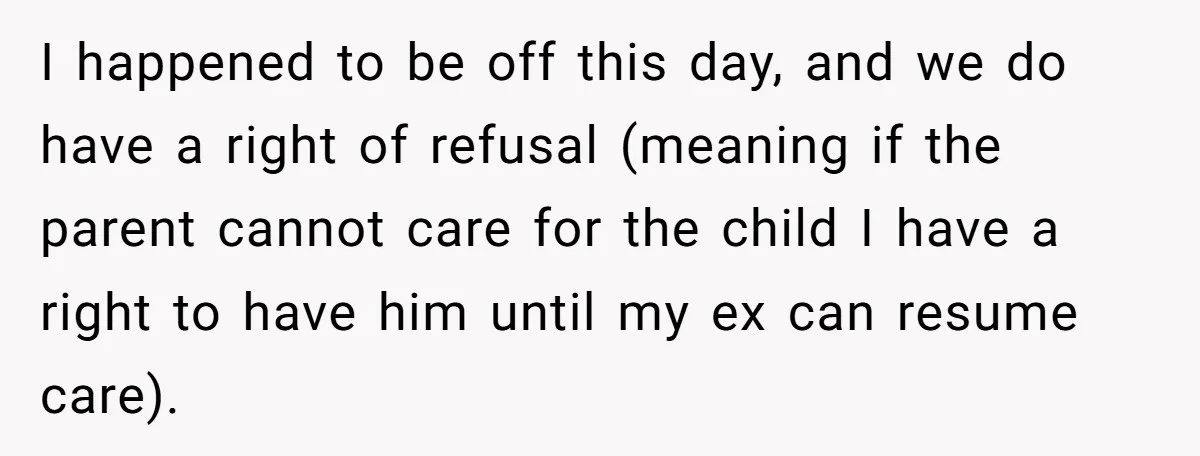
Trying to follow the custody agreement, OP made a decision she felt was reasonable:
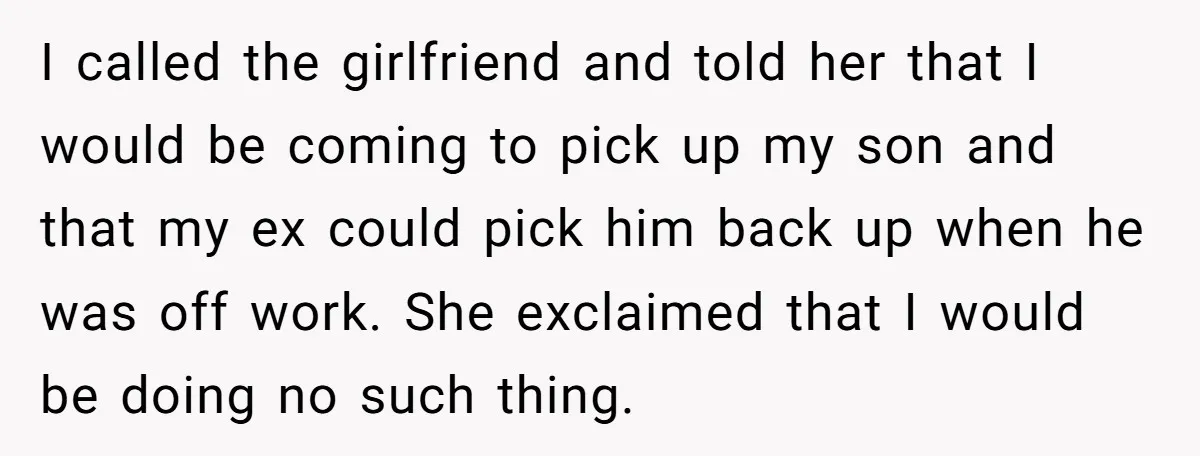
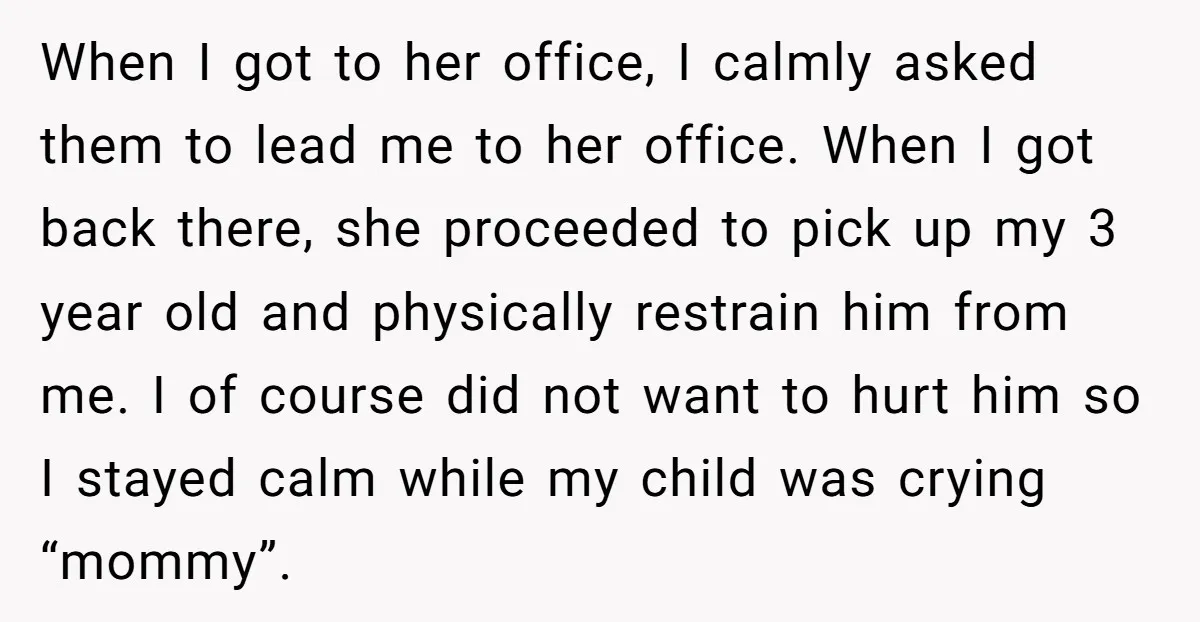
Feeling she had no other option, OP escalated the situation:
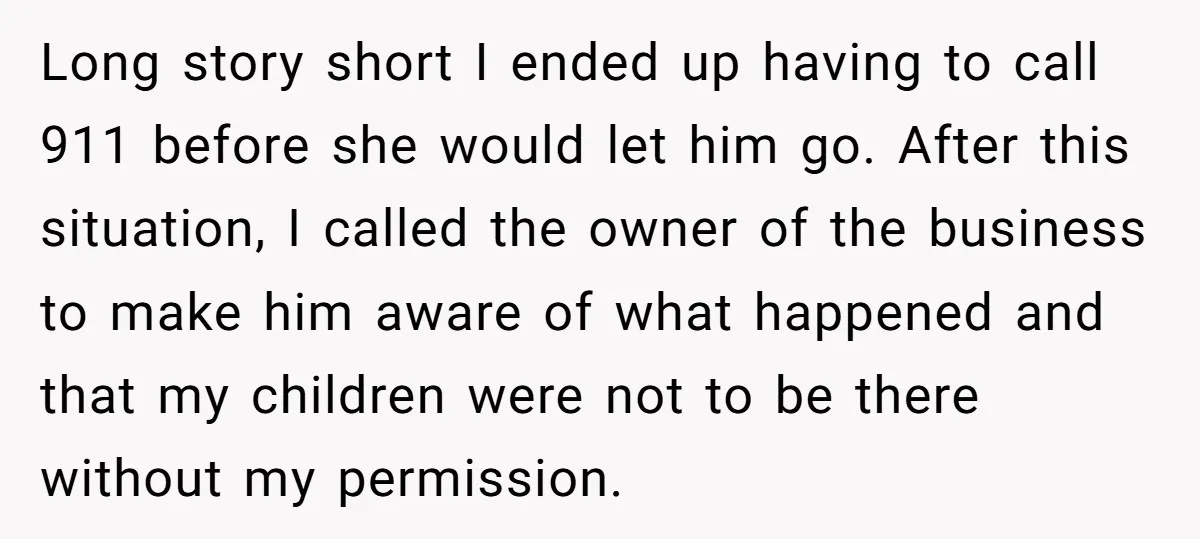
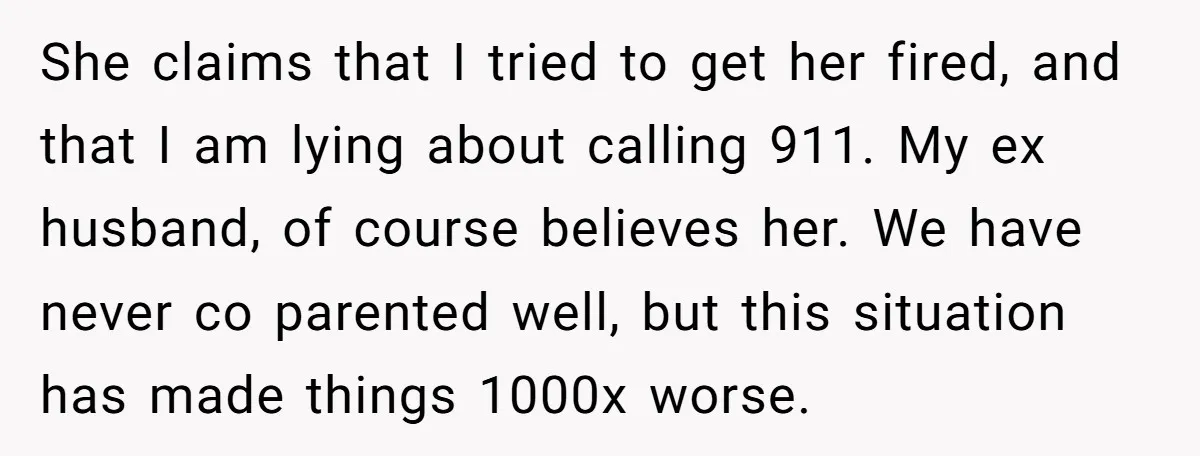
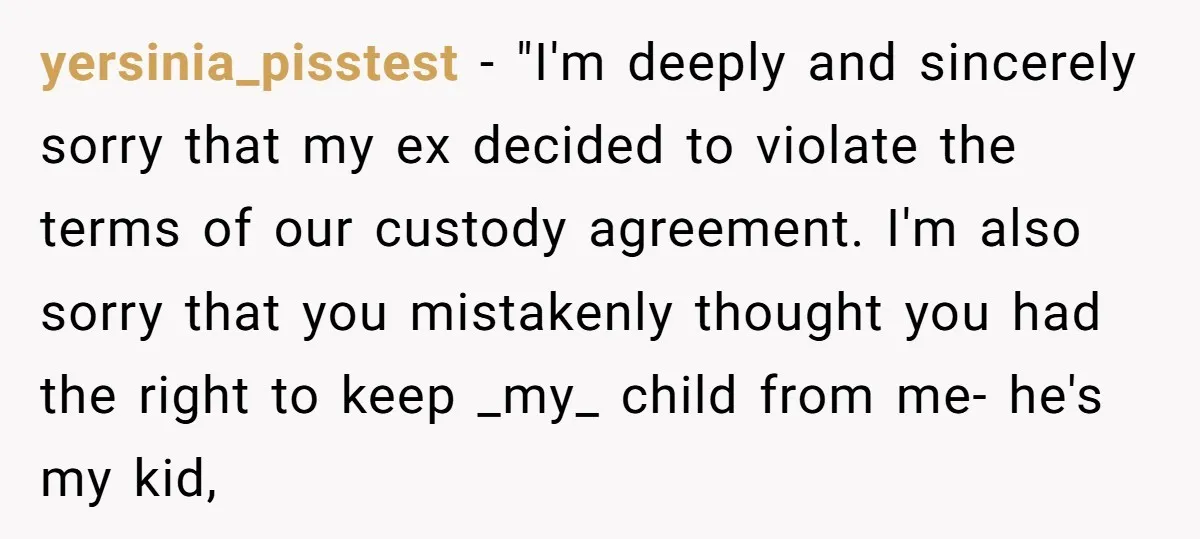
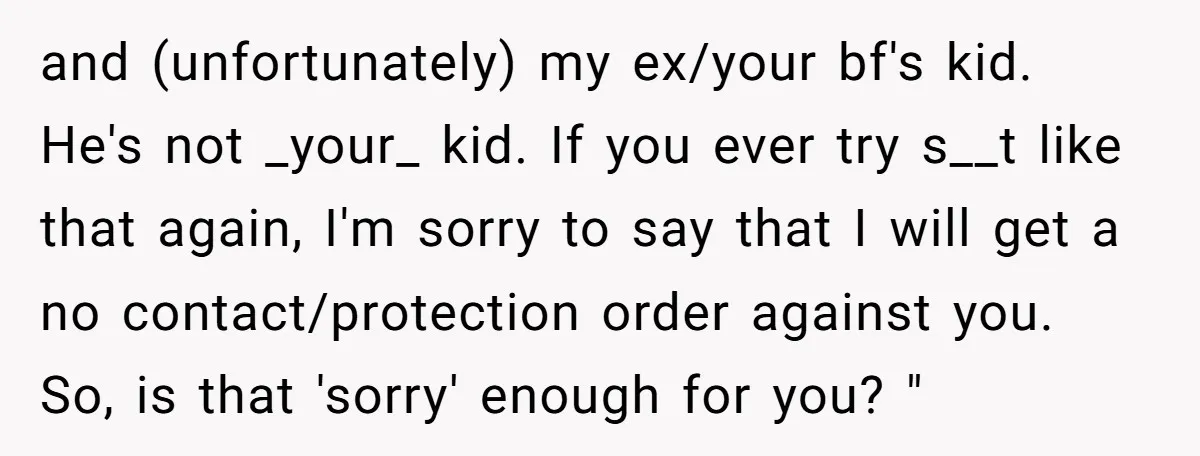
Now, an apology is being demanded as a condition for smoother co-parenting:

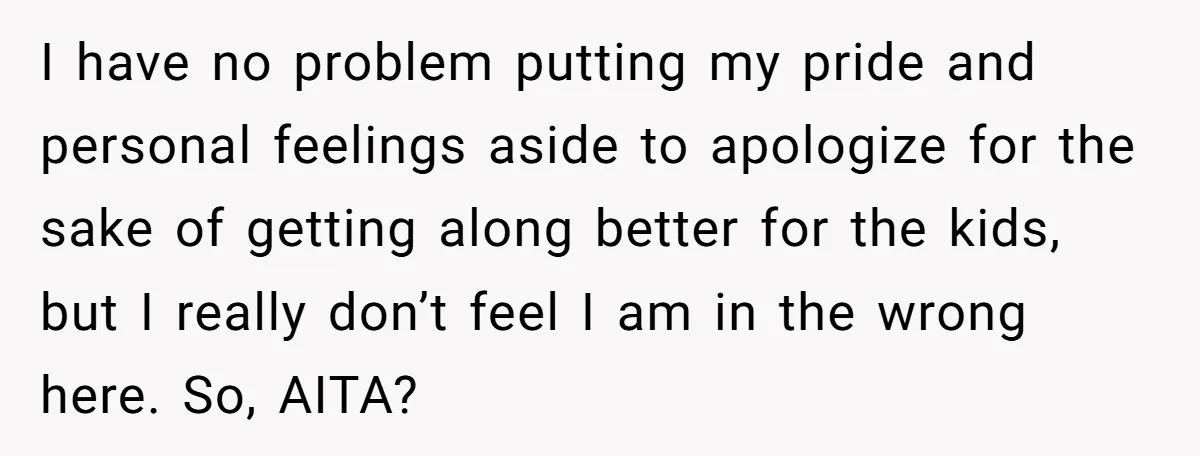
Situations like this often sit at the intersection of legal rights and raw emotion. From OP’s perspective, she acted within a custody agreement designed to protect her child’s wellbeing. A sick toddler, an unavailable parent, and a third party without legal authority created a perfect storm. On the other side, the girlfriend may have perceived herself as protecting the child or backing up her partner, even if that belief lacked any legal footing.
Family conflict experts often stress that clarity prevents escalation. According to Dr. John Gottman of The Gottman Institute, “Conflict isn’t the problem in relationships; it’s how people handle it that predicts outcomes.” When boundaries are unclear or ignored, fear and defensiveness take over quickly, especially where children are involved.
For OP, practical steps matter more than emotional gestures. Using formal co-parenting apps, documenting incidents, and revisiting custody agreements through legal channels can reduce future misunderstandings. An apology offered under pressure, without shared agreement on facts, rarely heals anything. Instead, it can breed resentment and reinforce unhealthy dynamics.
At the same time, long-term peace often requires communication that focuses on the child rather than past grievances. If a neutral mediator or family lawyer can help define who is authorized to make decisions, everyone benefits. Protecting a child’s sense of safety should remain the shared goal, even when trust between adults is thin.
Take a look at the comments from fellow users:
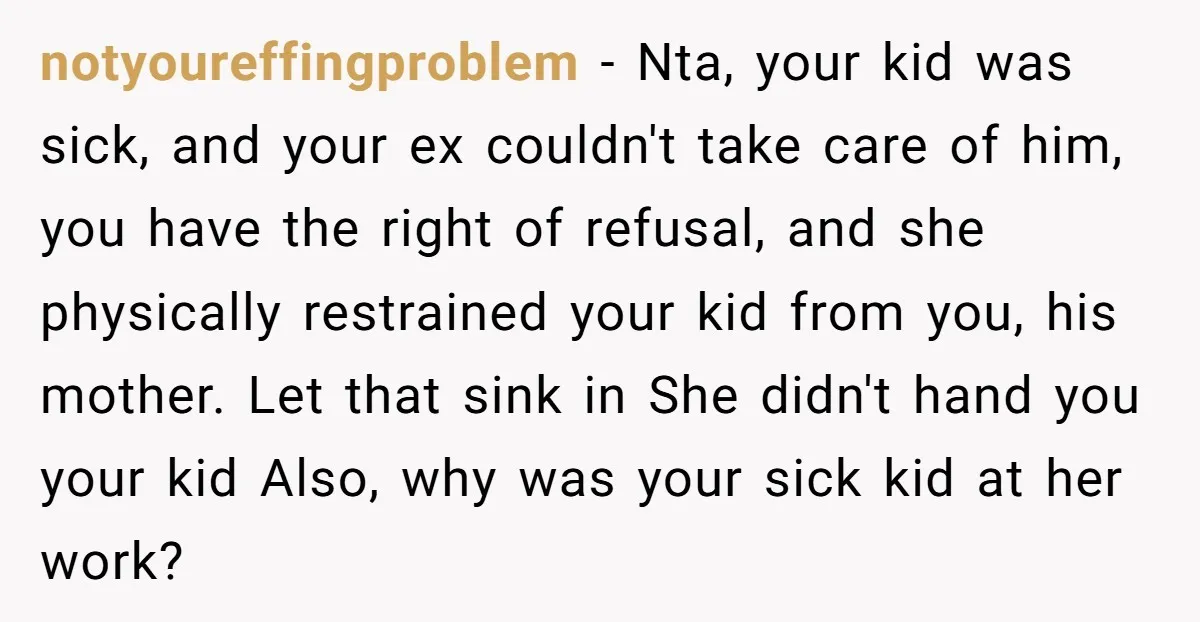
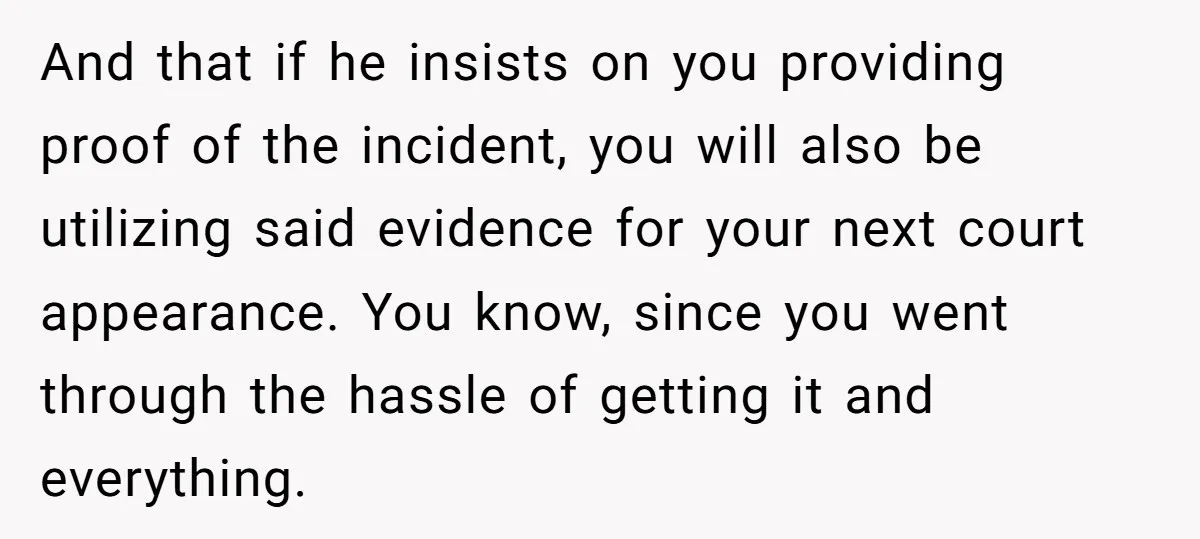
Many users strongly supported the mother, emphasizing her legal rights and instincts:
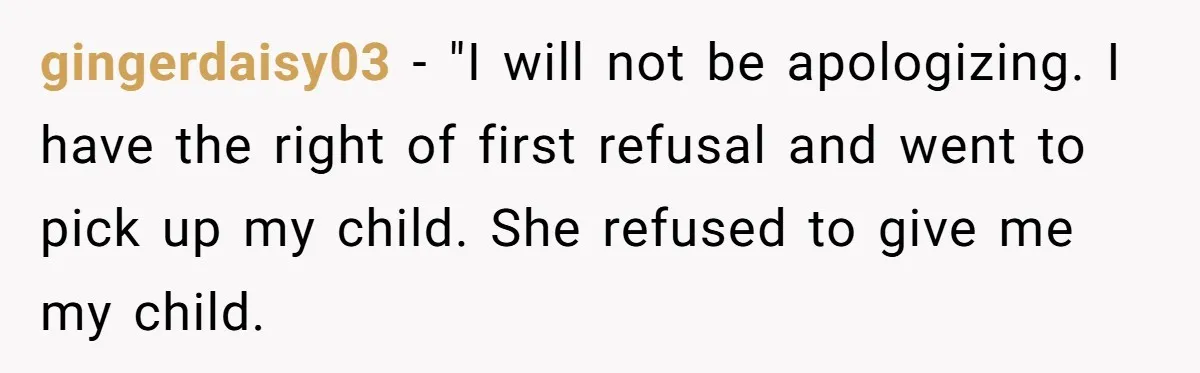





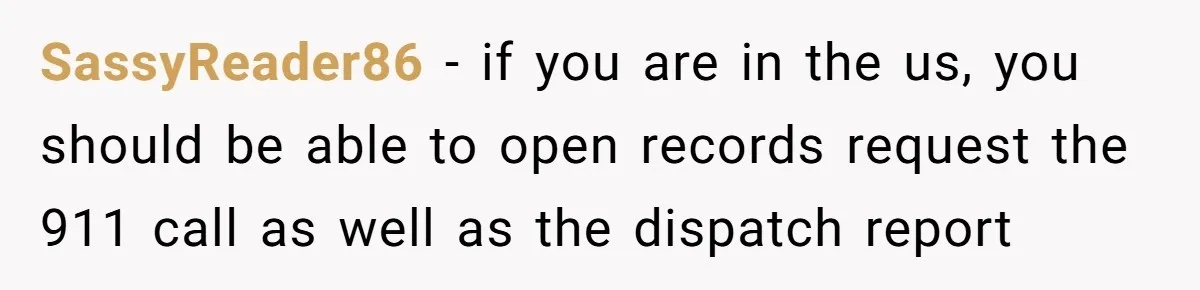
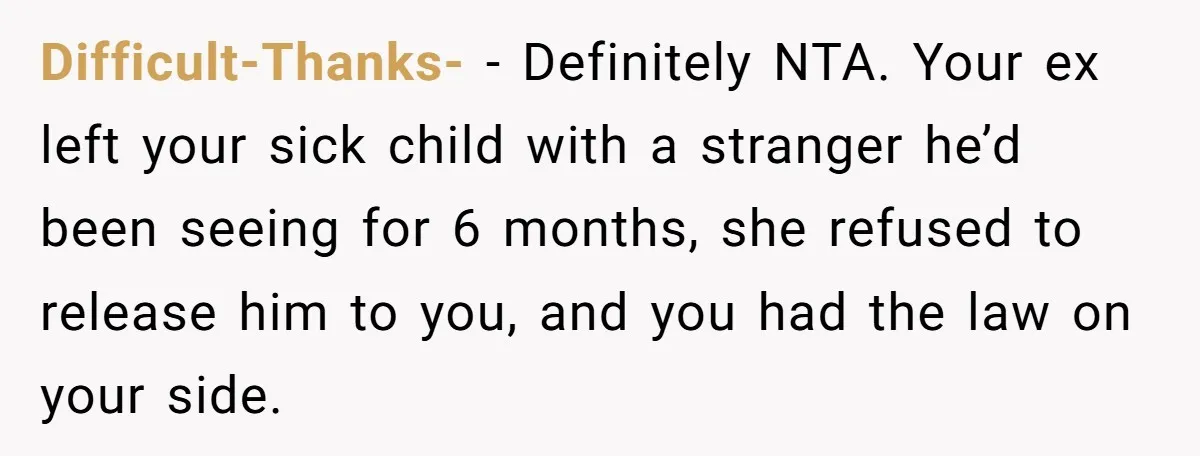
Others offered a more measured take, focusing on next steps rather than blame:




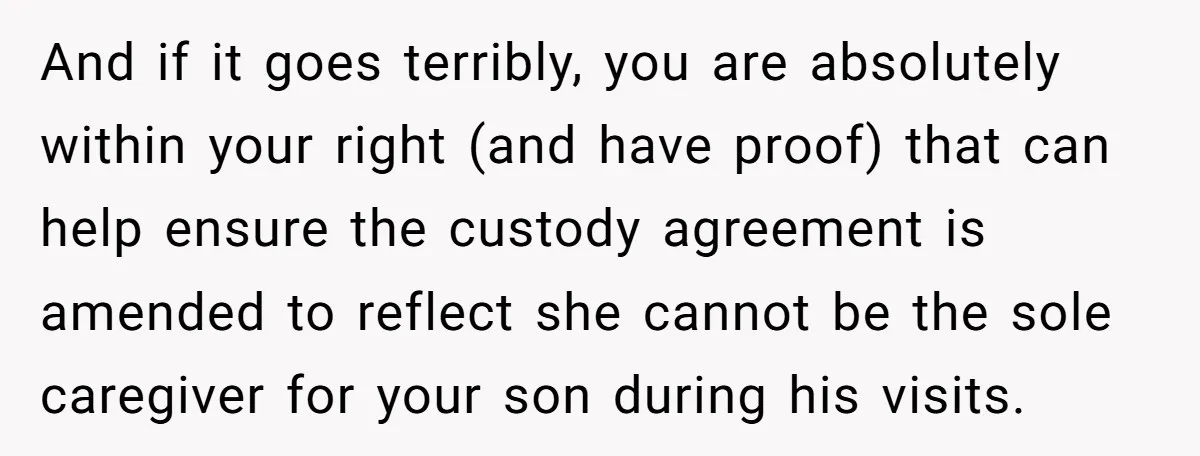
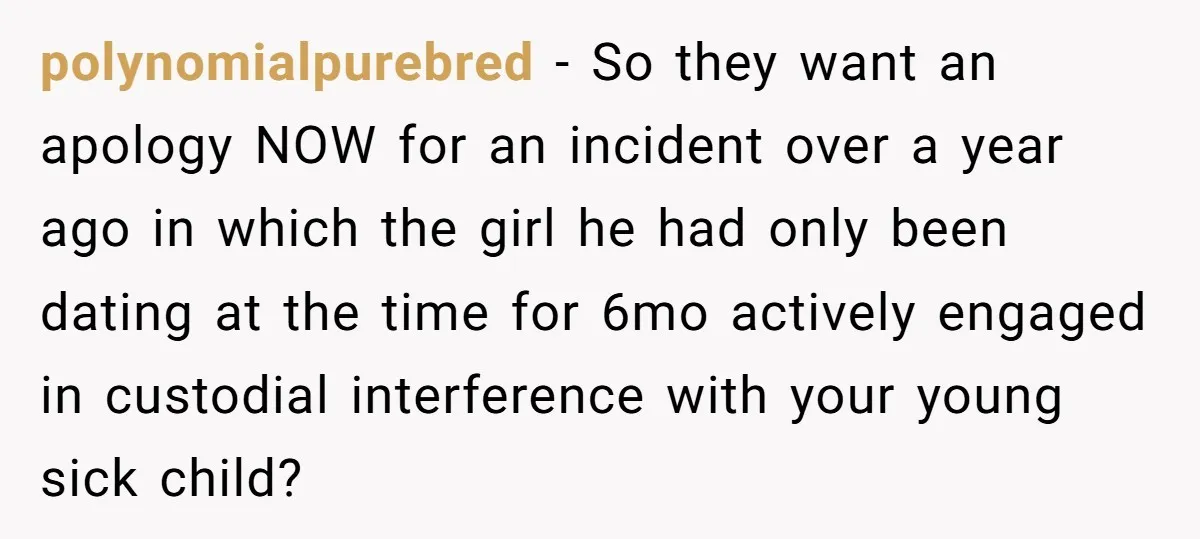

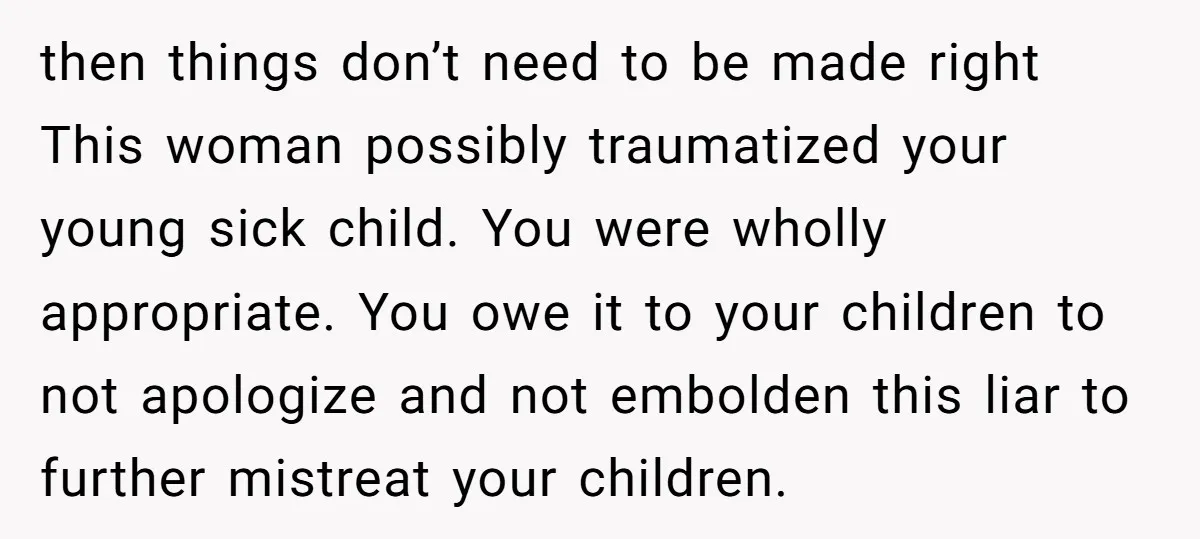


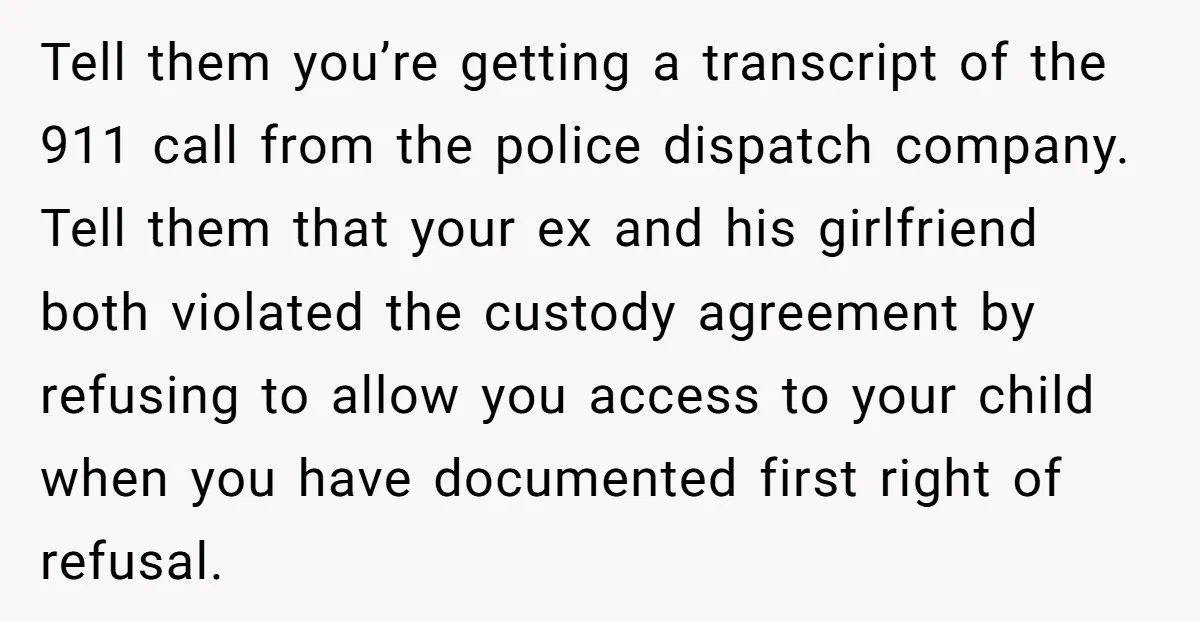
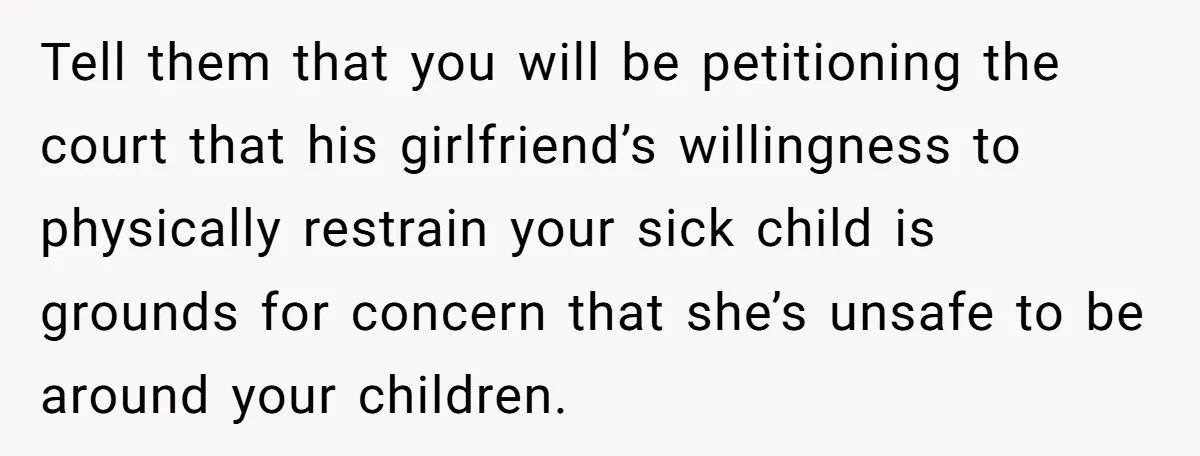
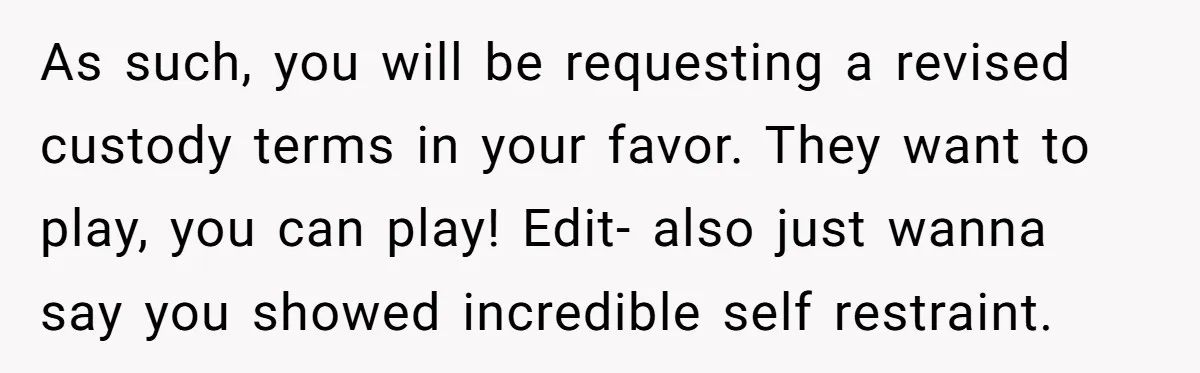

A few comments mixed frustration with dark humor:

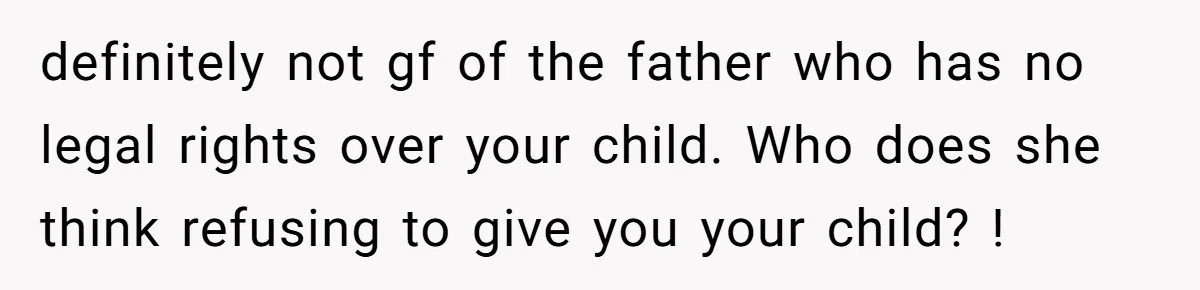
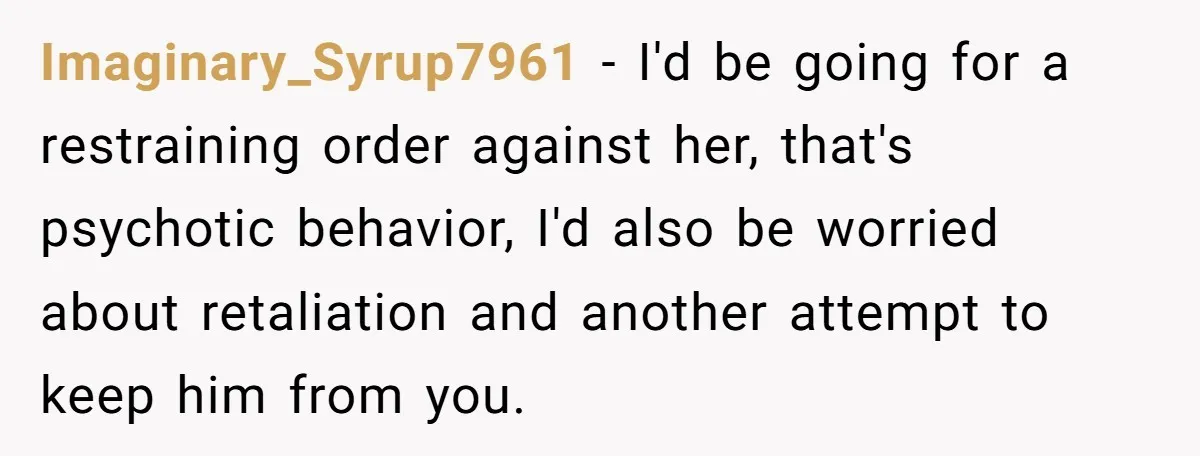




This story highlights how fragile co-parenting can become when boundaries blur and emotions run high. A mother believed she was protecting her sick child, while her ex and his girlfriend insist an apology is necessary to move forward. Social media users overwhelmingly sided with parental rights and clear custody rules, yet some urged a calmer, strategic approach for the child’s sake. In situations like this, legal clarity and respectful distance may matter more than forced apologies. What would you do if someone stood between you and your child?