
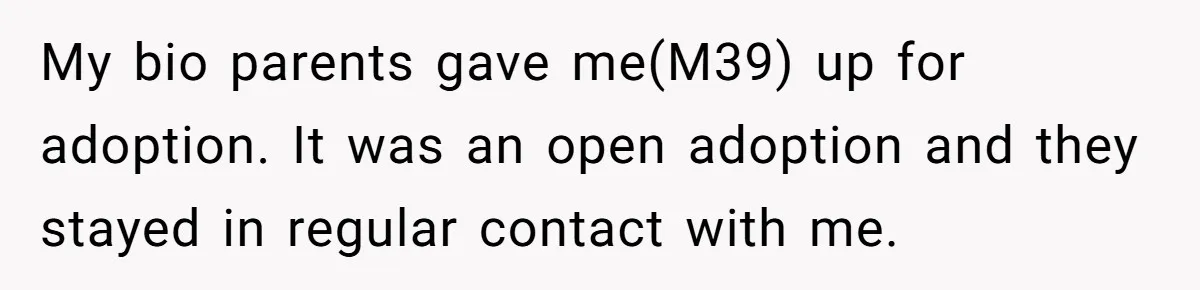
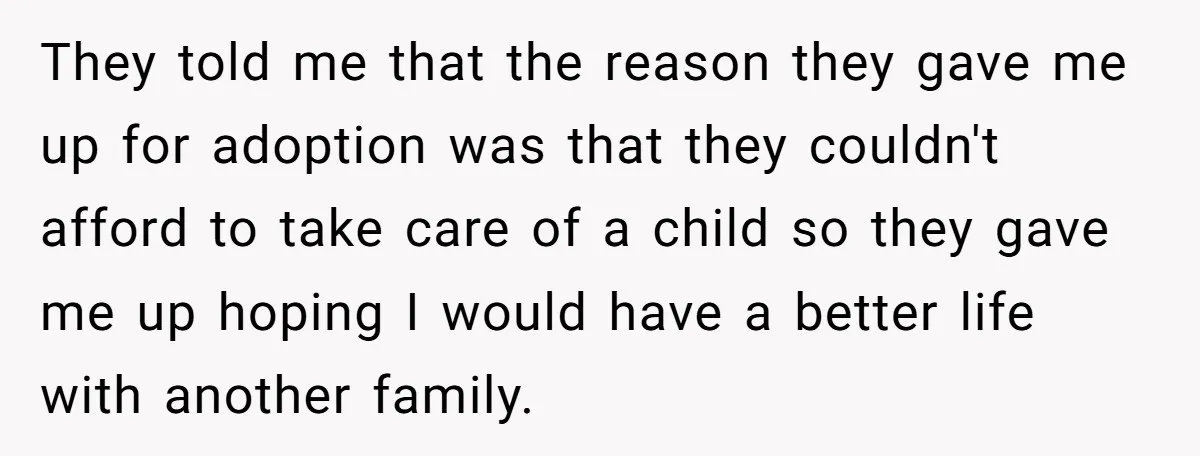
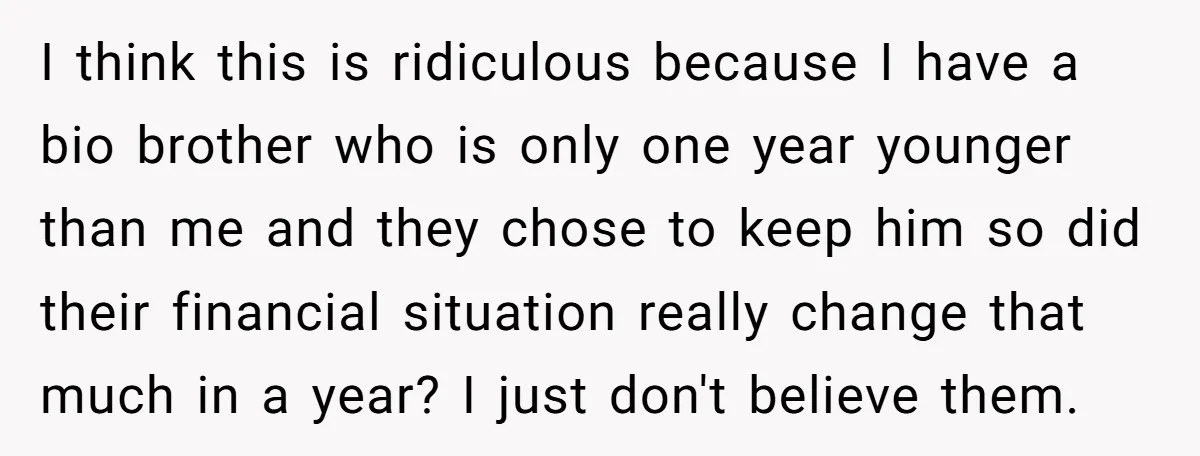
He was adopted as a baby, but that chapter of his life has never truly felt closed. Although it was an open adoption and he stayed in contact with his biological parents, one detail has always lingered: he has a biological brother just one year younger — and that brother was kept.
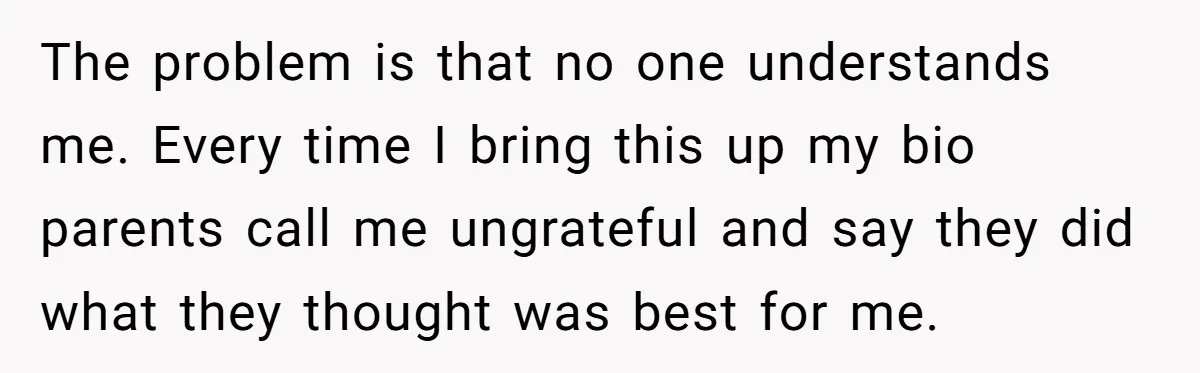
Decades later, the hurt still hasn’t faded. During a family discussion, he once again tried to explain why it still bothers him. His brother dismissed him. His teenage nephew walked away. But his 16-year-old niece offered something no one else ever had — empathy. Months later, his Christmas decision would turn that moment into a family-wide argument.

‘AITA for only buying a Christams gift for my bio niece?’
The tension traces back to his adoption:
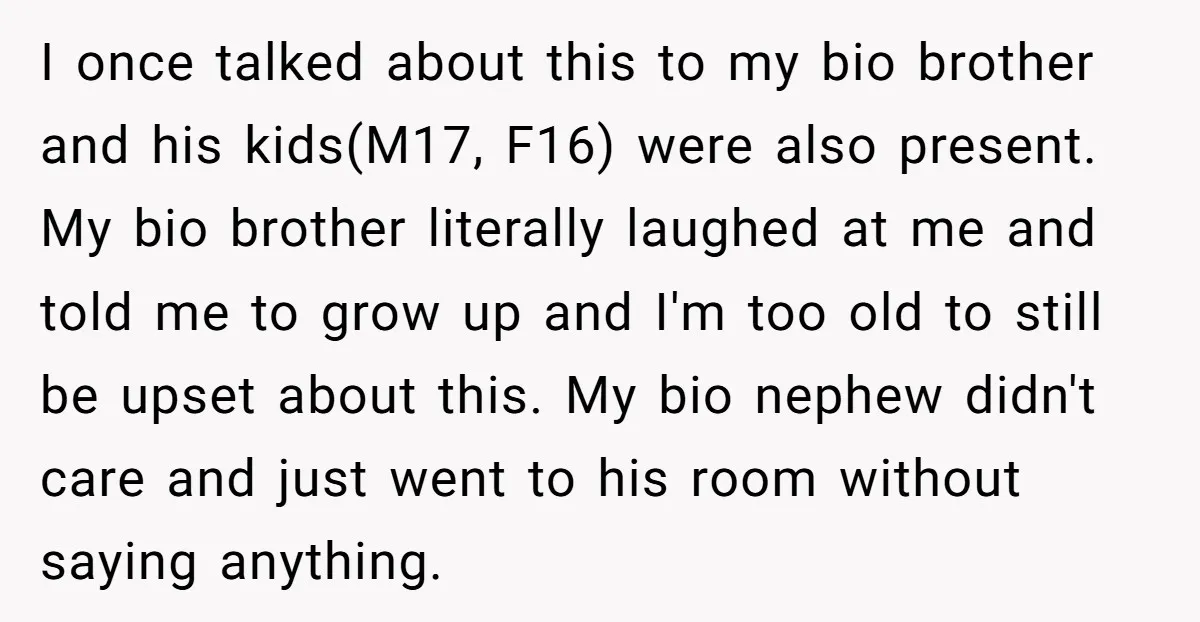
The teens reacted differently:

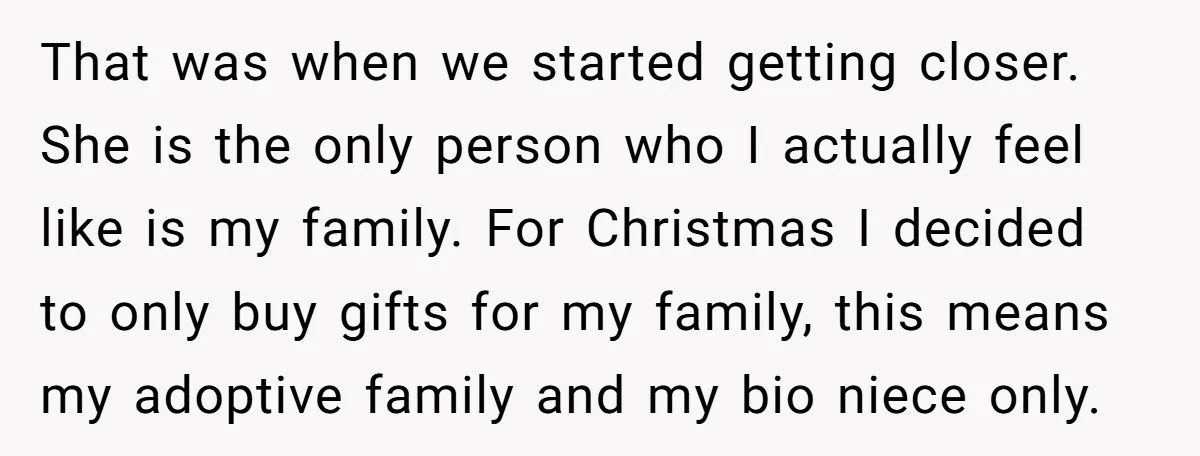
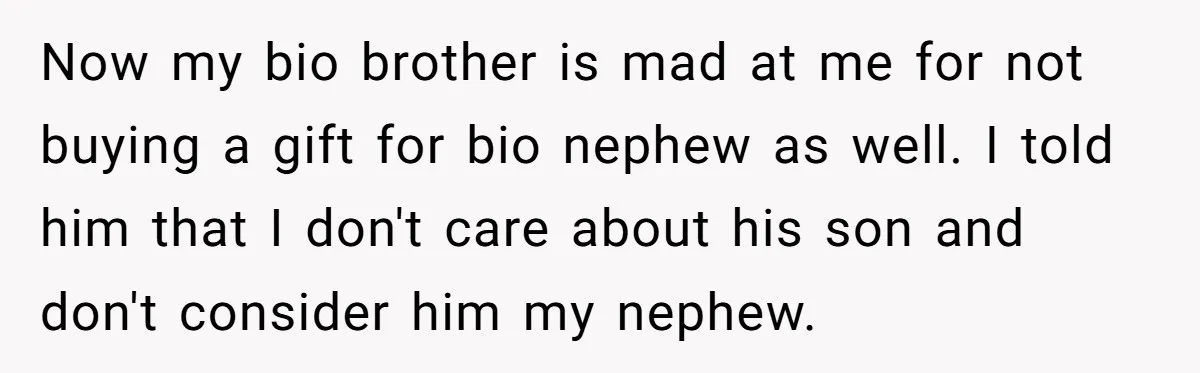
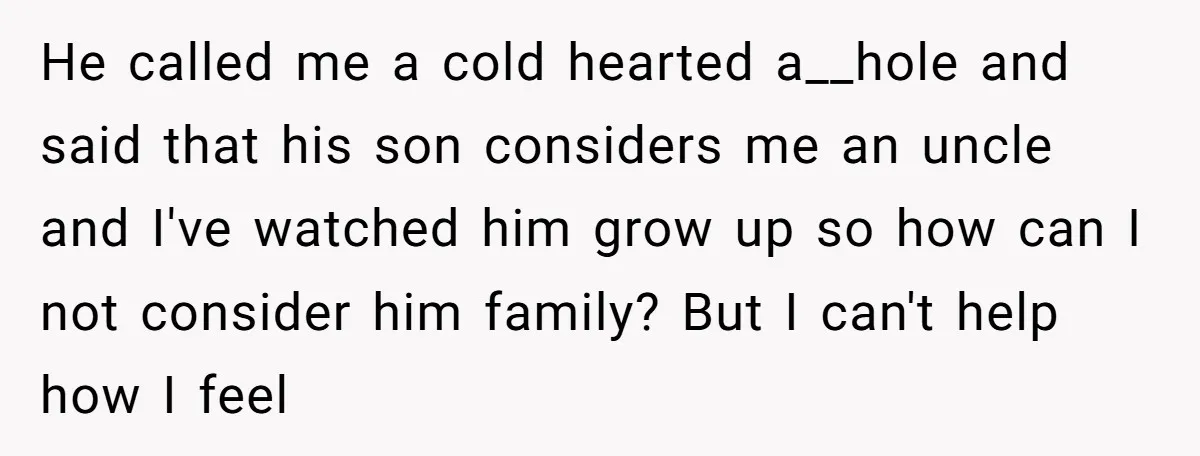
Adoption-related grief can linger for decades, especially when explanations feel incomplete or contradictory. Learning that a sibling close in age was kept can intensify feelings of rejection. Those emotions are valid and often deeply rooted.
However, bringing that unresolved pain into conversations where teenagers are present shifts the dynamic. Adolescents are still developing emotional regulation skills. A 17-year-old leaving the room may not signal indifference — it may signal discomfort or uncertainty about how to respond.
According to the American Psychological Association (APA), adolescents are still refining their ability to manage complex emotional situations and may withdraw when overwhelmed. Expecting them to validate an adult’s trauma places them in a role they aren’t equipped to fill.
Using holiday gifts as a form of emotional acknowledgment can also blur boundaries. It risks turning children into participants in an adult conflict. A healthier path forward may involve individual therapy to process abandonment-related pain, while keeping relationships with the next generation separate from grievances with the previous one. Difficult conversations with his brother should happen privately — not in front of teens.
Here’s the input from the Reddit crowd:
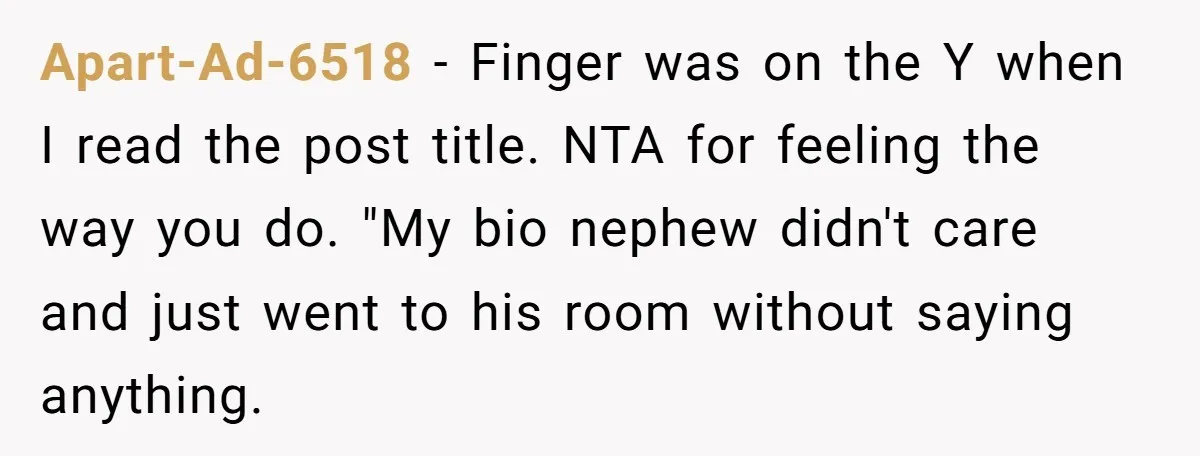
Many users expressed sympathy with the OP, saying that his feelings were completely understandable in that situation:
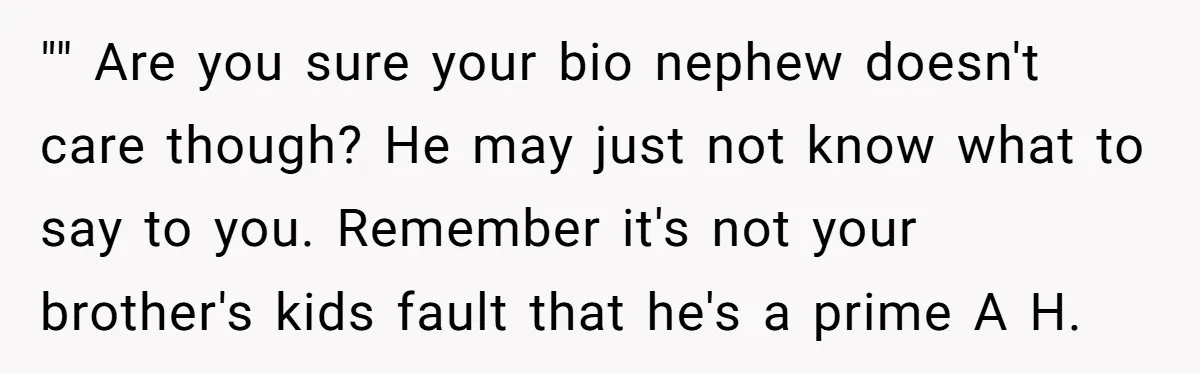
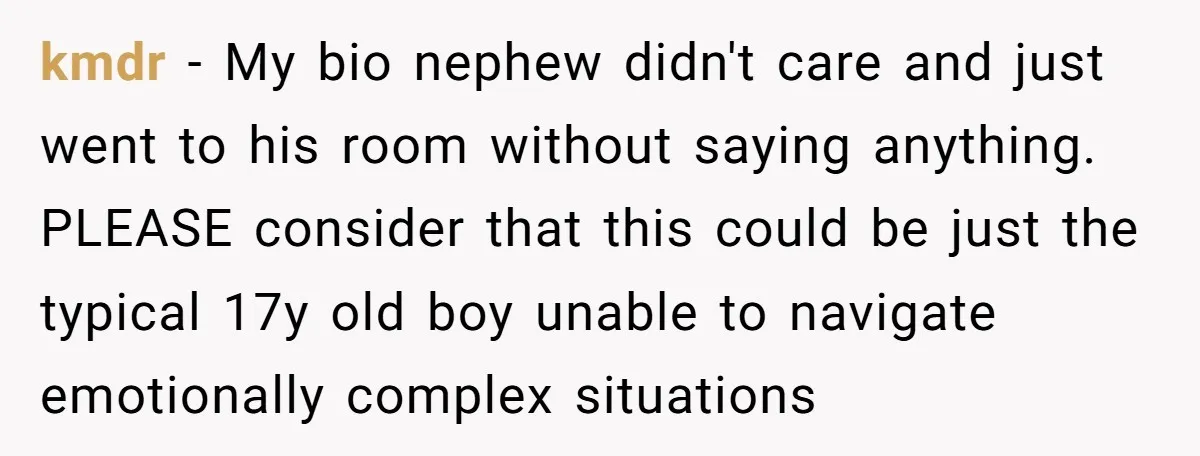
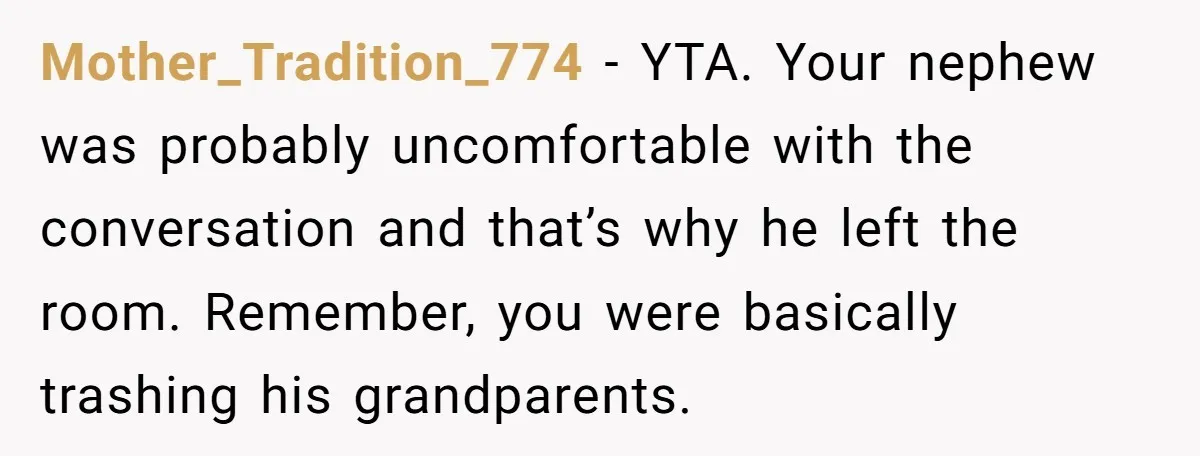
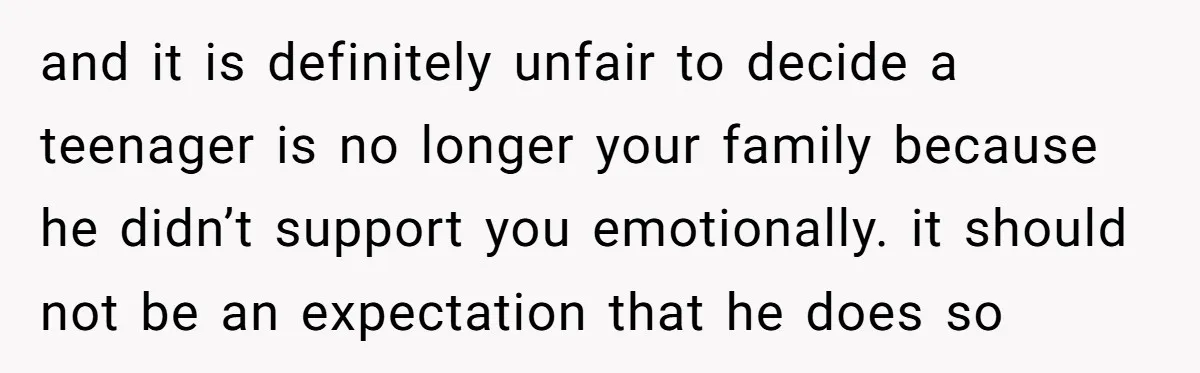
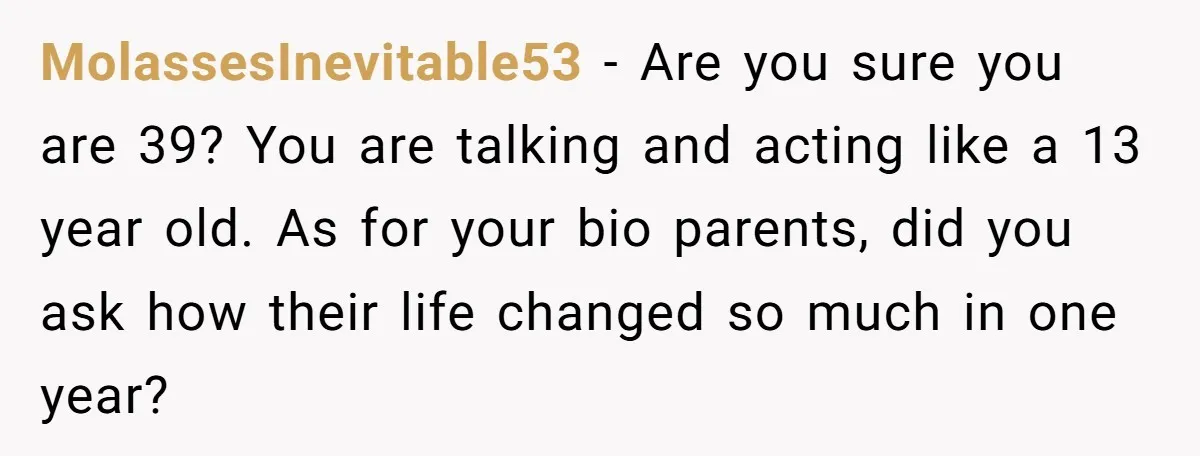
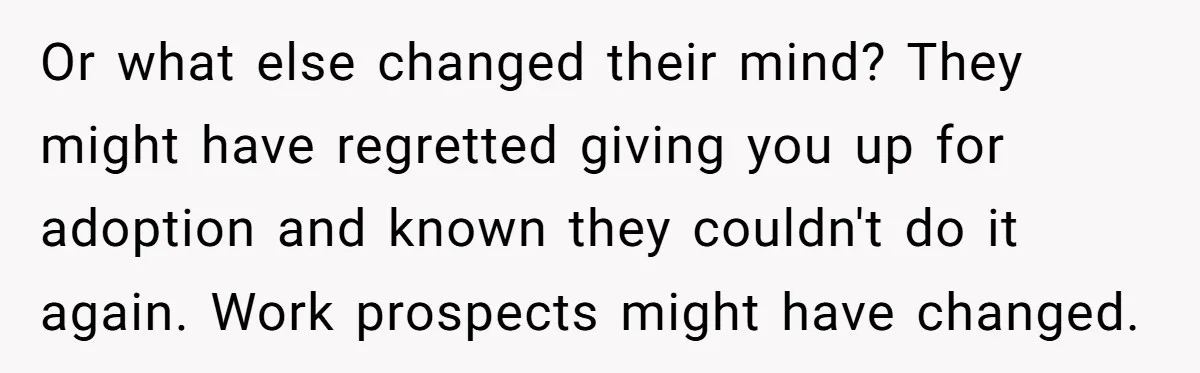
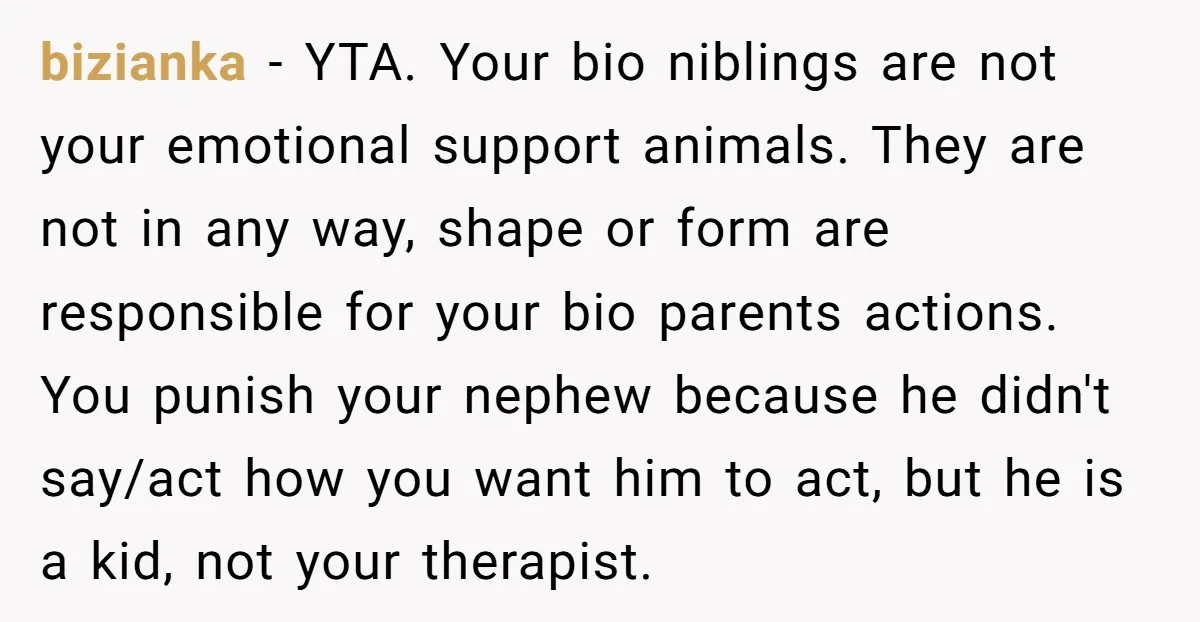
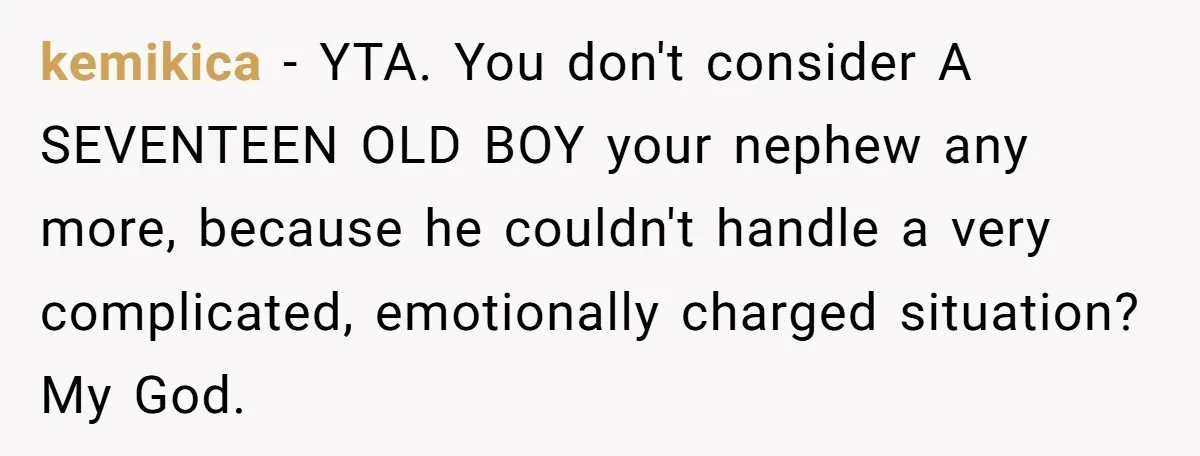
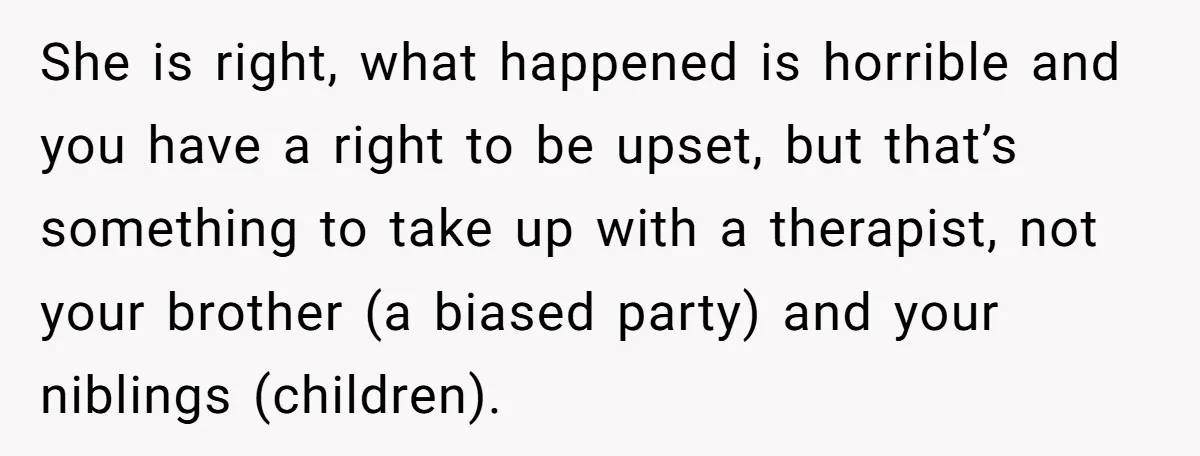
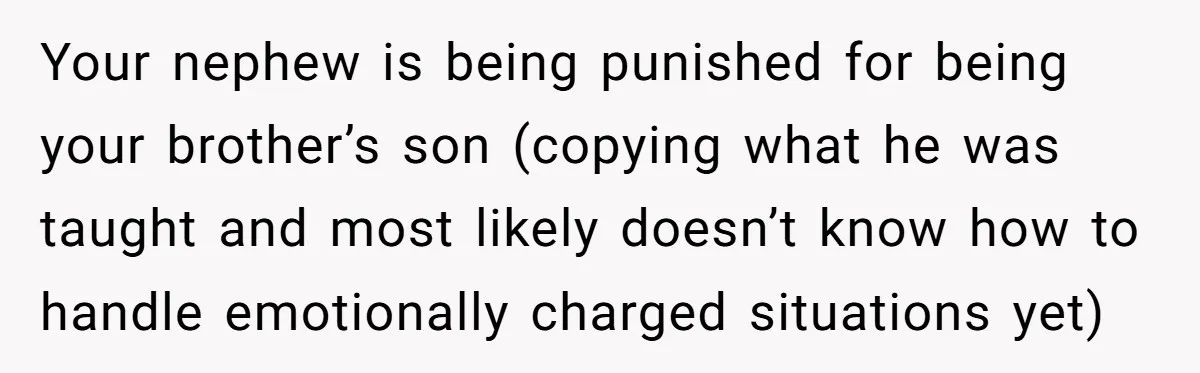
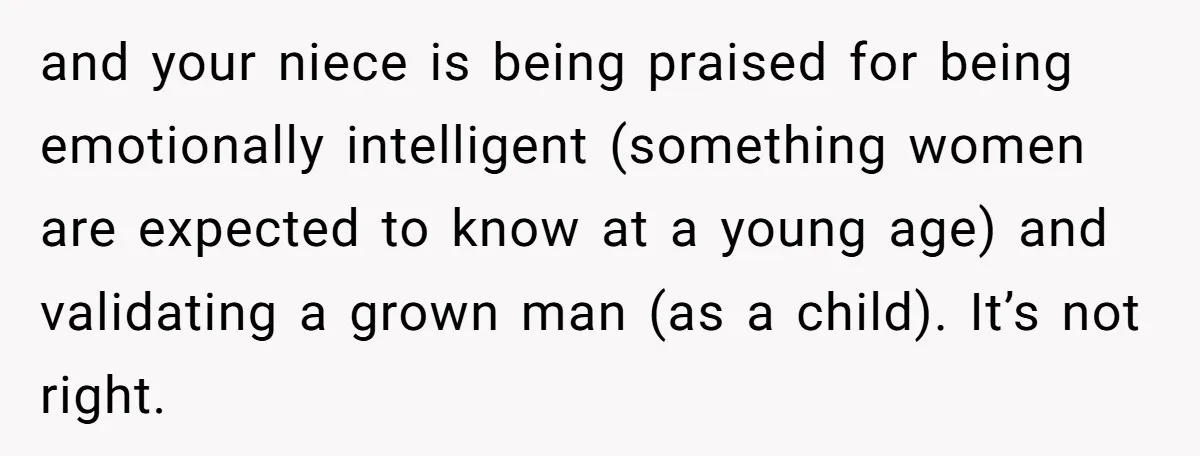
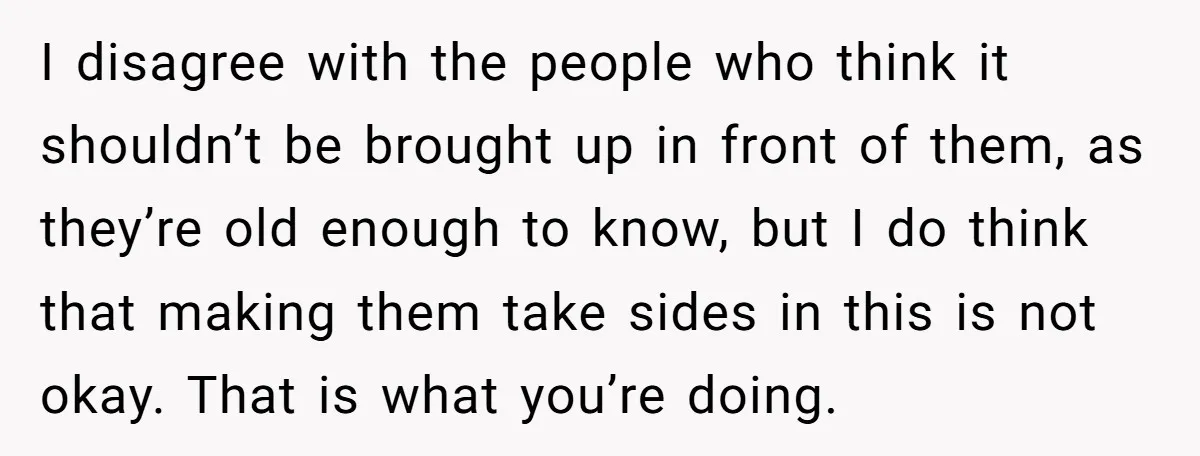
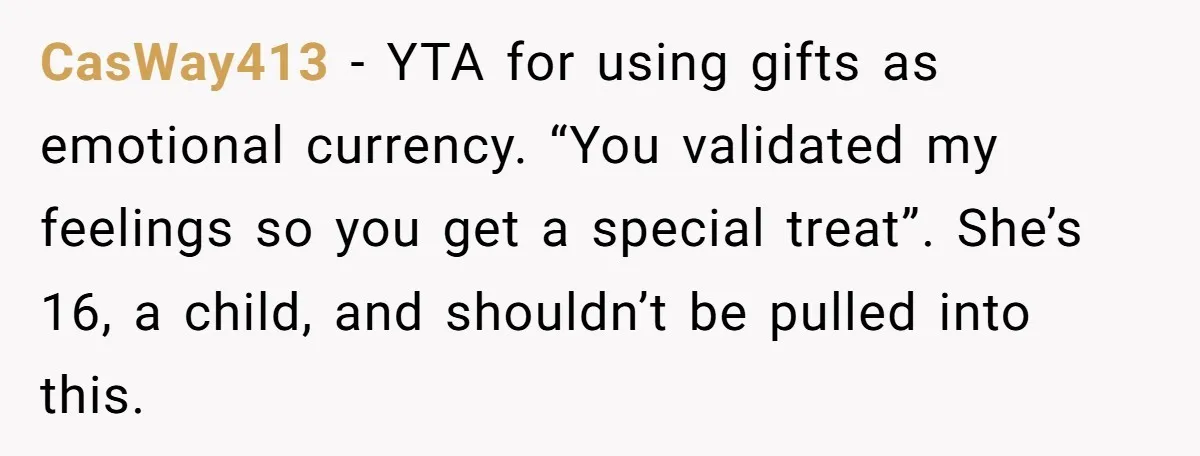
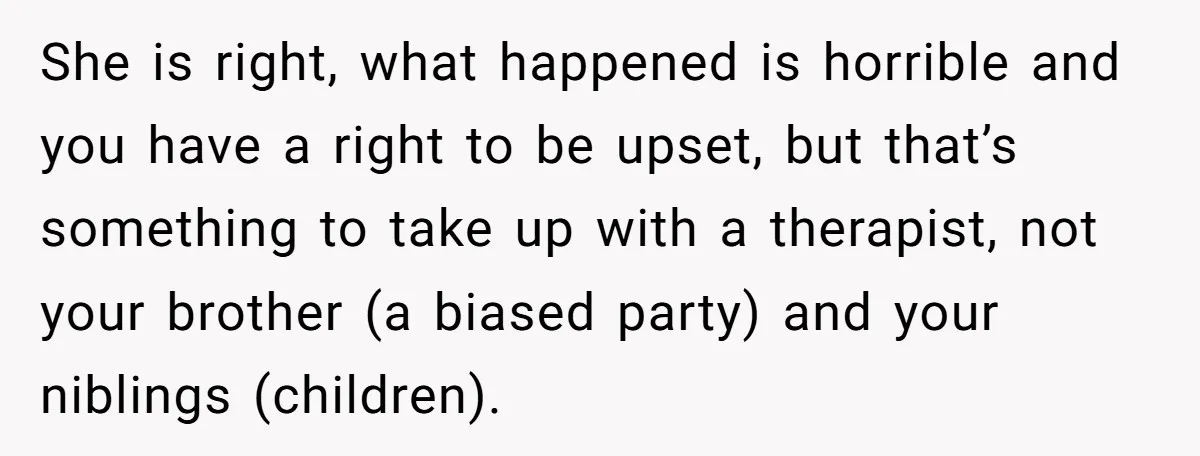
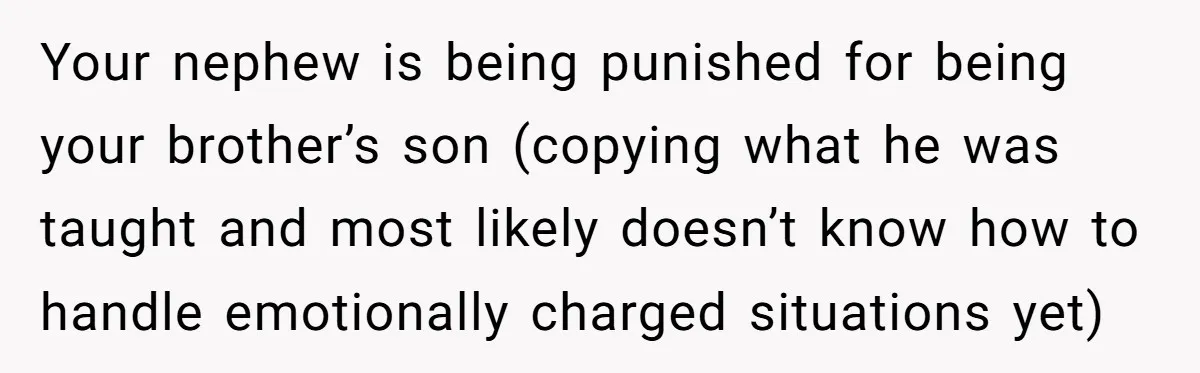
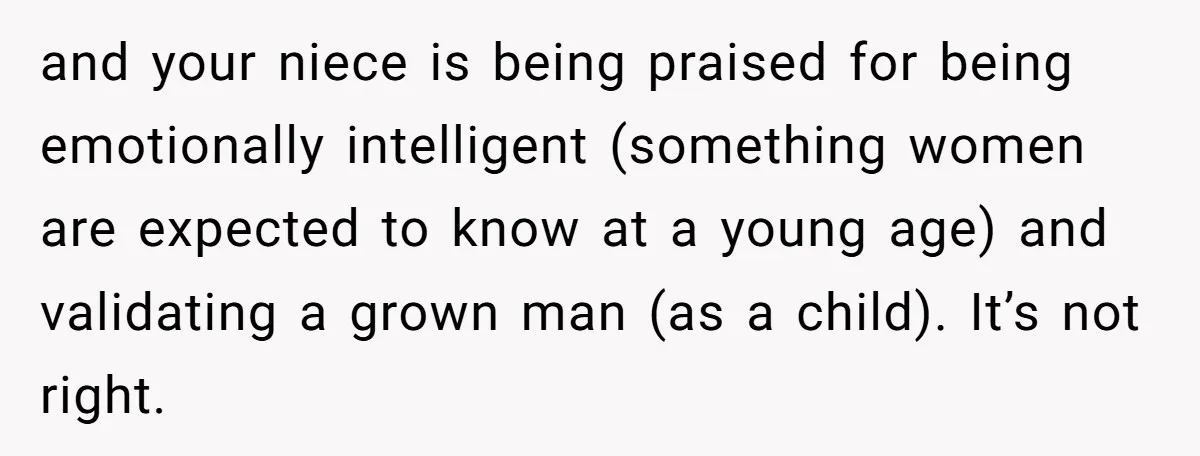
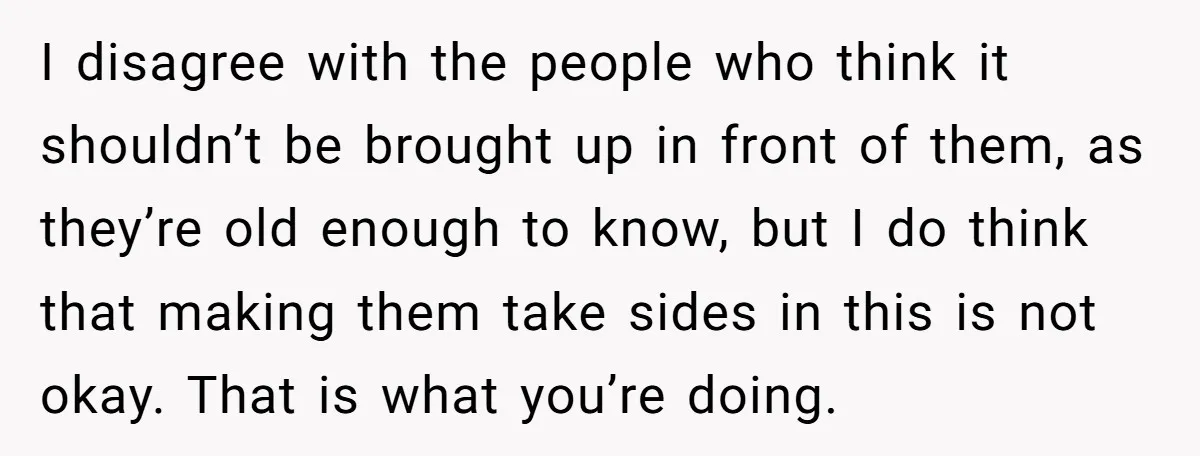
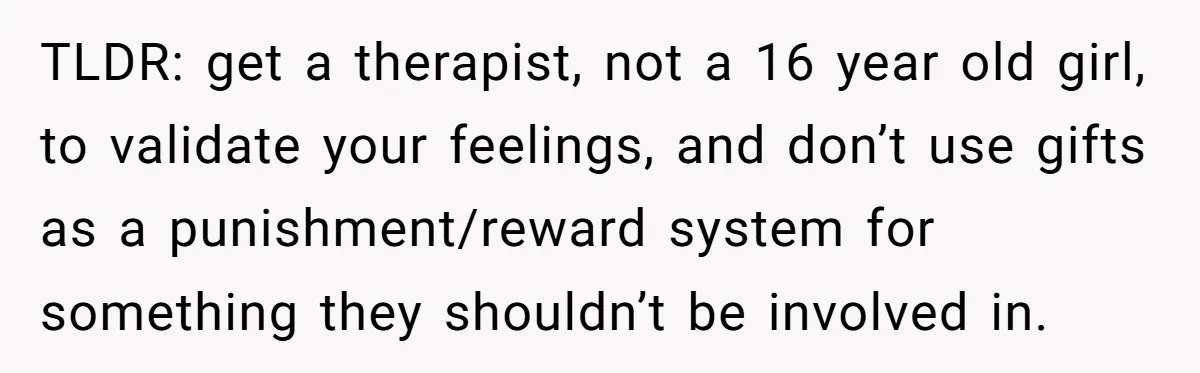
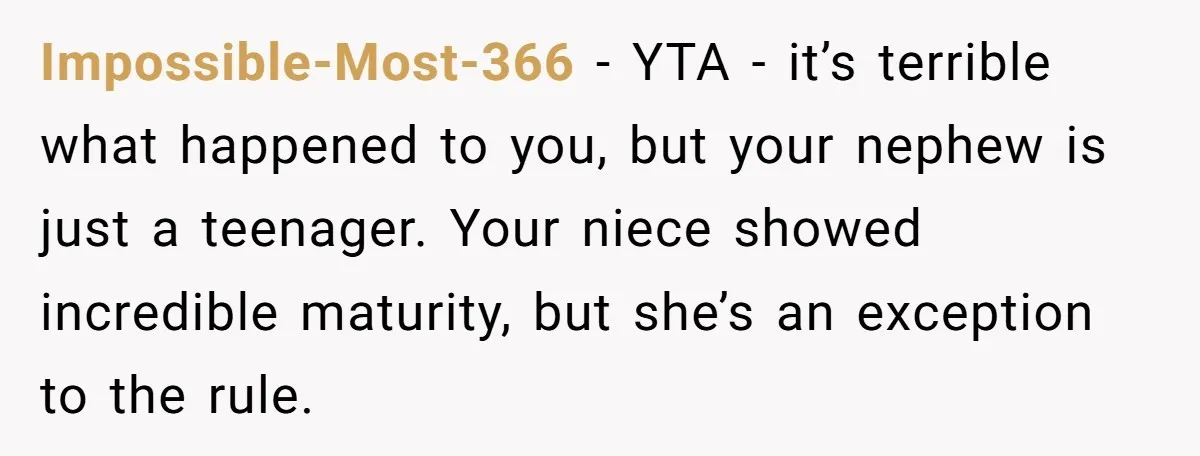
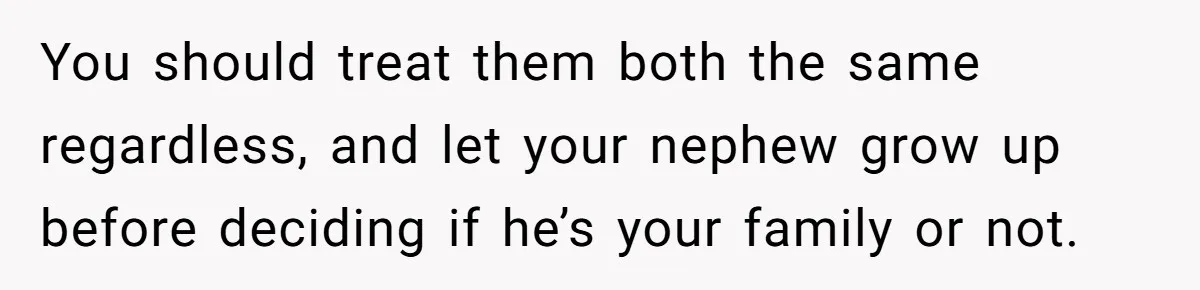
In addition, there was a strong wave of criticism arguing that the OP acted immaturely and involved a minor in adult matters:
![[Reddit User] − YTA you need to go to therapy instead of punishing teenagers](https://loknam.com/aita/images/75b3b7fc04/wp-editor-1771900553436-1.webp)
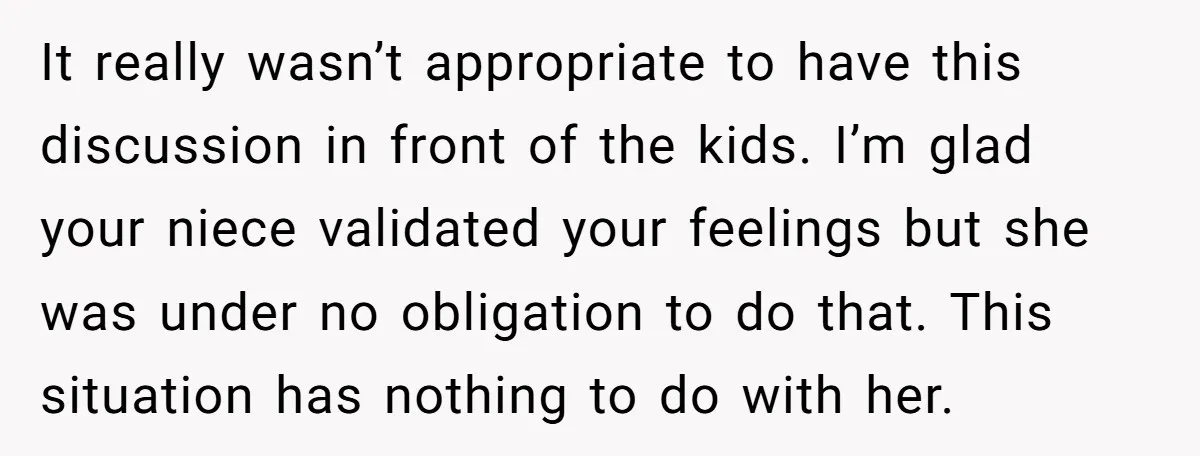
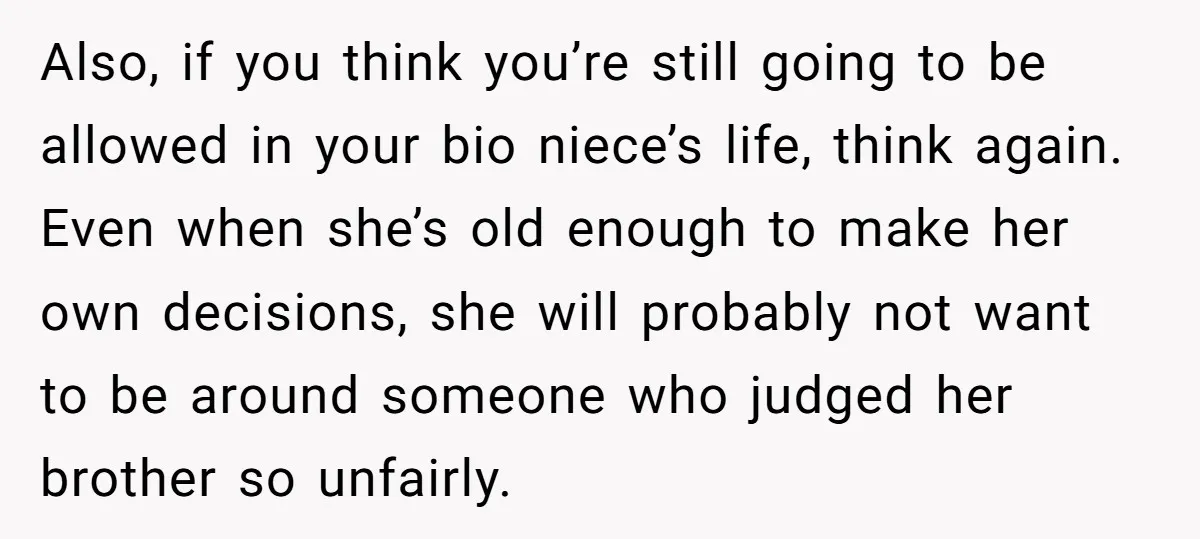
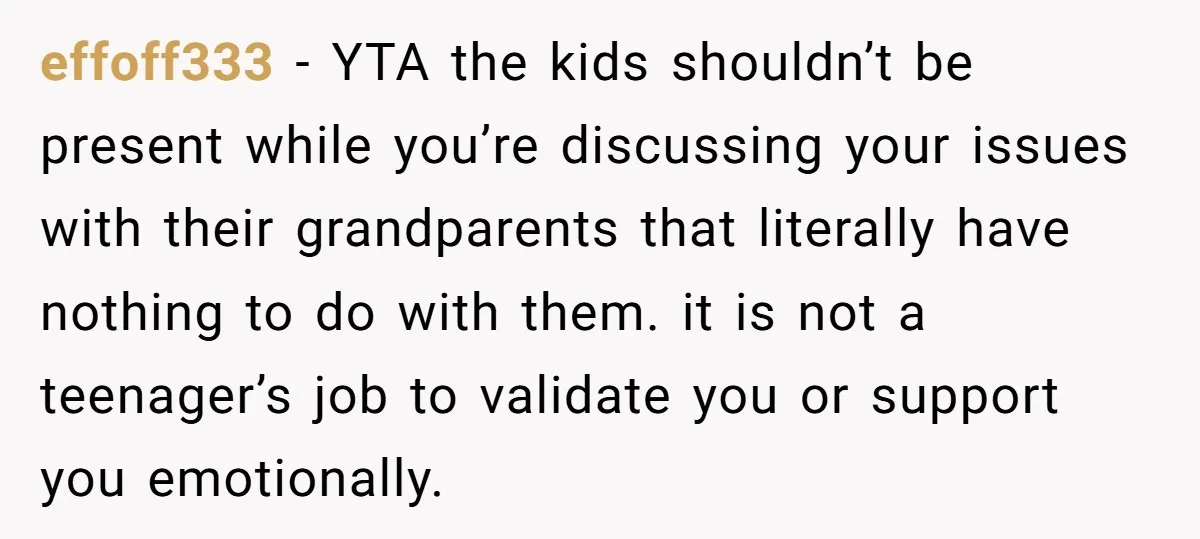
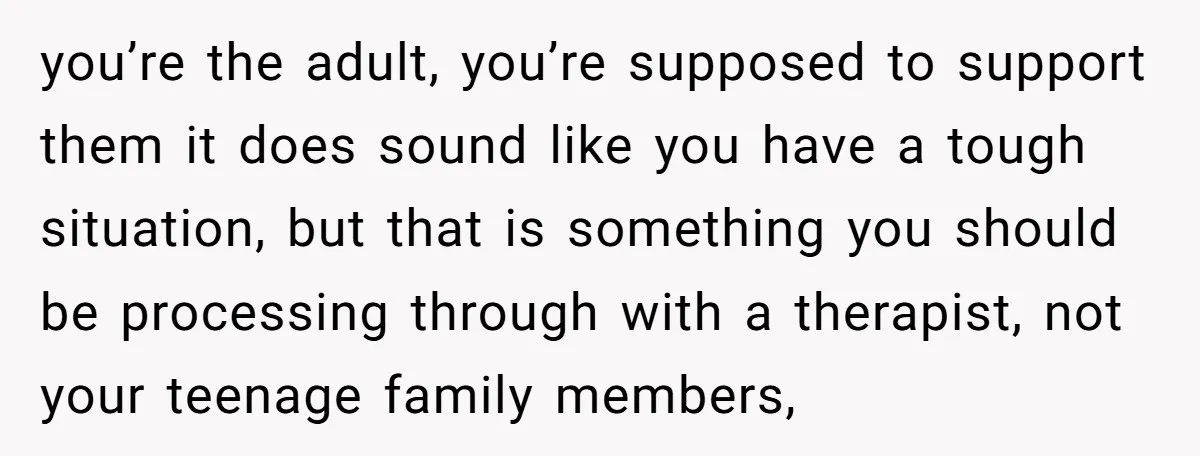

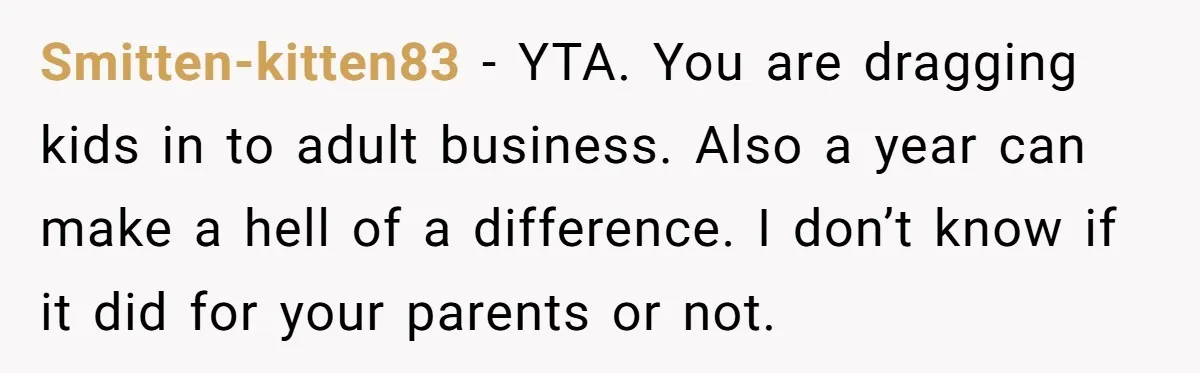
![[Reddit User] − I would bet your nephew didn’t know what to say. So yeah, YTA for taking it out on him. You made the situation uncomfortable and he left....](https://loknam.com/aita/images/75b3b7fc04/wp-editor-1771900577231-14.webp)
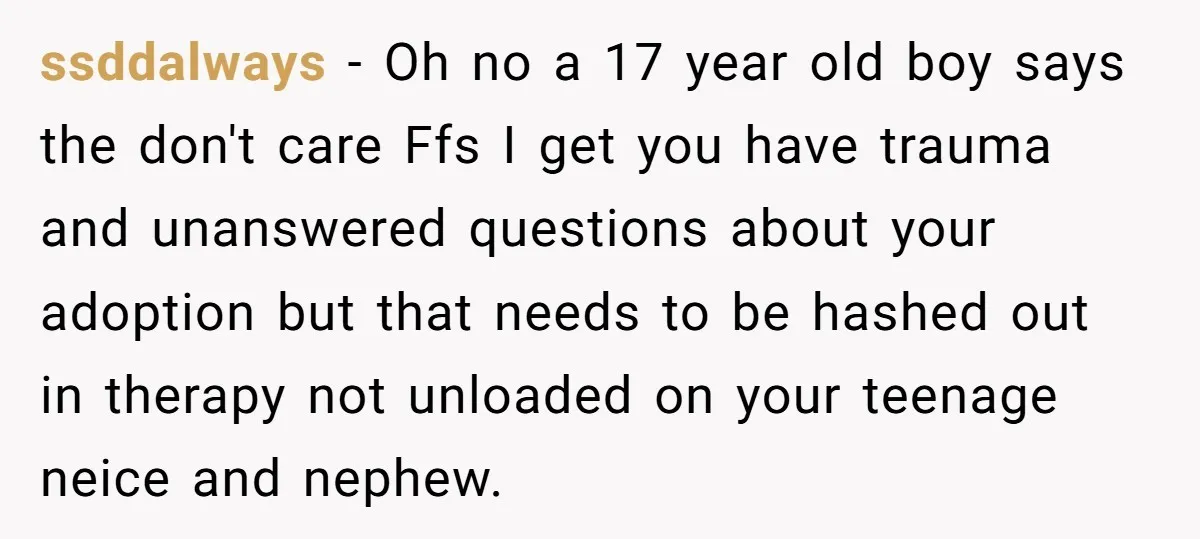

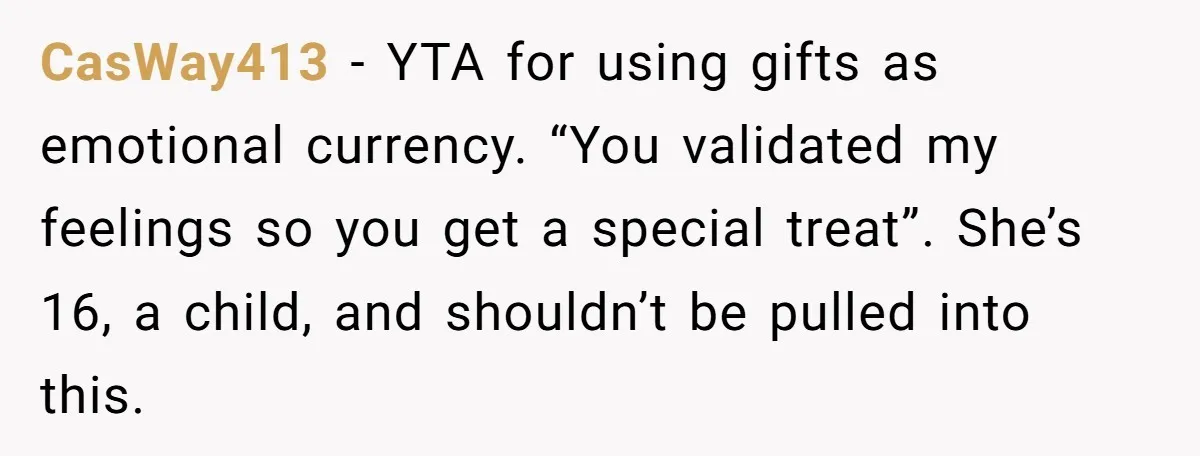
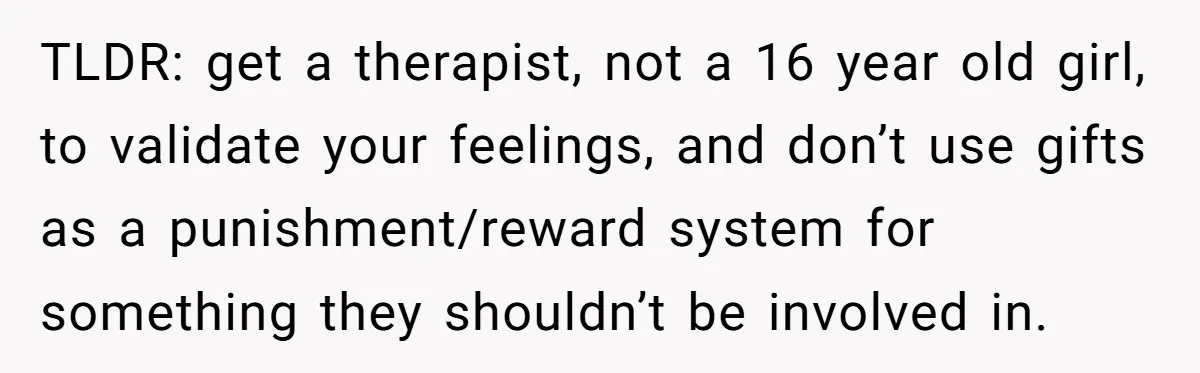
![[Reddit User] − YTA only because of how you treated your teenage nephew. He has nothing to do with what your bio family did and what your bio brother said....](https://loknam.com/aita/images/75b3b7fc04/wp-editor-1771900594235-23.webp)
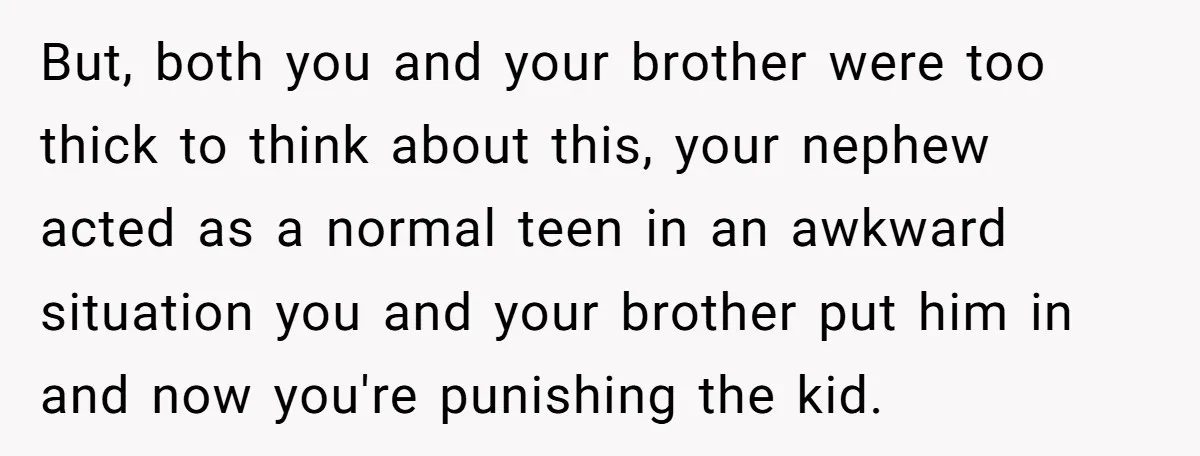
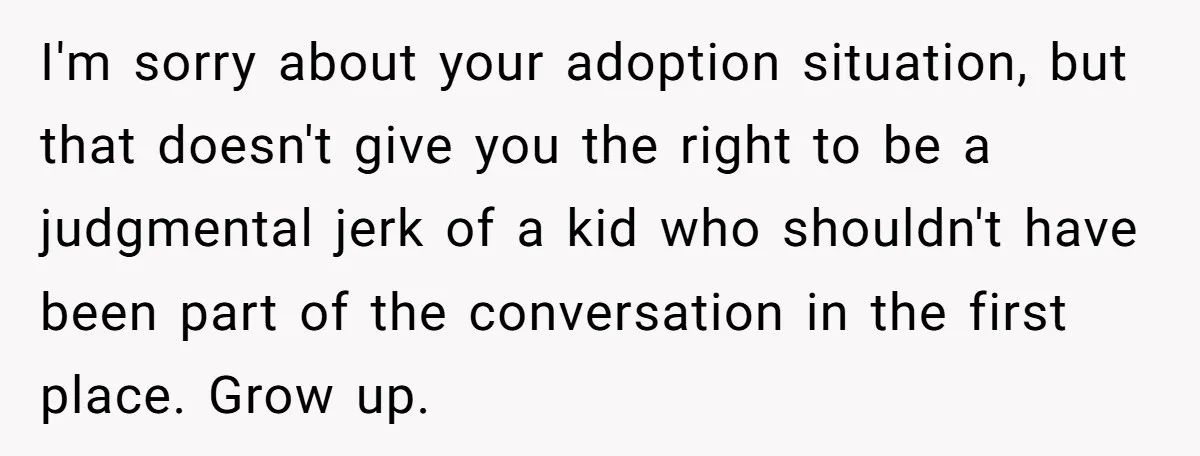
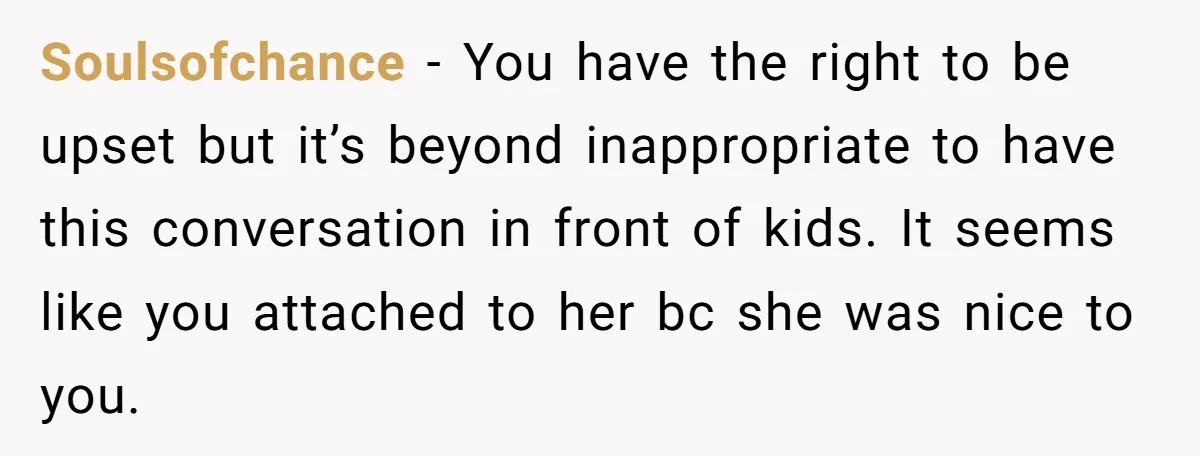
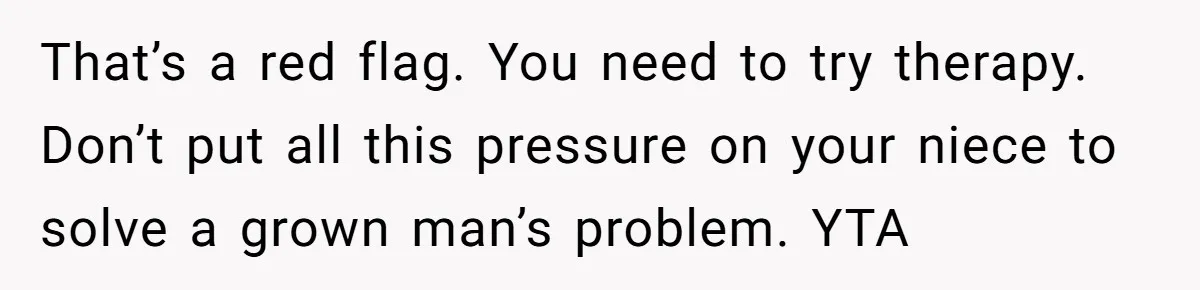
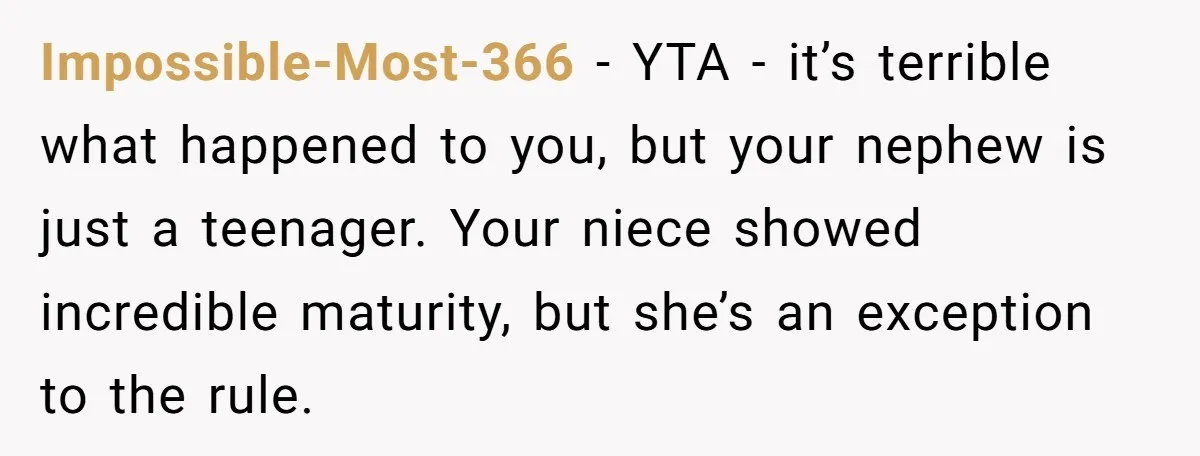
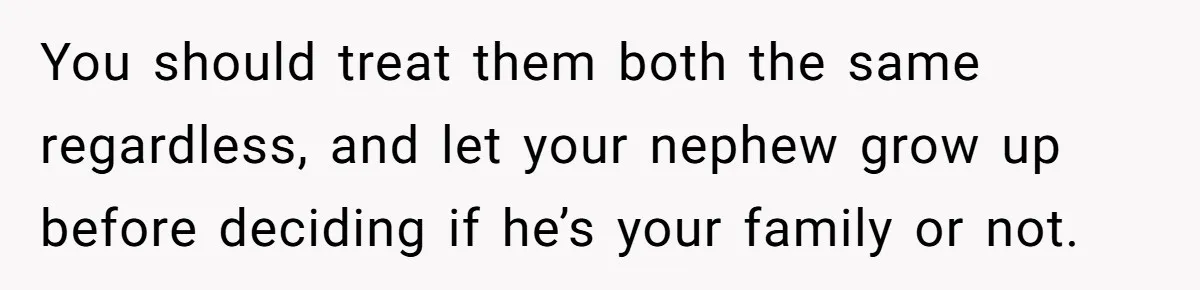
Amidst the heated debates, there were also comments that were sarcastic, half-joking, half-serious, yet still full of meaning:
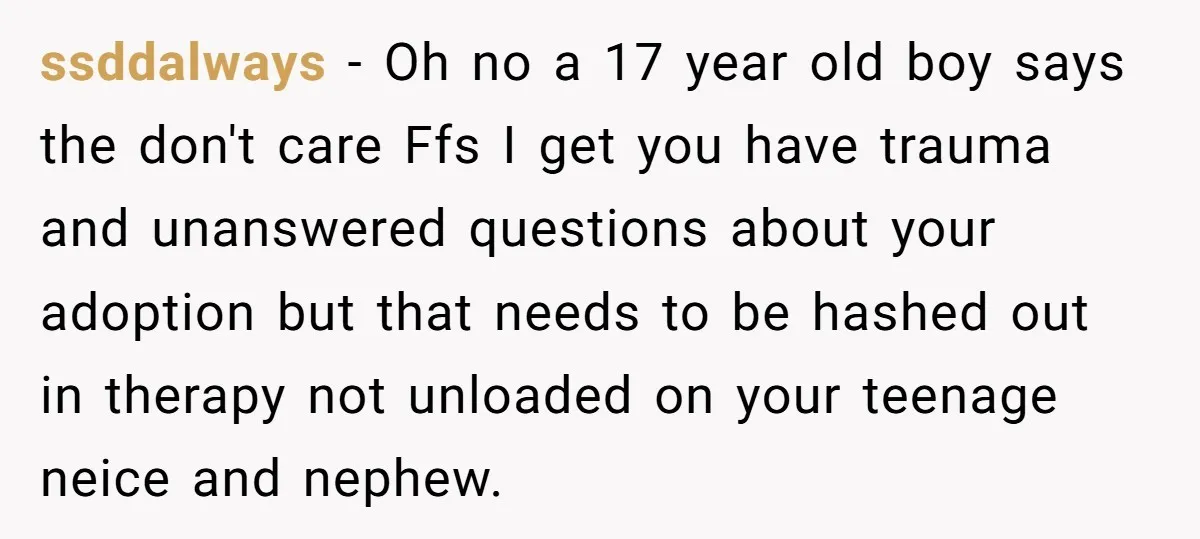

Finally, many insightful opinions analyze the issue from the perspective of emotional maturity and generational boundaries:
Old wounds don’t disappear just because time passes. A single empathetic sentence can feel life-changing when you’ve waited decades to hear it. But when unresolved pain spills into relationships with teenagers, the lines between seeking comfort and placing pressure can blur.
What do you think? Was excluding his nephew an understandable emotional reaction — or did it unfairly drag a teenager into an adult conflict? If you were in his position, how would you handle the holidays differently?