
A single father of a 7-month-old son is hosting a small, private Father’s Day barbecue at his home with close family and friends. His ex’s boyfriend—who once believed he might be the father during the pregnancy—unexpectedly shows up uninvited, brought by one of the father’s friends who had shared details of the event.
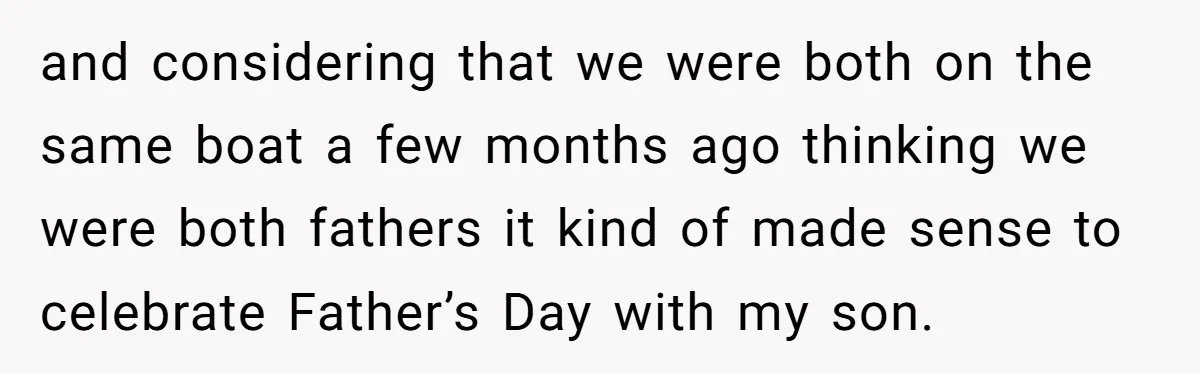
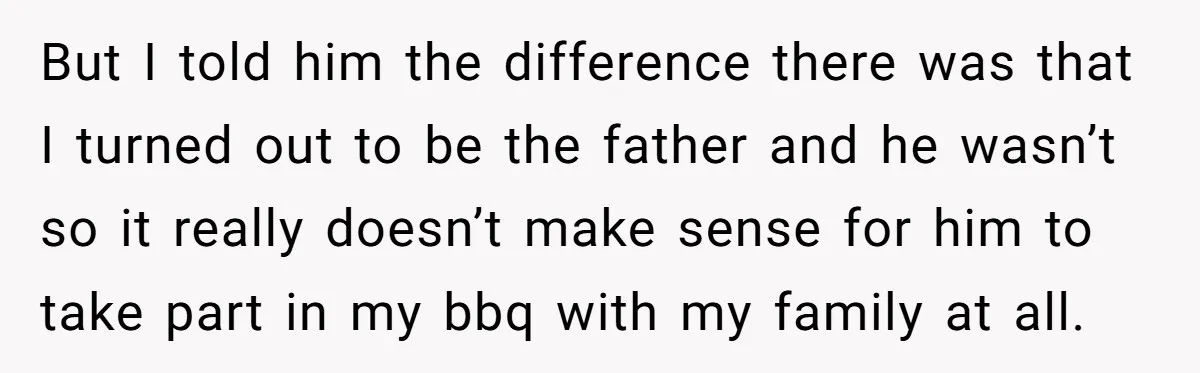
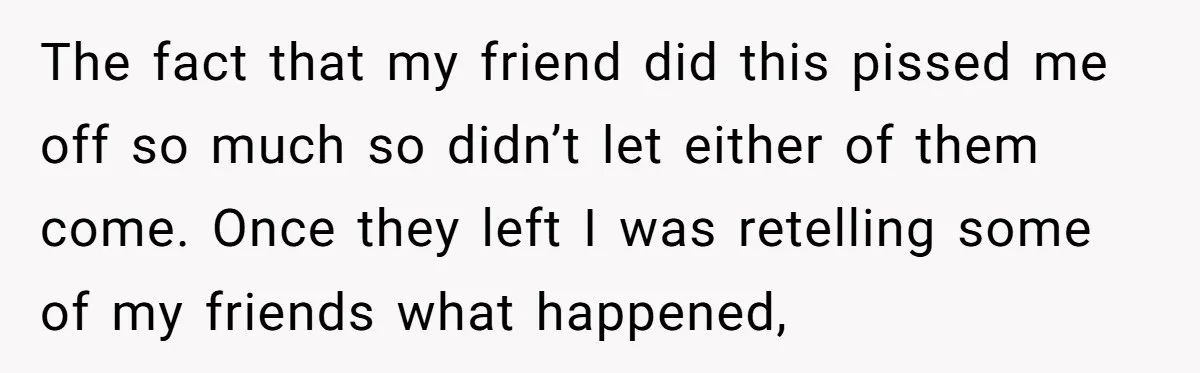
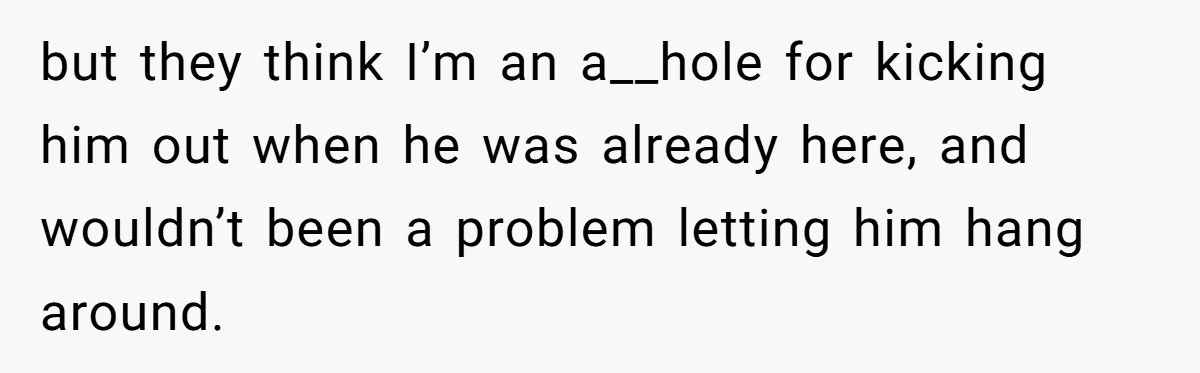
The boyfriend claimed he wanted to celebrate Father’s Day with the child since they were “in the same boat” months earlier. The father immediately asked both the boyfriend and the friend to leave before they even entered the building, refusing to let the situation escalate. Some friends later told him he was too harsh and should have let the man stay since he was already there.

‘AITA for refusing to allow ex’s BF to come to our little Father’s Day get together?’
The father has full custody after a complicated pregnancy.
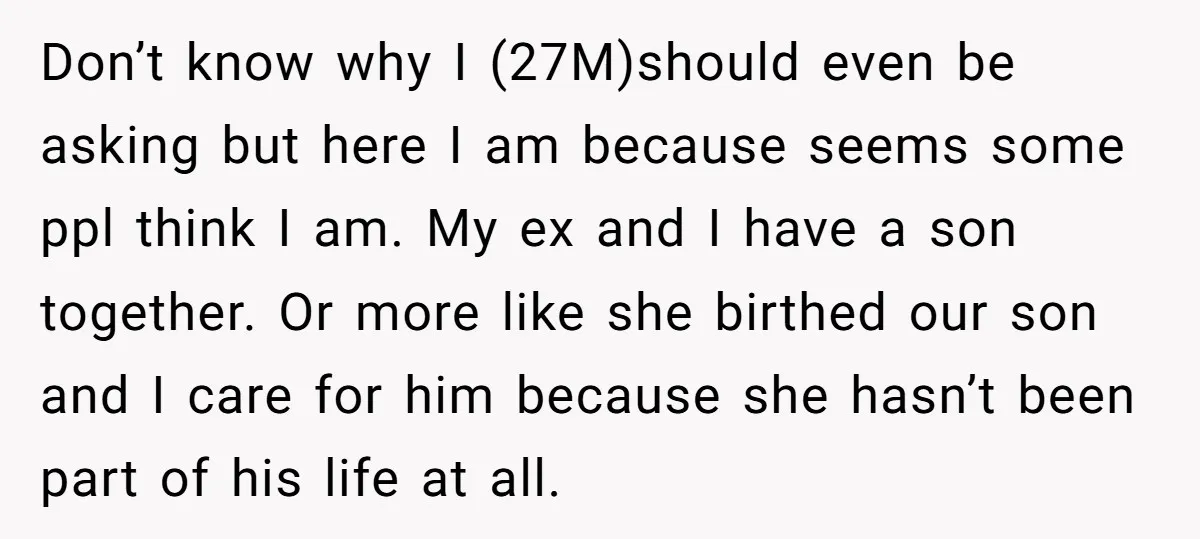


The ex’s boyfriend has repeatedly tried to insert himself into the child’s life.
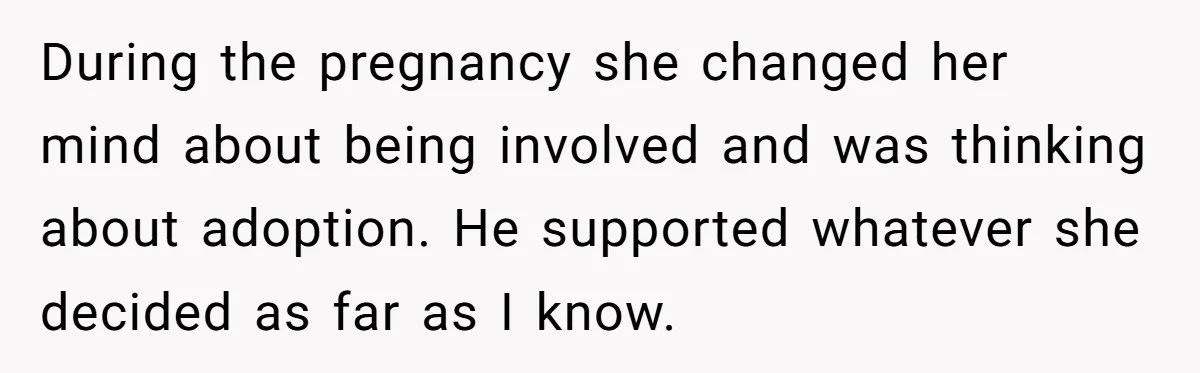
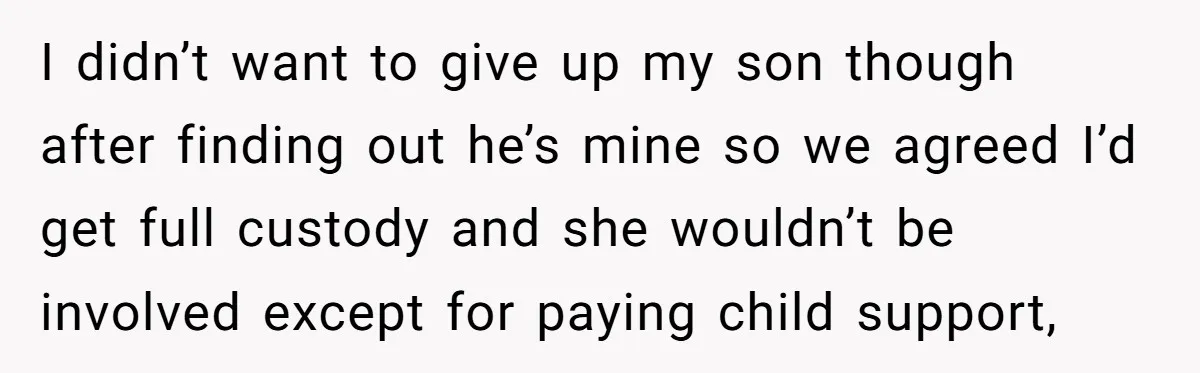
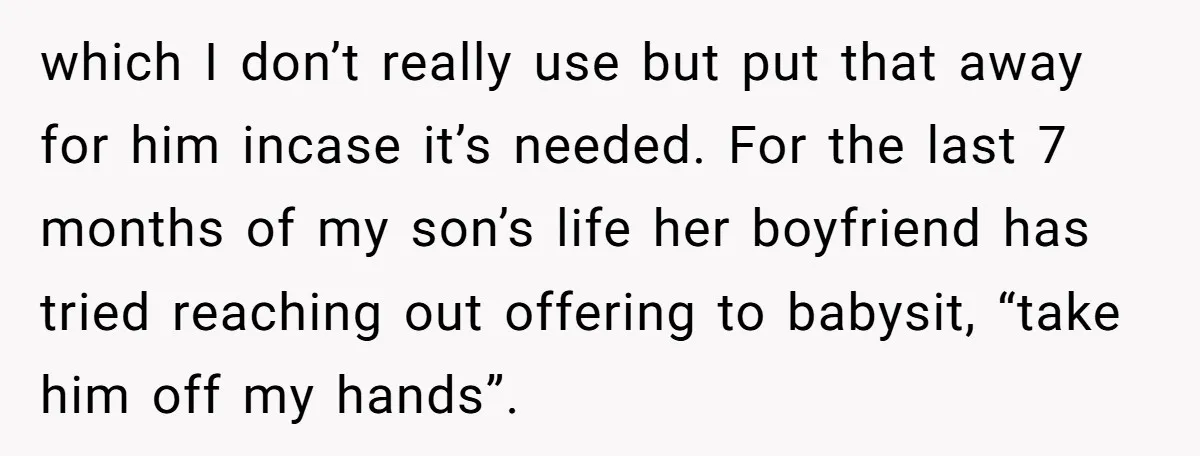
The Father’s Day incident crossed a major boundary.
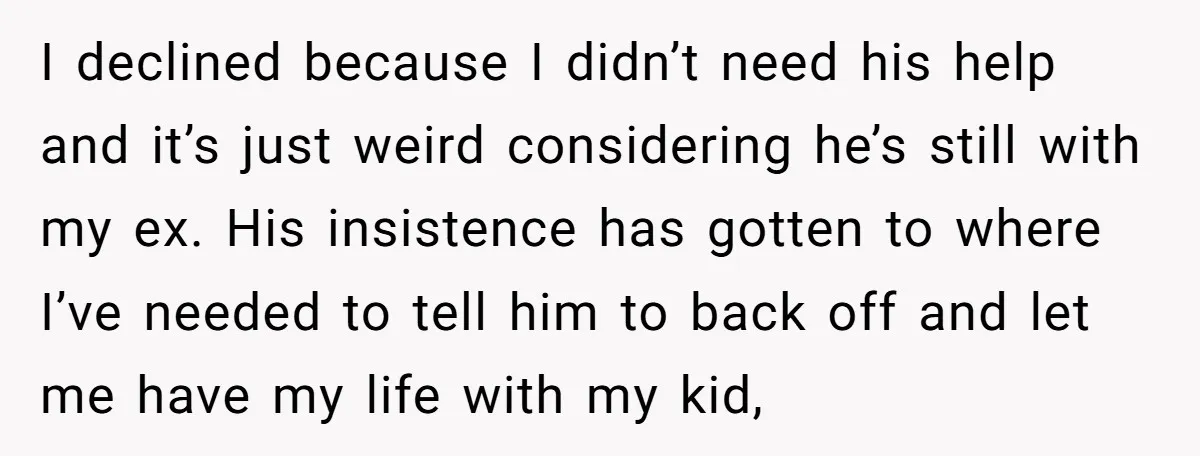
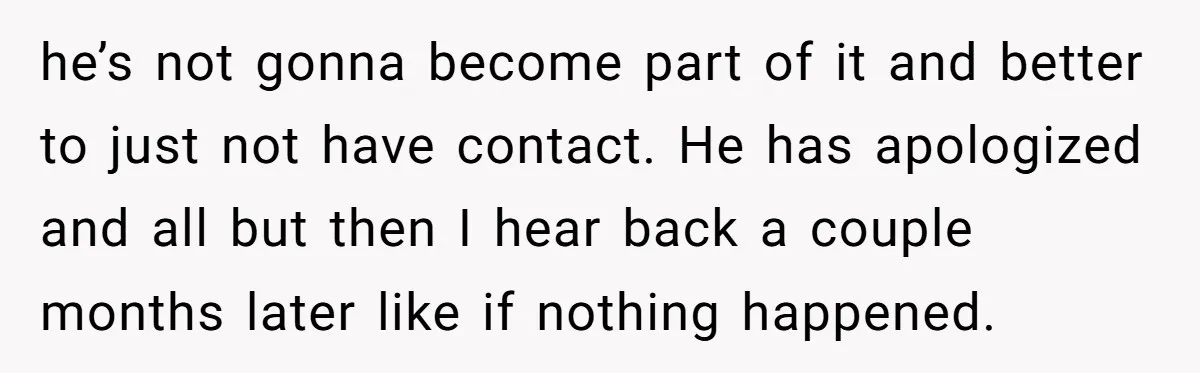
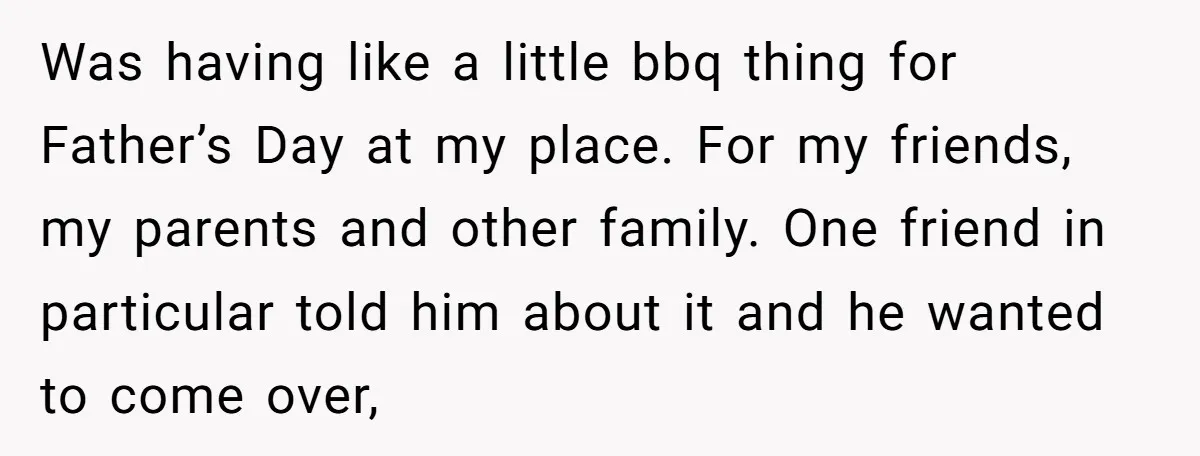
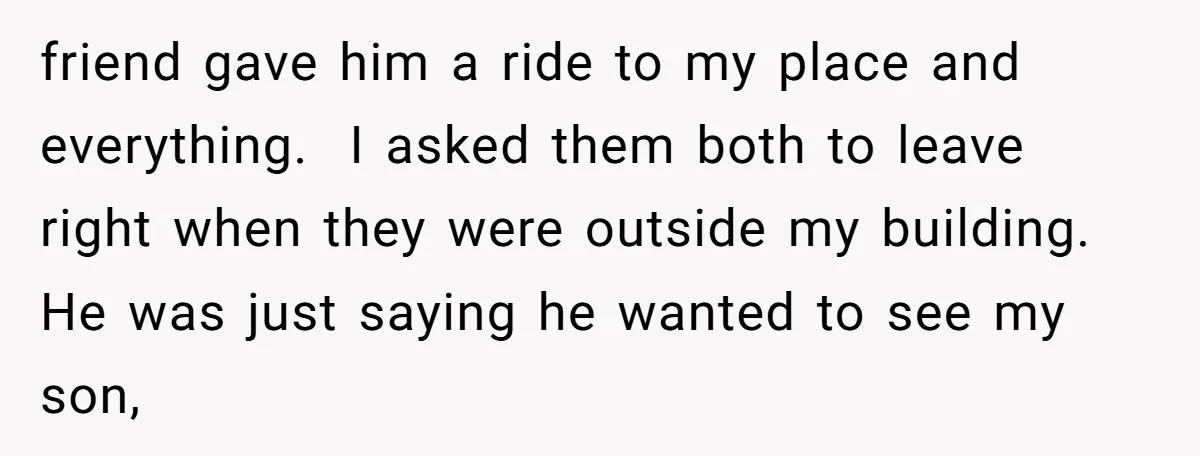
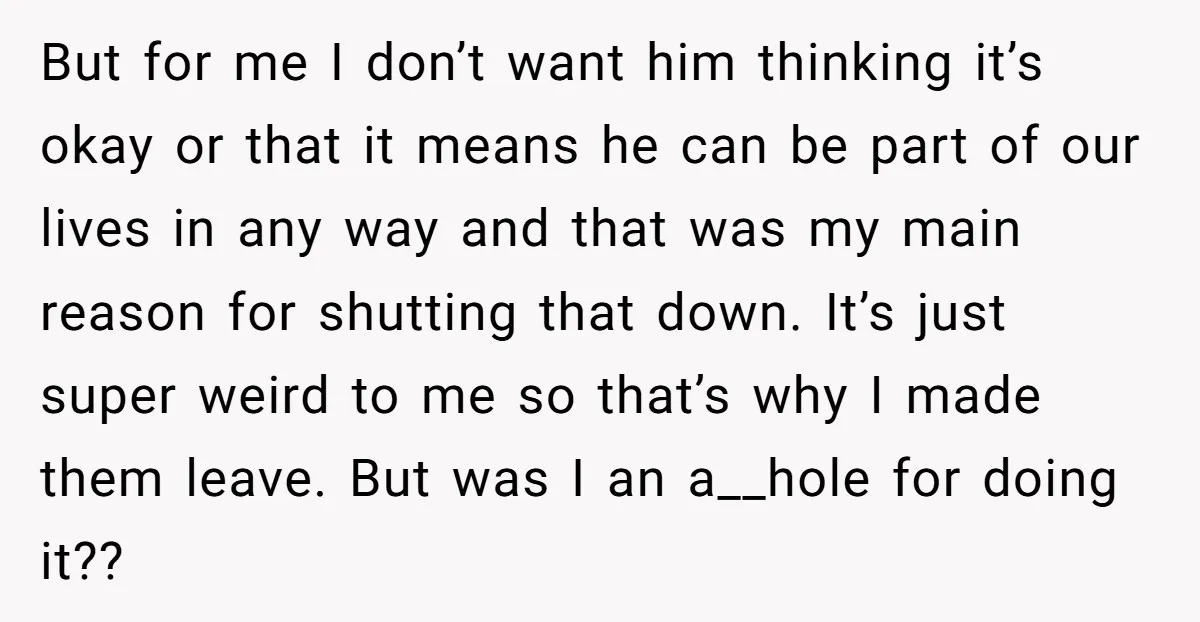
This situation is a textbook example of boundary enforcement in a high-stakes co-parenting (or non-co-parenting) dynamic. The father has sole custody and has made it unambiguously clear—multiple times—that he wants no involvement from his ex or her boyfriend. The boyfriend’s persistent attempts to insert himself into the child’s life, even after being told to back off, are concerning and inappropriate.
What makes the story more complicated is the involvement of a supposed friend who deliberately shared private event details and transported the boyfriend to the door, effectively ambushing the father on a day meant to celebrate his role. Refusing entry wasn’t rudeness—it was protecting his home, his son, and his peace from an unwanted intruder with questionable motives.
From a broader perspective, allowing even a brief visit would have rewarded boundary-stomping behavior and sent the message that persistence eventually pays off. The father’s swift, firm response was not only justified but necessary to maintain clear limits and prevent future escalation. The friends who criticized him seem more concerned with social comfort than with respecting his parental autonomy.
Here’s how people reacted to the post:
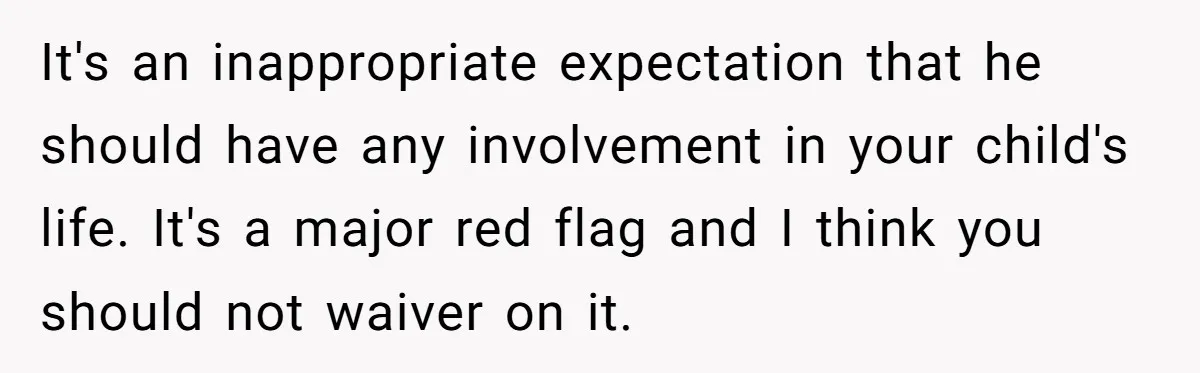
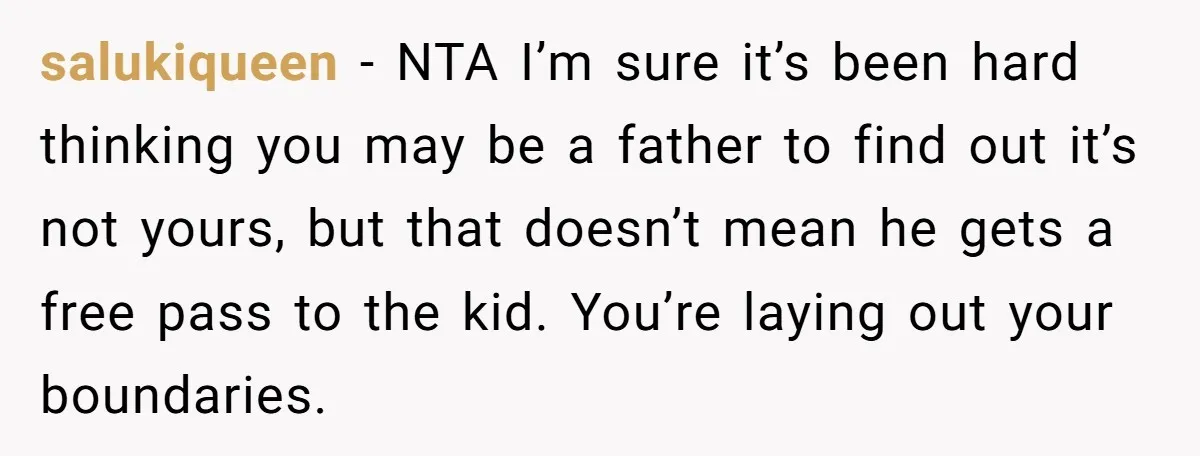
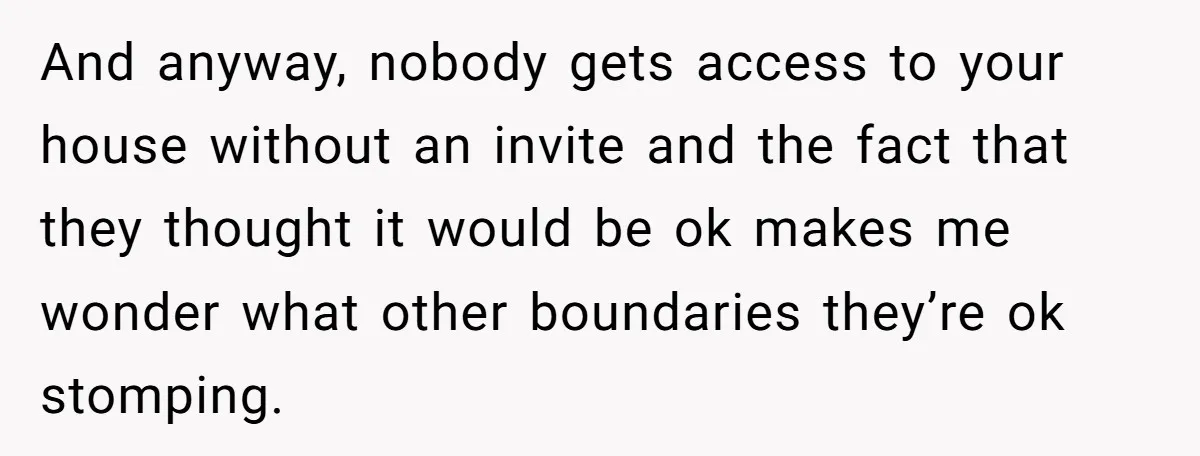
Nearly all commenters strongly support the father, calling the boyfriend’s behavior creepy and obsessive while praising the firm boundary enforcement.
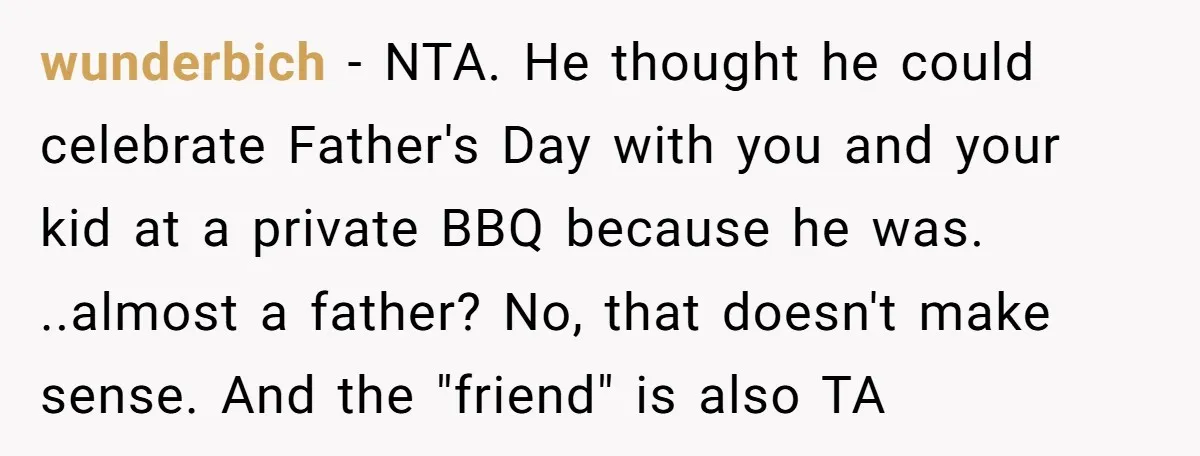
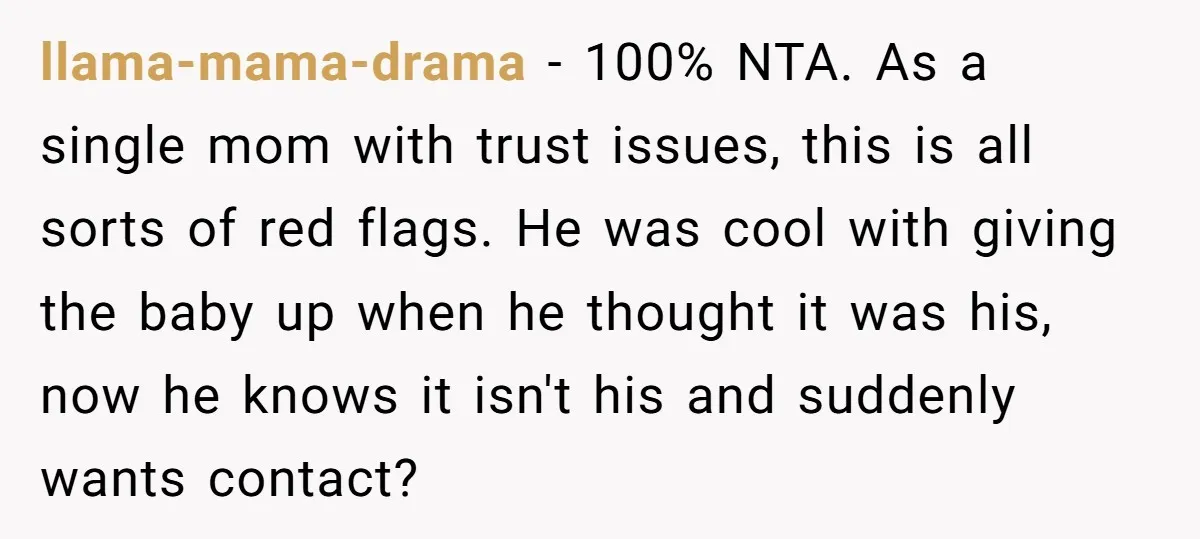
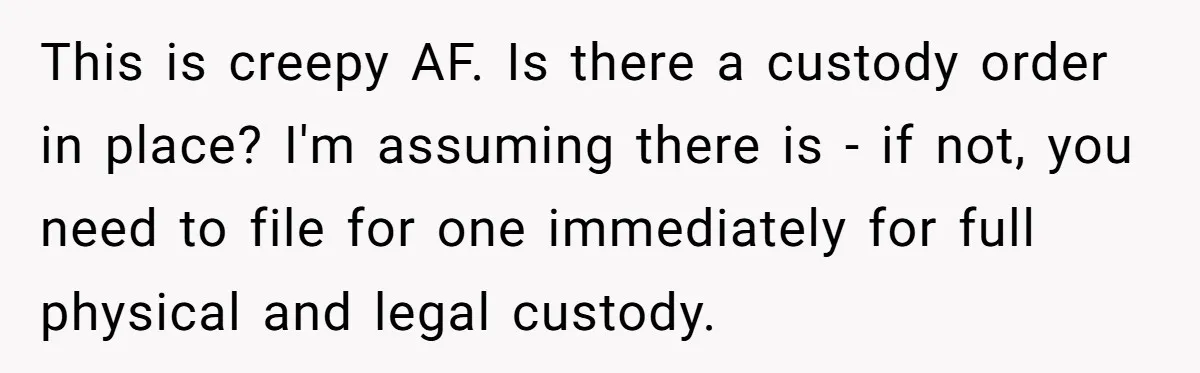
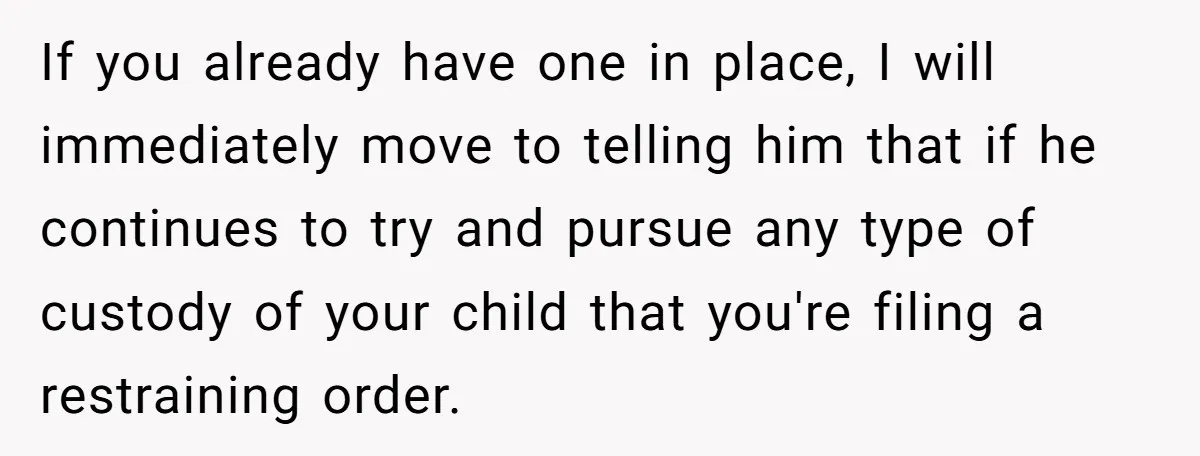
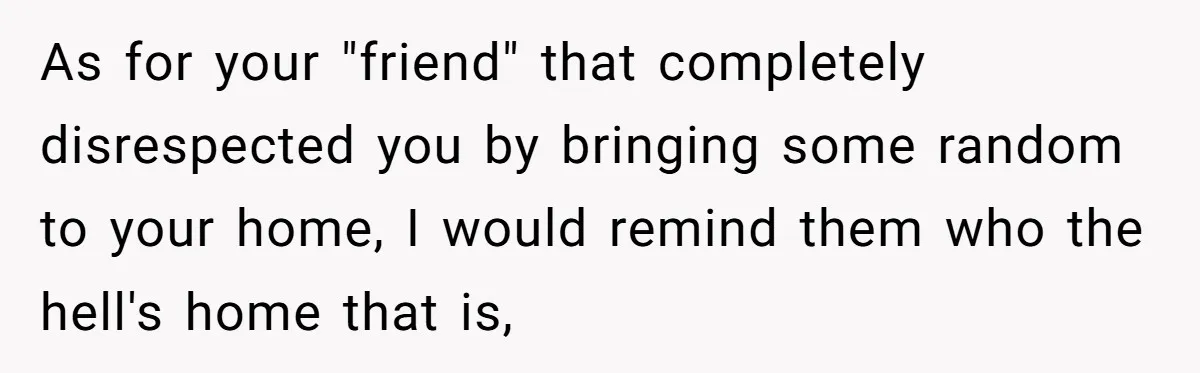
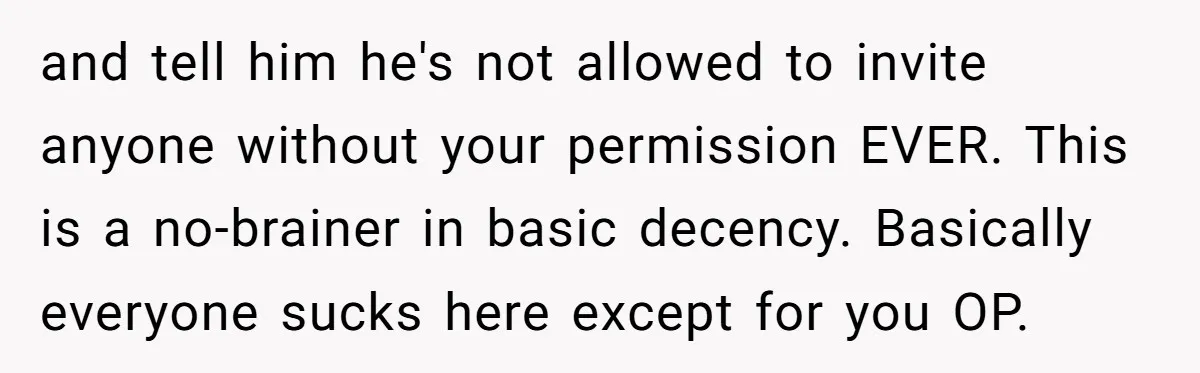
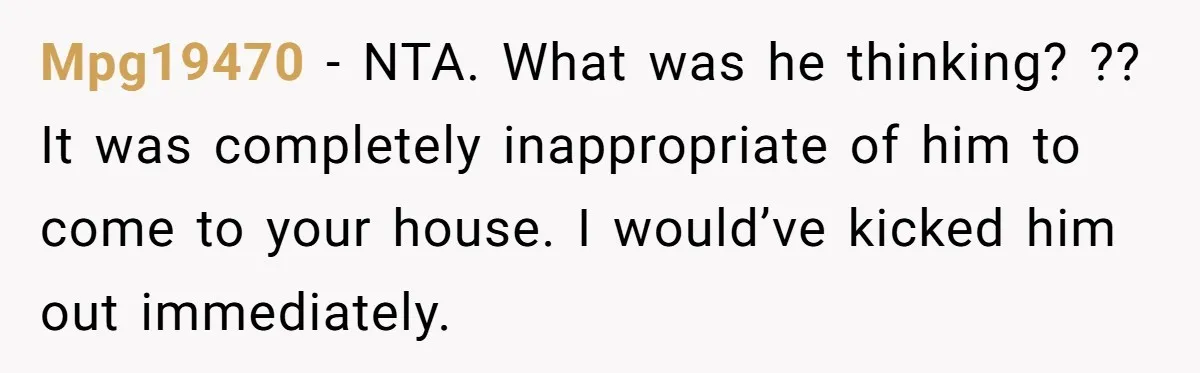
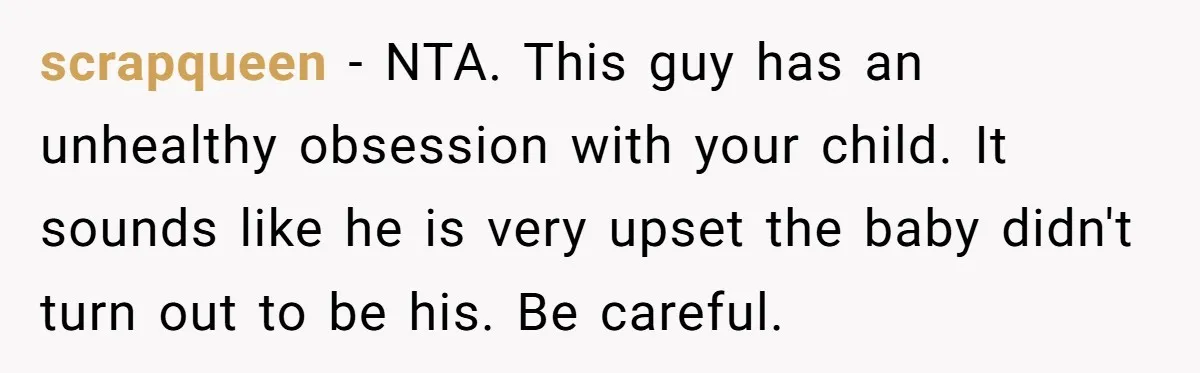
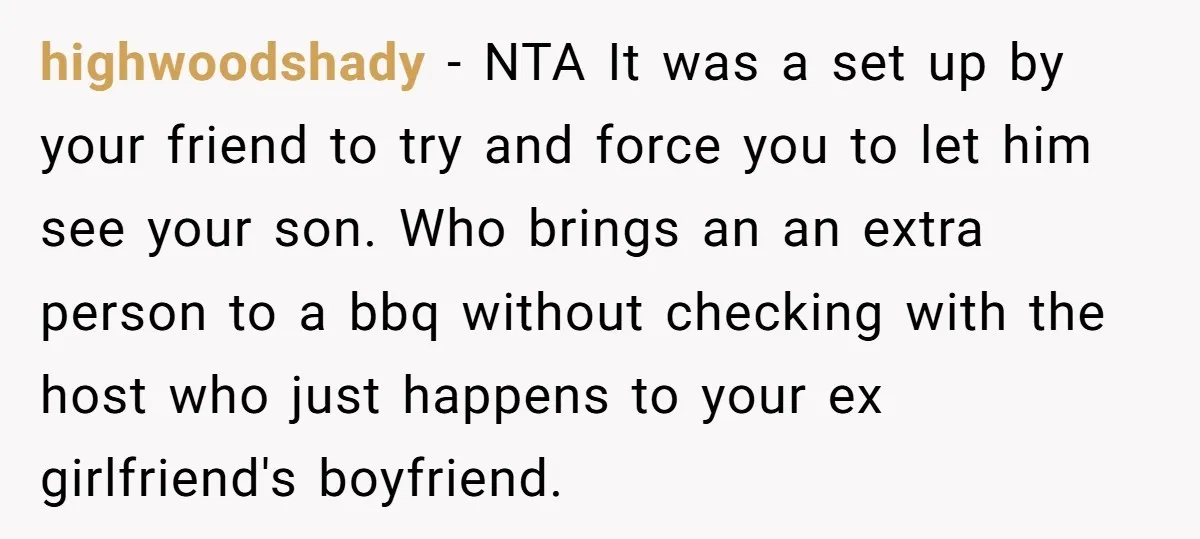
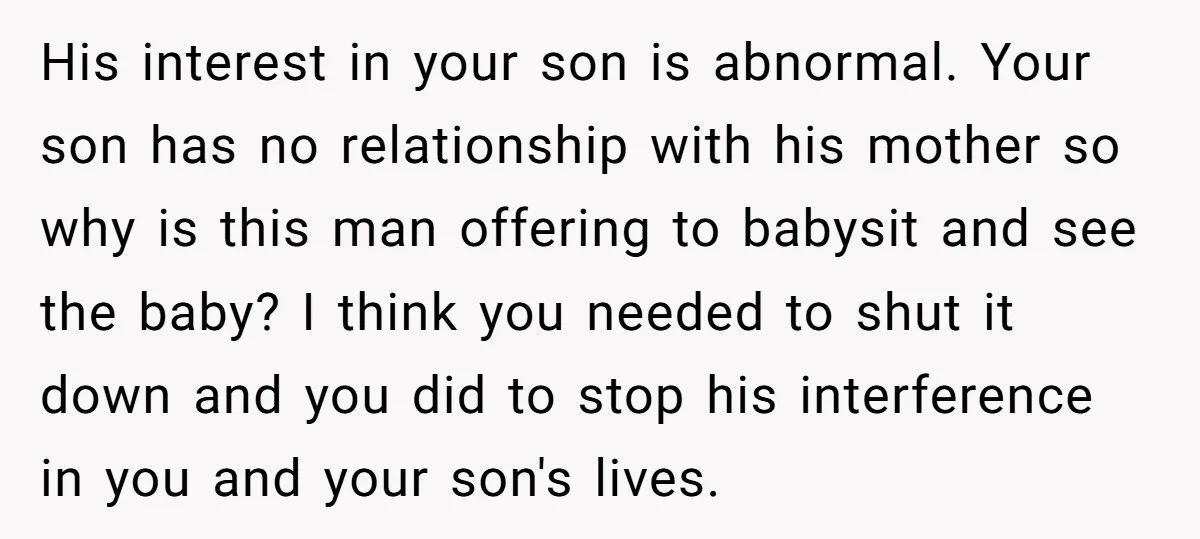
Many highlight the seriousness of the situation and recommend stronger protective steps.

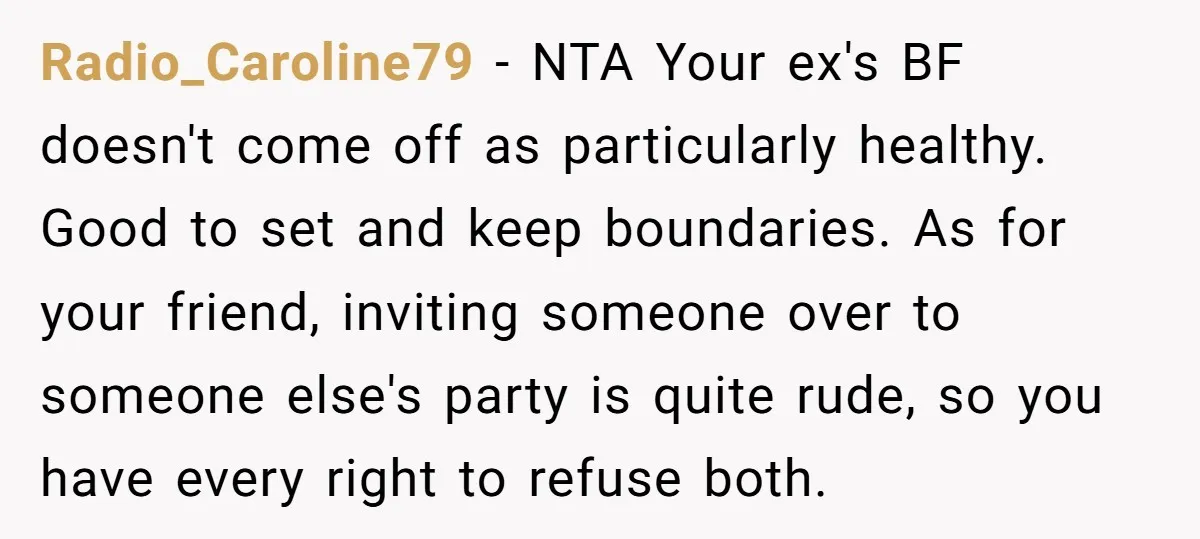
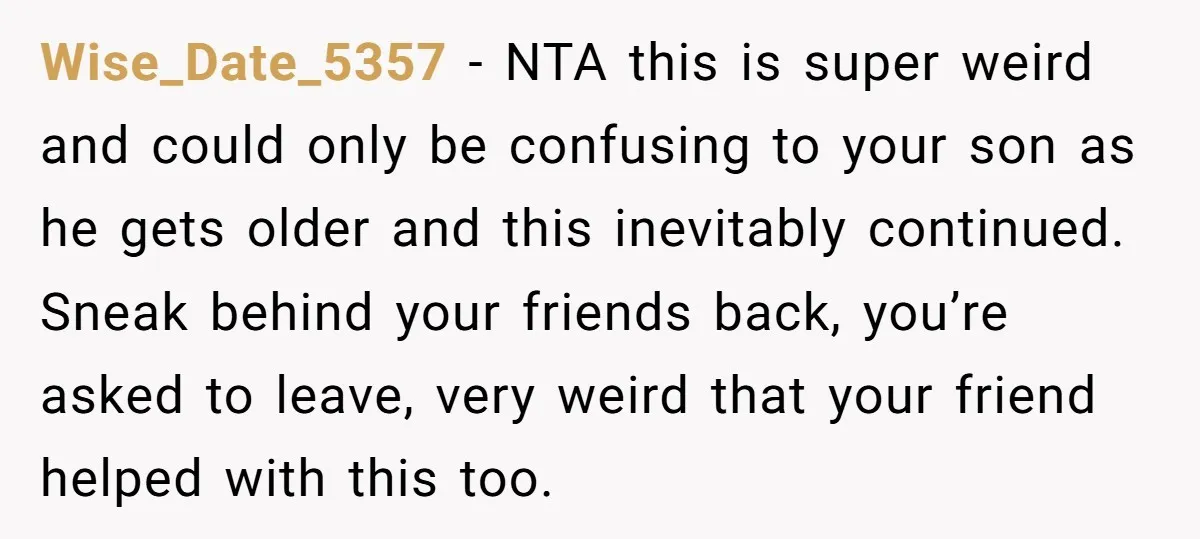
A few voices focus on the betrayal by the friend and the need to maintain strict boundaries to prevent future confusion or escalation.
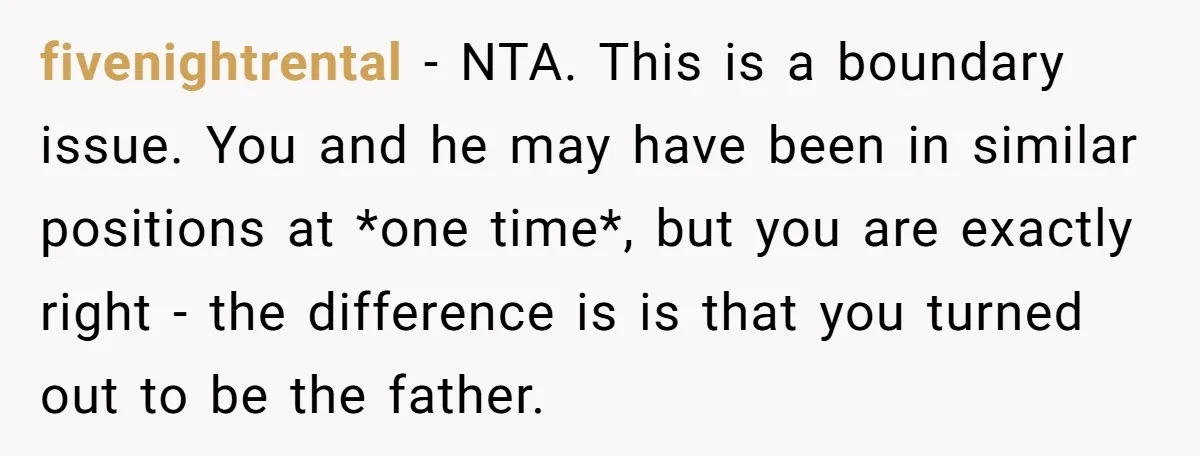
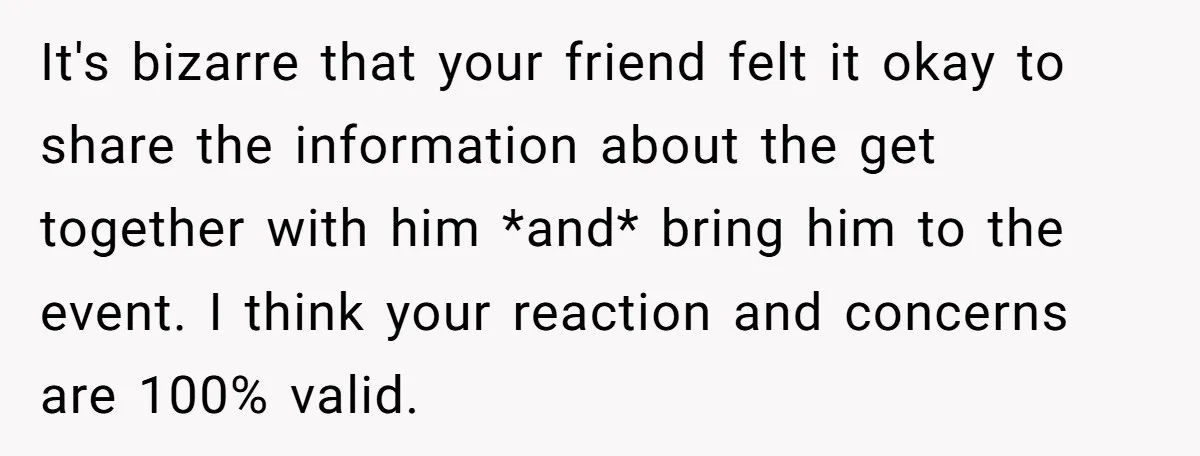
This story reveals how quickly unresolved feelings and boundary violations can turn a celebratory day into a defensive one. The overwhelming consensus is that the father was completely right to protect his space and his son from an inappropriate intrusion—especially on Father’s Day, a day that belongs to him and his child.
Have you ever had to enforce a strict boundary with someone who wouldn’t take no for an answer? How do you handle friends who disregard your wishes and bring uninvited people into your home? Do you think the boyfriend’s fixation is harmless nostalgia or something more concerning? Drop your thoughts in the comments.