
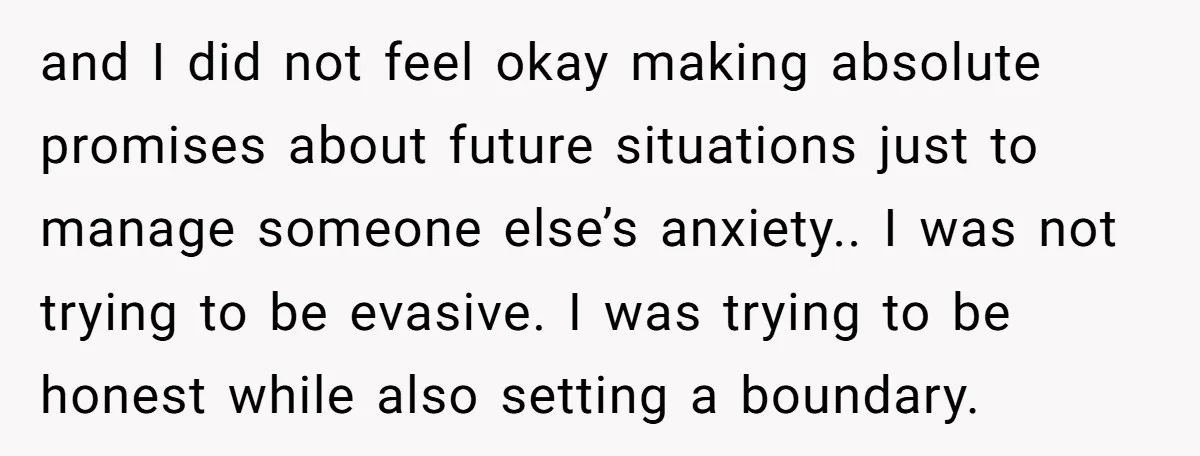
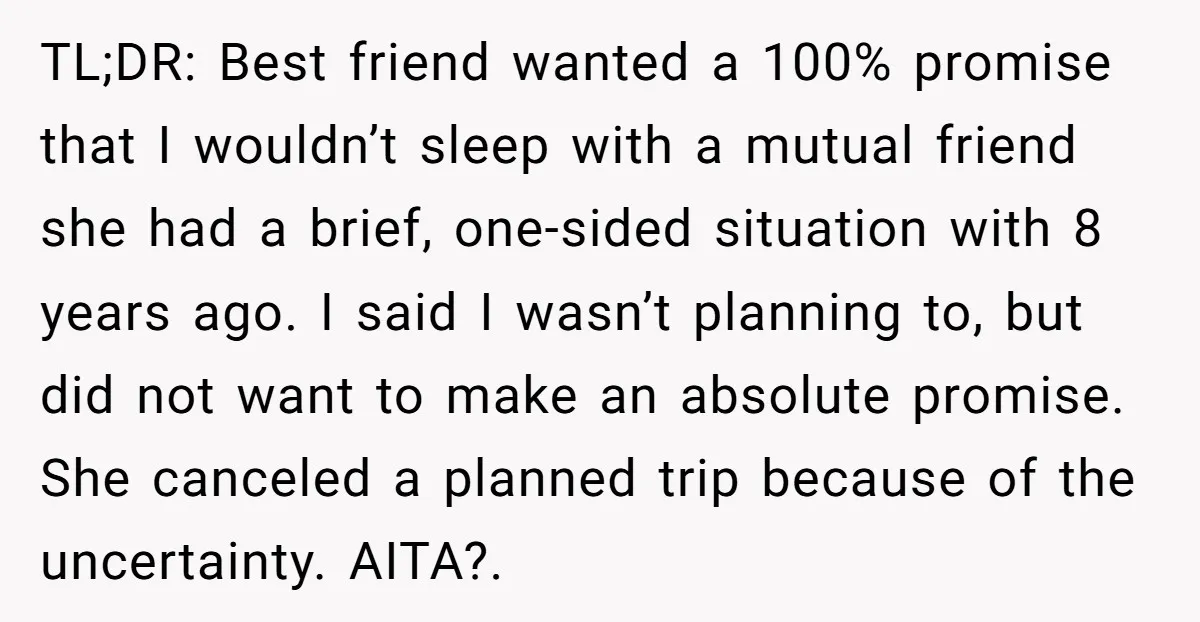
A 30-year-old woman just shared a story that’s sparking heated debates: her best friend of 13 years demanded a 100% guarantee that she would never sleep with their mutual male friend – someone the best friend had a brief fling with eight years ago. She replied honestly: “I’m not planning to, but I’m not comfortable promising 100% about my future just to ease your anxiety.”
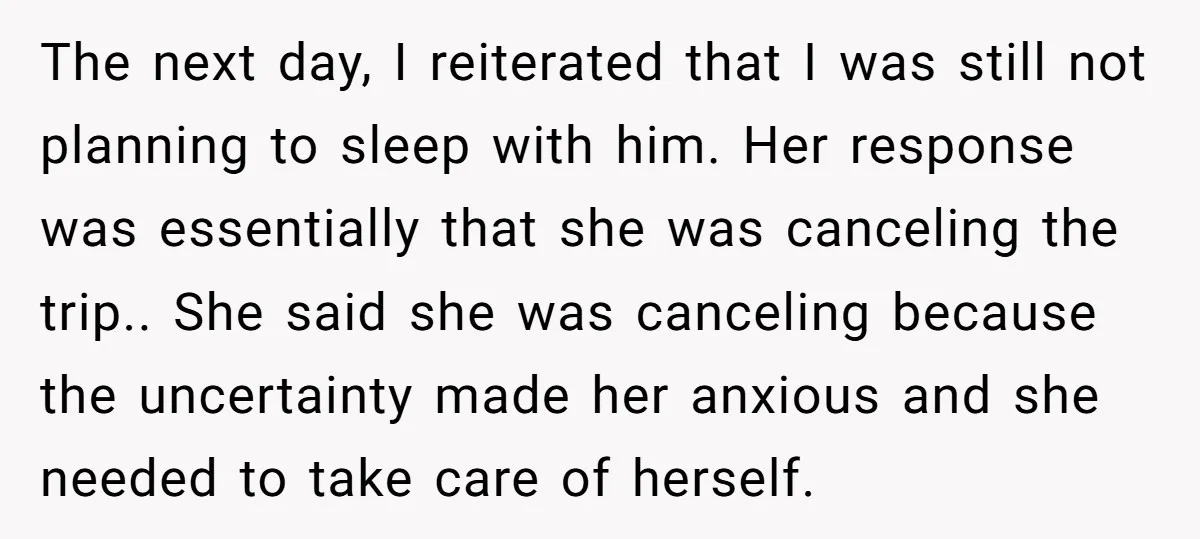
The result? The friend canceled their planned group trip because the “uncertainty” was too much. Is refusing to make an absolute promise selfish, or is it standing up for personal freedom? This isn’t just about one trip – it’s about boundaries in a long-term friendship.

‘AITA for refusing to promise my best friend 100% that I wouldn’t sleep with a mutual friend?’
It all started with a 13-year friendship and one mutual guy friend, “A”:





She asked directly and gave a clear answer:

The friend didn’t accept it and canceled the trip:


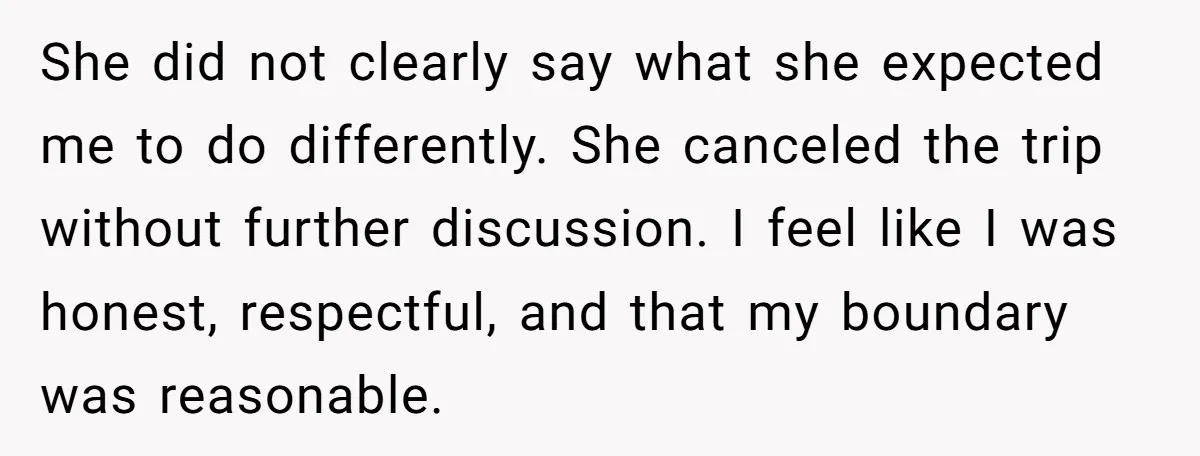


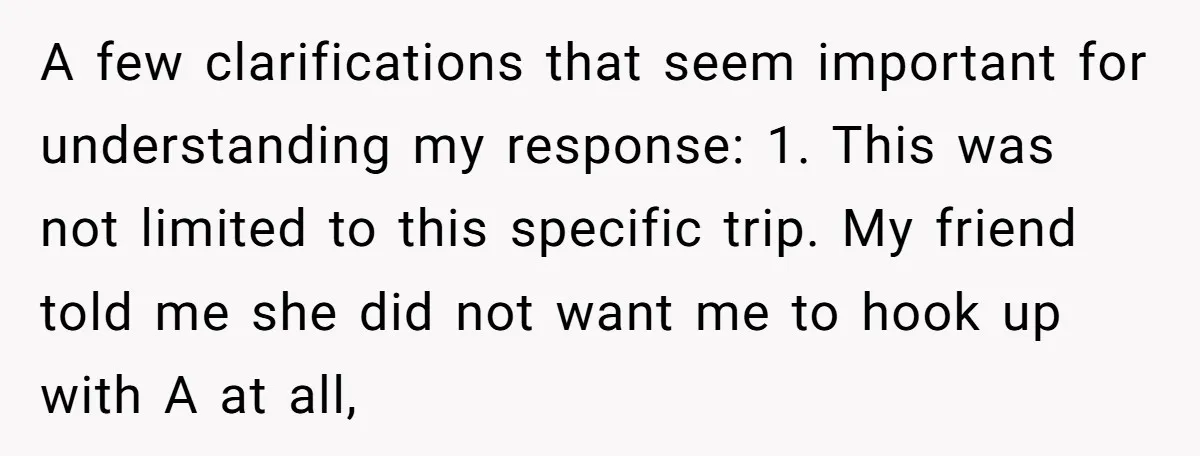

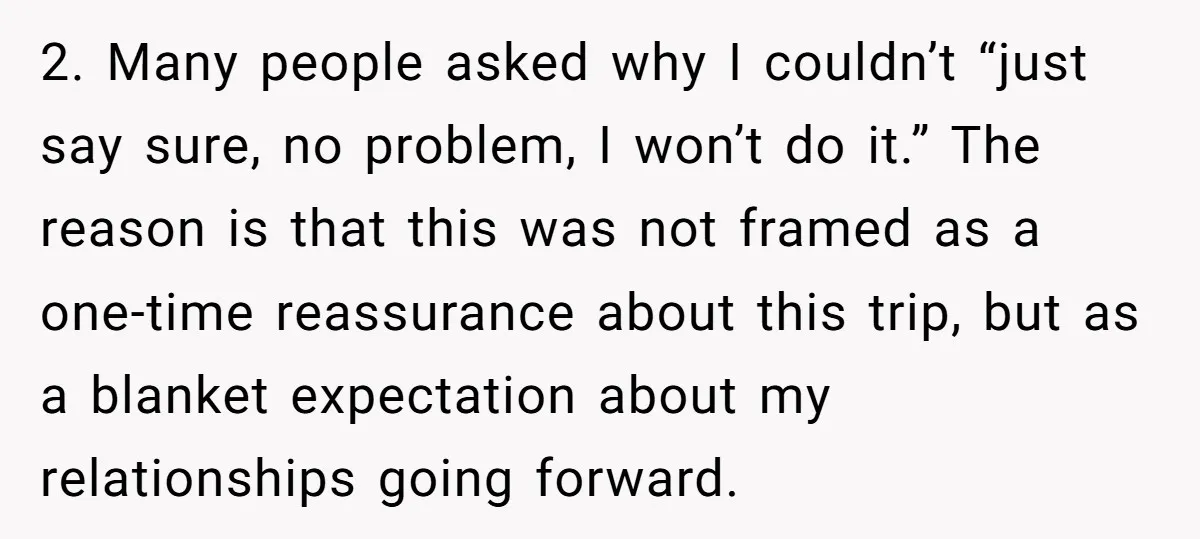

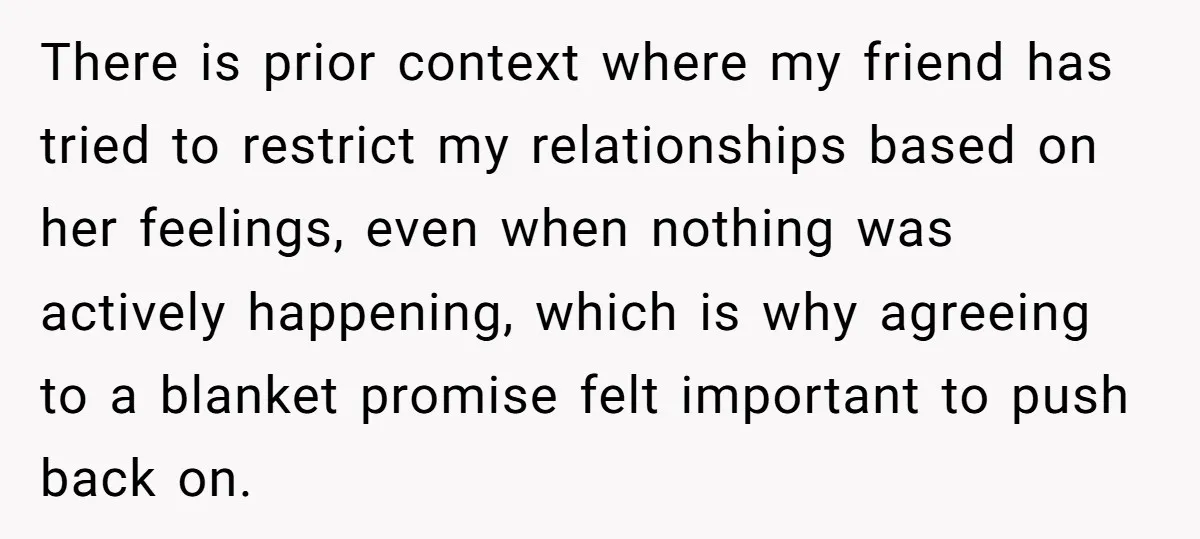


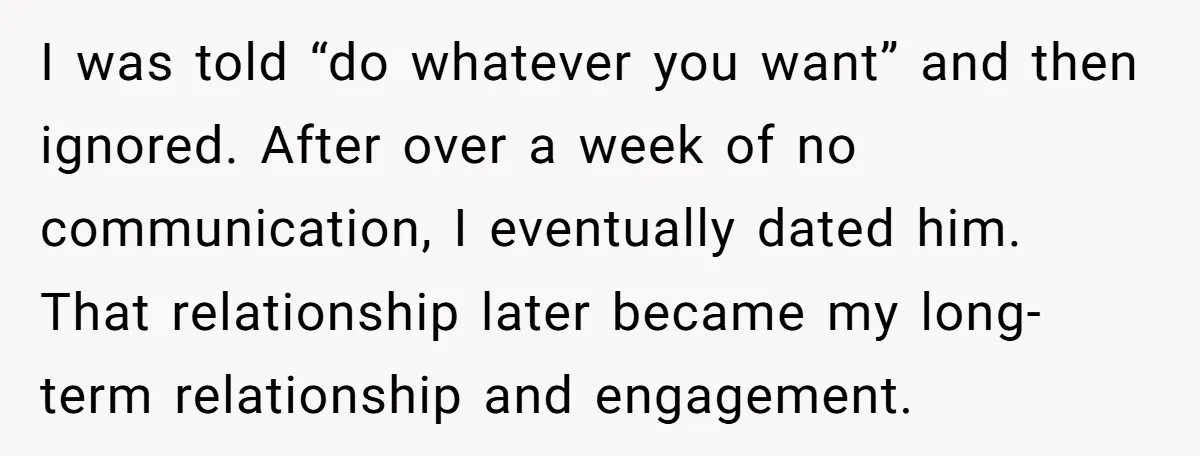
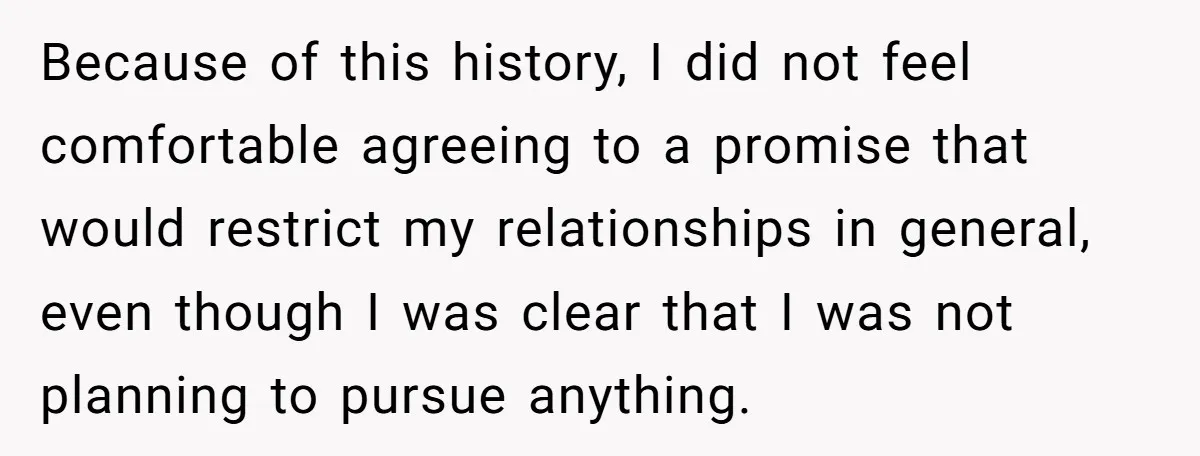
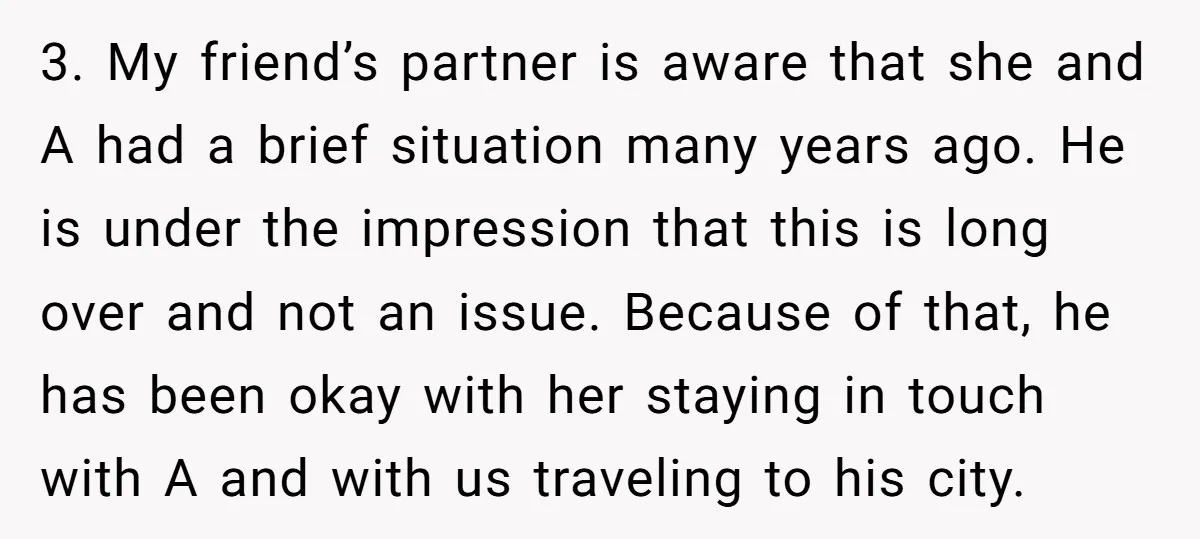



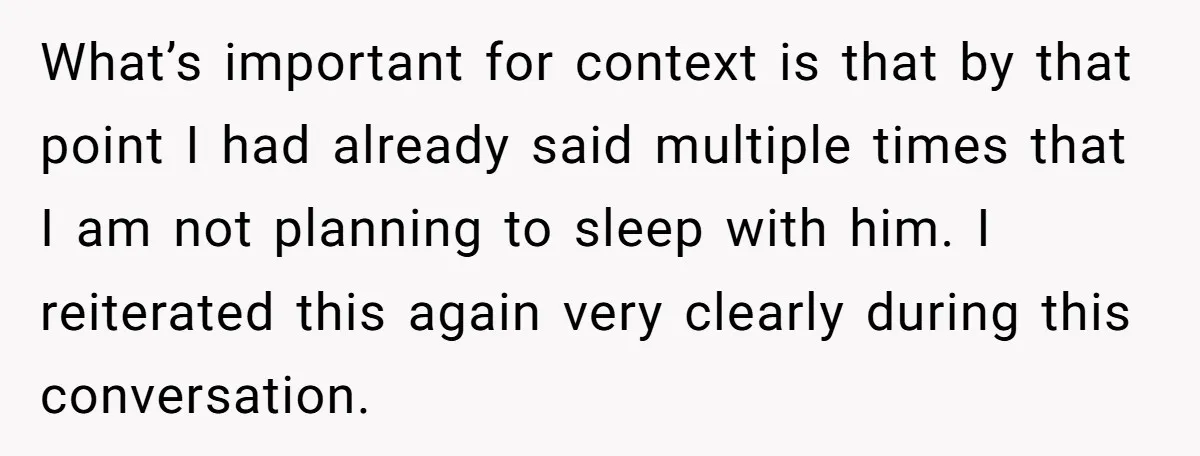



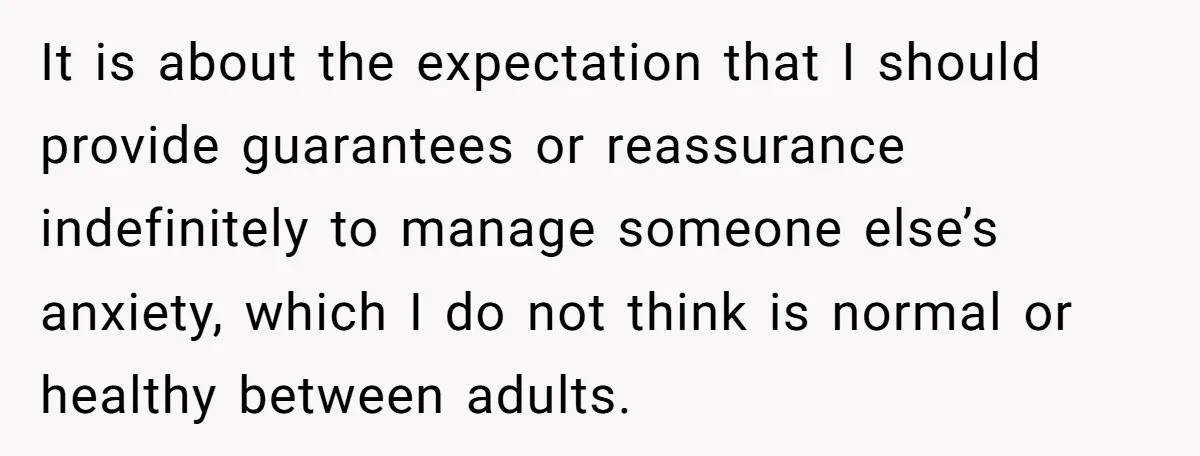

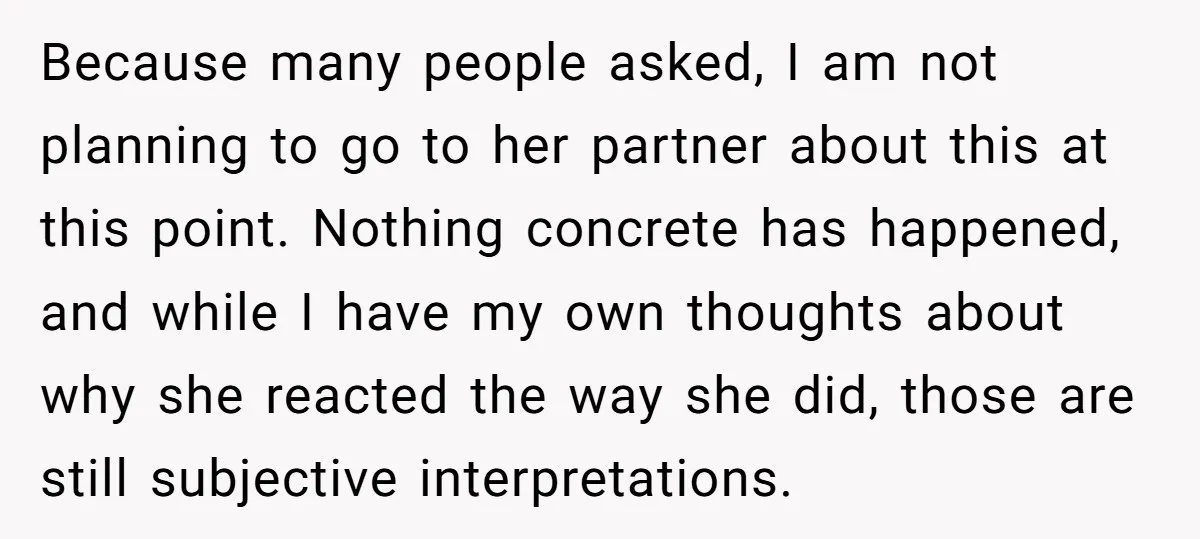

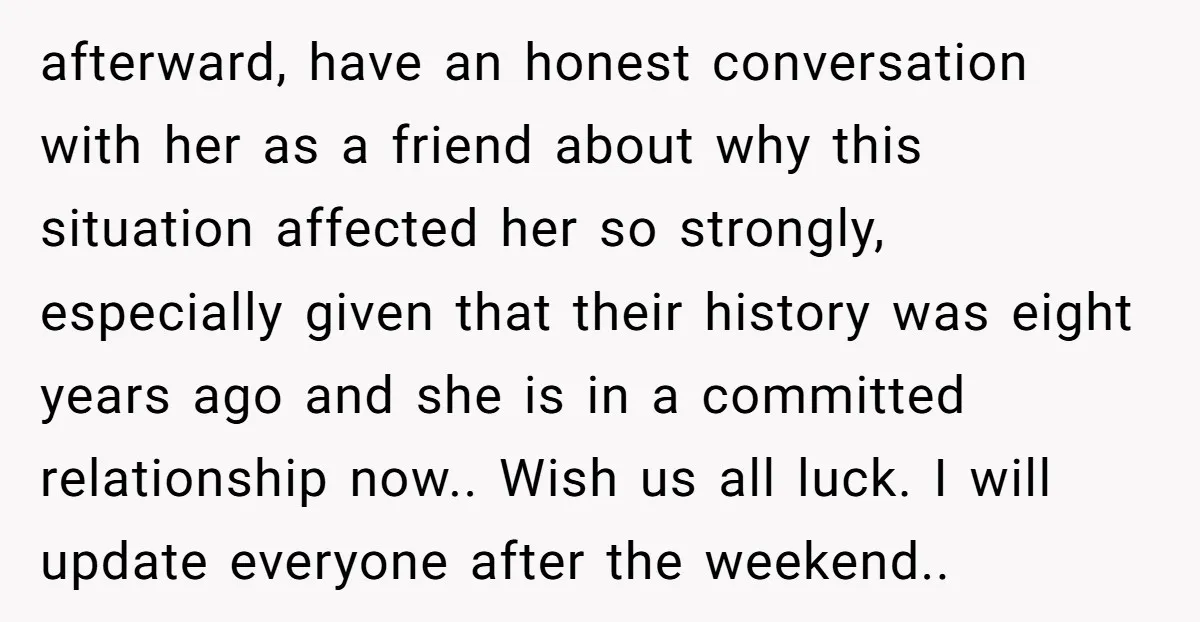







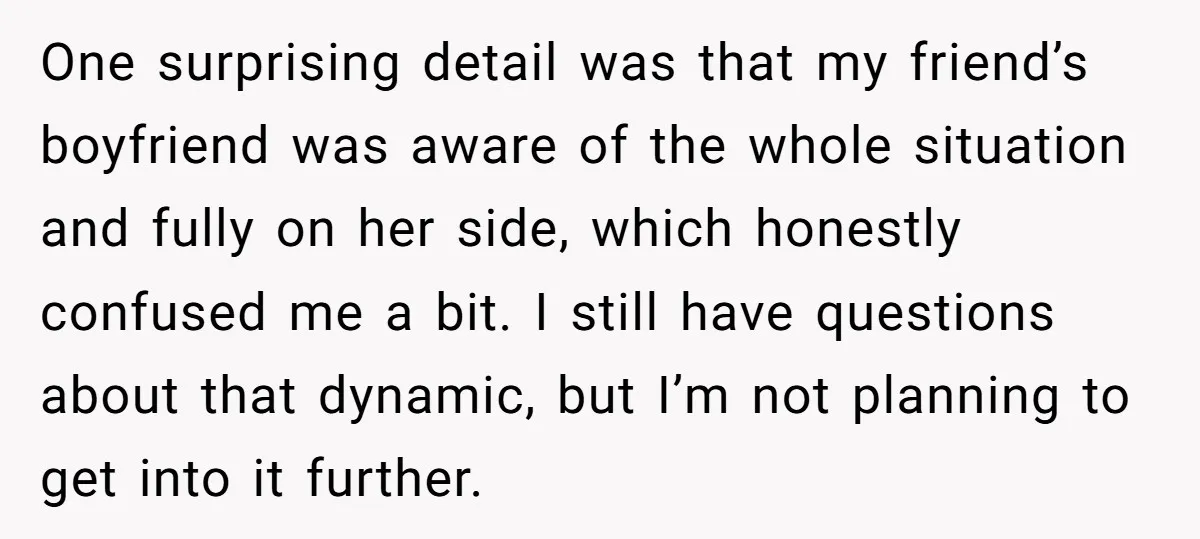

At the core of this drama is a clash between one person’s need for absolute reassurance and another’s right to personal autonomy. The best friend is asking for a lifelong guarantee about future relationships – not just the trip, but any possibility with A – even though their own history ended eight years ago and she’s in a committed relationship. This points to deeper insecurity, possibly unresolved feelings or a fear of losing control in the friend group.
Some argue “just promise to make her feel better – what’s the harm?” But agreeing to such a blanket promise sets a dangerous precedent for controlling someone else’s romantic life, especially given the history of the friend asking her to “step back” from other guys.
Relationship expert Esther Perel, in her book “The State of Affairs” and various talks, has said: “Jealousy often stems not from real threats but from fear of loss and the need to control. Demanding absolute promises about someone else’s future behavior is a way to soothe your own anxiety – not a healthy solution.”
Practical advice: Keep the conversation about boundaries going calmly after the trip. Make it clear you respect her feelings but won’t agree to having your future relationships policed. If this pattern continues, consider how close the friendship should stay. Keep being honest with yourself and don’t let someone else’s worries limit your freedom. If the tension lingers, talking to a therapist on your own can help sort things out.
Here’s how people reacted to the post:
The online crowd is split – one side strongly backs the poster for protecting her boundaries, while the other says she was too rigid and insensitive in a friendship.
Most comments side with her, calling out the friend’s possessiveness as a red flag, especially since she’s in a long-term relationship:



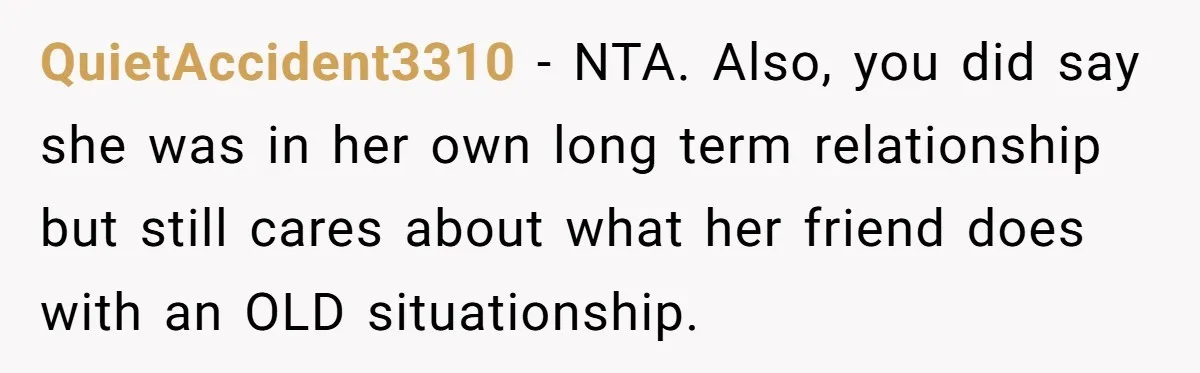




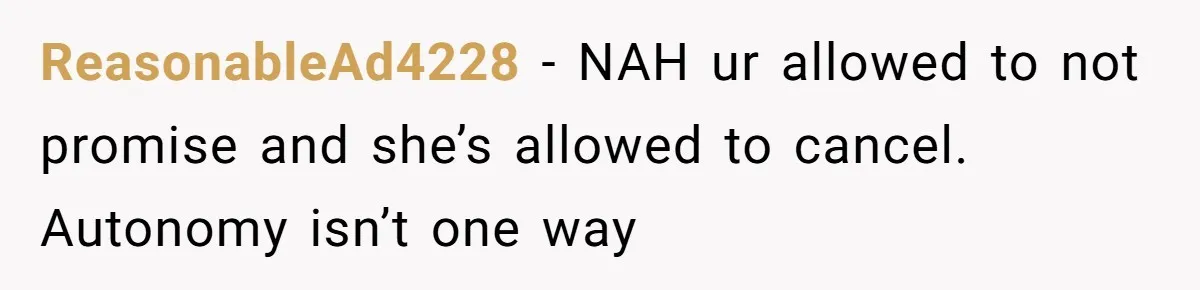
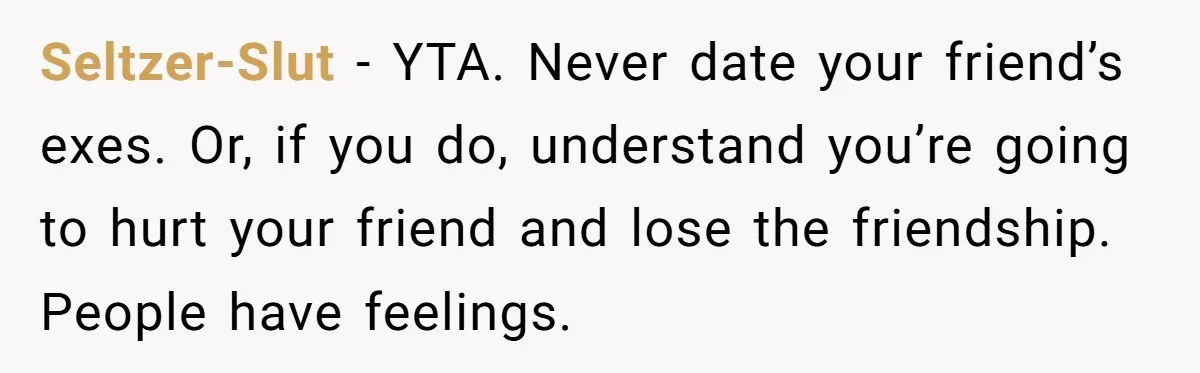
Others called the whole situation weird or said both are at fault:









This story shows how fragile boundaries can be in long friendships. One side craves total reassurance to ease anxiety, the other needs to keep personal freedom intact – and both have valid points. In the end, the trip went smoothly with no drama, and they’ve agreed to revisit the bigger boundary talk later.
What do you think? In a similar situation, would you give the promise to keep the peace, or stand firm on your autonomy even if it risks hurting your friend? Share your take in the comments!