
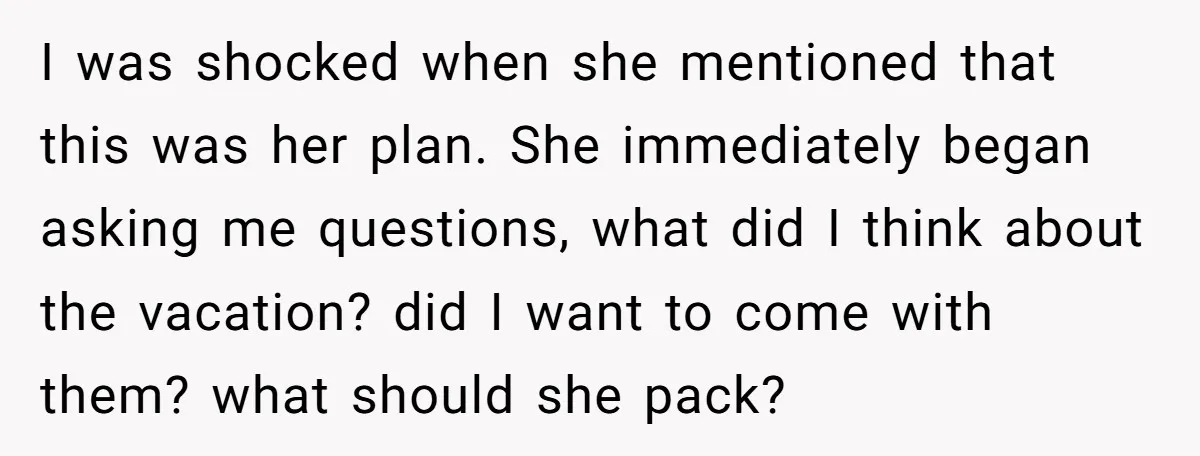
A family dinner turned unexpectedly tense after a travel announcement sparked a serious disagreement between a woman and her future mother-in-law. When the mother excitedly revealed plans for the next family vacation, the destination caught everyone’s attention: Cape Town, South Africa.
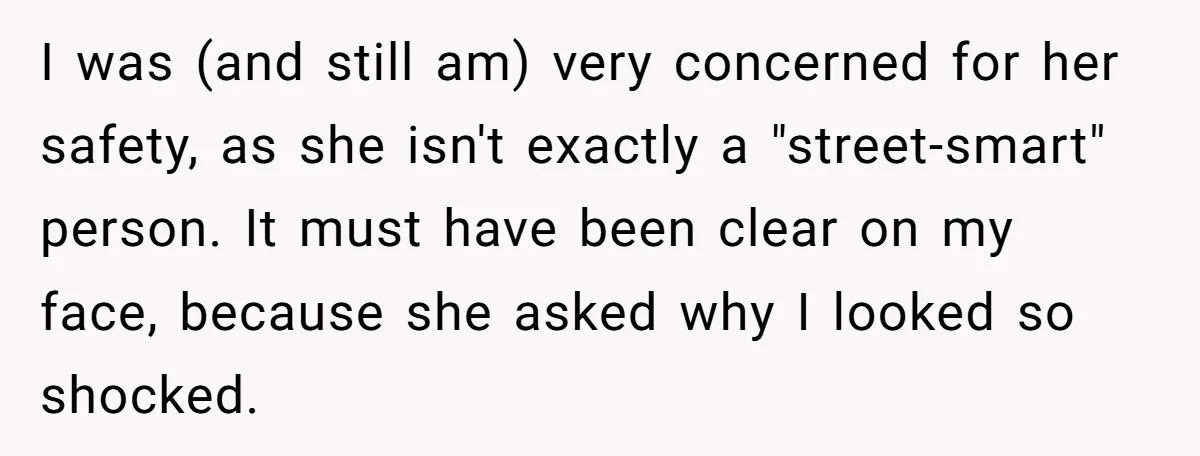
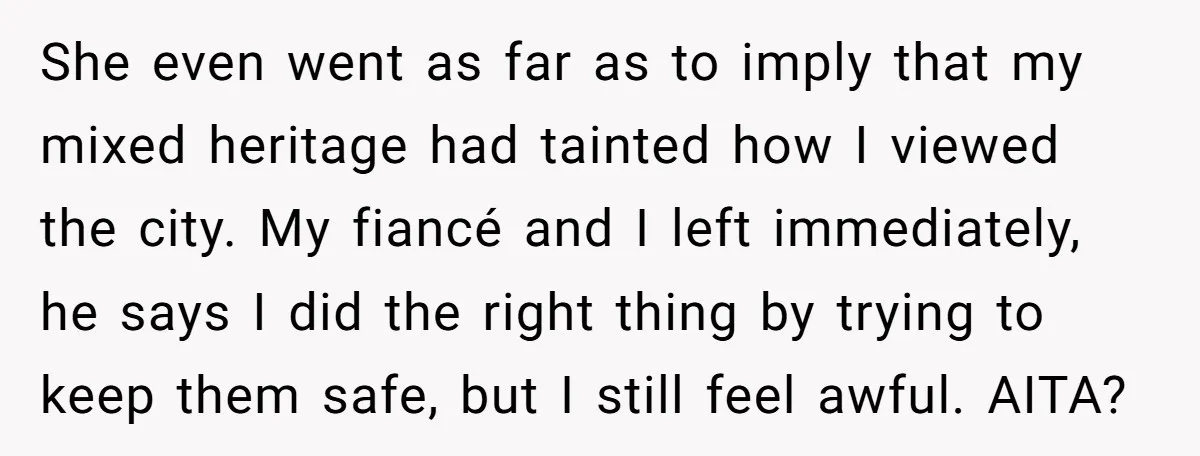
For most of the table, the city sounded like an exciting choice. But for one person, the news immediately raised concern. The woman had grown up in Cape Town before moving to Canada as a teenager, and her experience with the city gave her a different perspective on the trip. When asked for her opinion, she shared her honest thoughts about safety risks for travelers unfamiliar with the area. What followed was an emotional reaction that left the dinner abruptly cut short and raised questions about whether she had crossed a line.

‘AITA for “ruining” a vacation for my future MIL?’
The woman explained her background and why the destination immediately worried her.
Her excitement quickly turned into concern because of her personal experience growing up there.
When she shared her honest warning, the conversation quickly escalated.
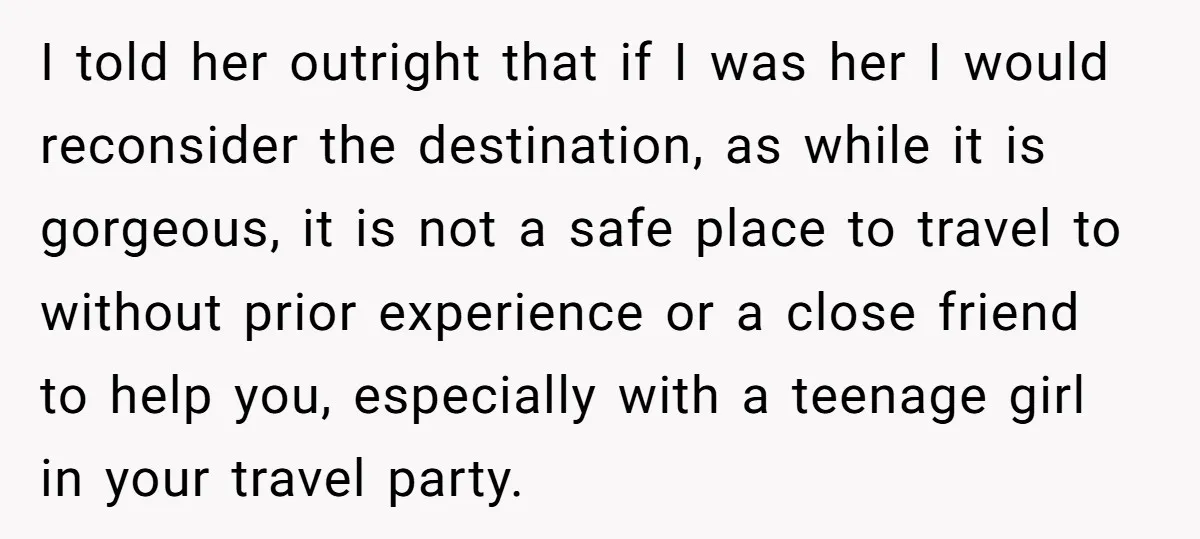

For someone who grew up in a place, their understanding of daily safety concerns often comes from lived experience rather than travel brochures. Locals are more familiar with which areas require caution, what behaviors might attract unwanted attention, and how visitors can unintentionally place themselves in risky situations. When they offer warnings, it is often meant as practical advice rather than criticism of the destination itself.
On the other hand, travelers who are excited about visiting a place may interpret warnings as negativity or exaggeration. Popular tourist destinations frequently have both beautiful attractions and neighborhoods with higher crime rates. Visitors may rely on travel guides that highlight the positive aspects, while residents remember the realities of living there. These two viewpoints can clash when expectations differ.
In family settings, the tension can increase because advice may feel personal. The key challenge in situations like this is balancing honesty with reassurance. Sharing concerns about safety while also acknowledging the appeal of a destination can sometimes help prevent the discussion from becoming confrontational.
Here’s the input from the Reddit crowd:
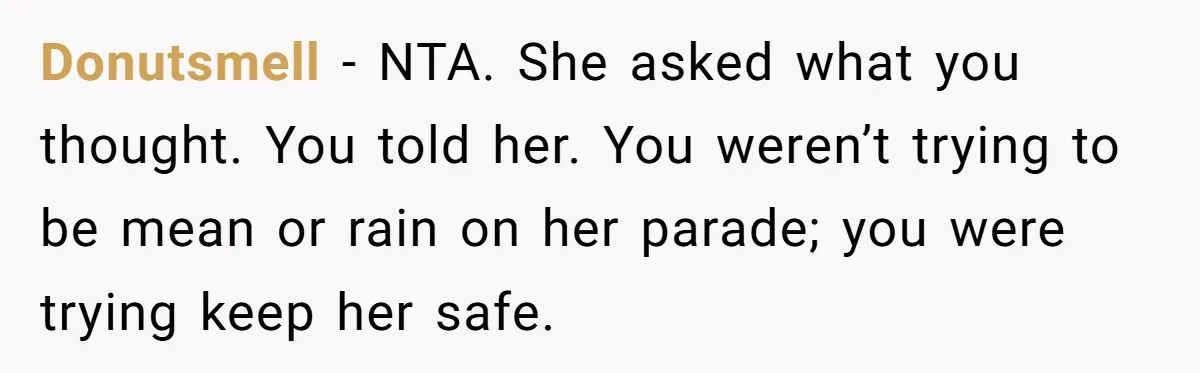
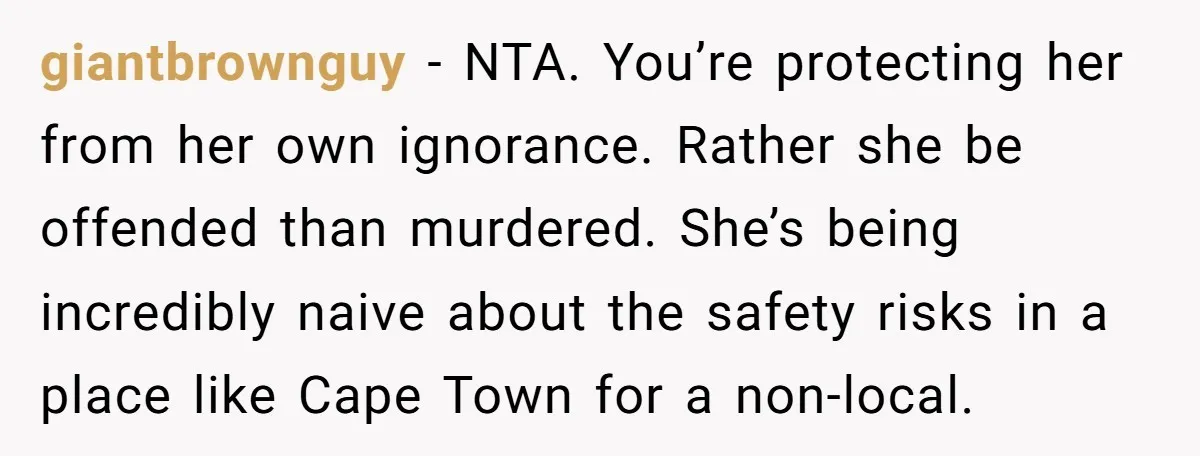
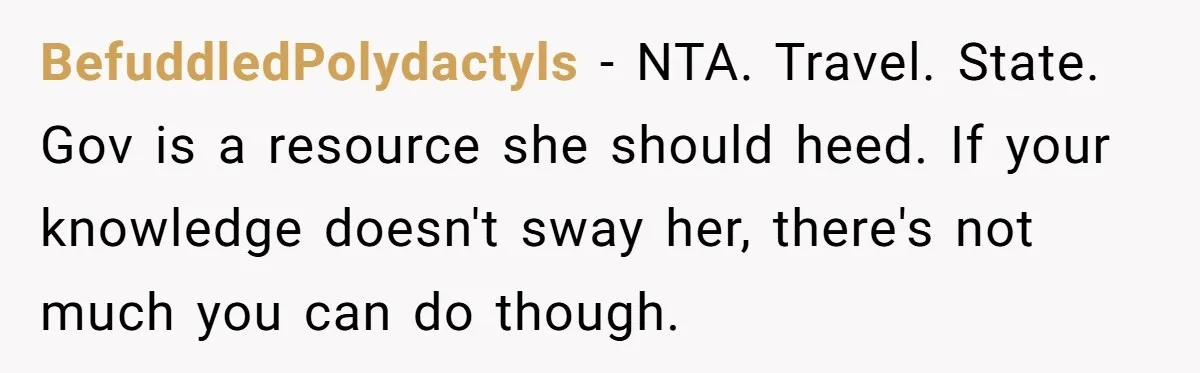
Many users supported the woman, saying she simply answered an honest question.

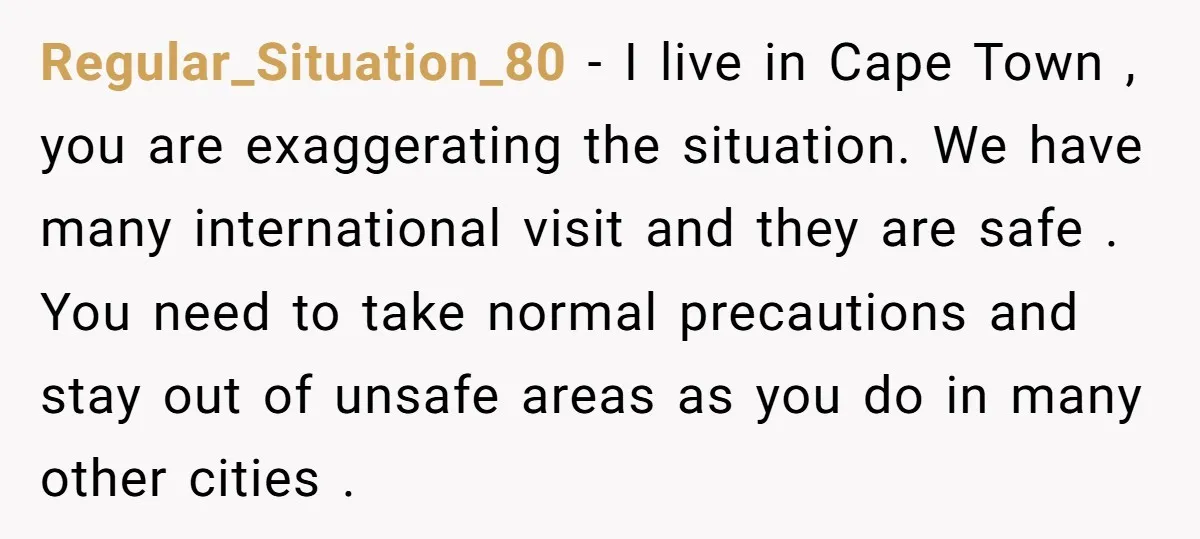

Other commenters offered more nuanced perspectives about travel and perception.
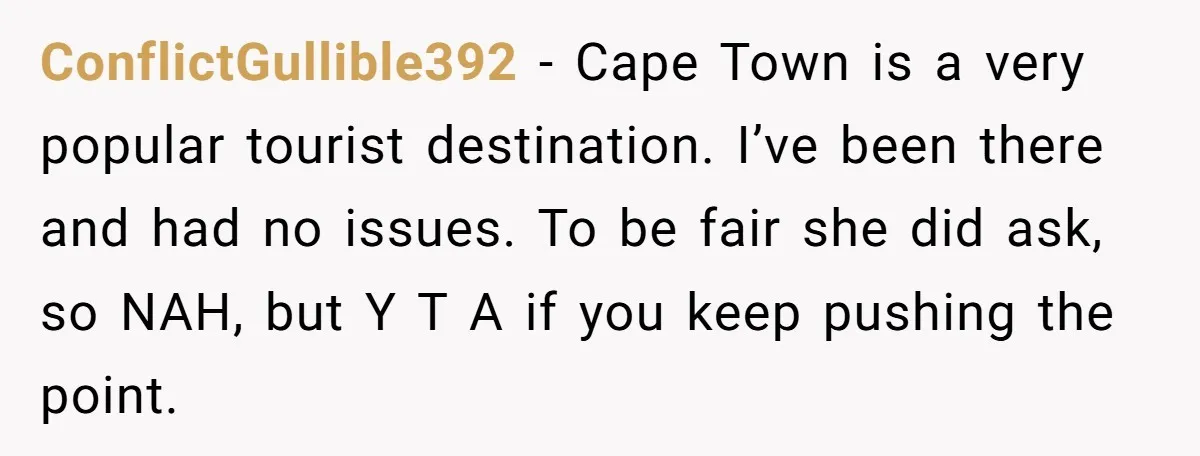
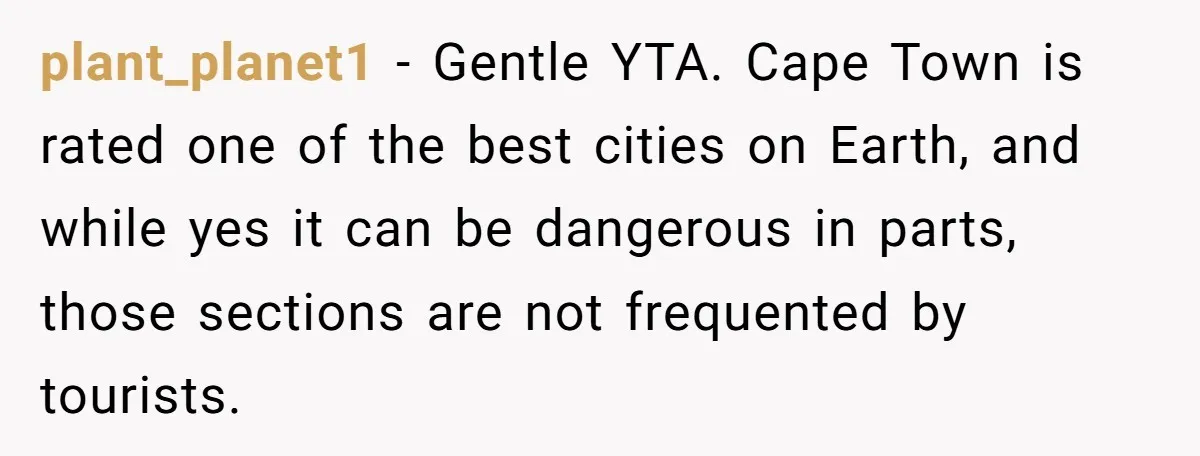

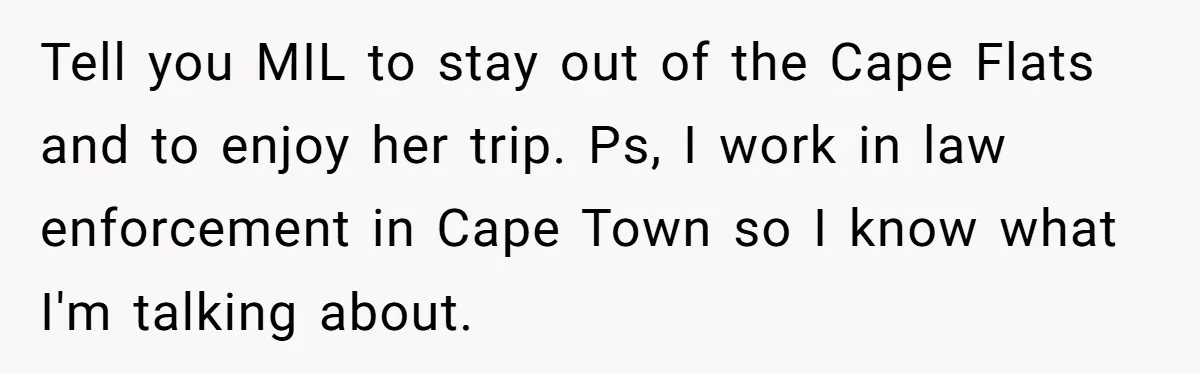
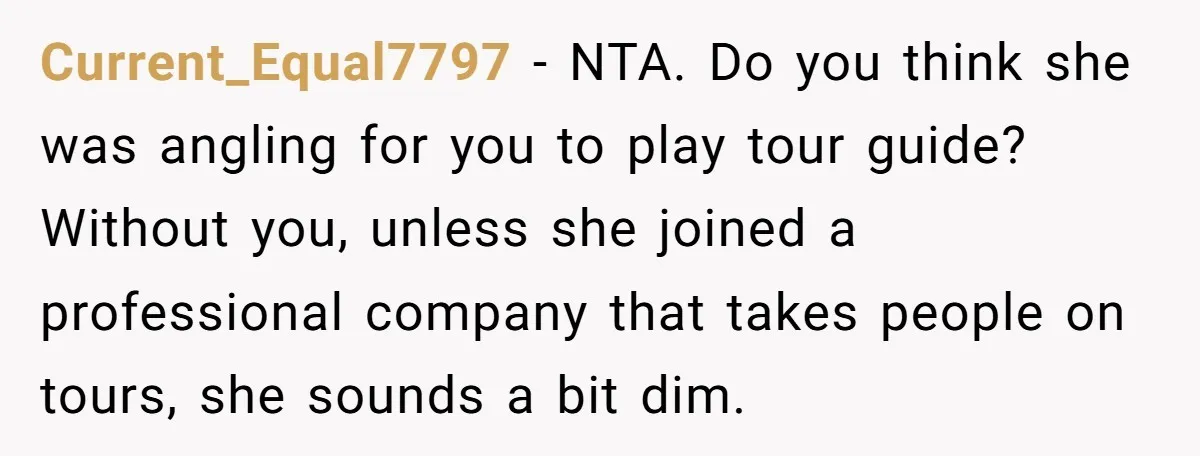
A few users added practical or slightly humorous takes on the situation.

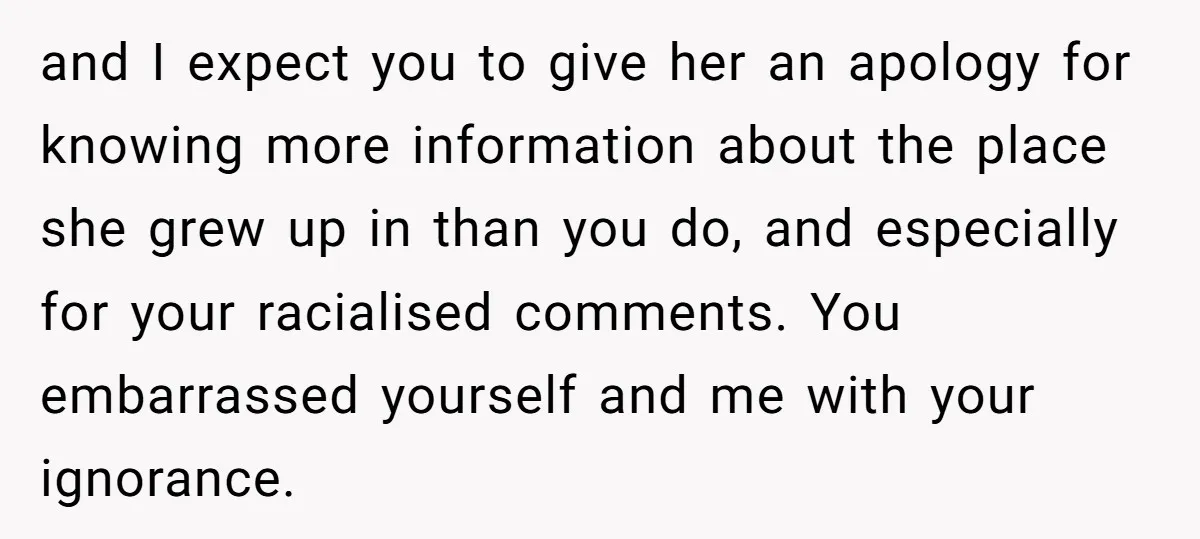
This situation highlights how personal experience can shape the way people see a destination. The woman spoke from the perspective of someone who grew up in the city, while her future mother-in-law saw the trip through the lens of excitement and adventure. When those viewpoints collided, the conversation quickly became emotional.
Travel plans often bring enthusiasm, but they can also involve genuine safety considerations. Sharing honest advice can sometimes feel discouraging to someone who is looking forward to a trip. Do you think the woman was simply being responsible by sharing her experience, or should she have expressed her concerns in a different way? How much weight should personal experience carry when advising others about travel?