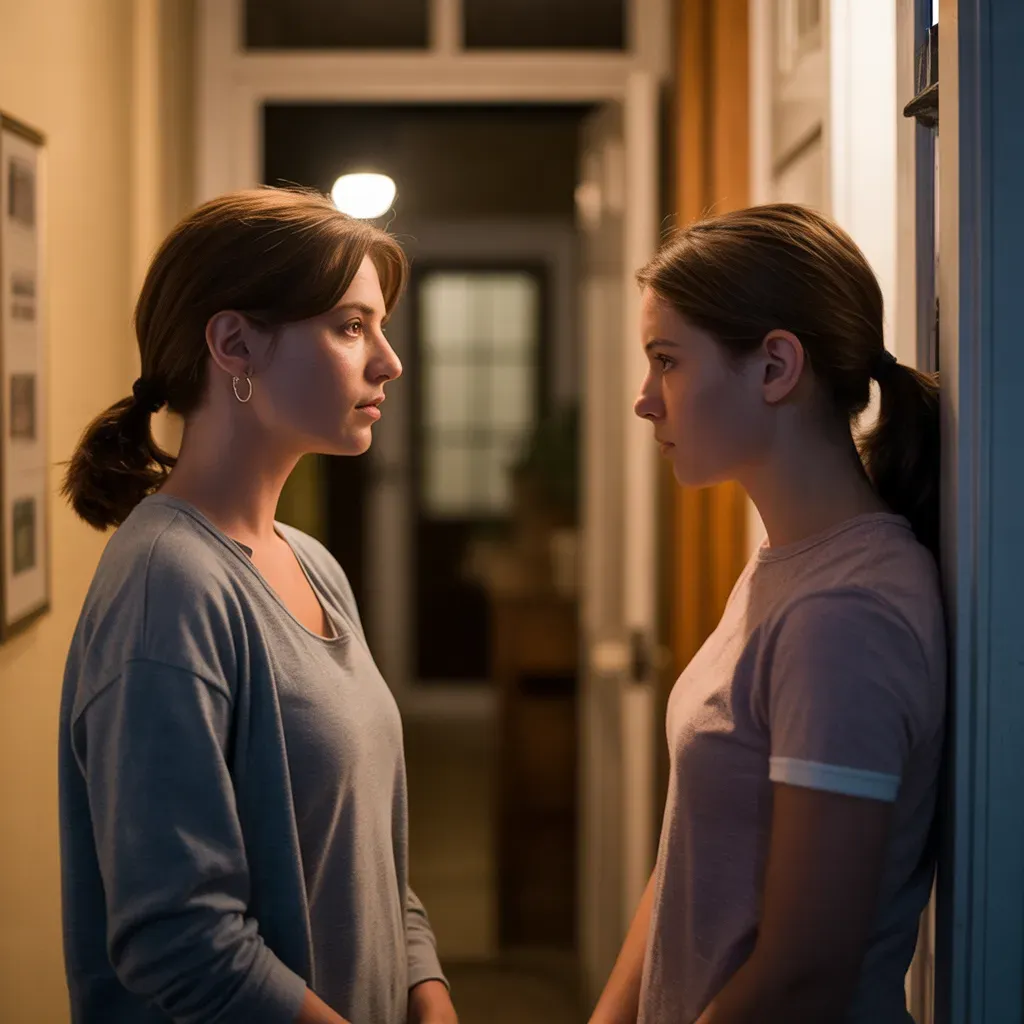
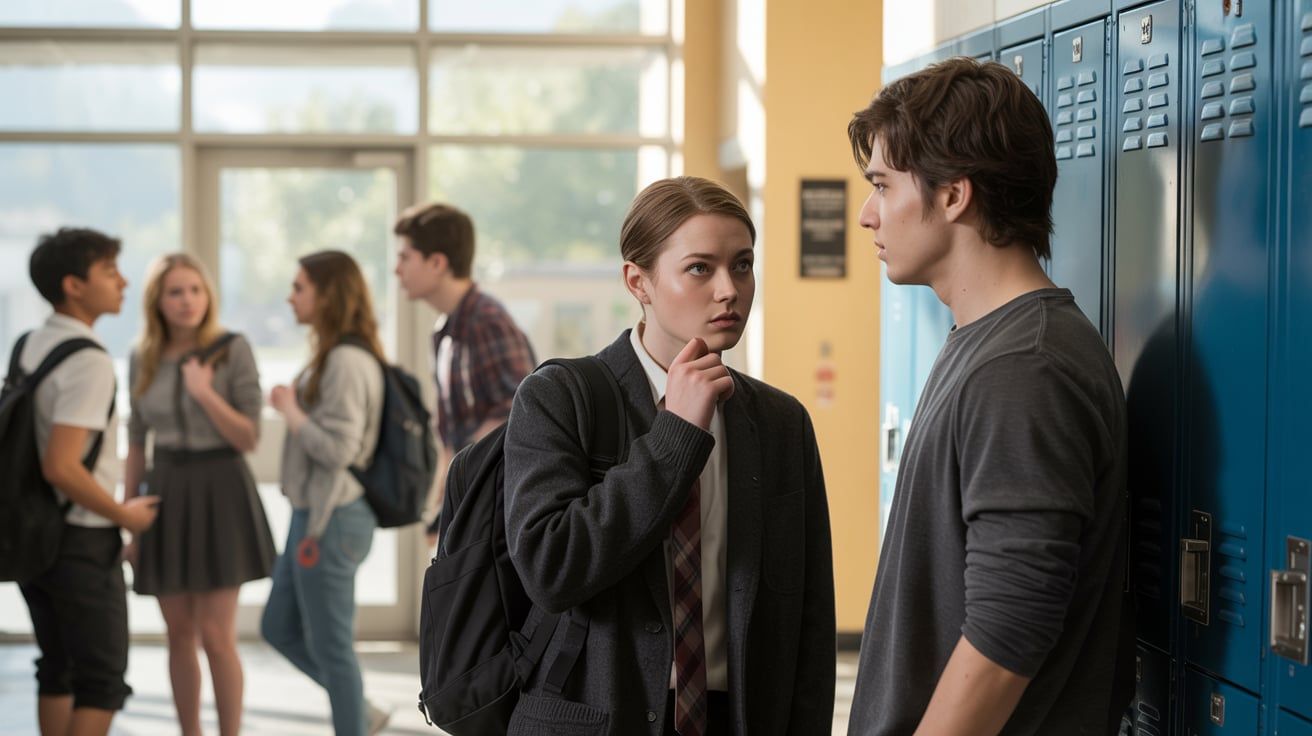
A high school hallway, buzzing with the usual chaos, suddenly became the stage for an unexpected moment. Someone I vaguely knew from elementary school walked up, eyes earnest, and apologized for bullying me years ago. The catch? I didn’t remember him as a bully at all. Growing up with autism, I’d faced so much cruelty that his name didn’t even register on my mental list of tormentors. My honest response—and a half-hearted attempt at humor—left him deflated, and now I’m left wondering: was I too blunt?
What makes this moment linger is more than just an awkward exchange. It’s about how we carry the weight of old wounds and what happens when someone tries to make amends. I was truthful, but some say I should’ve been kinder. Social media users had plenty to say, from cheering my candor to empathizing with the guy who bared his guilt. Let’s unpack this story and see what it tells us about apologies, honesty, and moving forward.
‘AITA for telling a past bully that i don’t remember him?’
My early years weren’t easy. Being autistic made me a target, and the bullying was relentless.
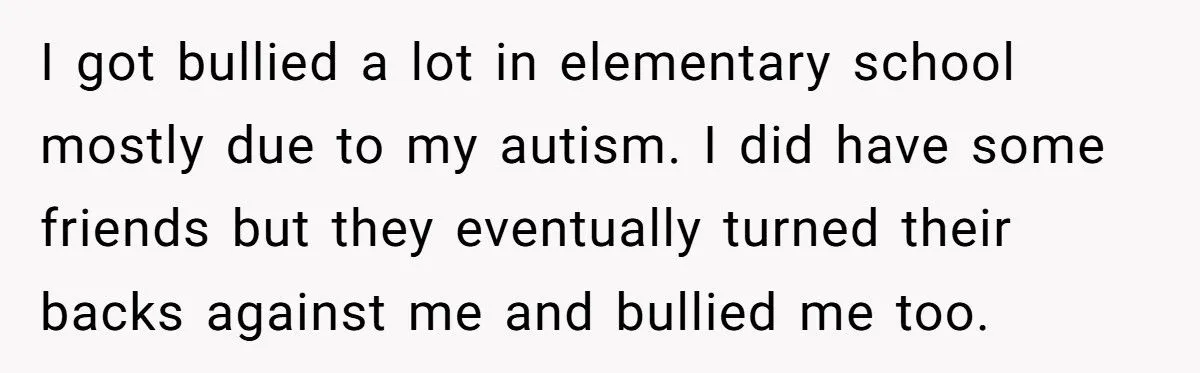
After elementary school, new school boundaries gave me a breather, though the bullying didn’t stop entirely. Junior high brought some loyal friends, but familiar challenges lingered.
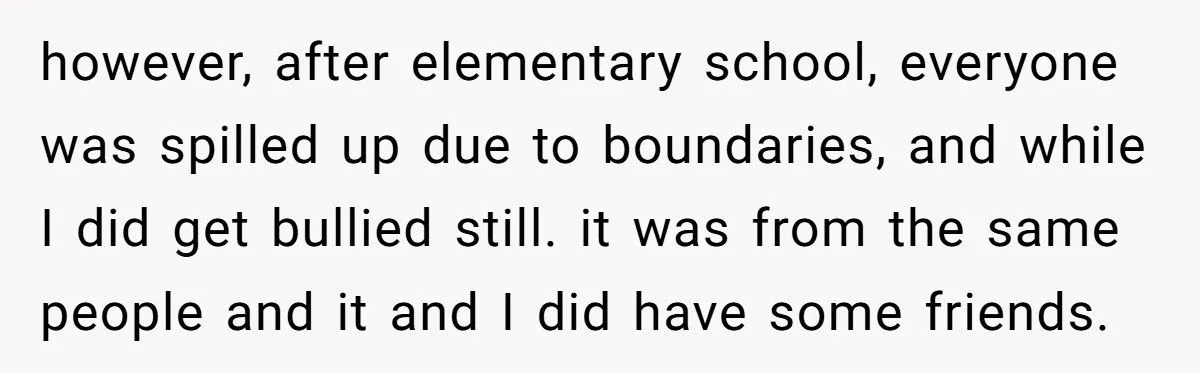
High school changed things. I crossed paths again with some of those elementary school faces, but the bullying had faded, and I reconnected with junior high friends who stuck by me.
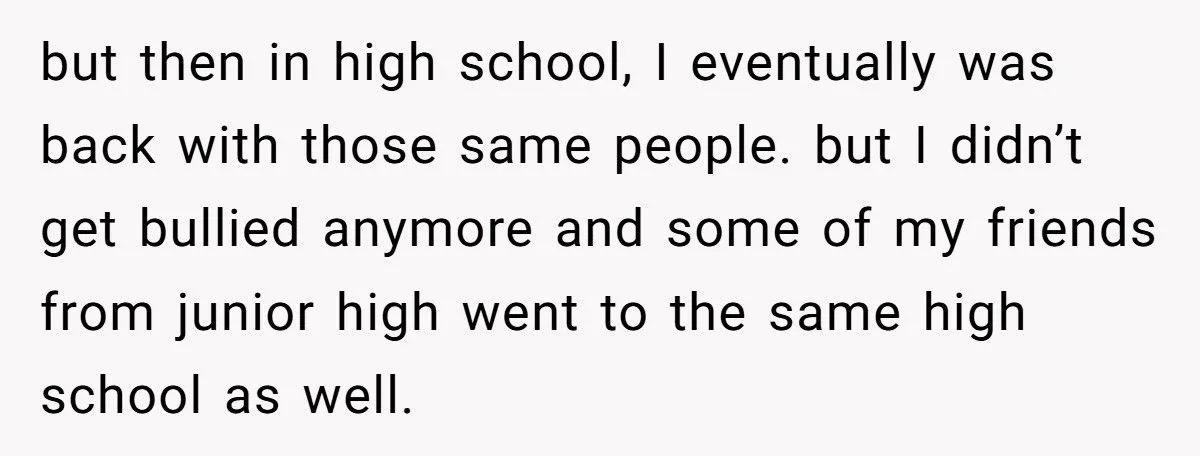
In my senior year, a guy I vaguely recognized from elementary school approached me. We weren’t close, just familiar enough for a casual classroom hello. His words caught me off guard.
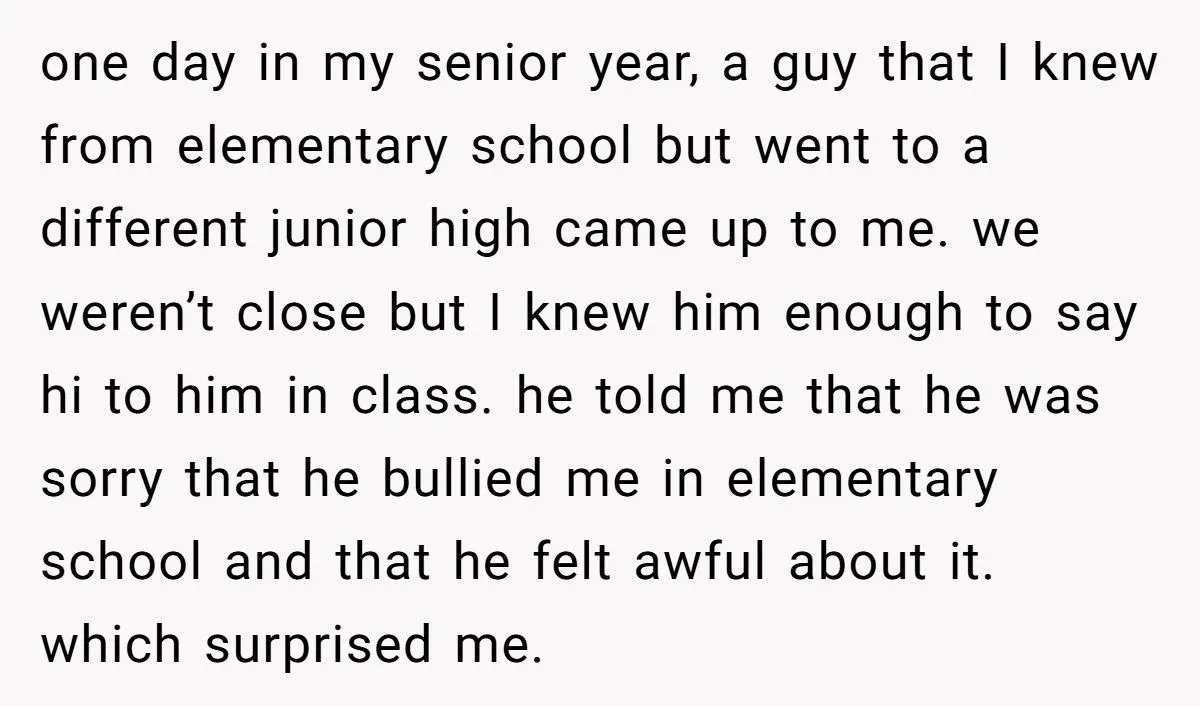
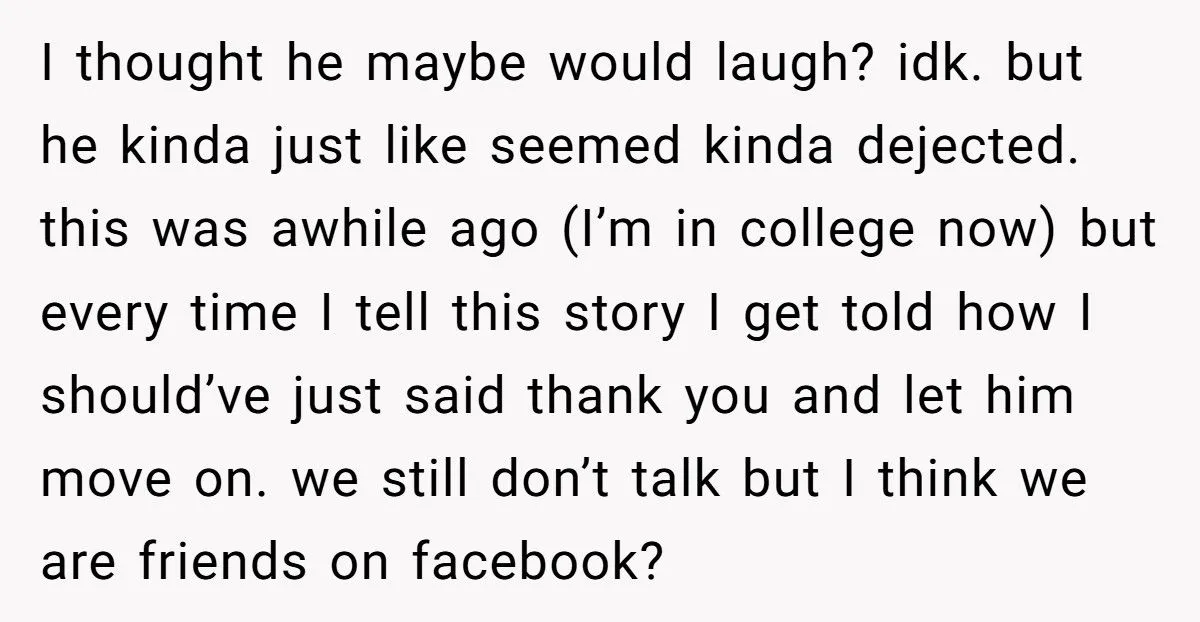
His apology stunned me because, out of all the bullies I remembered, he wasn’t one of them. I told him so, trying to keep things light with a joke about how many people had picked on me that he didn’t stand out.
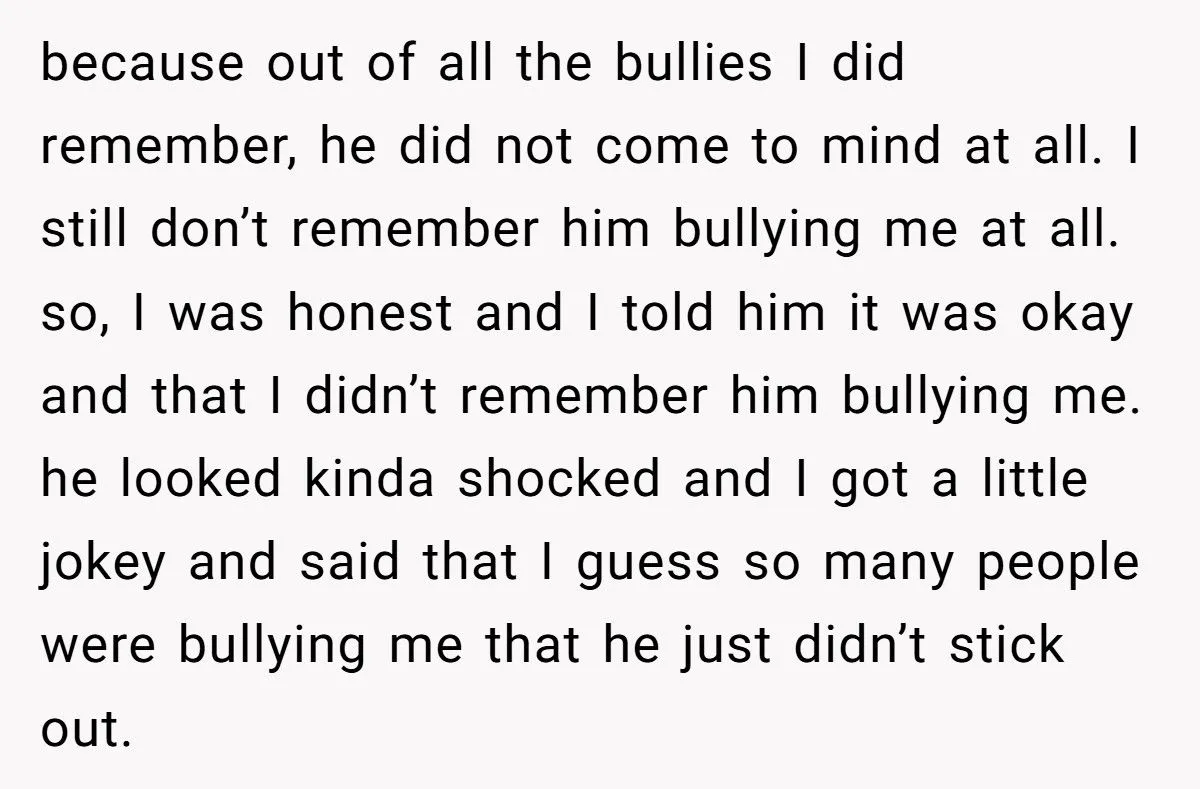
I hoped he’d laugh, but instead, he seemed crushed. Years later, now in college, I still think about that moment. Friends say I should’ve just thanked him and let it go, but I valued my honesty, even if it stung. We don’t talk, though we might be connected on social media.
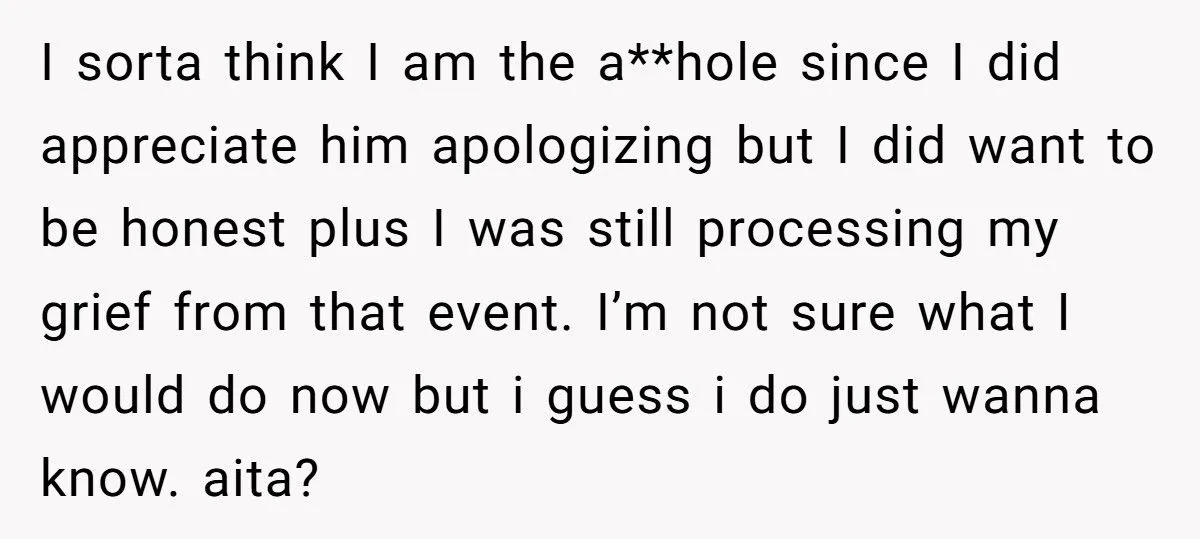
When someone apologizes for past wrongs, it can feel like a chance to heal—or, as in my case, a moment that stirs up more questions than answers. My blunt honesty might have hurt someone trying to make things right, but was I wrong to speak my truth? This situation isn’t just about a fleeting high school encounter—it’s about how we navigate guilt, forgiveness, and the scars of bullying.
The guy’s apology likely carried a hope for closure, as psychologist Dr. Janina Scarlet explains: “A sincere apology often comes with a hope for forgiveness, but the recipient isn’t obligated to meet that expectation” (Psychology Today, 2020). He might have wanted me to acknowledge his past actions, but my blank memory threw him off. That doesn’t mean I was wrong—honesty, especially shaped by my autism, is how I process the world.
At the same time, the sheer volume of bullying I faced made individual names blur. For me, forgetting him wasn’t dismissal—it was a testament to how much I endured. Autistic individuals often lean toward logical, straightforward communication, which can catch others by surprise. My joke, though clumsy, was an attempt to soften the moment, not to wound.
What complicates things further is the balance between truth and tact. Social media users were split: some championed my honesty, others thought a gentler response could’ve spared his feelings. Both perspectives hold weight—you’re not obligated to soothe someone else’s guilt, but a touch of kindness can go a long way.
Advice: If you’re in a similar spot, try blending honesty with empathy. Something like, “I appreciate your apology, and honestly, I don’t recall it clearly, but it means a lot” can honor both your truth and their effort. For me, I’ve learned my honesty wasn’t wrong—it was my way of reclaiming my story. Don’t let this moment haunt you; you did what felt right.
See what others had to share with OP:
Social media lit up with reactions to my story, from fierce support for my honesty to empathy for the guy who apologized. Here’s how the community weighed in.
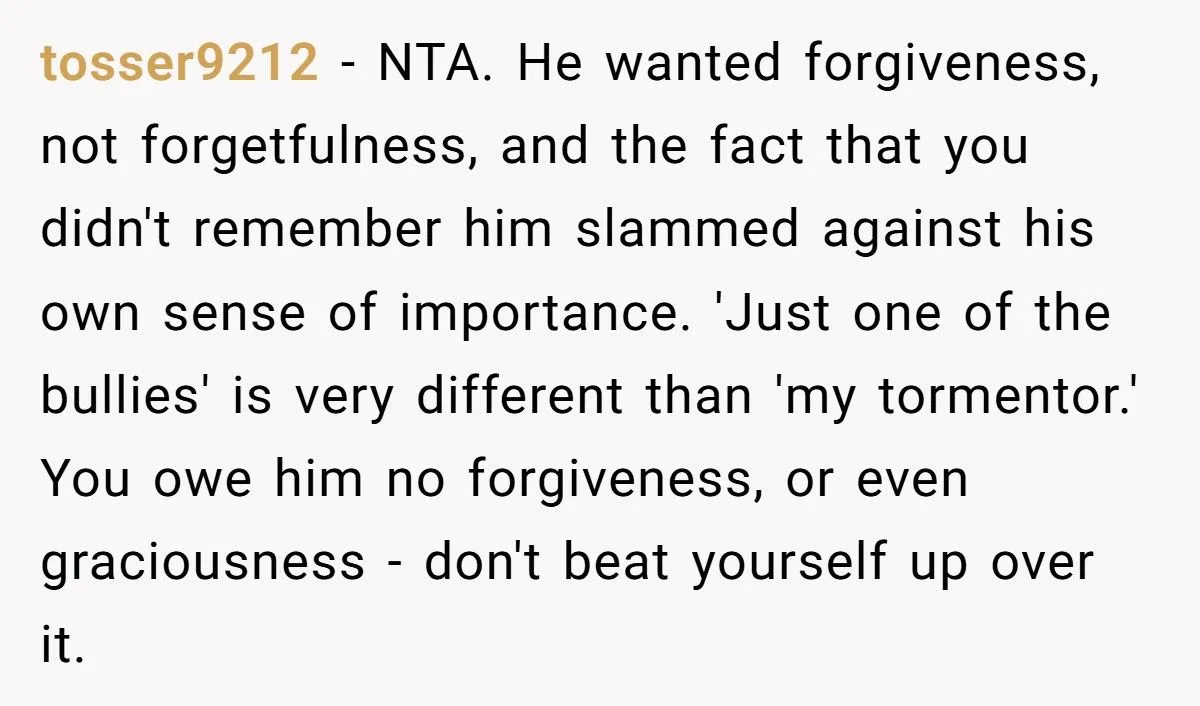
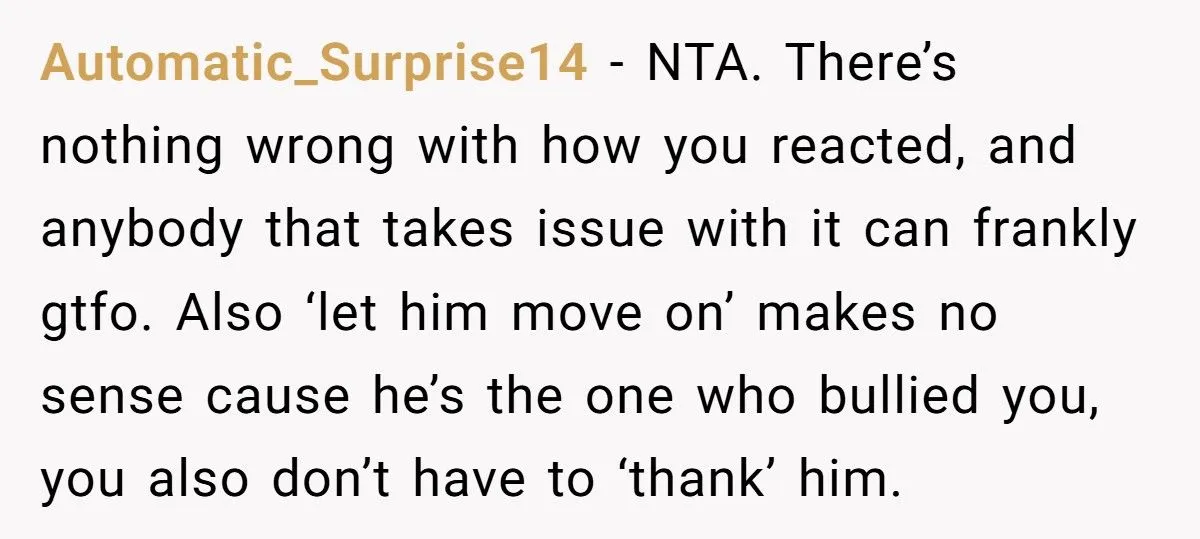
Some users felt I had every right to be truthful, with no obligation to ease the apologizer’s feelings.
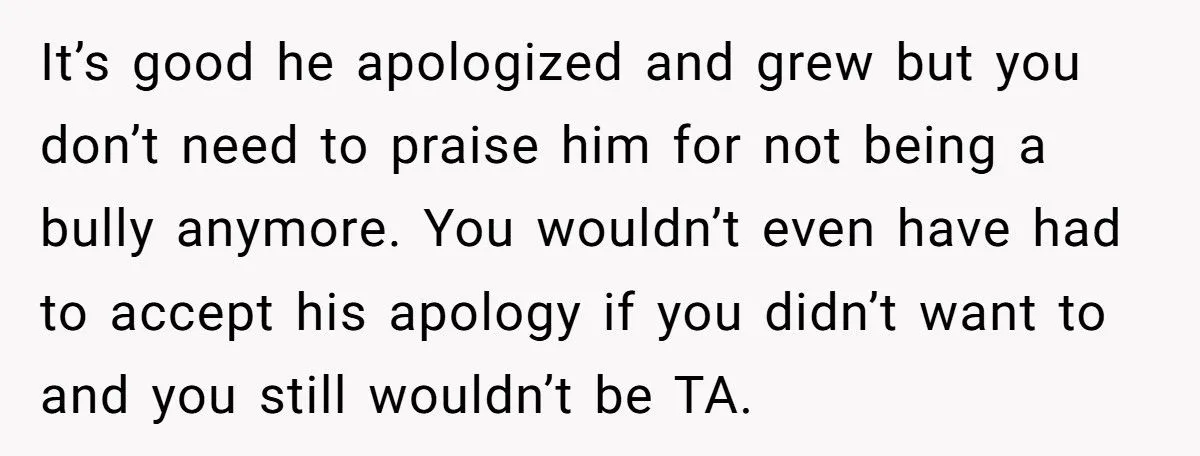
Others saw no bad guys here, appreciating the apologizer’s growth while defending my right to be honest.
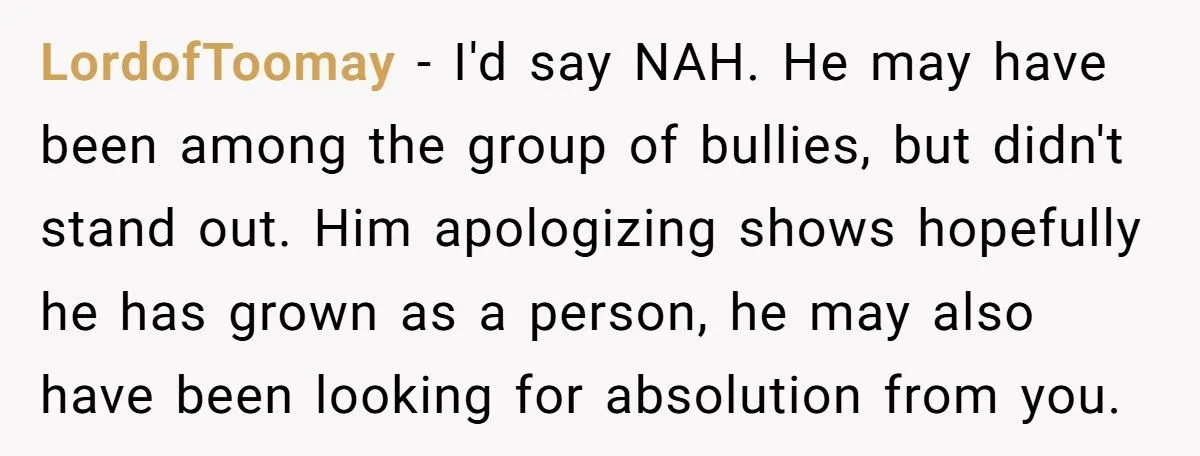
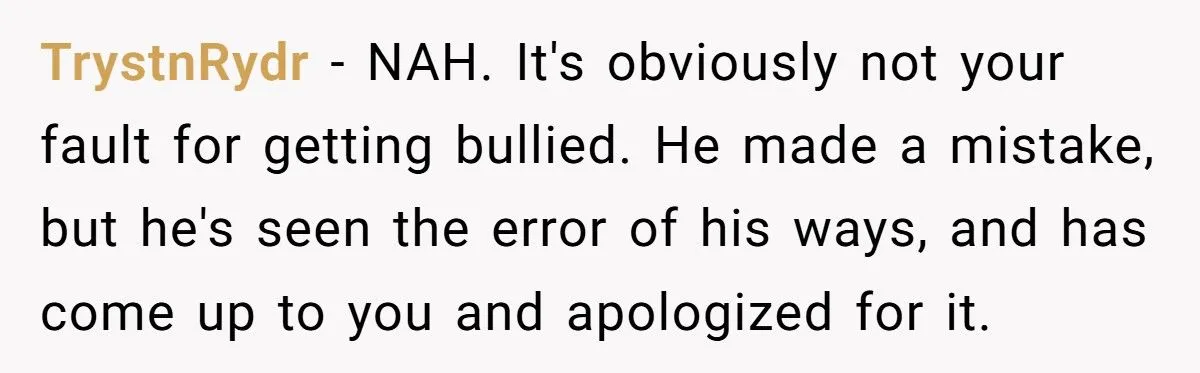
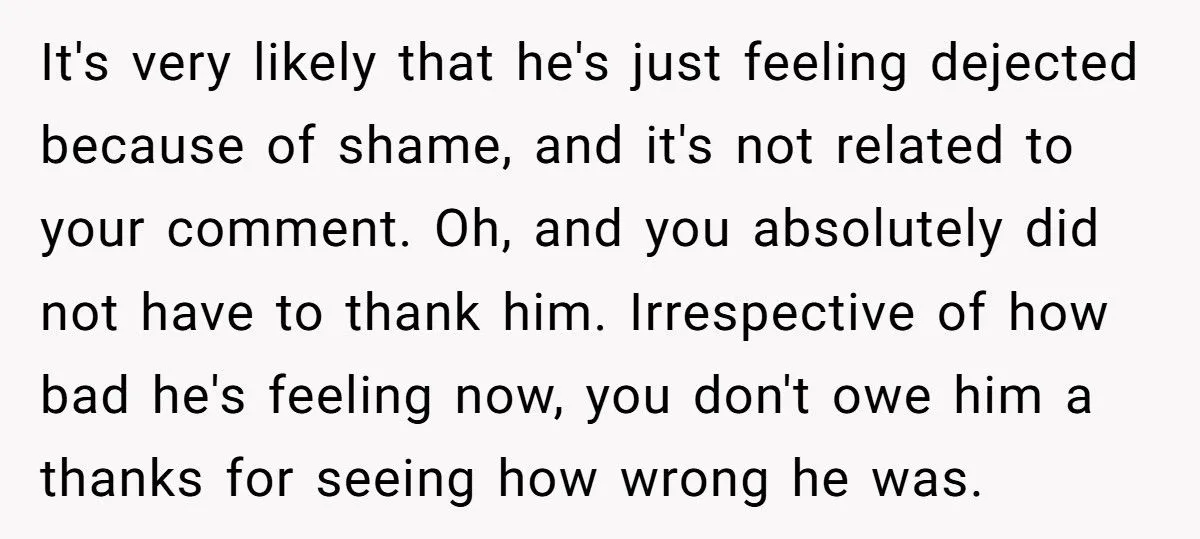
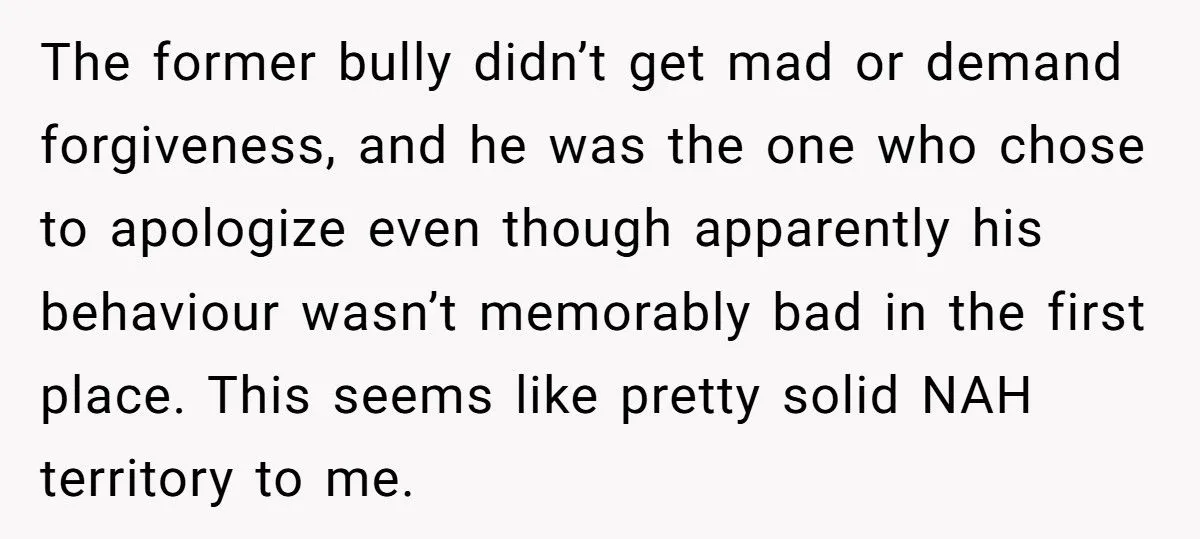
Some commenters related to my experiences, especially those who’d faced bullying or shared my autistic perspective.
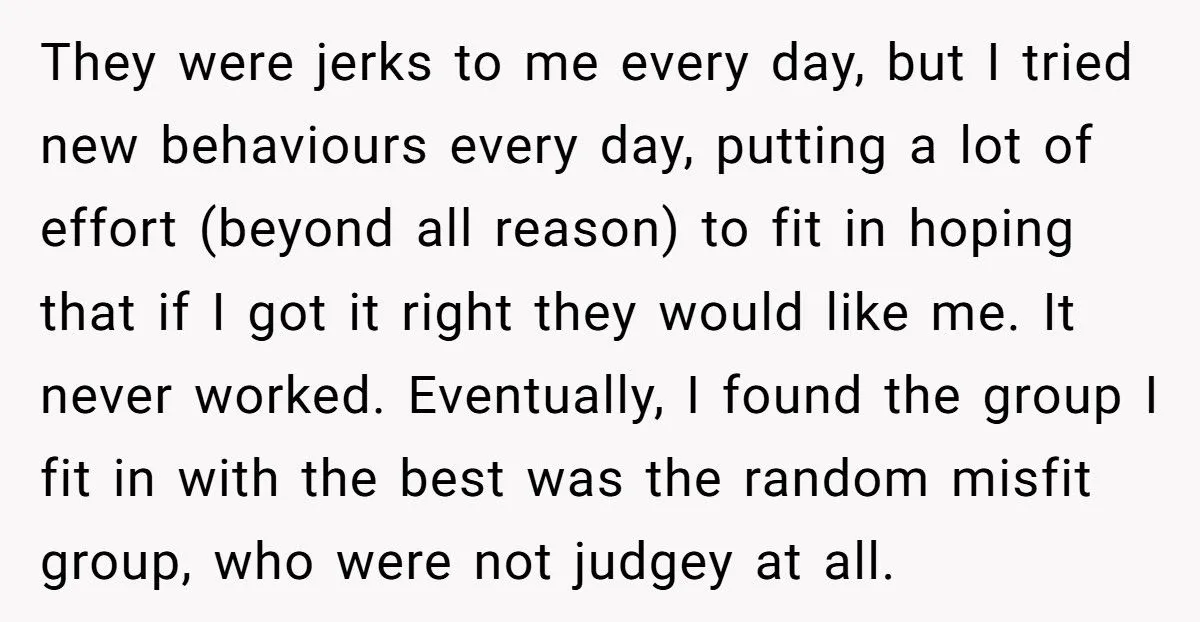
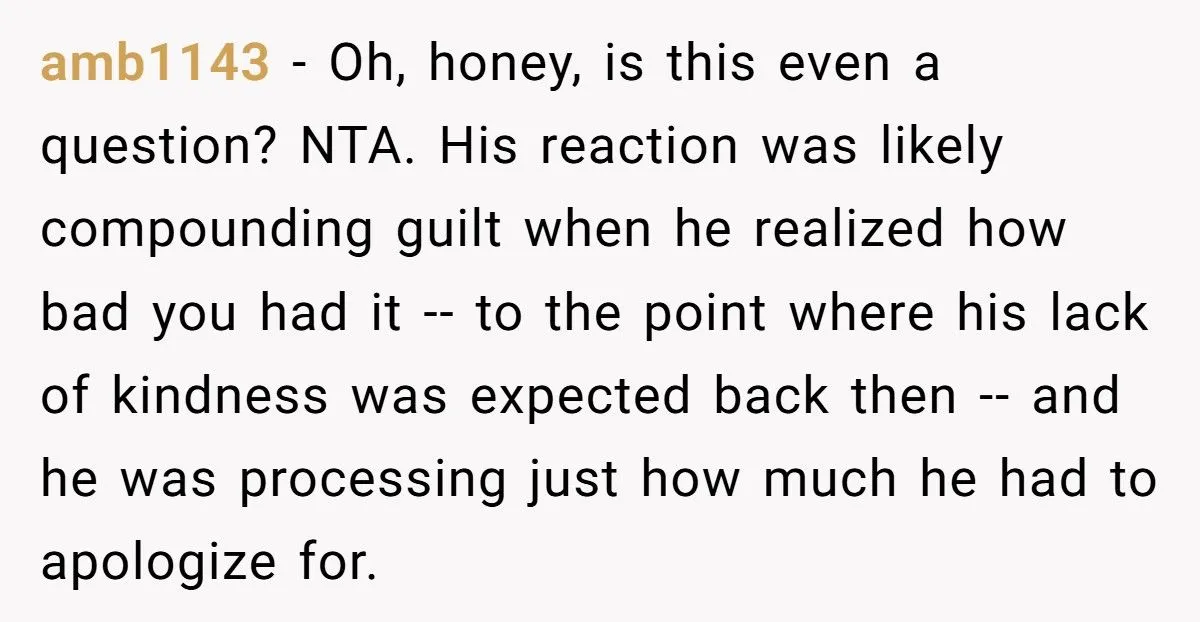
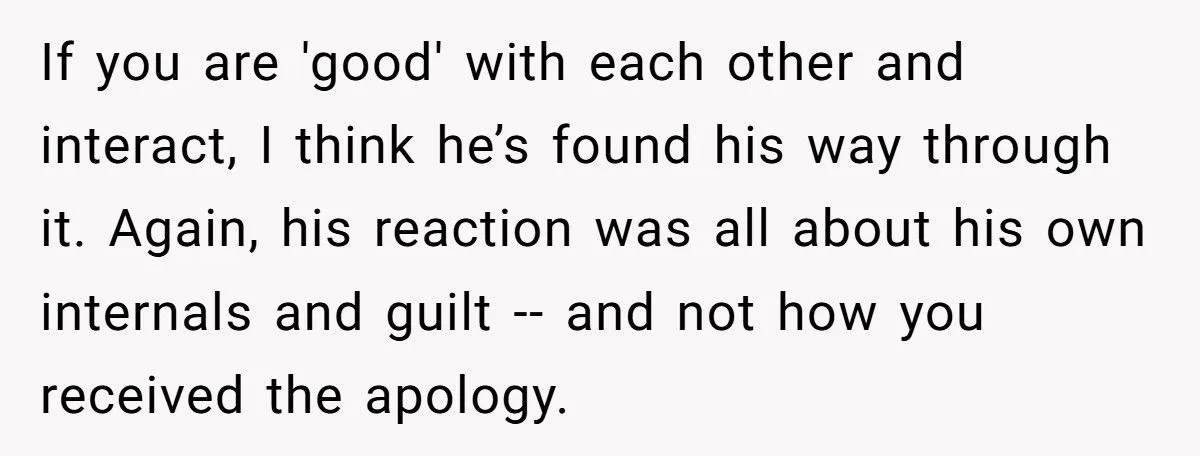
A few users offered brief encouragement, urging me to let go of the past.

This story captures the messy beauty of facing past pain and unexpected apologies. My honesty might have stung, but it came from a place of truth, shaped by years of bullying that blurred into a haze. Social media users mostly had my back, though some saw the apologizer’s side, noting his effort to make amends. In the end, we all process our scars differently, and there’s no one-size-fits-all way to handle moments like this.
Let’s Talk: Would you have handled this differently? If someone apologized for something you didn’t remember, how would you respond? Drop your thoughts or share a story of your own!