
A disagreement over something as mundane as a pillow unexpectedly exposed deeper family tensions that had been simmering for years. What began as a casual comment about repairing a household item quickly turned into an emotionally charged exchange, rooted in grief, unresolved expectations, and long-standing disagreements about bodily autonomy. What makes the situation more complicated is the history behind it.
A medically necessary hysterectomy, ongoing parental disappointment, and differing views on parenthood all converged in a moment that felt absurd on the surface but deeply personal underneath. When language itself became a trigger, the poster questioned whether her blunt reaction crossed a line or whether her parents were projecting unresolved feelings onto an object that simply helped her sleep without pain.

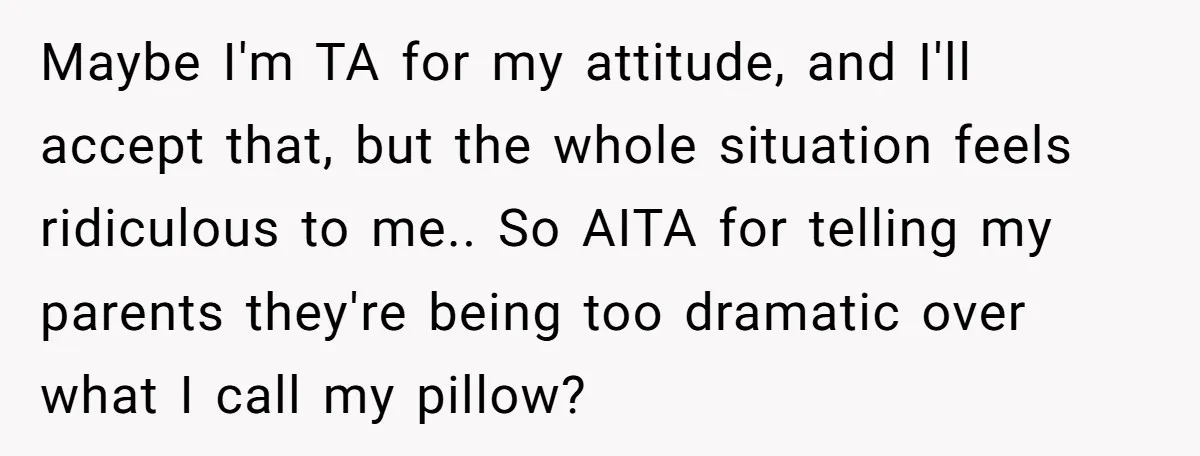
‘AITA for telling my parents they’re being too dramatic over what I call my pillow?’
The issue started with a medical aid used for pain relief and a casual explanation.
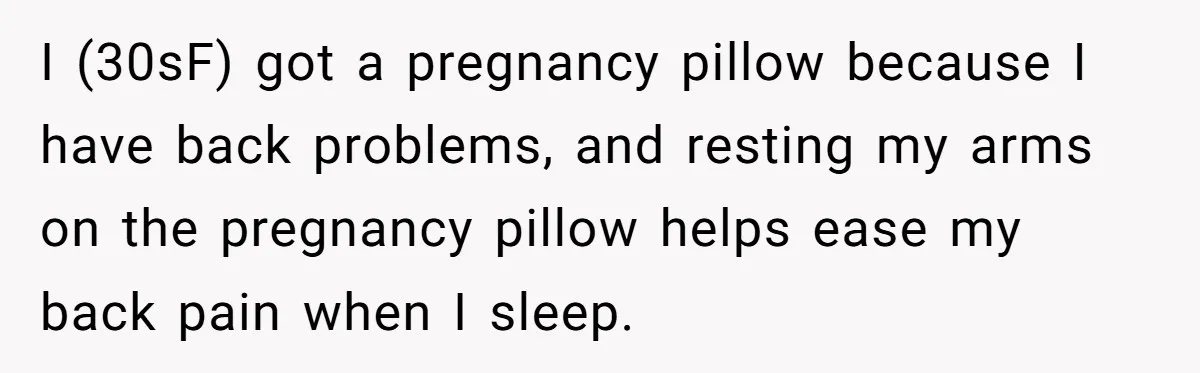
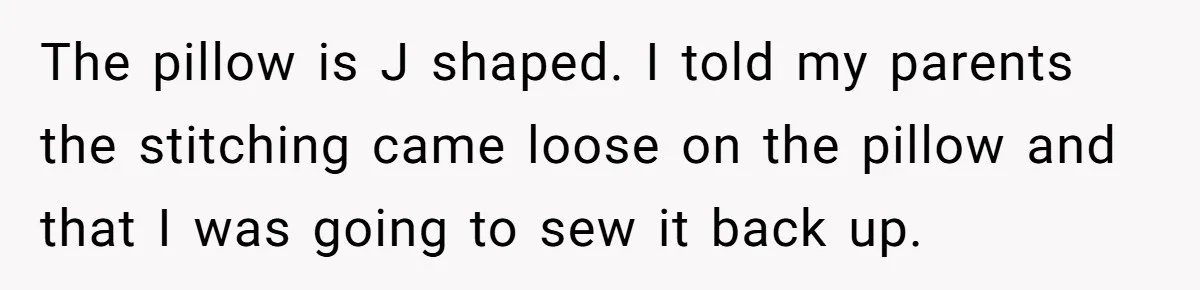
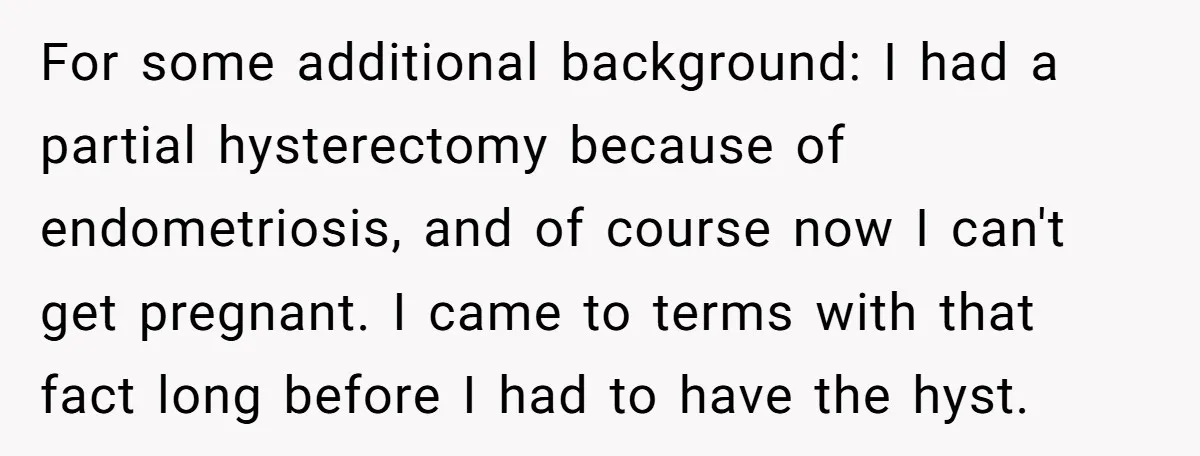
Long-standing tension about infertility and a hysterectomy shaped the parents’ reaction.
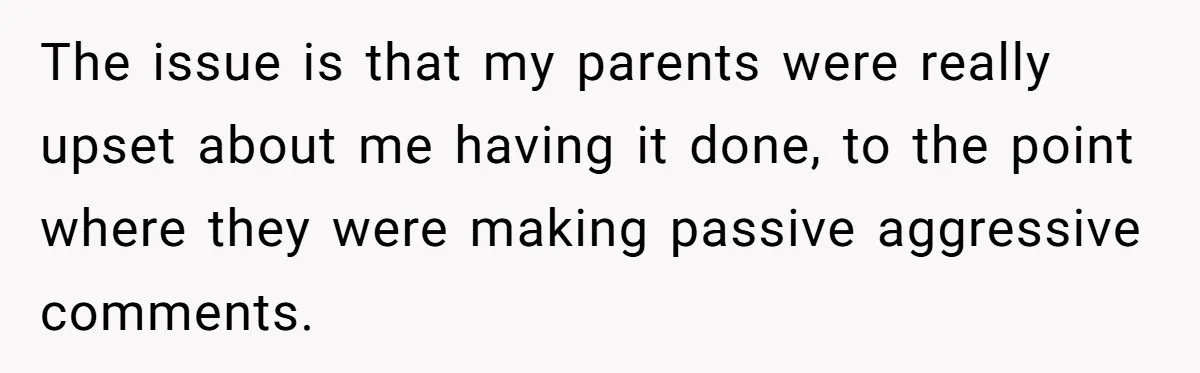
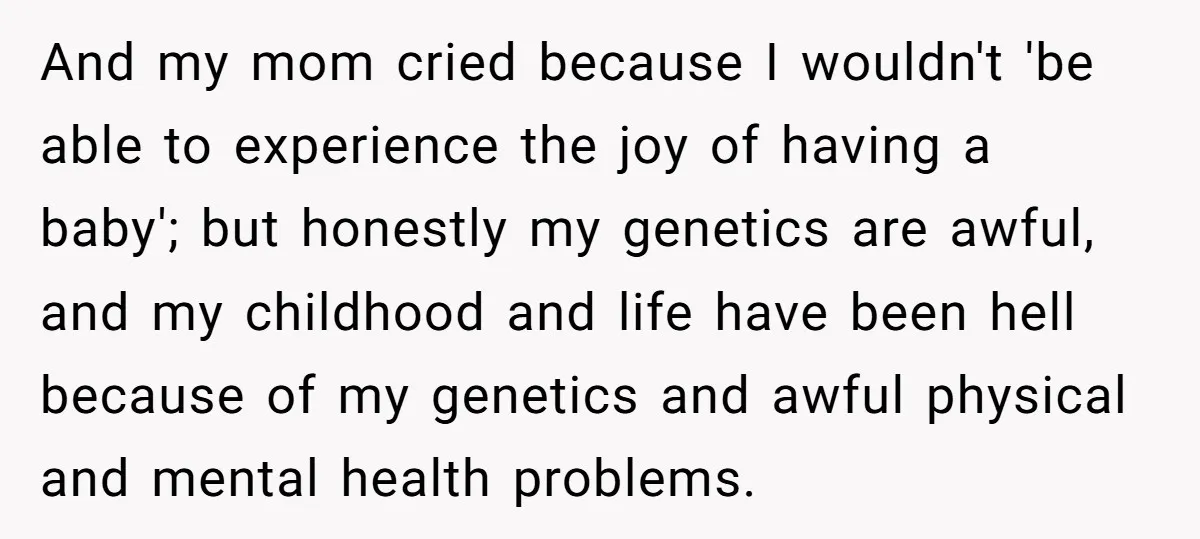
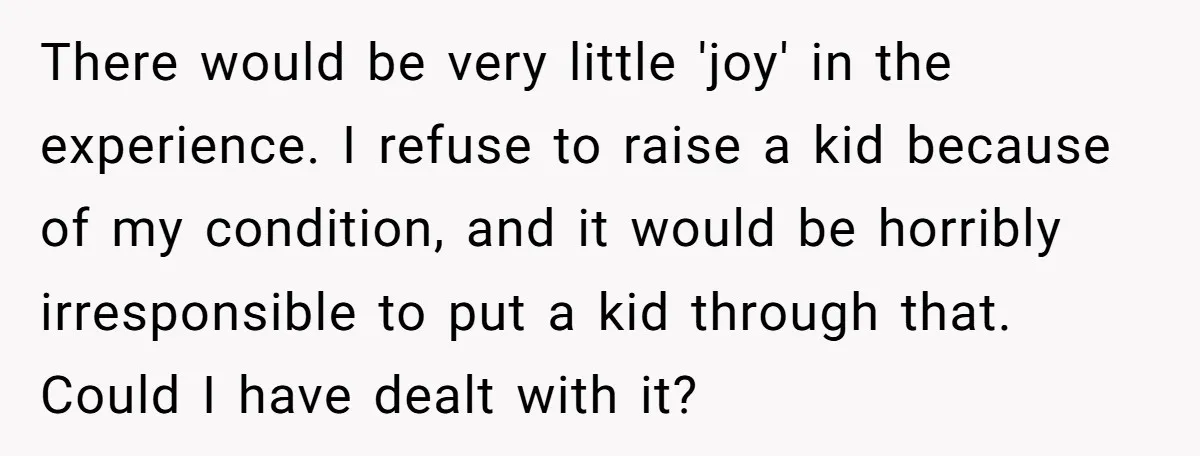
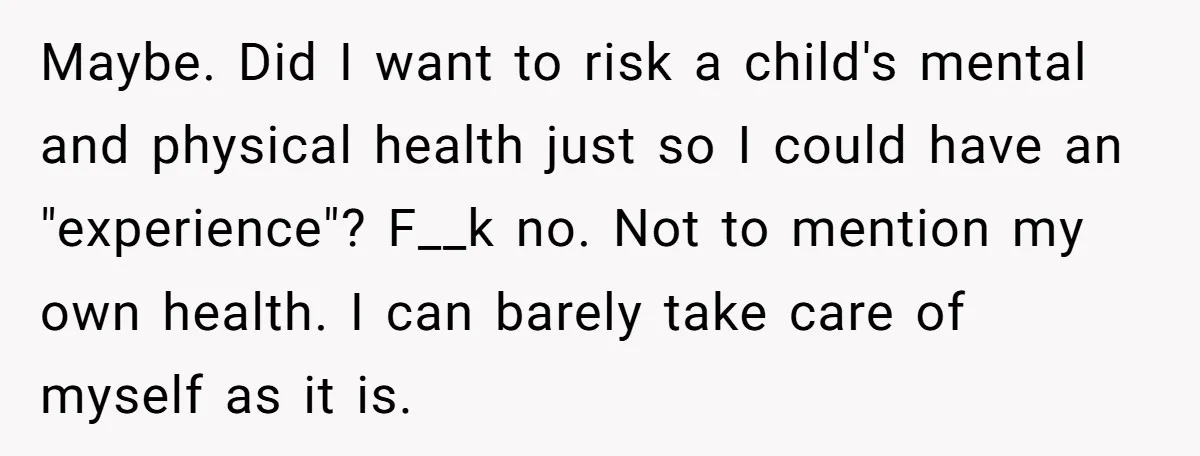
The disagreement escalated over terminology, frustration, and perceived dramatics.
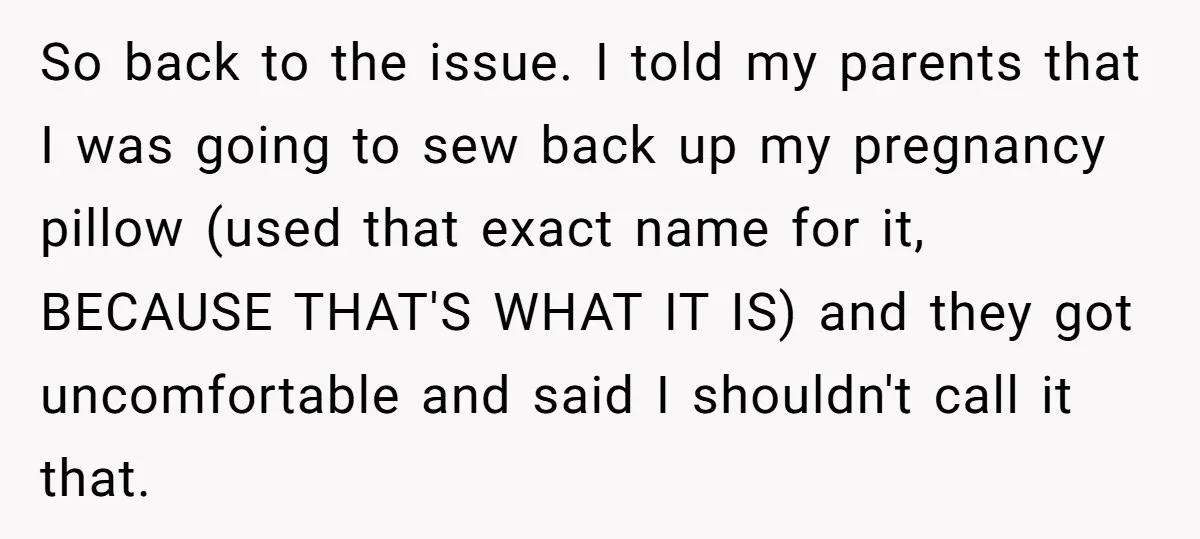
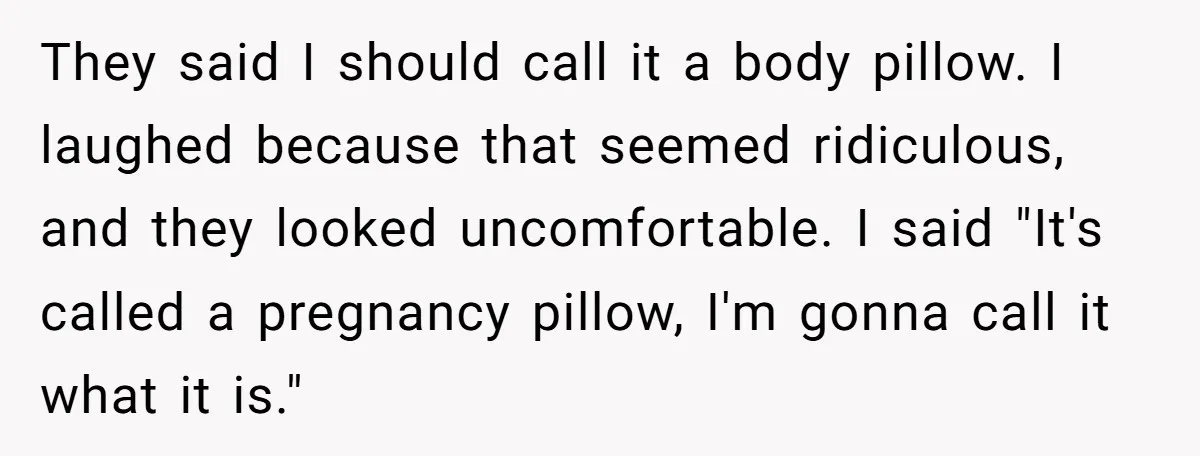
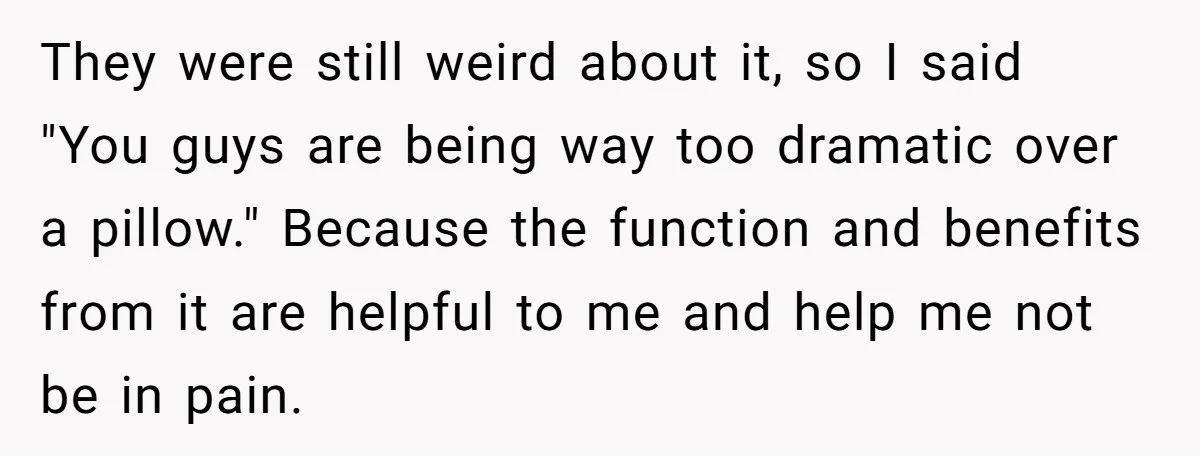

At its core, the disagreement is not about a pillow but about loss and control. The parents appear to be struggling with the reality that their daughter cannot and will not have children, a loss they may not have fully processed. When confronted with the term “pregnancy pillow,” it likely triggered emotions tied to that reality, even though the object itself serves a medical purpose unrelated to pregnancy.
From the poster’s perspective, the reaction feels intrusive and irrational. She had already accepted her medical outcome and made decisions based on her physical and mental health. Being asked to rename an item to spare others’ discomfort places emotional labor back onto her, reinforcing a pattern where her well-being is secondary to her parents’ feelings.
On a broader social level, this story reflects how language around reproduction is often emotionally charged, especially within families. Medical decisions are deeply personal, yet relatives sometimes center their own disappointment rather than the patient’s relief or quality of life. The poster’s bluntness may read as sharp, but it also functions as a boundary. It underscores the importance of respecting autonomy and recognizing that coping mechanisms differ, especially when health and identity intersect.
Here’s the feedback from the Reddit community:
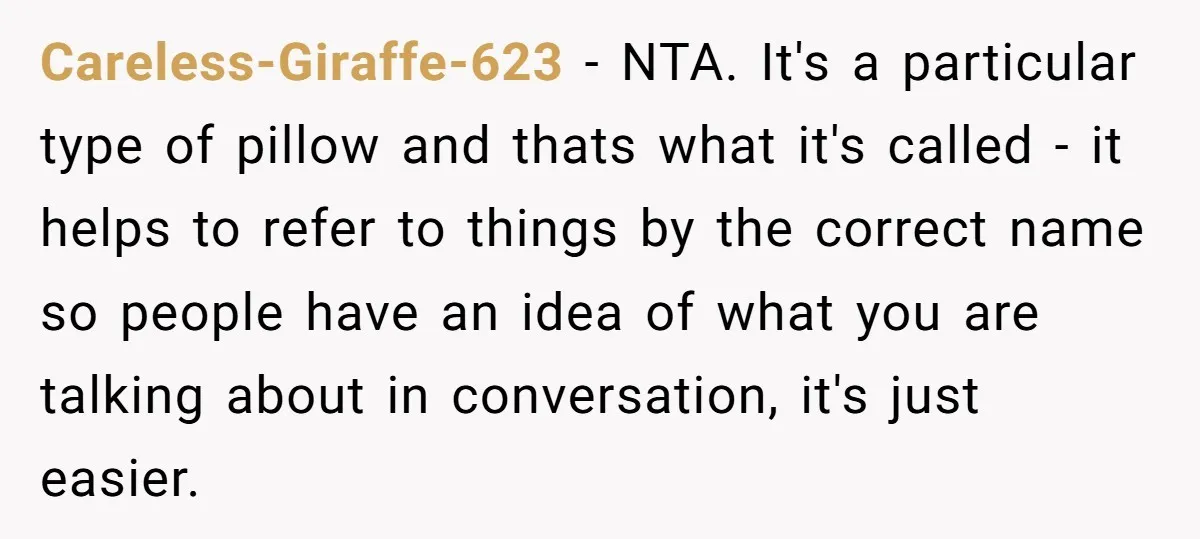
Many users supported the poster, emphasizing logic, boundaries, and accuracy.
![[Reddit User] − NTA, a body pillow is completely different and serves a different function.](https://loknam.com/aita/images/d7a7603183/wp-editor-1769506233825-1.webp)


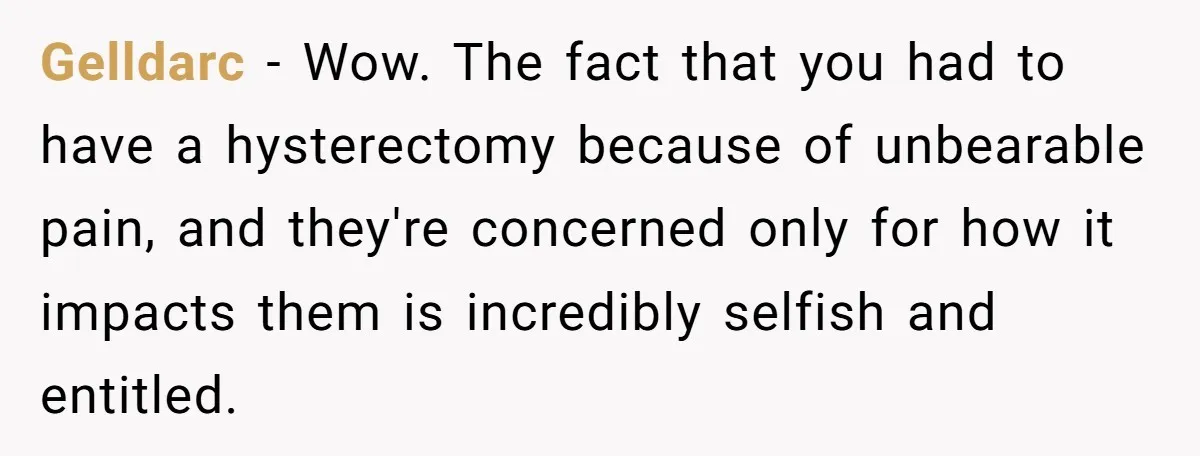


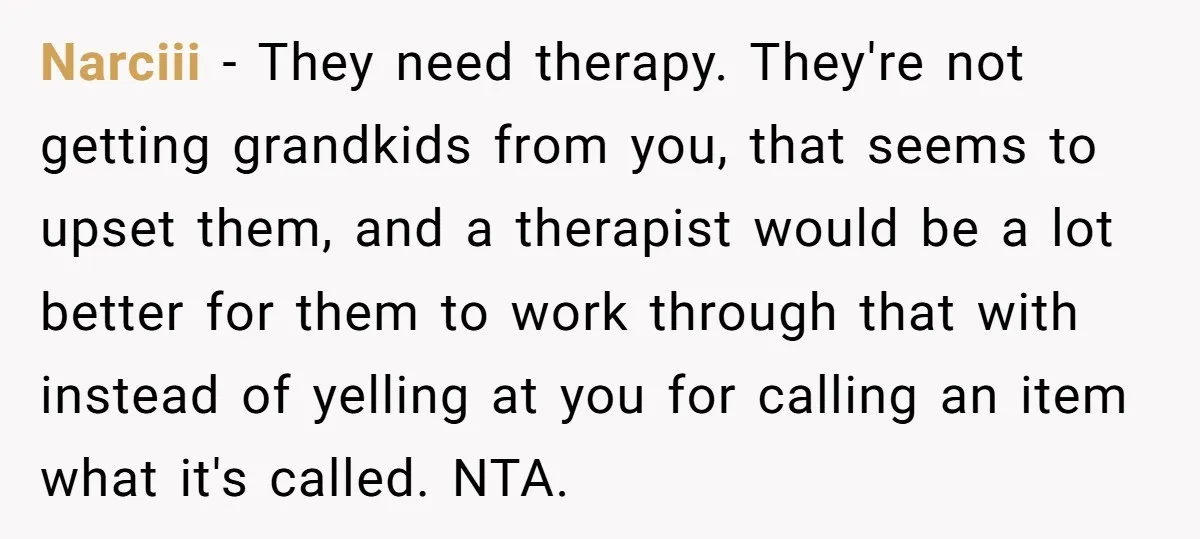
Some commenters focused on the parents’ behavior and emotional projection.

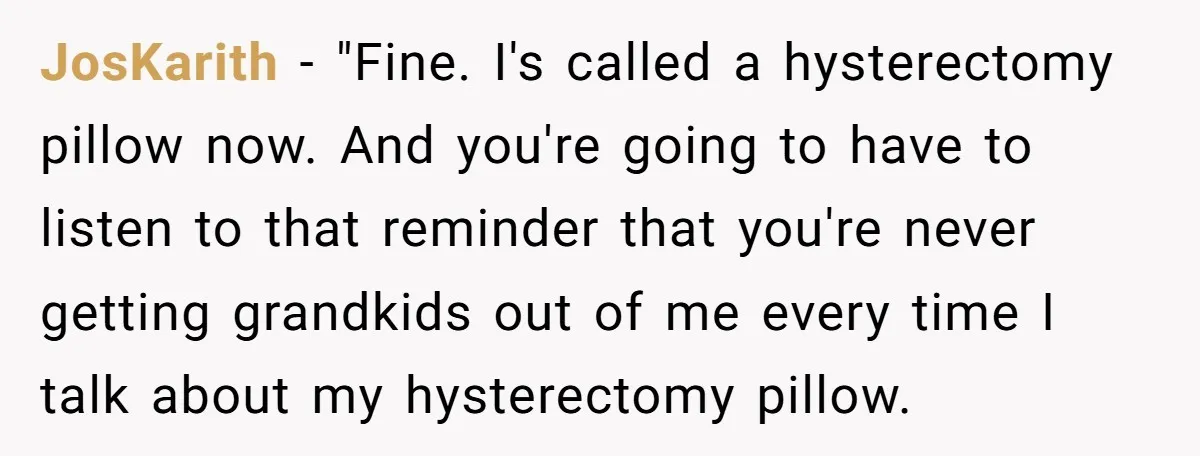
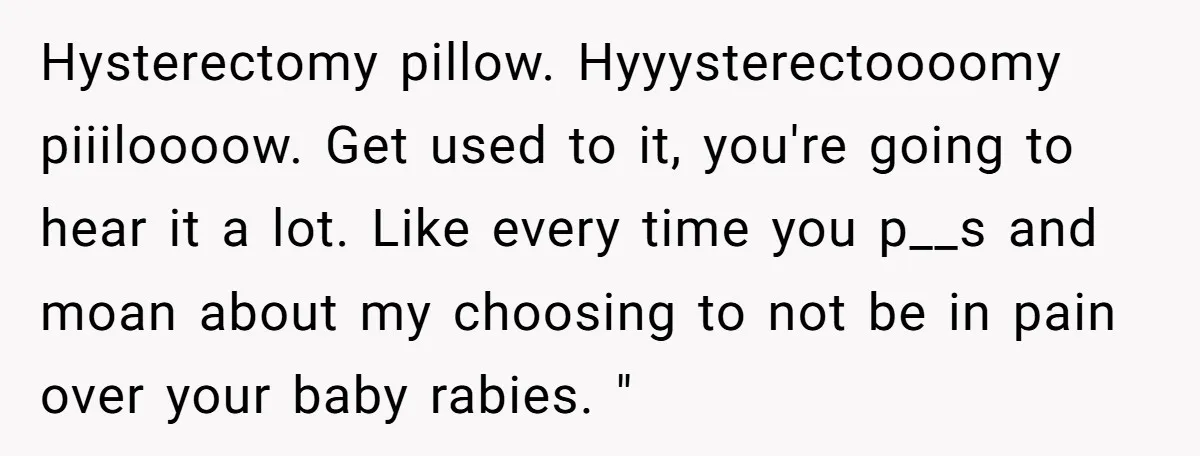
A few responses used humor or sarcasm to diffuse the tension.


This story demonstrates how everyday conversations can reopen deeper wounds when expectations around family, health, and identity clash. A simple object became a symbol of unresolved grief, highlighting the need for clearer boundaries and empathy on all sides.
Should family members adjust their language to avoid discomfort, or should accuracy and autonomy take priority? How should parents process disappointment without projecting it onto their children? Readers are encouraged to share their thoughts and experiences.