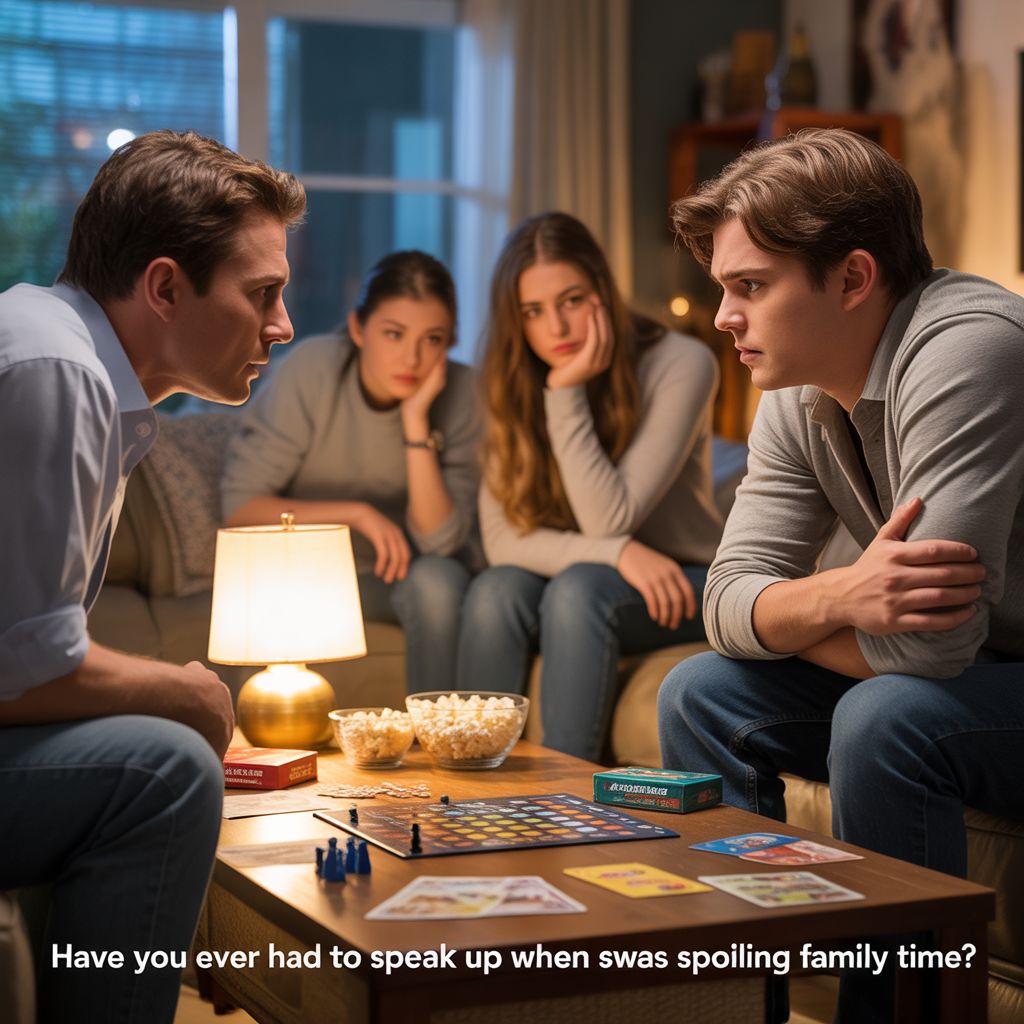
A father is standing firm after discovering that his son committed crimes so serious that he no longer considers him family. While his wife continues to support their imprisoned son financially, he refuses to contribute a single cent. The disagreement has escalated into accusations of financial abuse and deep division within their household.
He earns the majority of the household income and covers all essential expenses, including retirement savings. His wife works part-time and uses her earnings for personal spending and gifts for their children and grandchildren. When she secretly used money from their shared daily account to fund their son’s prison commissary, trust fractured. Now he insists that if she chooses to support their son, the money must come solely from her personal funds. He wants impartial opinions on whether that makes him wrong.

‘AITA for telling my wife she has to use her money to support her son?’
He cut his son off after learning the truth.
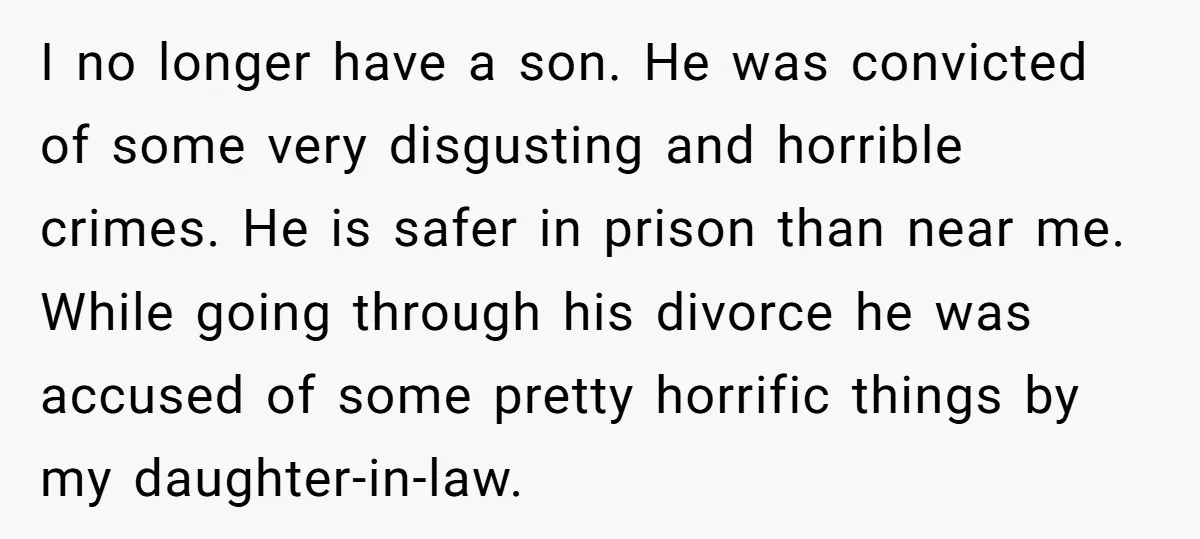
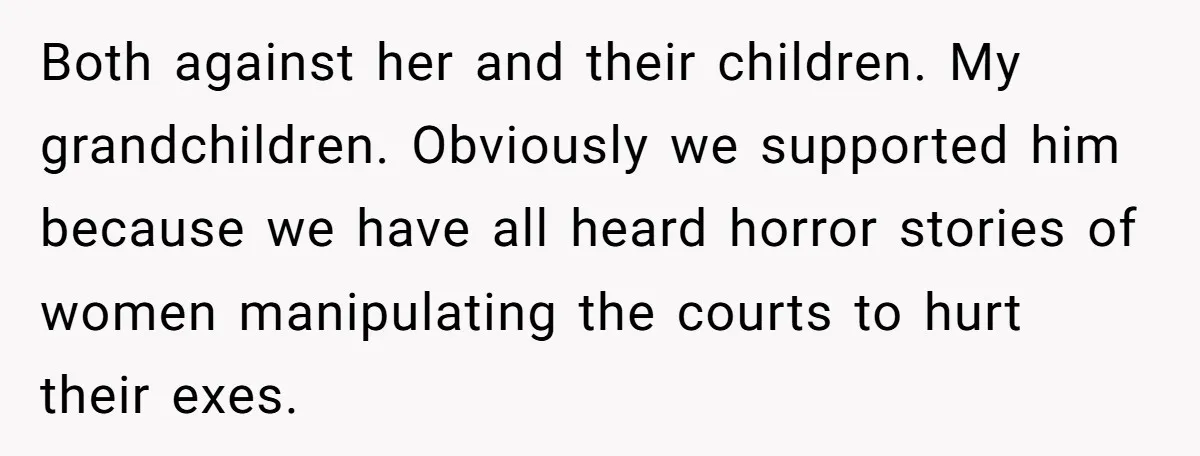


Their financial arrangement became a breaking point.
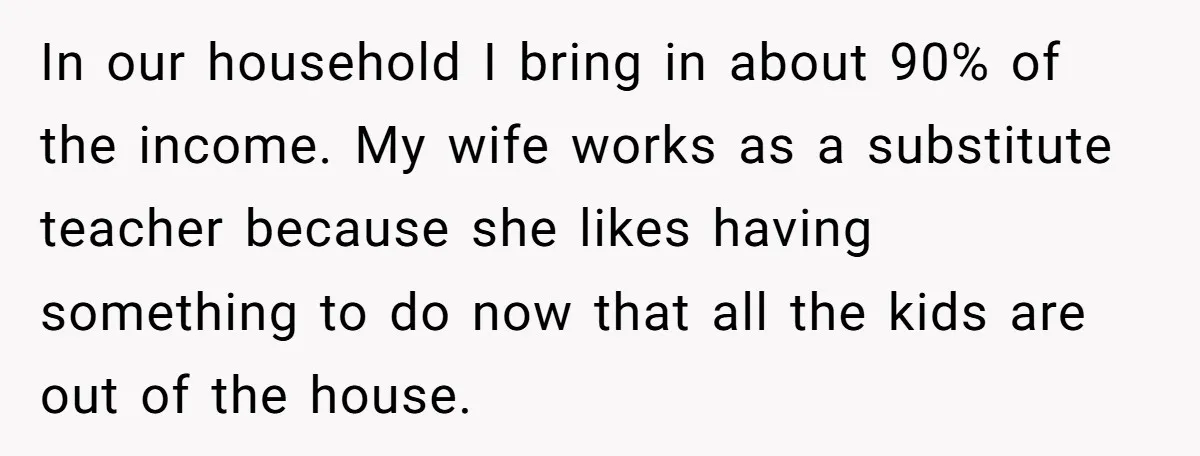

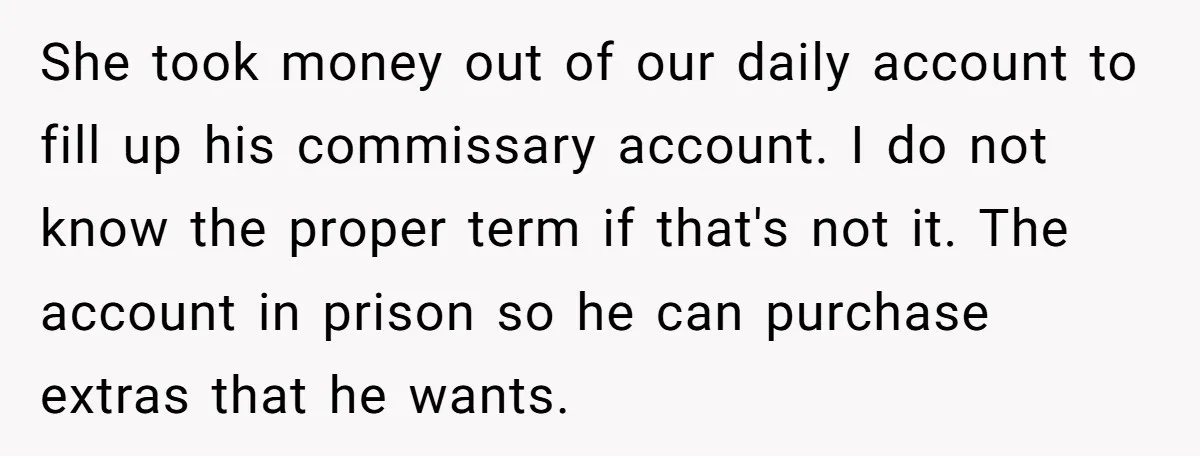
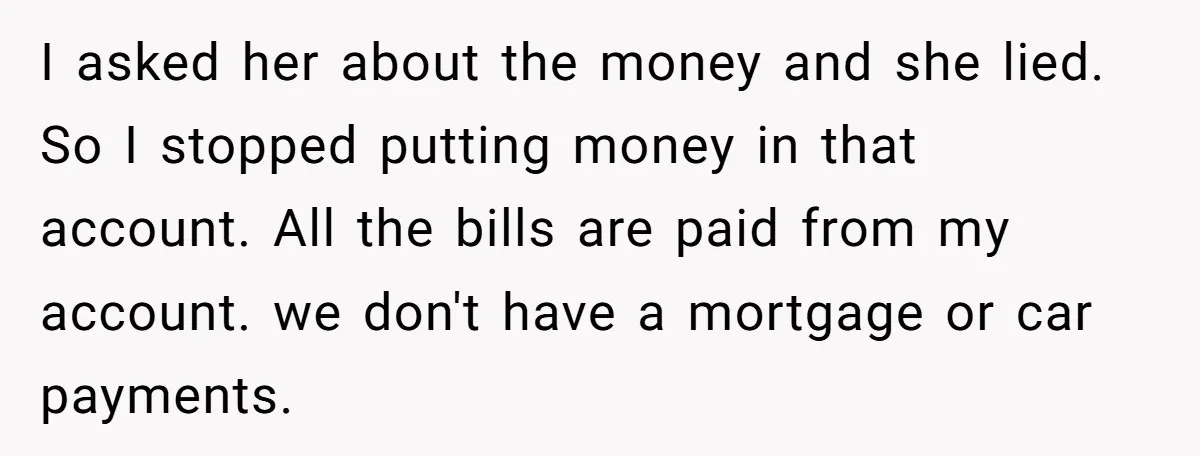

Now she says he is financially abusing her.
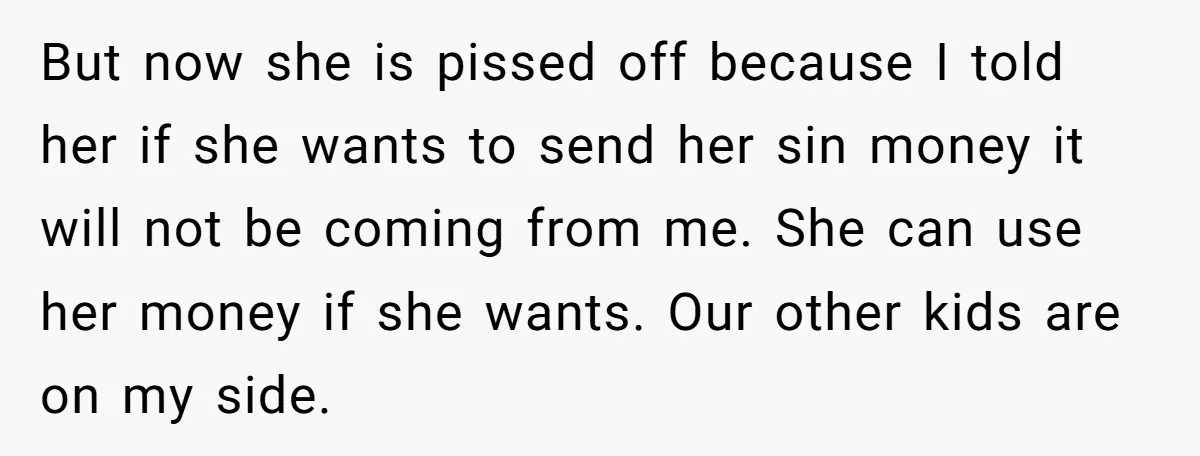


When a child commits serious crimes, families often face unimaginable emotional turmoil. Parents may respond differently: one may draw an absolute moral boundary, while the other struggles with the instinct to protect or nurture, even from afar. These conflicting coping mechanisms can strain even long-standing marriages.
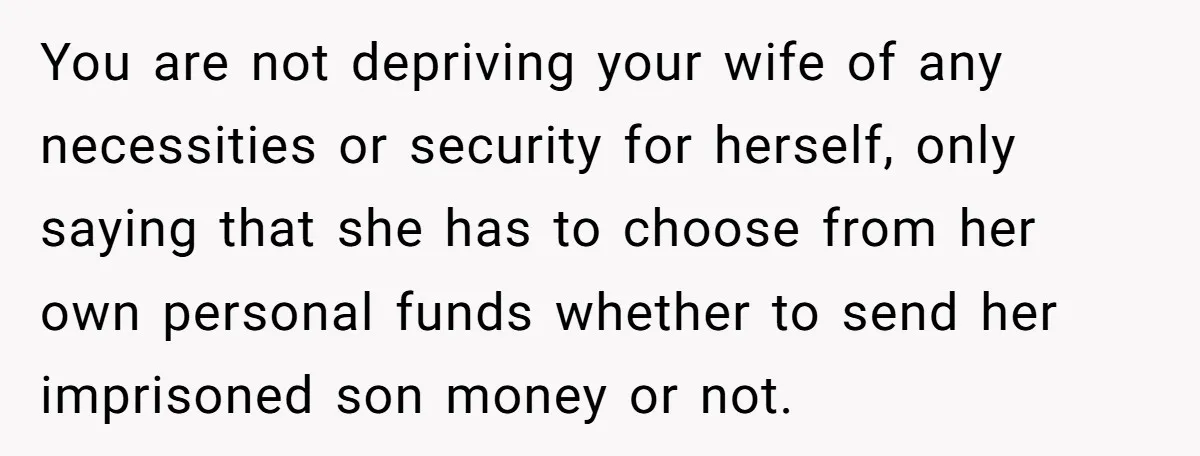
Financially, this situation appears structured so that the wife retains personal discretionary income. The husband’s stance is not preventing her from meeting her needs or accessing resources; rather, he is refusing to contribute his earnings toward his son’s comfort in prison. The conflict intensified when she used shared funds and was not transparent about it, which adds a layer of broken trust beyond the moral disagreement.
At its core, this is about grief, denial, and boundaries. The wife may be wrestling with the trauma of reconciling the son she raised with the person he became. The husband’s refusal may reflect both moral outrage and a desire to protect the rest of the family. Without counseling or structured dialogue, resentment could deepen. The real question is whether they can navigate this painful divide without permanently fracturing their relationship.
Here’s what Redditors had to say:
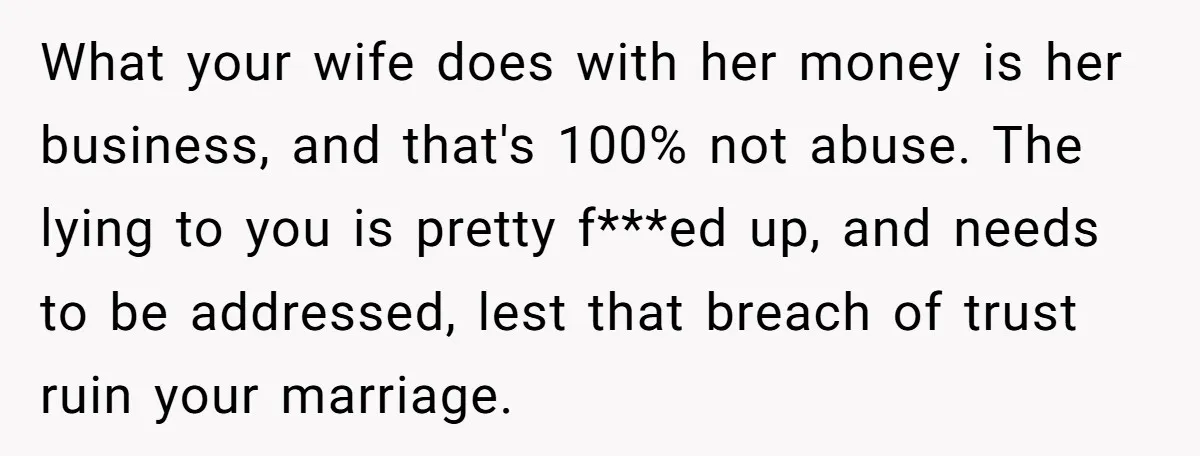
Many commenters supported his refusal to fund his son.


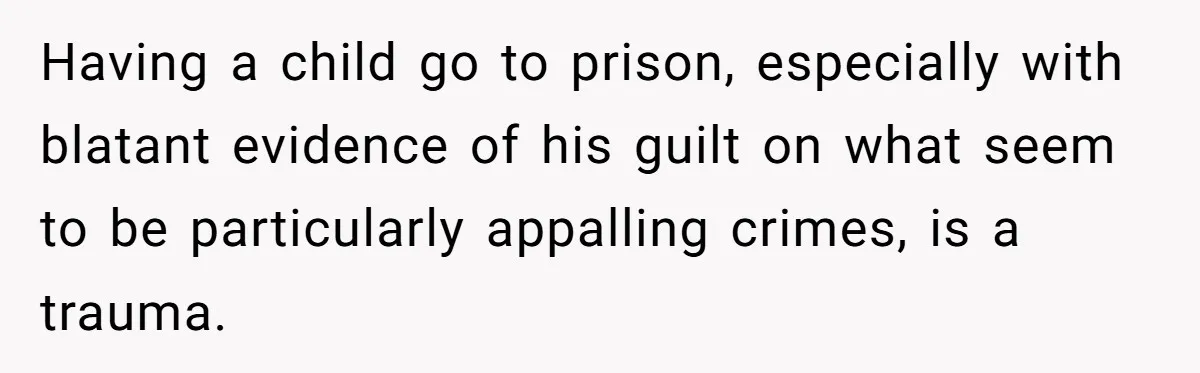

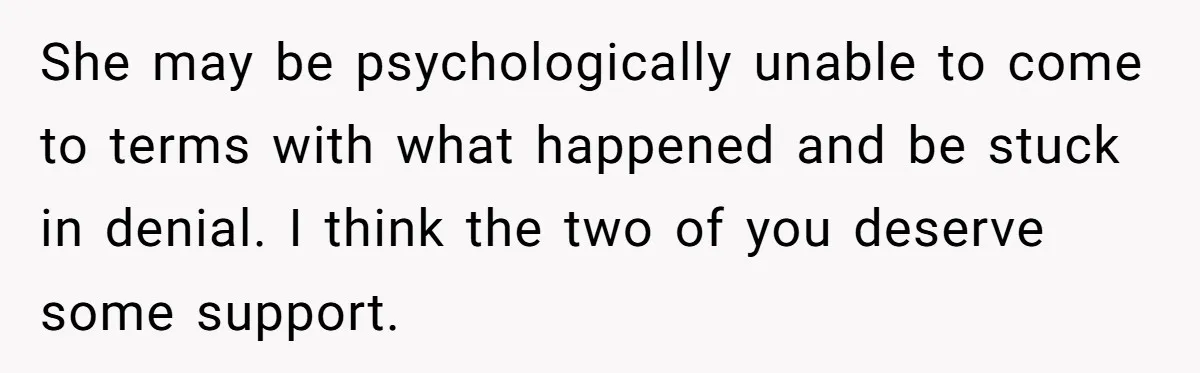
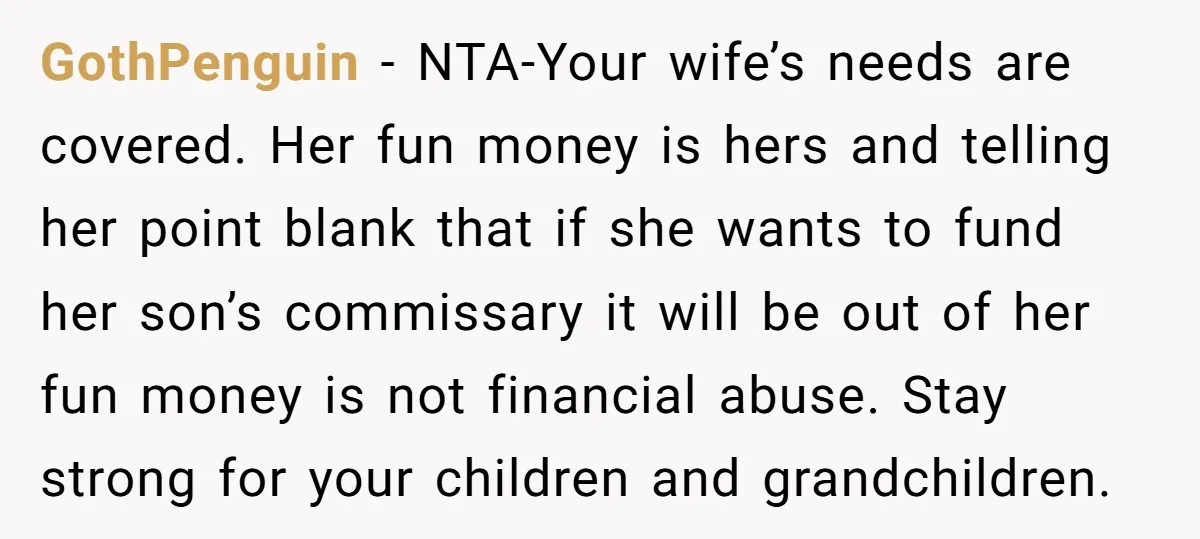







Others emphasized therapy and communicatio

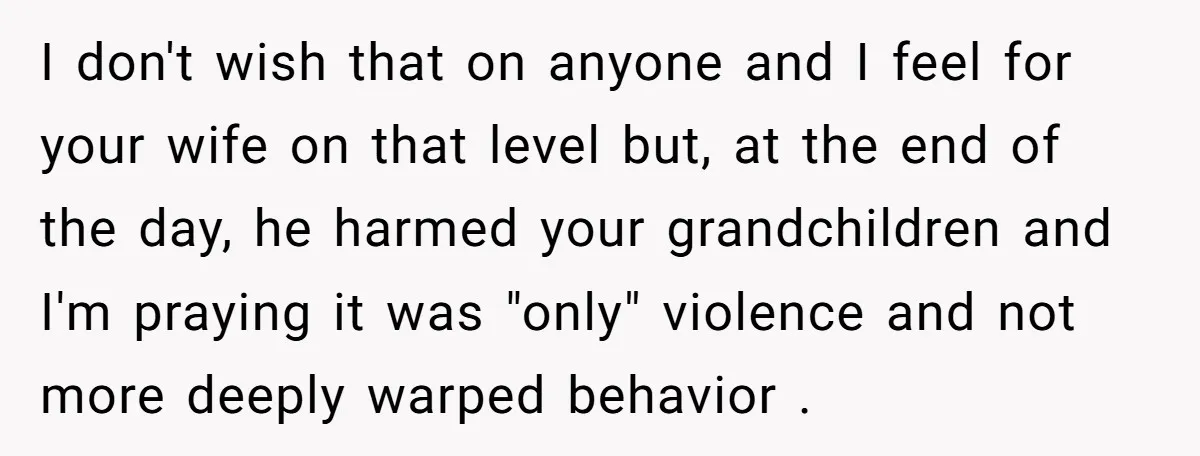
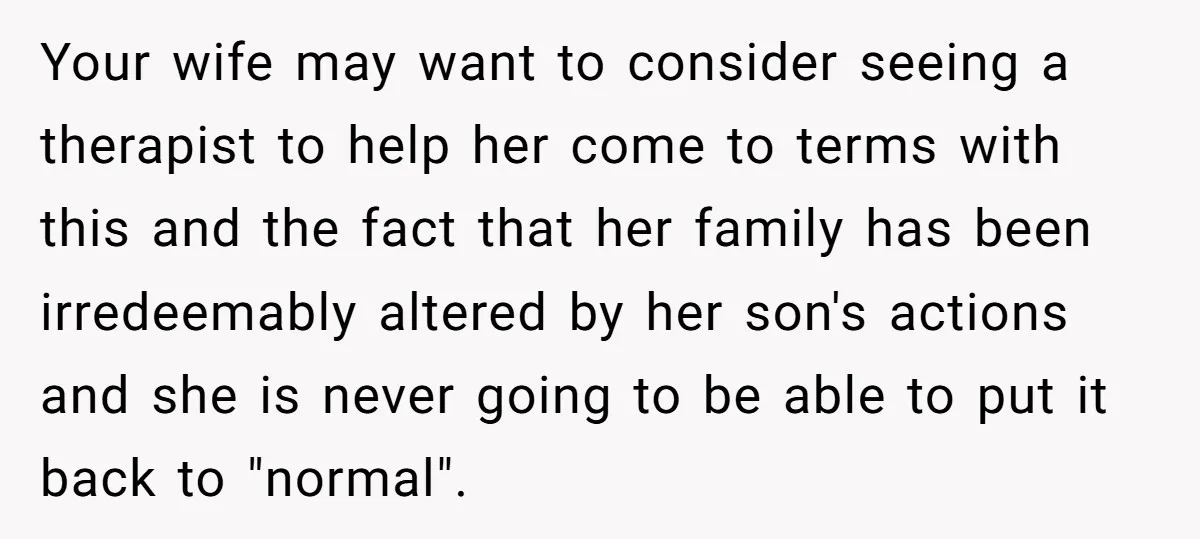







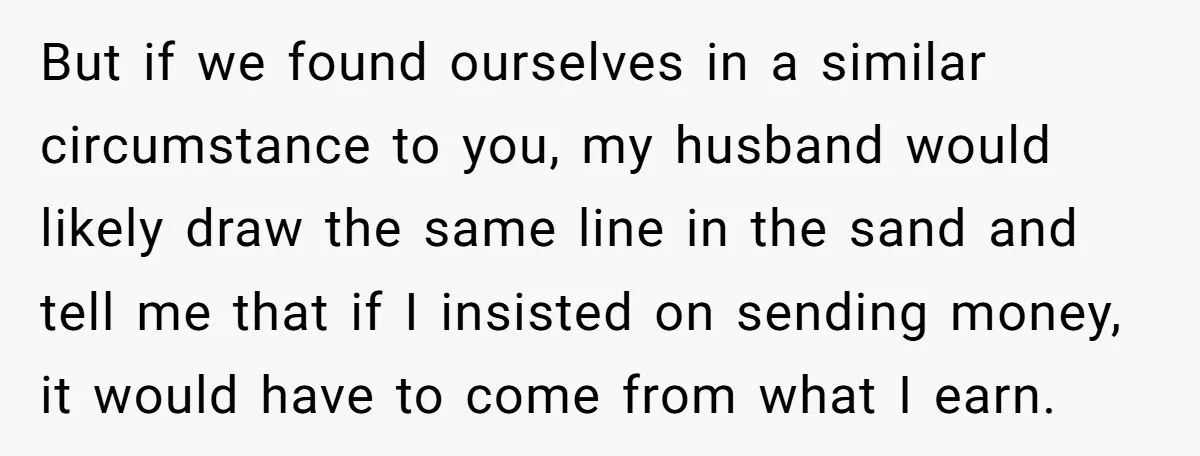
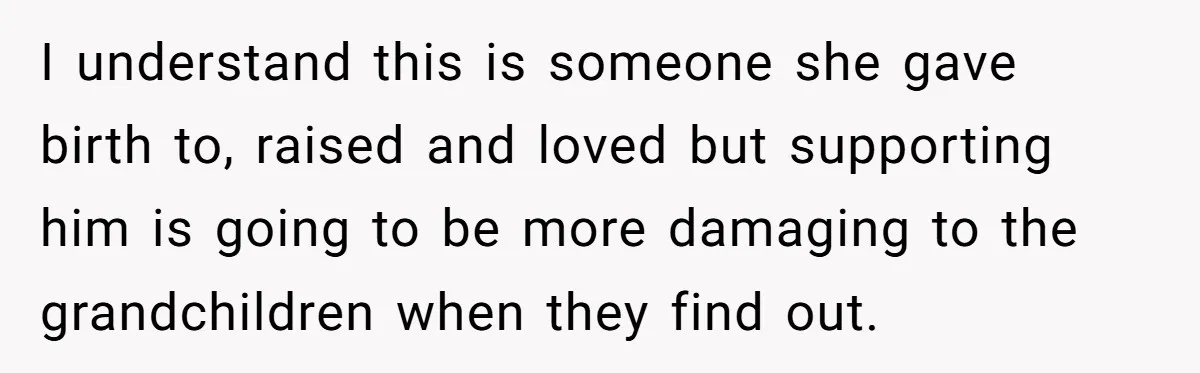
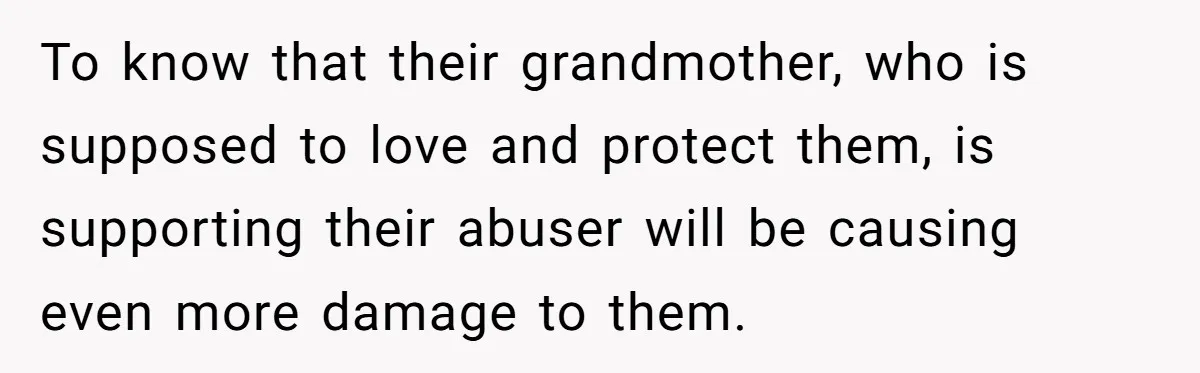
A few offered firm but compassionate perspectives.






This story reveals the painful divide that can emerge when parents process a child’s crimes in different ways. One draws a moral boundary and refuses all support, while the other struggles with letting go. Beneath the financial dispute lies grief, betrayal, and a shattered sense of family.
Is refusing to contribute money a form of protection, or does marriage require shared decisions even in extreme circumstances? Should parents ever continue supporting an adult child after serious wrongdoing? How would you navigate such a heartbreaking conflict within your own family?