
Clear communication can feel simple in theory, but in everyday relationships, even basic questions can spiral into unexpected tension. One woman found herself confused and disappointed after repeatedly asking her husband what time he was “off work,” only to watch him arrive home far later than she expected. What seemed like a harmless assumption slowly turned into a recurring frustration.
Beyond the timing itself, the issue tapped into something deeper. The couple rarely shared evenings together, and the anticipation of extra time made the miscommunication sting more. When she tried to clarify expectations, the conversation quickly escalated, drawing sharp reactions and emotional distance. As the story spread across social media, readers weighed in with strong opinions about work culture, unpaid labor, and how couples talk past each other without realizing it.


Everything started with a pattern that felt small at first, but gradually became impossible to ignore
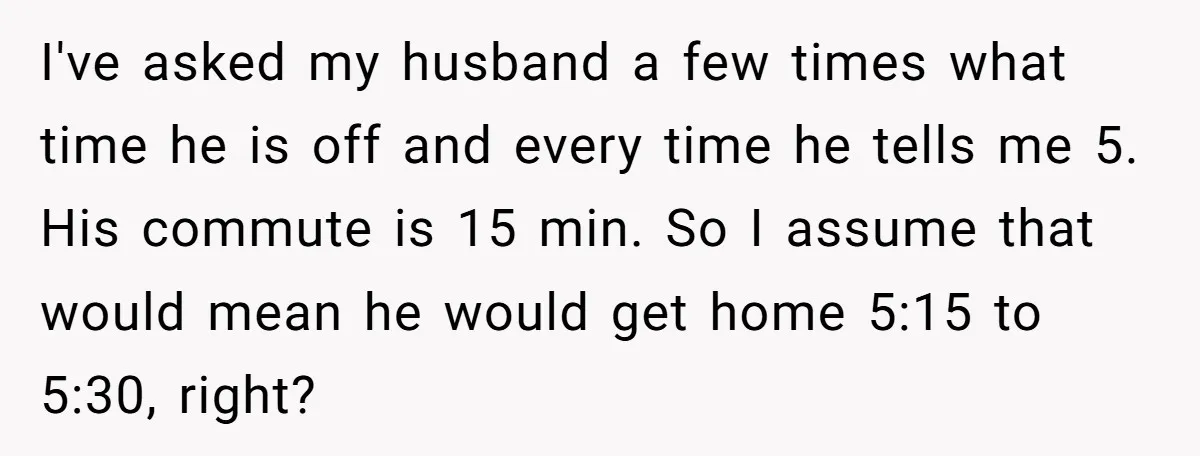
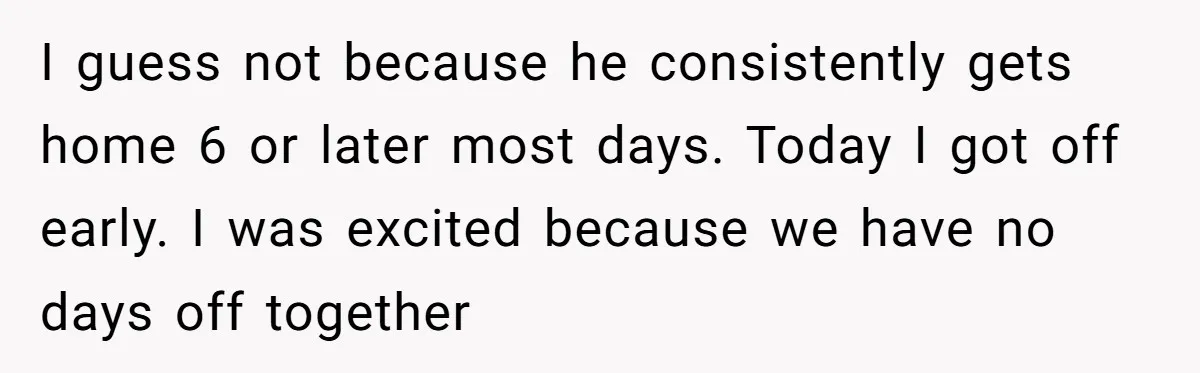
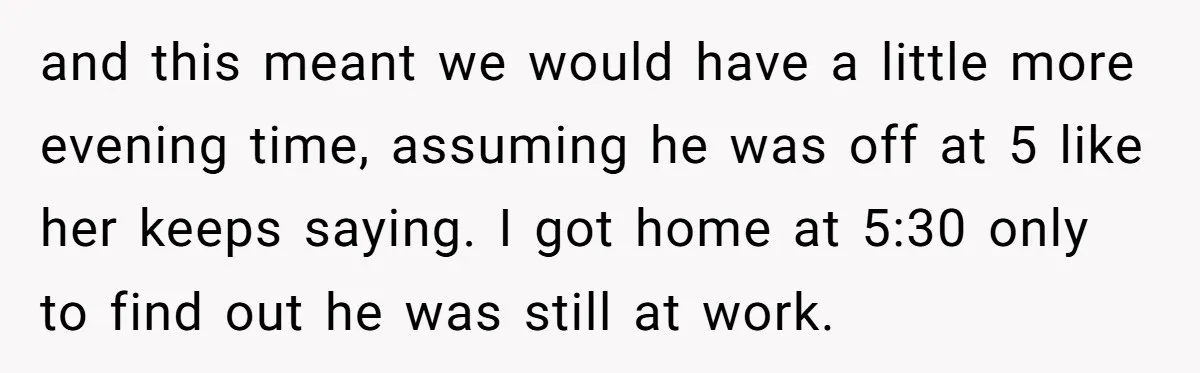
Confused, she reached out for clarification, but the response caught her off guard
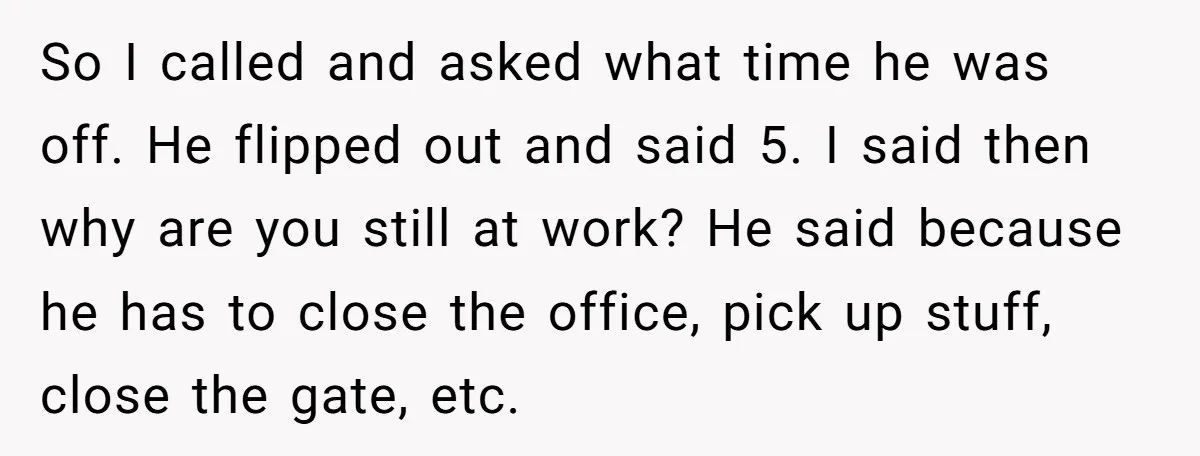
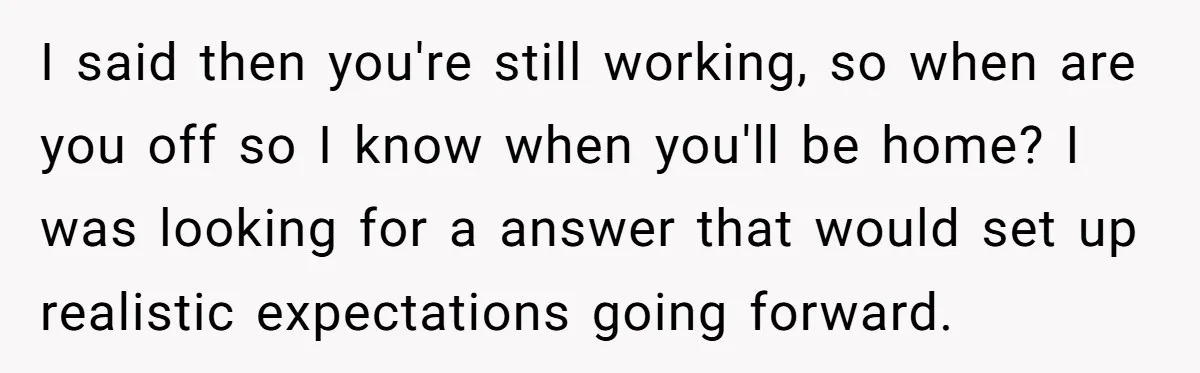

The argument escalated as both sides doubled down on their logic
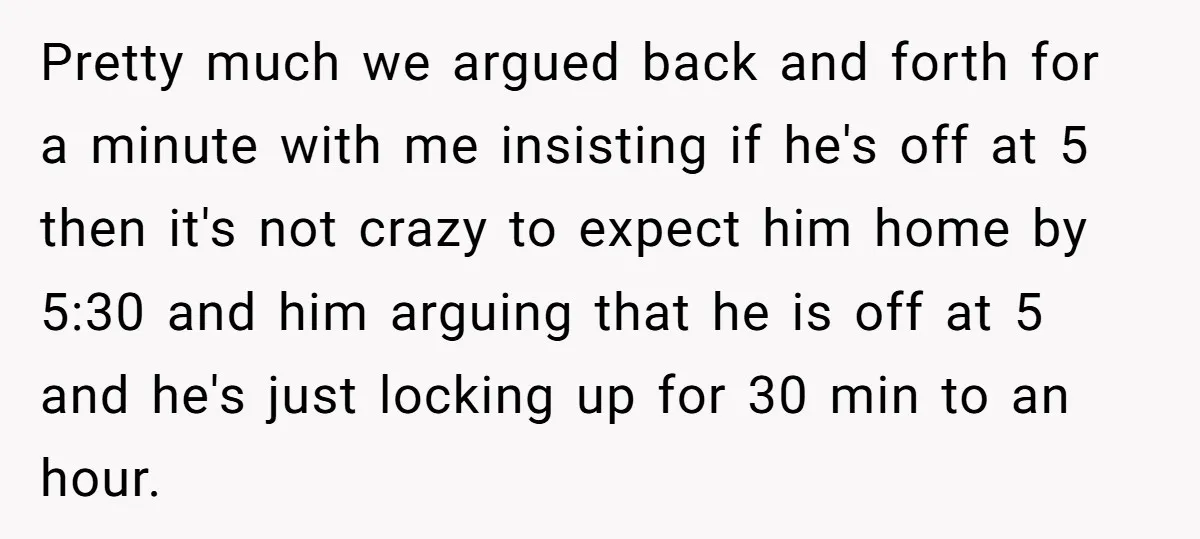
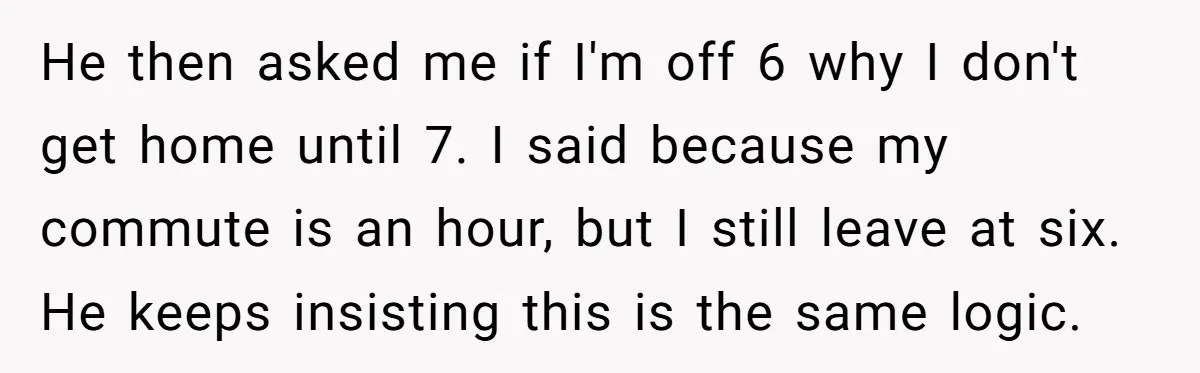
What followed left her feeling dismissed rather than reassured
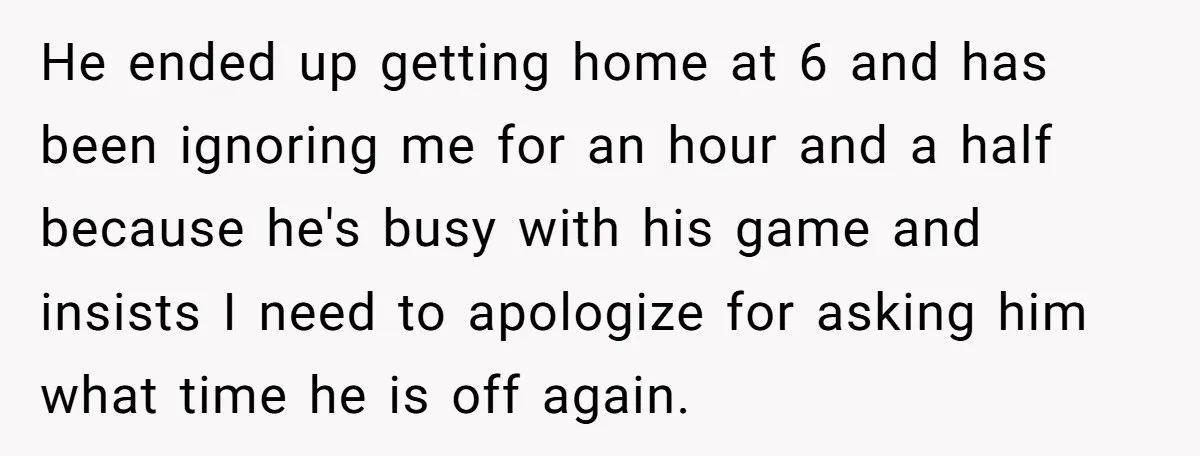
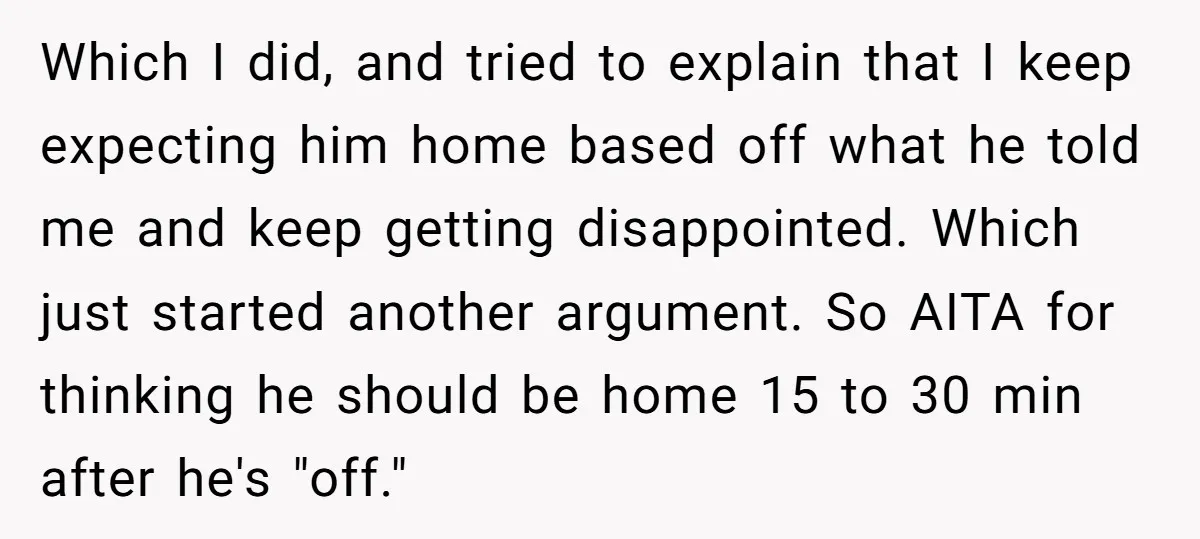
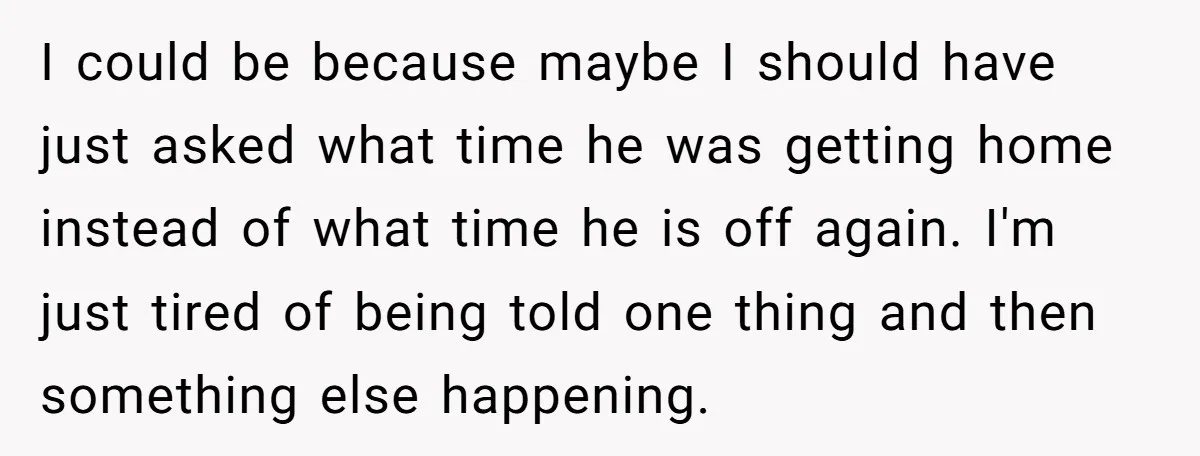
Later, she added context after seeing the reactions roll in…

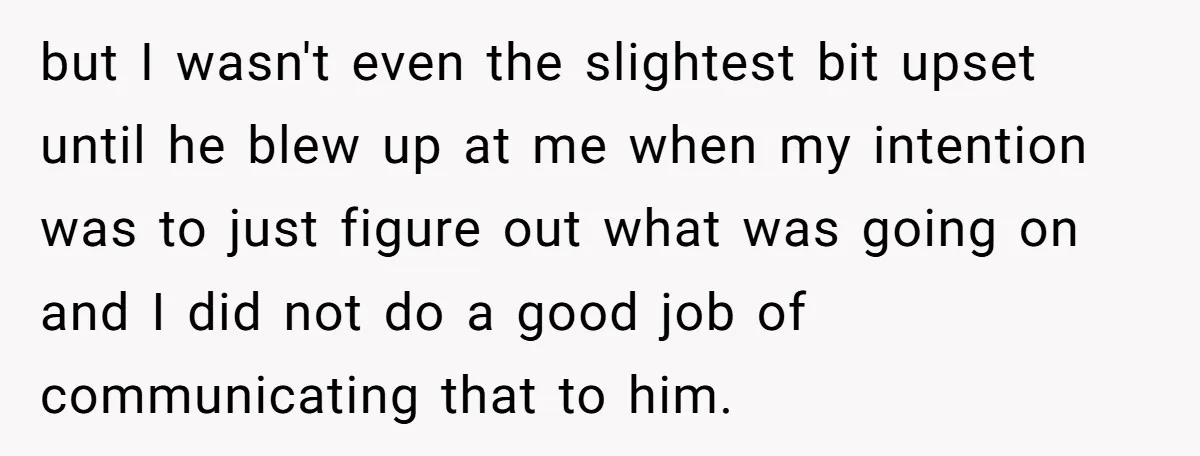
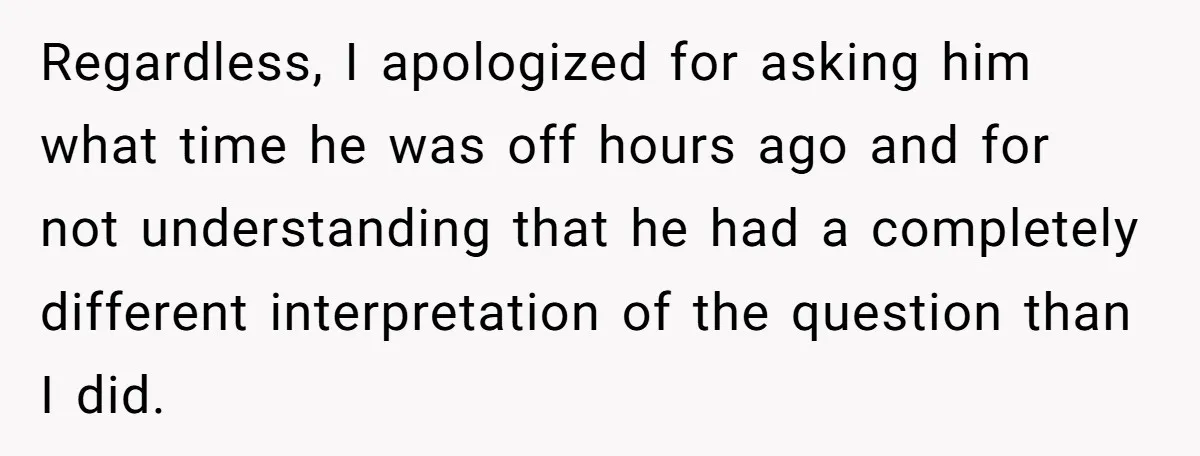
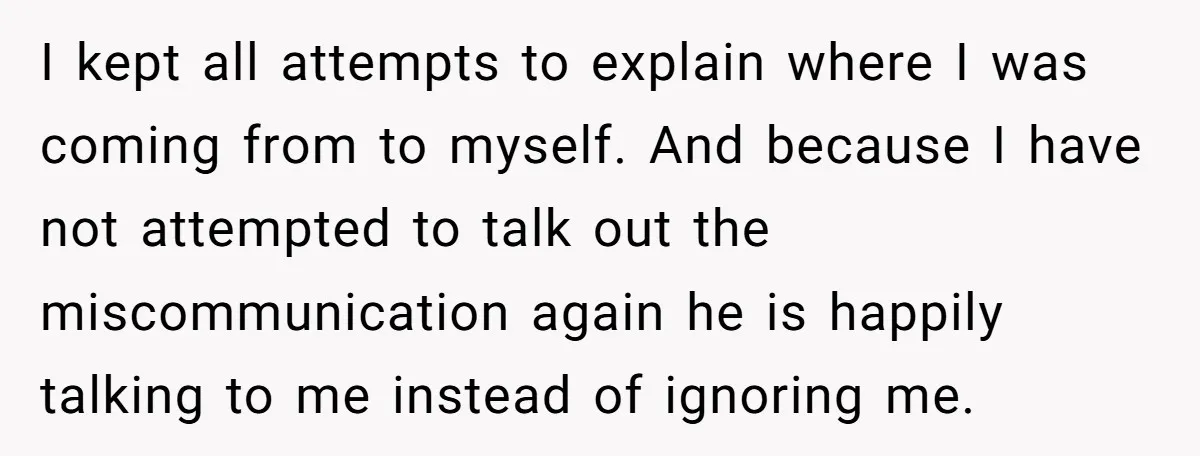
At its core, this disagreement is less about clocks and more about expectations. The poster believed she was asking a straightforward question to plan her evening, while her husband interpreted it through a technical lens tied to his work schedule. When expectations go unspoken or are interpreted differently, disappointment often fills the gap, especially when quality time is already limited.
From the husband’s side, he may genuinely see “off at 5” as the end of paid duties, even if additional tasks follow. Many workplaces blur the line between being officially off the clock and still being physically present. That said, repeatedly arriving home later than implied can erode trust, particularly when a partner is emotionally invested in shared routines.
Relationship expert Dr. John Gottman has noted, “Small moments of disappointment, when left unaddressed, can quietly damage emotional connection over time.” According to research from The Gottman Institute, unresolved miscommunications around daily expectations often build resentment, even when neither partner intends harm.
A practical path forward starts with clarity rather than blame. Instead of debating definitions, couples benefit from focusing on outcomes: when will we realistically see each other? Agreeing on phrases like “I should be home around 6” removes ambiguity. Just as important is emotional validation. Acknowledging excitement, disappointment, and stress can soften defensive reactions and keep minor misunderstandings from turning into larger conflicts.
Check out how the community responded:
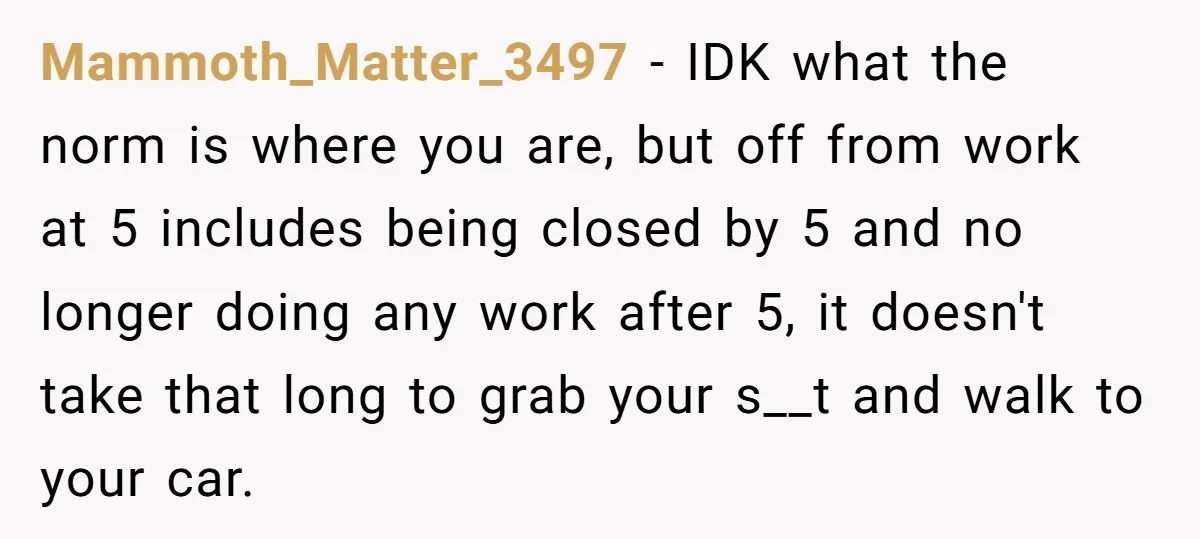
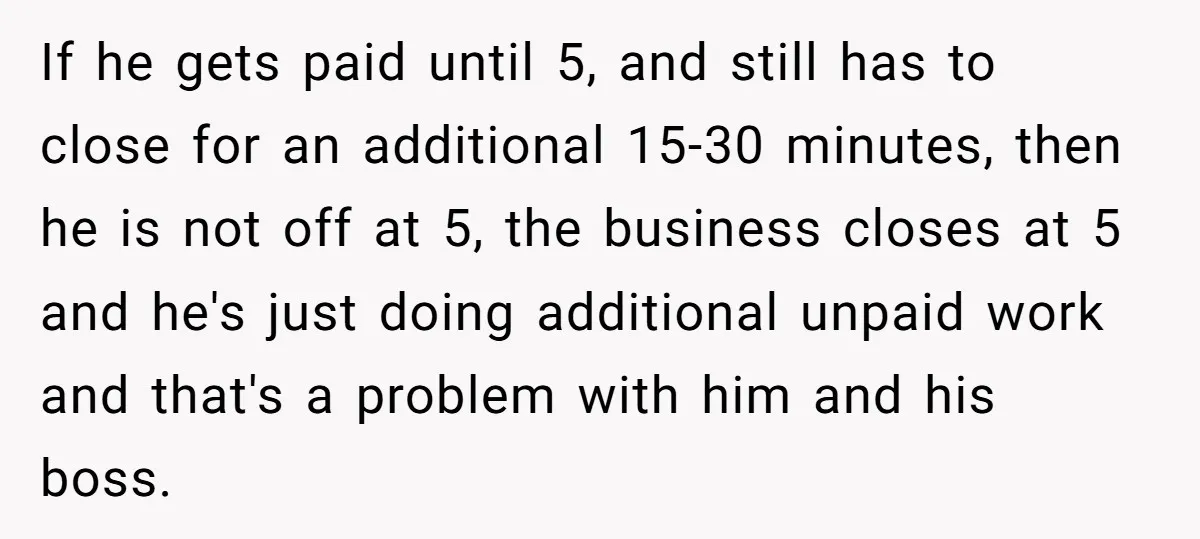
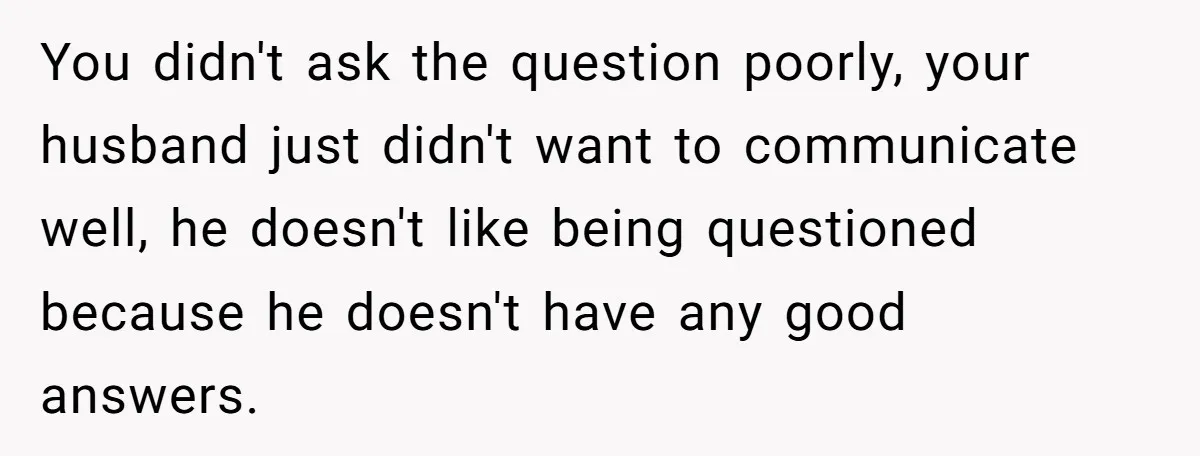
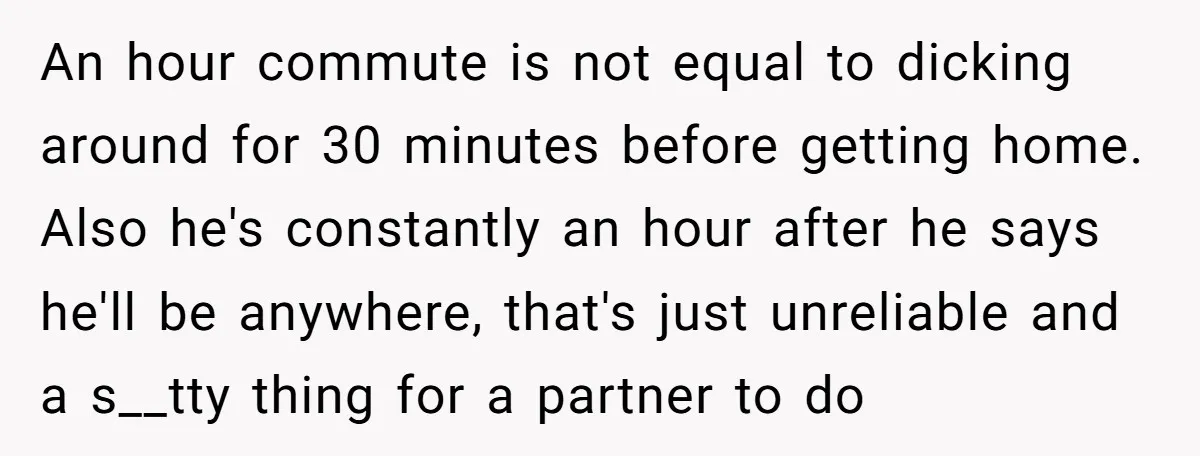
Many users immediately sided with the poster, arguing that her expectations were reasonable
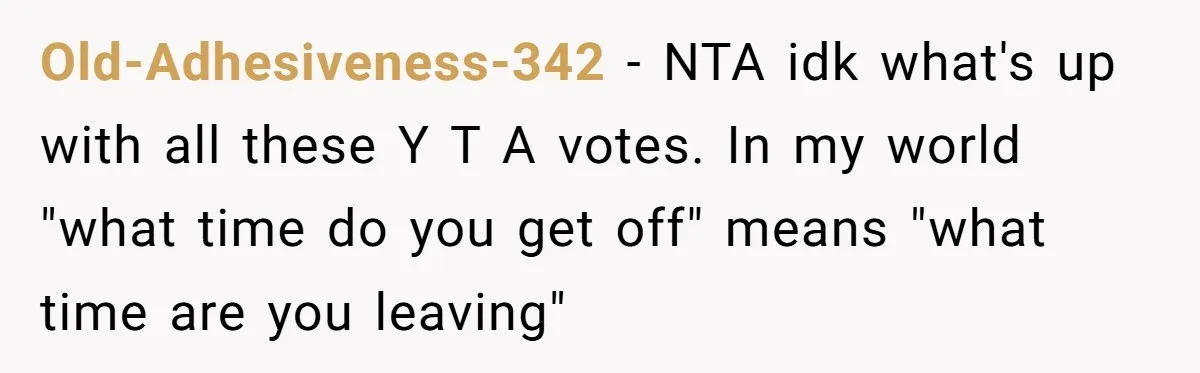
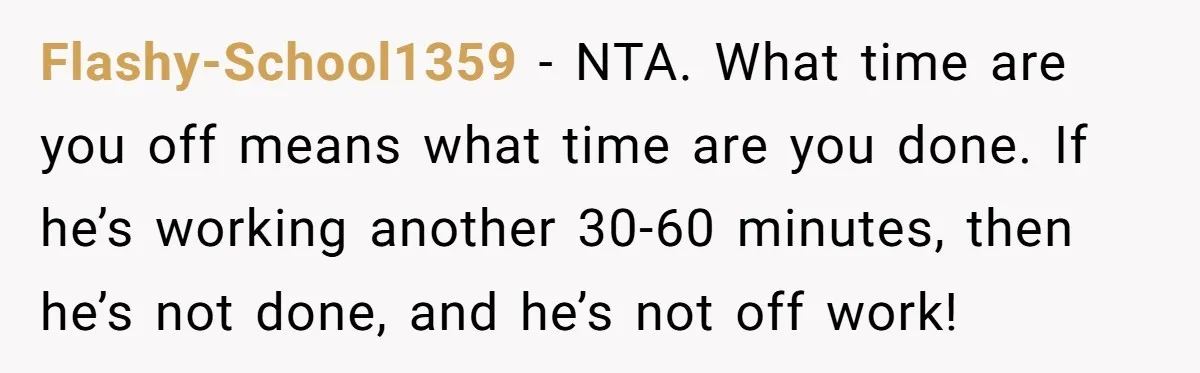
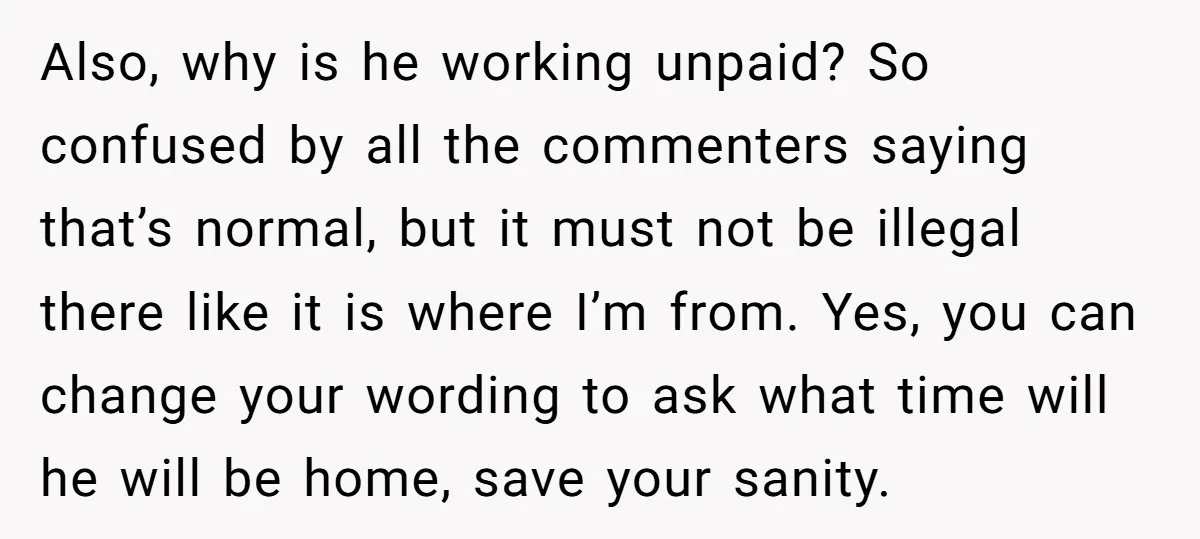
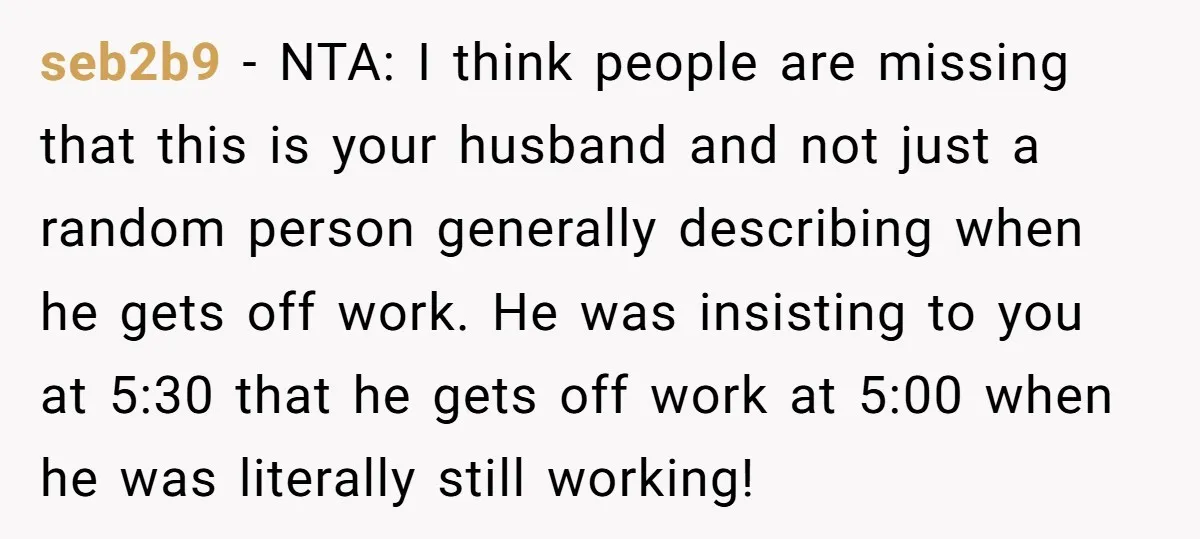
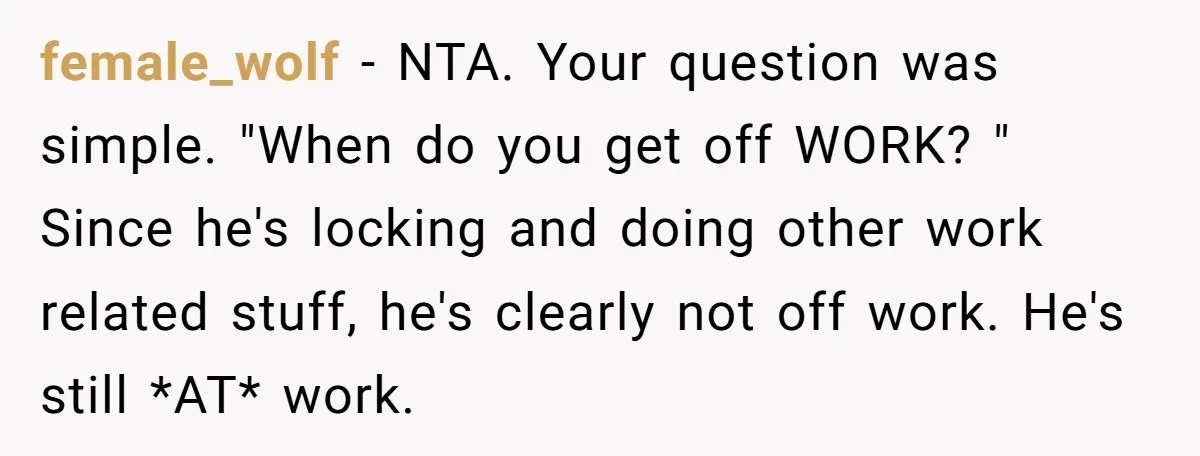
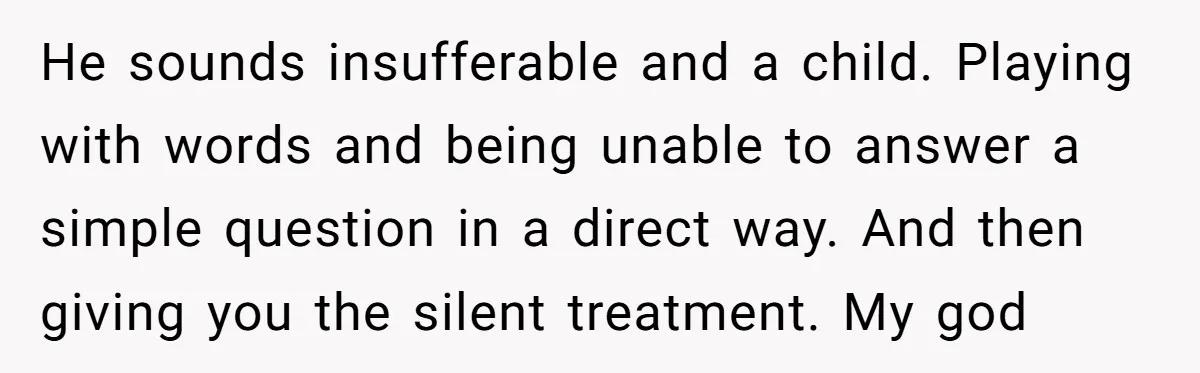
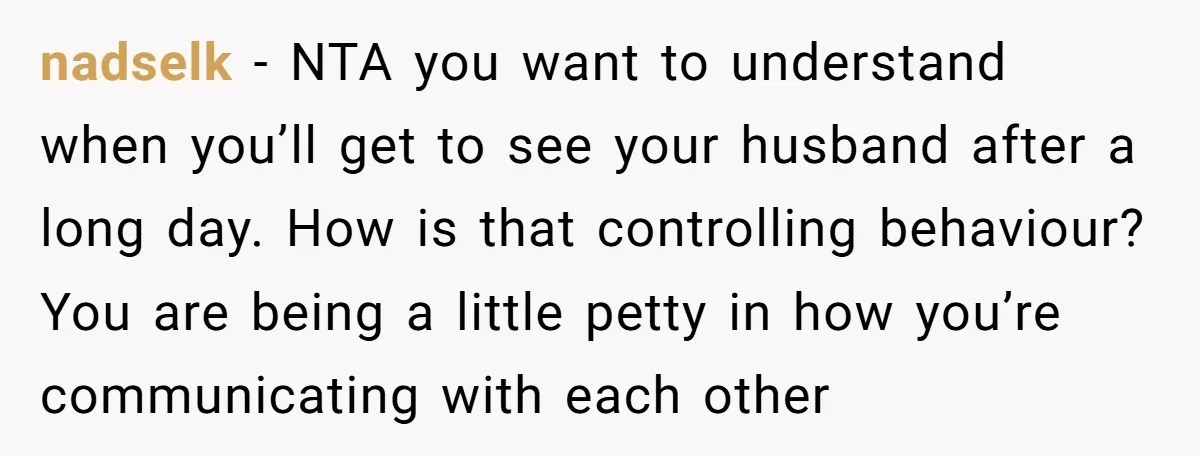
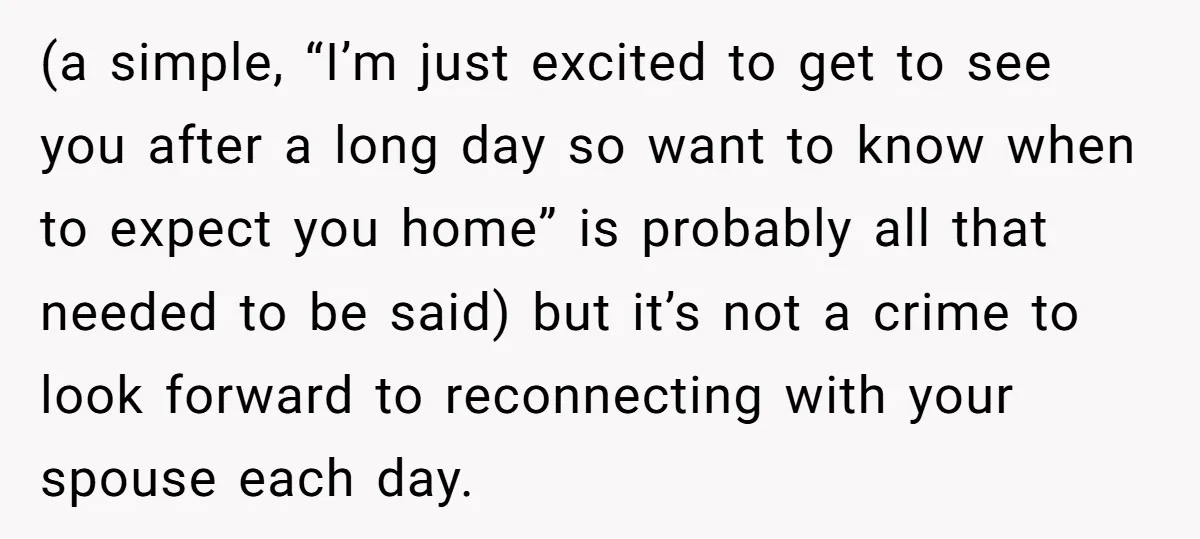
Others offered more balanced takes, suggesting easier ways to avoid the conflict
![[Reddit User] − Why not start asking, “when are you leaving work? ” But NTA. Your husband sounds irritating.](https://loknam.com/aita/images/8b05bfa160/wp-editor-1769653571751-1.webp)



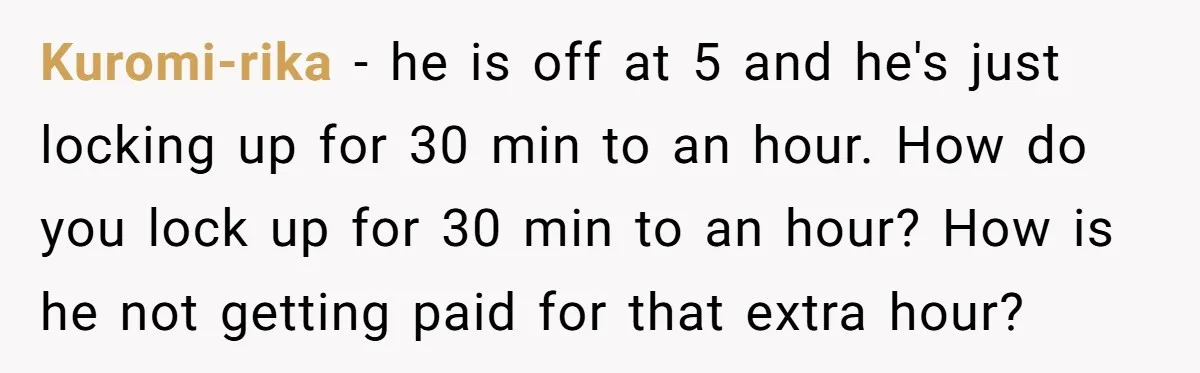
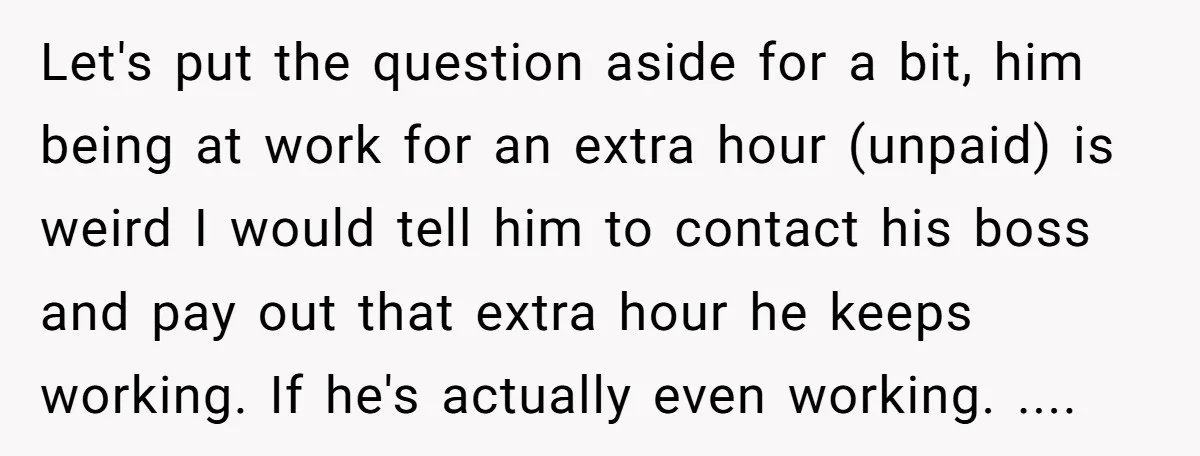
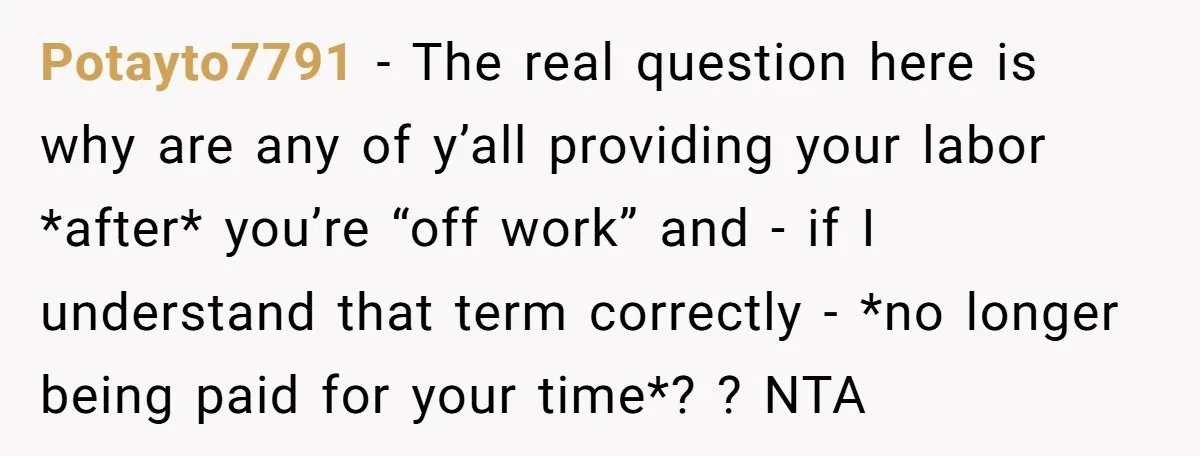
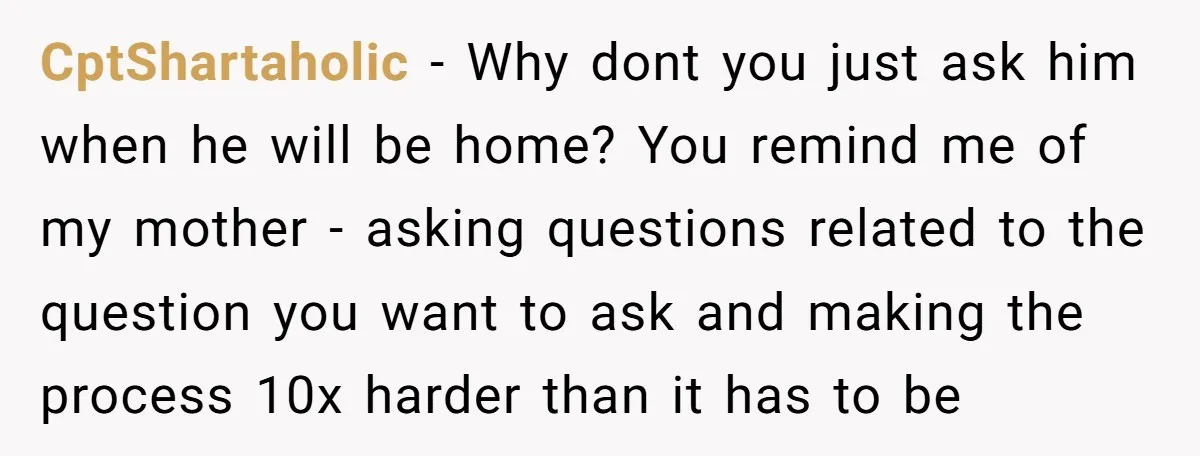
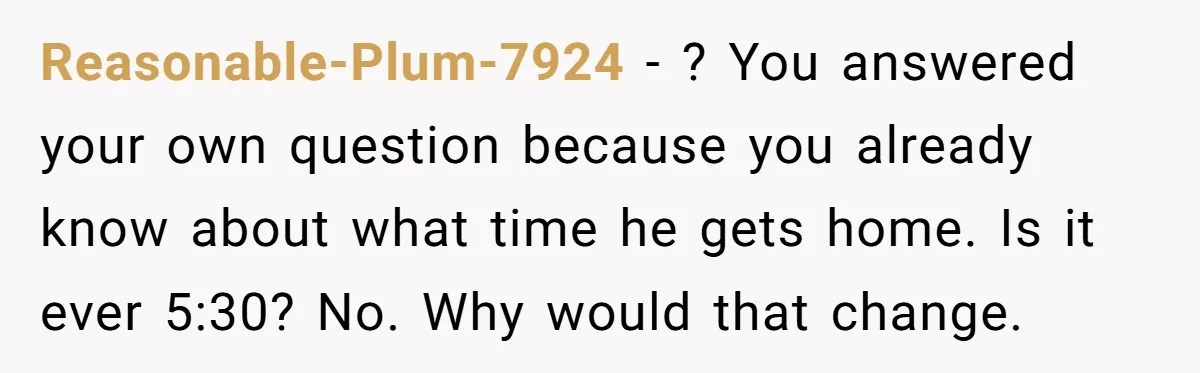
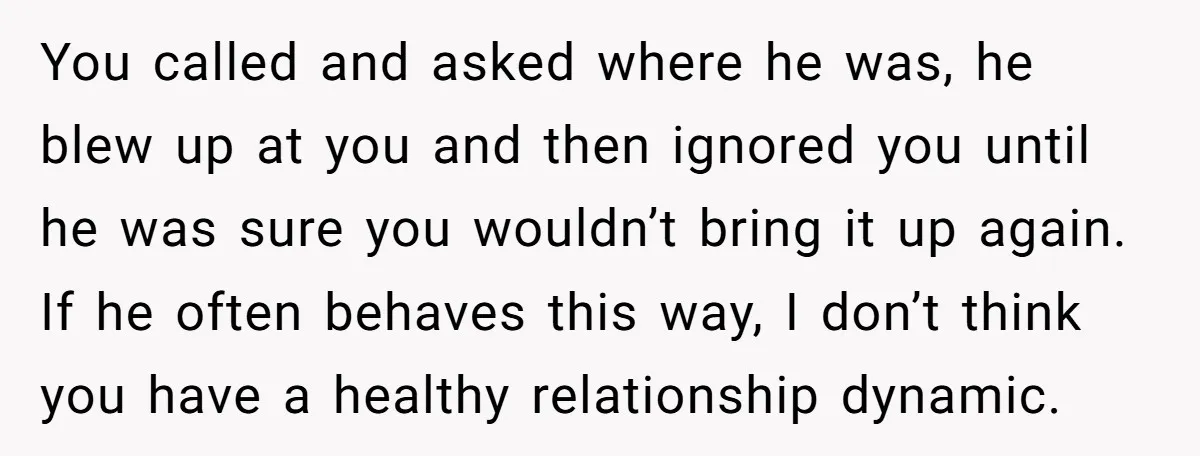
A few commenters leaned into humor or blunt realism to lighten the mood



This situation shows how easily everyday language can spark conflict when expectations don’t line up. One partner wanted clarity and connection, while the other focused on technical definitions and routines. Neither intention was malicious, but the emotional impact was real. Clearer wording, empathy, and a shared understanding could have prevented the tension altogether. When small misunderstandings repeat, they tend to feel bigger than they are. What would you do if you were in this situation?