
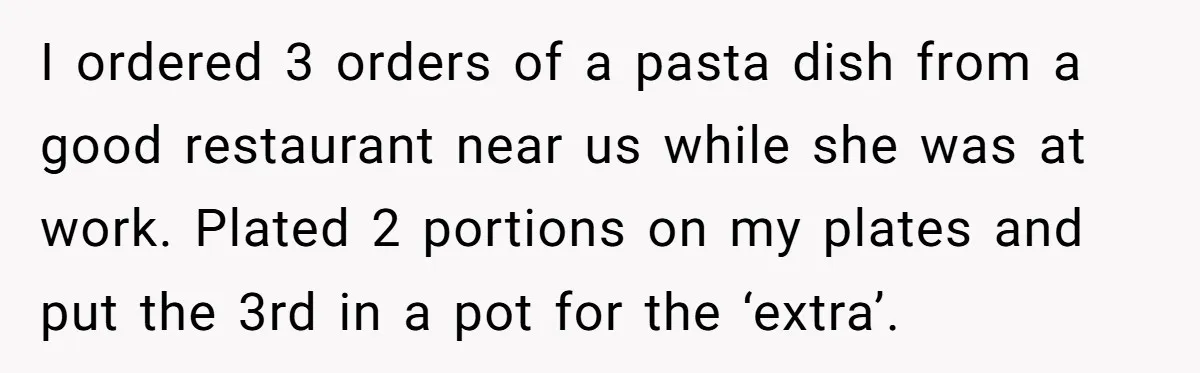
A 20-something man has been cooking for his girlfriend, a professional restaurant chef, but she consistently criticizes his efforts—gagging, complaining about seasoning, doneness, and claiming her trained palate finds it unacceptable. Despite friends telling him he’s a good cook, she insists it’s never good enough. Curious if the issue is truly his cooking or something personal, he ordered high-quality pasta takeout from a nearby restaurant, plated it beautifully, and served it as his own creation.
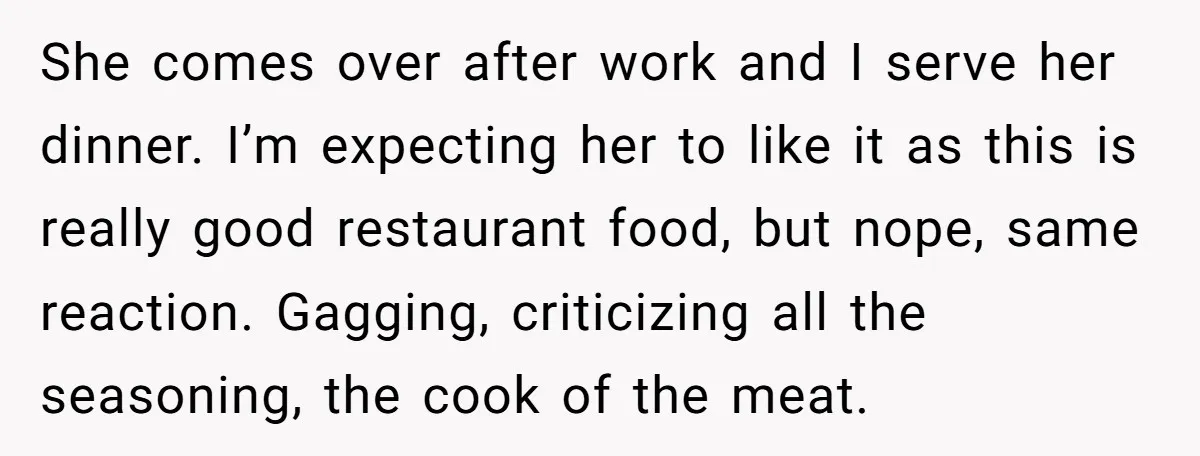
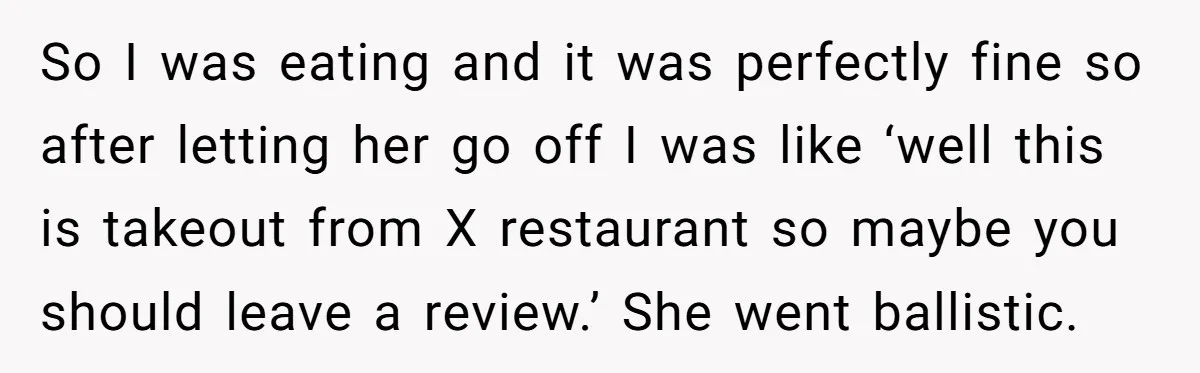
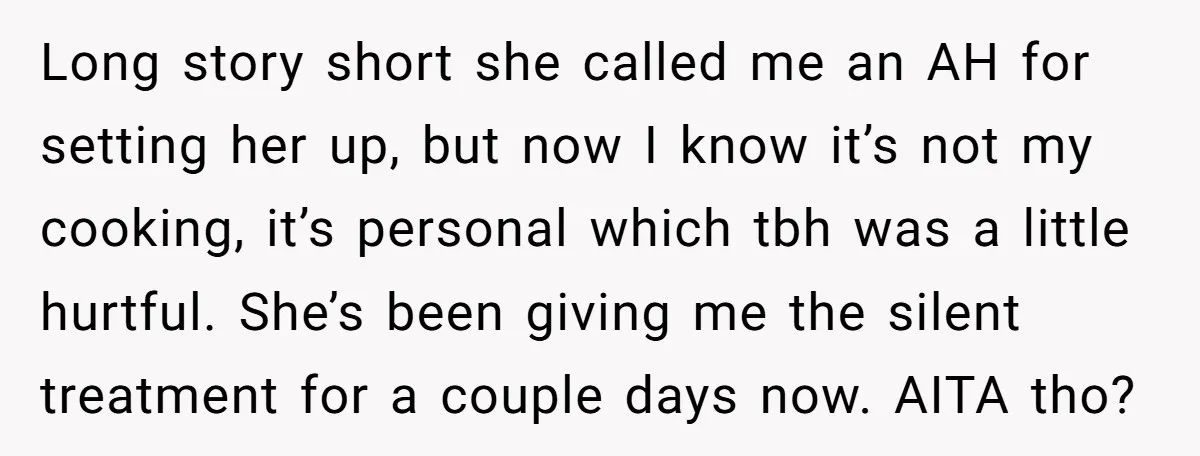
She reacted the same way: gagging and picking apart the seasoning and meat. He then revealed it was restaurant food and suggested she leave a review. She exploded in anger, accused him of setting her up, and has given him the silent treatment for days. He feels hurt that her criticism seems targeted at him rather than the food itself and wonders if tricking her made him the asshole.

‘AITA for tricking my gf into eating restaurant food, making her think it was my food?’
His girlfriend, a professional chef, constantly finds fault with his meals.
Following a friend’s joke suggestion, he served restaurant food disguised as his own.
He tells her the truth, and she becomes furious over the “setup.”
The girlfriend’s repeated gagging and harsh feedback—even on professionally prepared food—suggests the problem isn’t culinary skill but something emotional or psychological. Chefs often appreciate when others cook for them after long shifts; many express gratitude rather than disdain. Gagging over decent food is theatrical and belittling, especially when the same reaction persists regardless of source.
The silent treatment afterward shifts blame to him for exposing the pattern rather than owning her behavior. While “tricking” her was deceptive, it stemmed from hurt and a need for clarity after consistent put-downs. The reveal wasn’t malicious humiliation but proof that her standards shift depending on who made the food. Healthy partners encourage growth (“Let me show you how I like it seasoned”) rather than demean effort.
This dynamic risks eroding his confidence and self-worth over time. The broader lesson is that constant criticism disguised as “palate differences” can mask control, insecurity, or resentment. Addressing the pattern openly—without more tests—would be healthier than silent treatment or escalation.
Here’s the comments of Reddit users:
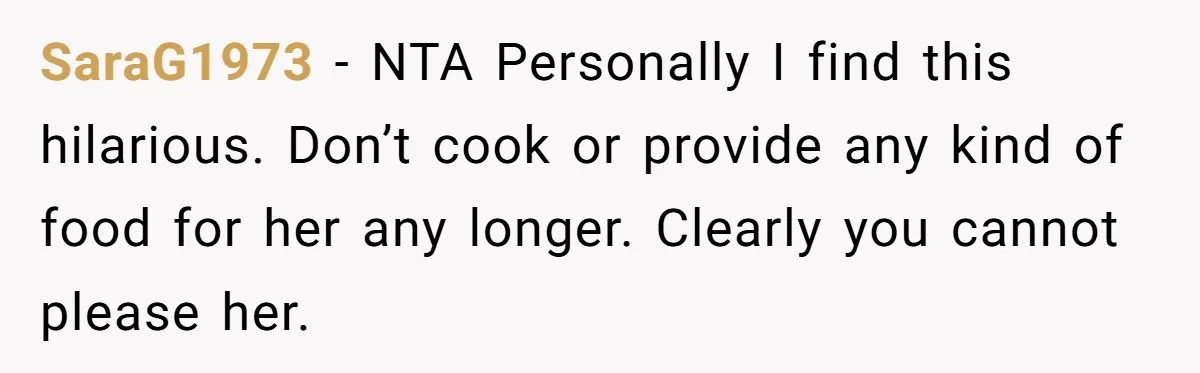
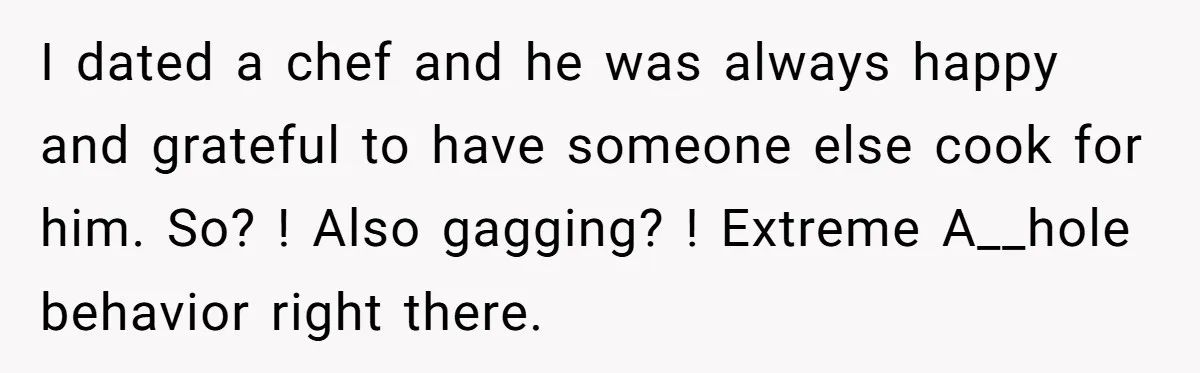
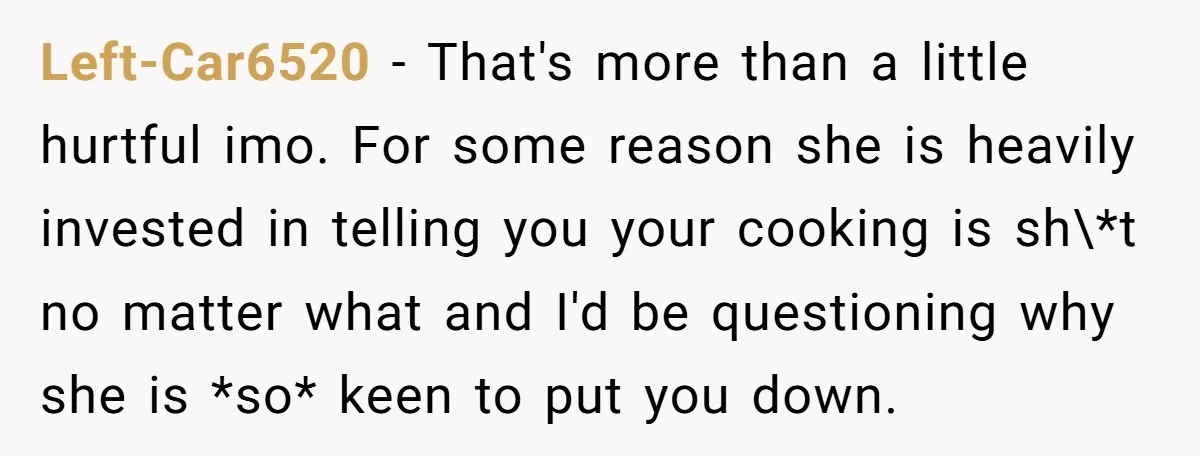
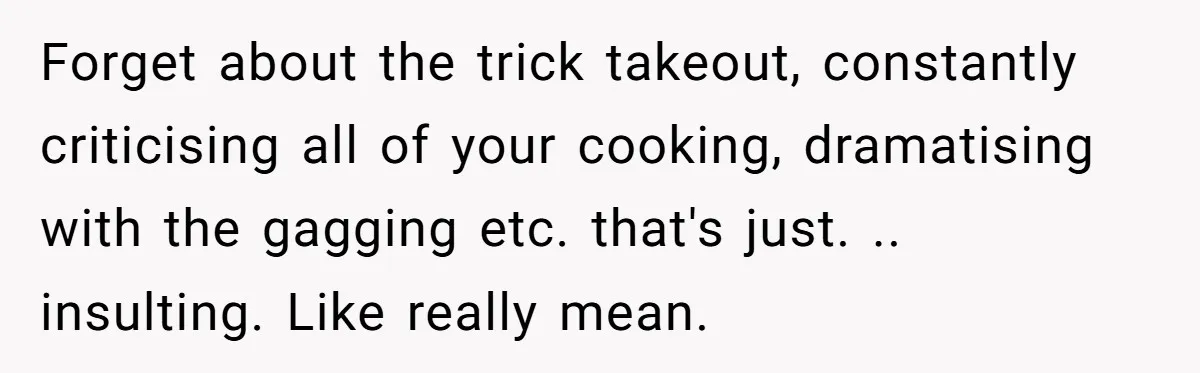
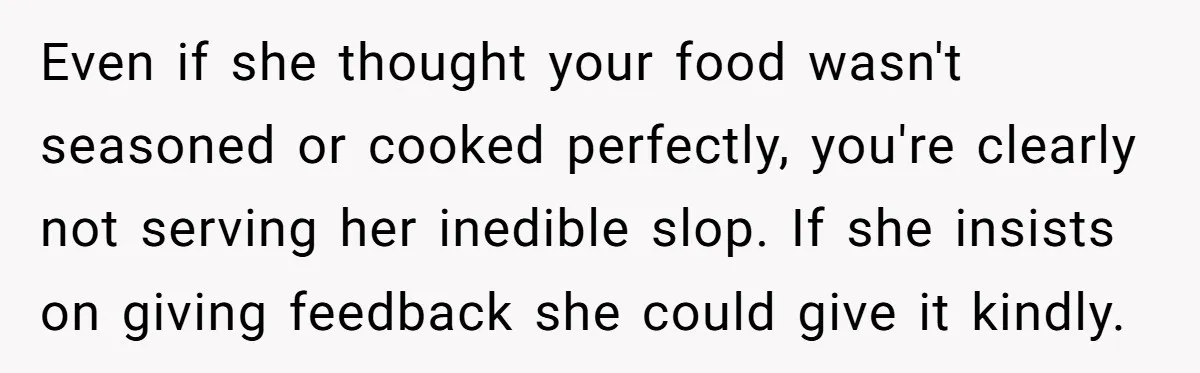
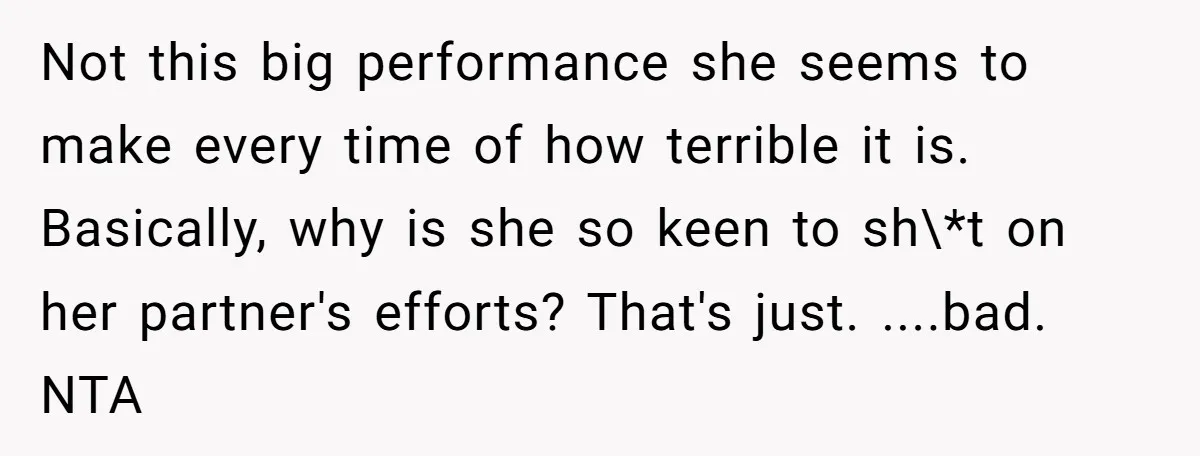
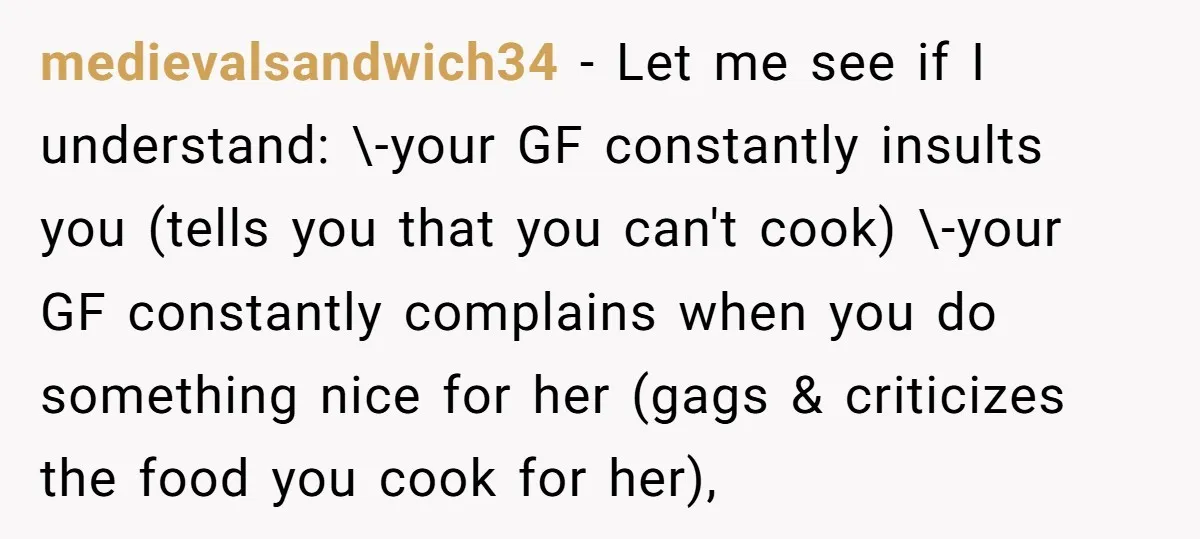
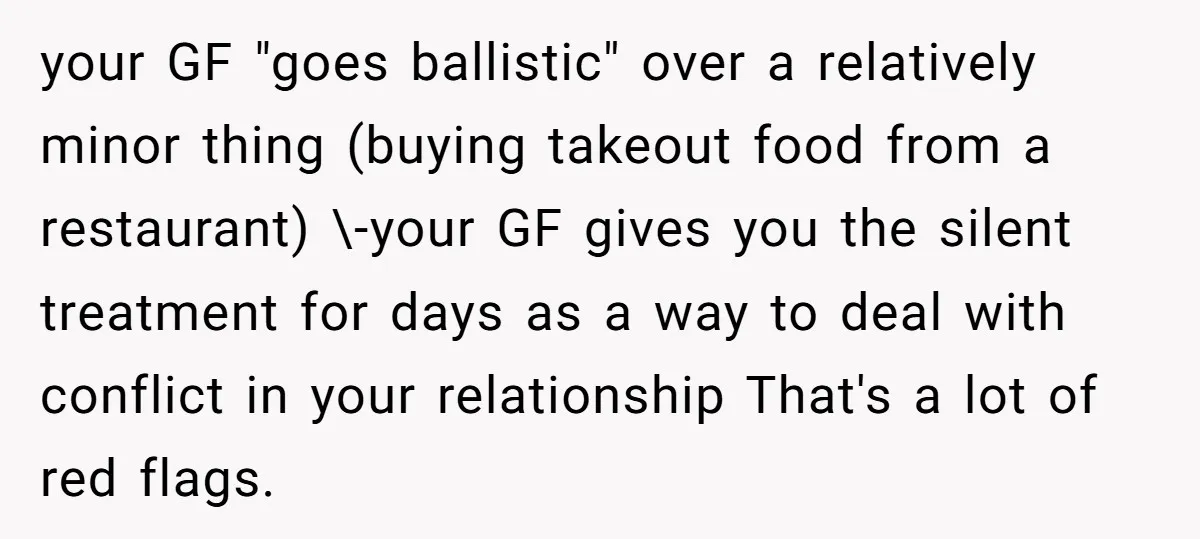
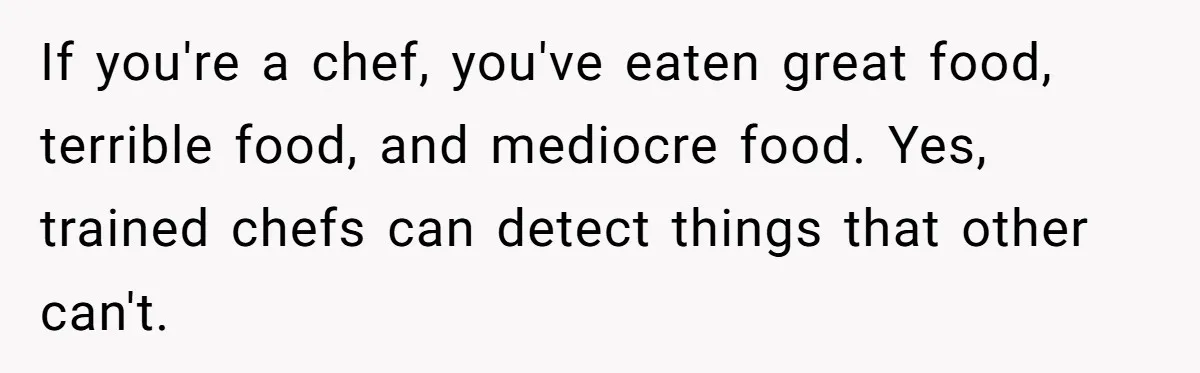
Most commenters sided strongly with the man (NTA), viewing his girlfriend’s behavior as consistently disrespectful and mean-spirited.
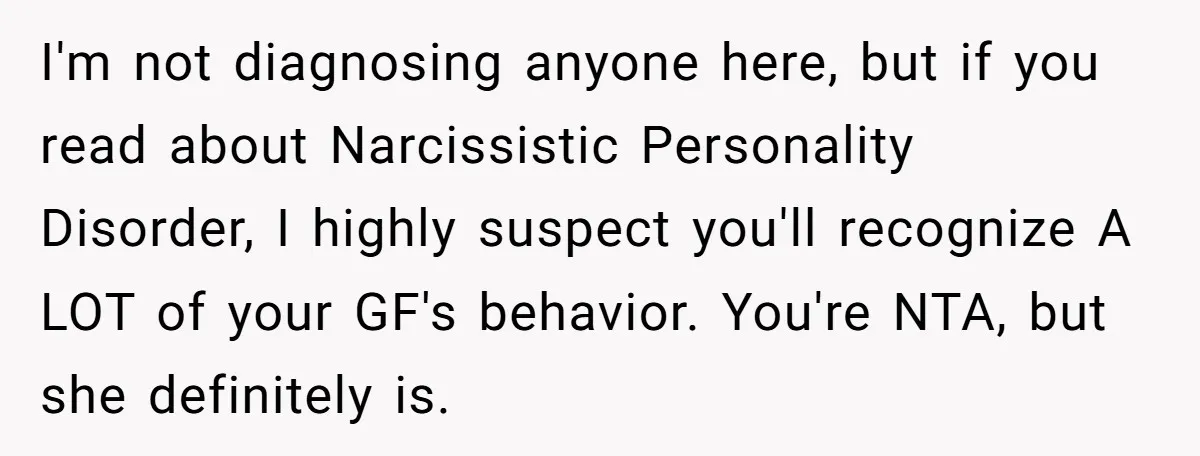
![[Reddit User] − Normal I'd say y t a for tricking her into eating anything she didn't want to. But as long as it wasnt something she was allergic to/,sensitive...](https://loknam.com/aita/images/233c70a648/wp-editor-1768727630757-10.webp)
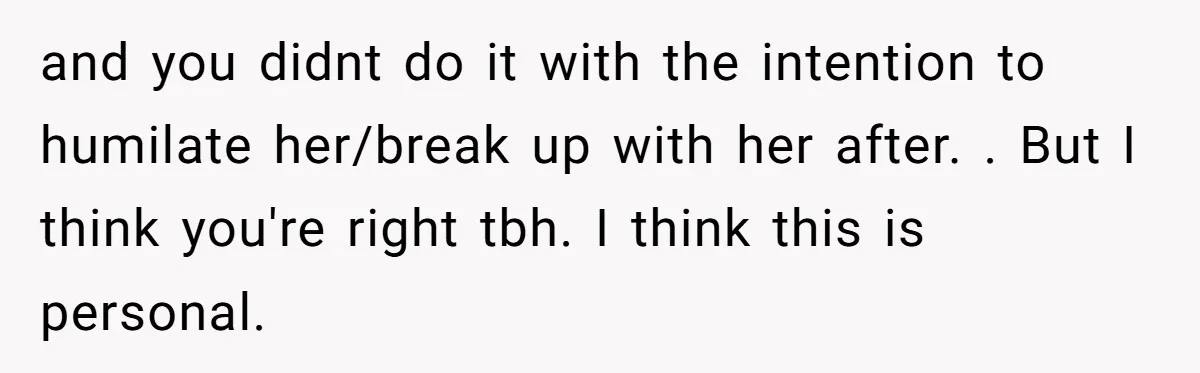
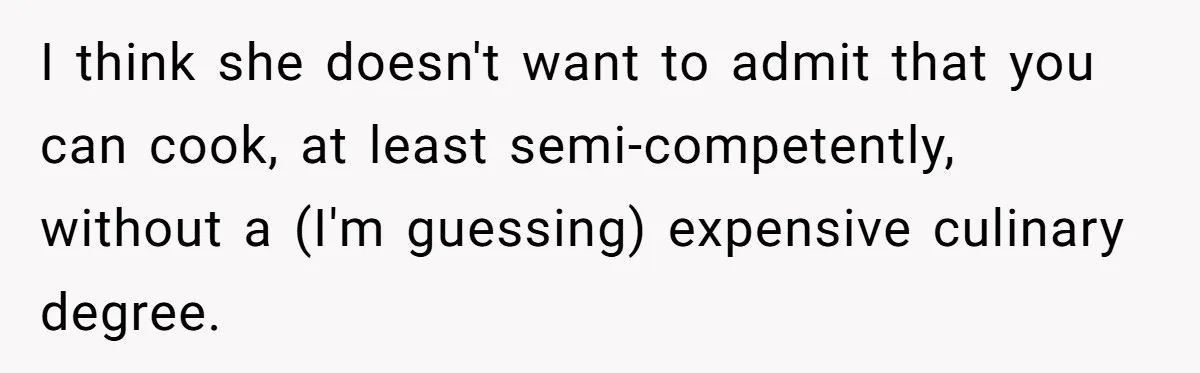
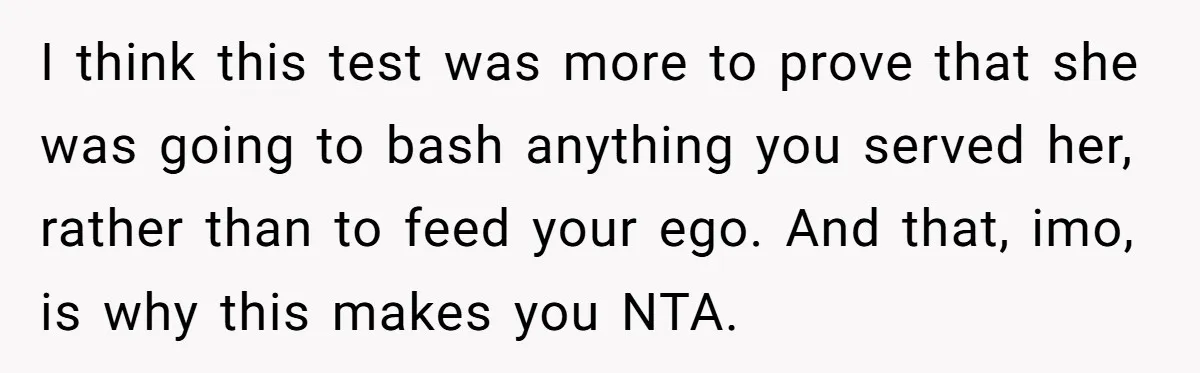
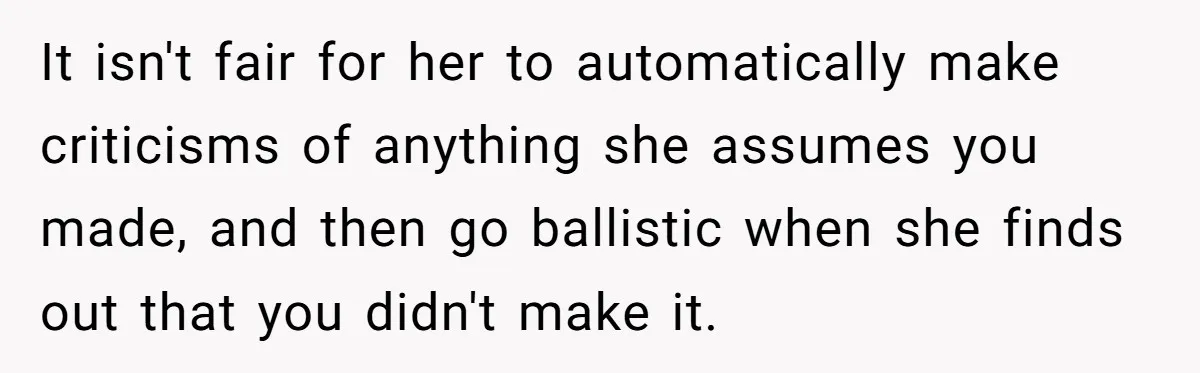

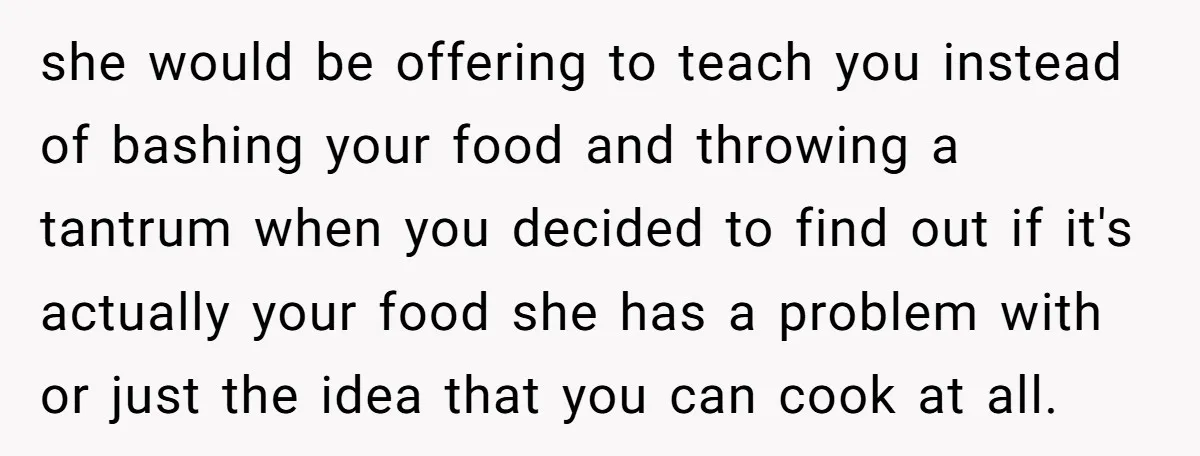
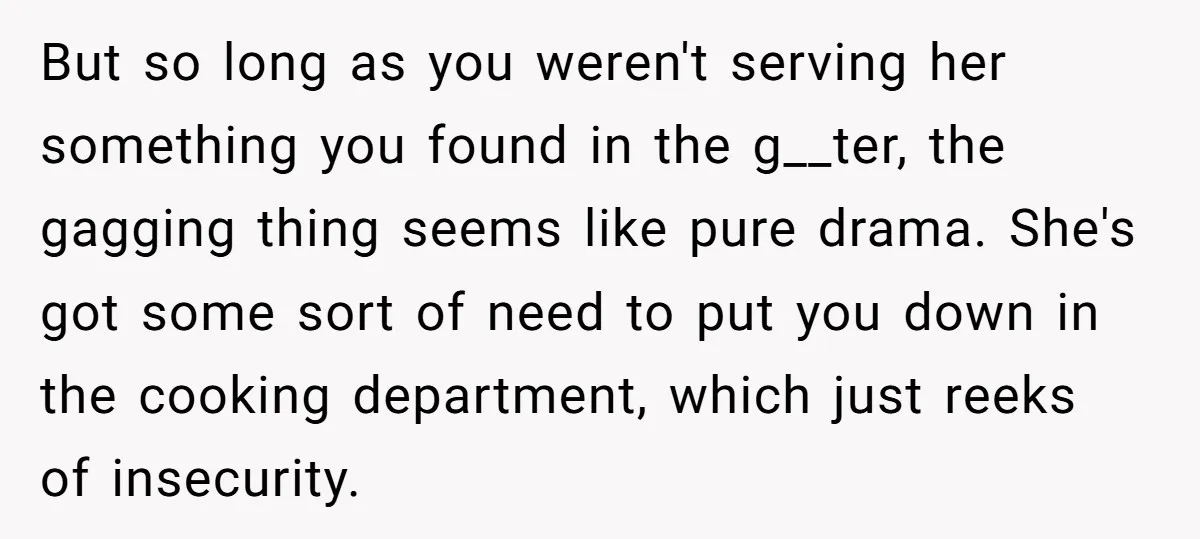
Many highlighted the double standard and urged him to reconsider the relationship.

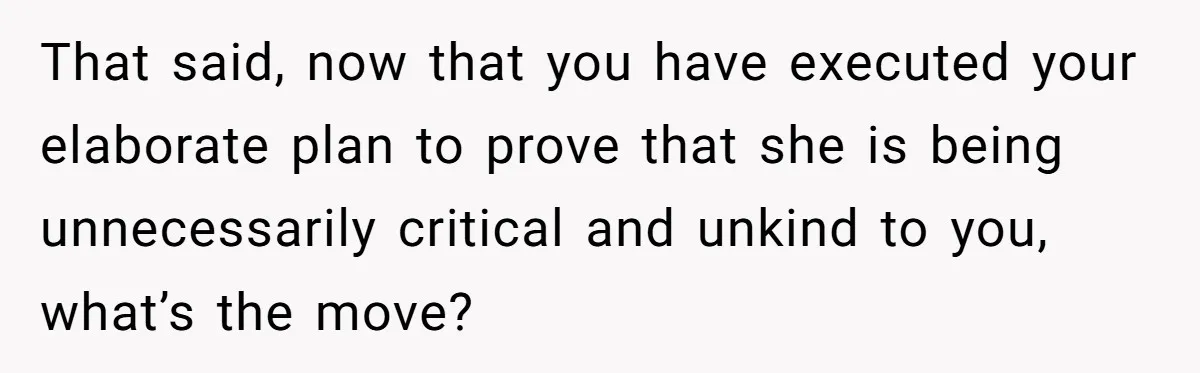

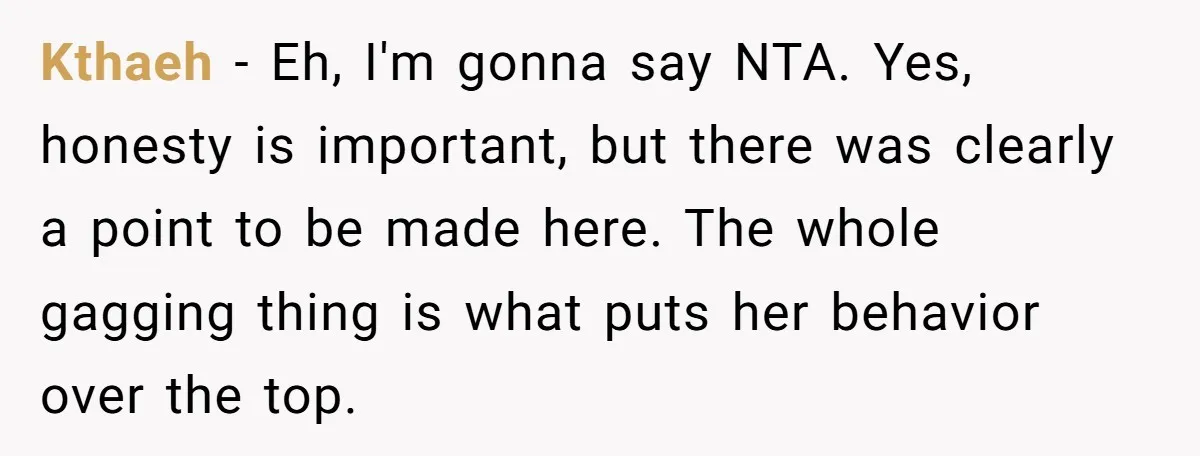



A few offered balanced takes while still leaning toward NTA.
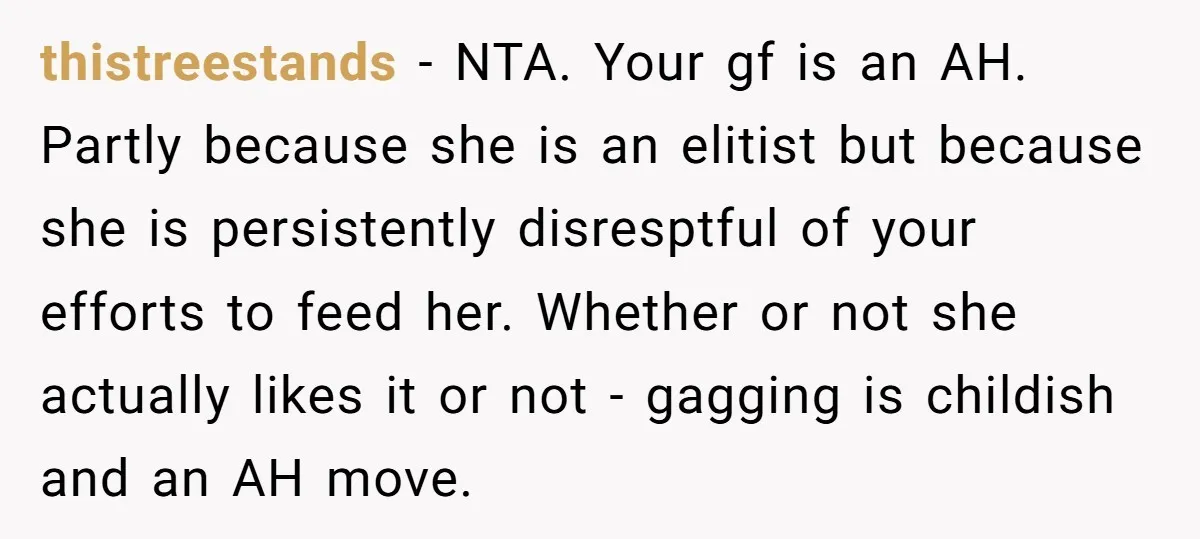
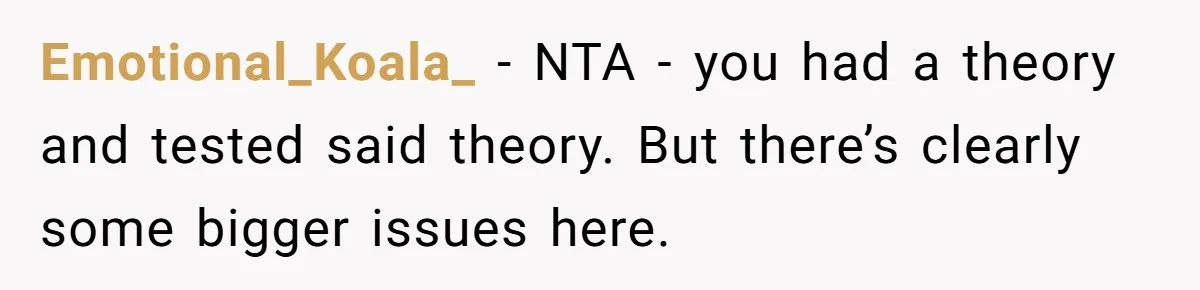


This man’s “takeout test” confirmed that his girlfriend criticizes his cooking regardless of quality—even restaurant food gets the same gagging and complaints. While the deception wasn’t ideal, the community largely sees it as a reasonable response to ongoing belittling, with many calling her behavior mean, elitist, and potentially abusive. The story raises questions about how partners express appreciation versus criticism, and whether constant put-downs signal deeper relationship issues.
Have you ever felt constantly criticized by a partner over something you enjoy doing, like cooking? Do you think his reveal was fair, or did it cross into manipulation? Would you continue cooking for someone who reacts this way, or stop trying? Share your thoughts and experiences in the comments below.