A woman eagerly accepted her cousin’s request to be maid of honor for next year’s wedding, believing they shared a close bond after years of support, gifts, and excitement over the engagement. She offered help with ideas, planning, and anything needed, thrilled to celebrate her cousin’s big day.
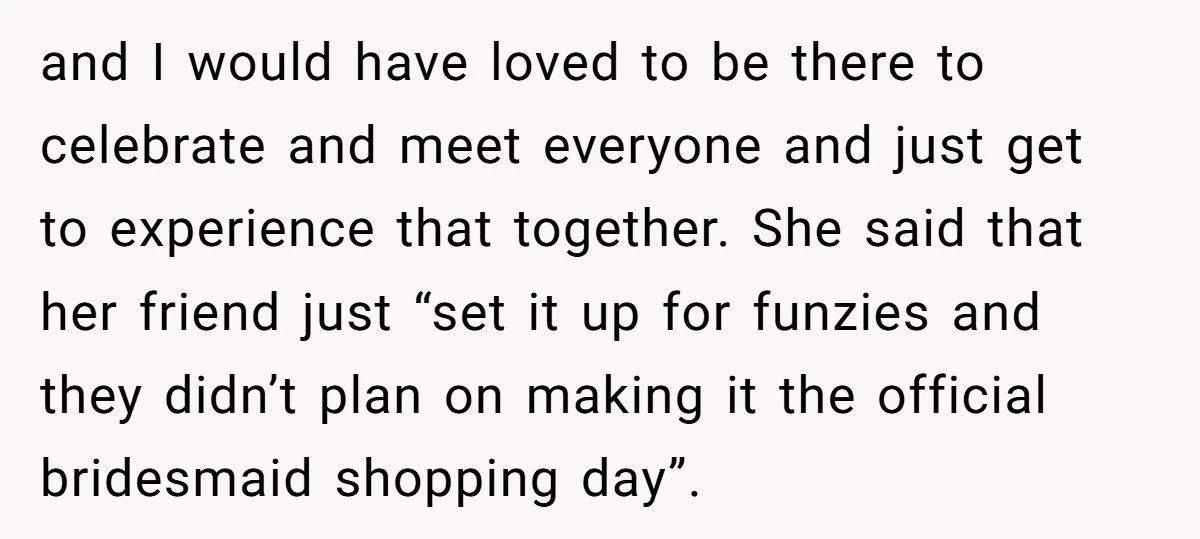
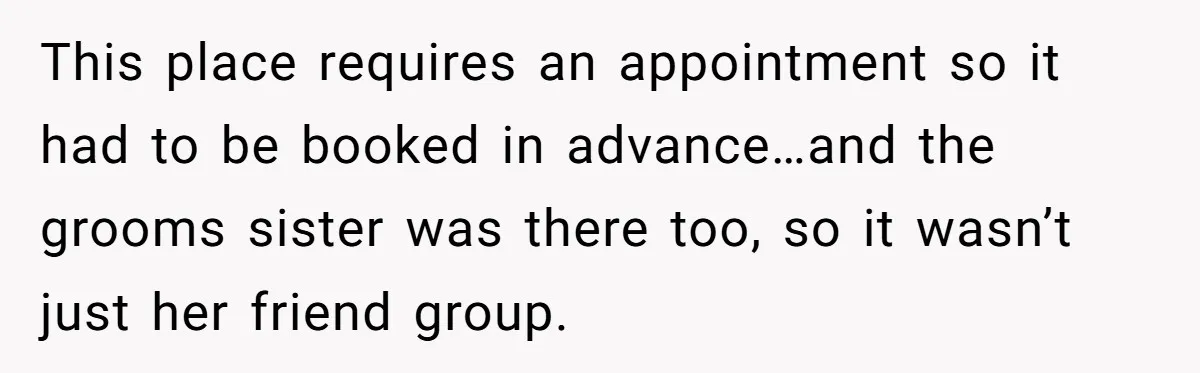
What makes the situation painful is the growing pattern of exclusion: she wasn’t invited to key events like the bridal brunch or bridesmaid dress shopping, wasn’t introduced to the other bridesmaids, and received dismissive responses to her suggestions. A planned dress appointment—complete with photos, the groom’s sister, and her cousin’s wedding dress—was downplayed as spontaneous “funzies,” despite clear evidence of advance coordination, leaving her feeling obligated yet unwanted in the role.

‘AITA if I step down from being maid of honor in cousins wedding?’
She started with genuine enthusiasm and support for her cousin’s engagement.
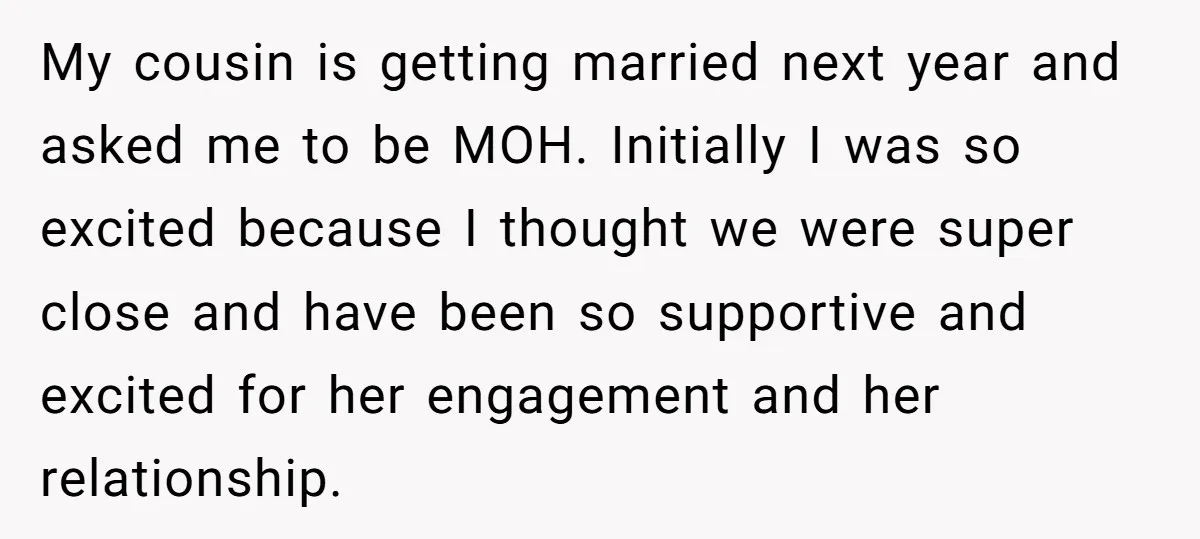
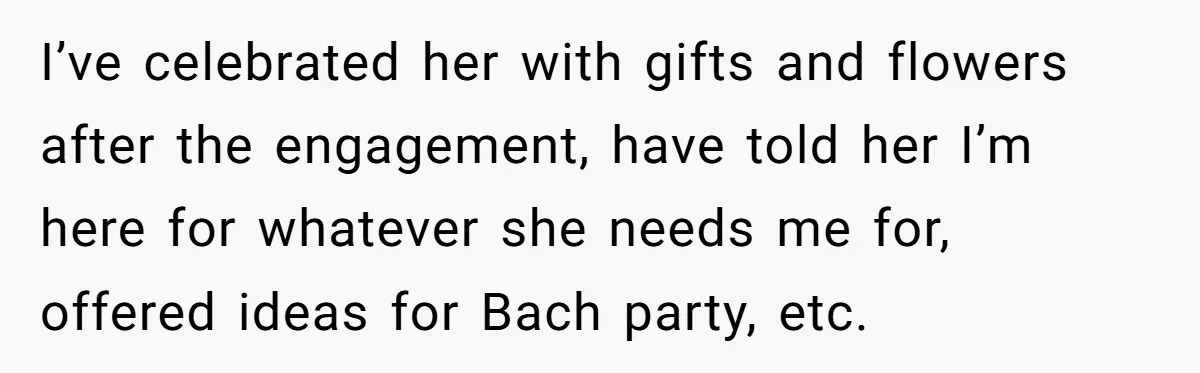
Exclusion piled up through multiple events and dismissive interactions.
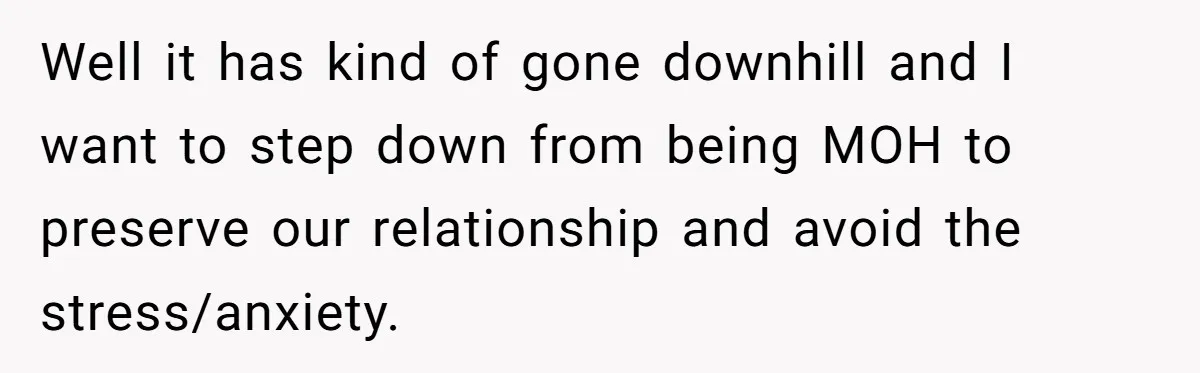
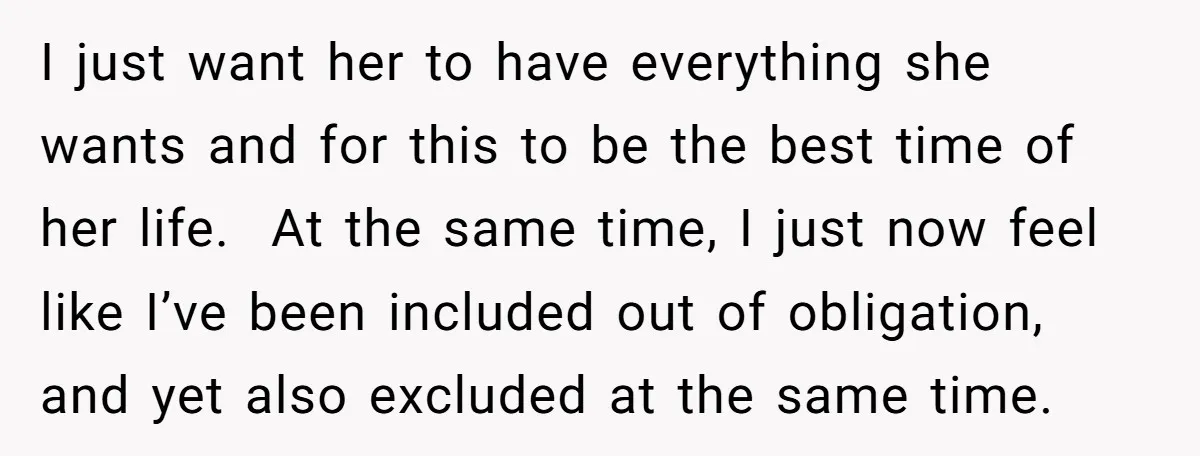
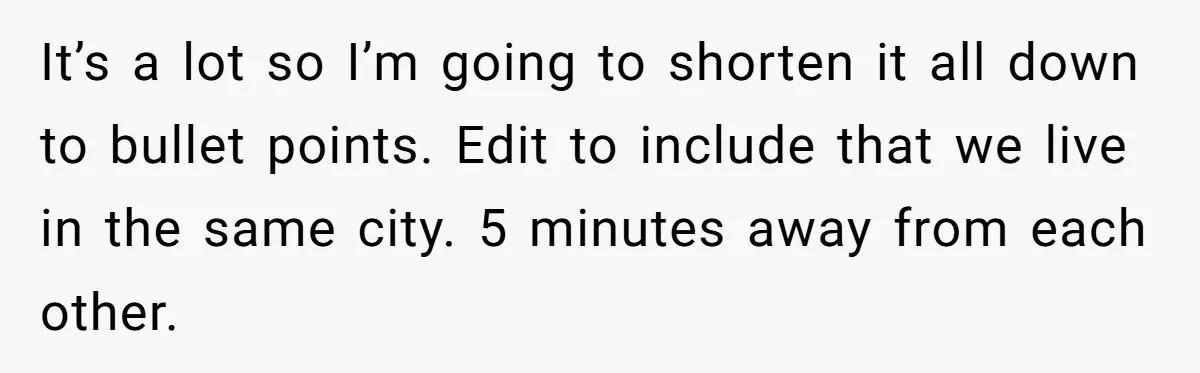
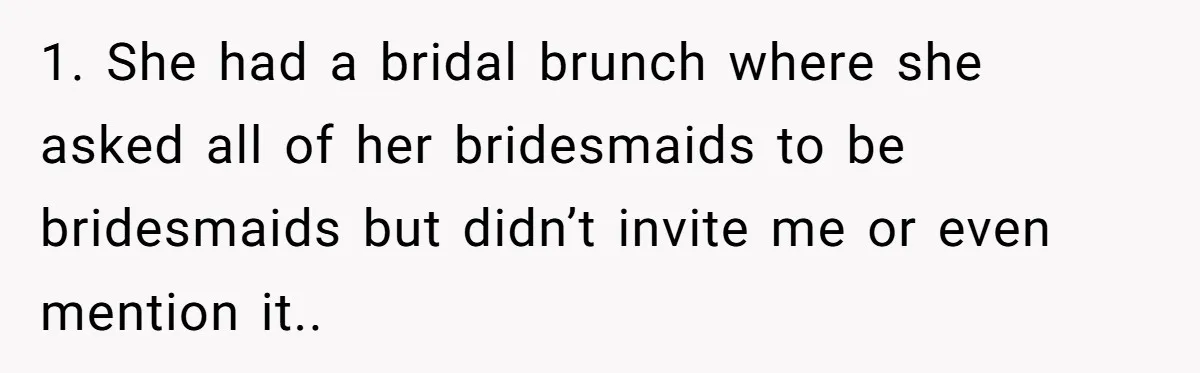

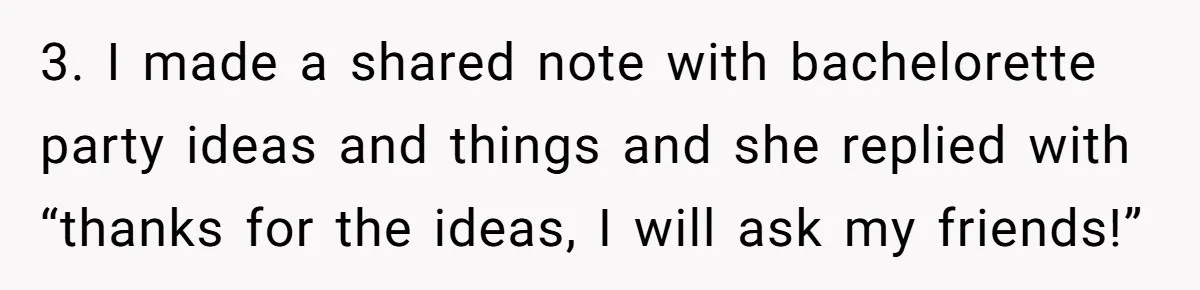
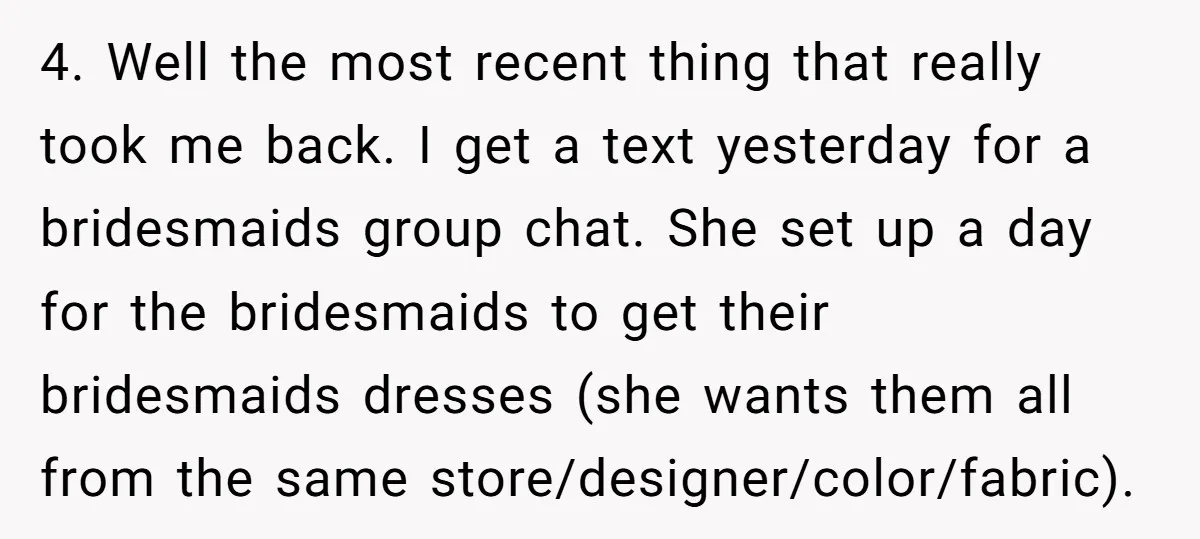
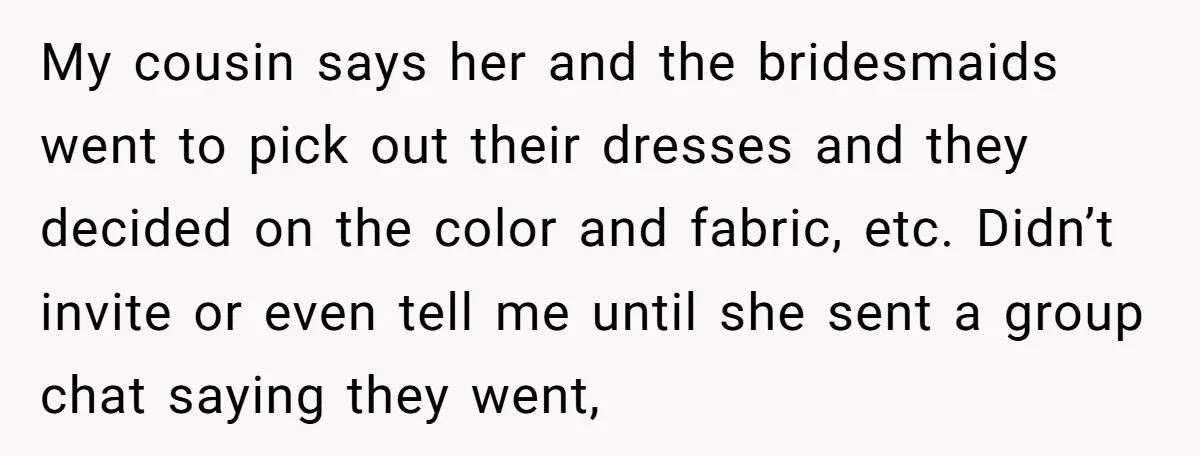
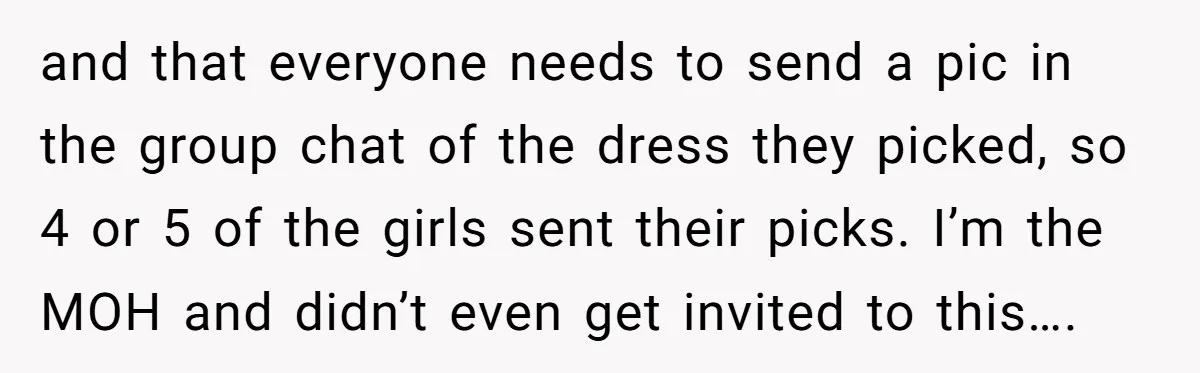
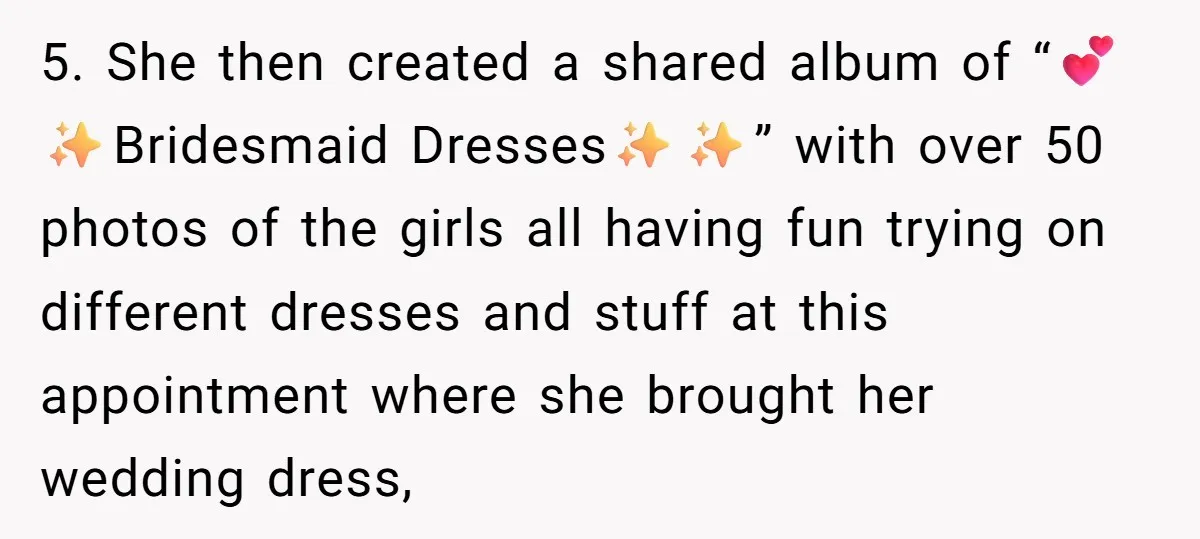
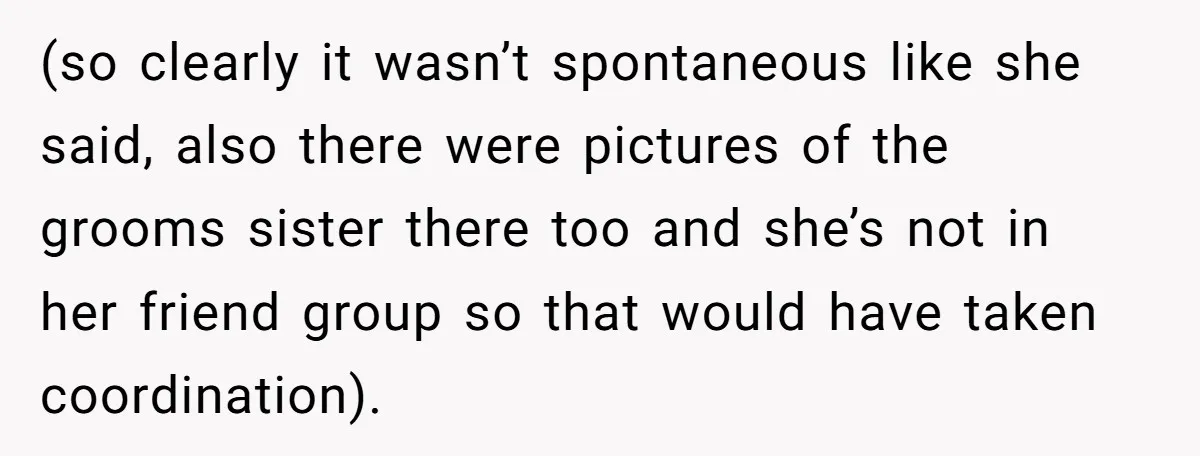
The dress shopping incident shattered any remaining illusion, prompting her to consider stepping down.
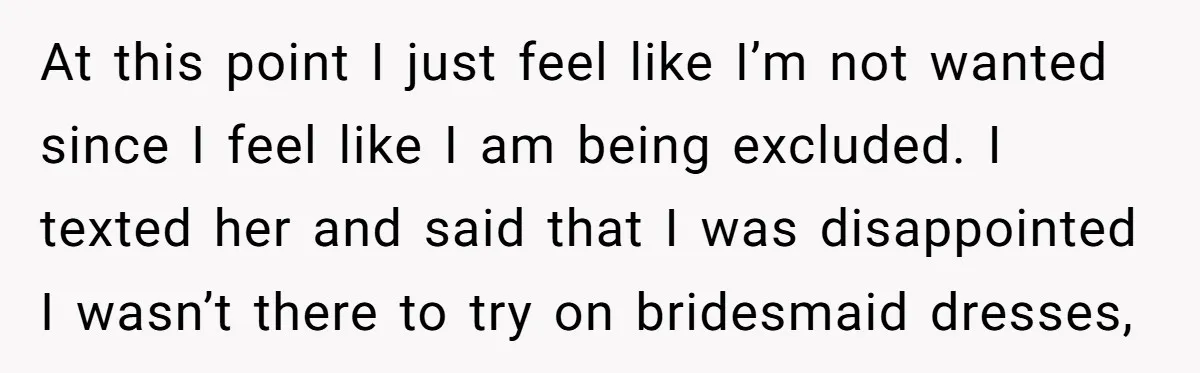
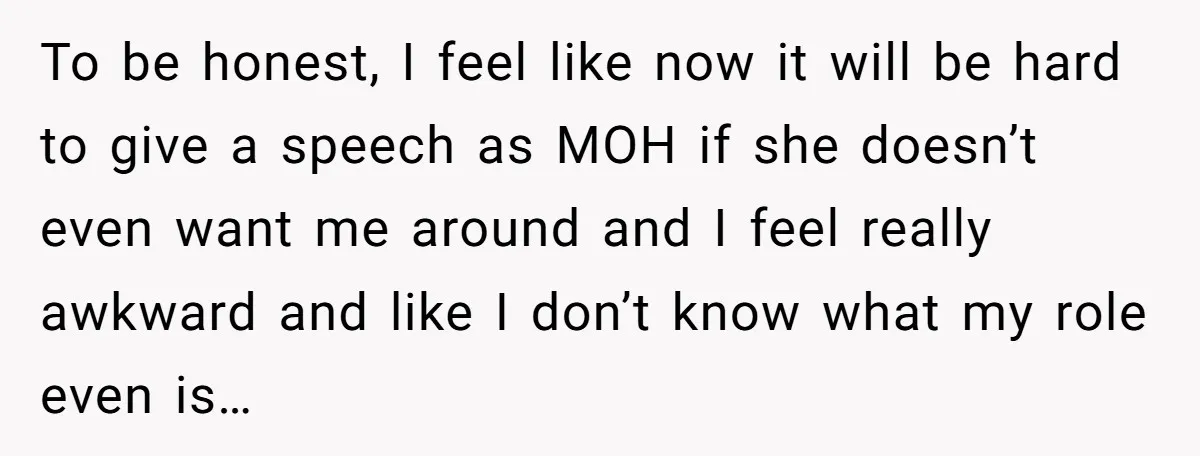
This situation reveals a painful mismatch between the cousin’s words and actions, turning what should be a joyful role into a source of hurt and confusion. The woman invested emotionally and practically—gifts, offers of help, excitement—yet faces repeated exclusion from core bridal activities. Being left out of the bridal brunch, dress shopping, introductions to bridesmaids, and likely bachelorette planning suggests she was named MOH out of family obligation rather than genuine closeness.
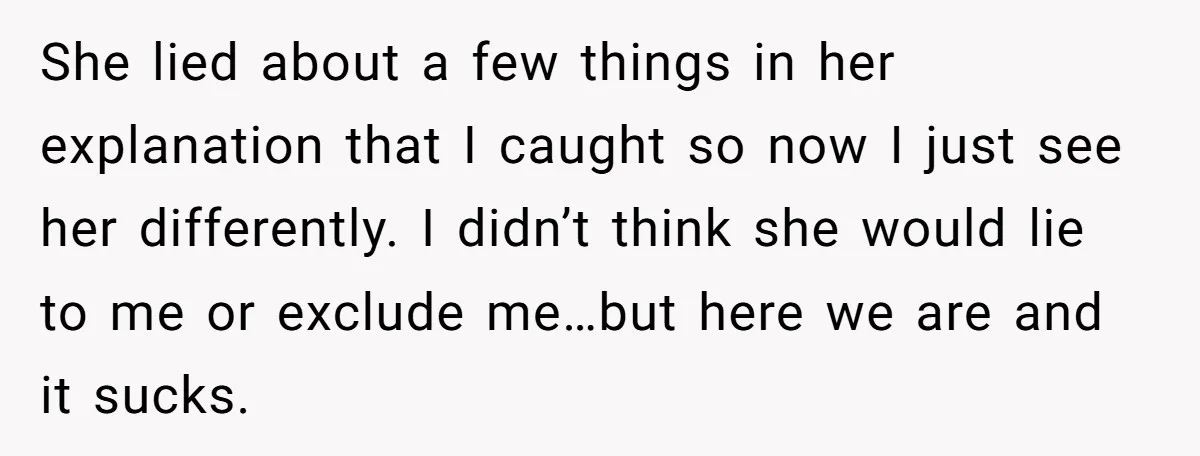
The dress appointment, clearly pre-planned with appointments, the wedding dress present, and the groom’s sister included, contradicts the “spontaneous funzies” excuse and points to deliberate sidelining. Lying to cover it up erodes trust further.
Stepping down protects both her mental health and the relationship’s future. Weddings demand significant time, money, and emotional energy from the bridal party; staying in a role where she feels unwanted would breed resentment and awkwardness, especially during a speech meant to honor the couple. By gracefully bowing out—“I want you surrounded by your closest people”—she frees the bride to appoint someone who fits the inner circle while preserving family ties as a guest. Many brides quietly hope obligated choices step aside, avoiding confrontation. Prioritizing self-respect here is healthy, not selfish.
Here’s the input from the Reddit crowd:
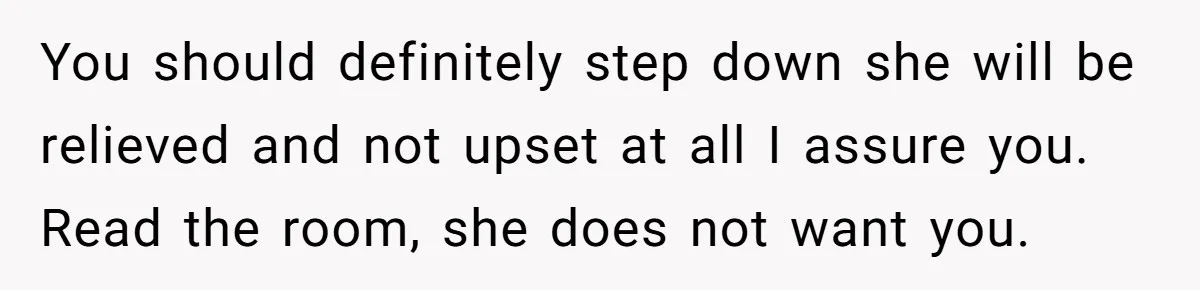
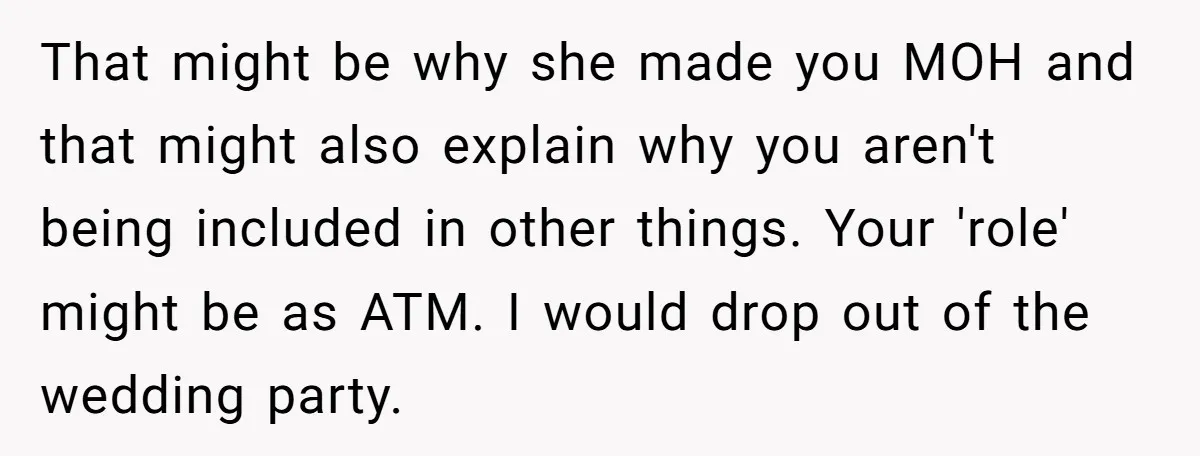
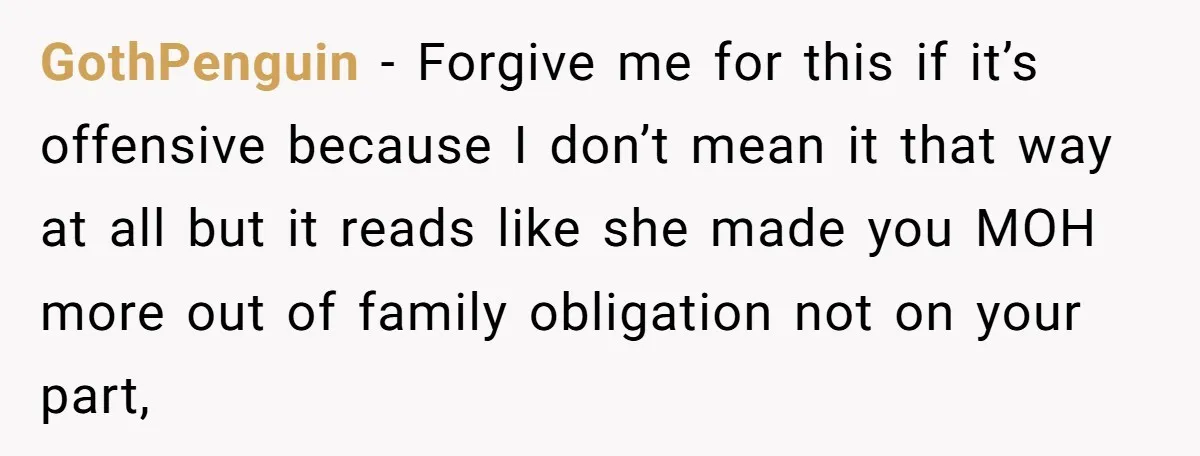
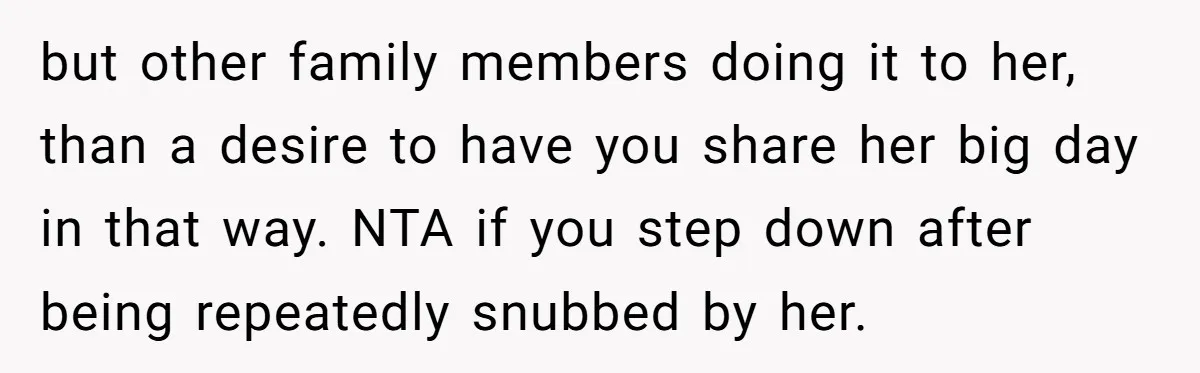
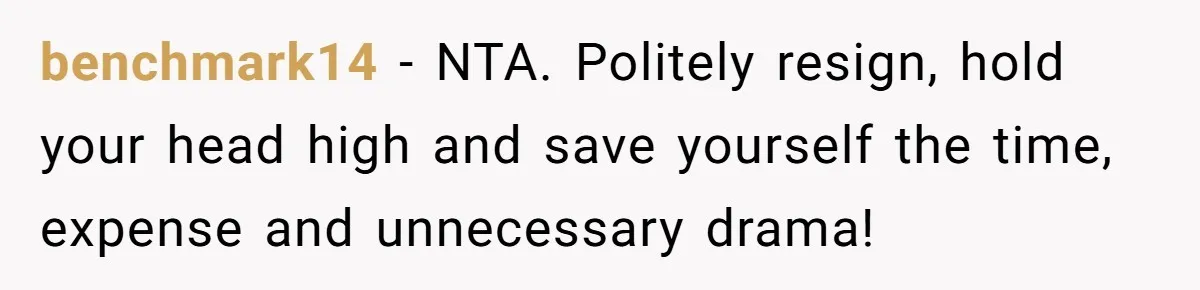
Nearly everyone urges her to step down gracefully, viewing the exclusion as clear signals she isn’t truly wanted in the role.
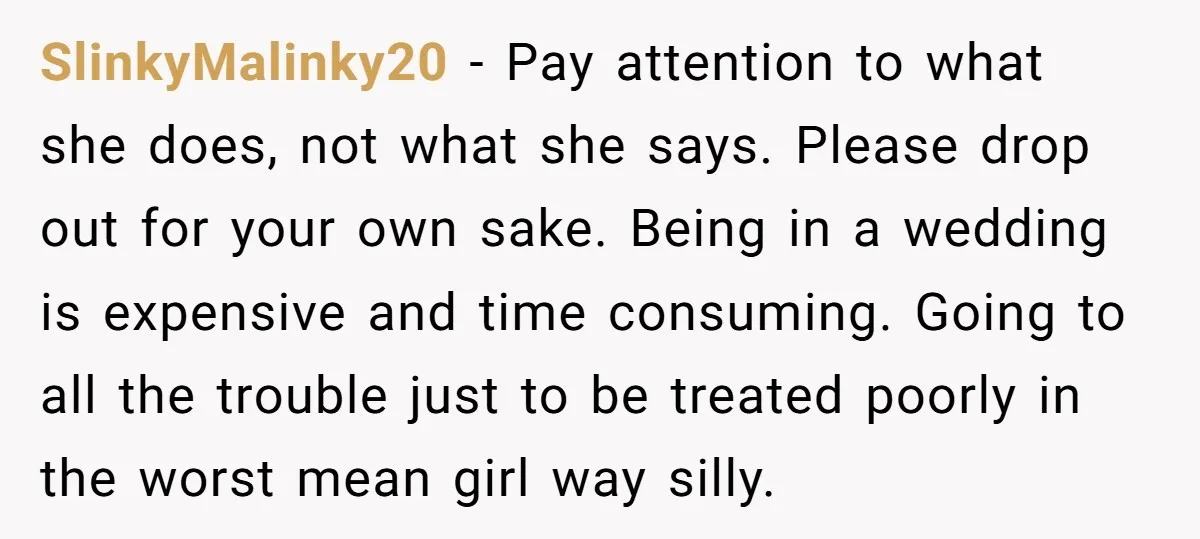
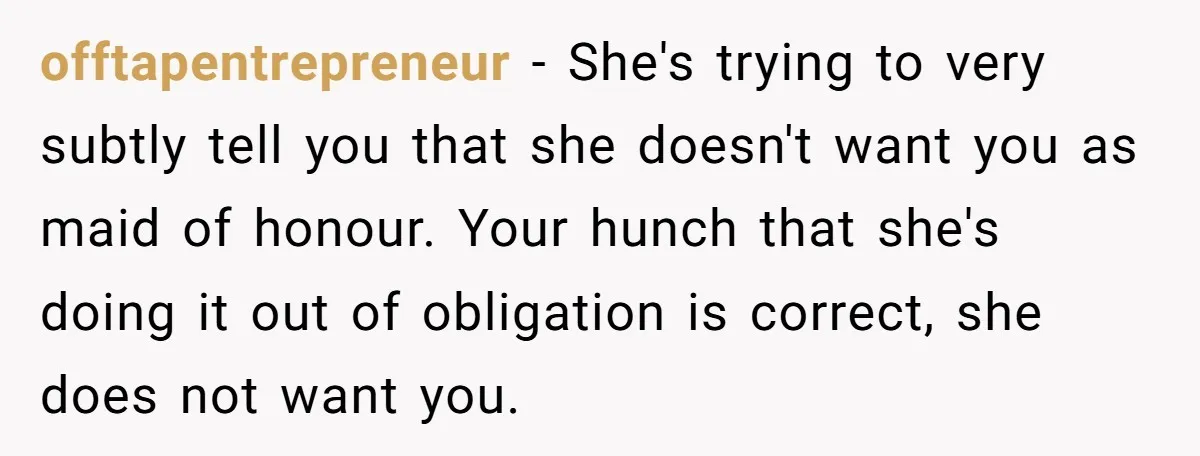
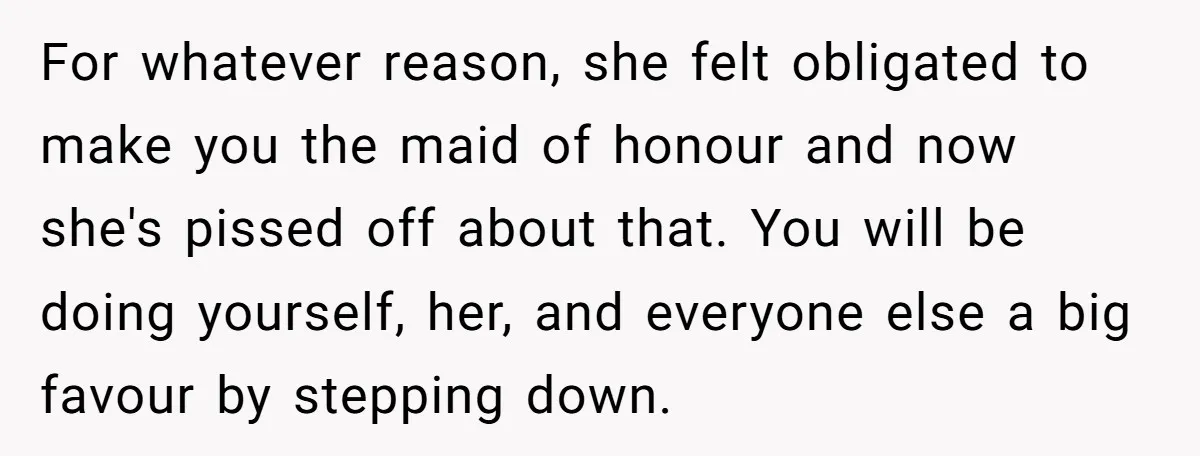
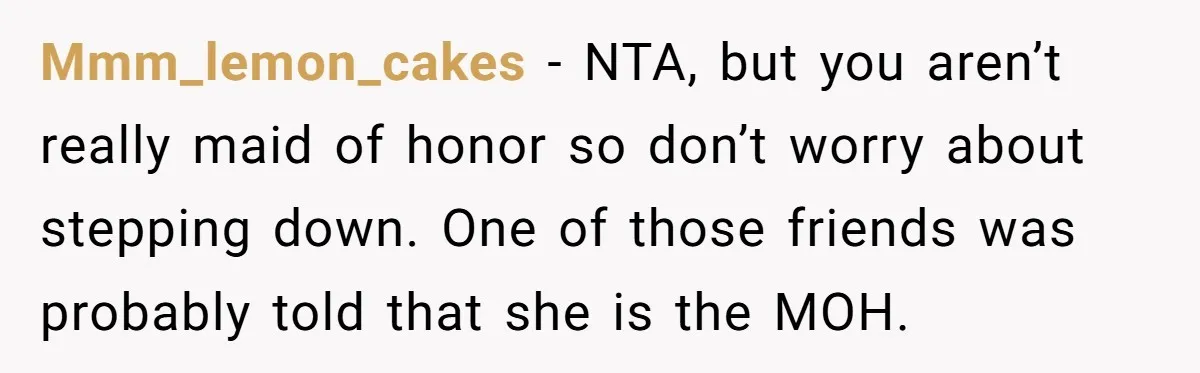
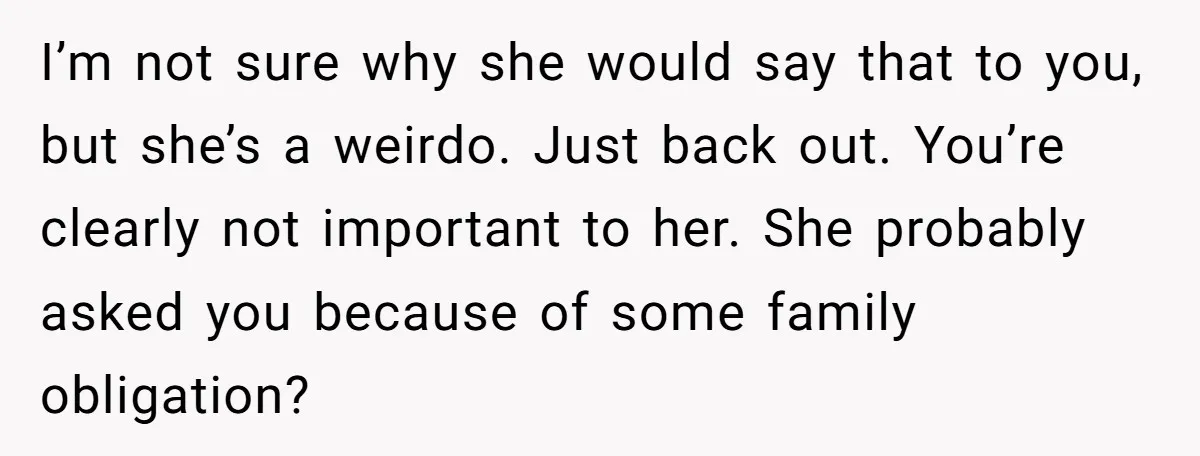
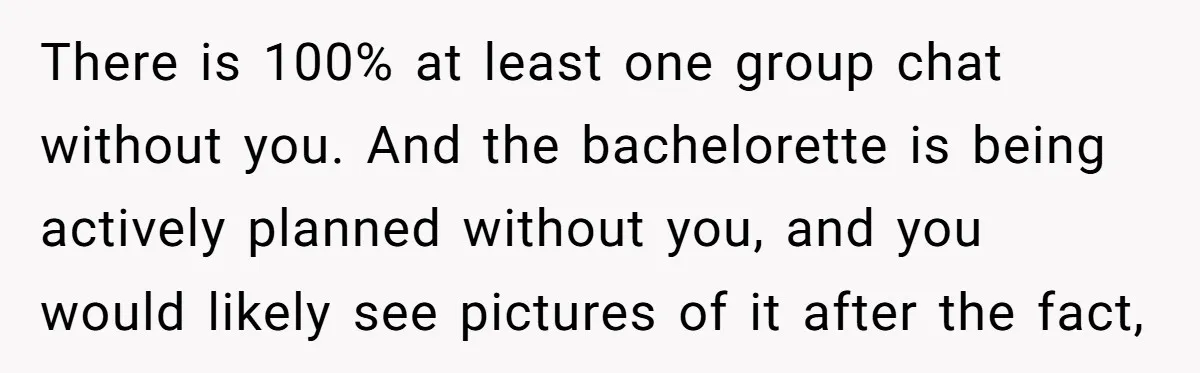
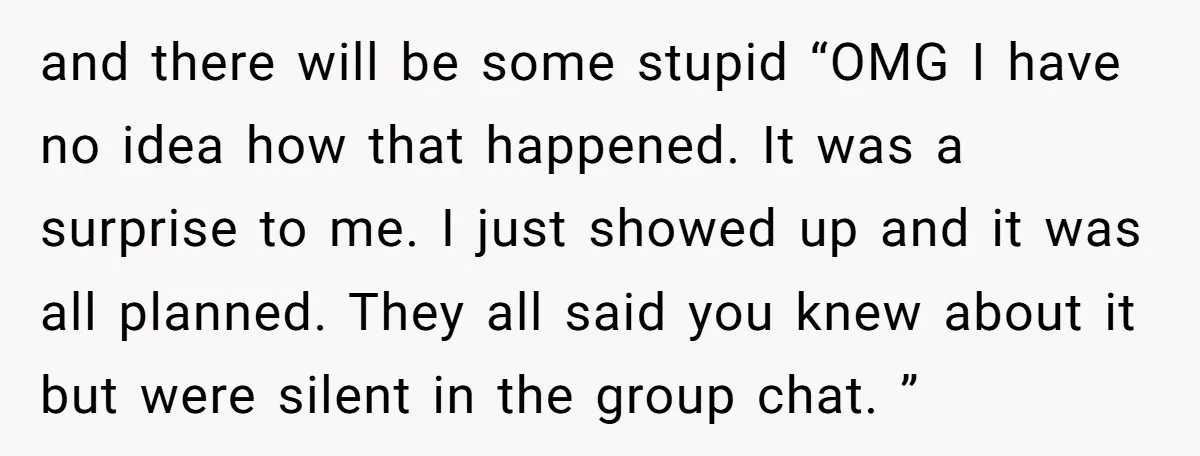
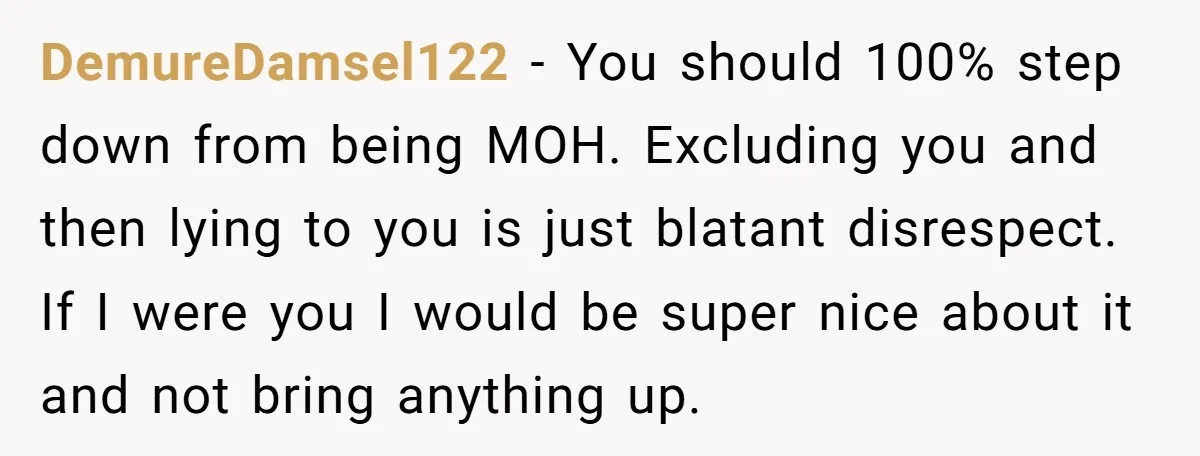
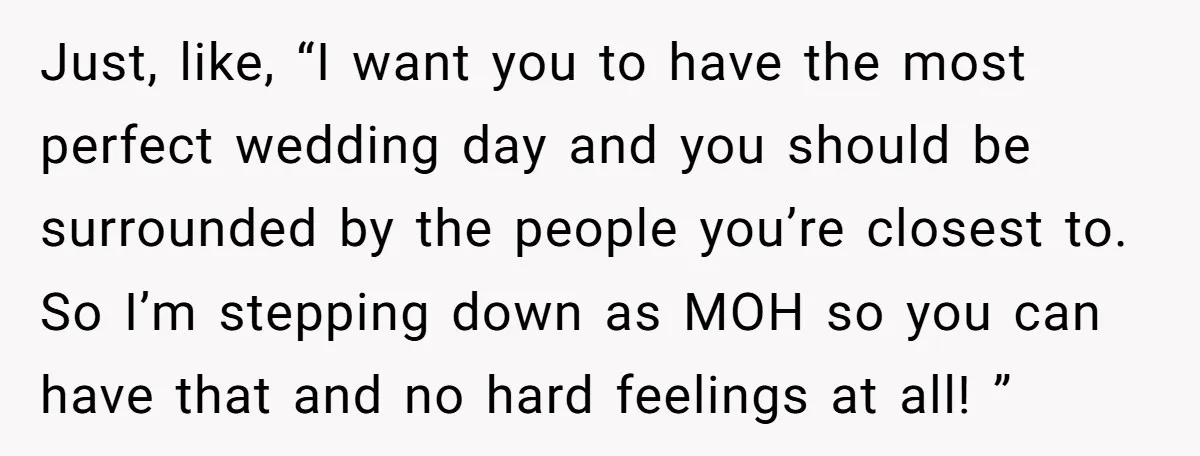
A few commenters speculate on motives while still supporting her exit.
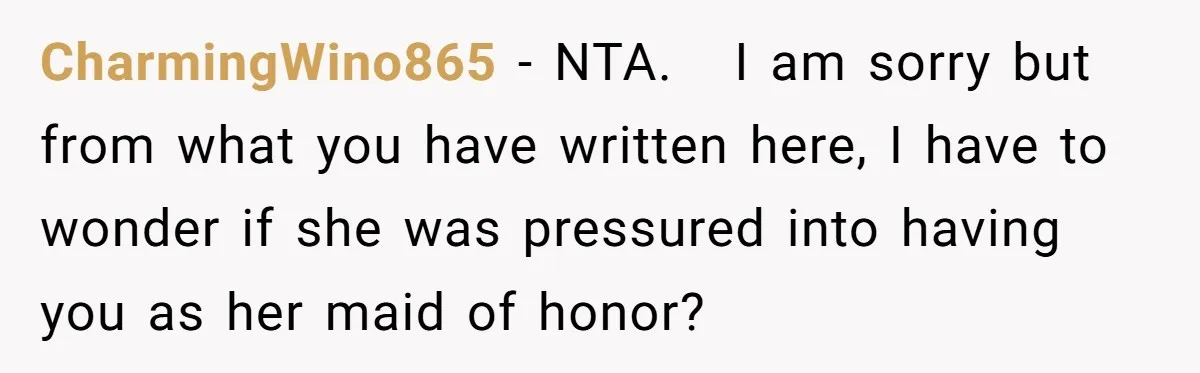
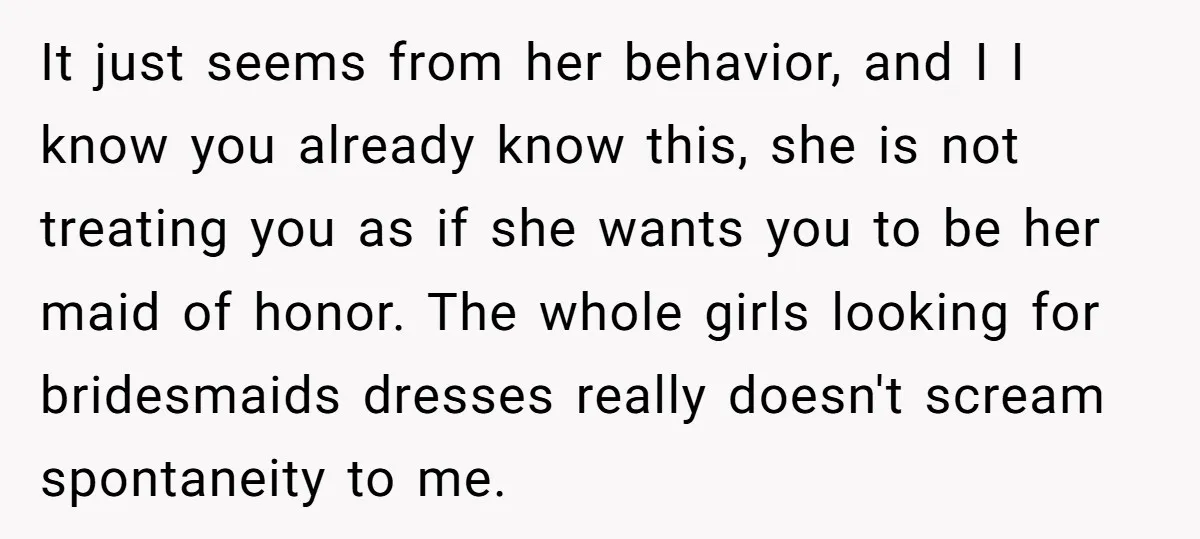
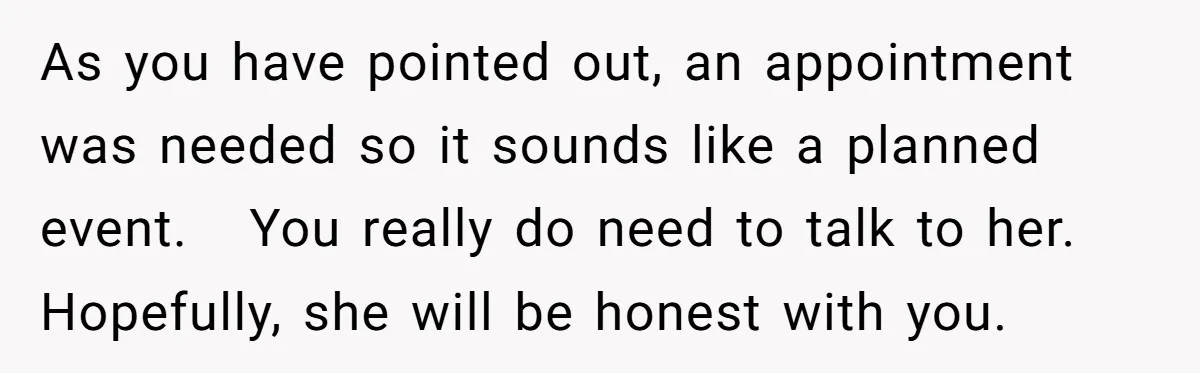
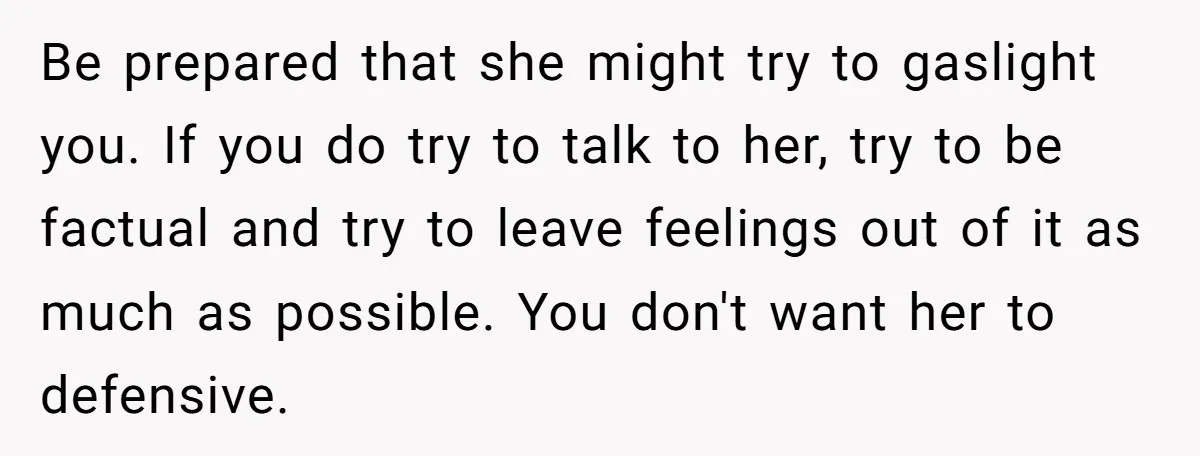
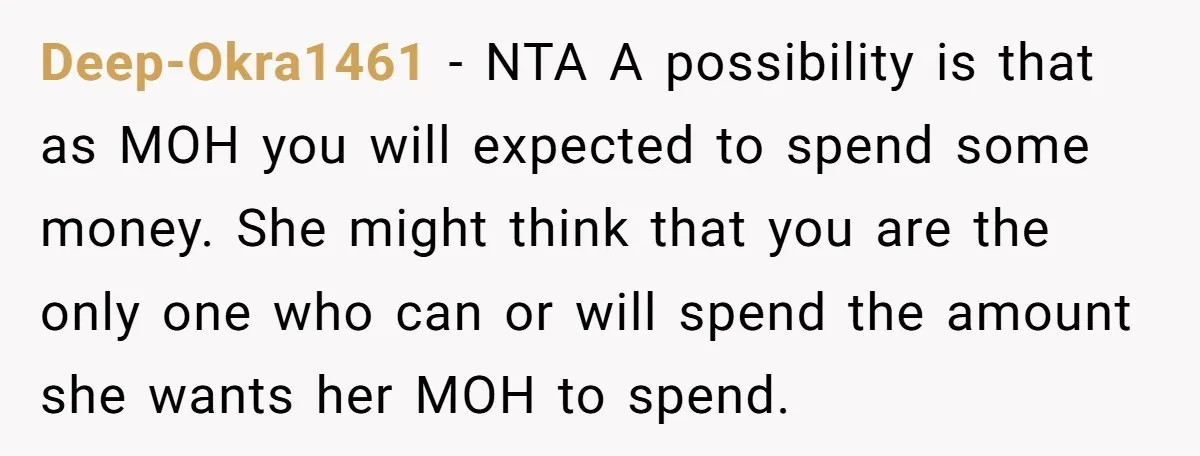
Light-hearted or direct takes emphasize self-preservation with a touch of humor.
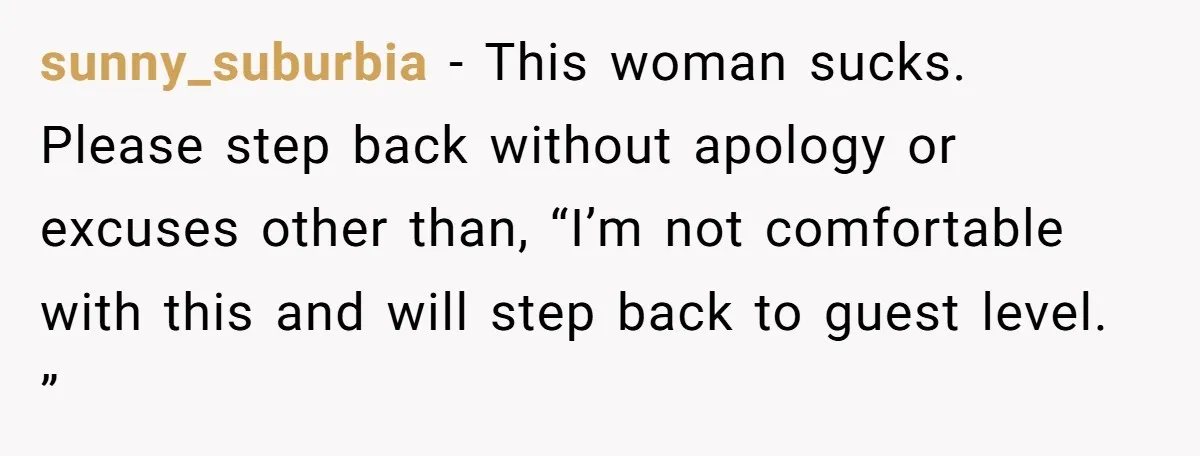
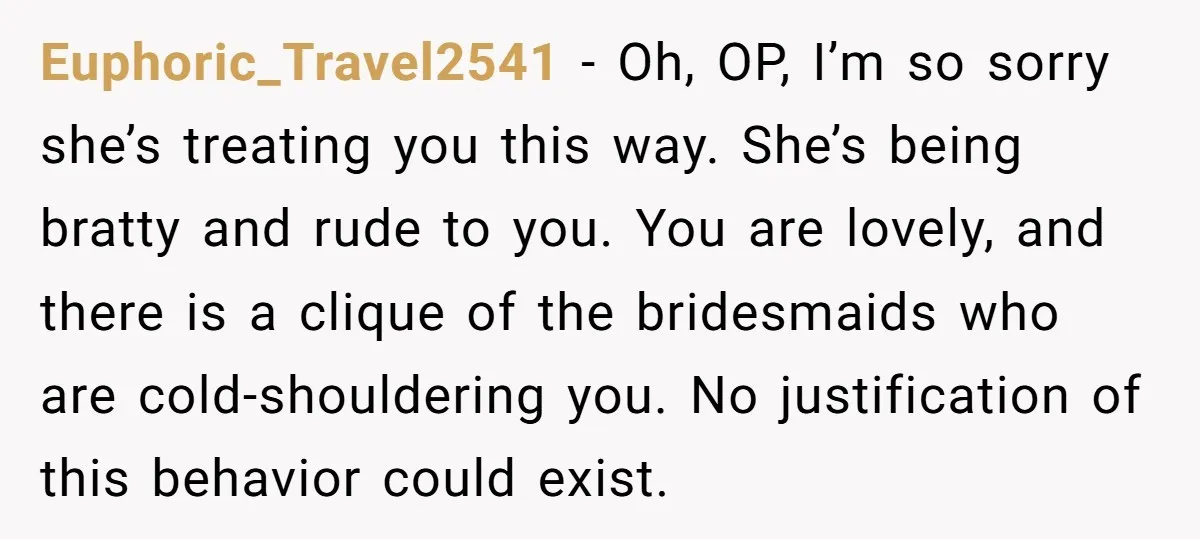
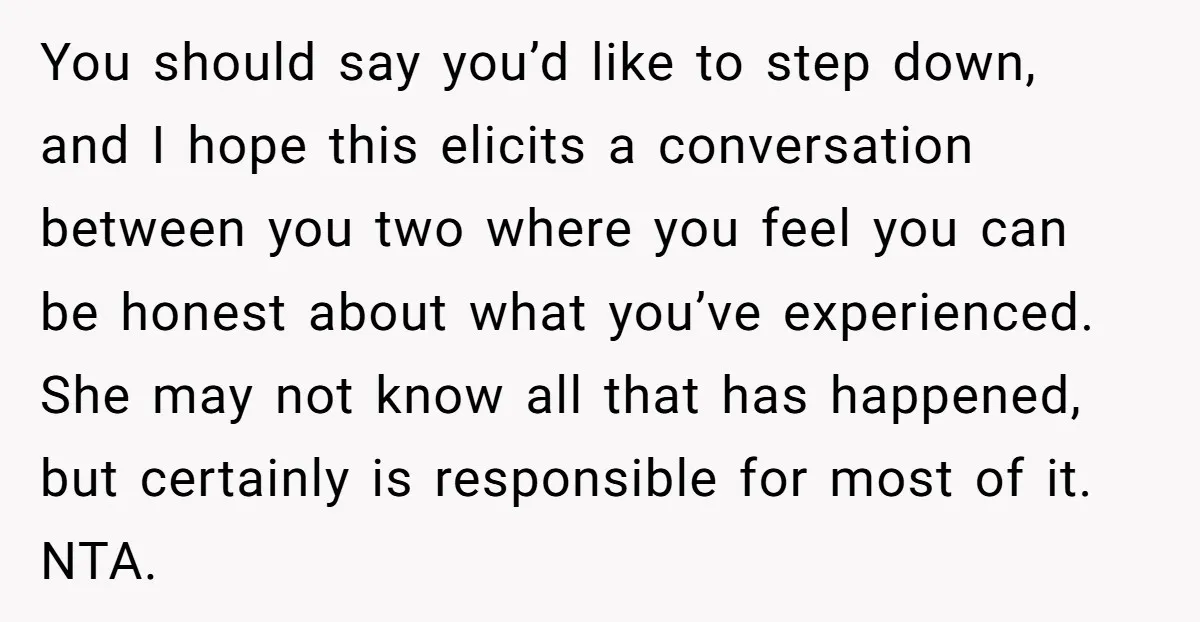
This story captures the sting of realizing a cherished role was offered out of duty rather than desire, with exclusion and small lies turning excitement into anxiety. The community overwhelmingly backs stepping down to protect her peace and let the bride enjoy her day with her true inner circle.
Have you ever stepped away from a wedding party role due to feeling sidelined? How did you phrase the conversation to keep family harmony? Or have you been on the bride’s side—did family obligation play a part in your choices? Share your experiences below.