
A woman in her early thirties thought her biggest worry during pregnancy would be her health, not her husband’s sister. As she prepared for a baby shower planned early due to medical risks, an old source of stress suddenly resurfaced. Her sister-in-law, long absent from family events, was coming back into their lives, and the warning signs appeared almost immediately.
What followed was a cascade of late-night messages, unresolved jealousy, and deeply unsettling behavior that left the expectant mother questioning whether protecting her peace made her the villain. As reactions poured in across social media, readers were sharply divided between compassion for mental health struggles and concern for clear emotional boundaries. The twist lies in how quickly a simple RSVP spiraled into a moment that forced the entire family to confront something they had avoided for years.


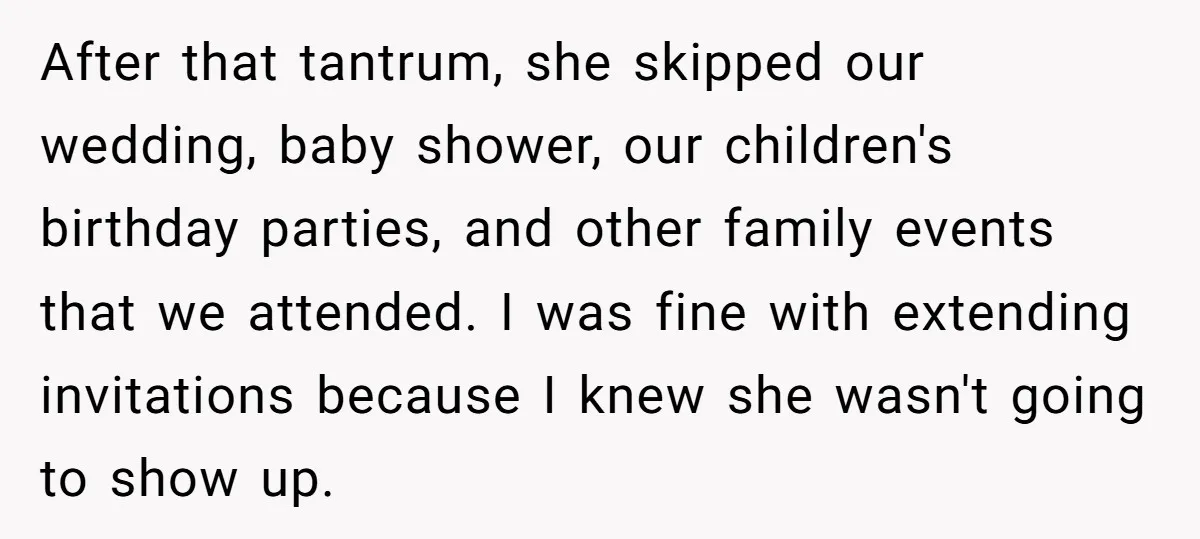
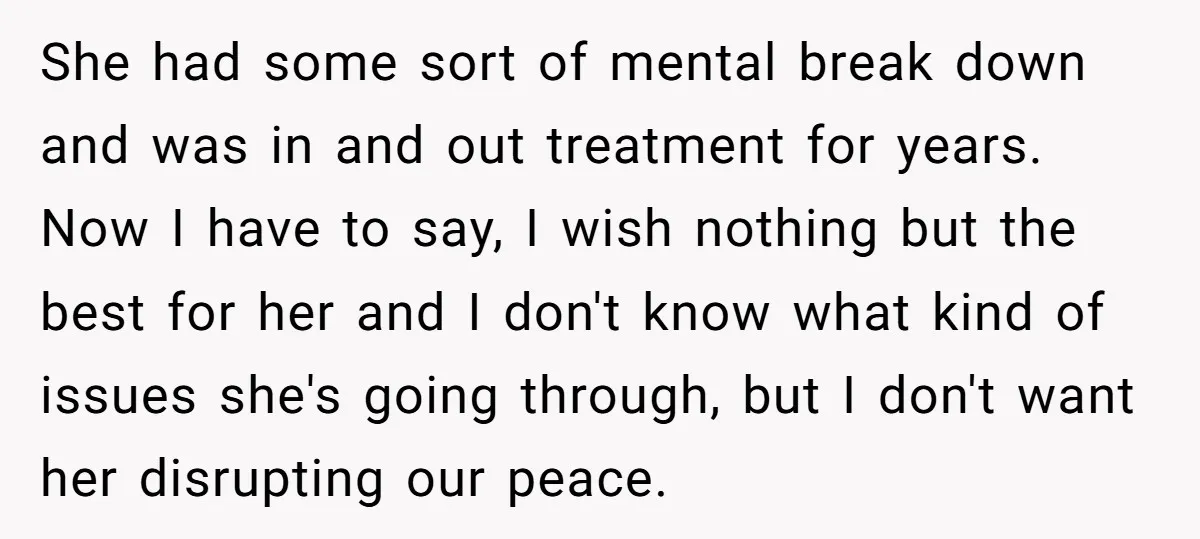
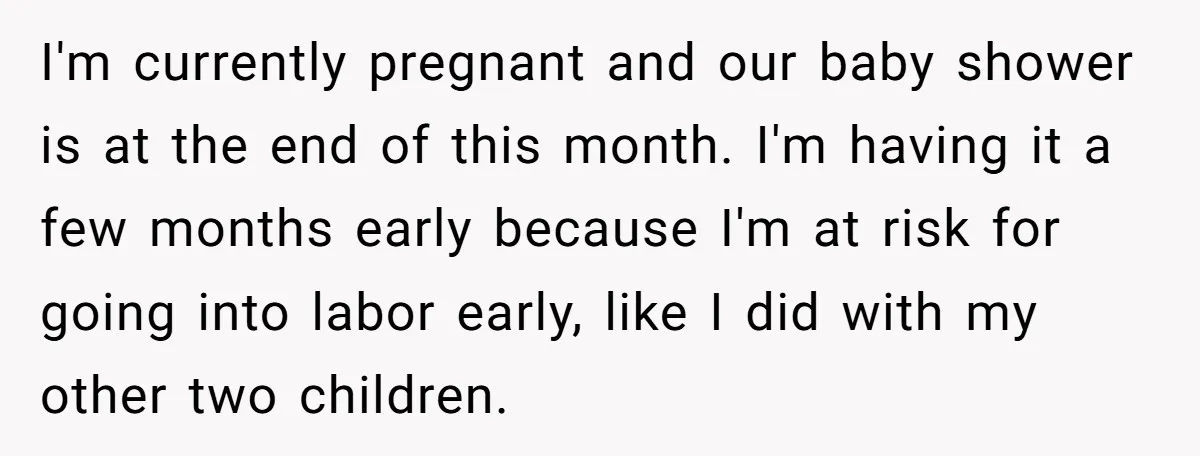
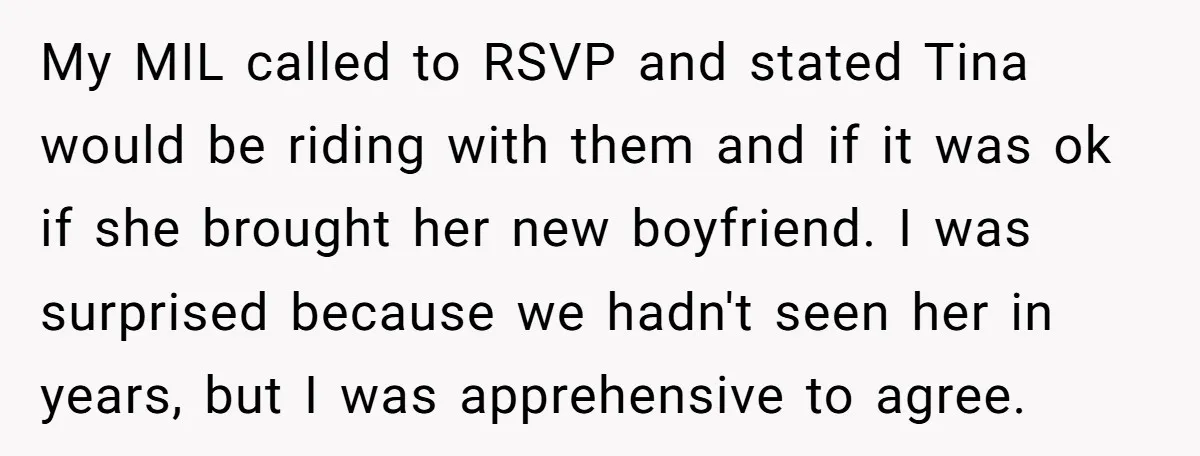
The tension began years ago, starting with an unsettling first encounter that never sat right
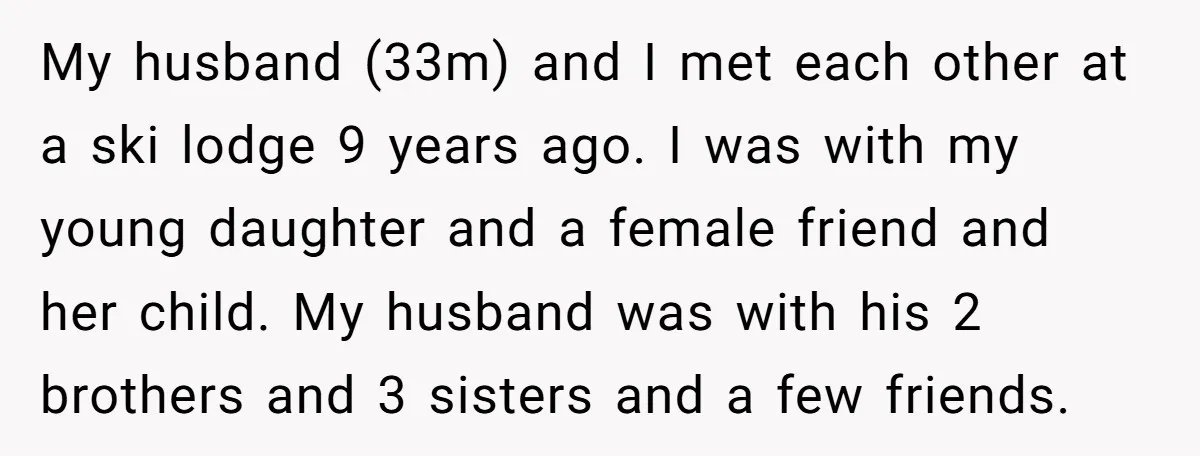
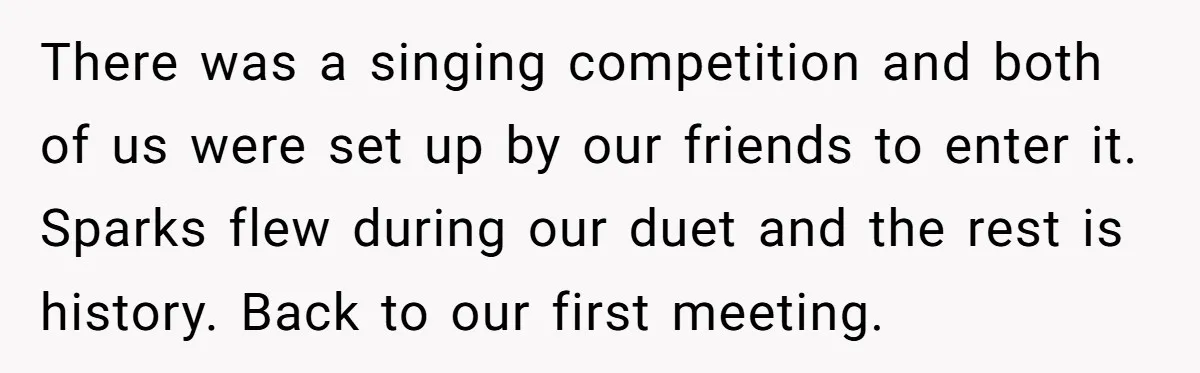
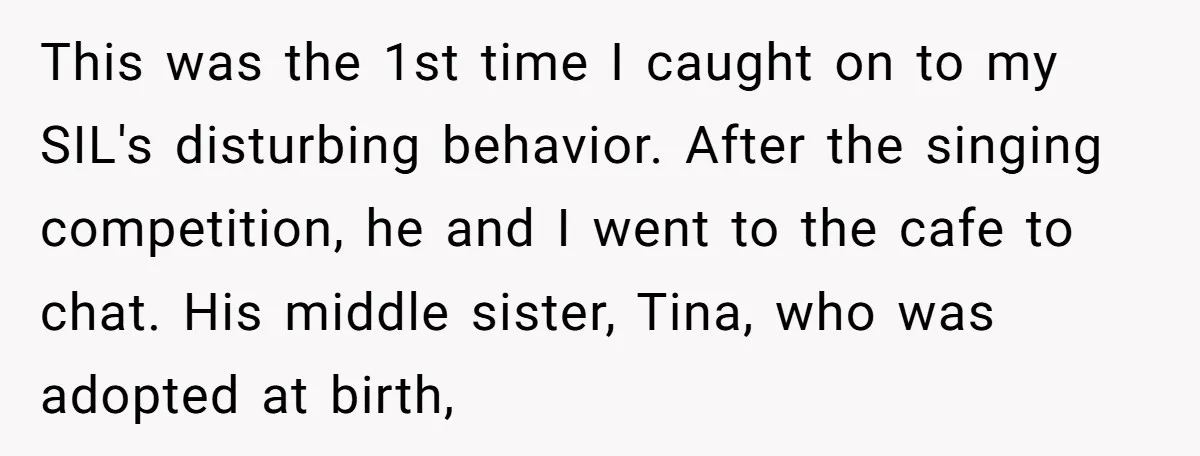

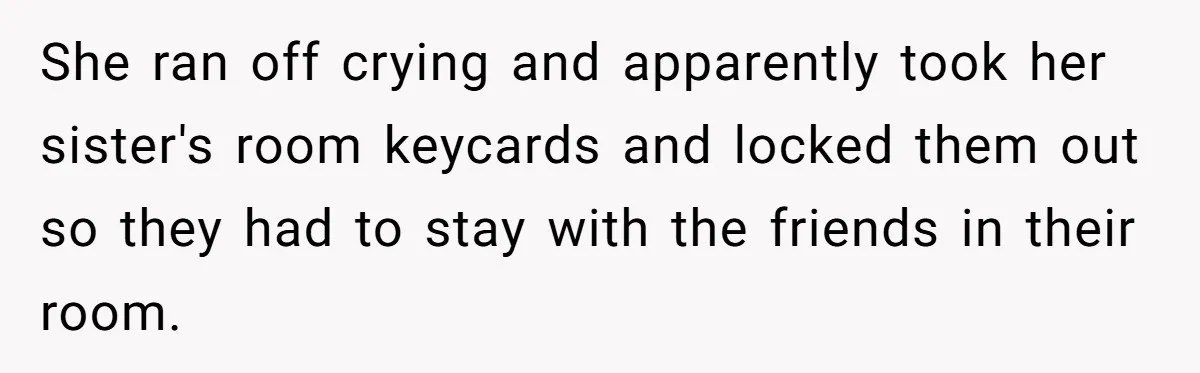
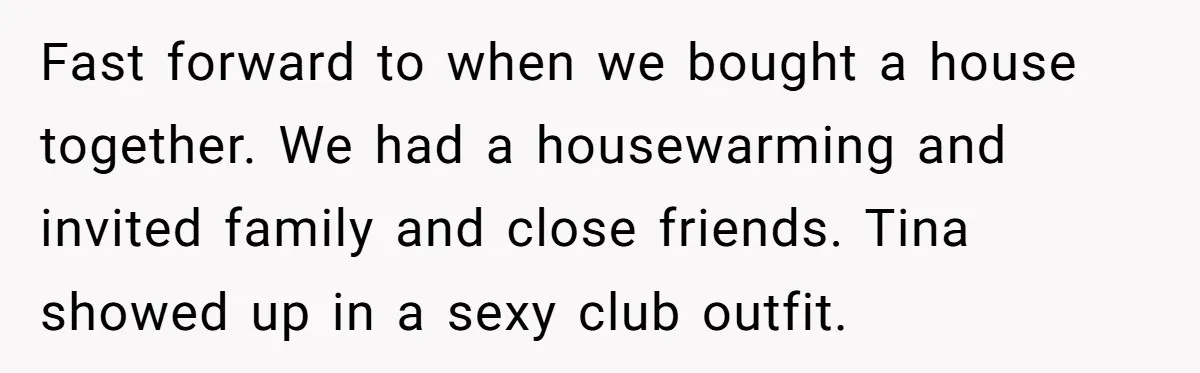
Over time, her behavior escalated into openly inappropriate actions at family gatherings
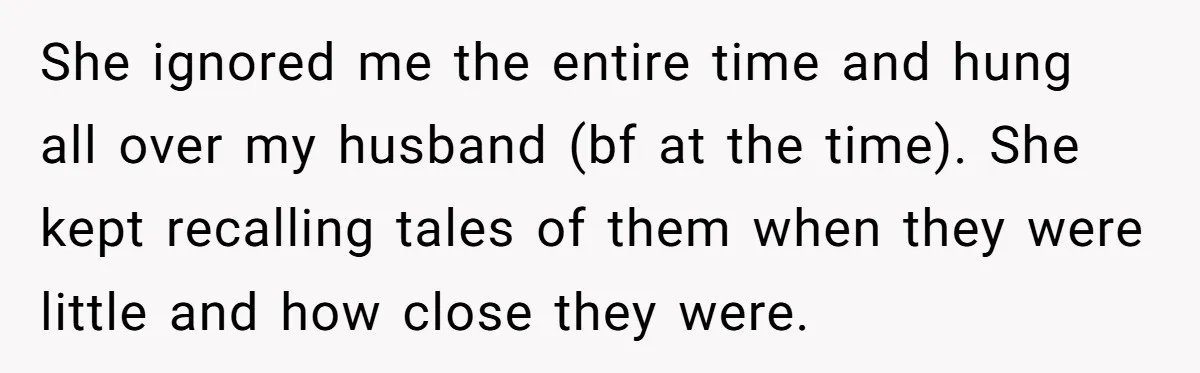



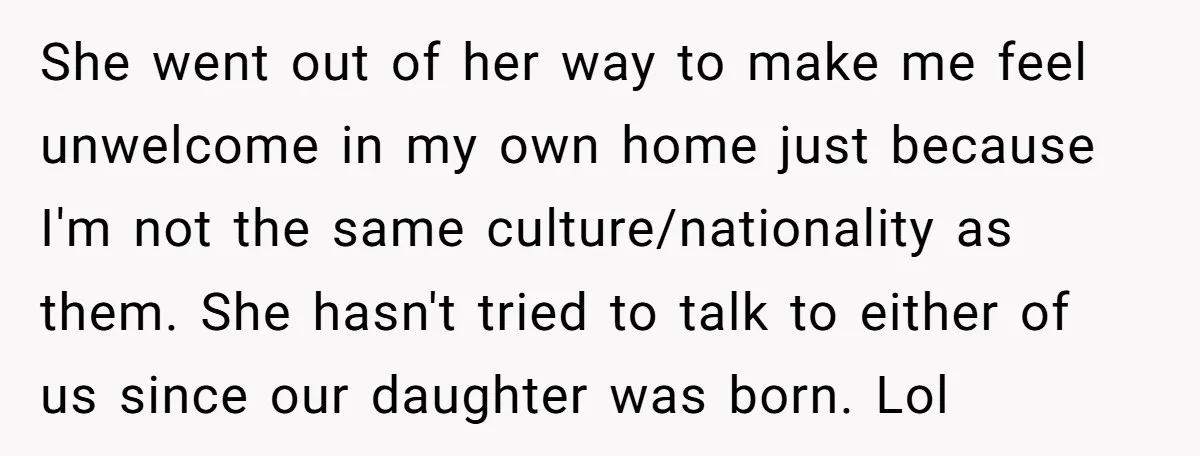
The situation grew more disturbing as comments crossed personal and racial boundaries



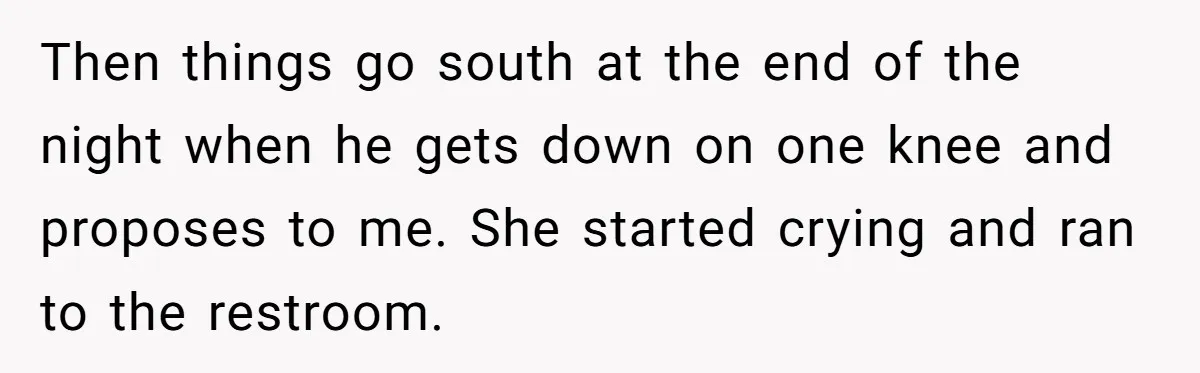
Everything came to a breaking point the moment he proposed publicly
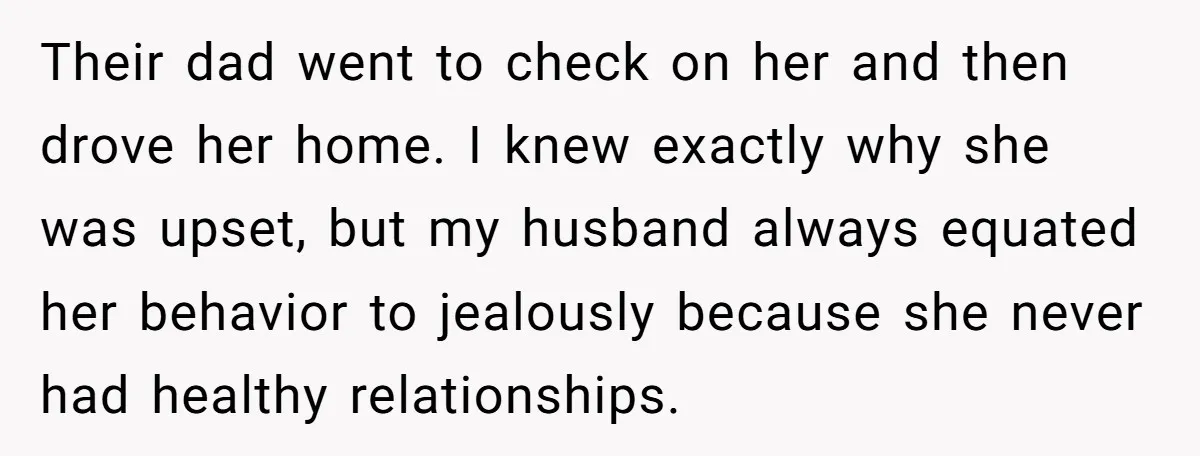
Years later, her sudden reappearance reignited fear, stress, and firm boundaries
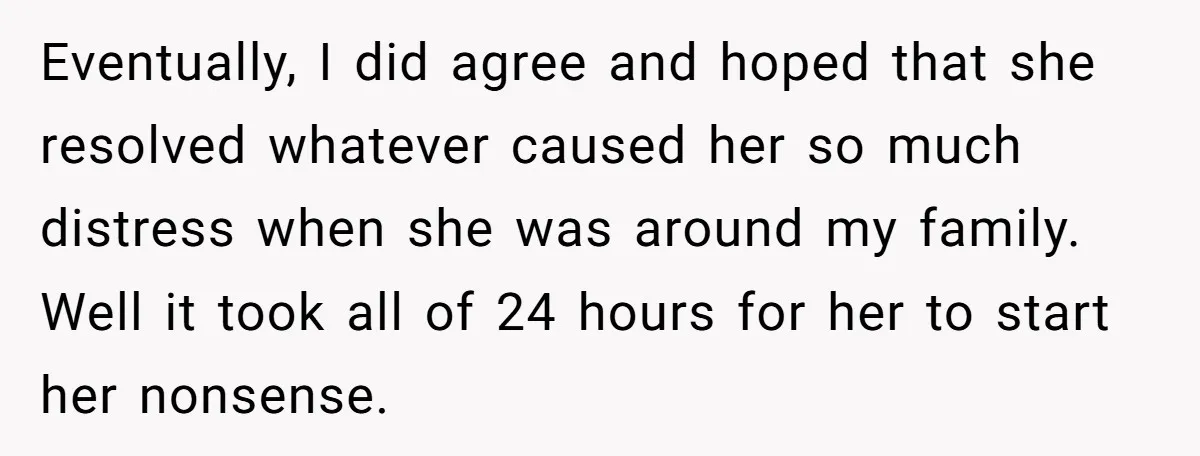

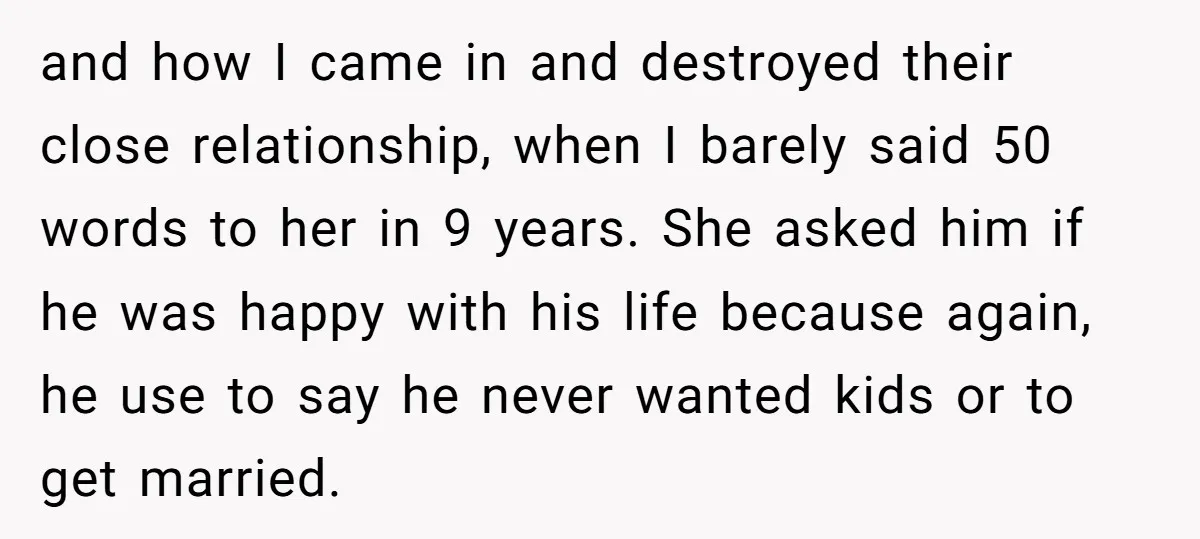


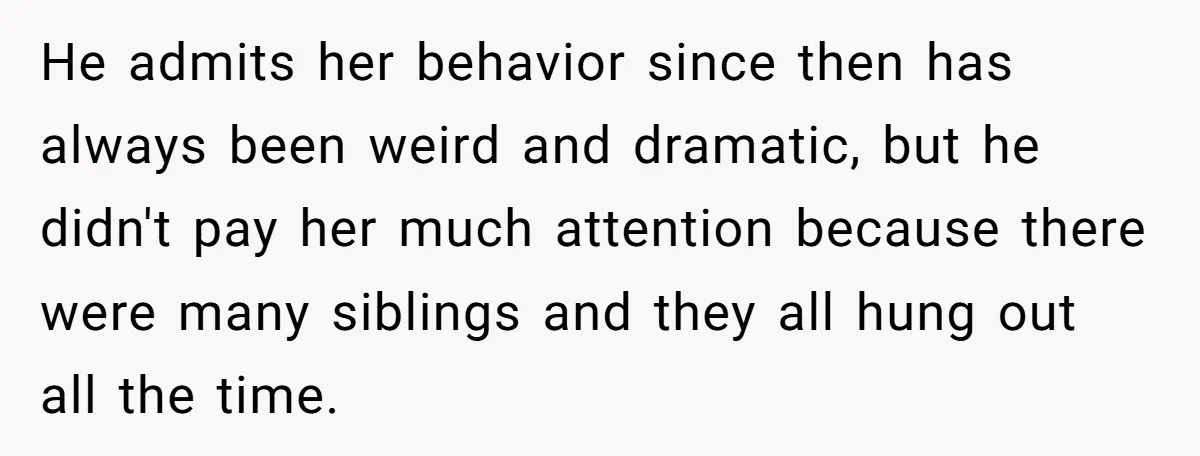
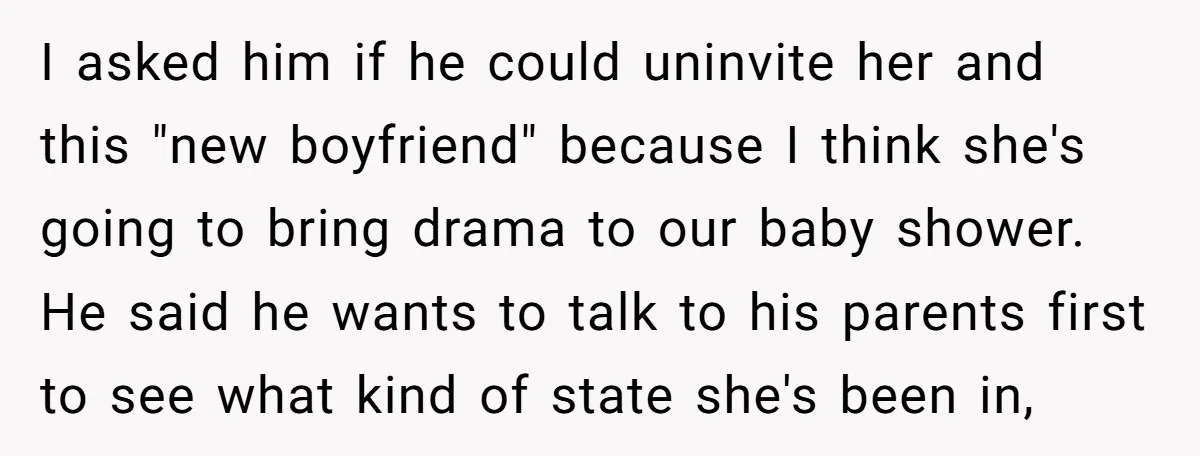

Situations like this often sit at the intersection of family loyalty, unresolved attachment, and fear of confrontation. The poster is dealing with competing responsibilities: protecting her emotional well-being during a high-risk pregnancy while navigating a family member whose behavior appears intrusive and destabilizing. From her point of view, the baby shower represents safety and joy, something she feels is at risk.
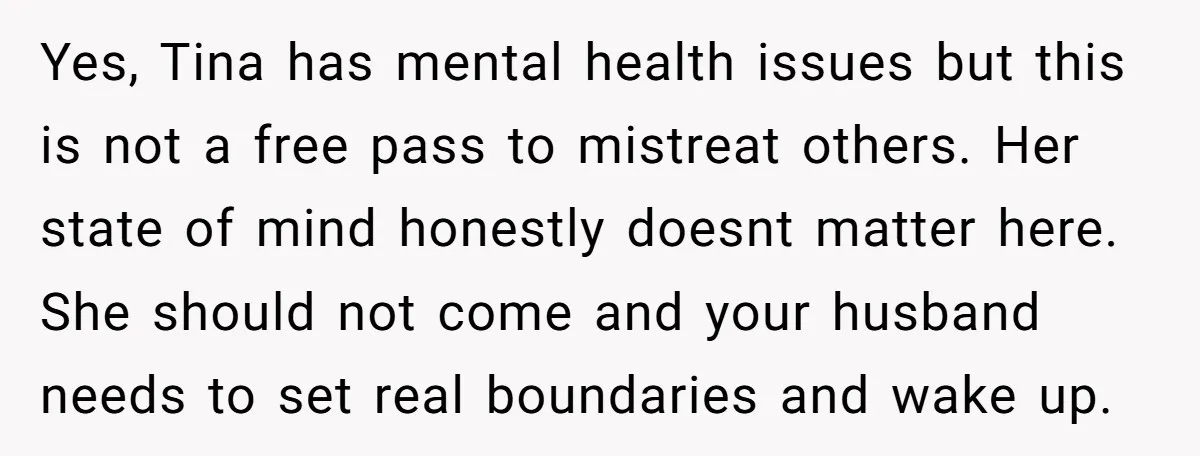
Looking from the sister-in-law’s side, unaddressed emotional fixation can intensify when major life events occur. Engagements, pregnancies, and milestones can act as triggers, especially for someone with a history of unstable relationships or mental health treatment. That context may explain the behavior, yet it does not excuse it.
Relationship psychologist Dr. John Gottman has said, “Boundaries are a sign of respect, not rejection.” This idea resonates here. Boundaries allow families to function without enabling harmful patterns. Allowing repeated emotional oversteps can quietly reinforce them, even when intentions are gentle.
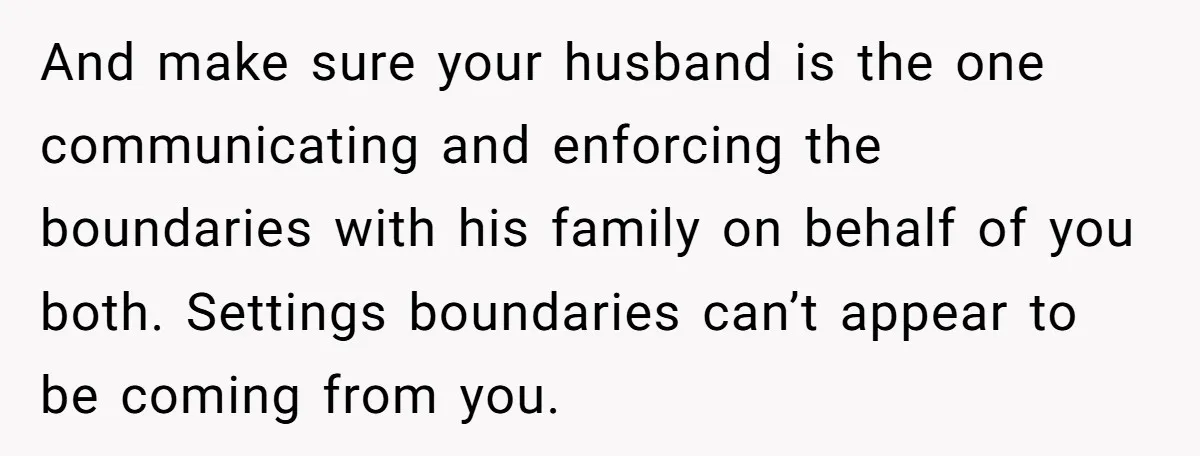
For couples facing similar dynamics, experts often suggest a unified front. Communication with extended family should come from the spouse directly connected to the issue, paired with clear limits and follow-through. In moments involving pregnancy or health risk, prioritizing calm environments is practical, not selfish. Support systems work best when everyone understands that peace is not negotiable.
Here’s how people reacted to the post:
Many users supported the poster, emphasizing safety, peace, and accountability.
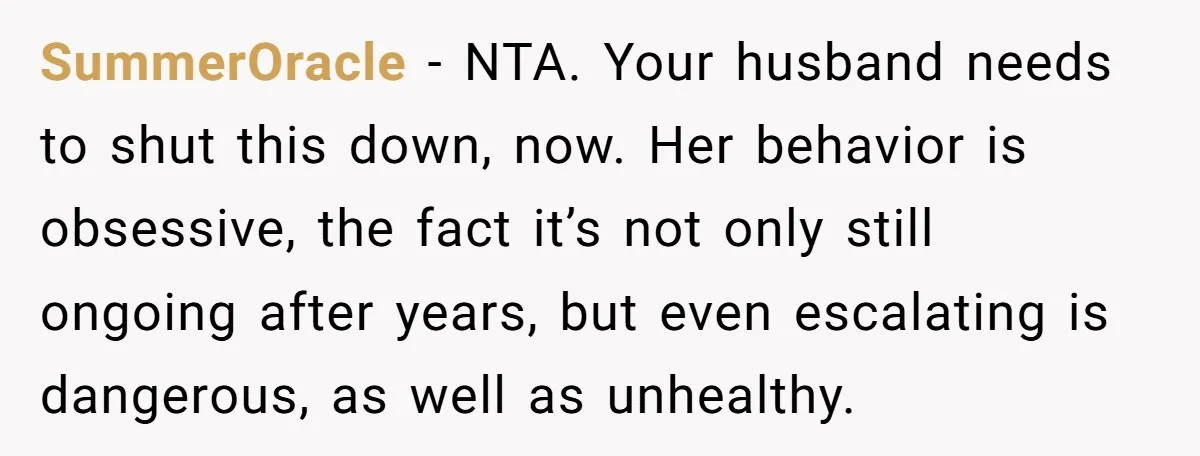
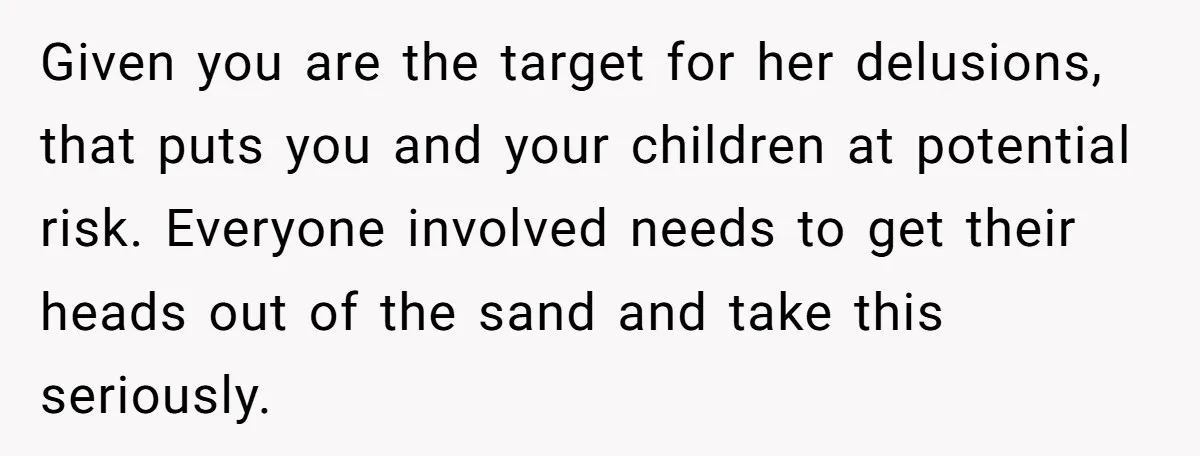
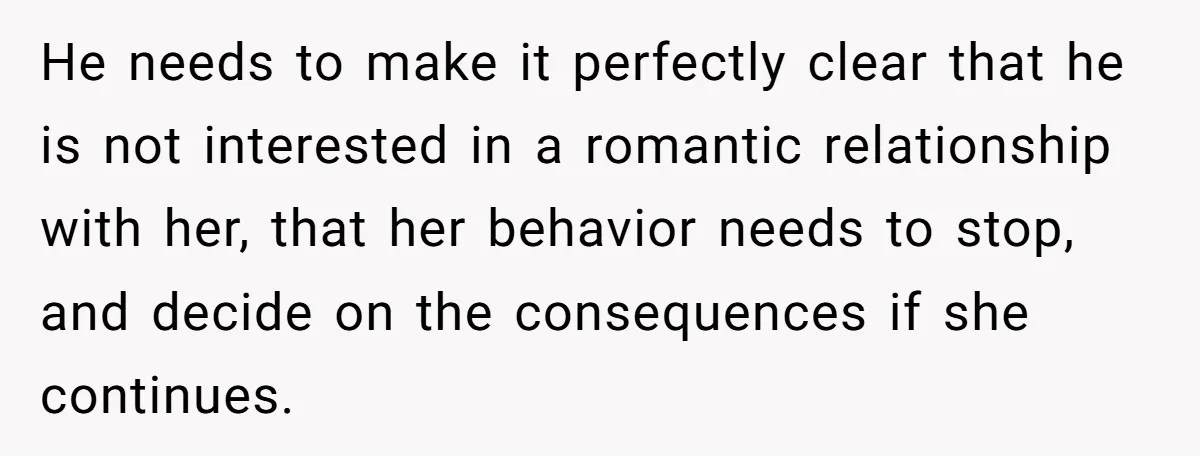
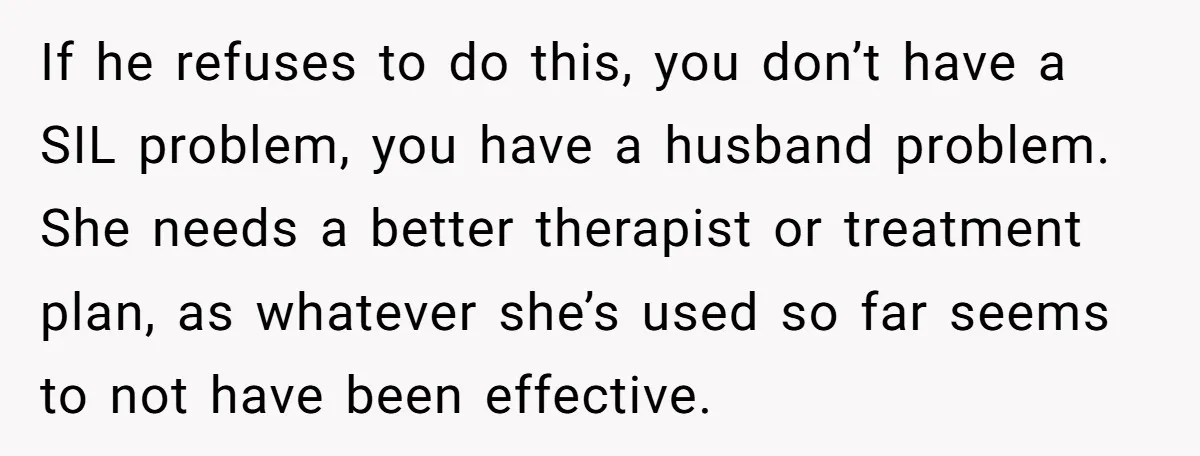



![[Reddit User] − NTA. It's YOUR shower. Simply screenshot her crazy 3 am messages and send to your in laws. Tell them the stress won't be good for their grandbaby.](https://loknam.com/aita/images/33e26c2222/wp-editor-1768210925280-9.webp)

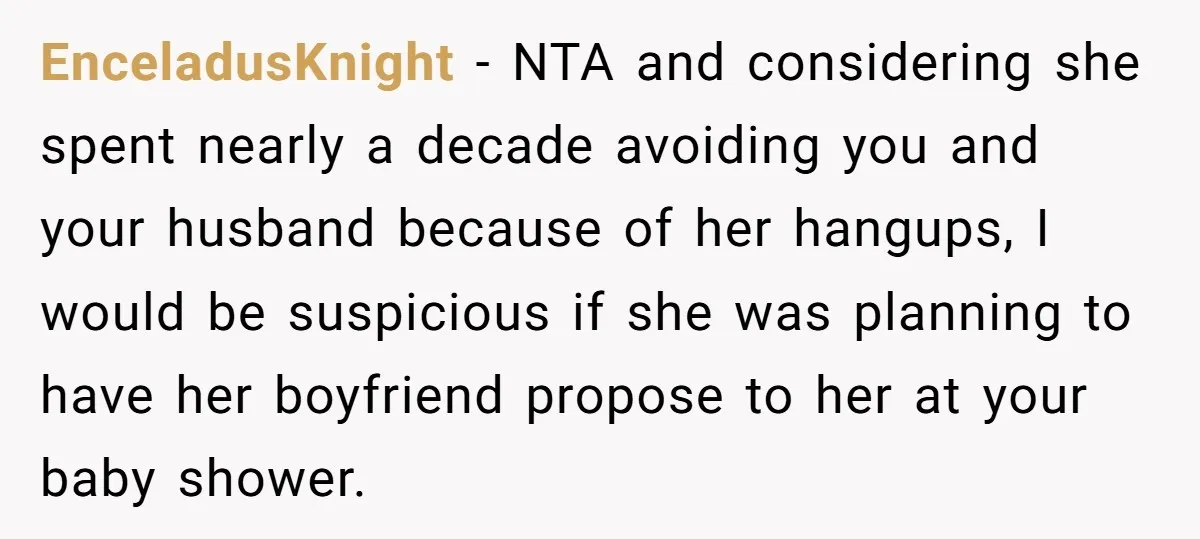
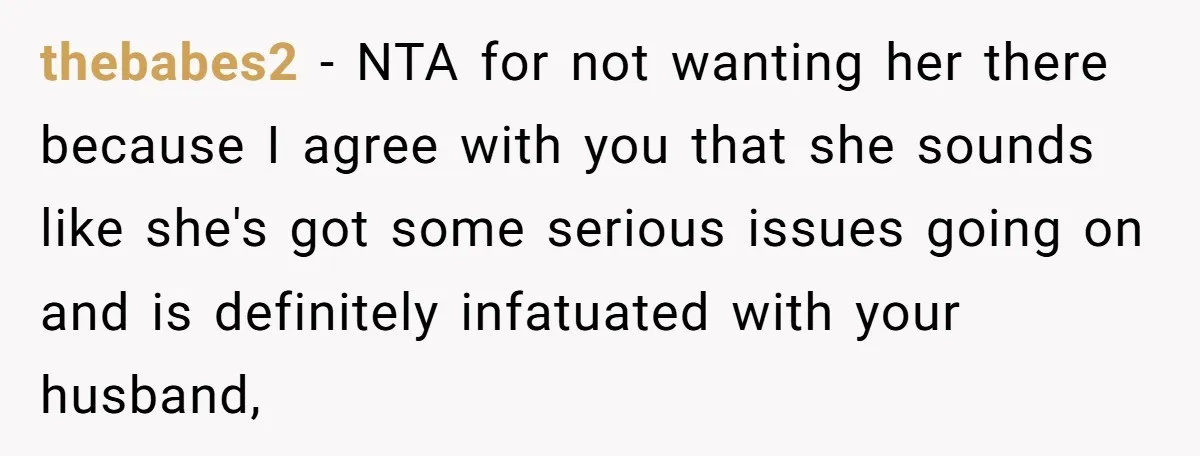
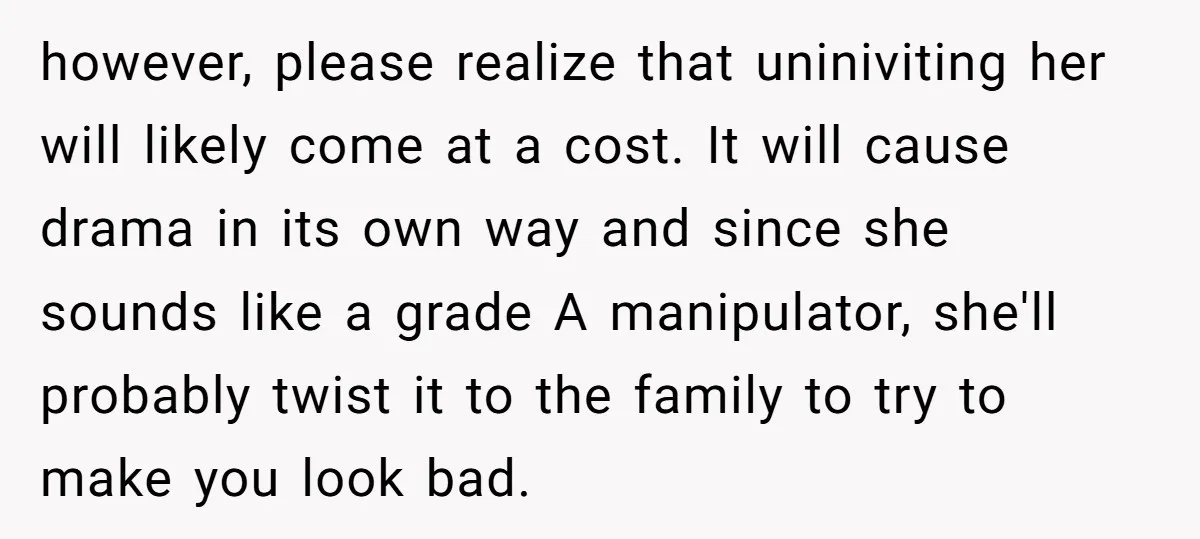
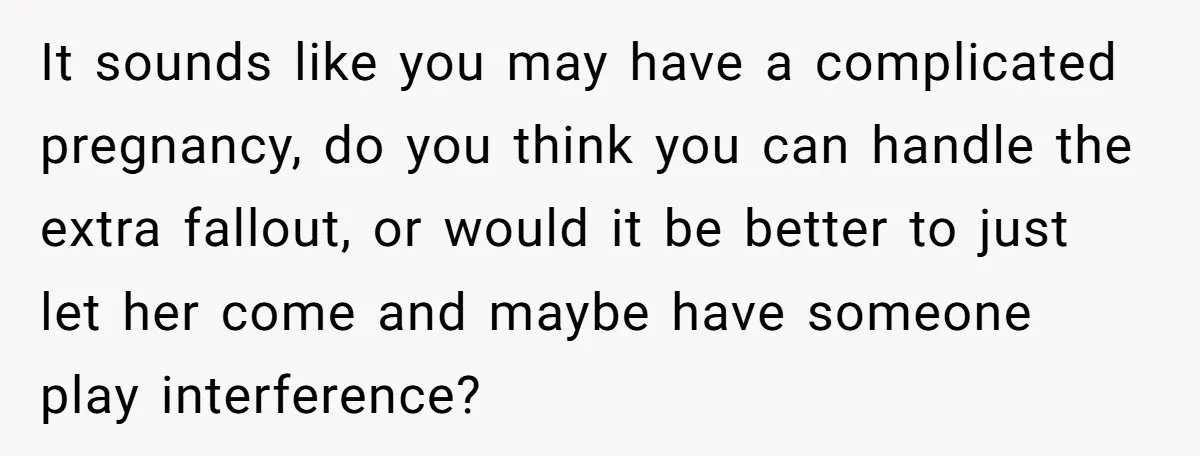
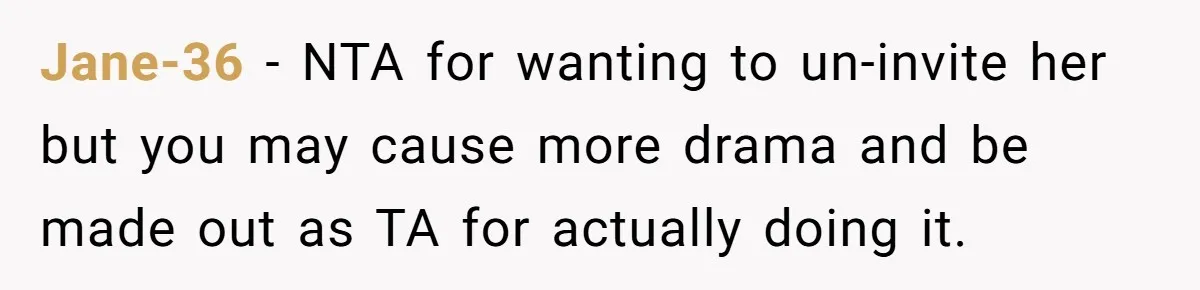
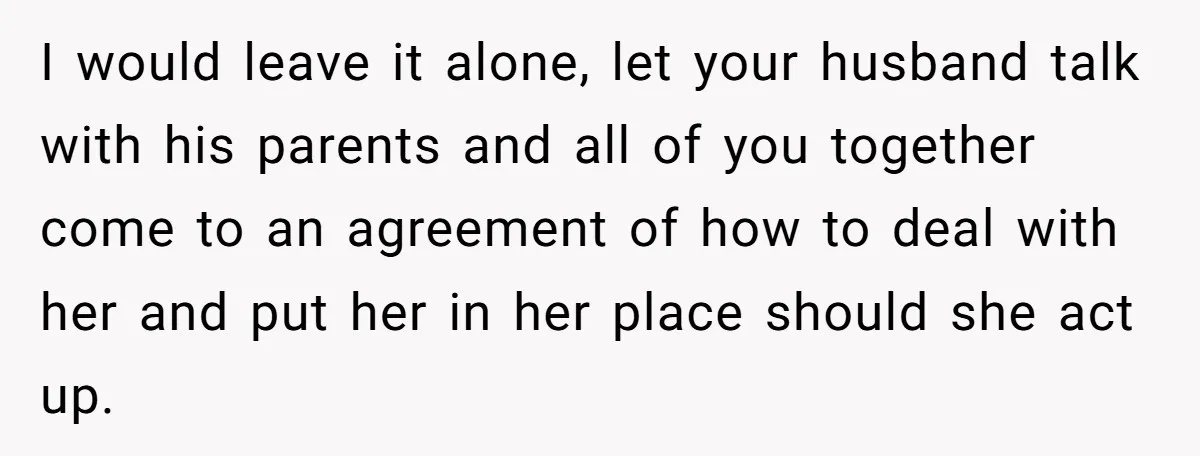
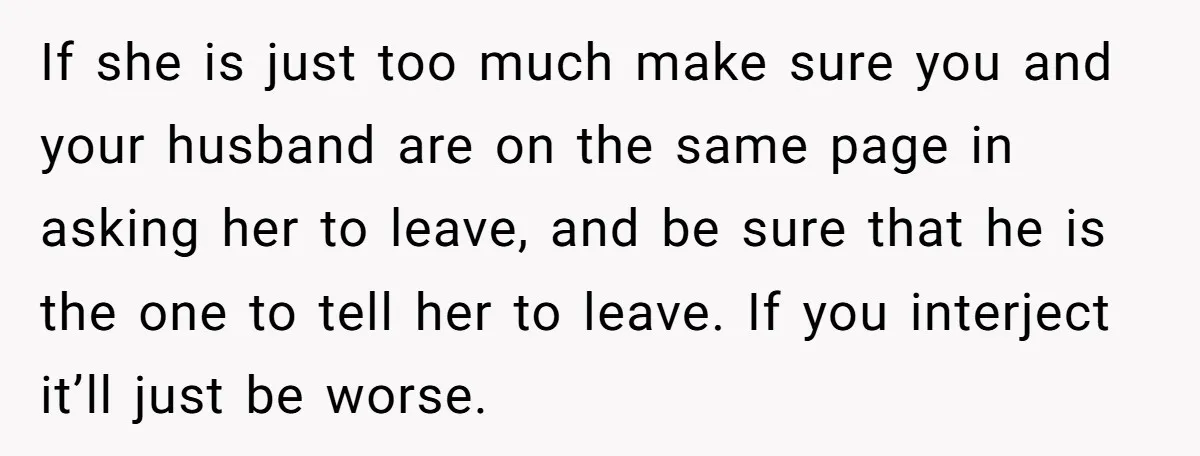
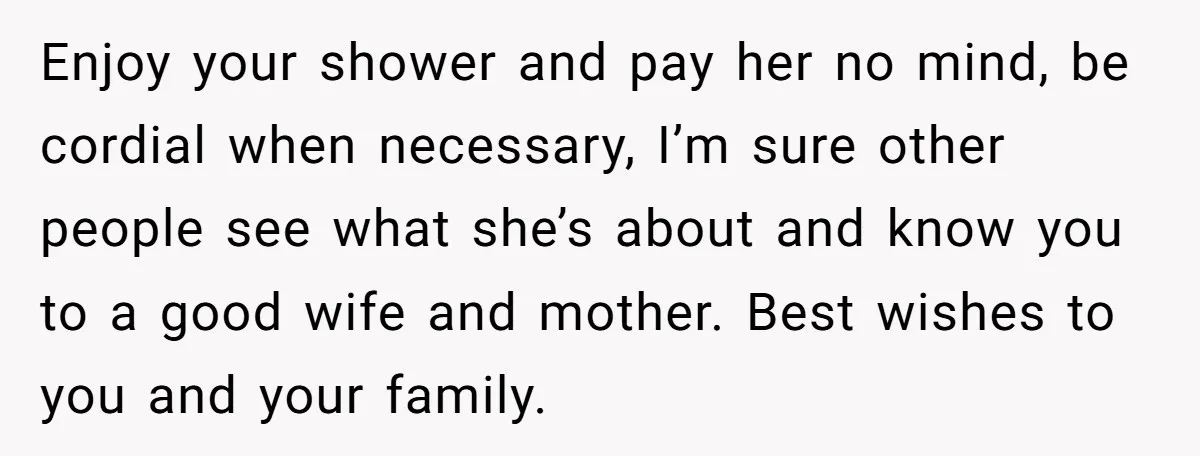
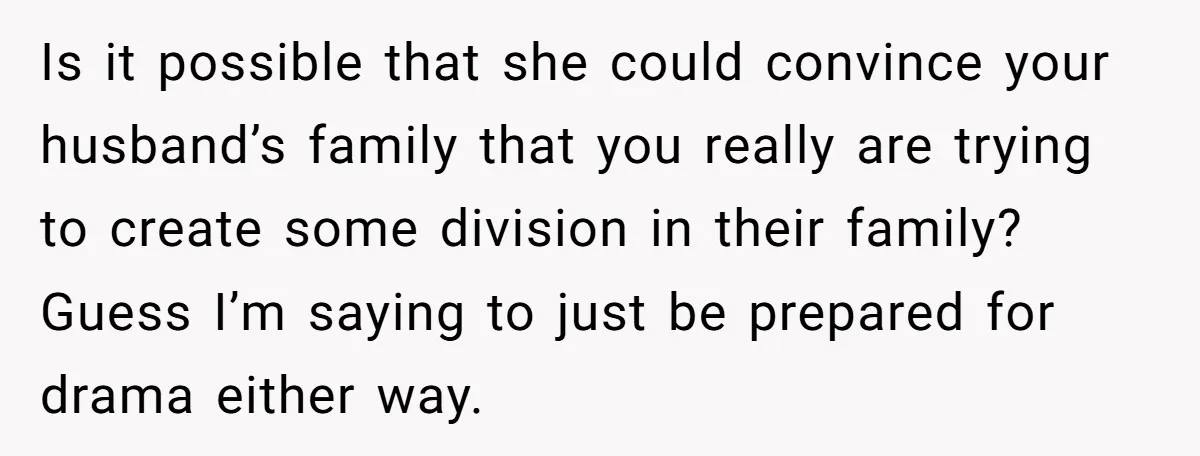
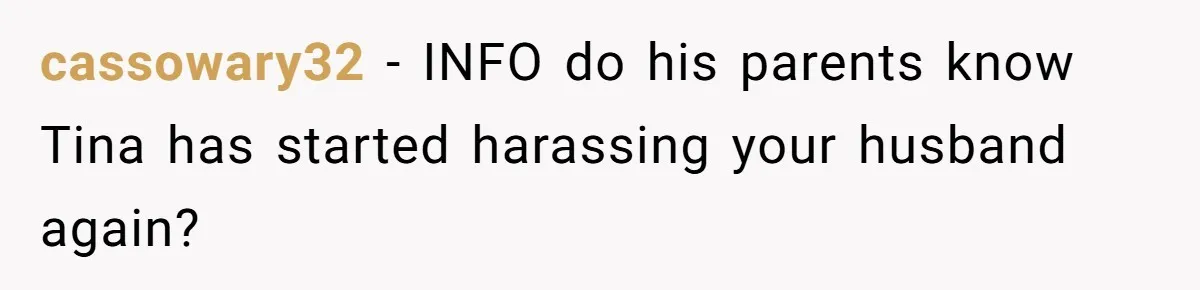
Others offered more cautious or mixed perspectives about fallout and family dynamics.



A few commenters used humor or pop culture to lighten the tension.

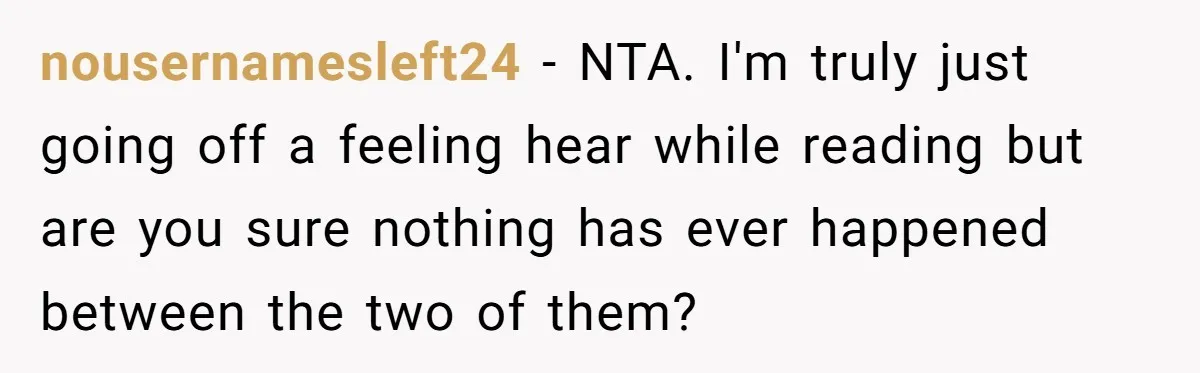
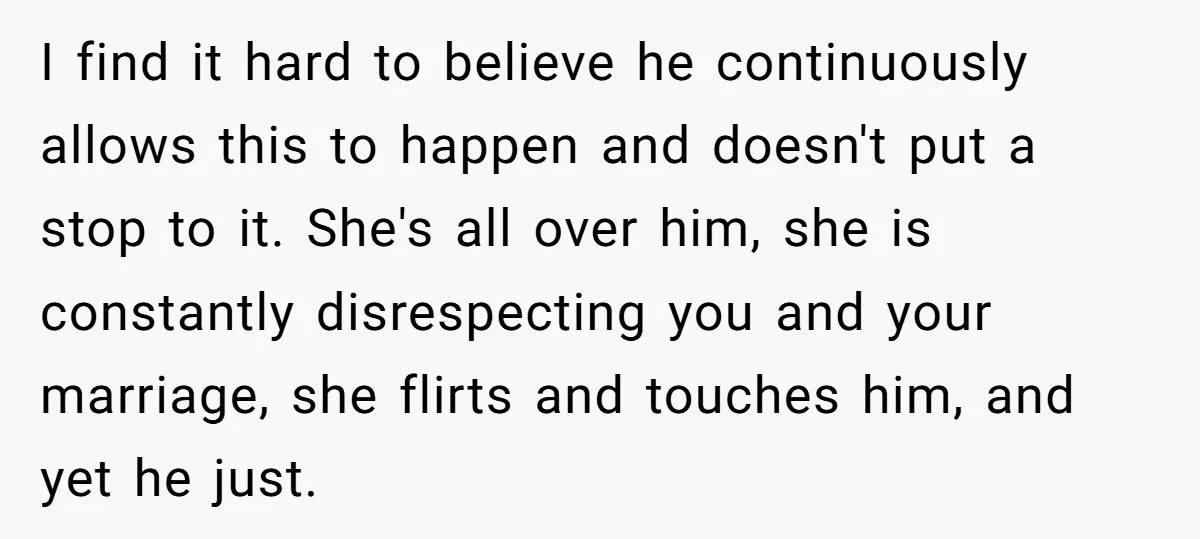
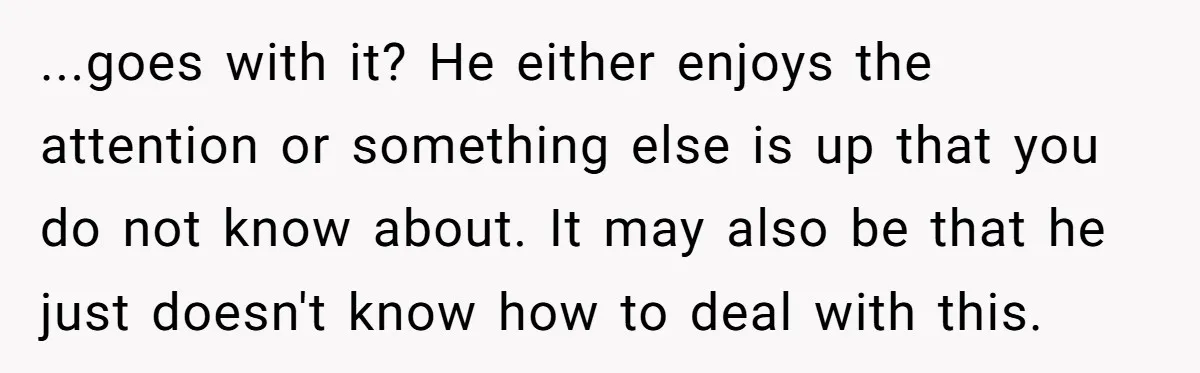
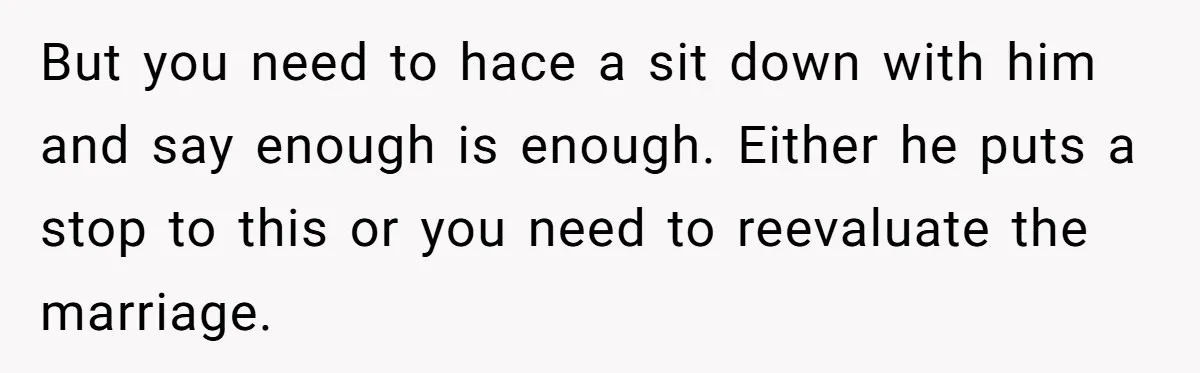
![[Reddit User] − i am begging wives to please not have the bars on the literal floor when it comes to your husbands. you aren’t the AH, but this is...](https://loknam.com/aita/images/33e26c2222/wp-editor-1768210991328-2.webp)



This situation highlights how unresolved family dynamics can resurface at the most vulnerable moments. While compassion for mental health struggles matters, so does protecting emotional and physical safety, especially during pregnancy. The couple ultimately chose distance, clarity, and unity over appeasement, a decision many readers found understandable. Where would you draw the line when family behavior starts threatening your peace?