
What happens when someone you love deeply decides to live as their true self, but that truth shifts the foundation of your attraction? Many face this exact dilemma when a long-term partner comes out as transgender. The change can feel sudden and overwhelming, even if discussed openly beforehand.
In this case, a 26-year-old gay man ended his three-year relationship shortly after his partner transitioned from male to female. He supported her journey fully, yet found his feelings and attraction had changed irreversibly. Now, family and friends call him harsh for walking away. The situation stirs strong emotions about love, sexuality, and respect.

‘AITAH for breaking up with my partner of 3 years after she came out as Transgender?’
The original poster shared his experience clearly on social media.
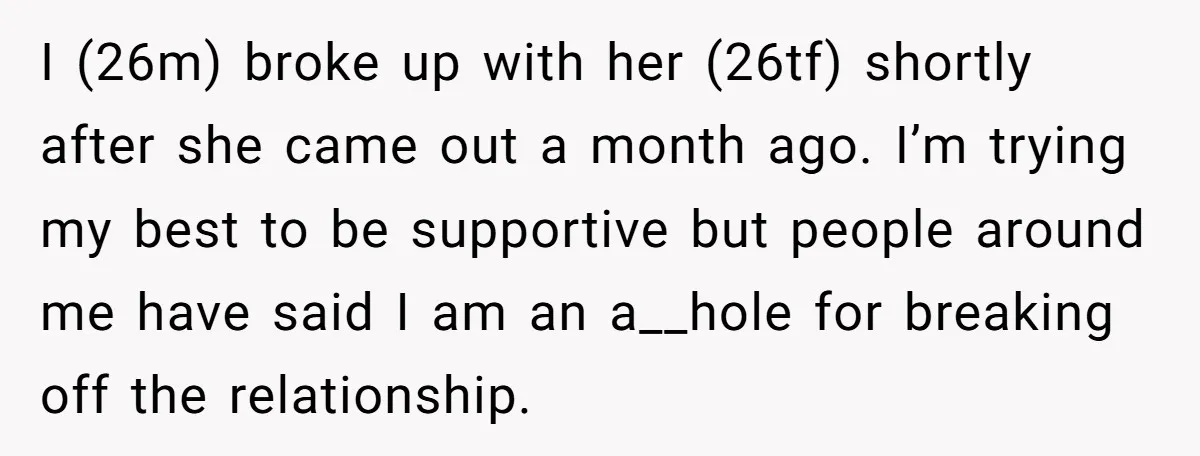
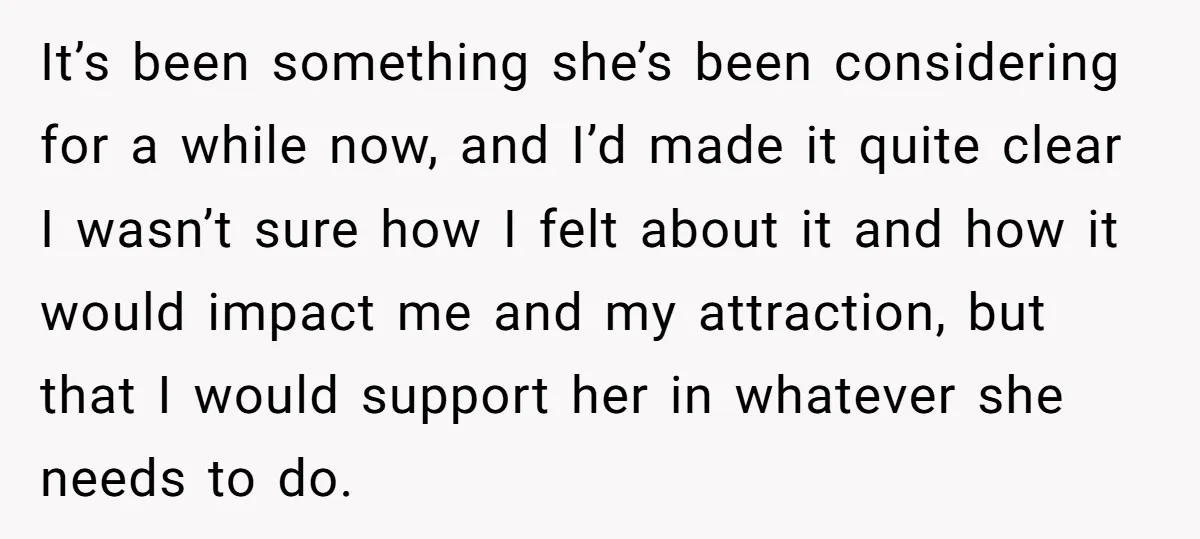
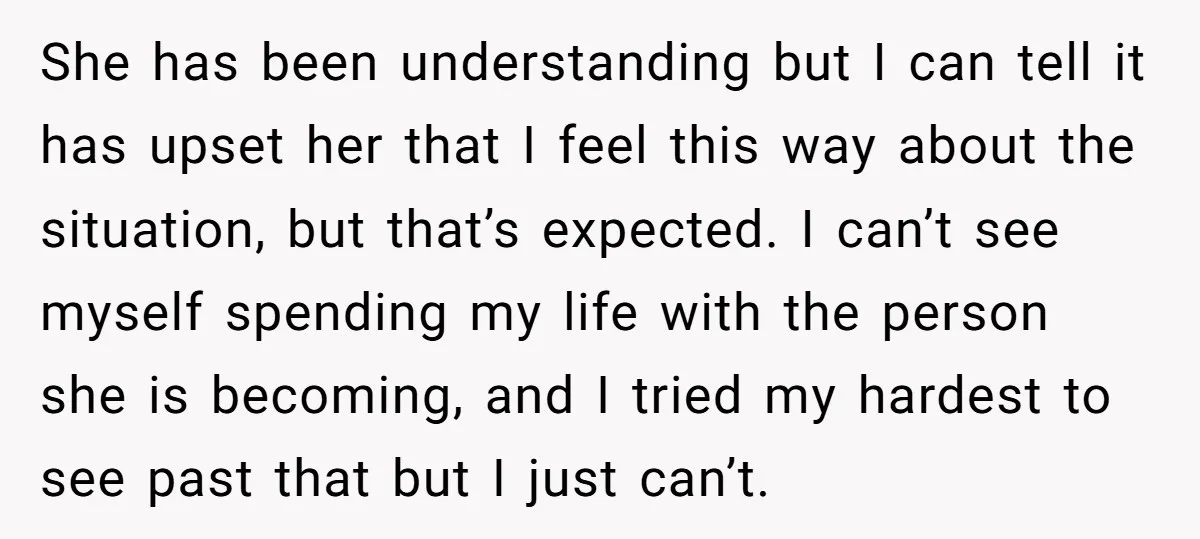

He later added details to address misunderstandings from others.
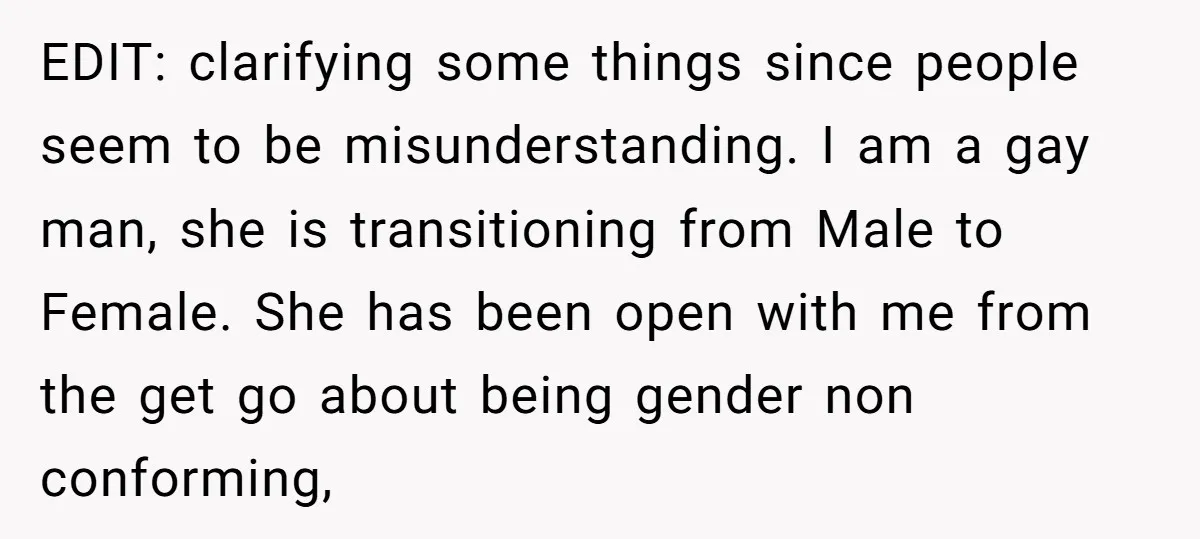
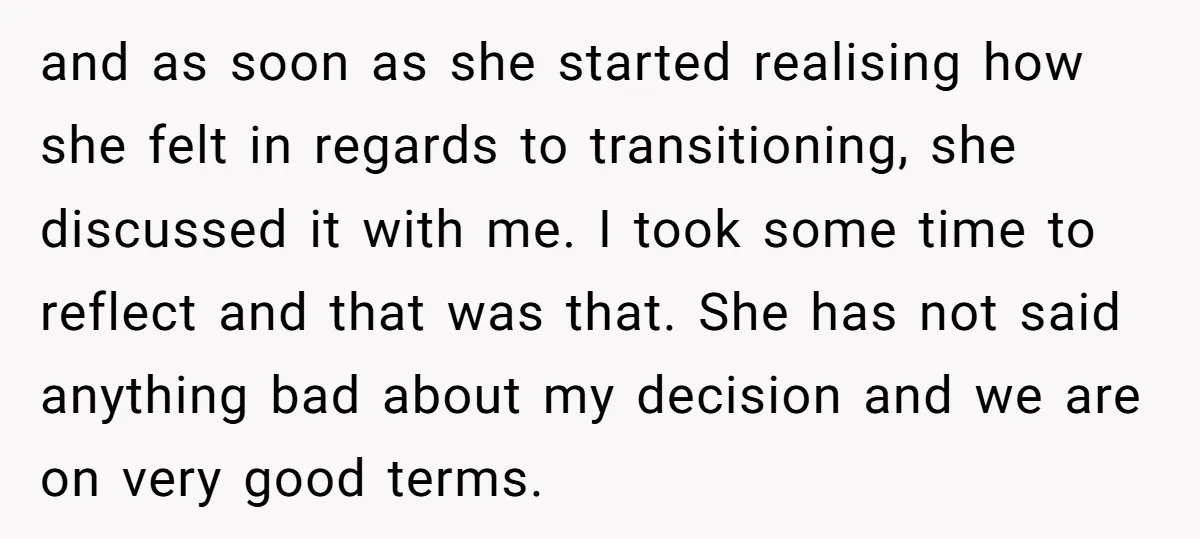
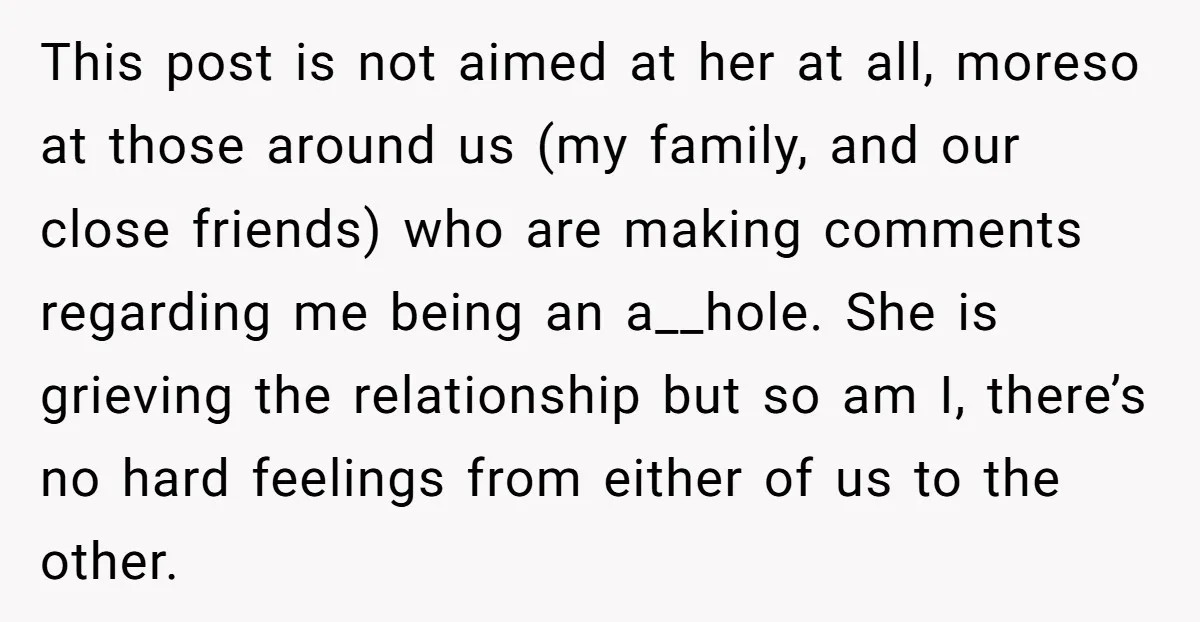
The core conflict centers on a partner’s gender transition clashing with the other person’s sexual orientation. The gay man openly communicated his uncertainties early on, yet the shift from male to female altered his attraction fundamentally. Both experience grief over the lost relationship, while external voices judge the breakup harshly. Emotions like loss, honesty, and identity drive the tension here.
The original poster wrestles with guilt despite his efforts to support the transition. He fears forcing a connection that no longer fits his sexuality. His ex-partner feels the pain of the end, even while understanding his position. Communication stayed respectful, but the mismatch in attraction created an irreconcilable gap. In addition, outside pressure from family and friends adds shame to an already difficult decision.
Psychotherapist and trauma specialist Zavislak emphasized that sexual attraction forms a key part of romantic bonds. She noted, “If OP is heterosexual, she is not attracted to women; now that her ex is a woman, it is understandable that she is no longer attracted to her,” in a similar case (Newsweek discussion on transition and breakup dynamics). This insight fits perfectly — honoring one’s orientation shows respect for both parties’ authentic selves, rather than pretending compatibility exists.
Practical steps can help in similar situations. Both people benefit from private, calm talks to express feelings without blame. Setting clear boundaries early prevents resentment. Seeking individual therapy offers space to process grief separately. Over time, maintaining friendly contact becomes possible when emotions settle. Focus on mutual kindness during the change preserves dignity for everyone involved.
Let’s dive into the reactions from Reddit:
Reactions on social media split little, with most users defending the original poster’s decision. The majority viewed his choice as honest and affirming rather than cruel. A few highlighted broader lessons about attraction and change.
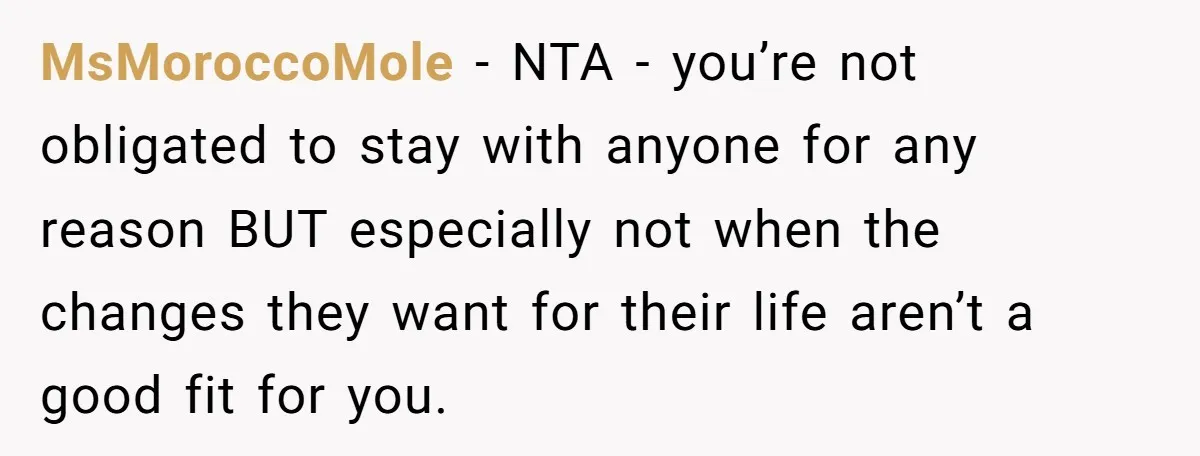
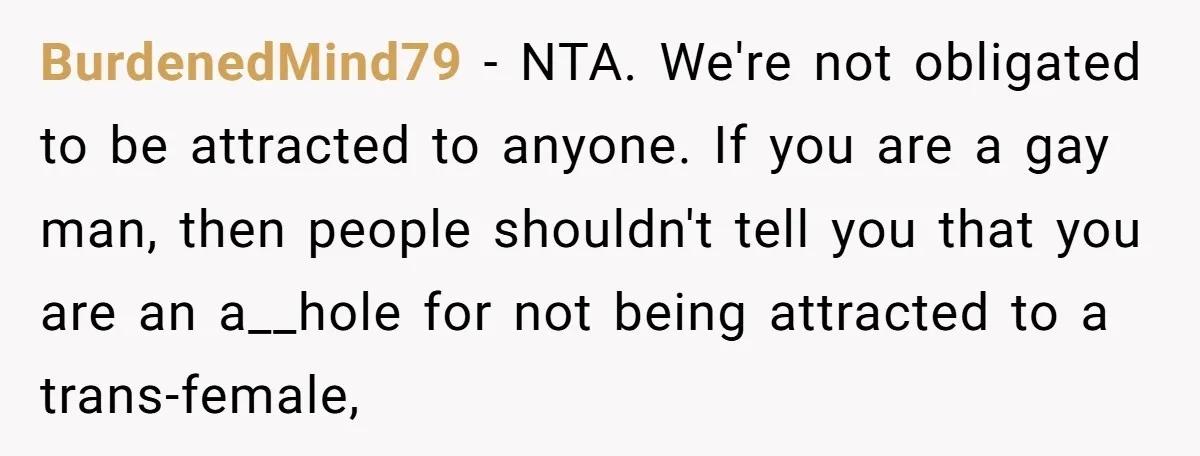
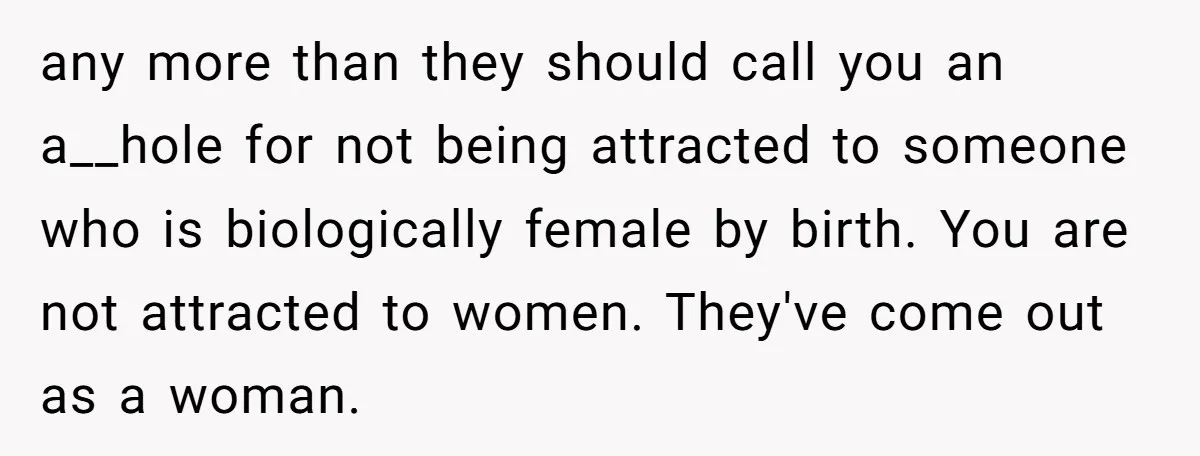
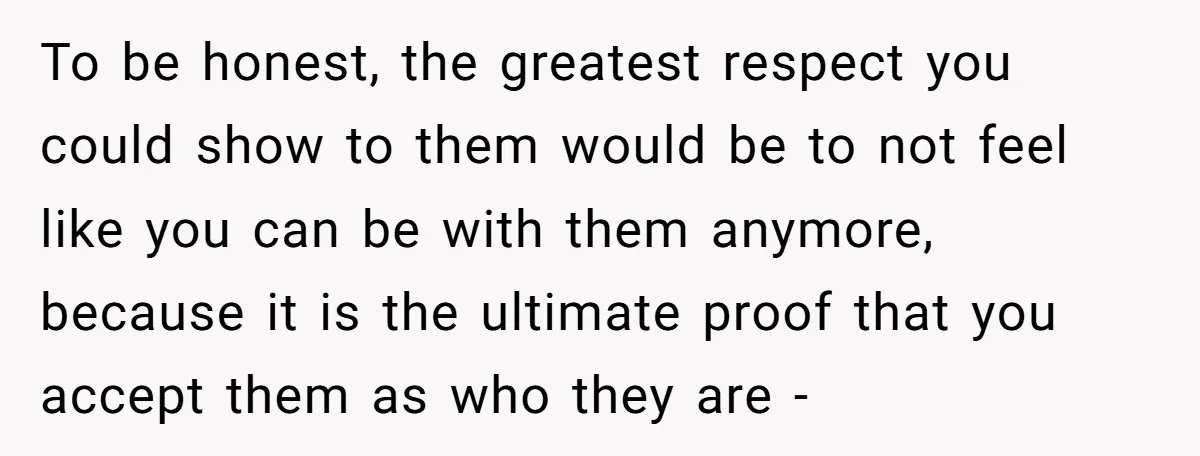
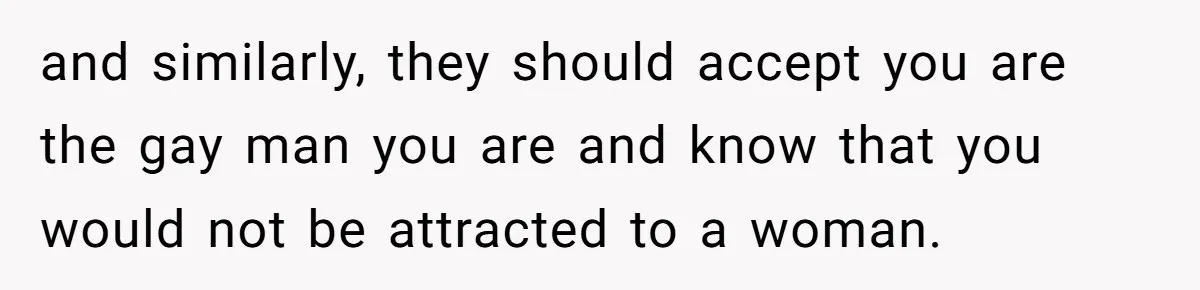
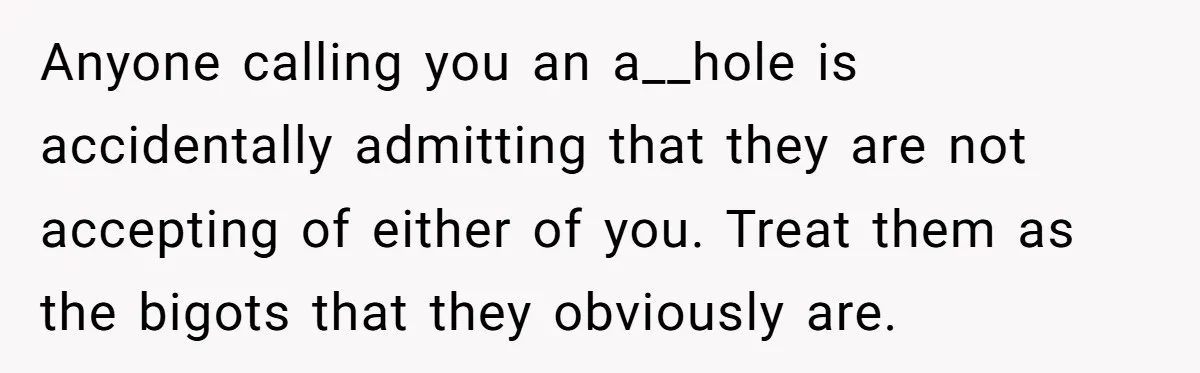
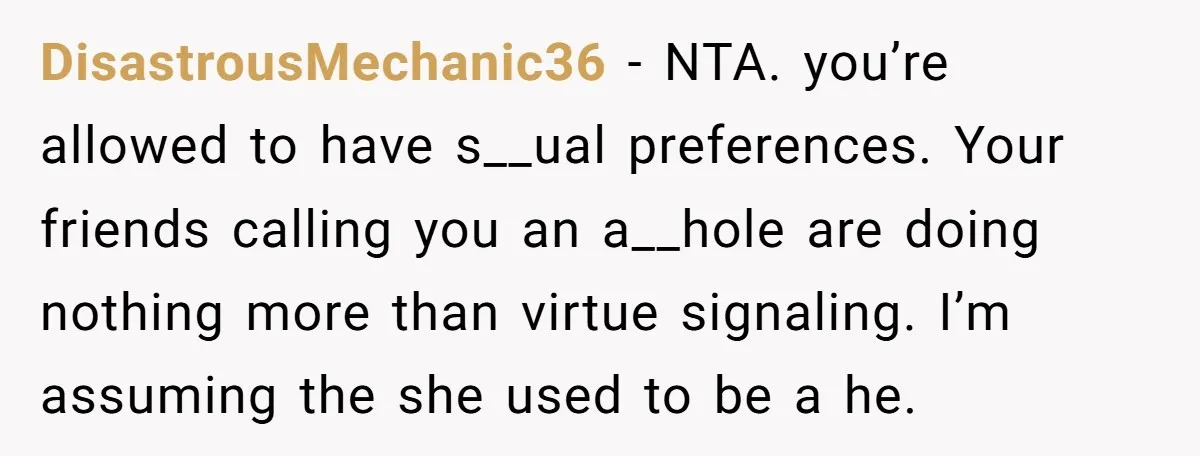
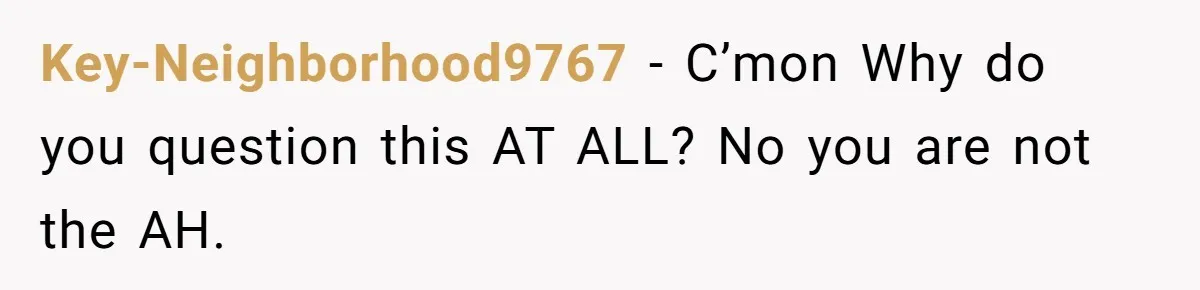
Many readers strongly supported the original poster’s choice. They viewed the breakup as a respectful and logical outcome given his sexual orientation.
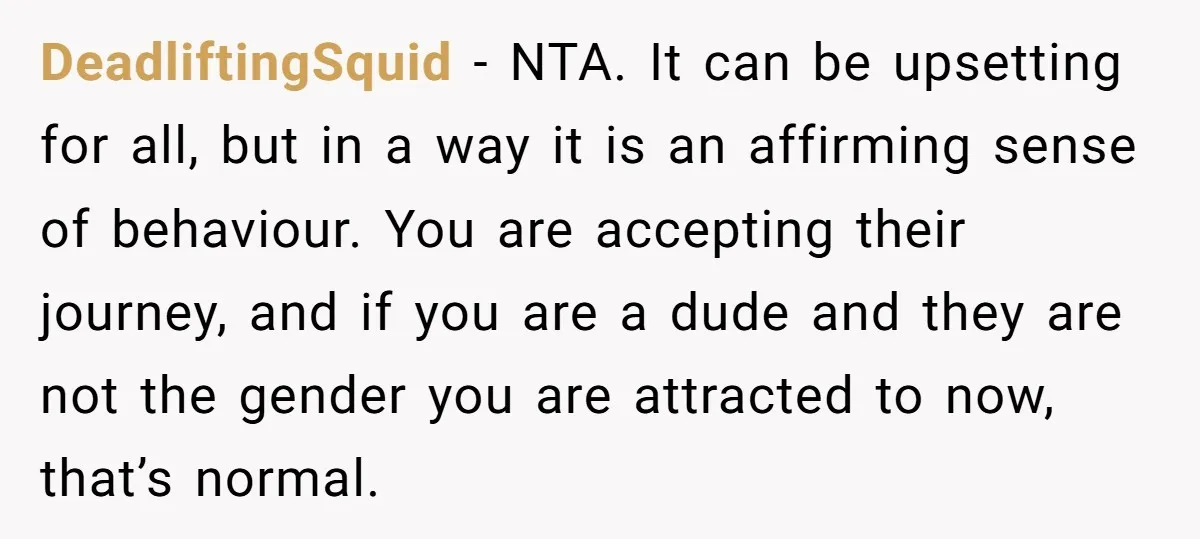
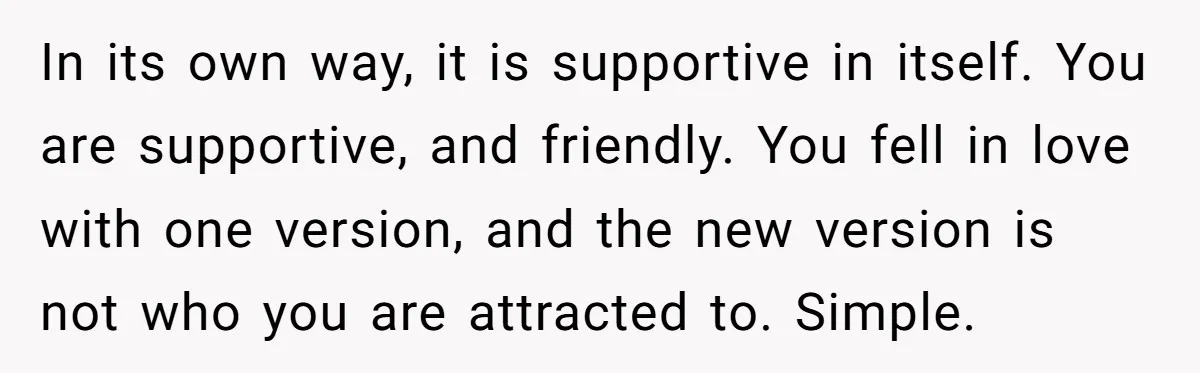
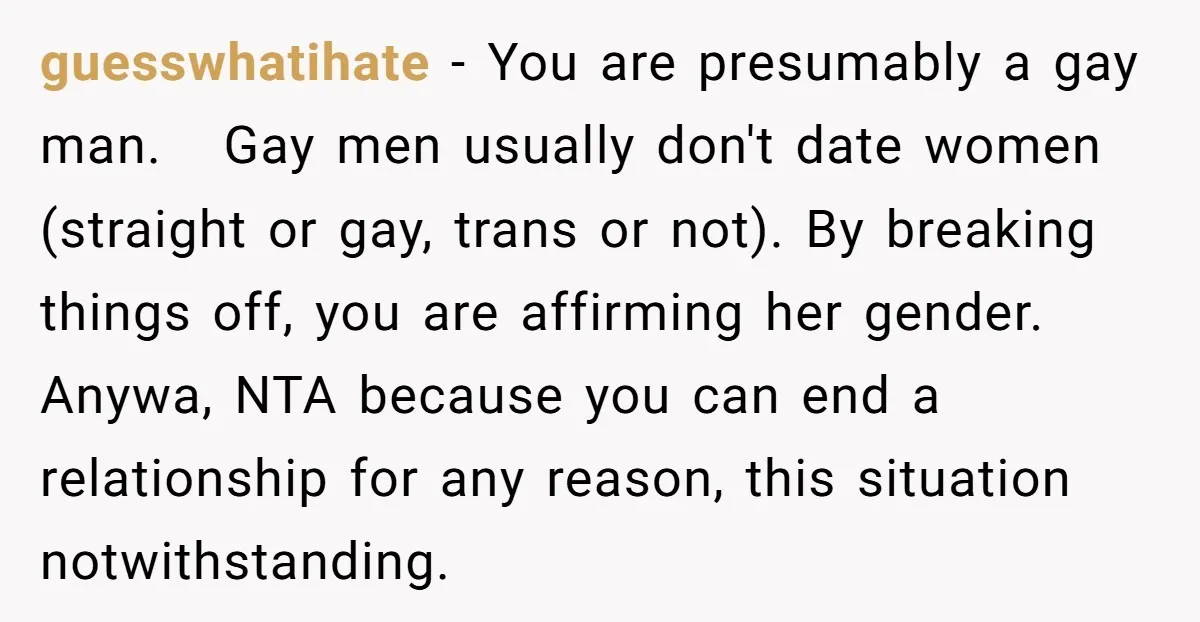
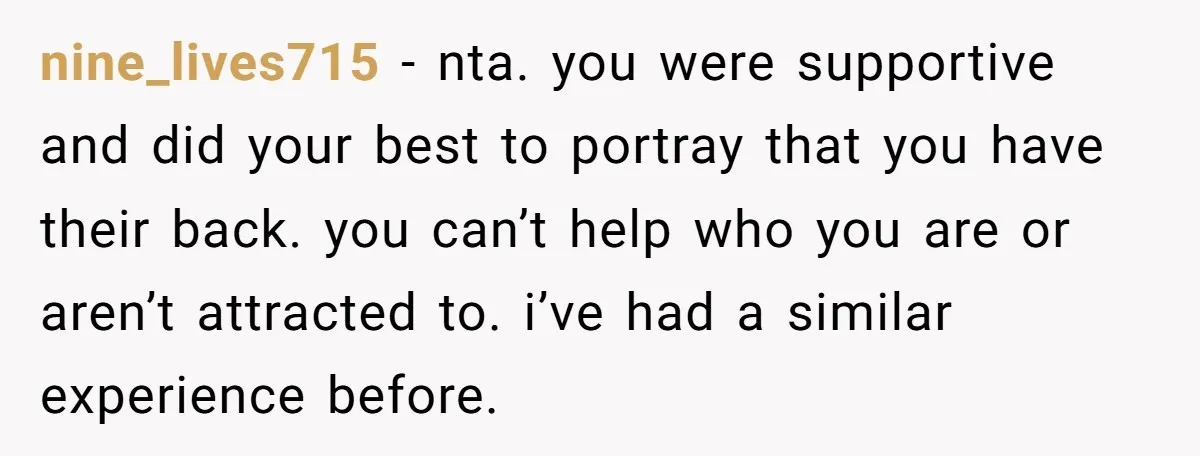

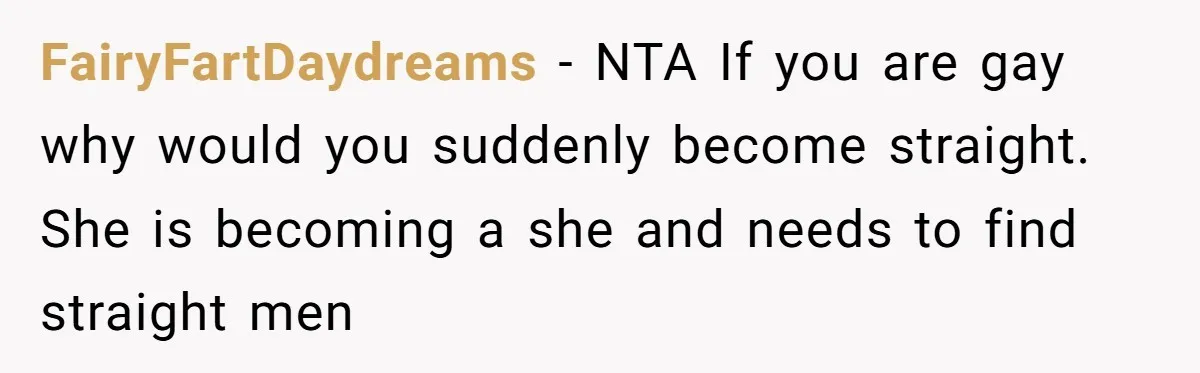
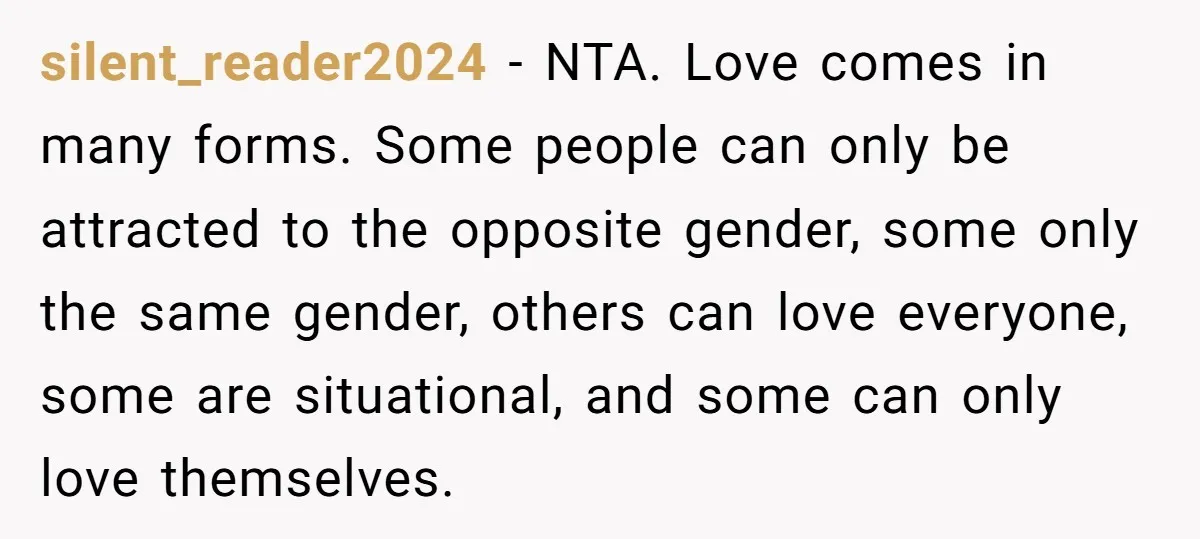
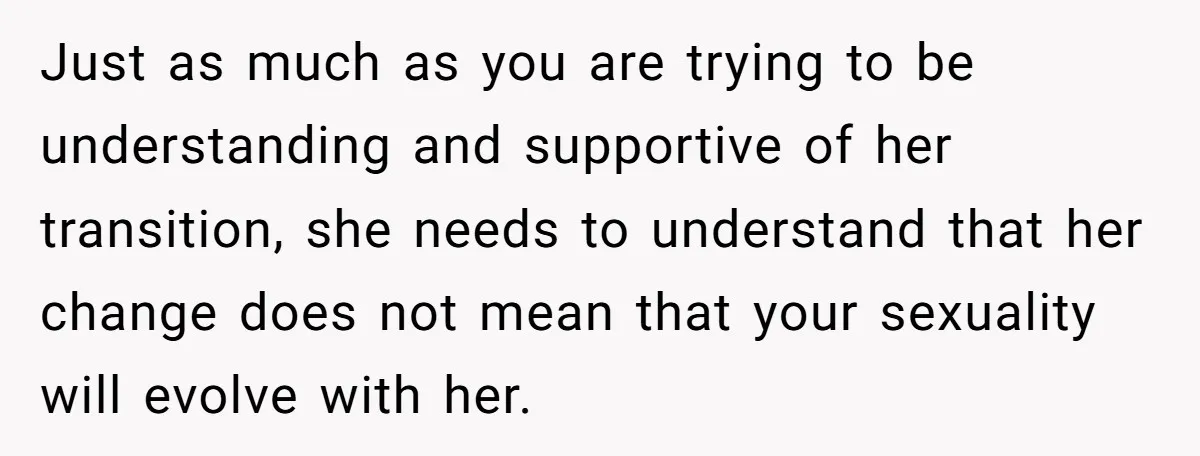
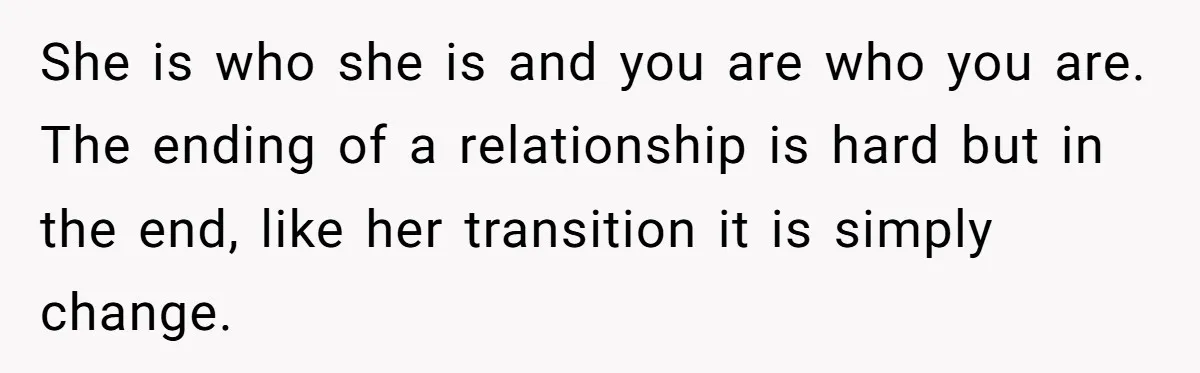
Another large group focused on the importance of sexual compatibility and personal boundaries. They argued that staying in the relationship out of guilt would disrespect both people involved.



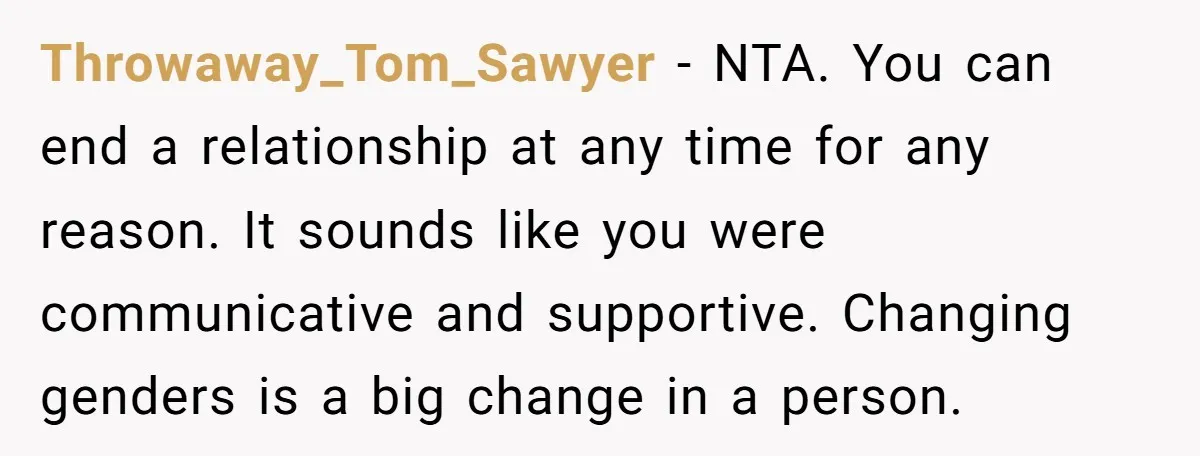
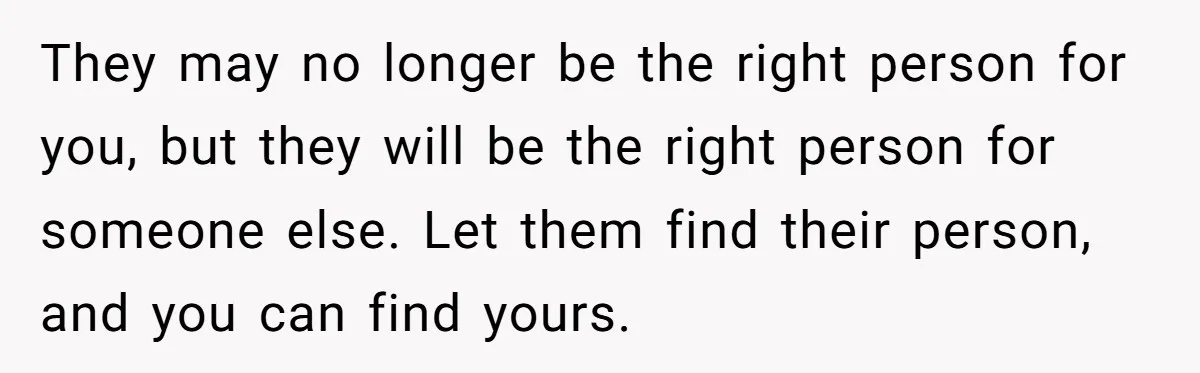
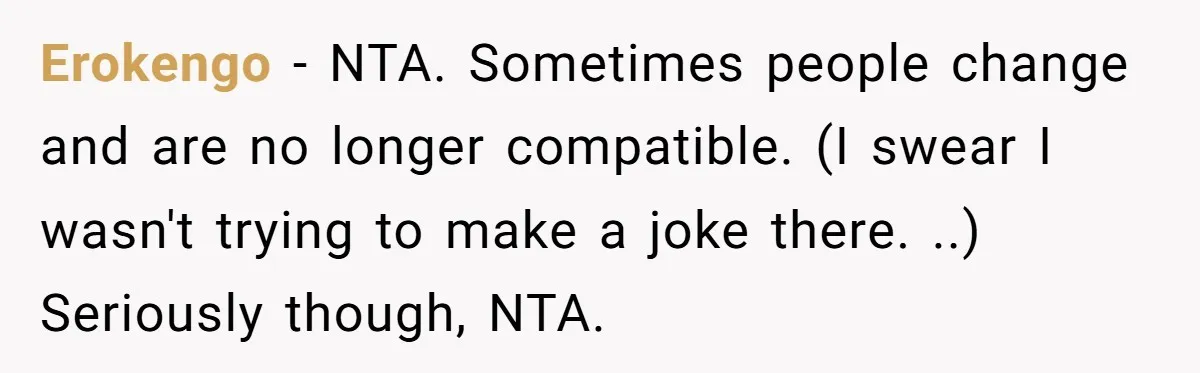
A smaller group offered practical or lighter perspectives, reminding everyone that change is normal in relationships and encouraging both people to move forward positively.

This situation shows how personal authenticity sometimes leads to painful but necessary endings. Honesty about attraction protects both people from deeper hurt later. The poster chose truth over pretense, allowing his ex to find someone whose feelings align fully with her identity. Mutual respect during the split eases the grief for everyone.
Have you ever ended a relationship because core compatibility shifted, even without fault on either side? How do you balance supporting someone’s true self while honoring your own needs?