
A 35-year-old healthcare worker found herself questioning her own judgment after filing a formal HR complaint against a younger coworker. What pushed her to act was not a single comment, but a pattern of behavior that had gone unchecked for years.
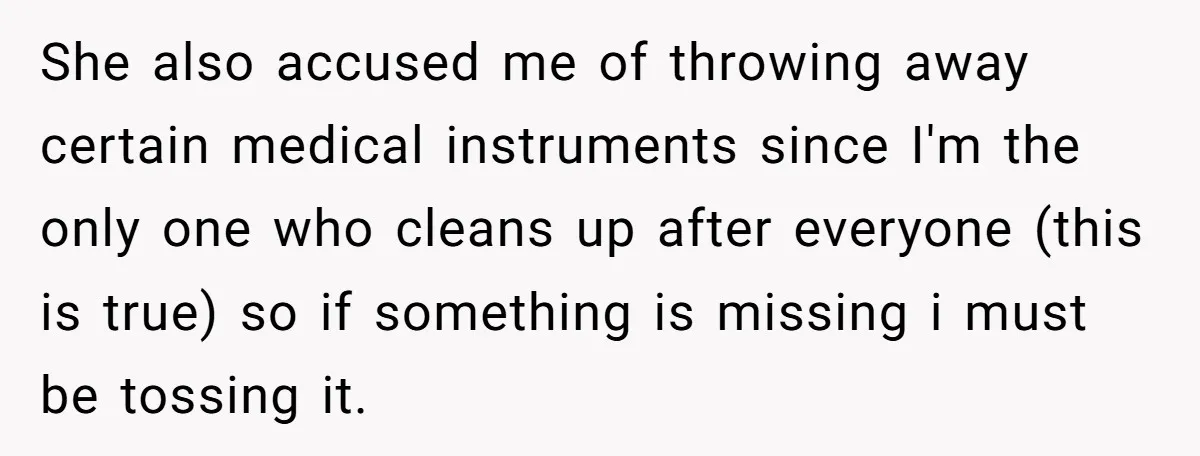
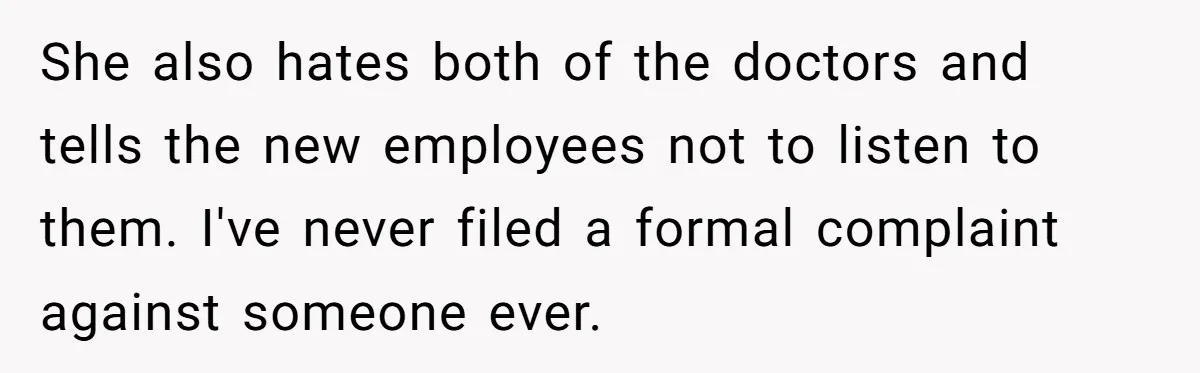
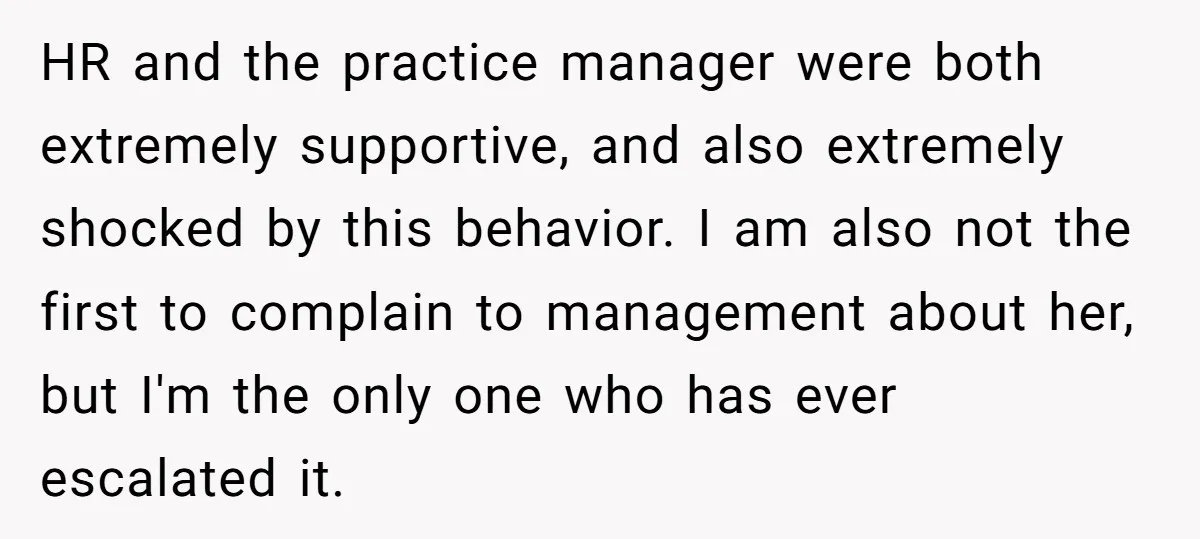
The coworker’s conduct ranged from cruel gossip to openly offensive remarks and public humiliation of colleagues. Although others had raised concerns before, no one had formally escalated the issue. When deeply personal information was shared with new employees, the situation crossed a line, leaving the poster wondering whether she had done the right thing by finally involving HR.

‘AITAH For filing a formal HR complaint against a coworker?’
The poster described a long-standing pattern of unprofessional behavior in the workplace.
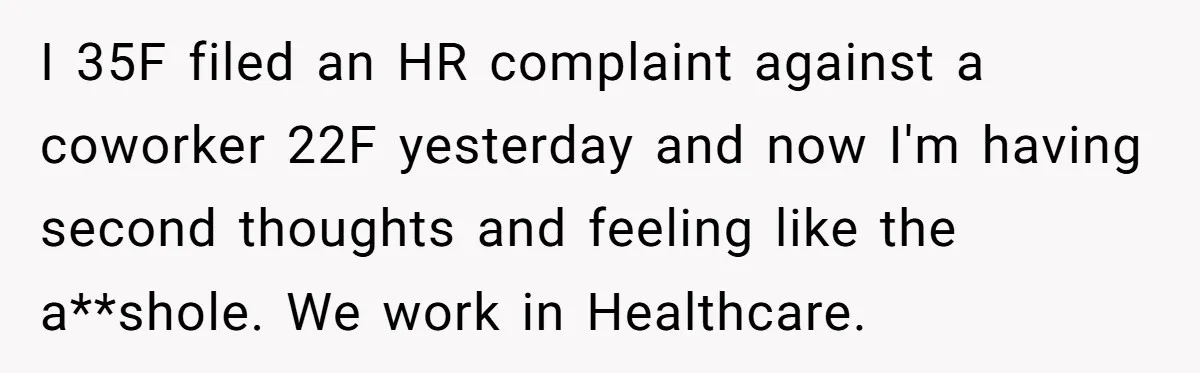

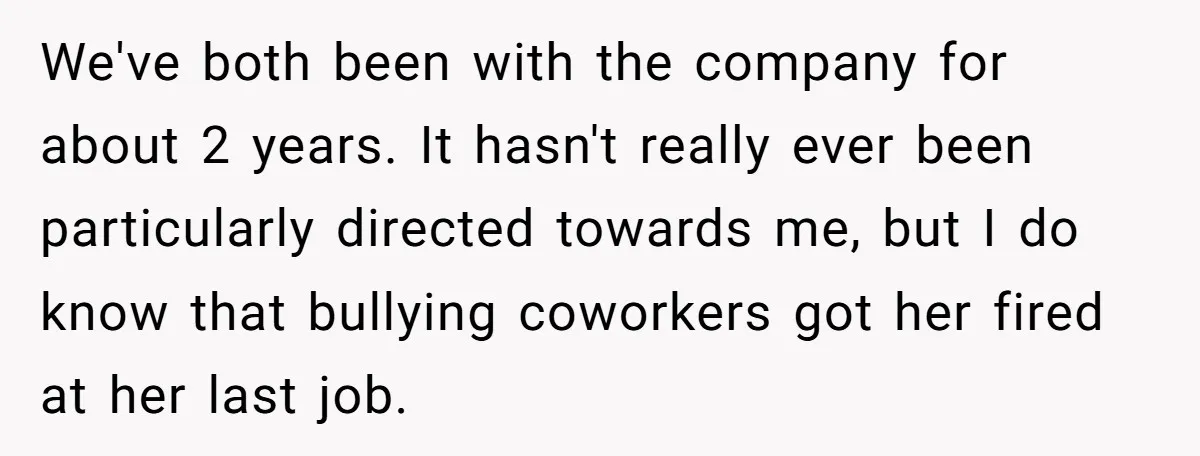
The situation escalated as staffing changes exposed new employees to the behavior.
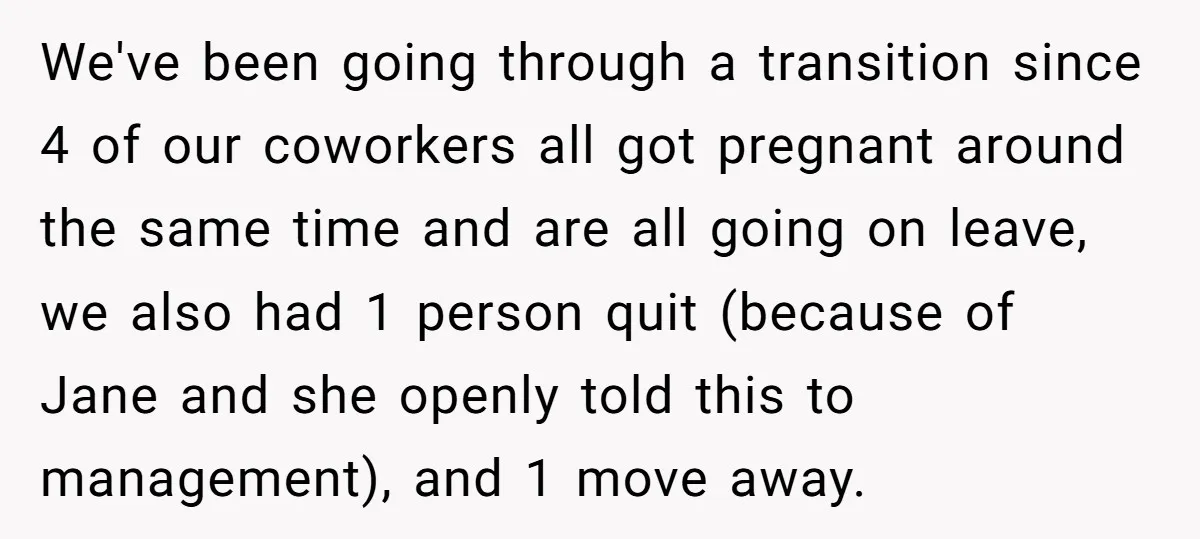
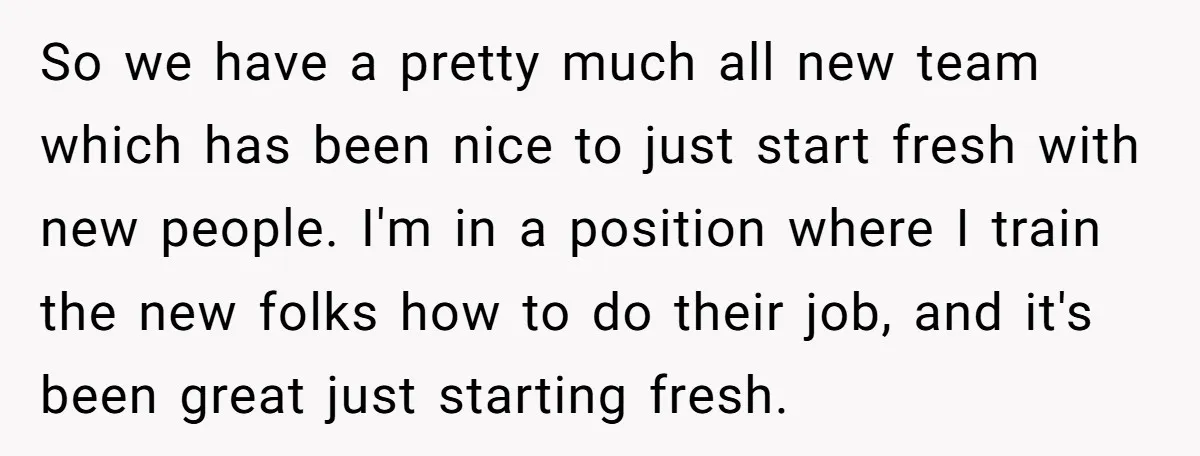
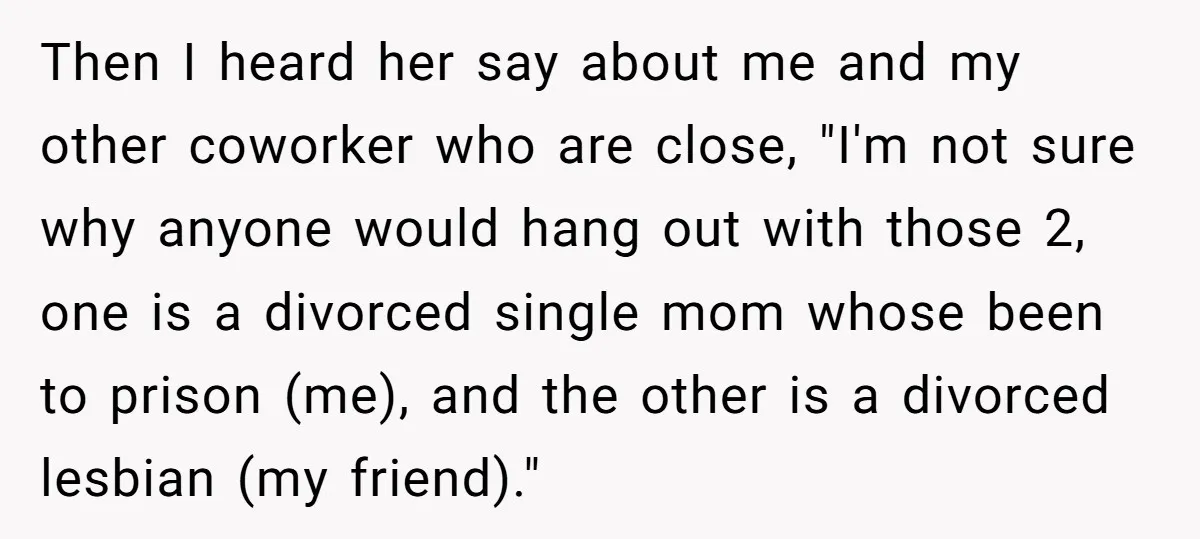
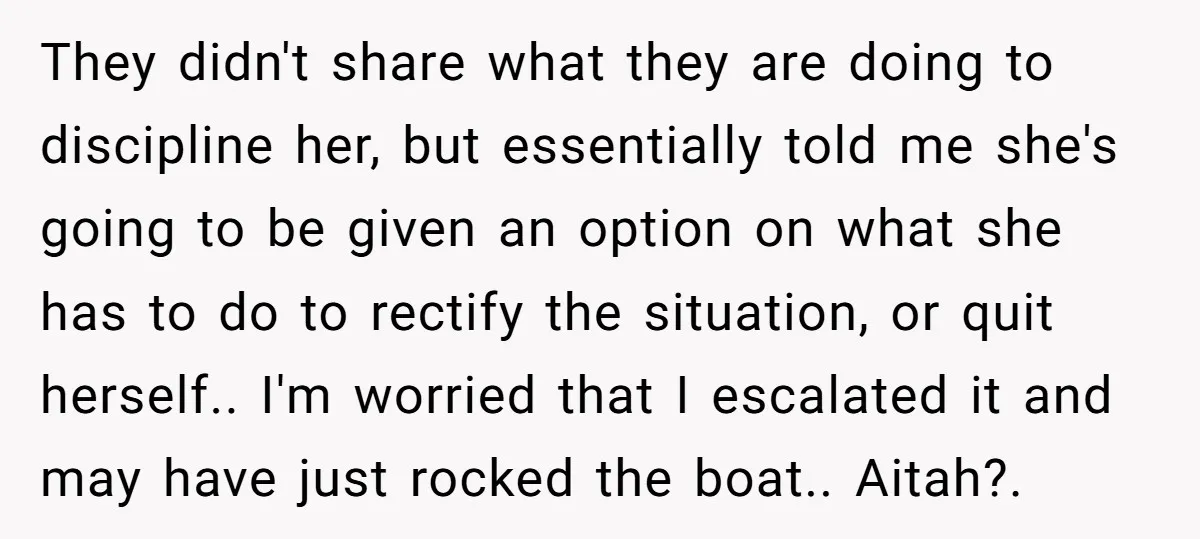
Past incidents and ongoing misconduct led to a formal complaint and mixed outcome.
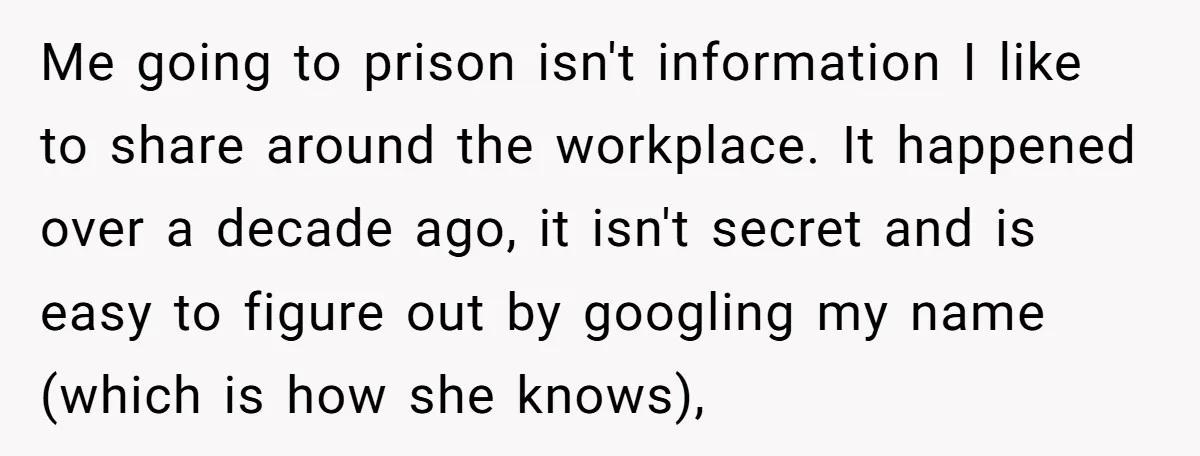

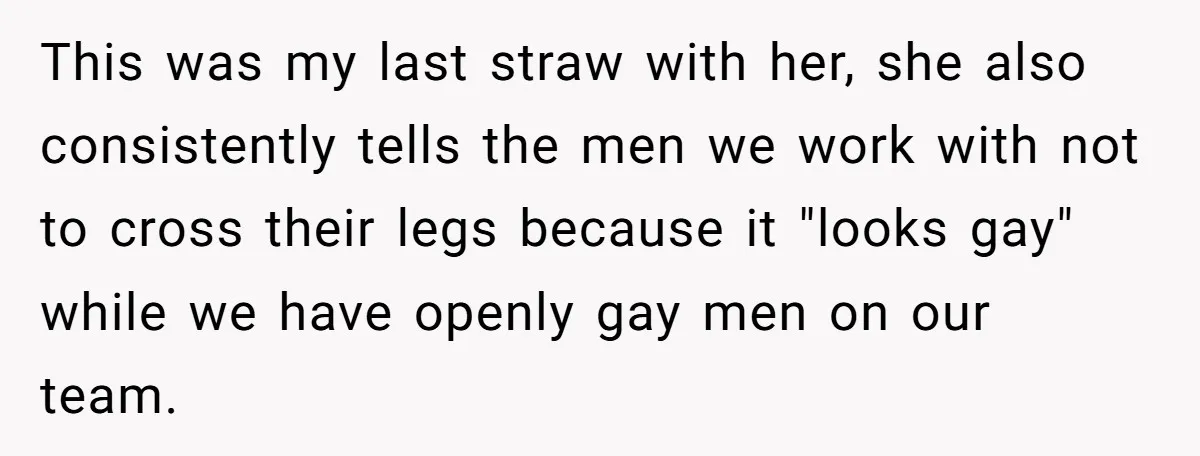
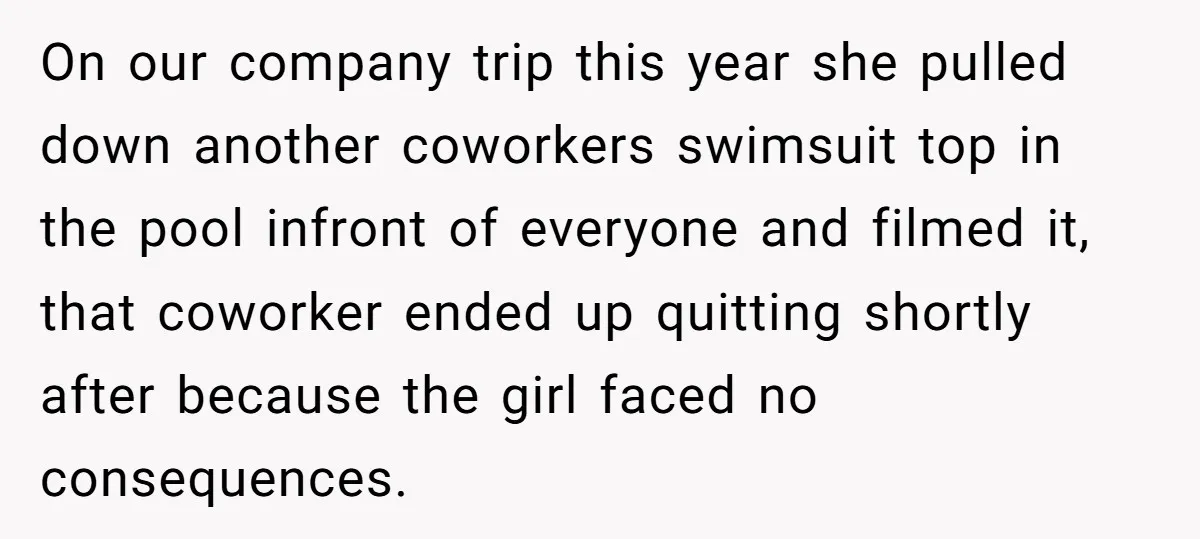

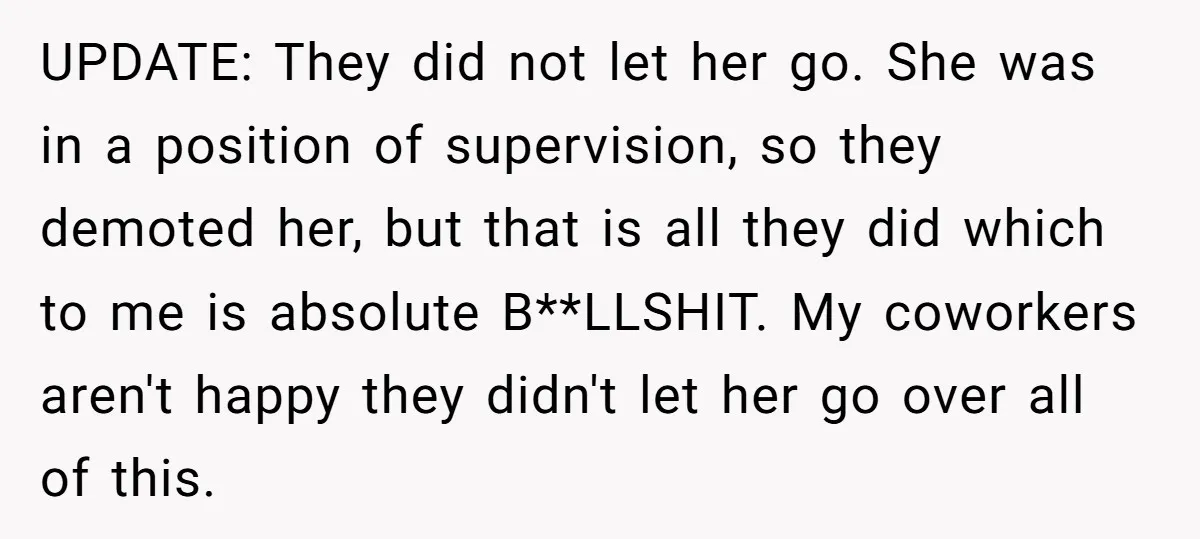
The coworker’s actions went far beyond interpersonal conflict and entered the territory of harassment and professional misconduct. In healthcare environments, such behavior threatens not only staff well-being but also patient safety, as it undermines teamwork, trust, and clear communication.
Some employees hesitate to report misconduct out of fear of retaliation or disrupting workplace harmony. However, repeated incidents, especially those involving humiliation or discriminatory remarks, create a hostile environment that organizations are legally and ethically obligated to address. Escalation is often the only way to prompt meaningful review.
From a broader perspective, accountability protects everyone. Reporting is not an act of malice, but a safeguard against normalization of harmful conduct. When leadership responds inadequately, it can deepen frustration, yet documentation and persistence remain key tools for change.
Here’s what people had to say to OP:
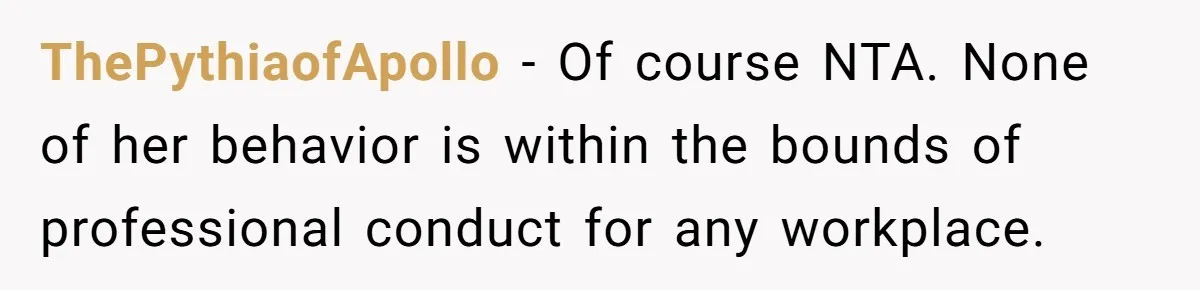
Many users strongly supported the poster, emphasizing that the behavior should have been reported sooner.


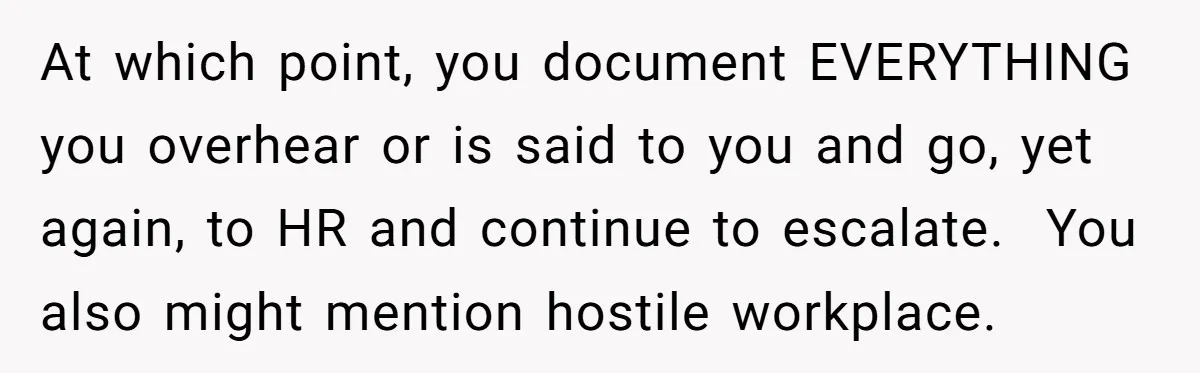
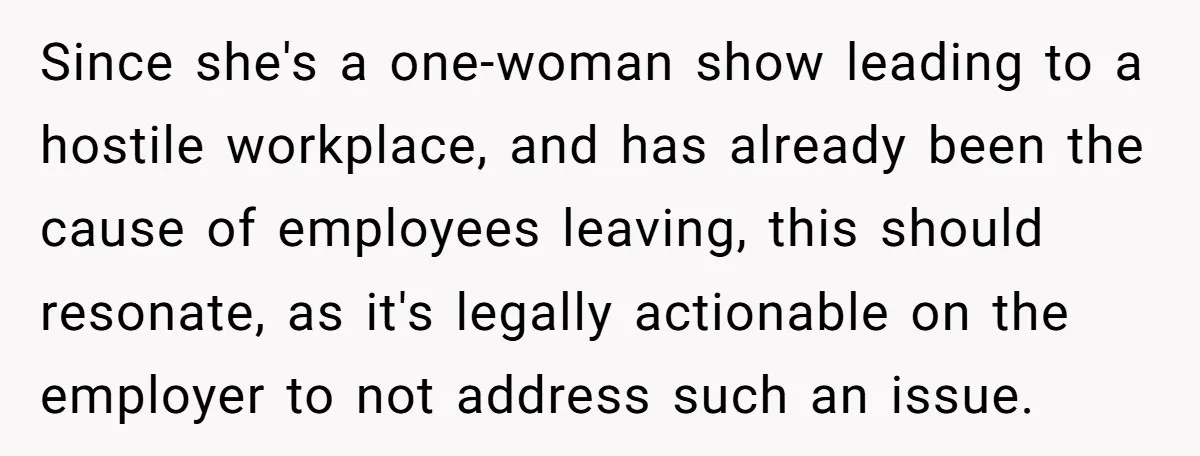
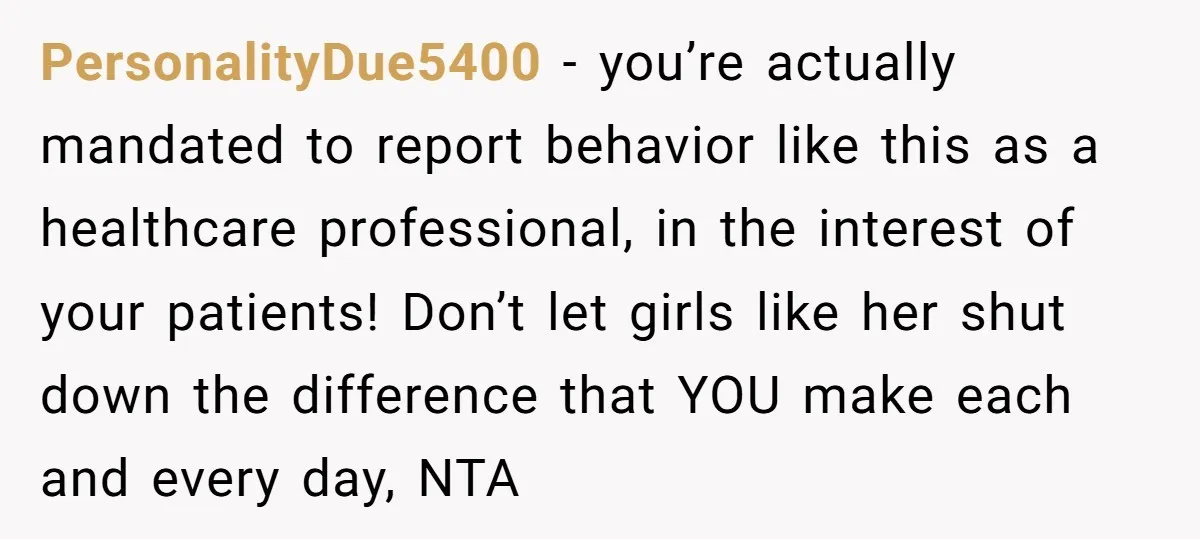
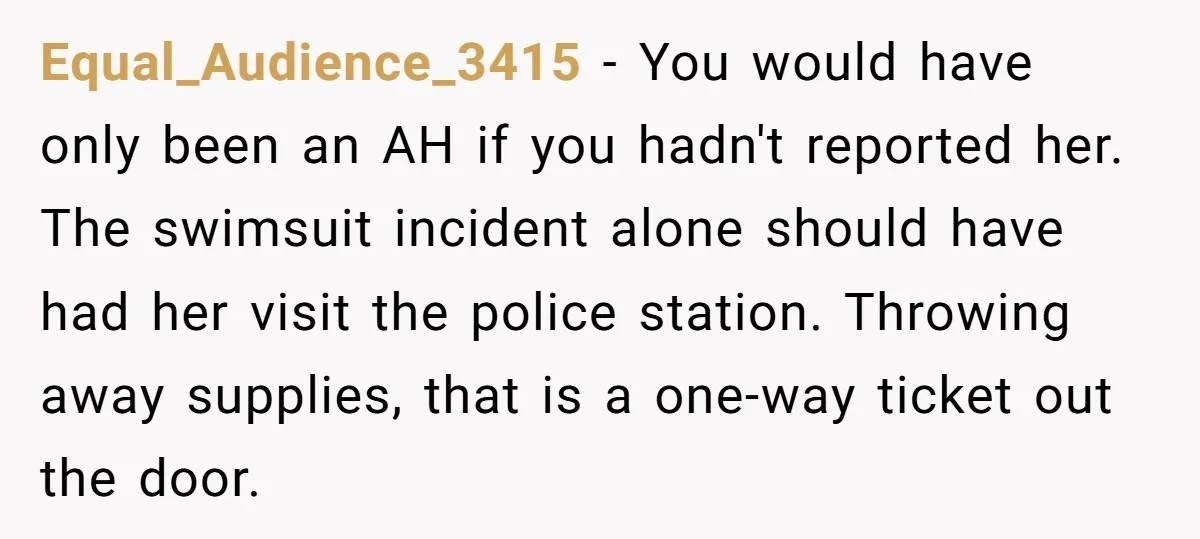
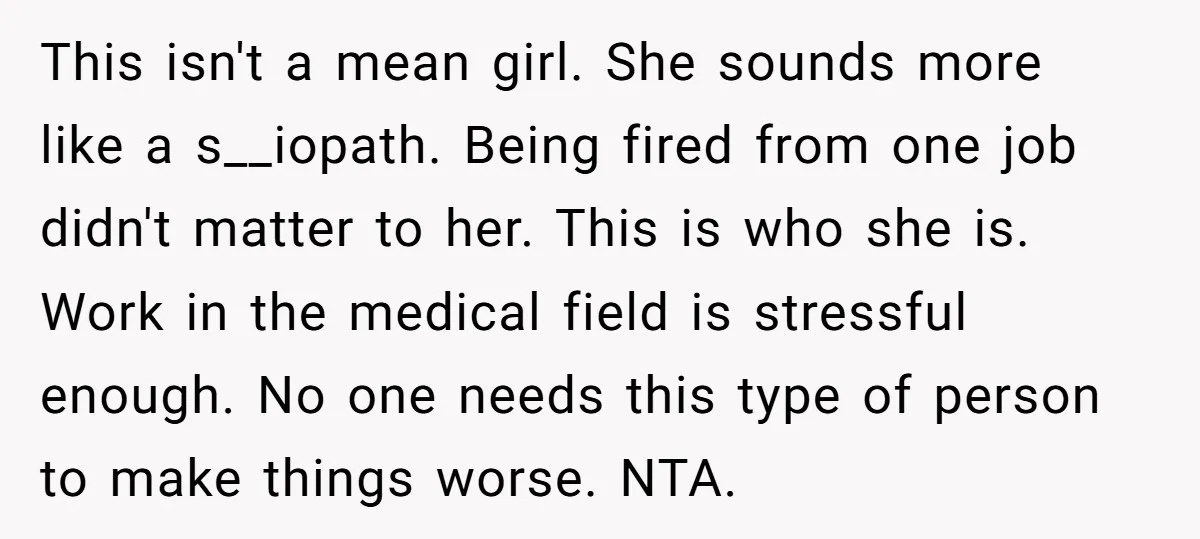

Other commenters focused on escalation and long-term consequences.
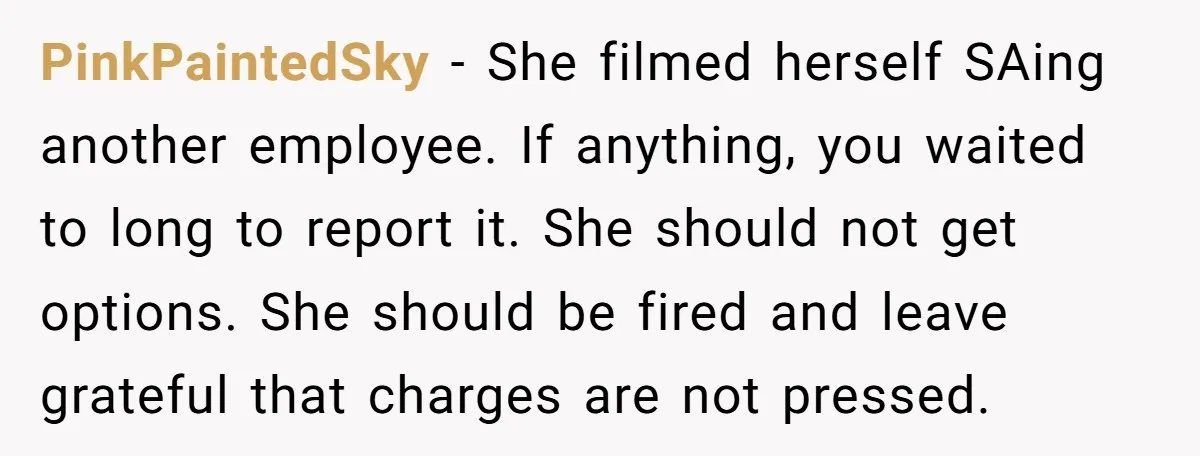
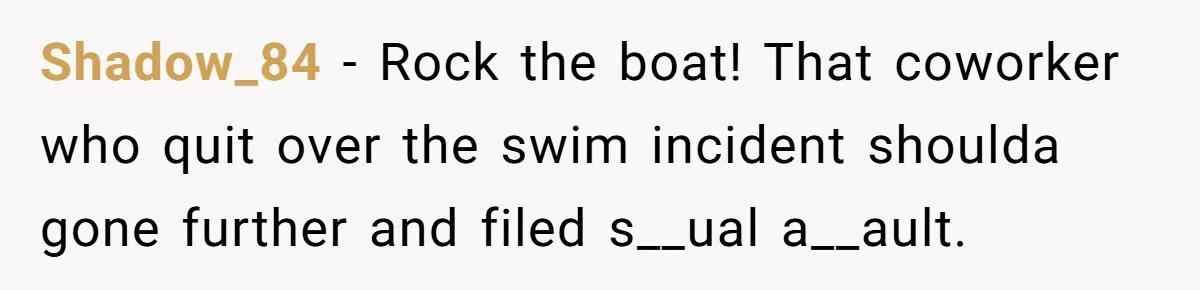
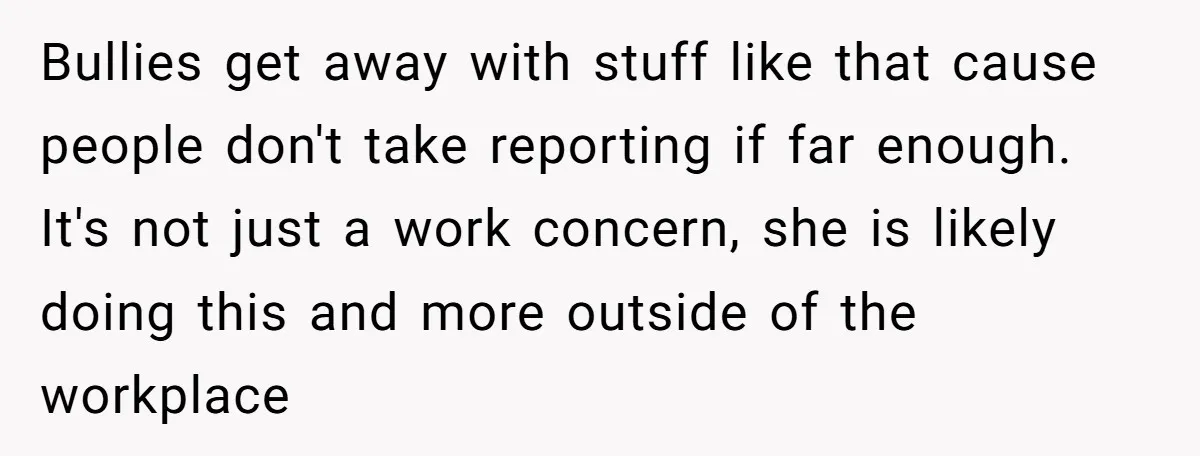
A few responses added blunt commentary to underline their stance.
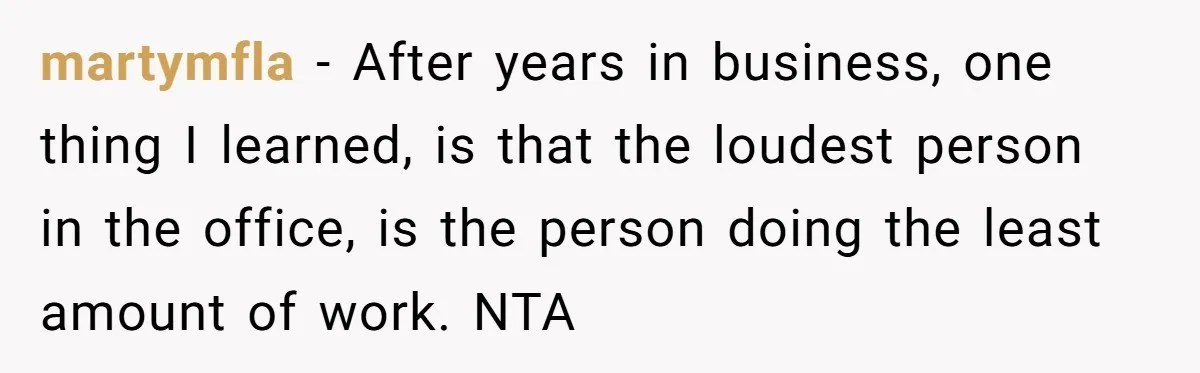
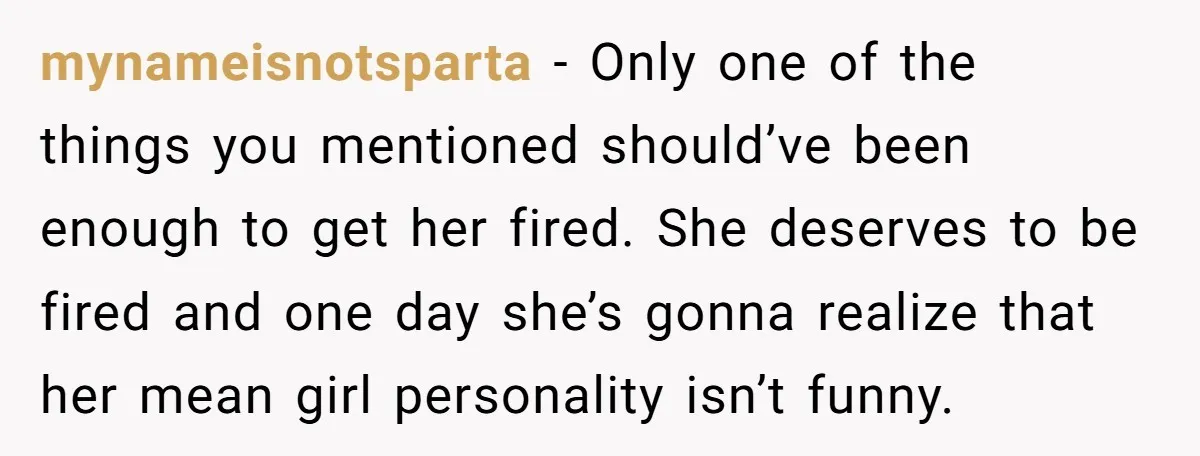

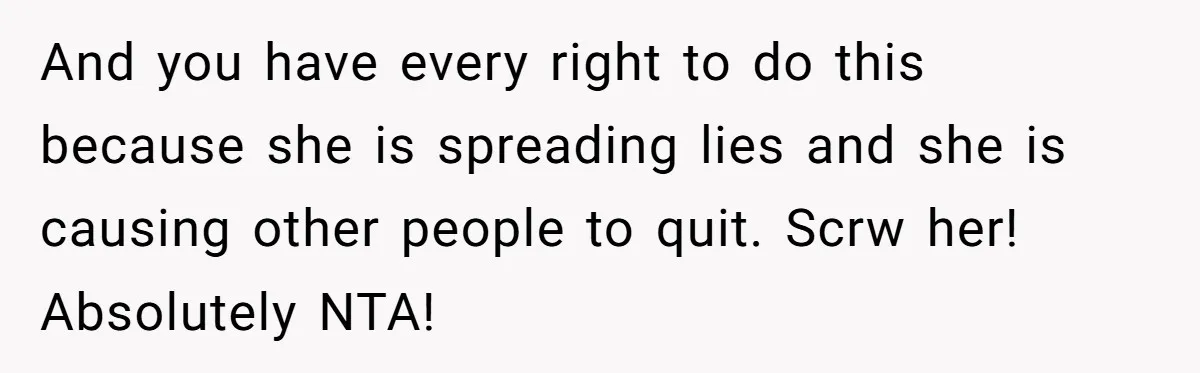
This situation highlights how difficult it can be to confront toxic behavior, especially when it has been tolerated for years. The poster’s decision to involve HR brought long-standing issues into the open, even if the outcome felt insufficient.
Should organizations take stronger action when patterns of misconduct are clearly documented? How long should employees endure harmful behavior before escalation becomes unavoidable? Readers are left to consider whether preserving workplace peace is ever worth the personal cost.