
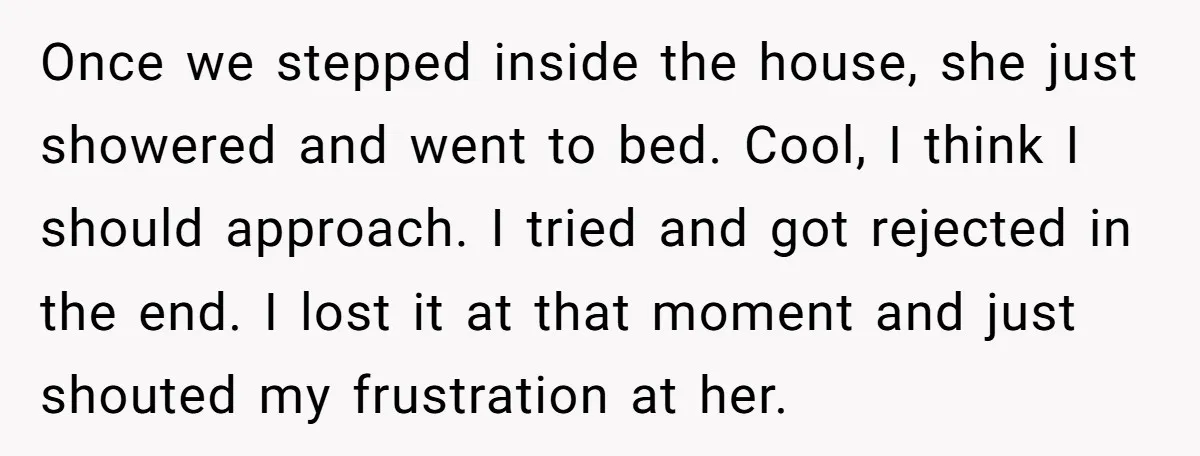
A 32-year-old husband recently reached a breaking point in his marriage after years of growing frustration about intimacy and communication. After nearly a decade together and six years of marriage, he says the relationship gradually shifted into what he describes as a “dead bedroom,” leaving him feeling rejected and emotionally disconnected. Despite attempting conversations, affectionate gestures, and sharing household responsibilities, he says the problem never improved.
What troubled him even more was that his wife often joked or flirted in ways that suggested intimacy might happen, only to reject him afterward. The pattern continued for years, leaving him confused and discouraged. When the same thing happened again on their wedding anniversary, the tension finally boiled over. In a moment of anger and exhaustion, he confronted his wife, packed his belongings, and left for a hotel while considering whether divorce might be the only solution left.

‘AITAH for going off on my wife because she teases me even though our bedroom is dead?’
A husband described years of declining intimacy in his long-term relationship.
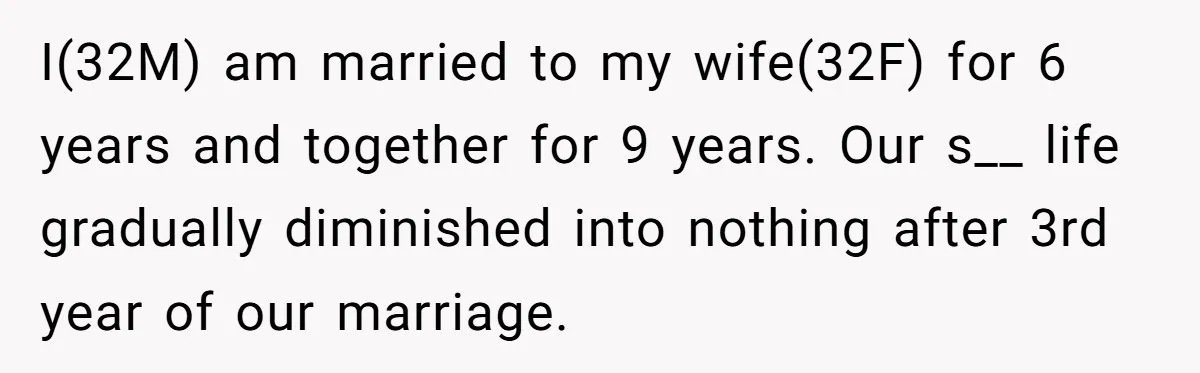
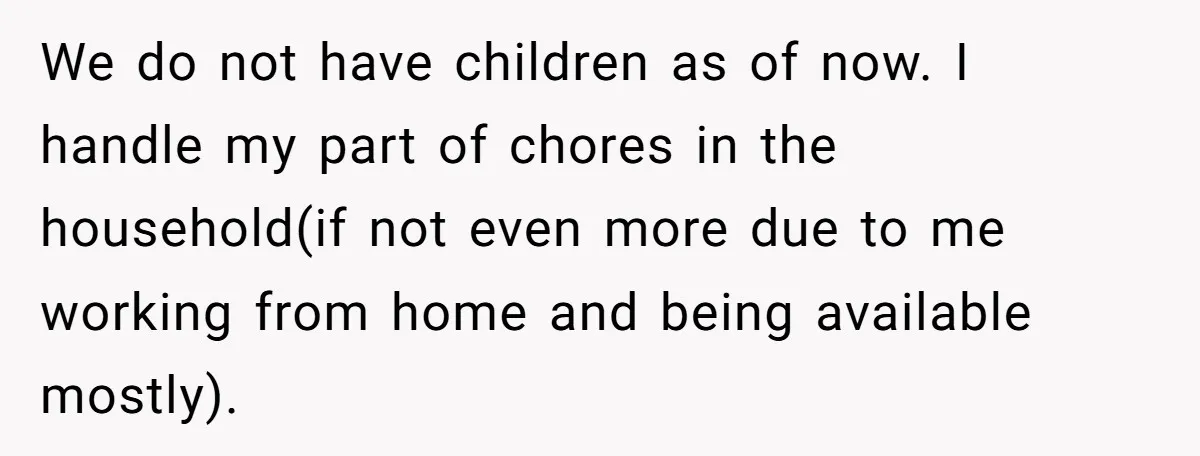
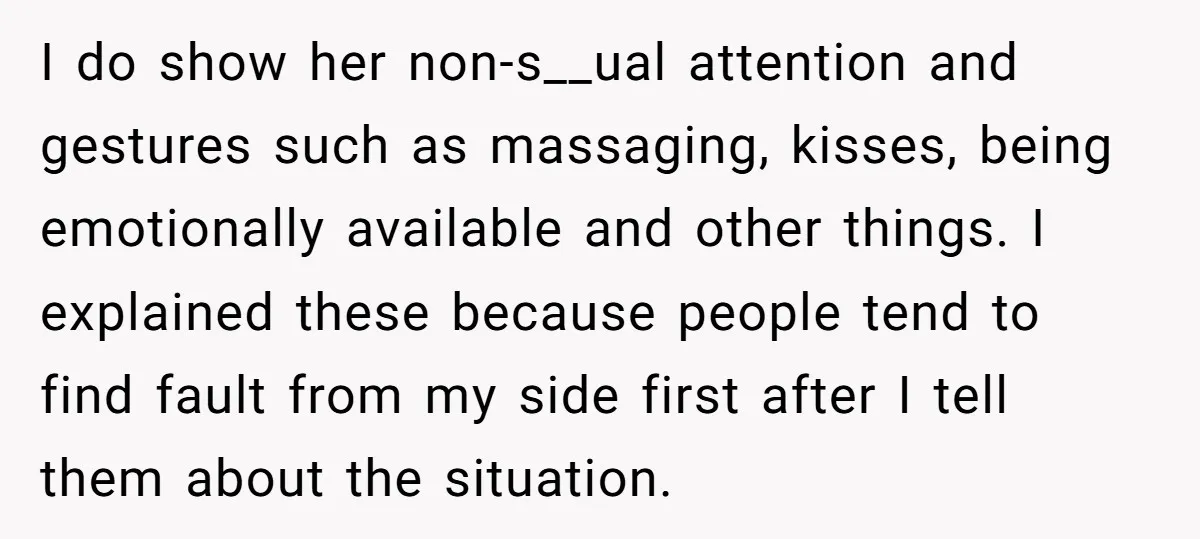

What frustrated him most was that teasing behavior continued despite repeated conversations.

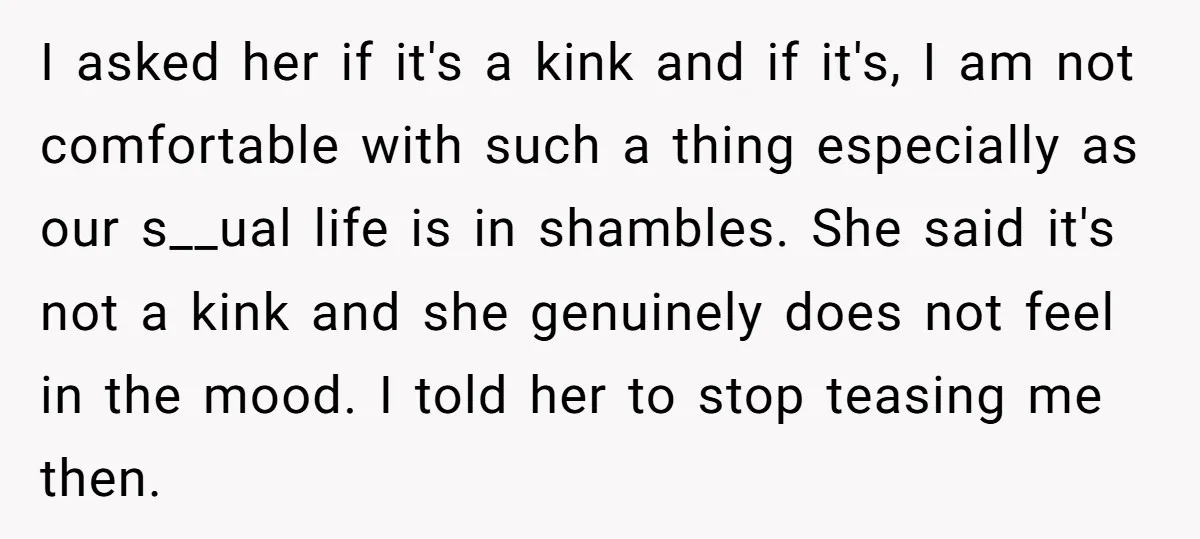
The situation escalated during their anniversary celebration and led to a major argument.




Relationship conflicts around intimacy are among the most common challenges couples face. In many long-term partnerships, differences in desire, expectations, or communication styles can gradually create emotional distance if they remain unresolved. In this case, the poster describes years of feeling rejected while continuing to seek emotional and physical closeness.
When one partner repeatedly experiences rejection, it can affect self-esteem and create resentment over time. The additional element of teasing behavior appears to intensify the situation because it raises expectations that are later withdrawn. This pattern may feel confusing or emotionally draining to the partner hoping for connection. However, intimacy challenges in marriage often have multiple possible explanations. Stress, health issues, hormonal changes, emotional disconnection, or unresolved relationship conflicts can all affect desire.
Without open communication or professional guidance, these issues can escalate until frustration reaches a breaking point. Many relationship specialists suggest that couples facing long-term intimacy struggles may benefit from counseling, medical evaluation, or structured communication strategies before making permanent decisions. Ultimately, both partners’ needs and perspectives must be acknowledged if the relationship is to move forward.
Here’s what Redditors had to say:
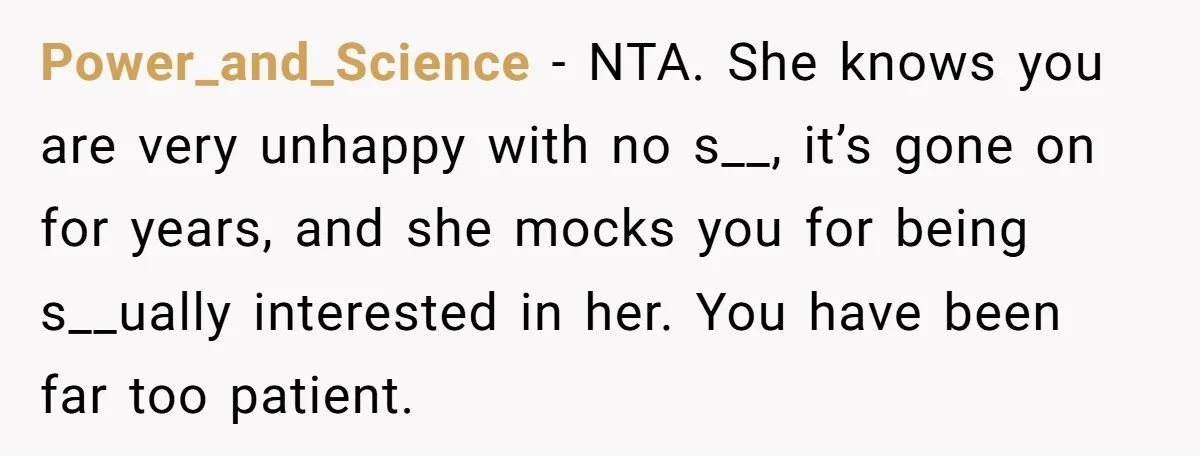
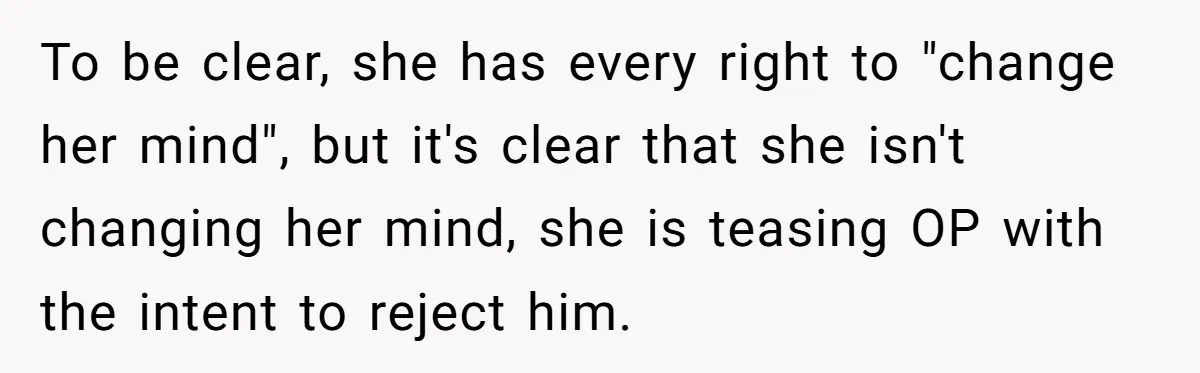
Many users supported the husband and believed the situation had gone on too long.



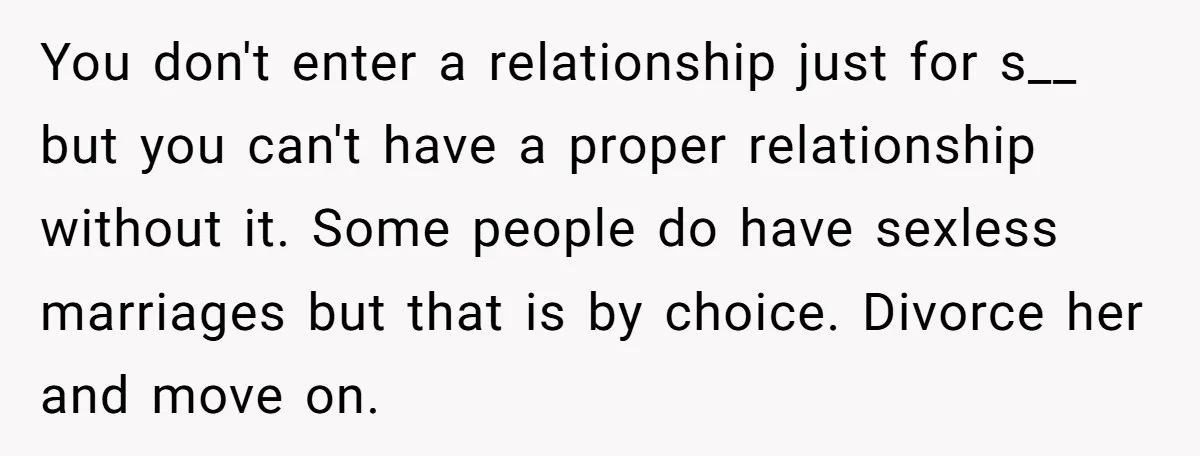
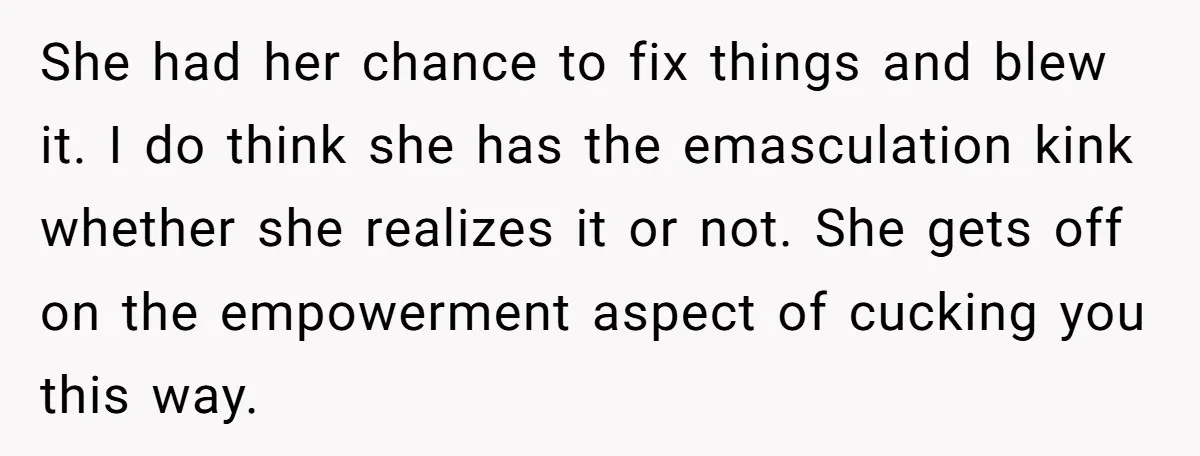


Other commenters suggested looking deeper into possible causes before making a final decision.
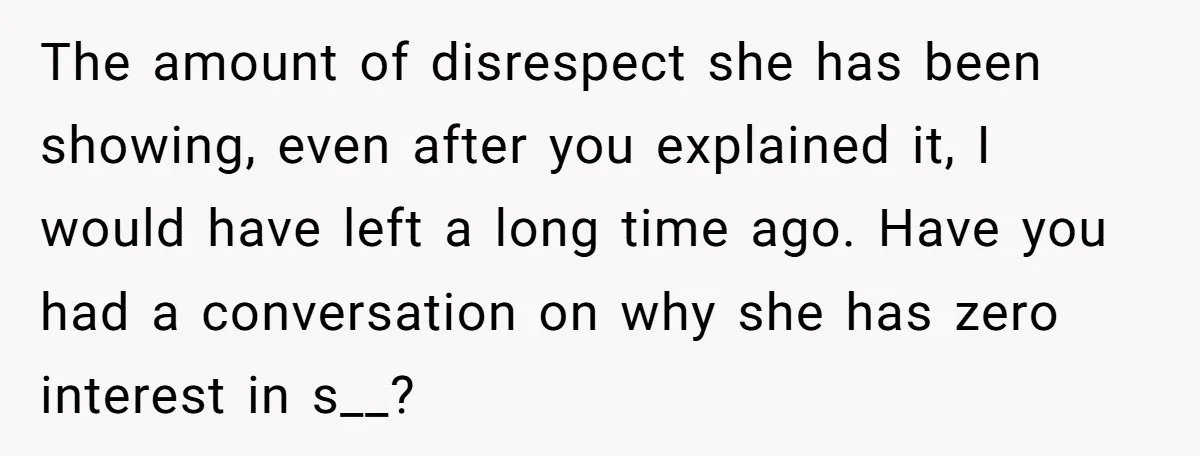
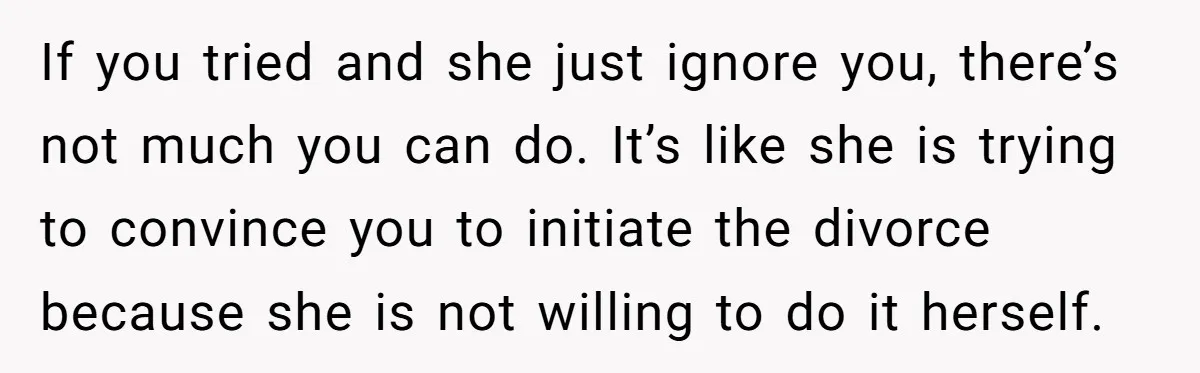
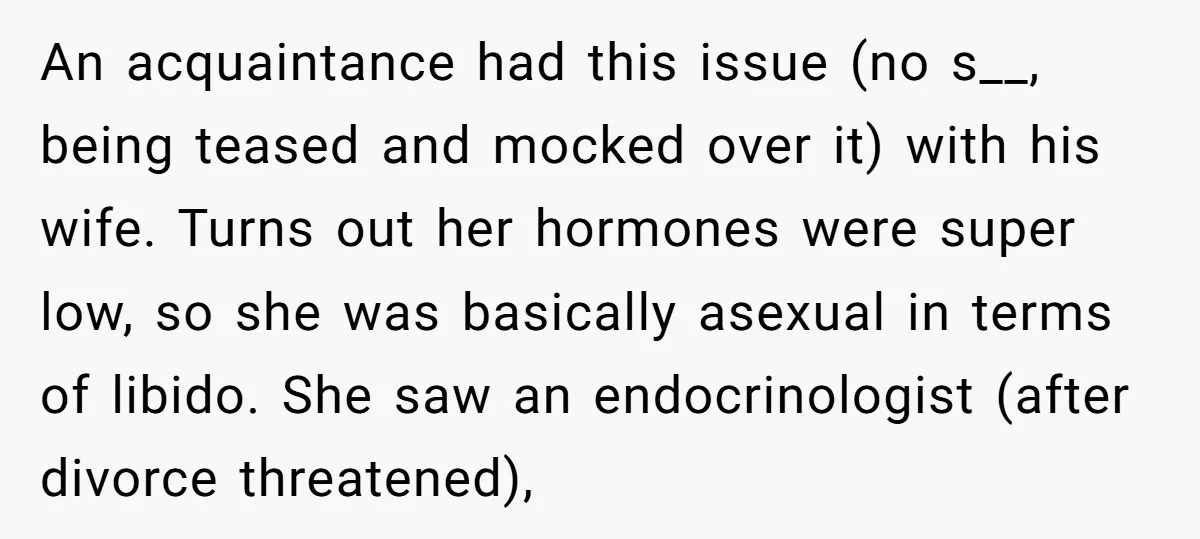
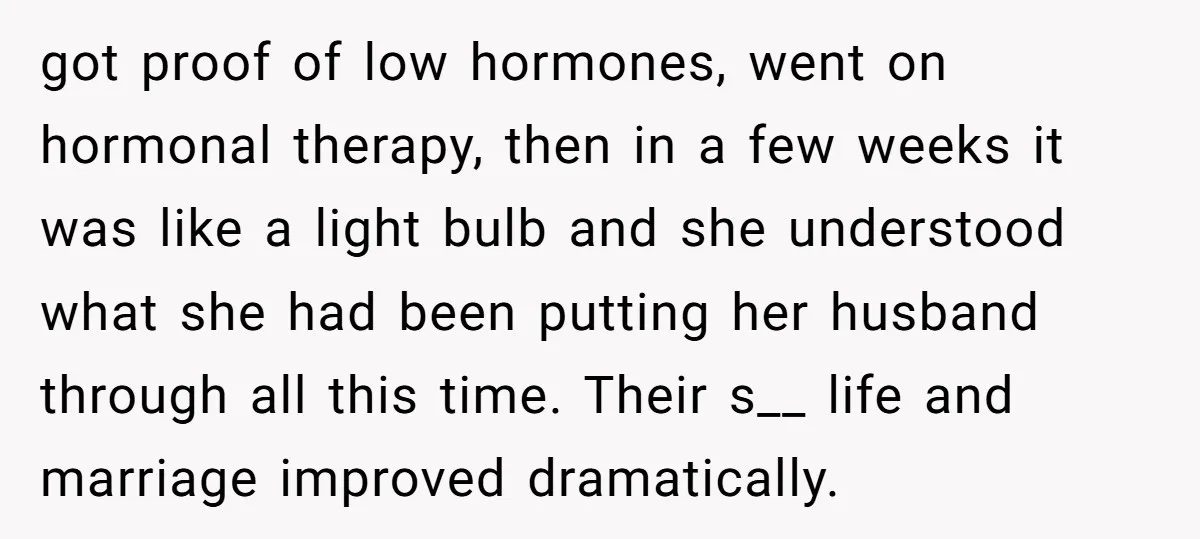

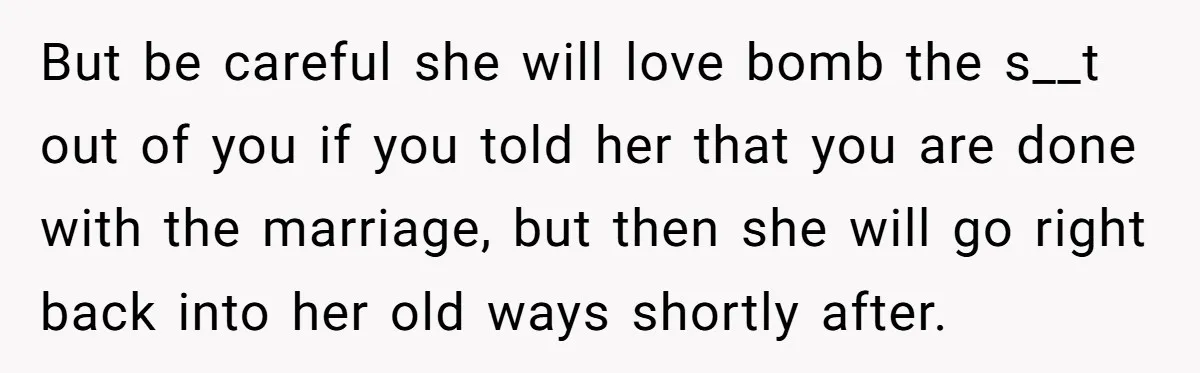

A couple of users reacted with humor or blunt observations about the situation.


This story highlights how unresolved intimacy issues can slowly erode a relationship over time. What began as a gradual decline in closeness eventually led to resentment, confusion, and a moment of emotional outburst that pushed the husband to consider divorce.
Situations like this often raise complicated questions about communication, compatibility, and emotional needs within marriage. Should couples continue trying to repair the relationship when intimacy disappears for years? Or is recognizing fundamental incompatibility sometimes the healthier choice for both partners?