
A woman is hurt and frustrated after her 14-year-old niece deliberately smashed a sentimental jewelry dish — a thoughtful birthday gift from her own mother — during a family dinner. The niece not only showed no remorse but later bragged to a friend that the dish was “ugly” and that she did her aunt a favor by breaking it.
When the woman’s sister dismissed the incident as “just being a kid,” the aunt decided not to buy her niece a birthday present this year, opting only for a simple card. Her sister now accuses her of being horrible and ruining the girl’s birthday, while the aunt believes actions should have consequences and gifts aren’t owed to someone who shows disrespect.

‘AITAH for not giving niece a birthday present after she destroyed mine?’
The sentimental gift was destroyed during the family celebration.

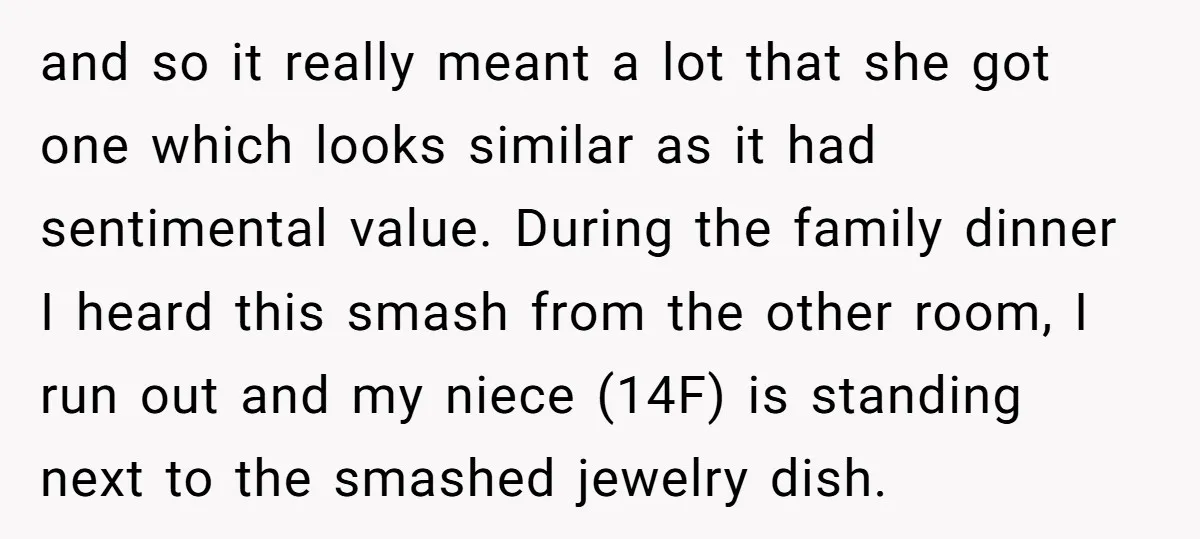
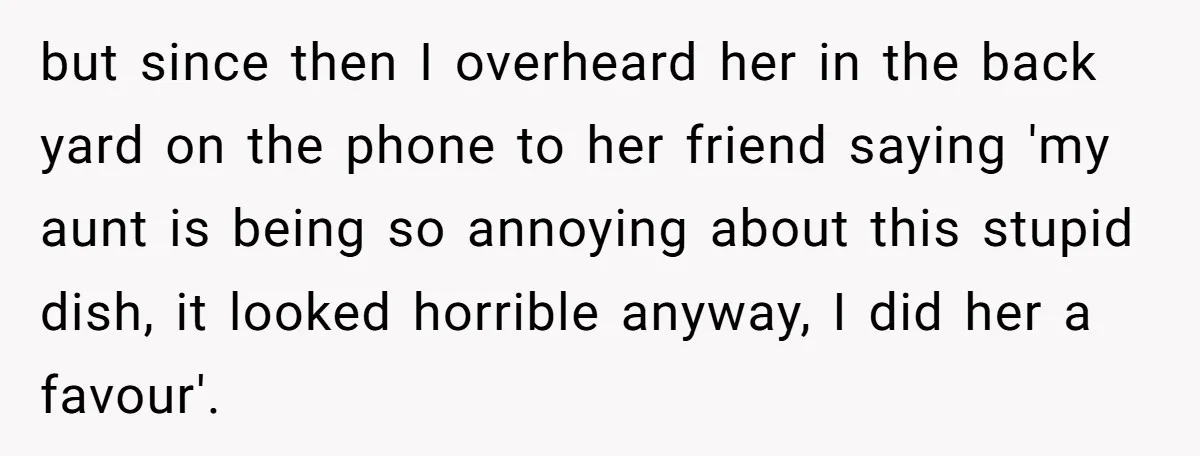
The niece showed no remorse and later bragged about it.

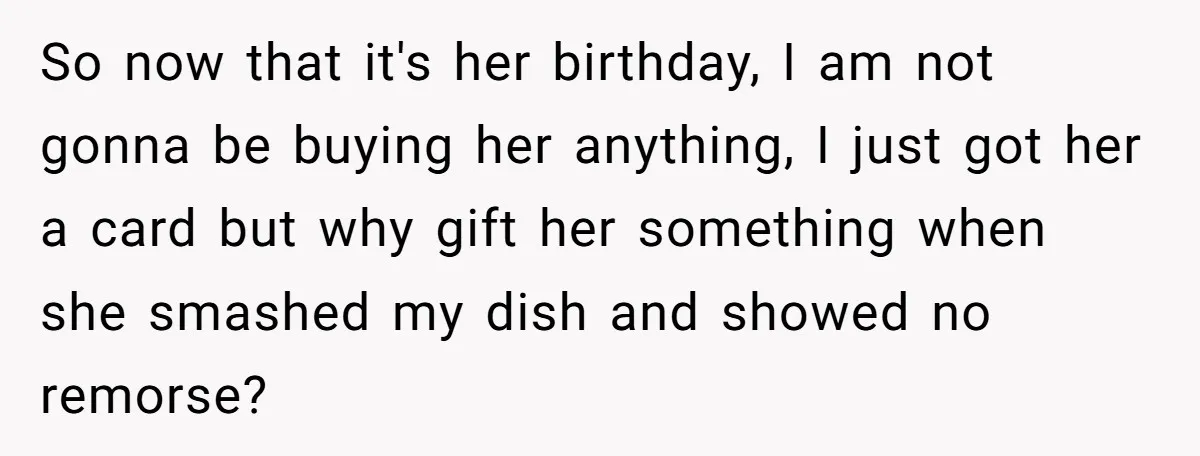
The aunt chose to withhold a gift as a consequence.

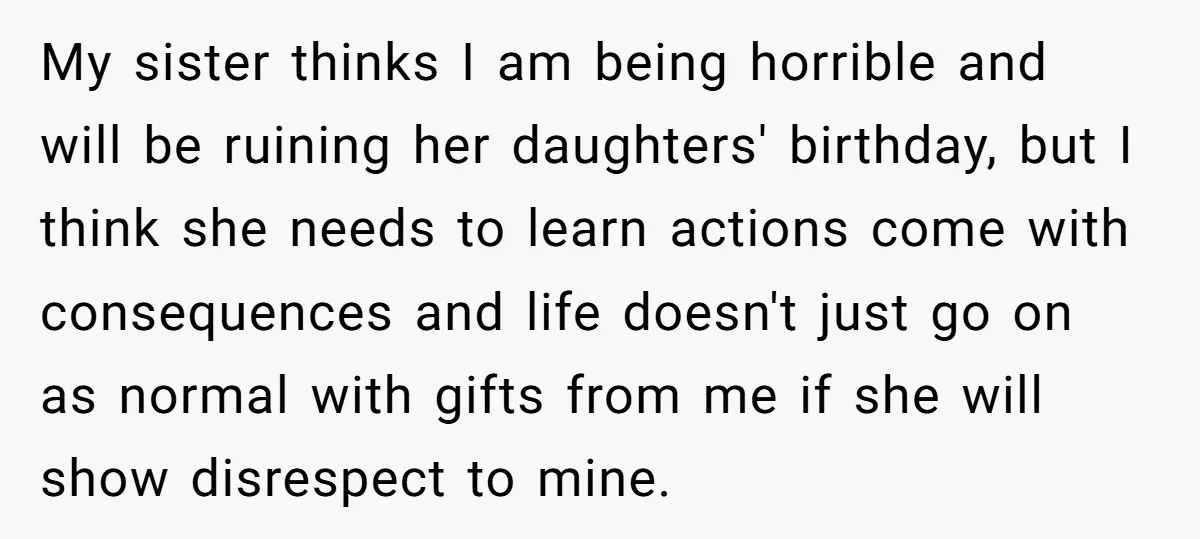
At 14, a child is old enough to understand the impact of deliberately breaking someone else’s property — especially a cherished, sentimental item given on a birthday. What makes the story more complicated is the niece’s complete lack of remorse, followed by bragging about how “ugly” the dish was and claiming she did her aunt a favor. This isn’t childish clumsiness; it’s intentional disrespect and cruelty.
The aunt’s decision to skip a birthday gift isn’t petty revenge — it’s a natural consequence in a relationship where trust and respect have been damaged. Gifts are expressions of care, and withholding one after clear hostility is reasonable boundary-setting. The sister’s dismissal (“just being a kid”) and accusation that the aunt is “ruining” the birthday shifts blame away from her daughter’s actions and onto the victim of the disrespect.
Teaching accountability matters more than protecting feelings in this case. A simple apology and replacement (or effort toward one) could have repaired the bond; instead, the lack of accountability justifies the aunt’s choice to pull back. This isn’t about punishing a child — it’s about refusing to reward bad behavior with generosity.
See what others had to share with OP:
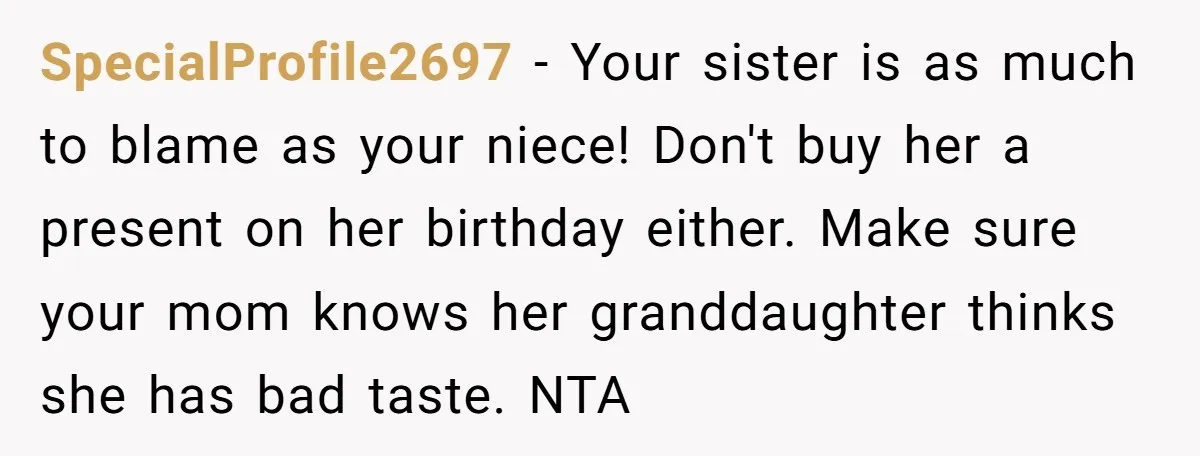
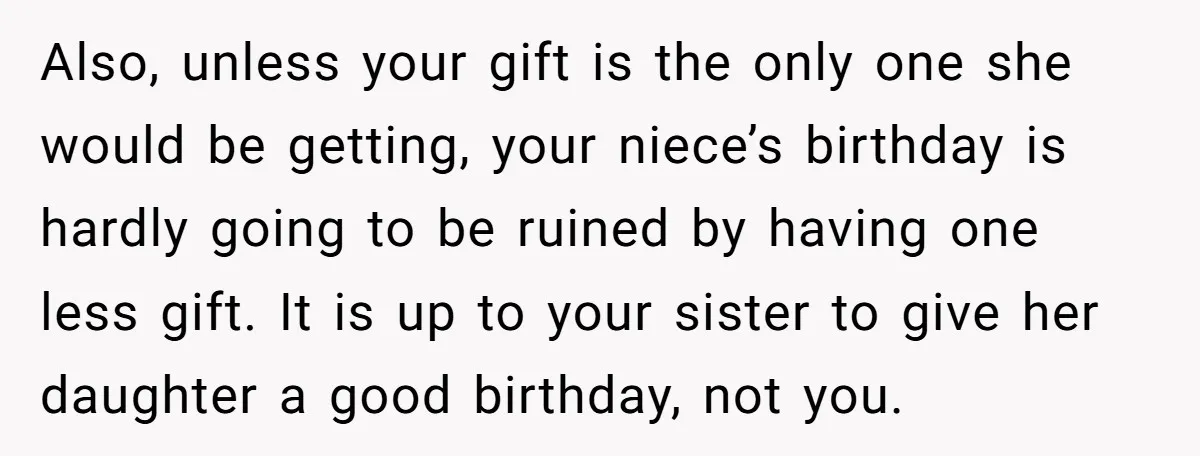
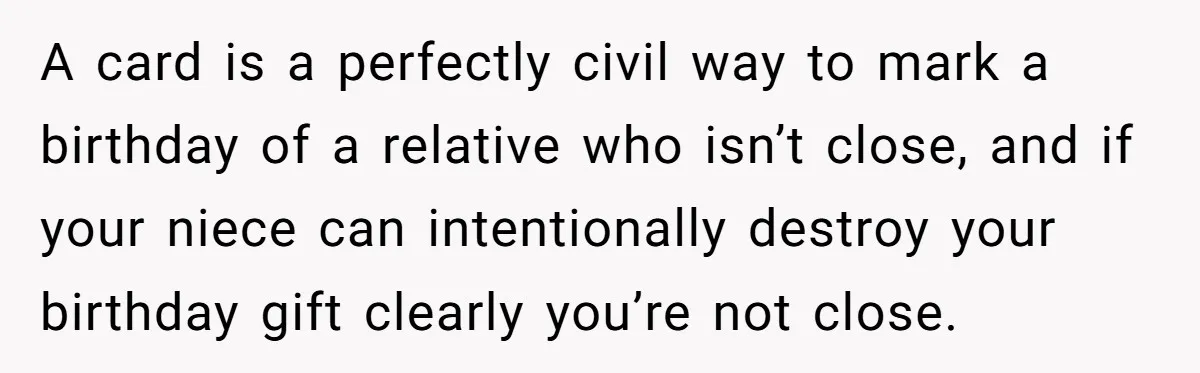
Nearly every commenter declares the aunt NTA, praising her for enforcing natural consequences and criticizing the niece’s deliberate cruelty and the mother’s enabling.

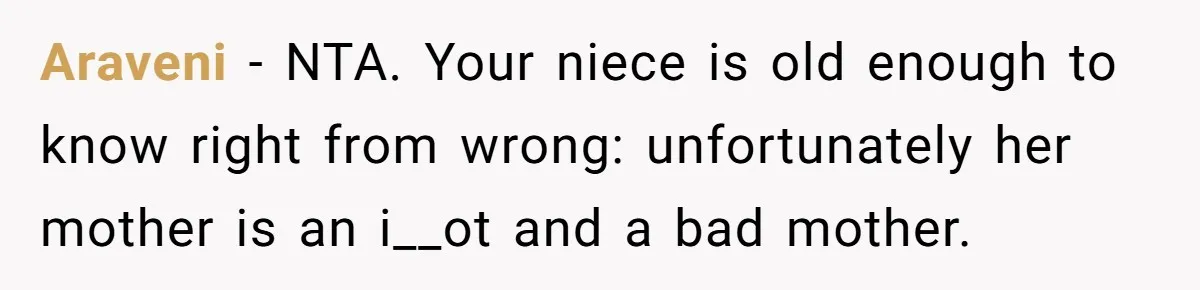

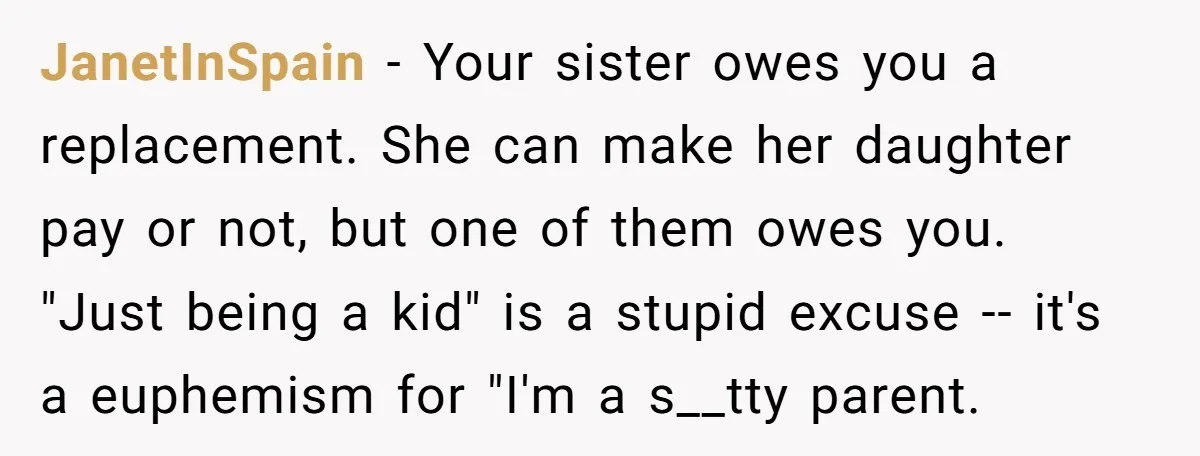
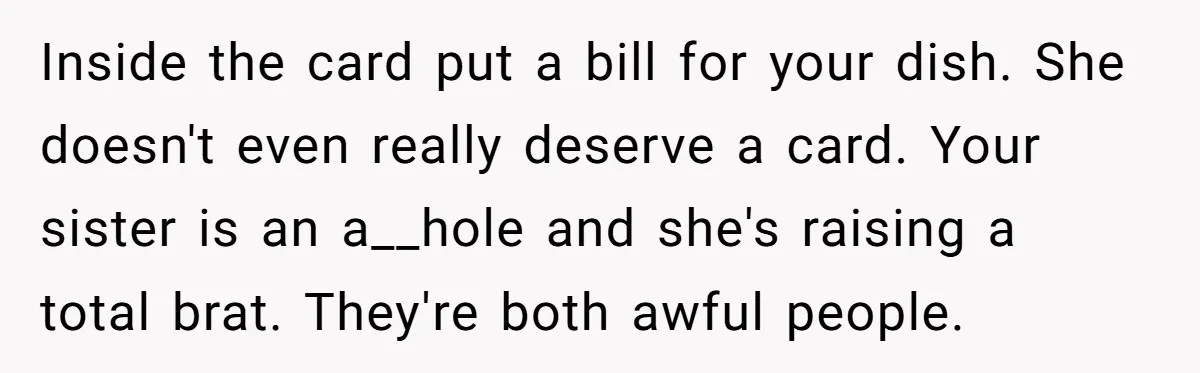
Many emphasize that 14 is far too old for “just being a kid” excuses and that the lack of apology justifies pulling back.
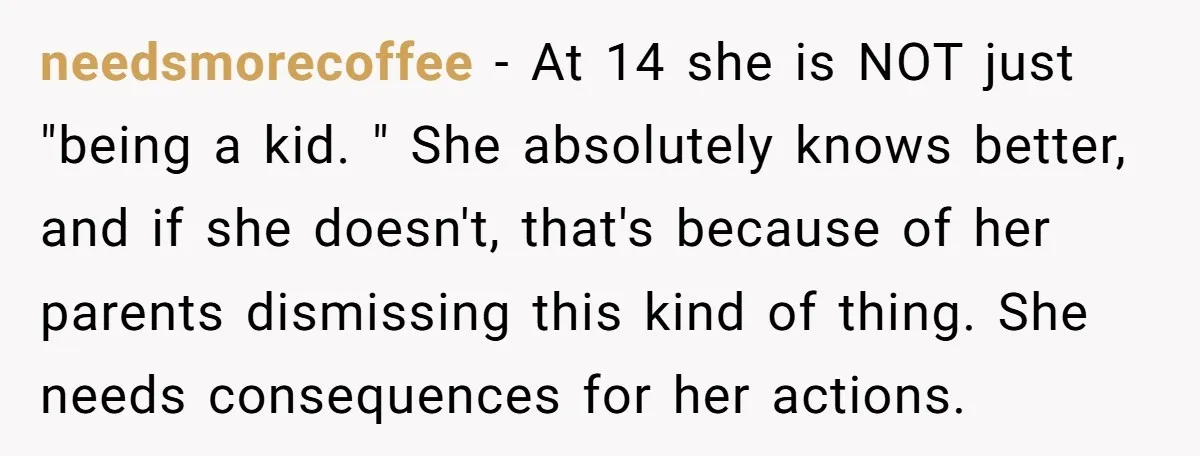
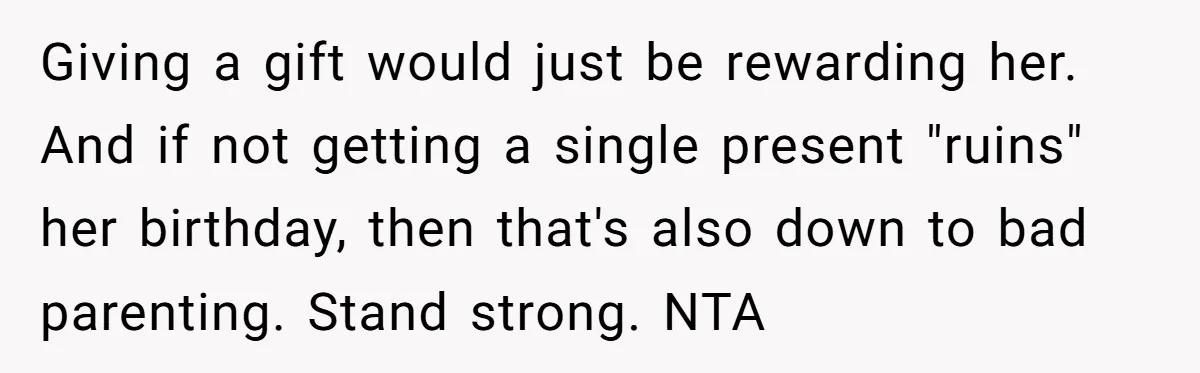
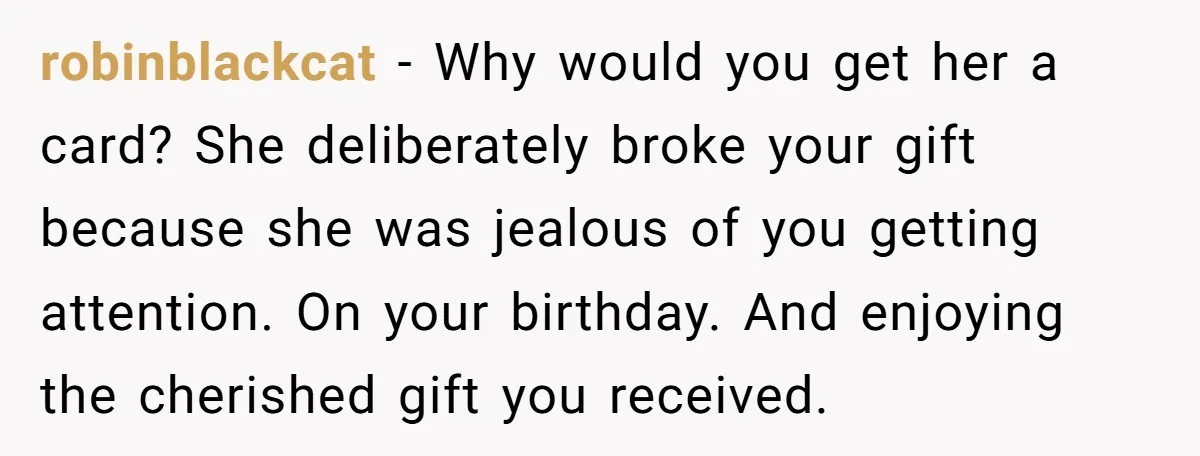

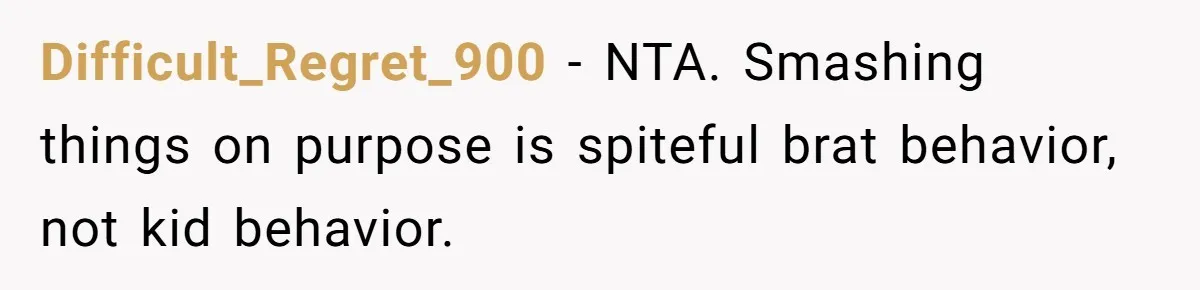
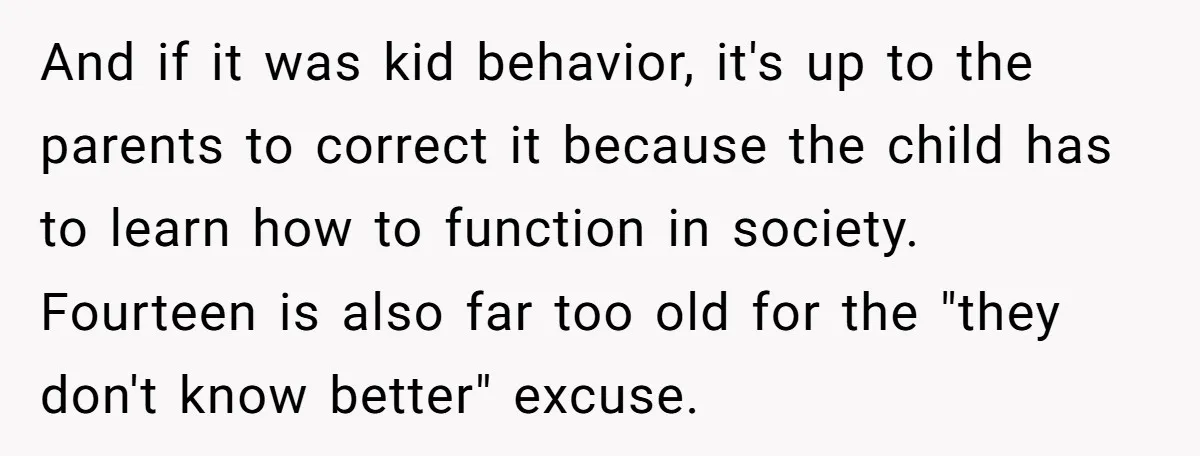

Several readers suggest even stronger responses, like no card at all or making the mother handle replacement.

This story shows how quickly family dynamics can sour when disrespect goes unaddressed and excused. The aunt’s choice to skip a gift isn’t spiteful — it’s a logical response to intentional destruction and zero accountability. Most agree the niece’s age and attitude demand consequences, and the sister’s defense only enables the behavior.
Have you ever dealt with a family member who damaged something meaningful to you and showed no remorse? Would you still give them gifts afterward? How do you think parents should handle a teenager’s deliberate cruelty toward relatives? Share your thoughts below.