
A 35-year-old woman found herself questioning professional courtesy after an employer resurfaced with an unexpected request. She had applied for a part-time role, attended an interview, and left with a positive impression, only to never receive a follow-up. The silence stretched on for nearly two months, leaving her to assume the opportunity had quietly passed.
Then, without warning, the employer reached out again. This time, it was not with an update or apology, but with a favor. They asked her to help by checking references for another candidate they were considering hiring. The request immediately felt uncomfortable, especially given the lack of closure after her own interview. Unsure whether ignoring the message was unprofessional or justified, she turned to a social network to ask whether her reaction crossed a line.

‘AITAH for not responding back to an employer that ghosted me and now needs a favor from me?’
The poster describes applying for a job and feeling optimistic after the interview.
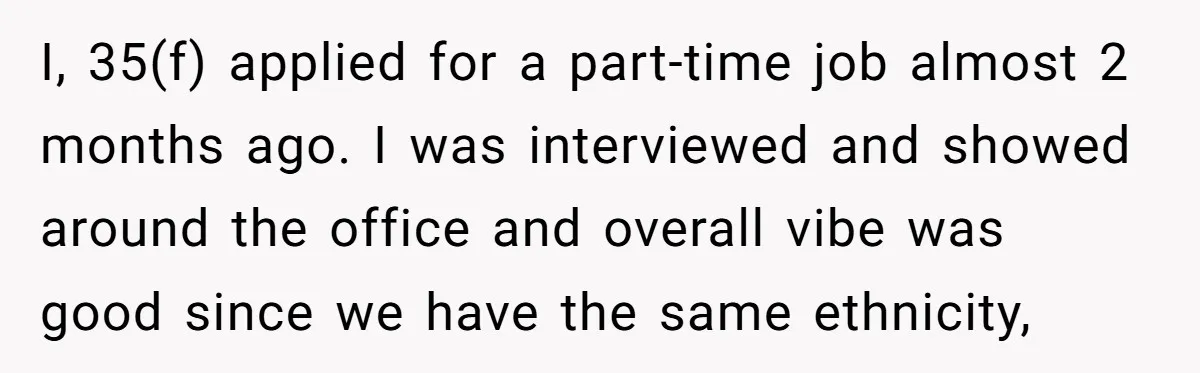
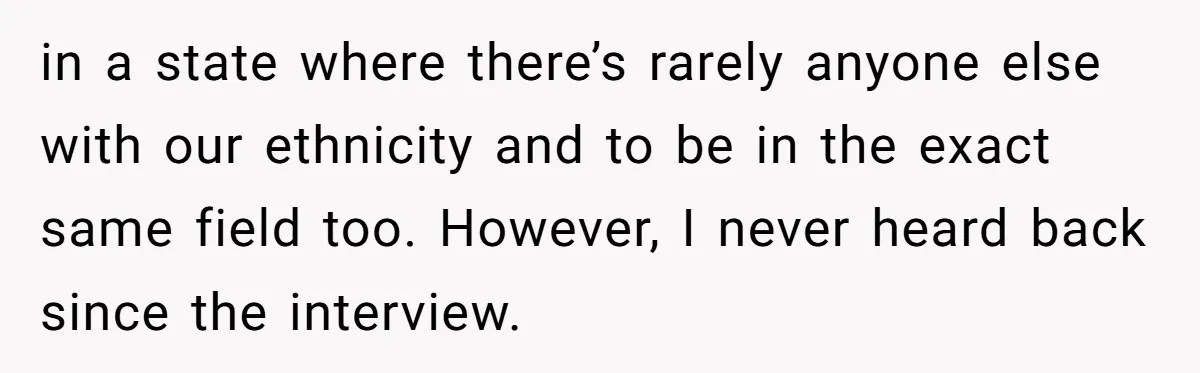
Weeks later, an unexpected message from the employer changed the situation entirely.
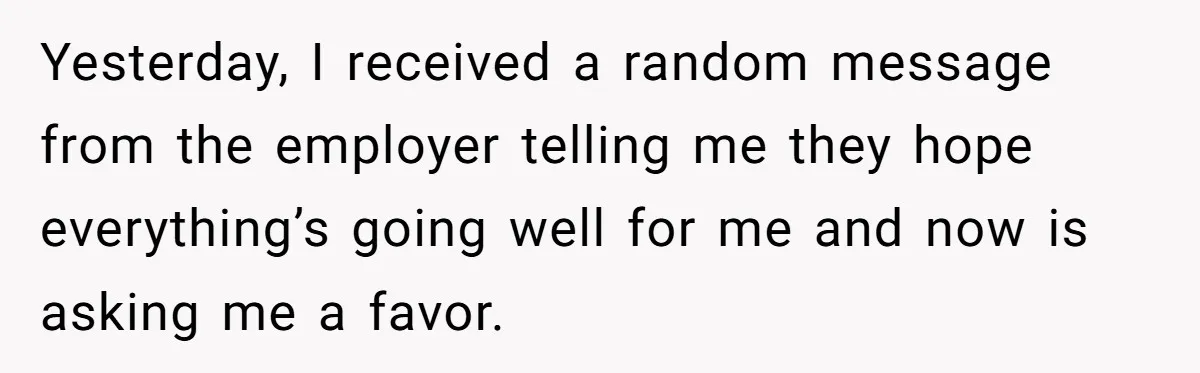
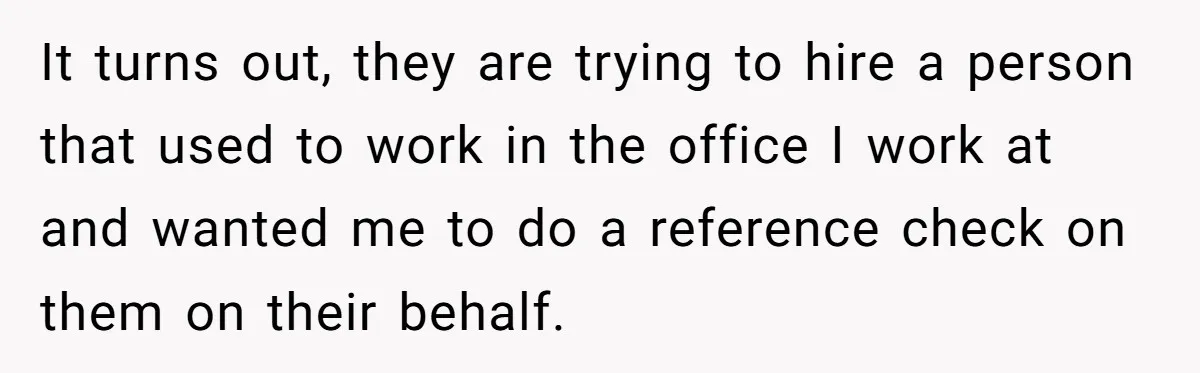
The poster explains why the request felt wrong and asks for judgment.
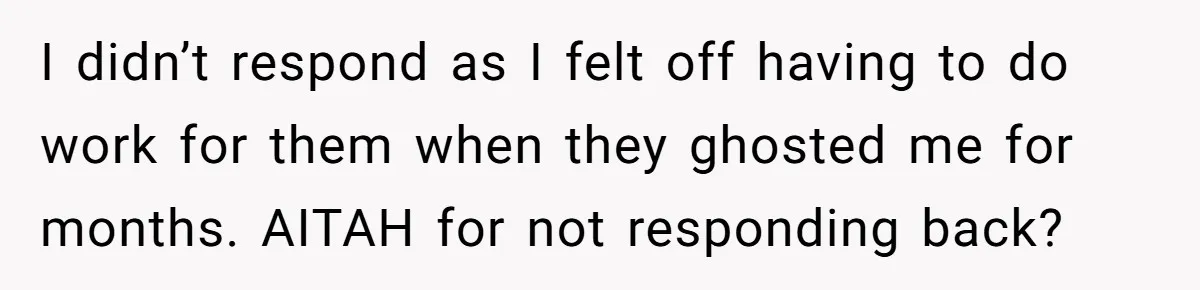
Situations like this often expose unspoken expectations in professional relationships. In this case, the employer initiated contact only when it benefited them, despite previously failing to provide closure after the interview. That imbalance is what many people immediately react to.
From one perspective, the poster has no obligation to respond. There was no employment relationship, no agreement to assist with hiring, and no professional courtesy extended to her when she was the one waiting. Ignoring the request can be seen as a reasonable response to being disregarded earlier, especially when the favor involves unpaid labor.
On the other hand, some argue that responding strategically could serve the poster’s long-term interests. A brief, professional reply that redirects the conversation back to her own application or clarifies boundaries might preserve her reputation in a small professional community. The broader issue highlighted here is how informal hiring practices and ghosting have become normalized, often placing unfair expectations on candidates. The poster’s discomfort reflects a growing pushback against one-sided professionalism, where respect is expected only from job seekers and not always returned by employers.
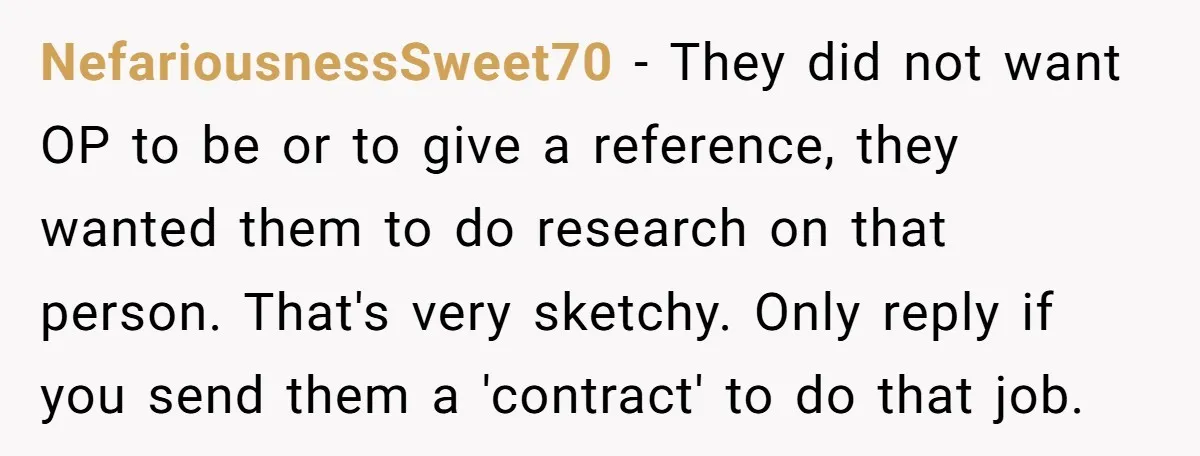
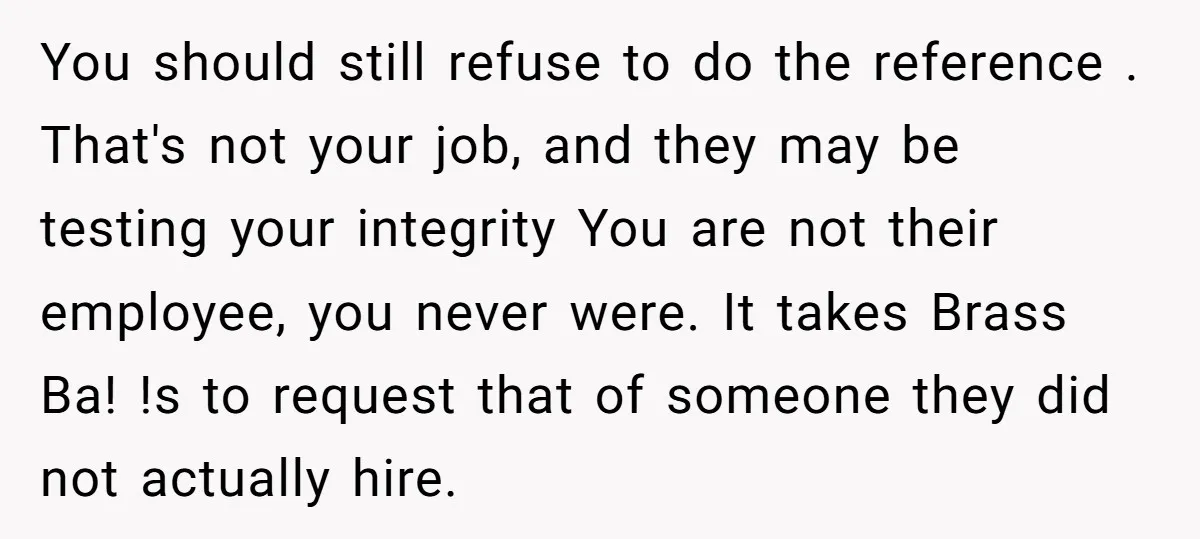
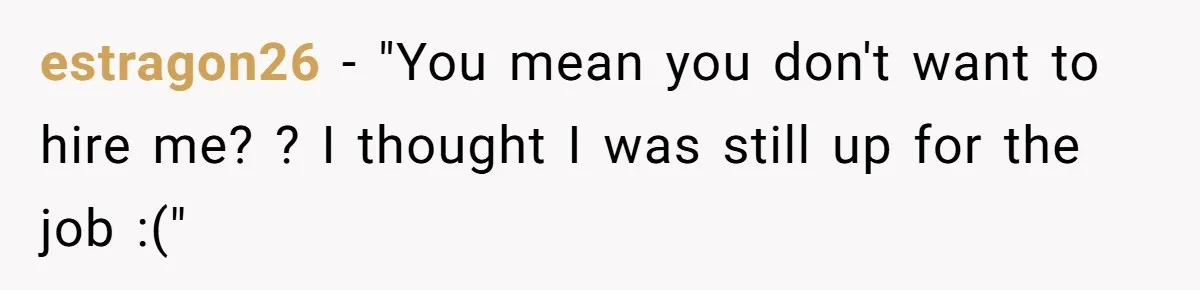
Here’s what people had to say to OP:
Many users supported the poster, emphasizing fairness and basic professional respect.
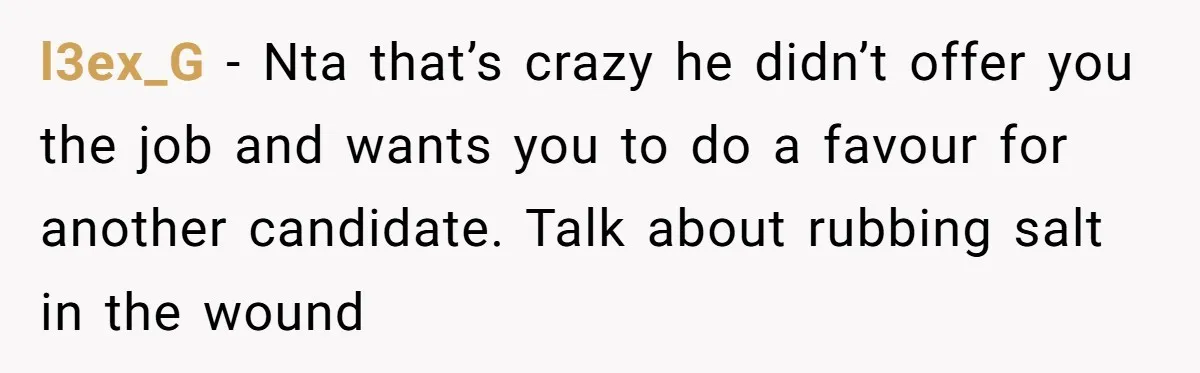
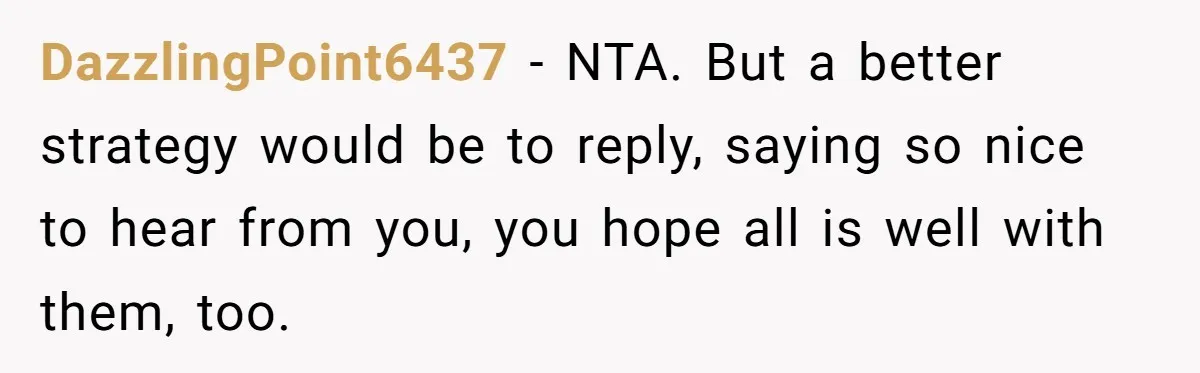
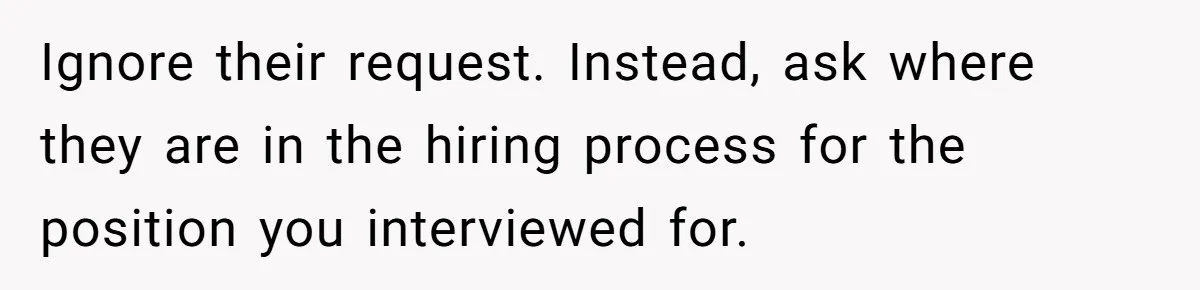
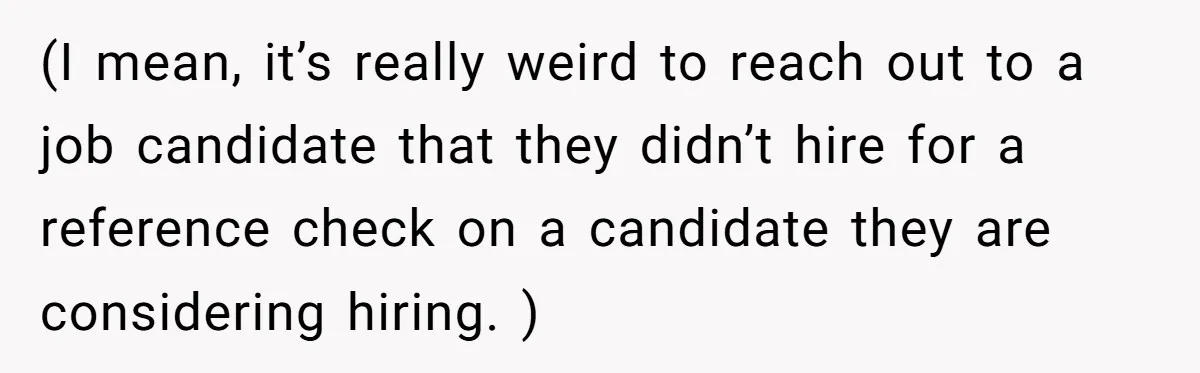
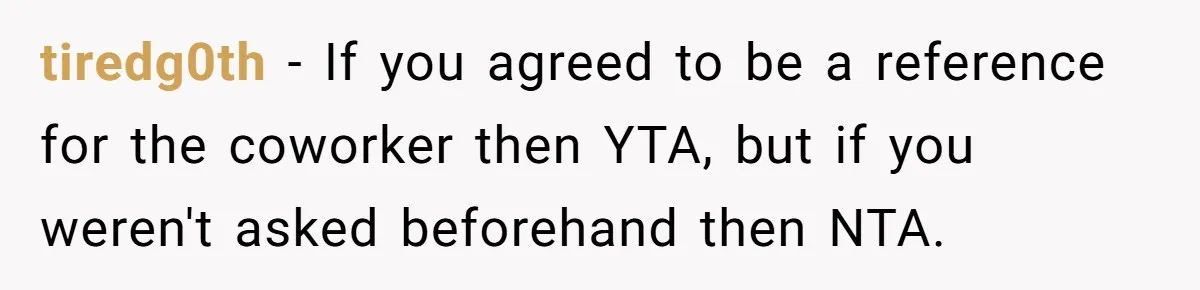
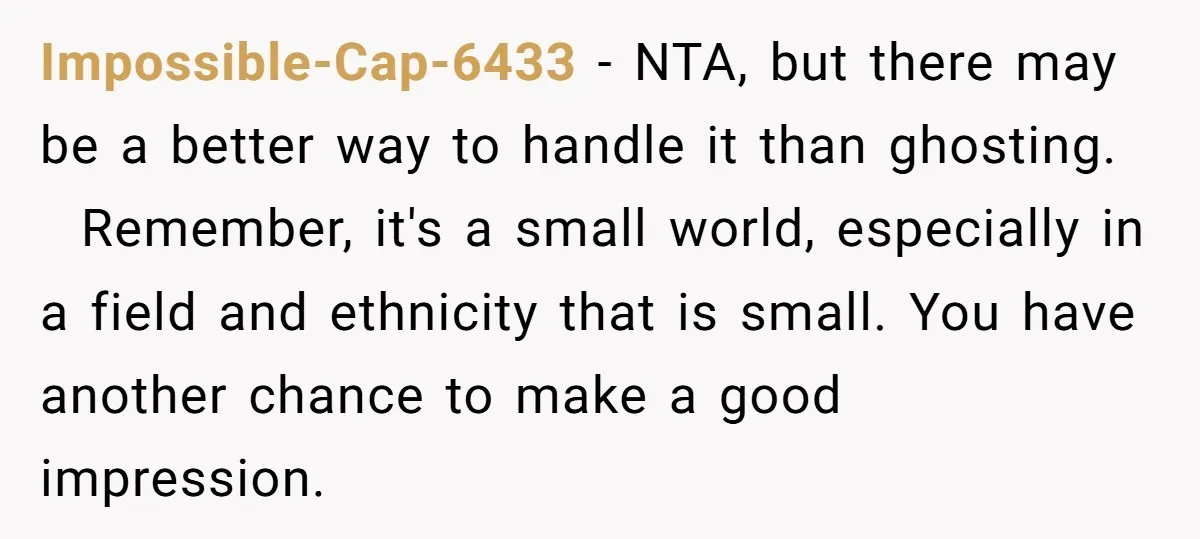
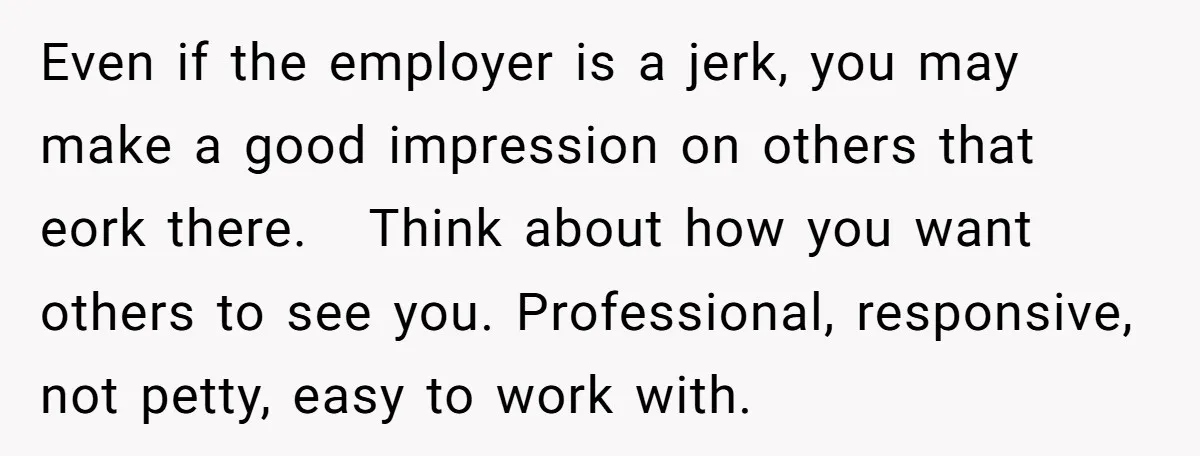
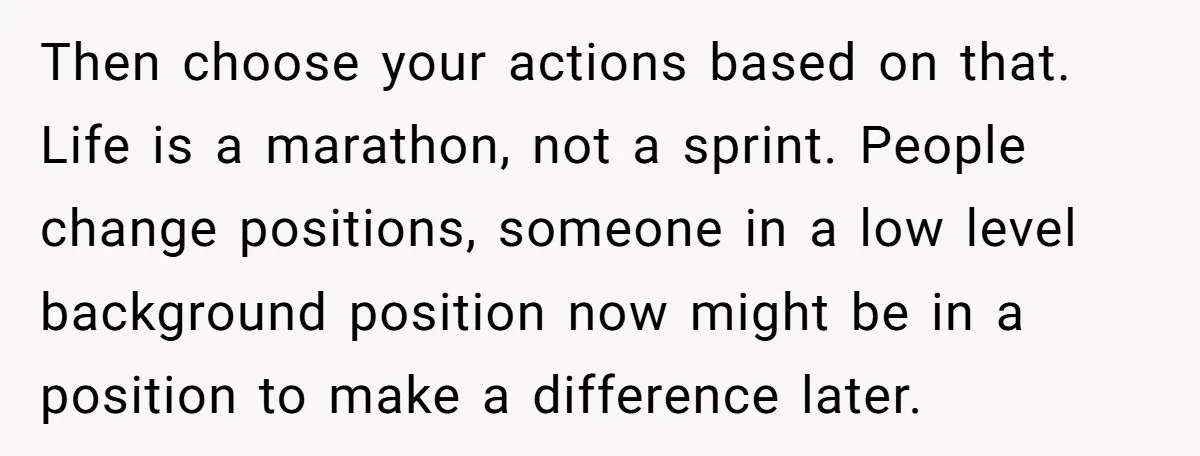
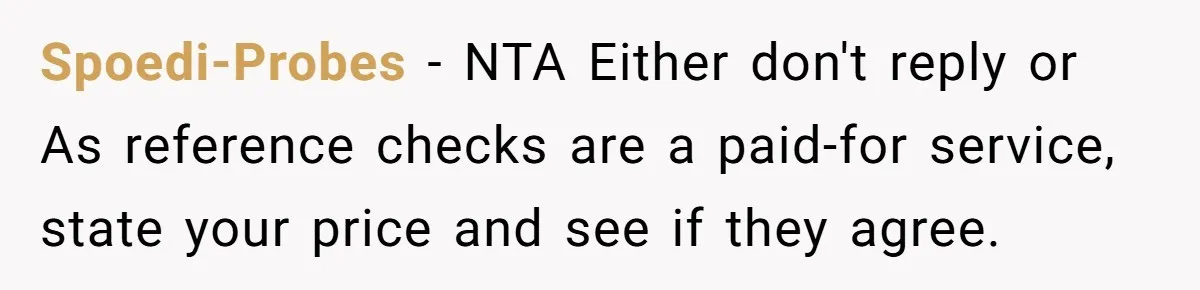
Other commenters offered more balanced takes, suggesting alternative ways to respond.
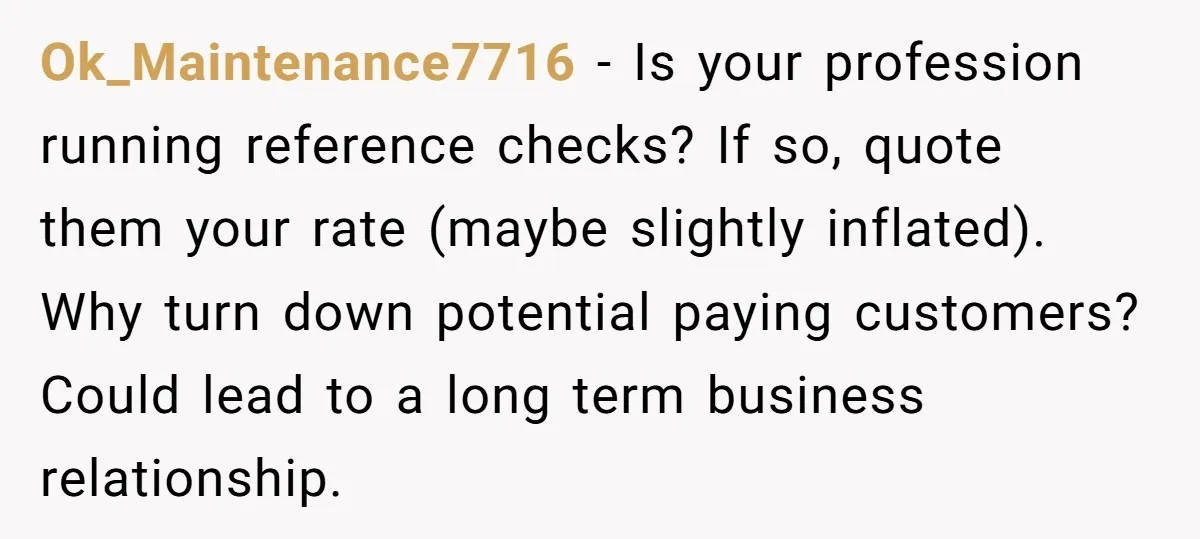
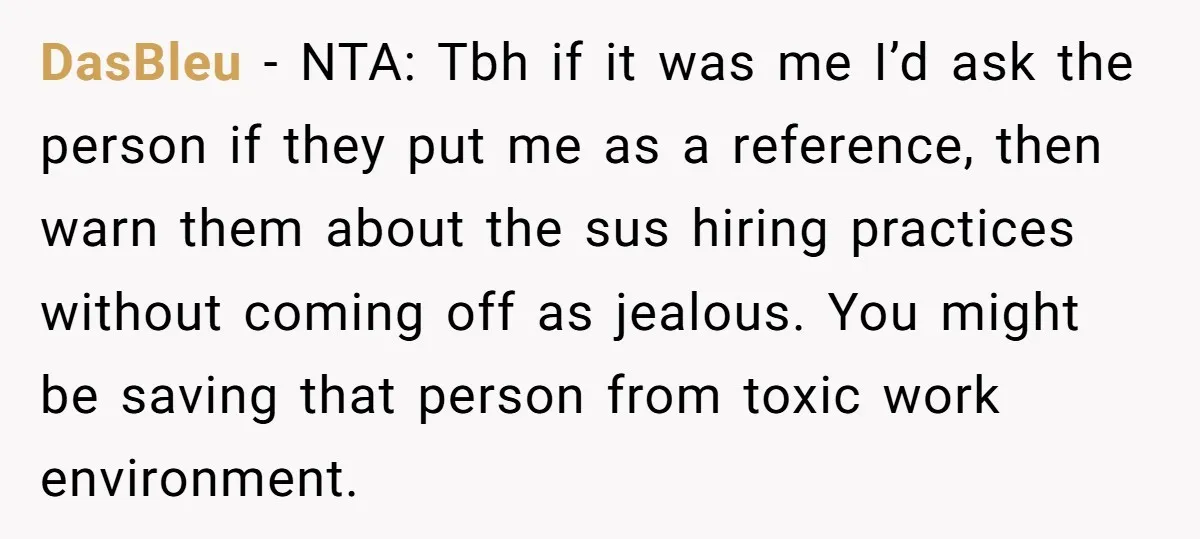

A few users tried to lighten the mood with humor.
The situation highlights a growing frustration many job seekers feel when professional courtesy flows in only one direction. Being ghosted after an interview can already feel dismissive, and being contacted later for unpaid help adds another layer of discomfort. The poster’s hesitation reflects a reasonable desire for mutual respect.
At the same time, the discussion shows there are multiple ways to handle such moments, ranging from silence to strategic professionalism. Should job candidates feel obligated to respond politely even after being ignored? Where should the line be drawn between protecting one’s dignity and maintaining a professional reputation? Readers are invited to weigh in on how they would respond if placed in a similar position.