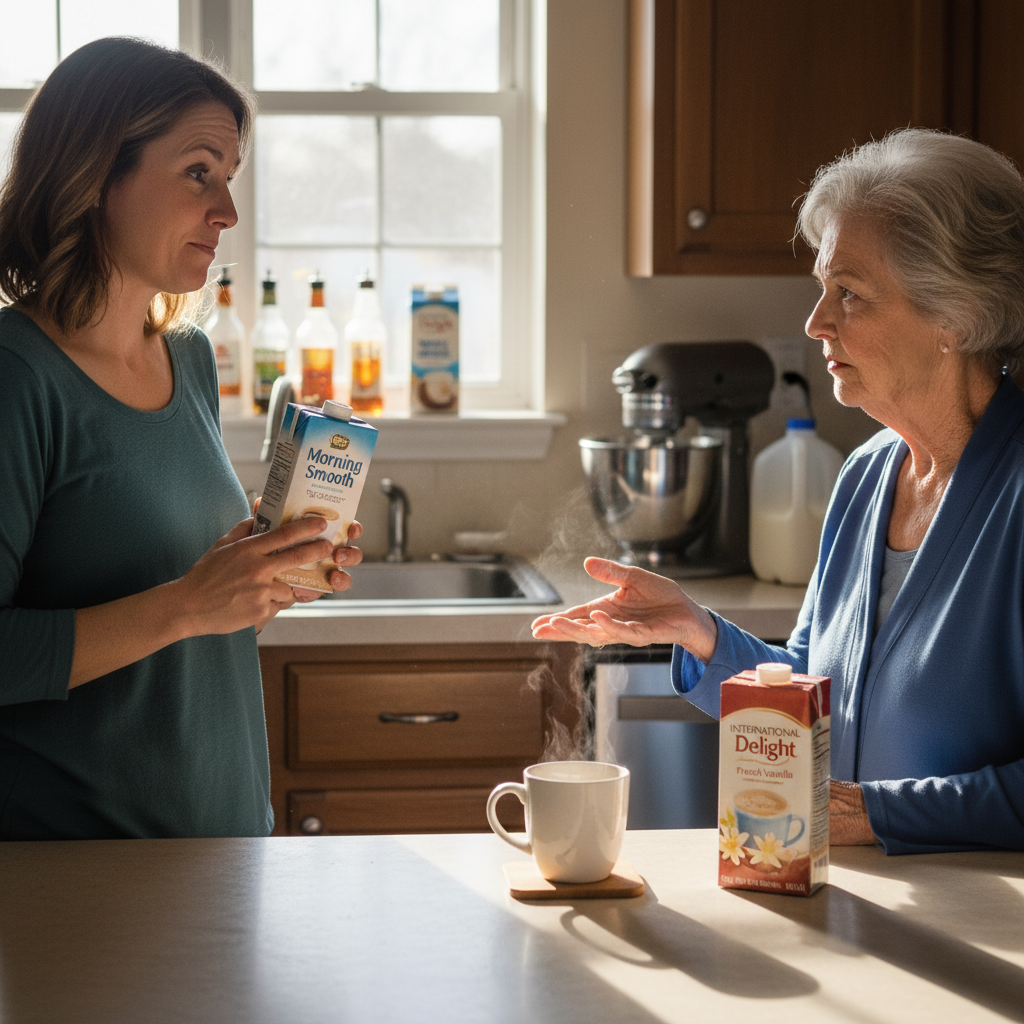
What happens when the most personal moment of your life—giving birth—becomes a debate about family traditions and who gets to be in the room? Many expectant parents assume the birth plan centers on comfort and safety, yet extended family expectations can turn it into something much larger.
One pregnant woman wants to deliver in her home state of Idaho with minimal visitors, just her own mother flying in for support. Her husband insists on traveling to Los Angeles so his entire extended family can be present at the hospital right after the birth, calling it a cherished tradition. She feels overwhelmed by the idea of entertaining relatives during recovery, while he accuses her of not valuing family. Now she questions if her desire for a peaceful birth makes her the asshole.

‘AITAH for not wanting to give birth surrounded by my husband’s family?’
The couple lives alone in Idaho, far from most relatives.


Her husband pushes for a different plan centered on his side.



The argument escalated into accusations about family values.





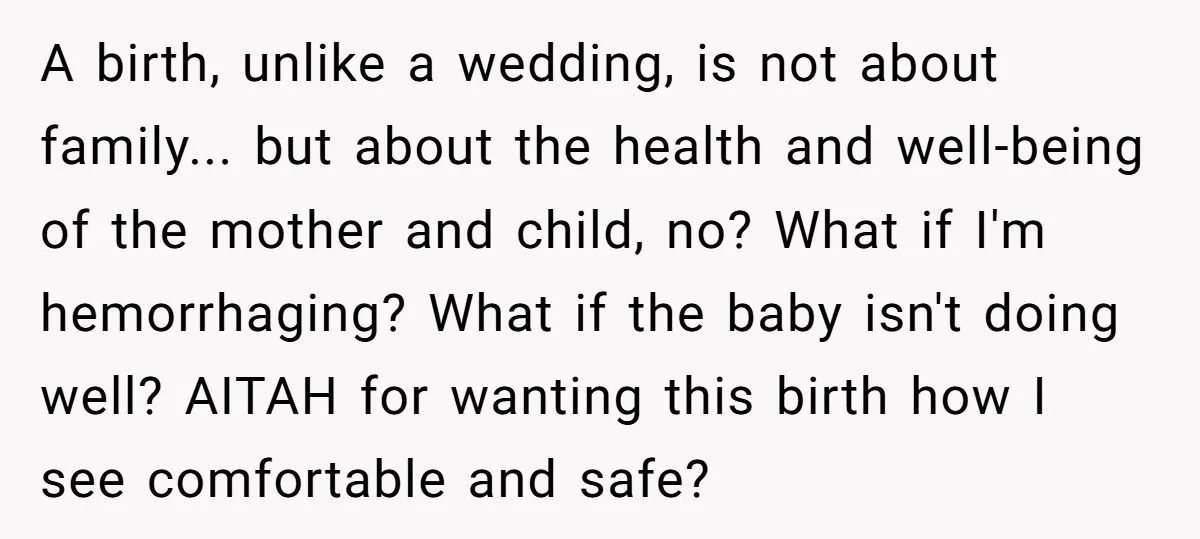

Childbirth involves profound physical and emotional vulnerability for the mother, making personal comfort and medical safety the top priorities. The wife prefers delivering in her familiar environment with her own doctor and limited support from her mother. The husband advocates for relocating to Los Angeles so his large extended family can participate immediately, framing it as a non-negotiable tradition. This creates tension around autonomy, logistics, and differing views on family involvement.
The wife’s discomfort arises from realistic concerns: stress from entertaining visitors, risks of passing the newborn around, and potential medical complications far from her established care team. The husband’s push may stem from cultural expectations or a desire to include his side, but it overlooks the physical demands on his wife. His accusation that she undervalues family feels particularly stinging given her active efforts to maintain those connections.
Obstetrician and women’s health advocate Dr. Jennifer Gunter has emphasized that “the birthing person’s preferences and safety must guide decisions about who is present during labor and delivery; no tradition overrides medical best practices or the mother’s well-being.” This perspective highlights why the final choice belongs primarily to the person giving birth.
Practical resolution starts with a calm, focused conversation emphasizing health over tradition. The wife could involve her obstetrician to explain risks of travel late in pregnancy and benefits of continuity of care. Setting clear postpartum visitor boundaries early, such as delayed family introductions, protects recovery time. Couples counseling can help address the deeper resentment and communication gaps. These steps prioritize the new family unit while respecting both partners’ feelings.
See what others had to share with OP:
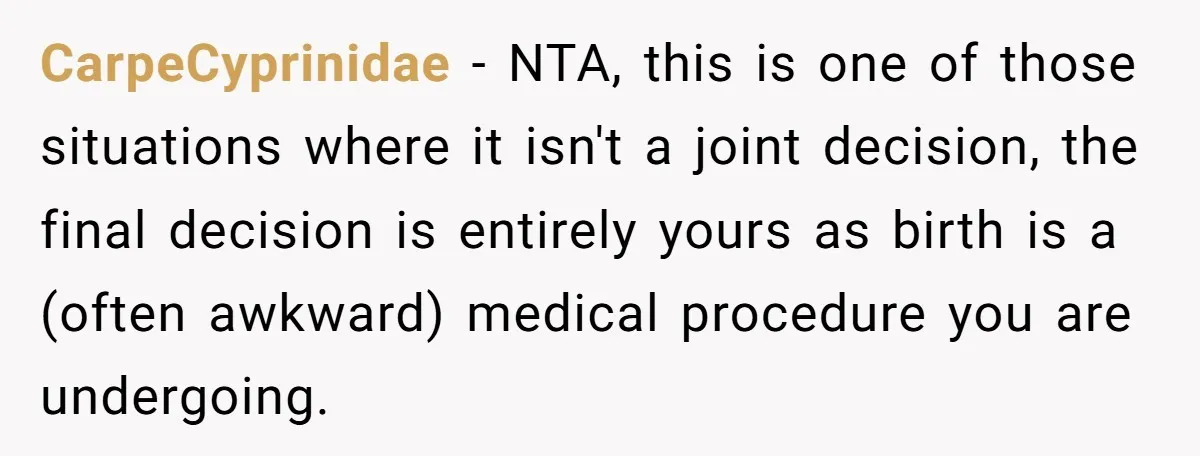
The online community responded with near-universal support for the original poster, emphasizing that childbirth is the mother’s medical event, not a family gathering. Commenters repeatedly called birth a private experience and criticized the husband’s demands.
Almost every reader sided strongly with the wife and reinforced her right to decide:




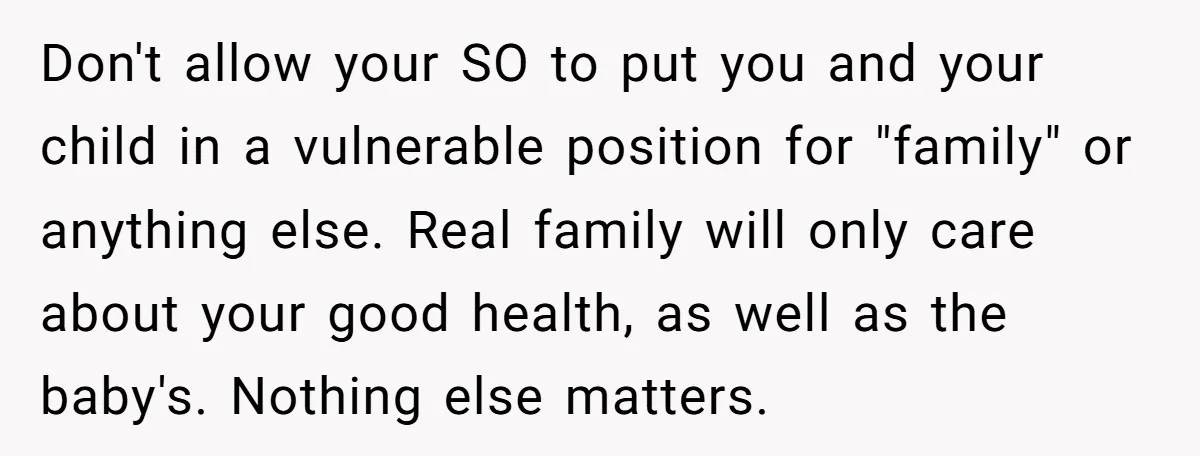

![[Reddit User] − Sad that we can't even allow women to be comfortable in their own birthing spaces. I would say if this man can't respect YOUR wishes (as you're...](https://loknam.com/aita/images/f6c3f60730/wp-editor-1768377854646-7.webp)
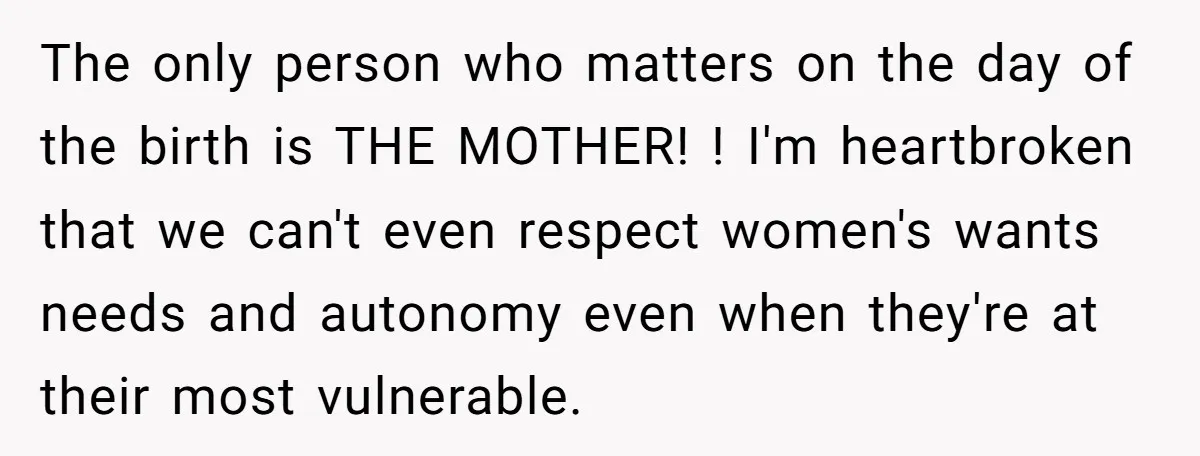

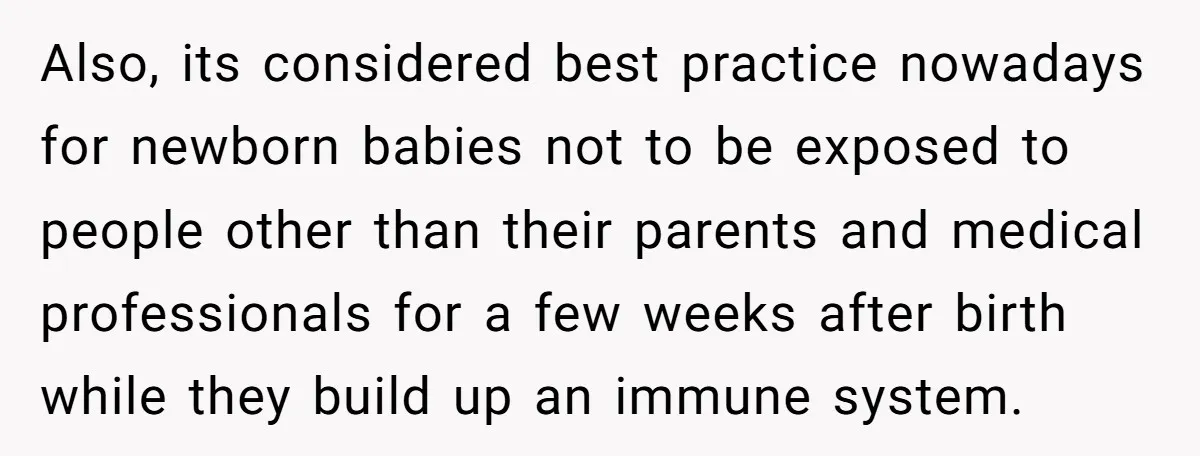









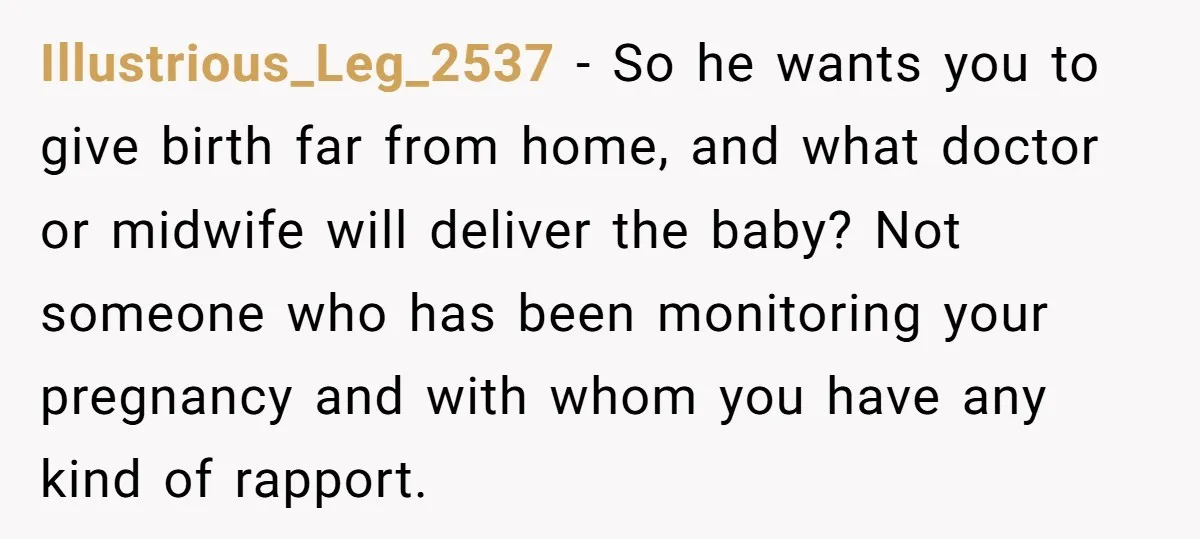
Several commenters added practical concerns about logistics, health risks, and red flags:



![[Reddit User] − Strangers holding a newborn and passing it around in the age of Covid is stupid, disrespectful and child n__lect. This would be my hill to die on....](https://loknam.com/aita/images/f6c3f60730/wp-editor-1768378099344-5.webp)



This story underscores a key truth: childbirth is first and foremost a medical event centered on the mother’s health, safety, and comfort. Traditions and family inclusion matter, but they should never override the person actually going through labor. The wife’s willingness to visit family soon after recovery shows she values connection—just not at the expense of her well-being.
Have you ever had to set firm boundaries around your birth or postpartum plans? Do you think the husband’s “tradition” argument holds weight, or should the mother’s preferences always come first?