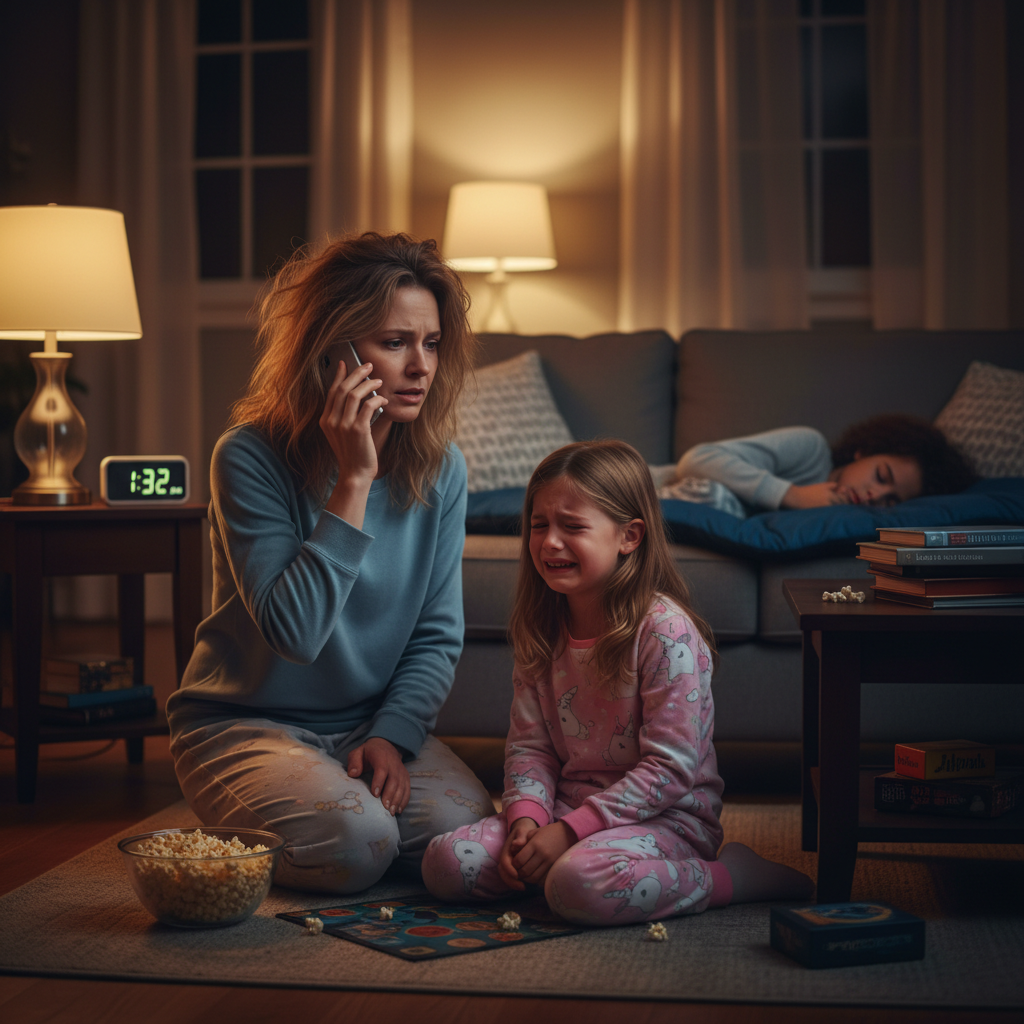
A teenager found herself at the center of a growing family conflict just months before her father’s remarriage. What was supposed to be a new beginning quickly turned into a painful struggle involving mental health, personal boundaries, and a beloved pet that represented emotional stability during a difficult time.
What makes the situation more complicated is that the teen was still grieving her mother’s death while trying to adjust to a future stepfamily that showed little empathy toward her condition. As tensions escalated behind closed doors, one decision involving her cat triggered a chain of events that left her questioning her place in her own home and seeking refuge elsewhere.

‘AITAH for refusing to accomadate my future step family?’
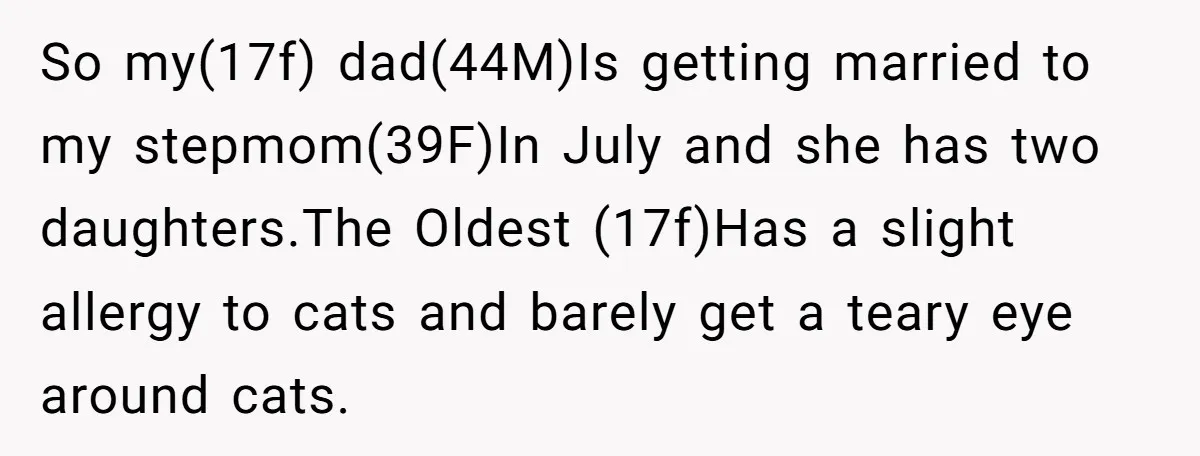
It all started as wedding plans slowly began reshaping the household dynamics.

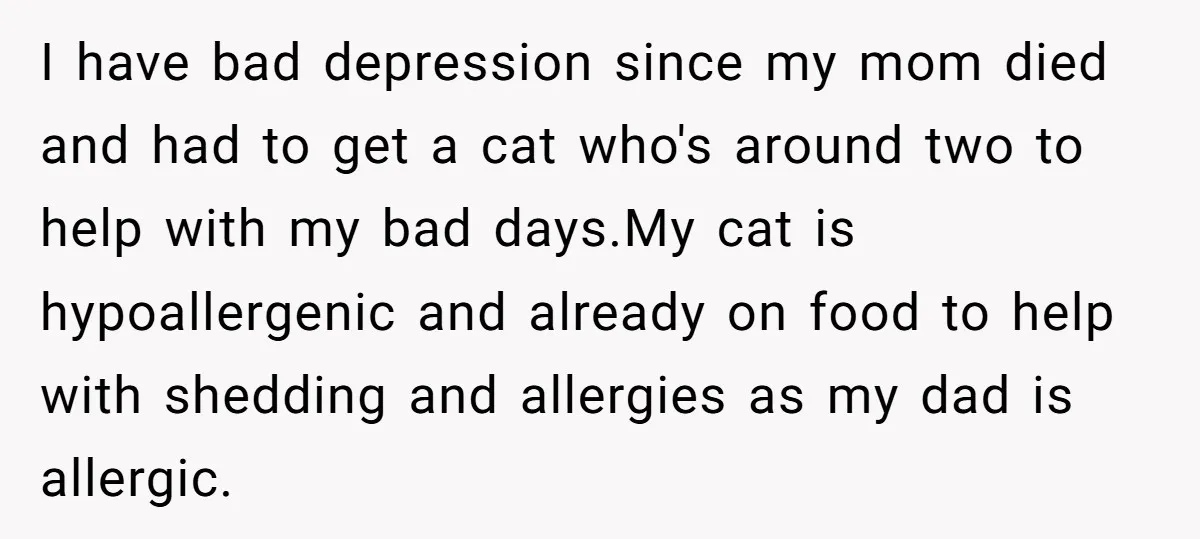
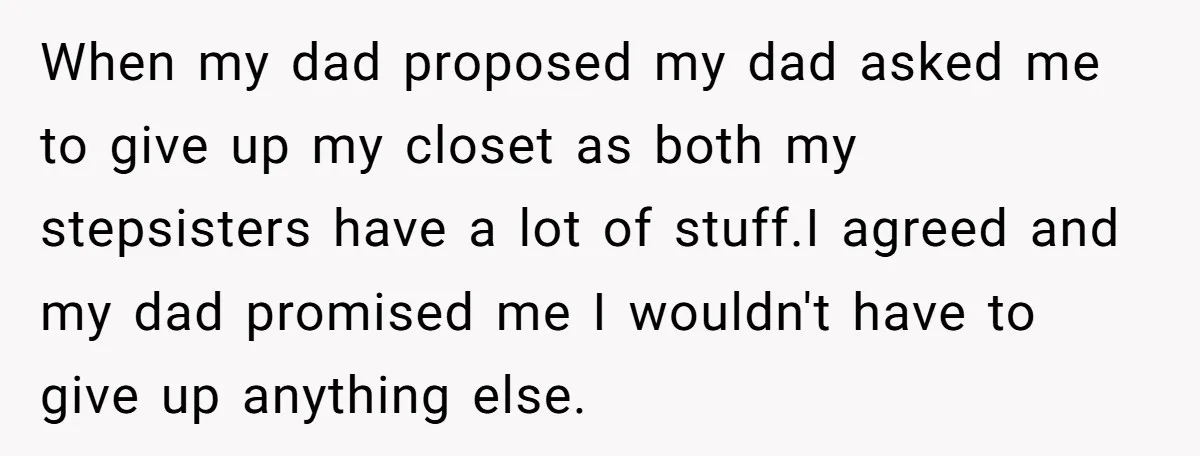
After initial compromises, new demands surfaced and deeply personal boundaries were challenged.


The conflict escalated dramatically after the cat suddenly disappeared without explanation.
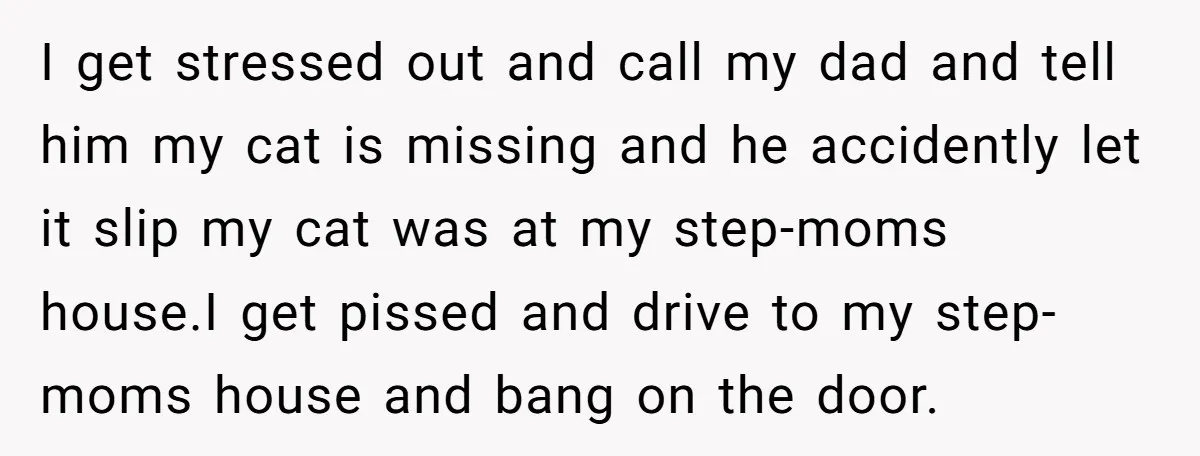

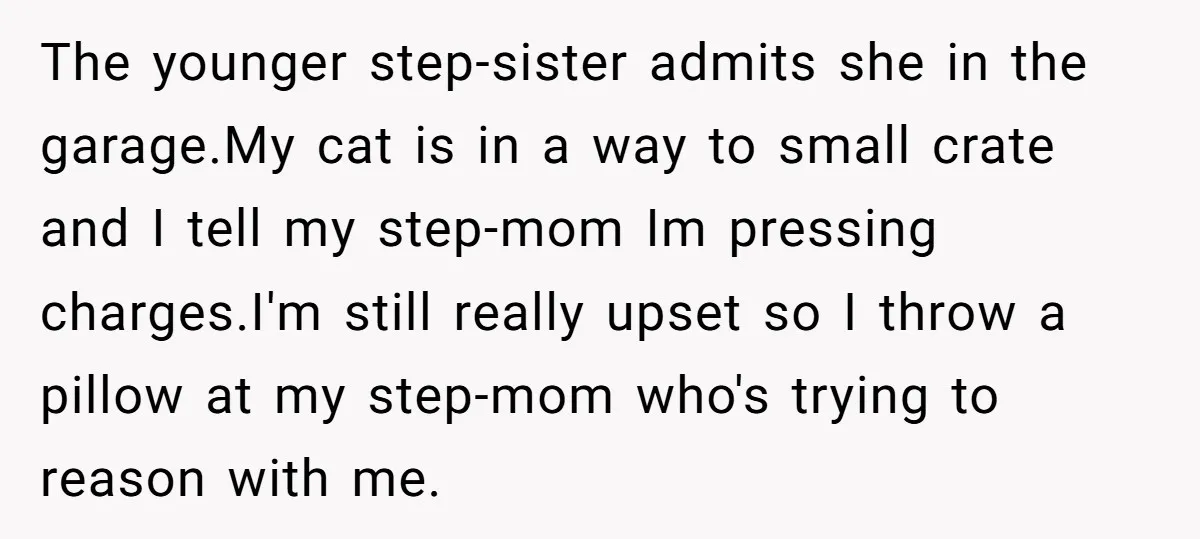
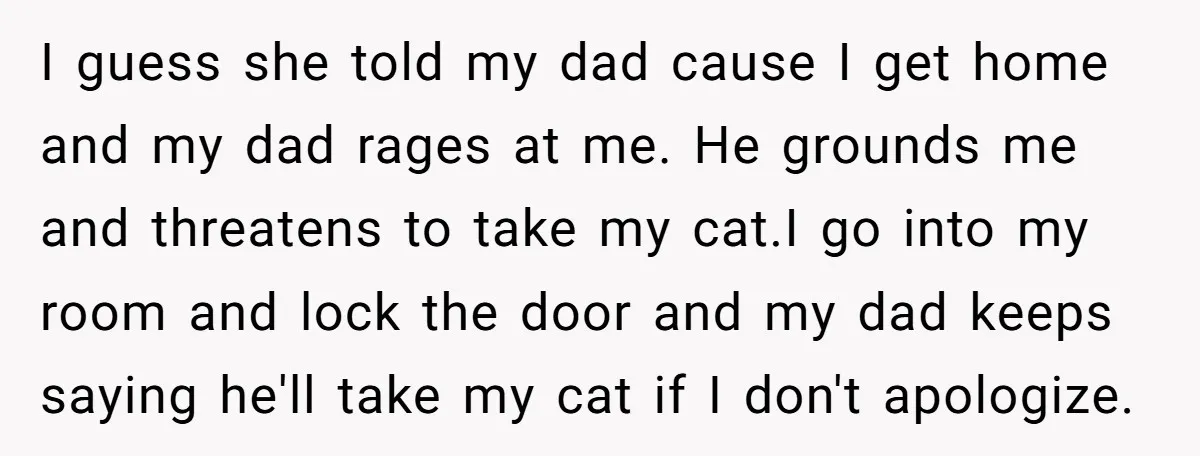

Situations involving blended families often bring unresolved grief and competing needs to the surface. In this case, the core issue revolves around a minor coping with depression after the loss of a parent while facing pressure to conform to a new household structure. The cat represents emotional stability and continuity, while the adults involved frame it as an inconvenience.
What makes the conflict sharper is the dismissal of mental health needs and the lack of unified parental support. Opposing views may argue that shared living requires compromise and that future stepfamily members also deserve comfort.
However, expecting a teenager to relinquish medical support and personal security crosses into emotional neglect. The broader social issue highlights how mental health is often minimized within families, especially when new relationships take priority over existing responsibilities.
See what others had to share with OP:
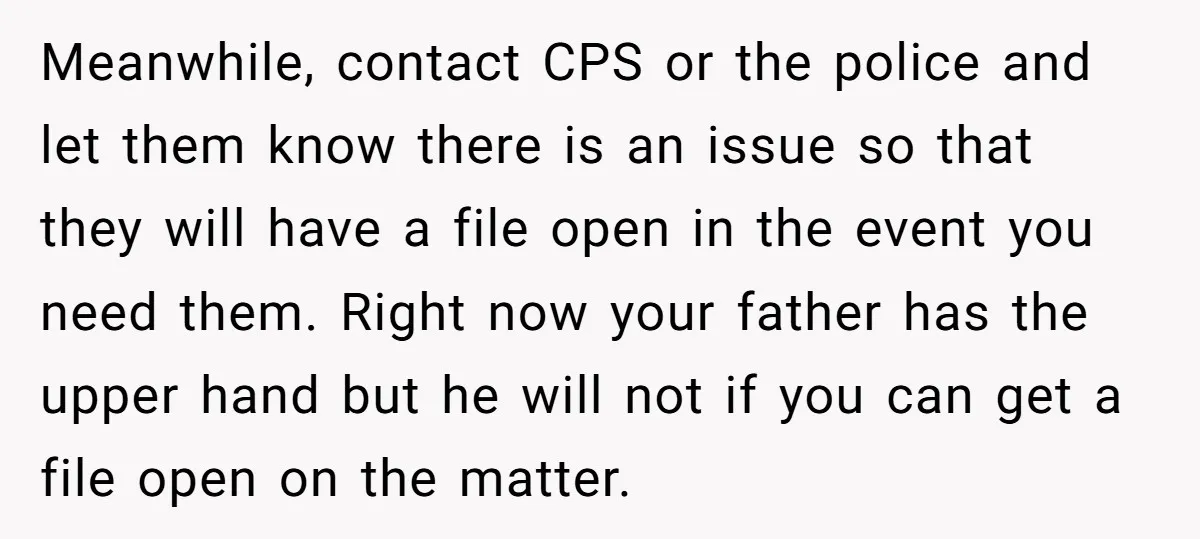
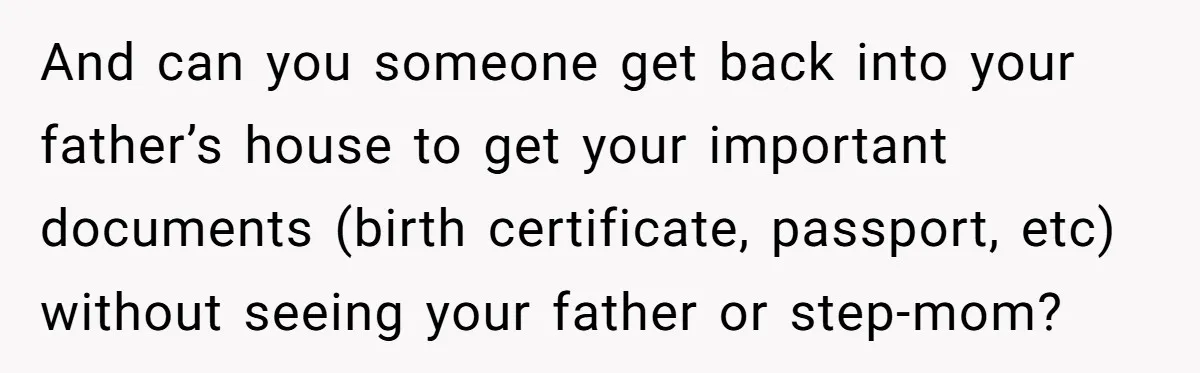
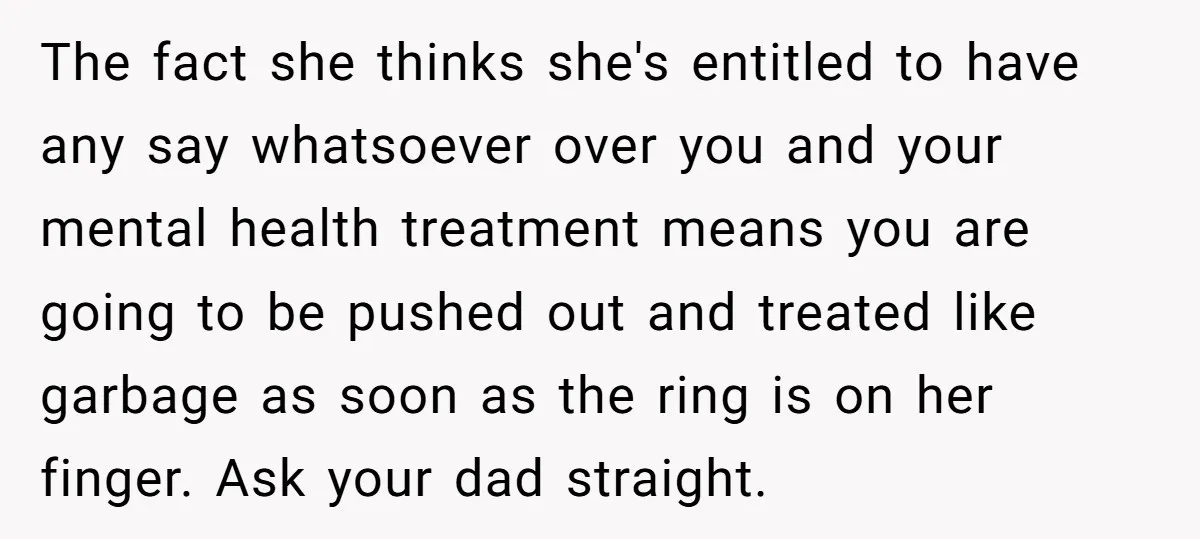
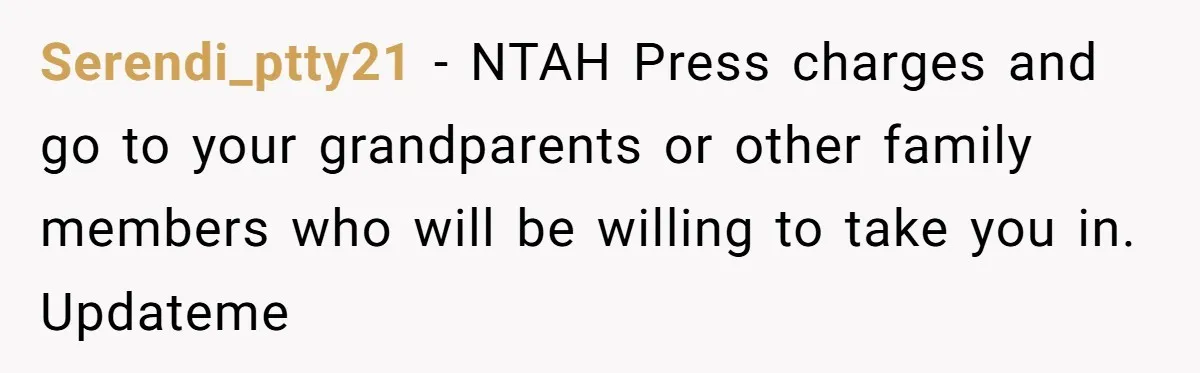
Many users strongly supported the teen, emphasizing safety, stability, and emotional well-being.


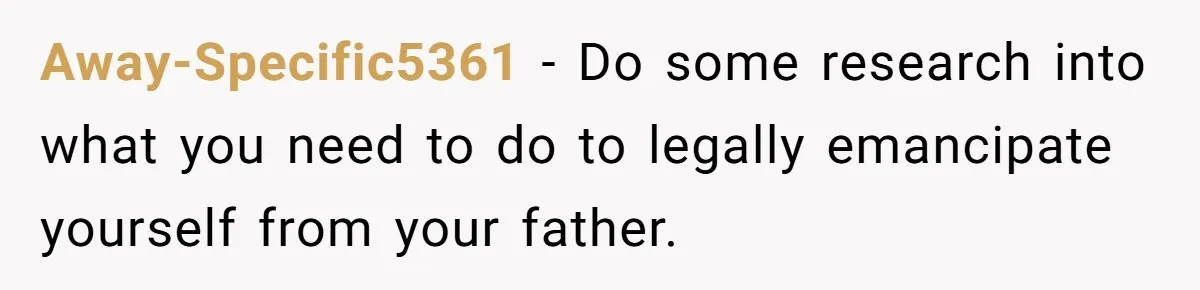




Others offered more measured takes while still acknowledging the teen’s distress.

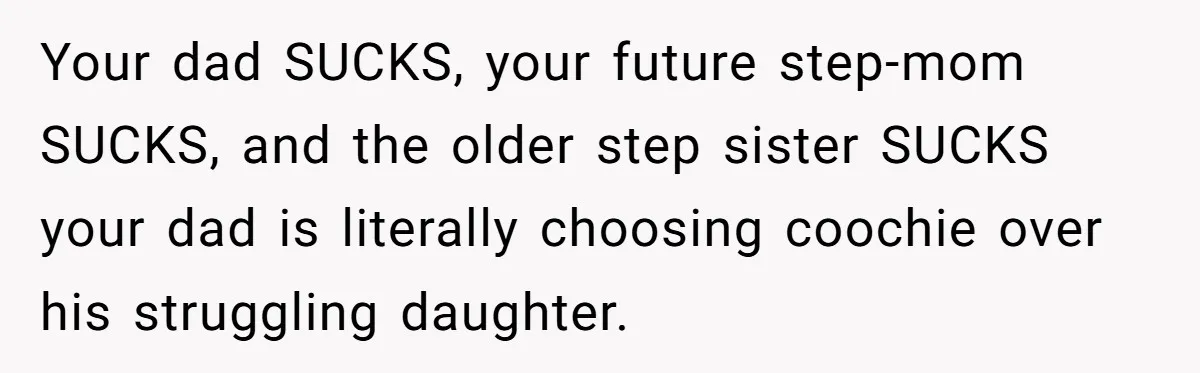



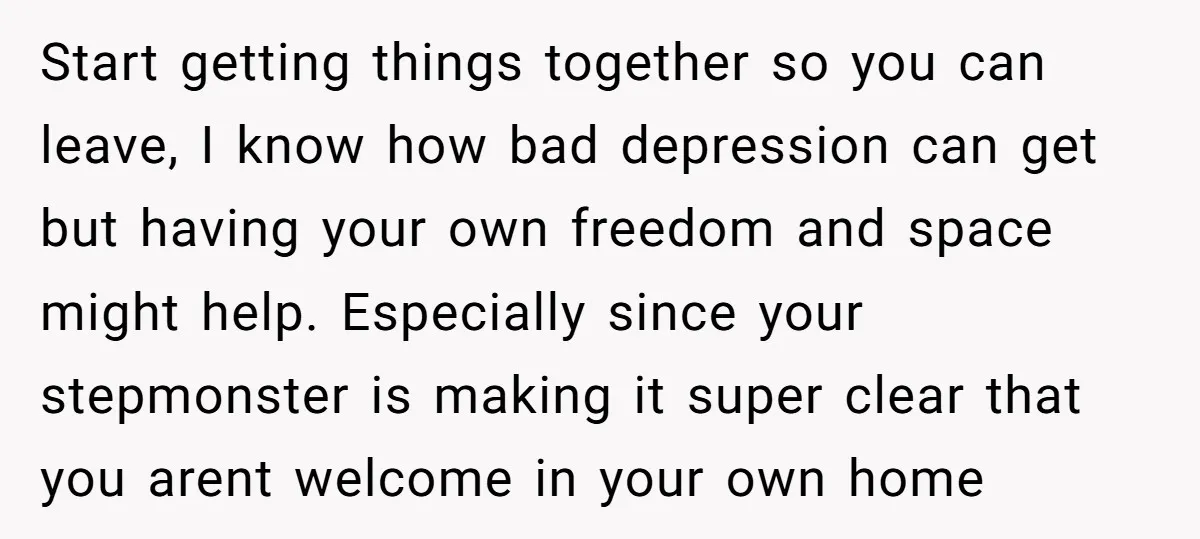
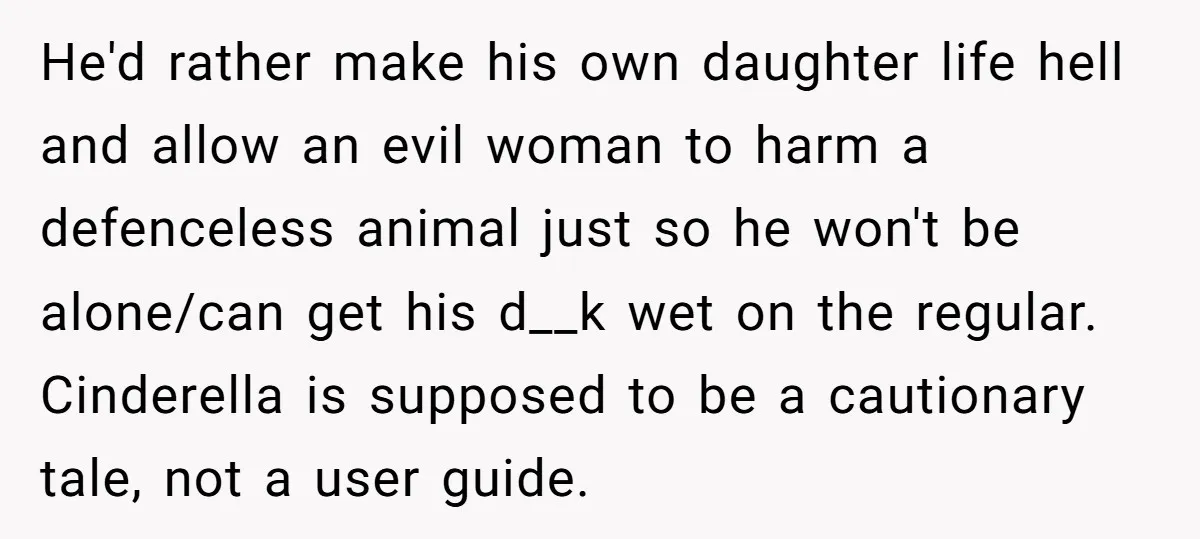
A few comments used dark humor or blunt language to ease tension.
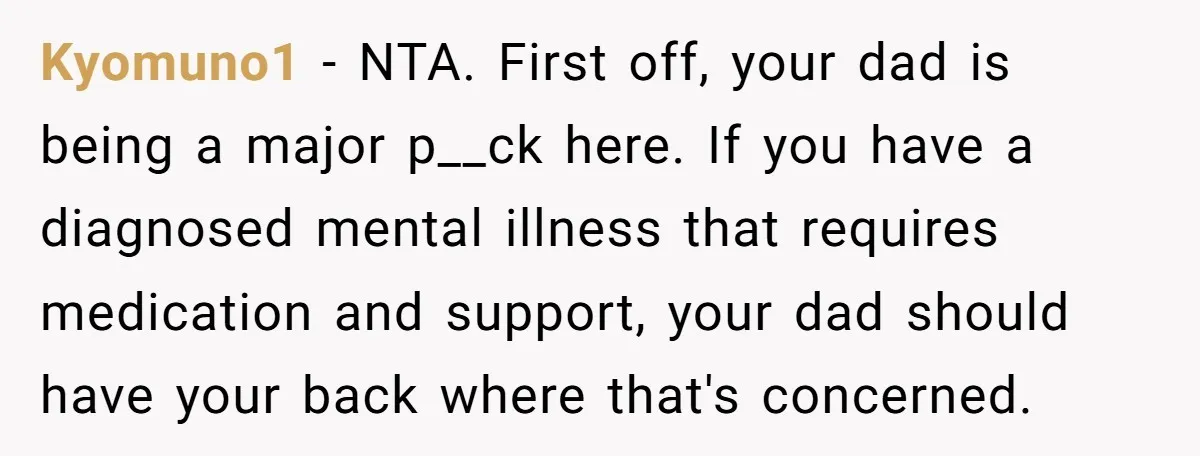

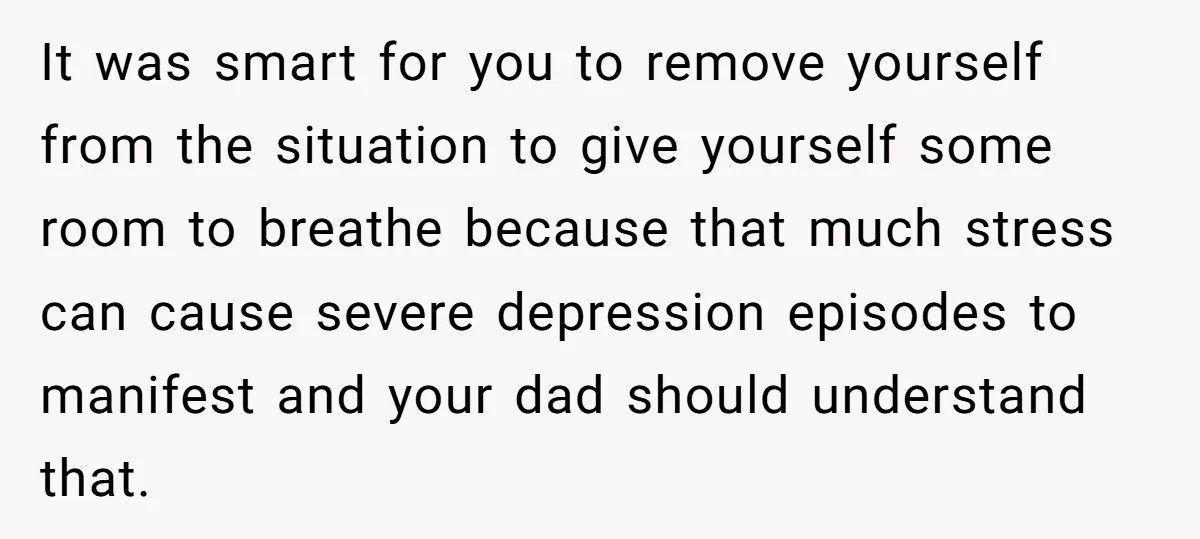

This story reflects the painful reality many teens face when new family dynamics collide with unresolved grief and mental health needs. The lack of empathy and communication escalated a manageable disagreement into a full breakdown of trust.
Should emotional support animals be treated as medical necessities within families? How much responsibility do parents have to protect vulnerable children during major life changes? Readers are invited to share their thoughts and experiences.