
Buying art at a local fair is usually a feel-good experience, especially when the piece feels personal. For one parent, that moment came when they noticed their son had been painted into a small scene at a state fair. The artwork was modest in size, but the emotional value felt enormous, making the decision to buy it an easy one.
Things took a sharp turn days later when a stranger reached out, offering more money for the painting. What should have been a simple “no, thank you” quickly became uncomfortable once the poster realized their phone number had been shared without permission. Add in a parent insisting they should have sold it for profit, and the situation suddenly became much bigger than a postcard-sized painting.
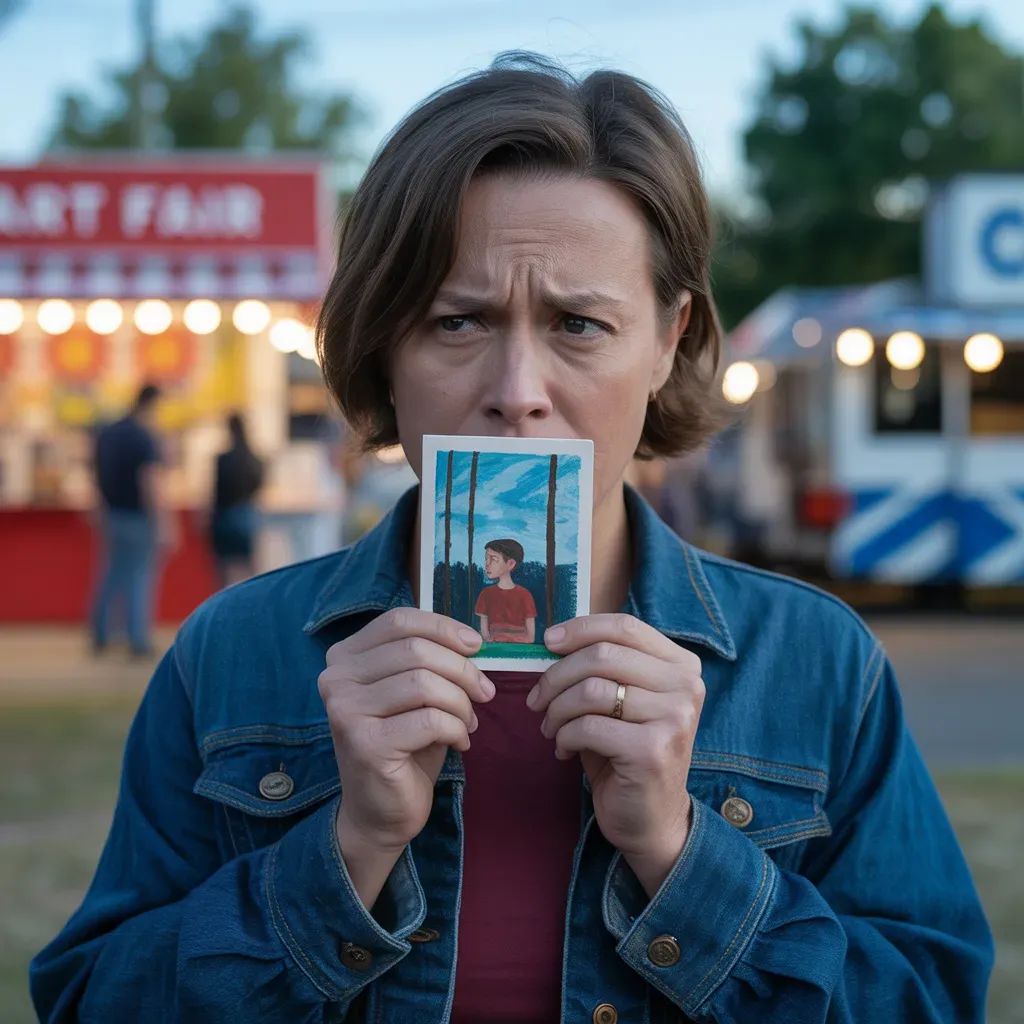
The situation started as a simple family outing, with the poster enjoying the fair alongside their child
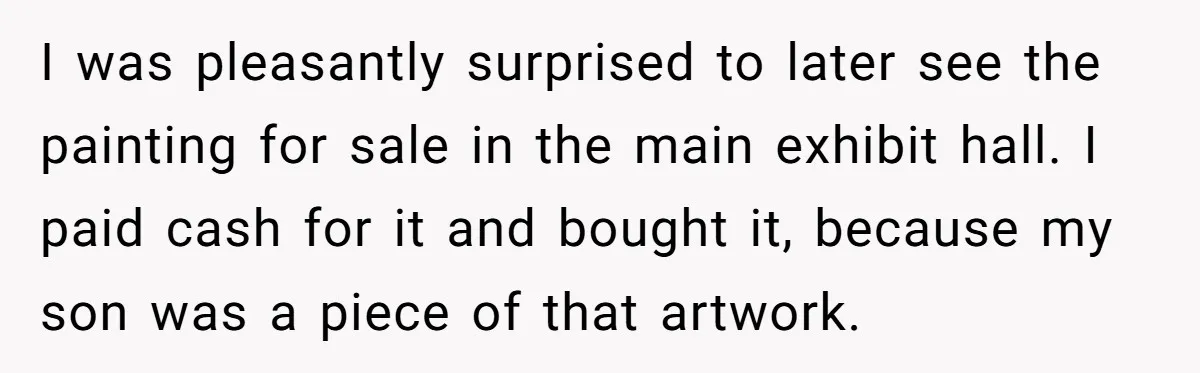
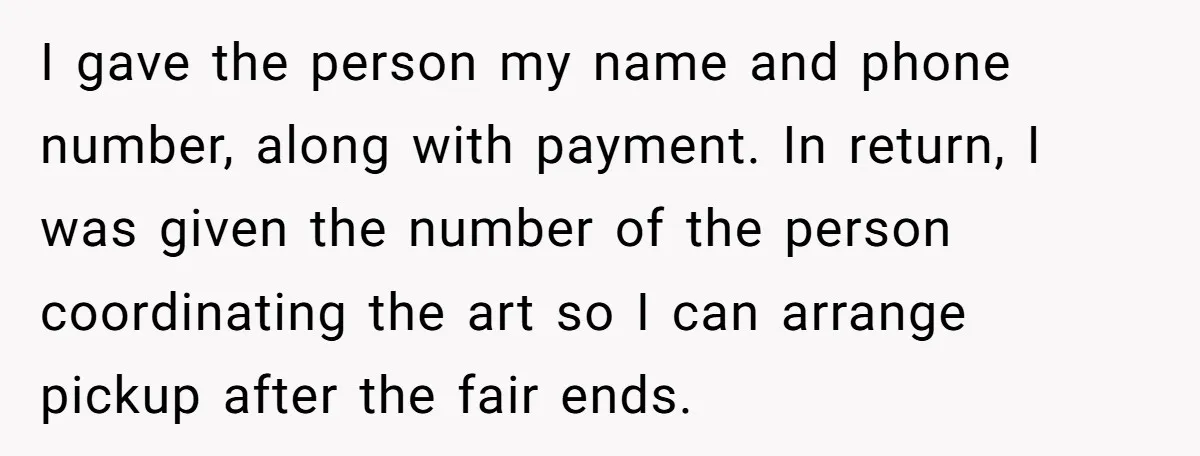
Later, the moment felt even more special when the artwork unexpectedly appeared for sale
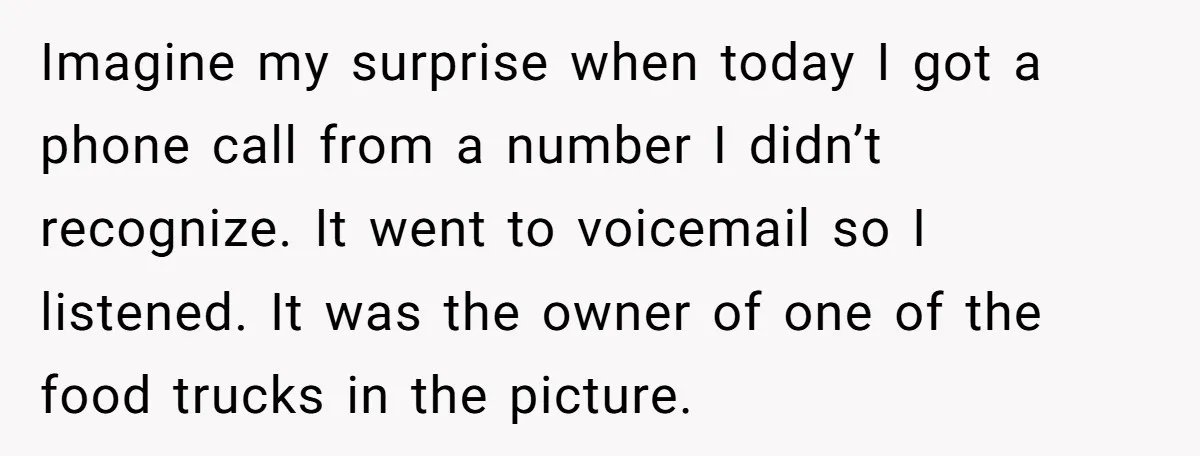
That sense of excitement faded quickly once an unfamiliar voicemail appeared
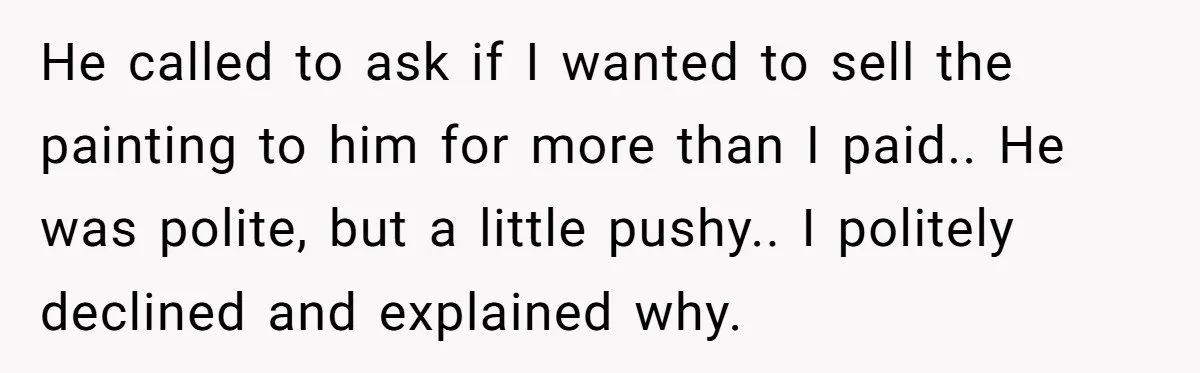
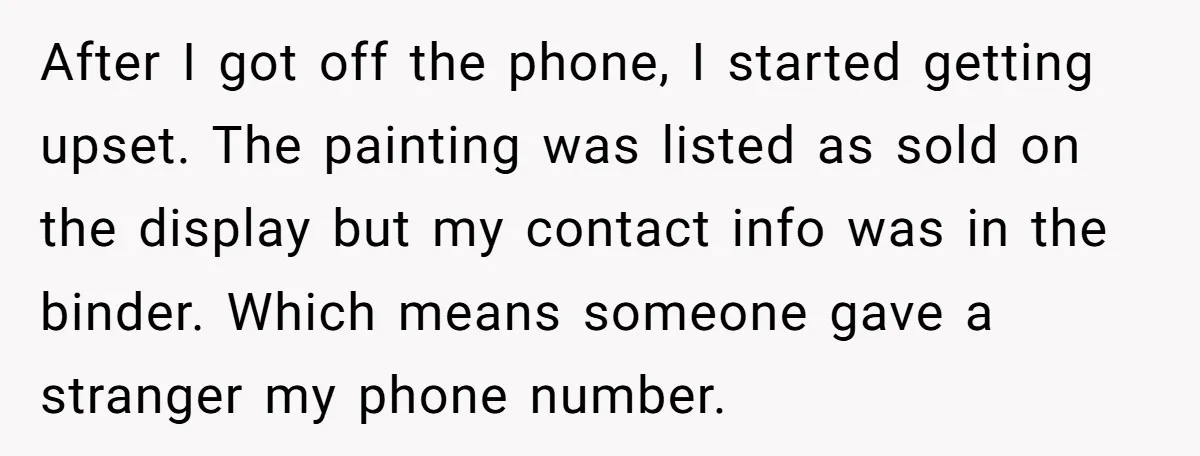
Family reactions only added fuel to the frustration, leaving the poster feeling unheard
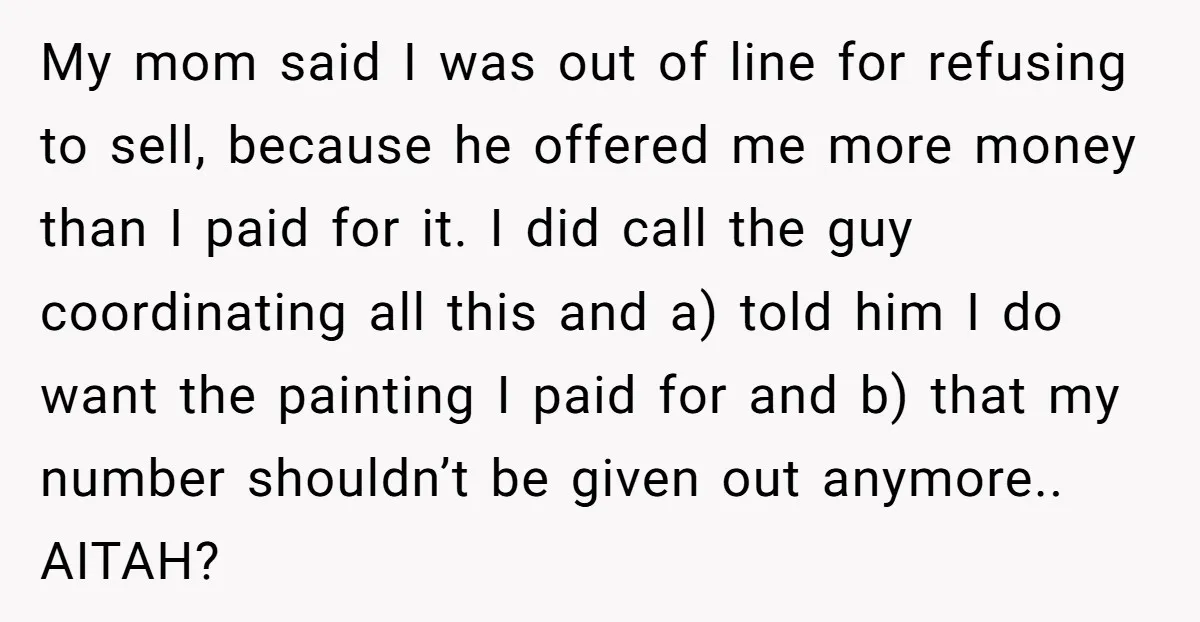
At the heart of this situation is a clash between emotional value and perceived financial logic. From the poster’s point of view, the painting wasn’t an investment or a collectible meant for resale. It was a personal keepsake that included their child, which immediately changes how “value” should be measured. Money simply wasn’t the main factor.
Looking at the other side, the food truck owner likely saw the painting as branding or sentimental memorabilia tied to their business. Reaching out with a higher offer might have felt reasonable to them. That said, the issue isn’t the offer itself, but how the contact was made. Sharing a buyer’s phone number without consent crosses a line most people would find uncomfortable.
According to Dr. John Gottman of The Gottman Institute, “Trust is built in very small moments, especially when people feel their boundaries are respected.” That idea applies just as much to businesses and organizers as it does to personal relationships. Once someone’s personal information is shared casually, trust erodes quickly.
A practical path forward involves two clear steps. First, reaffirm boundaries directly, which the poster already did by contacting the coordinator. Second, if similar situations arise, asking organizers about privacy policies before sharing contact details can help prevent repeat issues. While the poster’s mother focused on profit, the bigger picture here is consent, privacy, and the right to keep something meaningful without justification.
Take a look at the comments from fellow users:
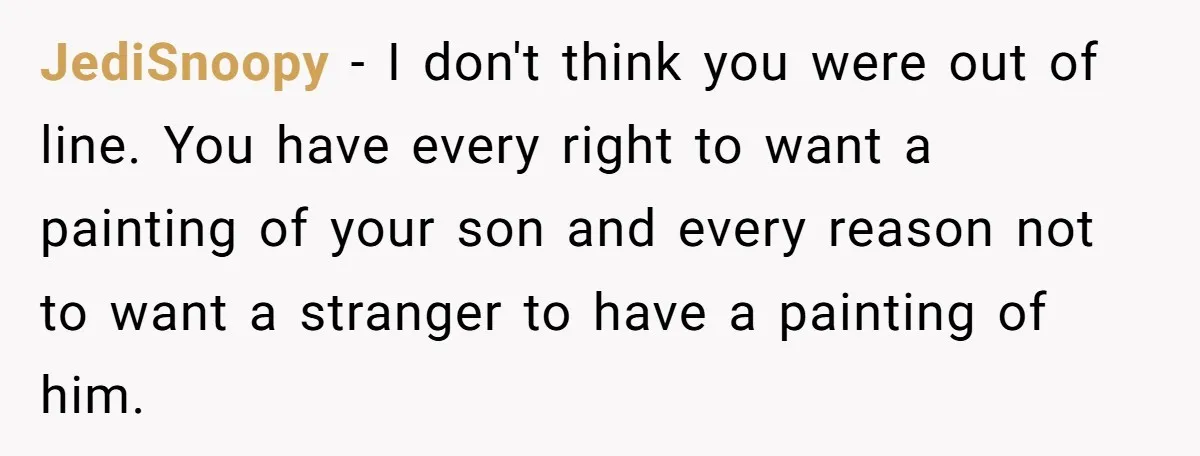
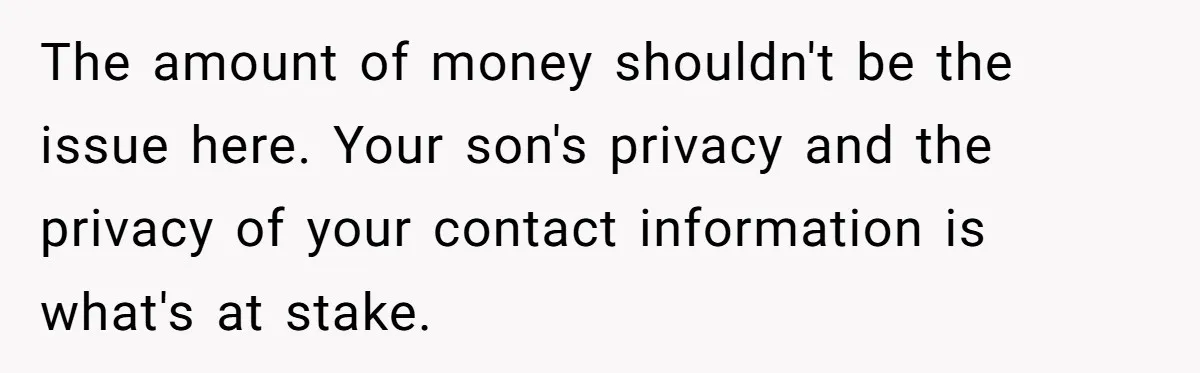
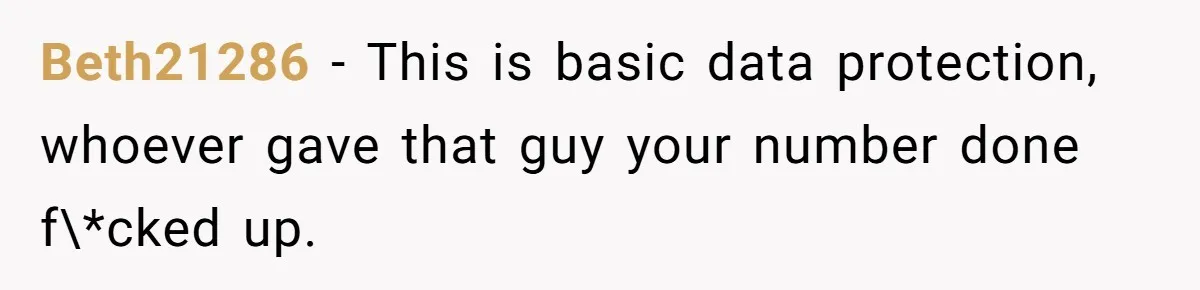
Many users supported the poster, firmly backing their right to keep the painting
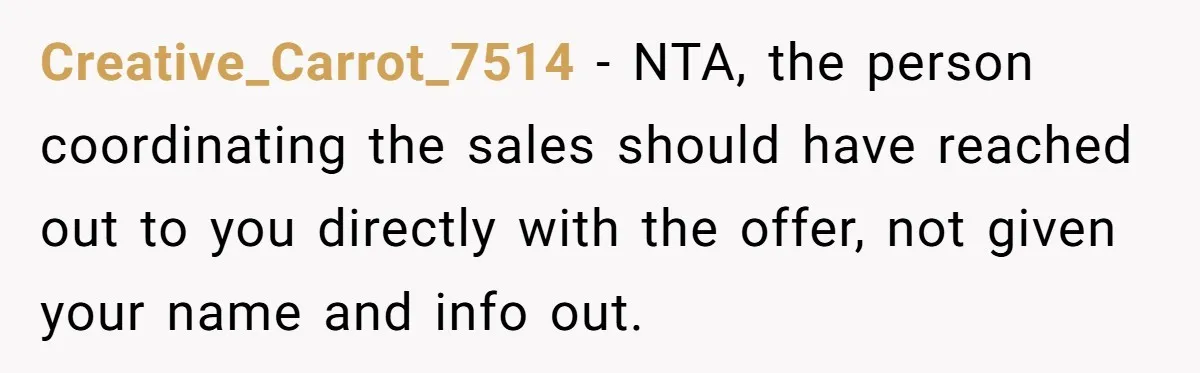
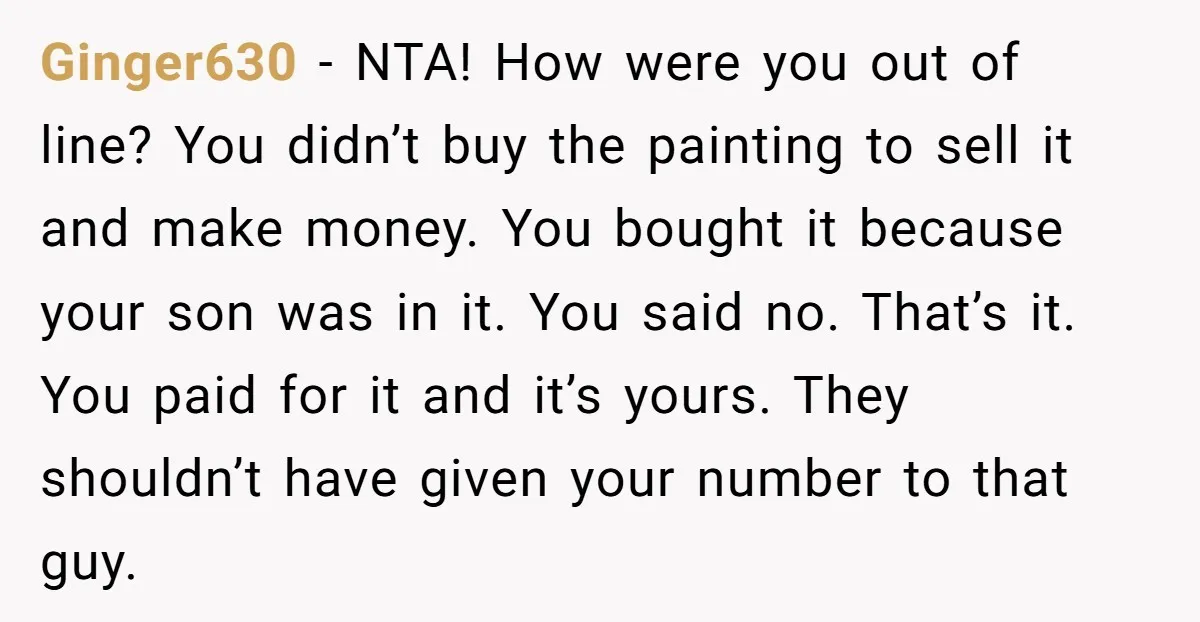
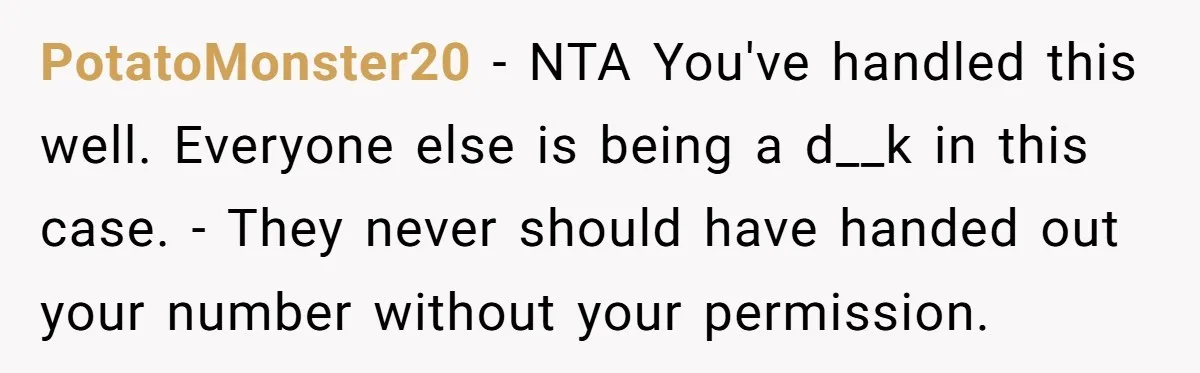
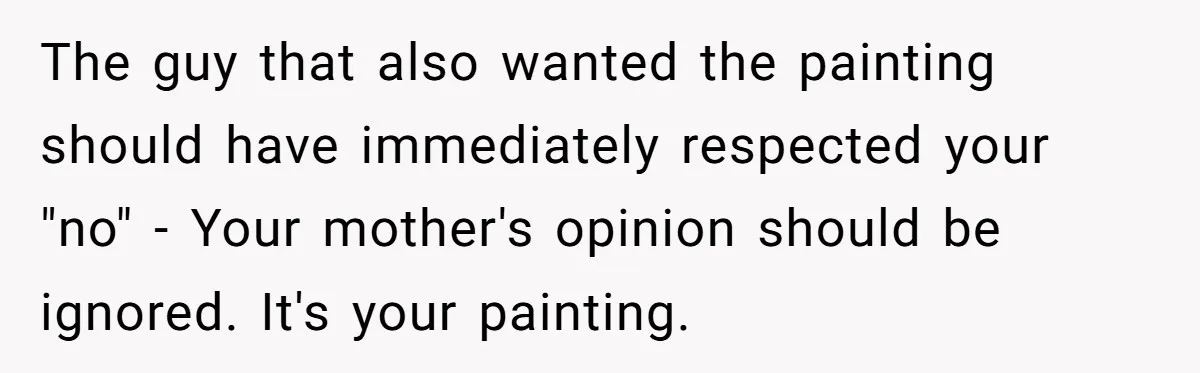
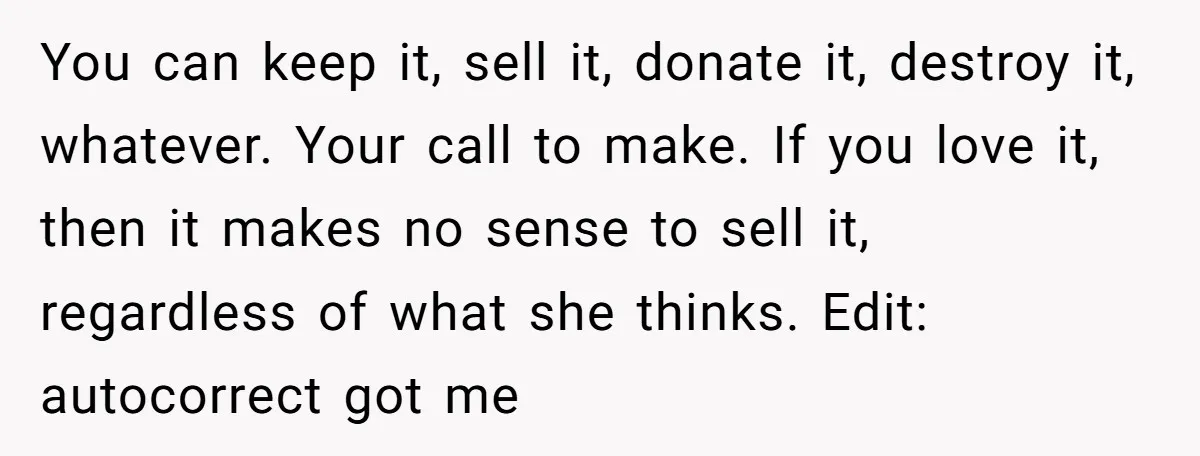
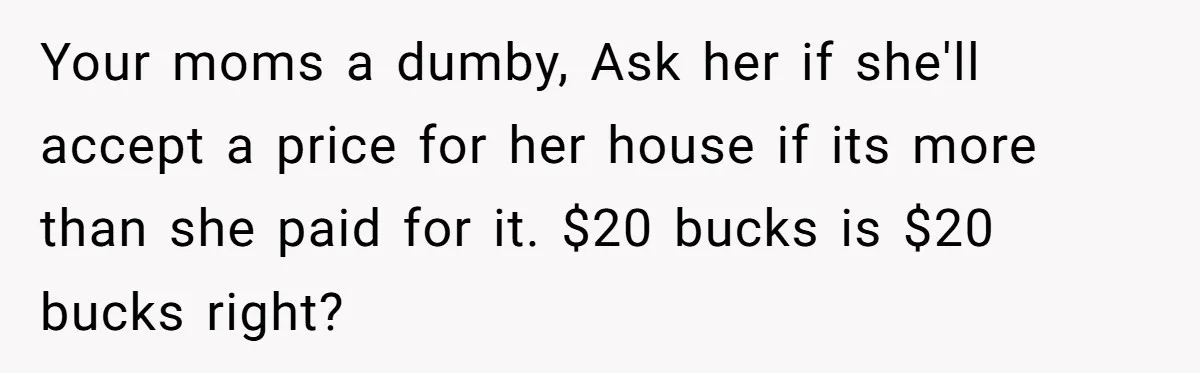
Others focused on challenging the logic behind the mother’s reaction

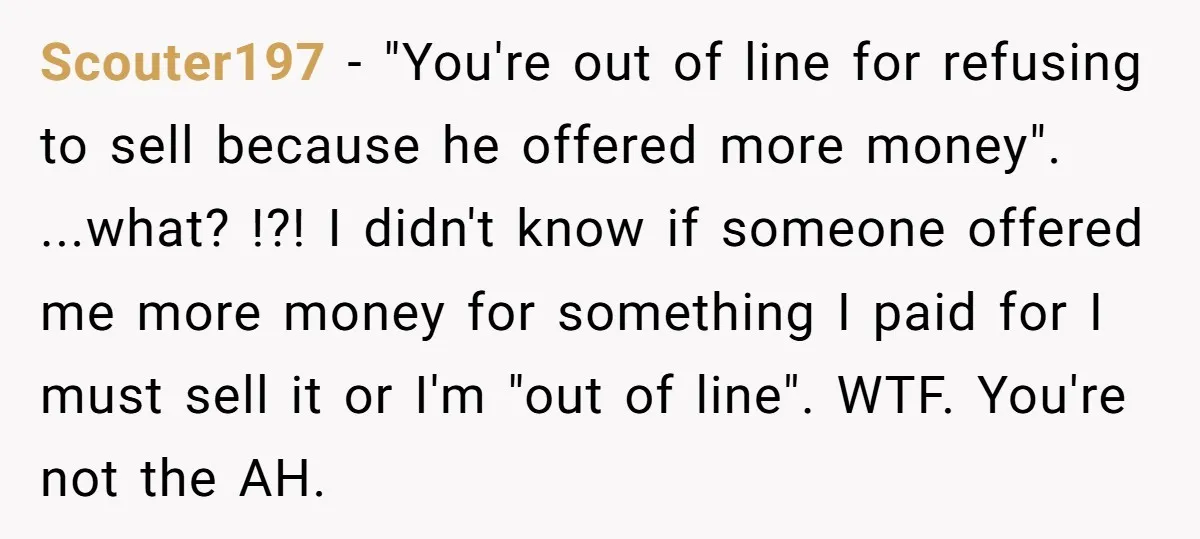
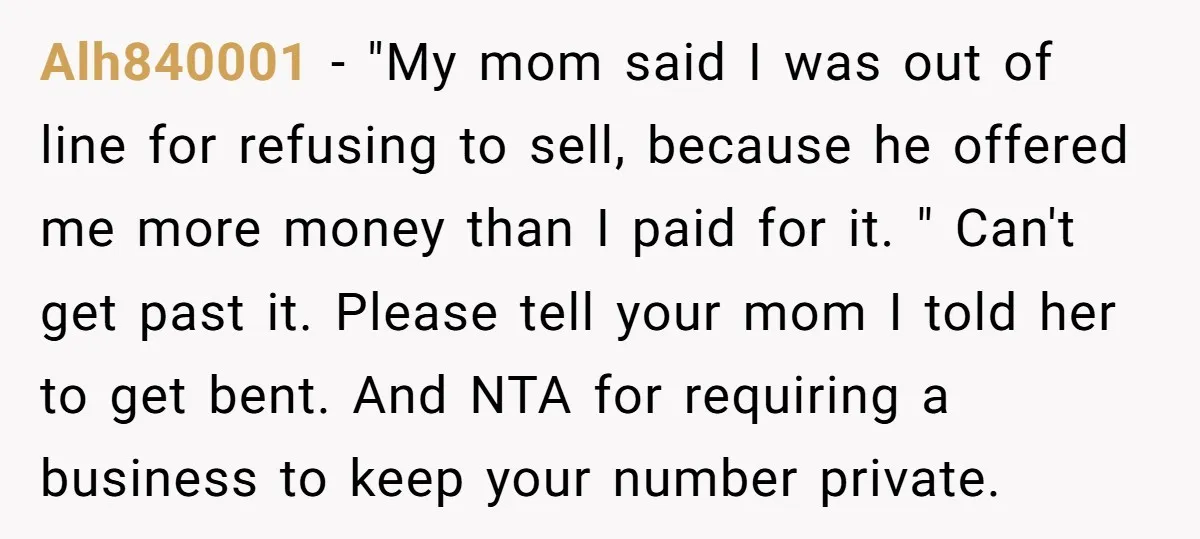
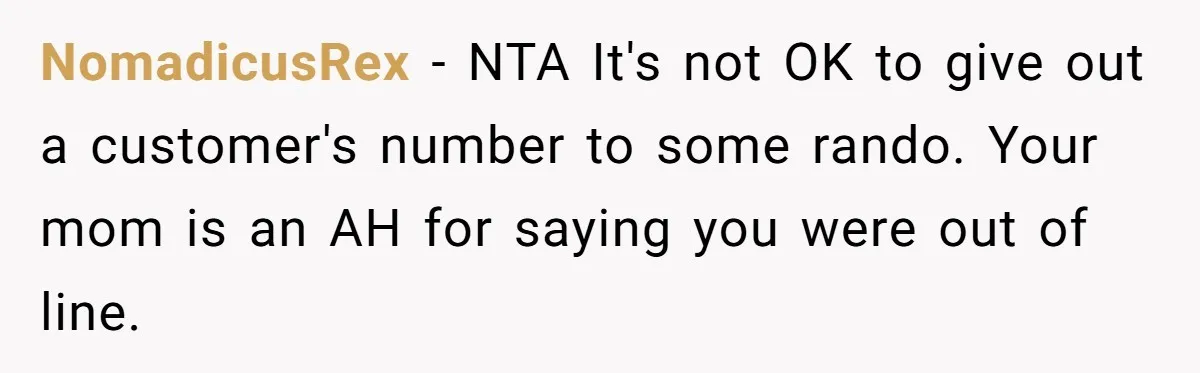

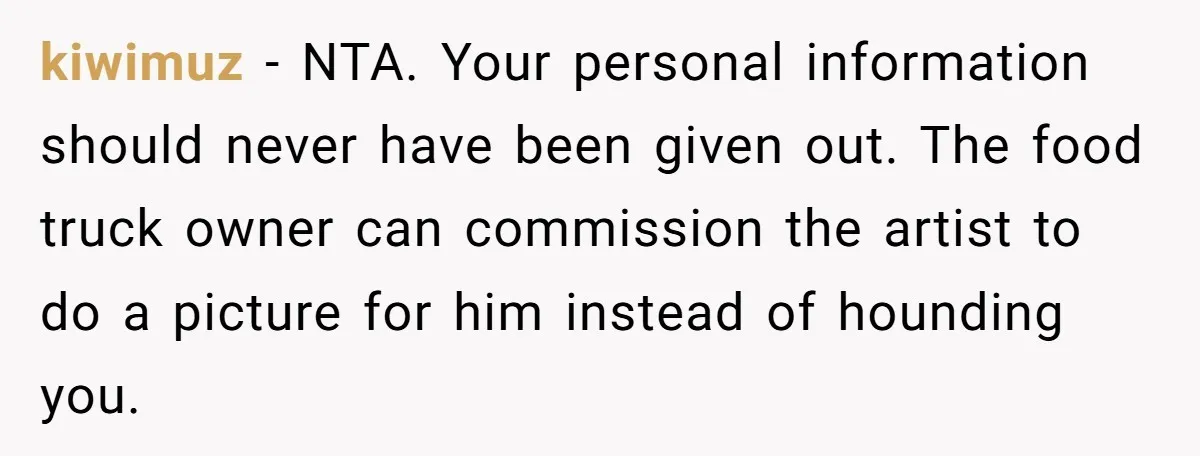
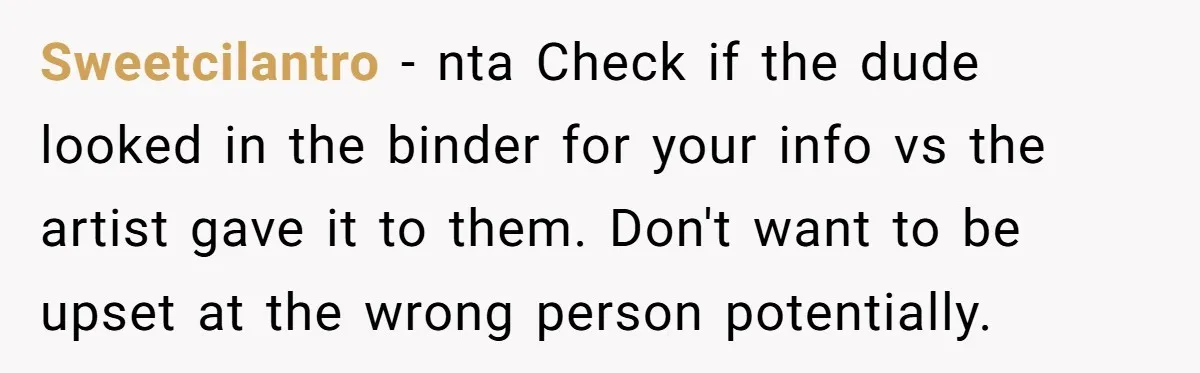
A few users added lighter or practical suggestions to ease the tension

![[Reddit User] − Your mother needs to learn what out of line means](https://loknam.com/aita/images/3144003f66/wp-editor-1770455674642-6.webp)
What started as a wholesome moment at a local fair turned into a debate about ownership, privacy, and family expectations. While money often complicates situations, this story shows that emotional value and personal boundaries matter just as much. The poster stood firm, protected their privacy, and kept something meaningful without giving in to pressure. If someone offered you more money for something deeply personal, would you feel obligated to sell it, or would you stand your ground?