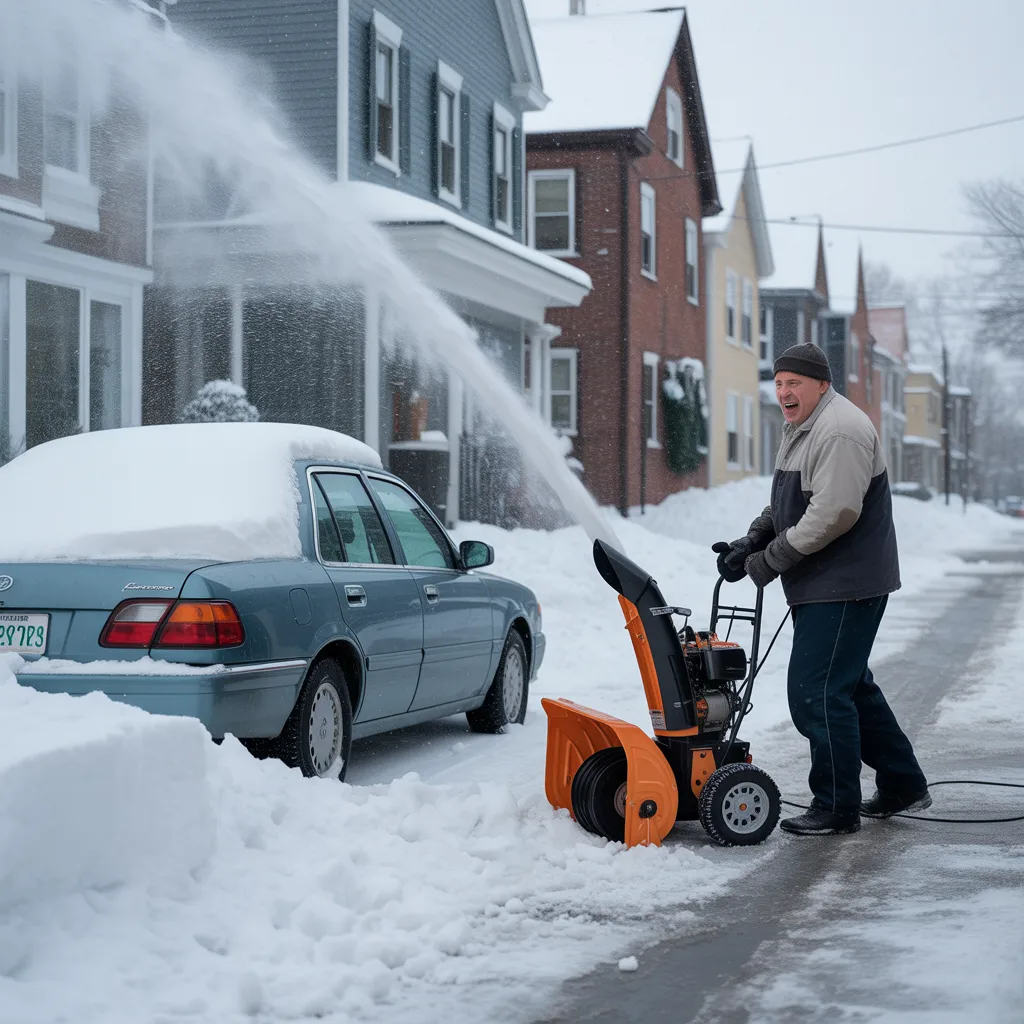
In Boston, winter isn’t just a season — it’s a battlefield. And this time, the weapon of choice was a snow blower. After a brutal storm dumped 20 inches of snow on his street, one homeowner found himself blocked in yet again by a neighbor’s kid who insists on parking in a clearly marked no-parking zone — right beside the end of his driveway. The plow avoided the illegally parked car, leaving his entire side buried.
Frustration had been building for months. Polite conversations had gone nowhere. So when the snow started flying, he made a decision. At first, it was accidental. Then it was absolutely intentional. By the time he finished clearing his driveway and the missed section of road, the neighbor’s car was buried deep.

The problem had been ongoing long before the blizzard hit
When it came time to clear the snow, frustration met opportunity
Then he made a deliberate choice
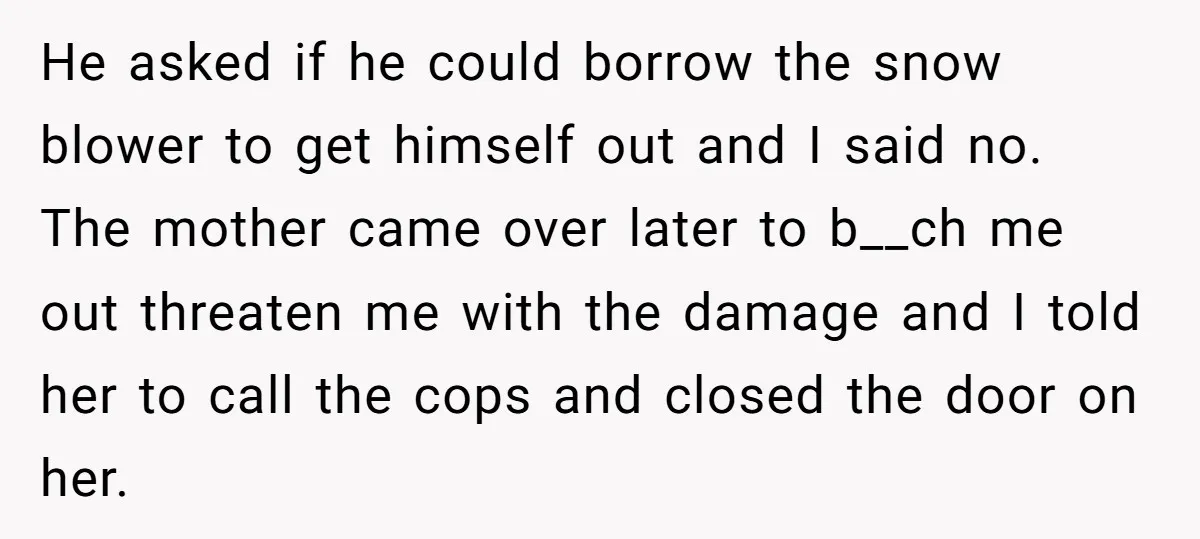
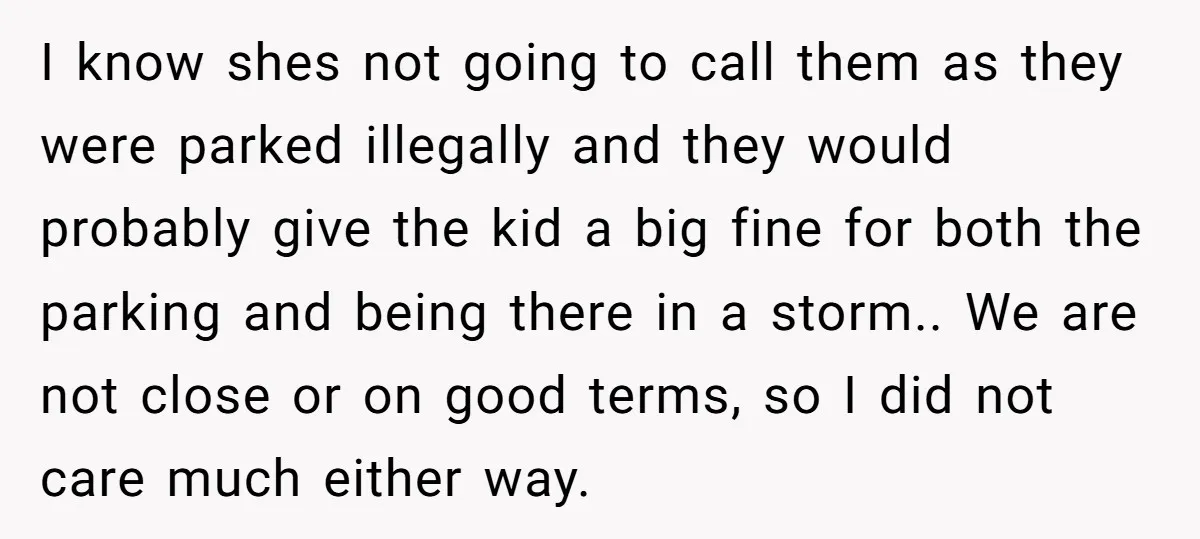
The next morning brought consequences — and confrontation
Neighborhood conflicts often escalate when small boundary violations are repeated over time. What might seem minor — parking slightly too close — can feel deeply disrespectful when it affects someone’s daily routine. Add extreme weather, and tensions multiply quickly.
In this case, the homeowner had already attempted communication. When those efforts failed, frustration likely built into resentment. Snow became the tipping point. Rather than reporting the issue formally, he chose immediate, visible consequences. While satisfying in the moment, retaliatory actions can intensify long-term hostility between neighbors.
Conflict resolution specialist Dr. Gary Chapman has noted, “Unresolved frustration rarely stays small. When people feel unheard, they often escalate their response to be seen.” That escalation doesn’t always create resolution — sometimes it just starts a neighborhood cold war.
Practically speaking, repeated illegal parking is best addressed through documentation and consistent reporting to local authorities. Cameras, non-emergency police calls, and official complaints protect homeowners without increasing personal conflict. Petty revenge might feel justified, but formal solutions usually lead to lasting change.
Check out how the community responded:
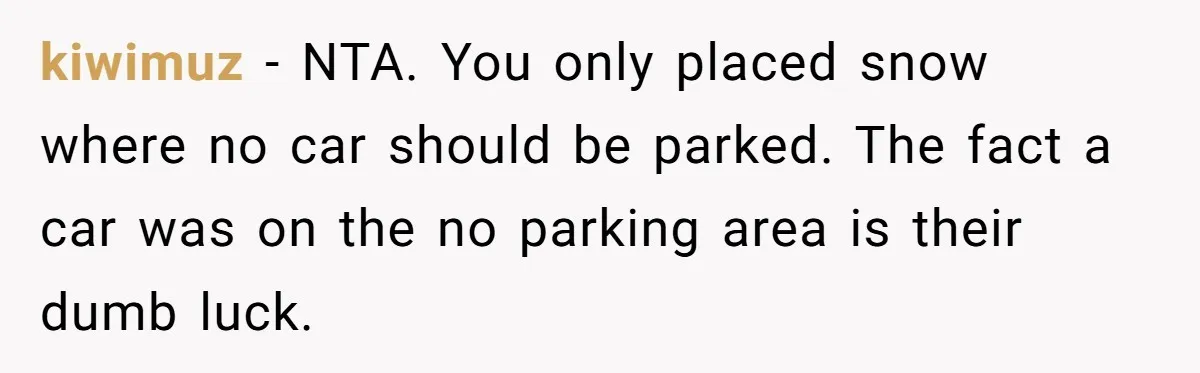
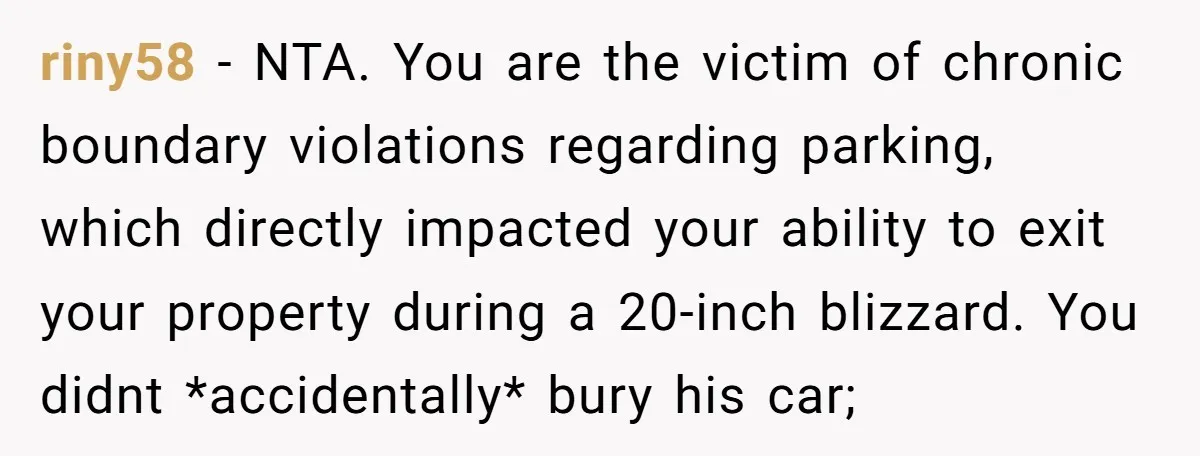
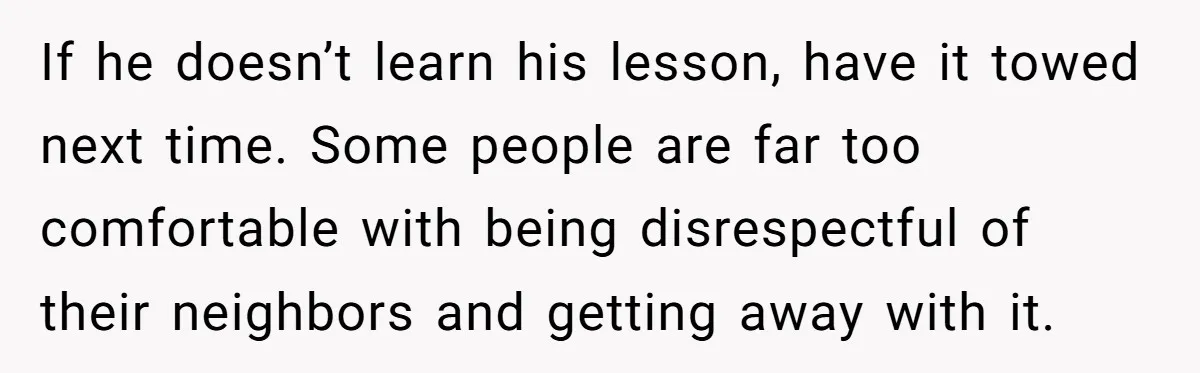
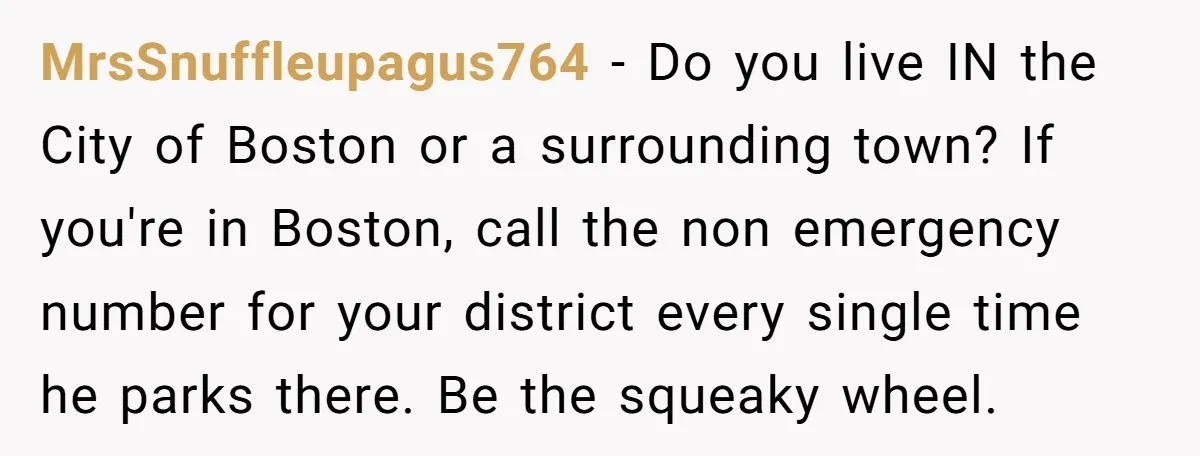
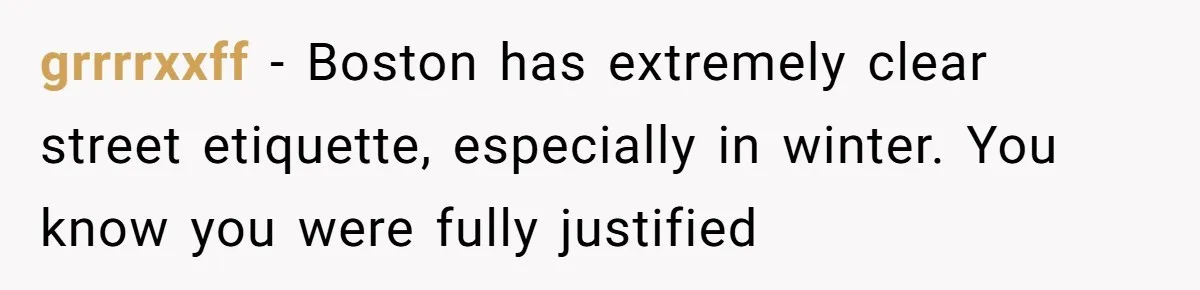
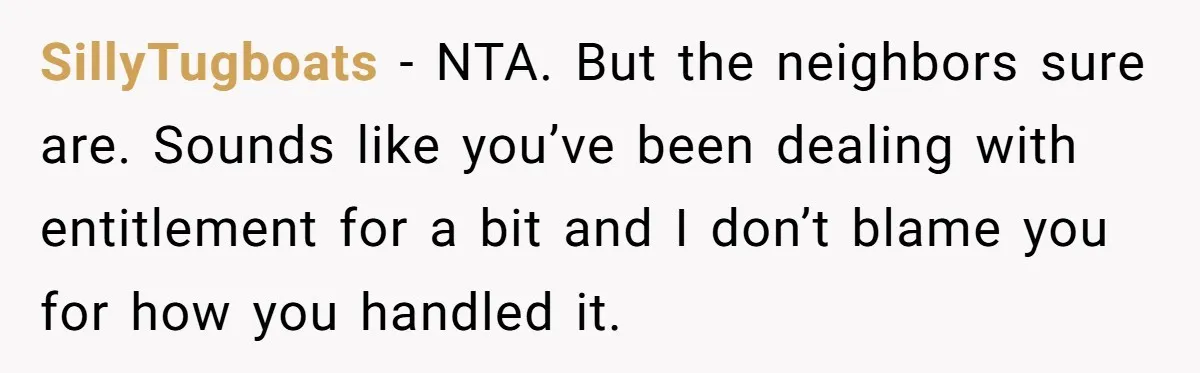
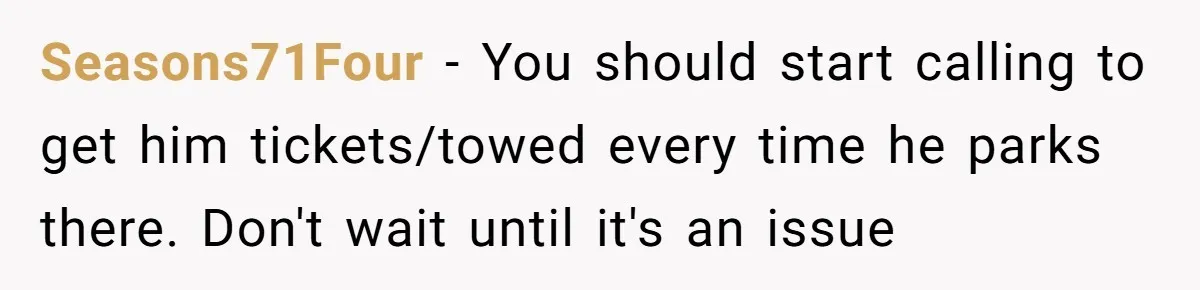
Many readers felt the snow job was justified

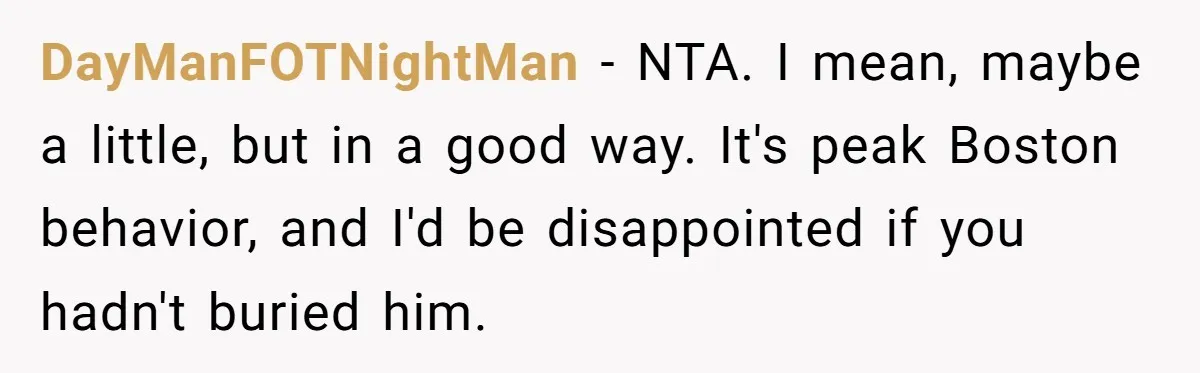
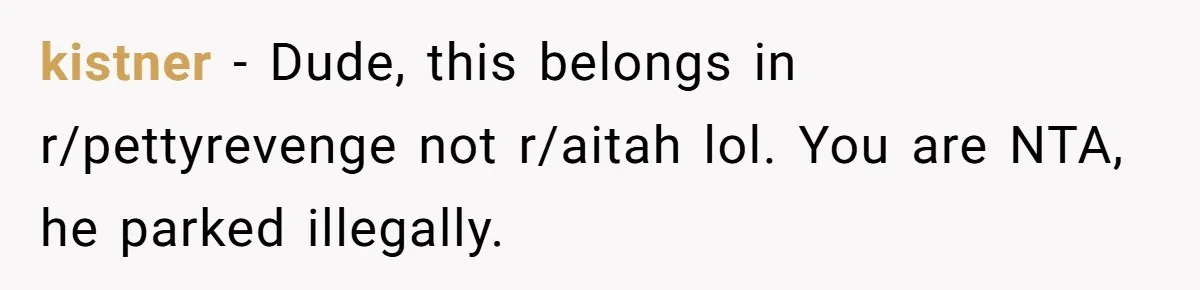
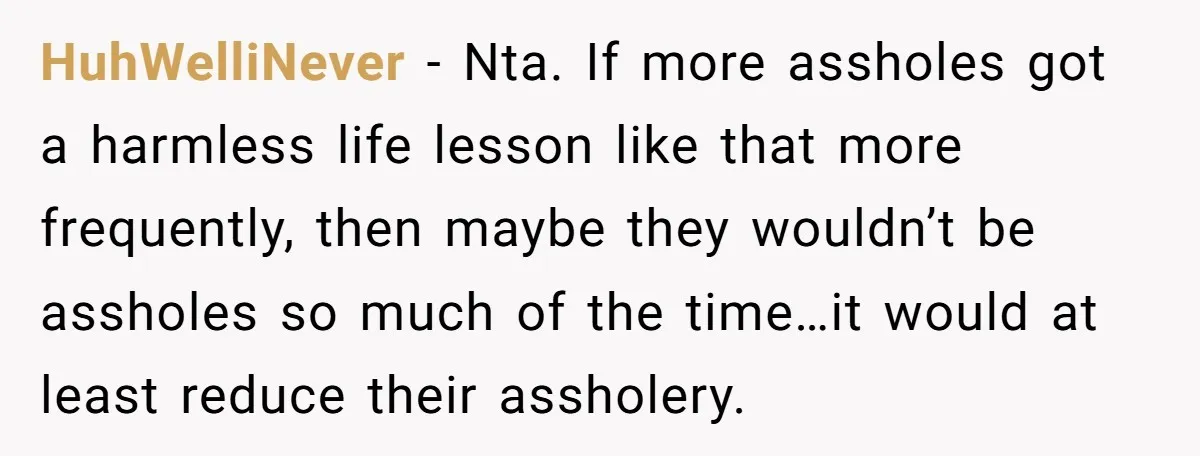
Others leaned into the humor — and the pettiness

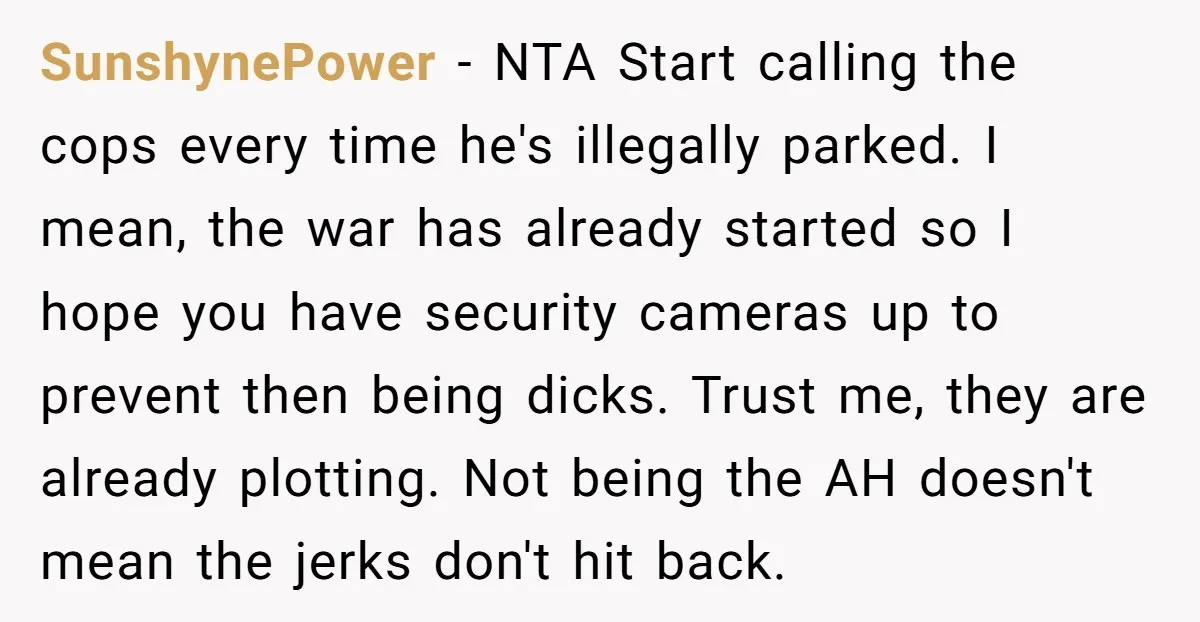
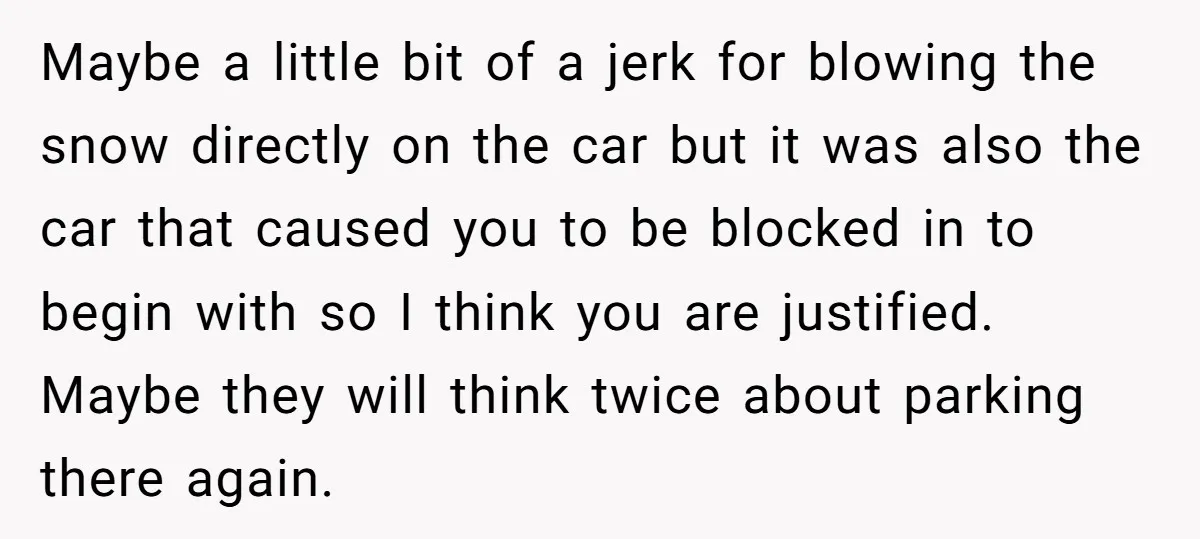
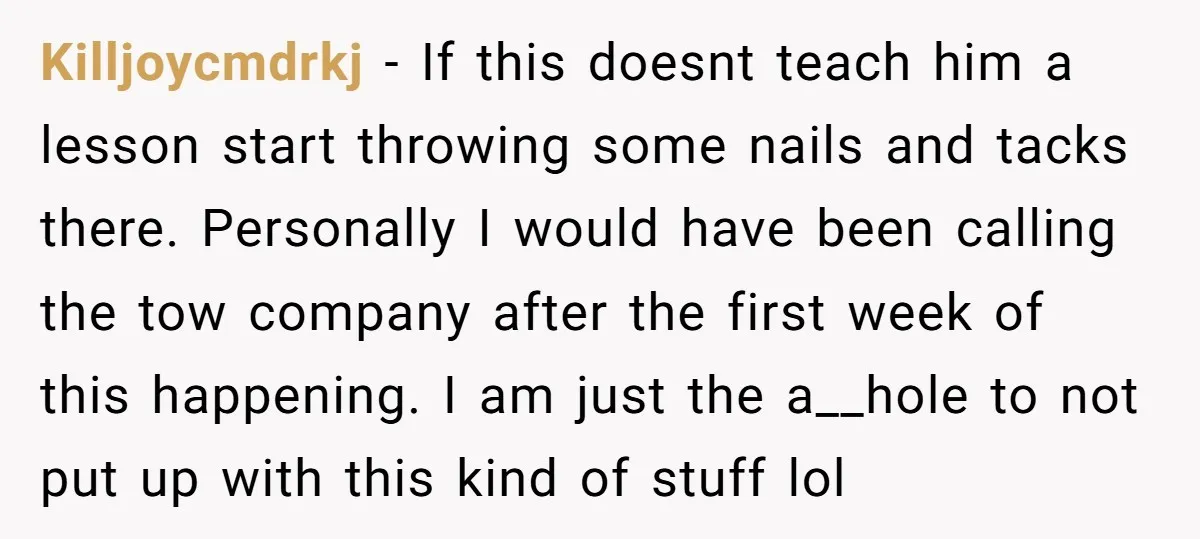
A small group with different opinions.
Snowstorms test patience, but they also expose long-standing frustrations. This homeowner didn’t create the problem — he simply responded to it in a way that was undeniably direct. Was it petty? Absolutely. Was it understandable after repeated warnings? Many think so. Still, neighborhood grudges can last longer than winter. The question isn’t just whether he was wrong — it’s whether the short-term satisfaction is worth potential long-term tension. If someone kept blocking your driveway, would you make a formal complaint — or let the snow speak for you?