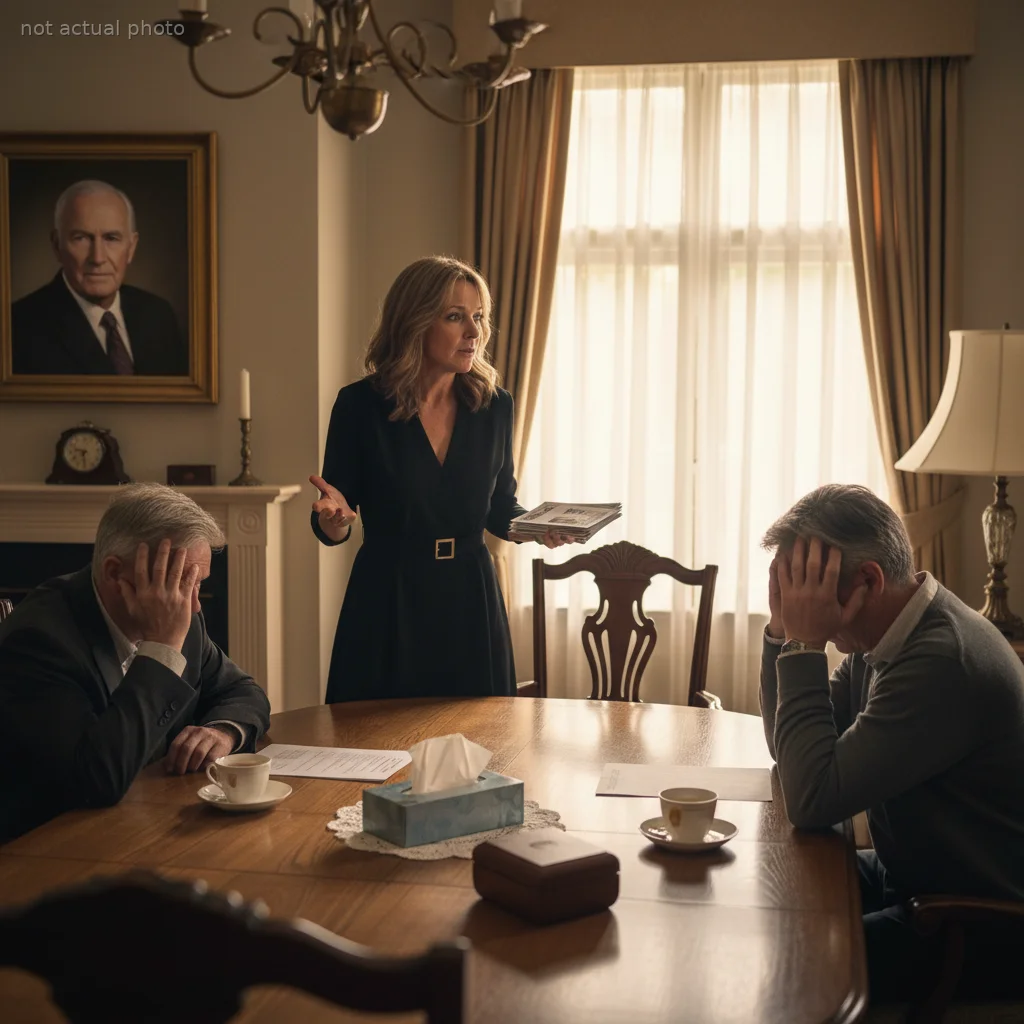
A 19-year-old woman didn’t expect a casual family discussion to spiral into a full-blown conflict. When the topic of daughters “ending up with men like their fathers” came up, she casually admitted she could never see herself with someone like her dad.
That single sentence was enough to upset her mother and aunt. The issue wasn’t just what she said — it was who she was talking about. While she insists she loves her father, she also says she can’t respect him because he has openly told her he doesn’t respect her. What followed was a tense debate about gratitude, honesty, and whether being truthful makes someone cruel.

‘AITAH for telling my (19f) mom (48f) that I would never date a man like my father?’
The conversation started as a seemingly harmless family discussion:
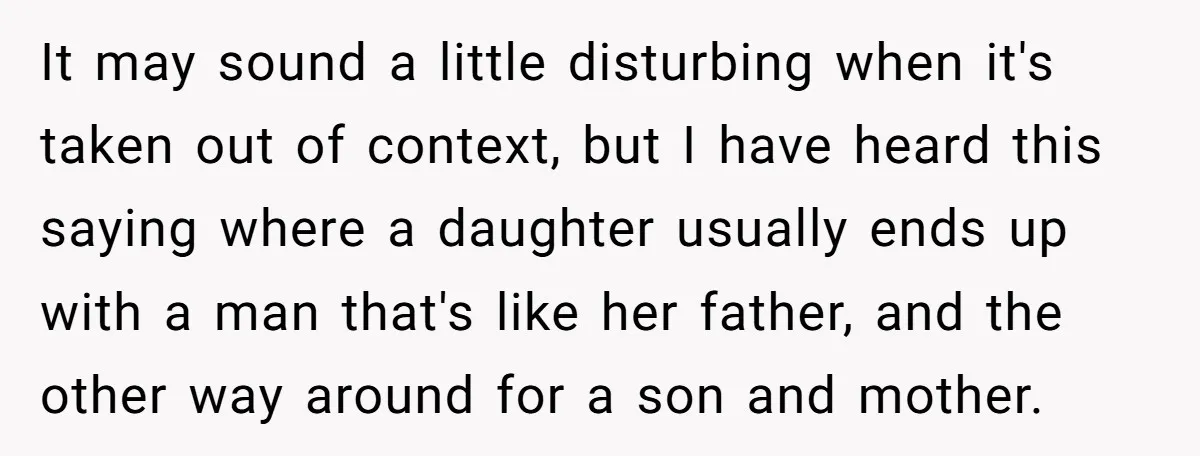
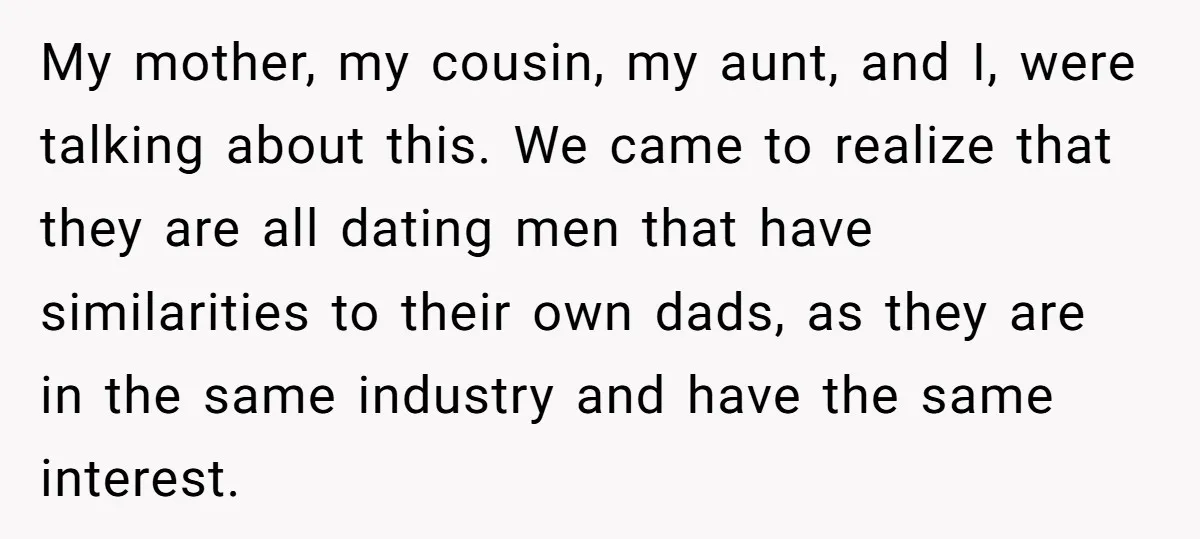
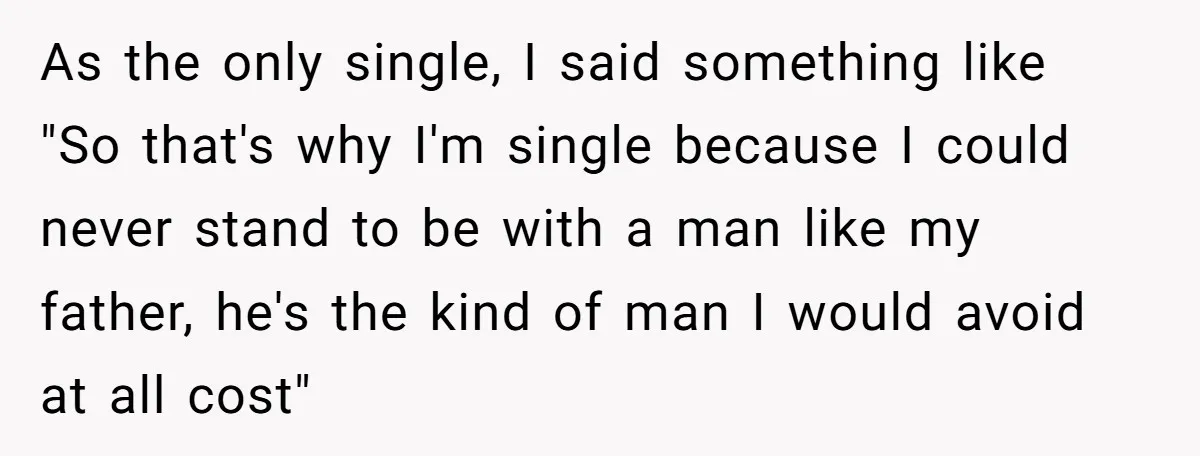
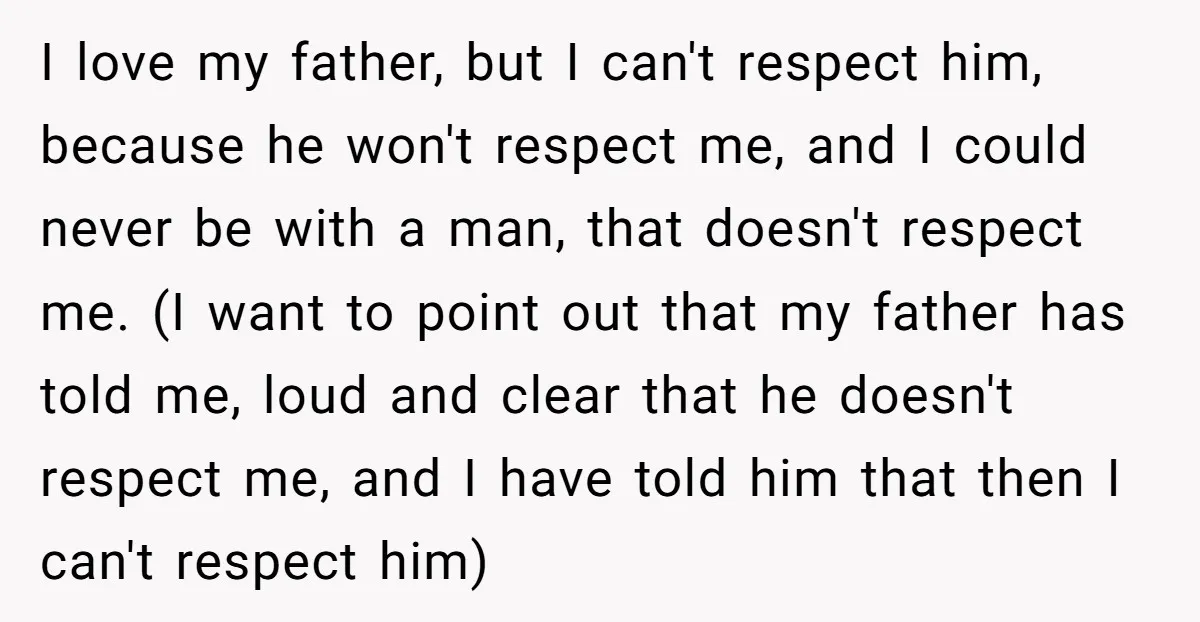
After making that blunt comment, she explained what she meant:
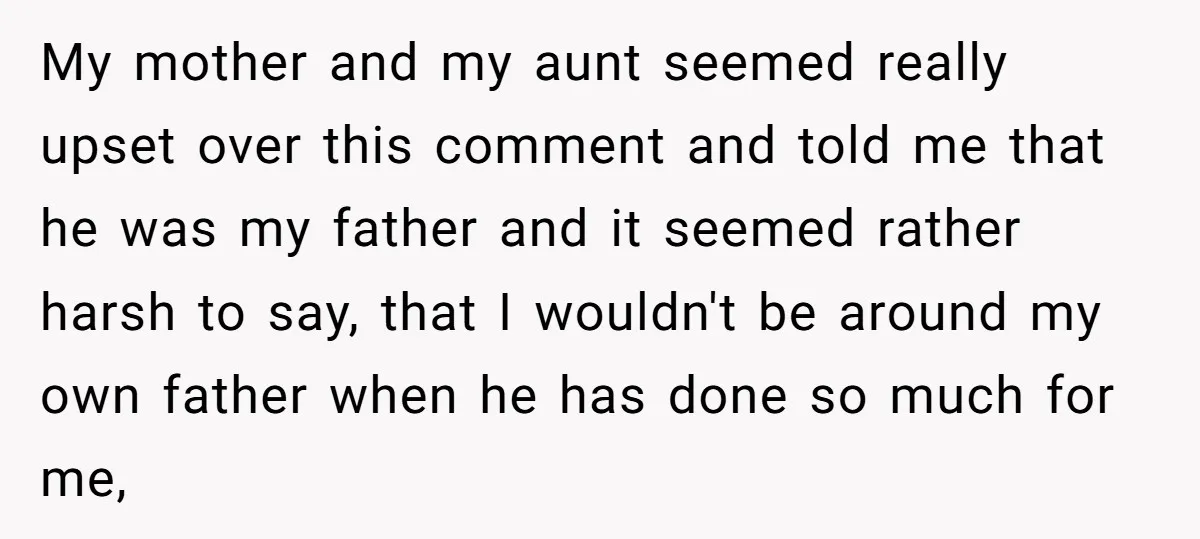
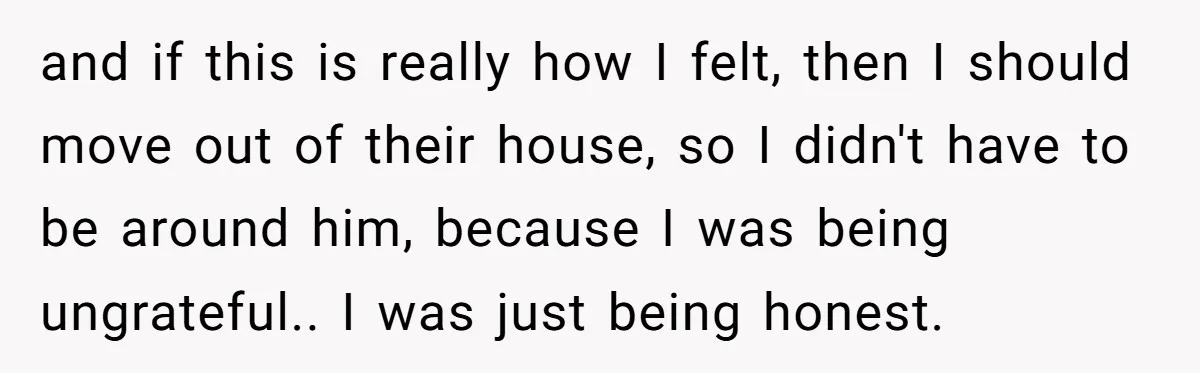
Her mother and aunt did not take it well:
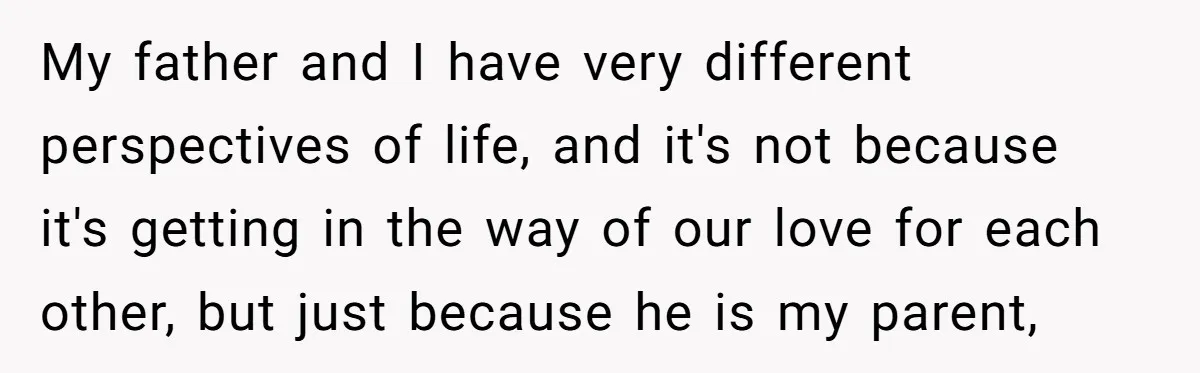
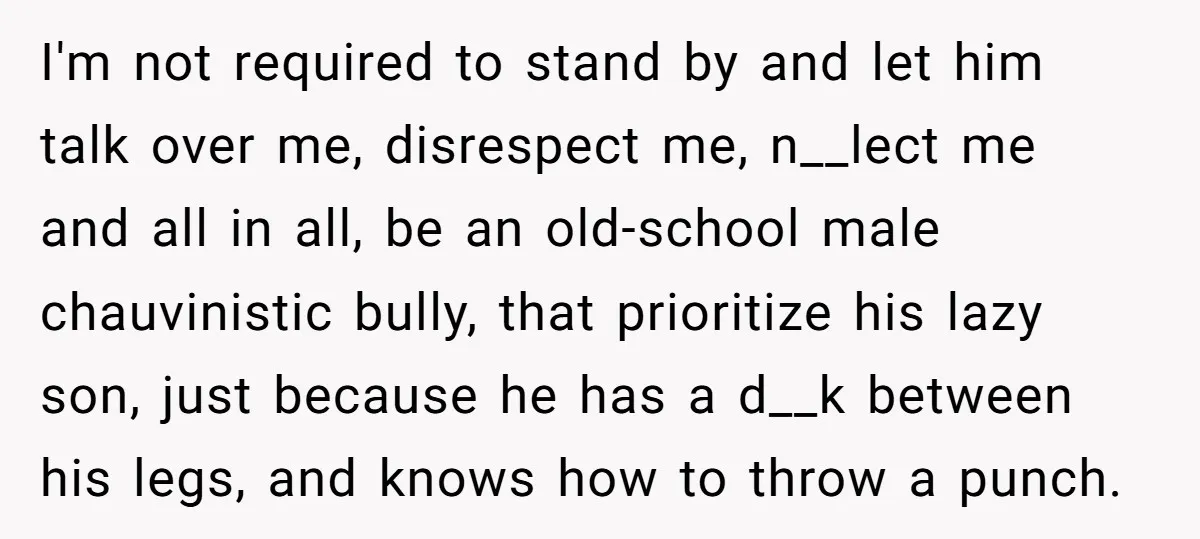
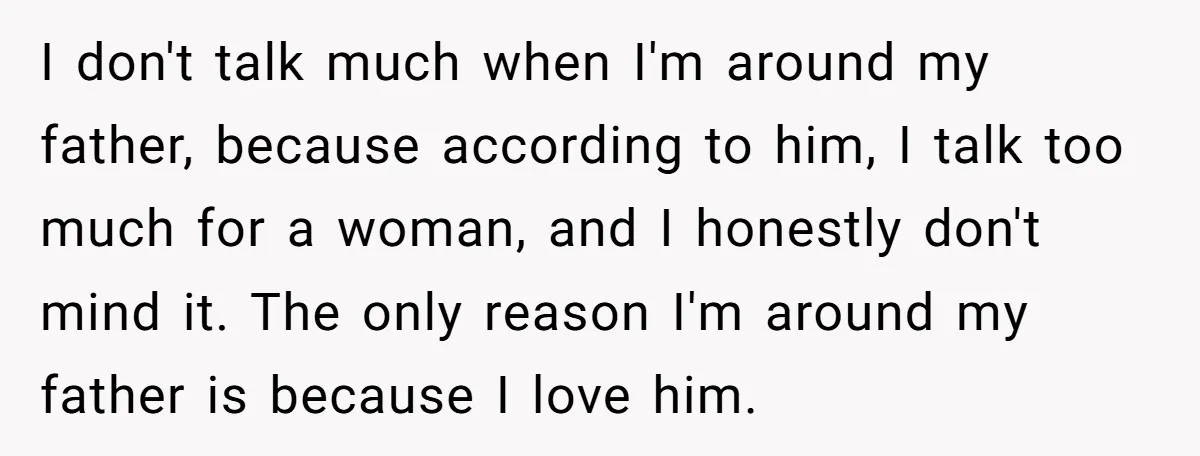
She went on to describe their complicated dynamic:
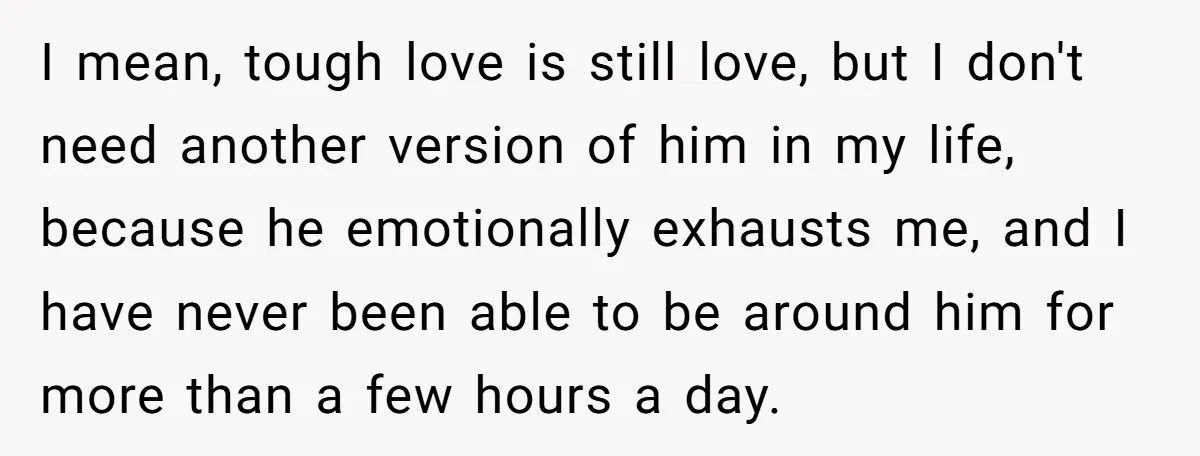
Being around him, she says, is emotionally draining:
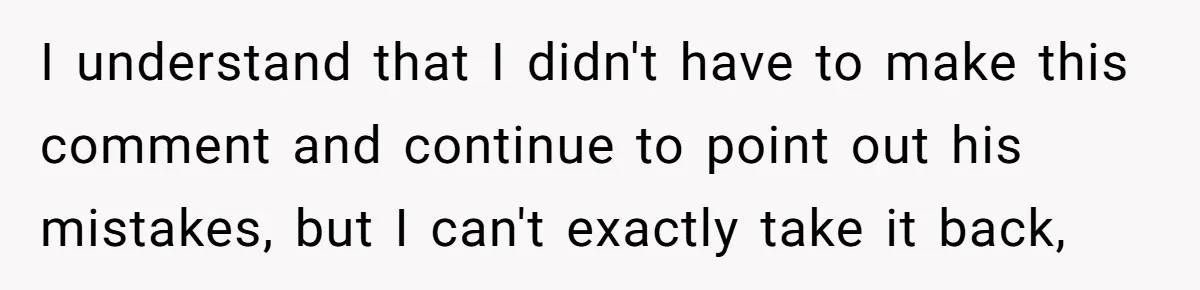
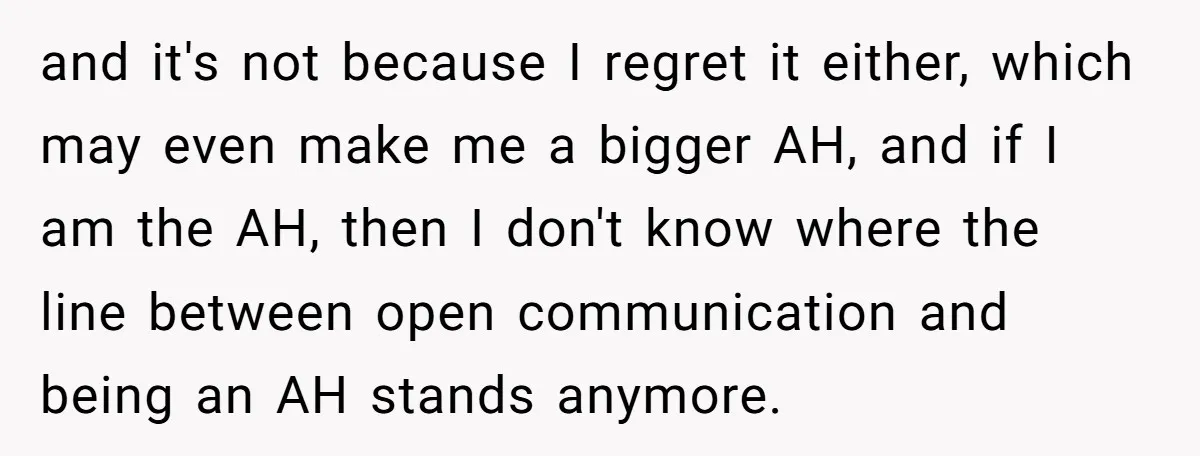
At its core, this situation revolves around two intertwined issues: parental influence and personal standards in romantic relationships. The young woman isn’t denying that she loves her father. What she’s rejecting is the idea that love should require her to accept behavior she finds disrespectful.
From a family psychology standpoint, it’s completely normal for adult children to feel both affection and criticism toward their parents. Clinical psychologist Dr. Lisa Firestone writes in Psychology Today that “Children can love their parents deeply while still recognizing harmful patterns they don’t want to repeat.” Recognizing those patterns — and actively choosing differently — often reflects emotional growth rather than rebellion.
Her mother and aunt’s reaction may stem from defensiveness. Hearing a daughter openly criticize her father can feel like a personal attack, especially if they’ve built their own lives around similar dynamics. But wanting a partner who respects you isn’t an act of betrayal.
That said, delivery matters. Blunt honesty can sting, particularly in close family settings. Still, the heart of her message is simple: she wants mutual respect in her future relationship. Instead of framing it as ingratitude, this moment could open the door to a more honest conversation about what healthy partnerships look like — and what each generation is willing to tolerate.
Here’s what the community had to contribute:
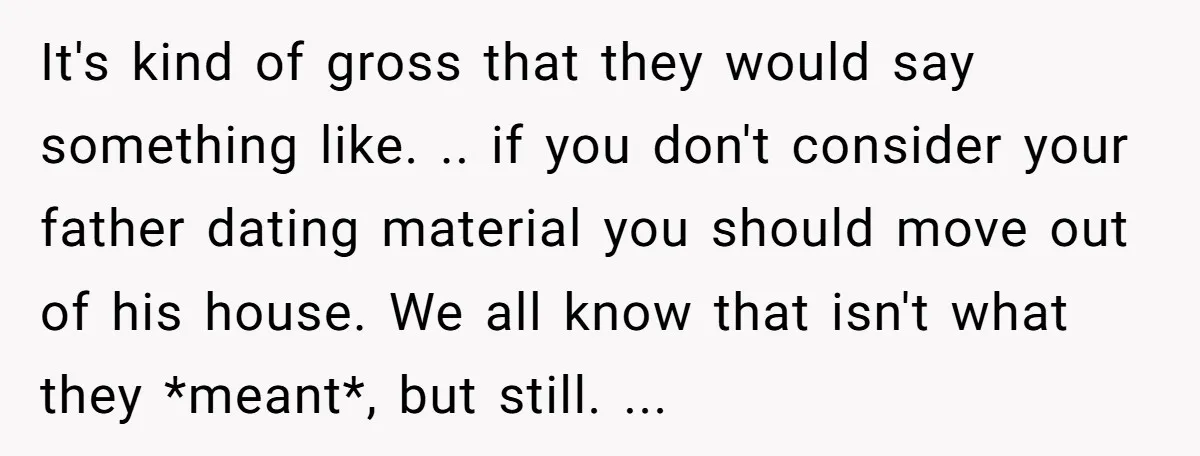
The comment section quickly filled with strong opinions — and most people were firmly on her side.
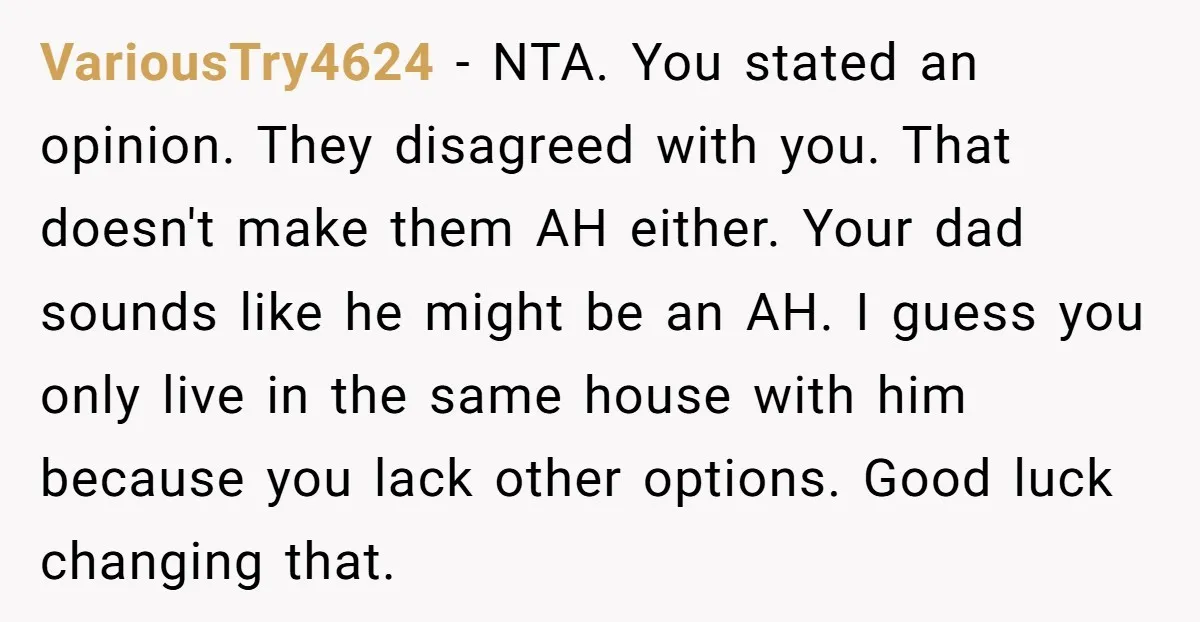
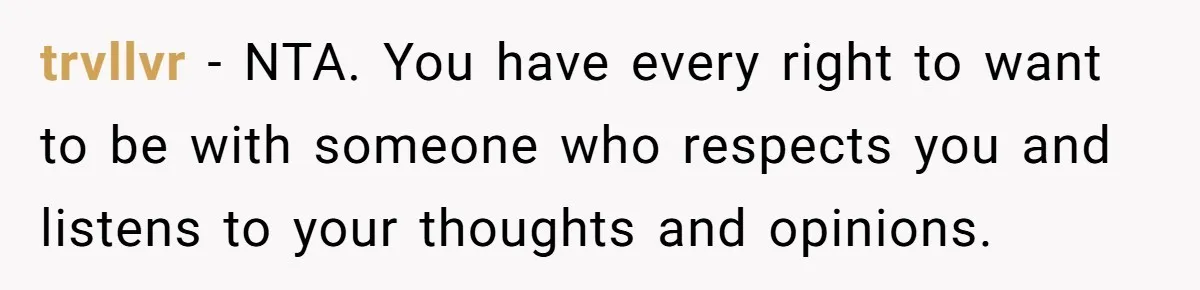
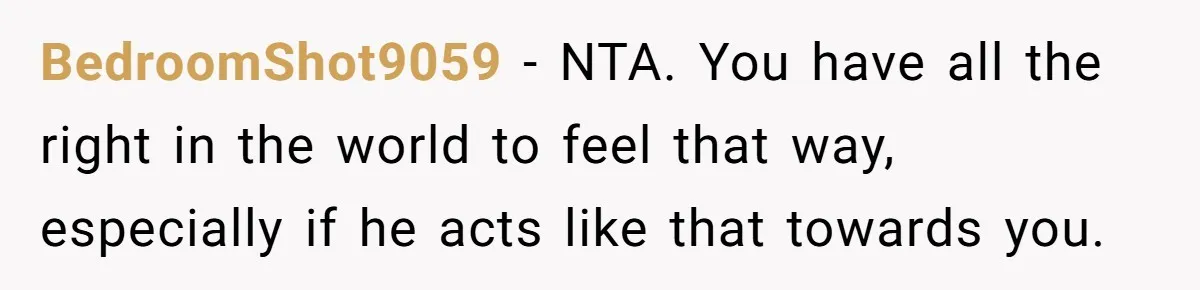
Many users felt she was completely justified:
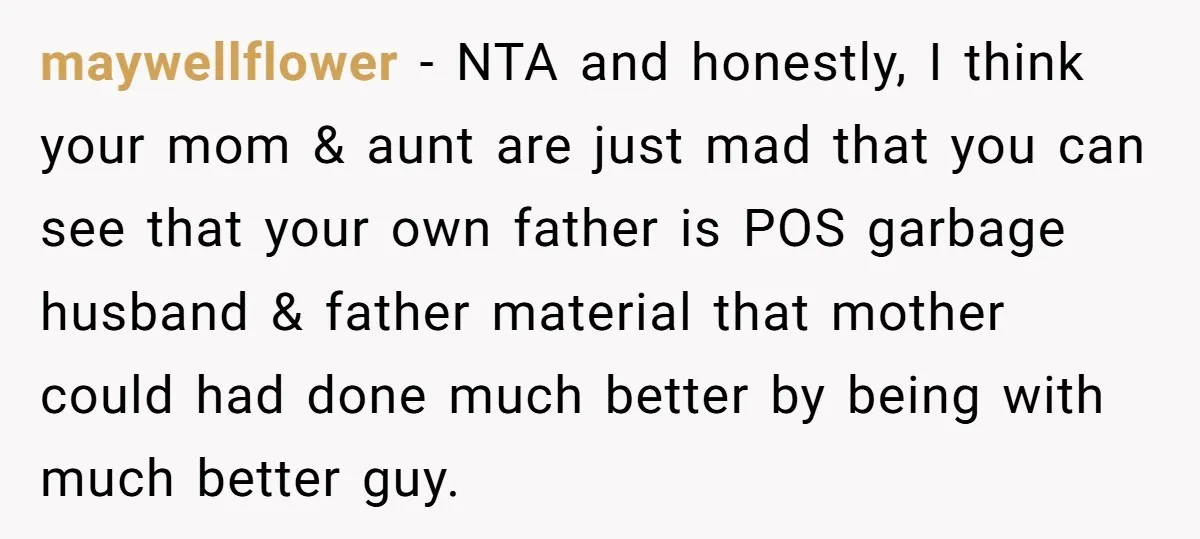
![[Reddit User] − NTA I think it’s weird af that they think because he’s your dad you should desire a partner like him. According to you, he’s a sexist AH.](https://loknam.com/aita/images/5c810c5f67/wp-editor-1772591048890-2.webp)
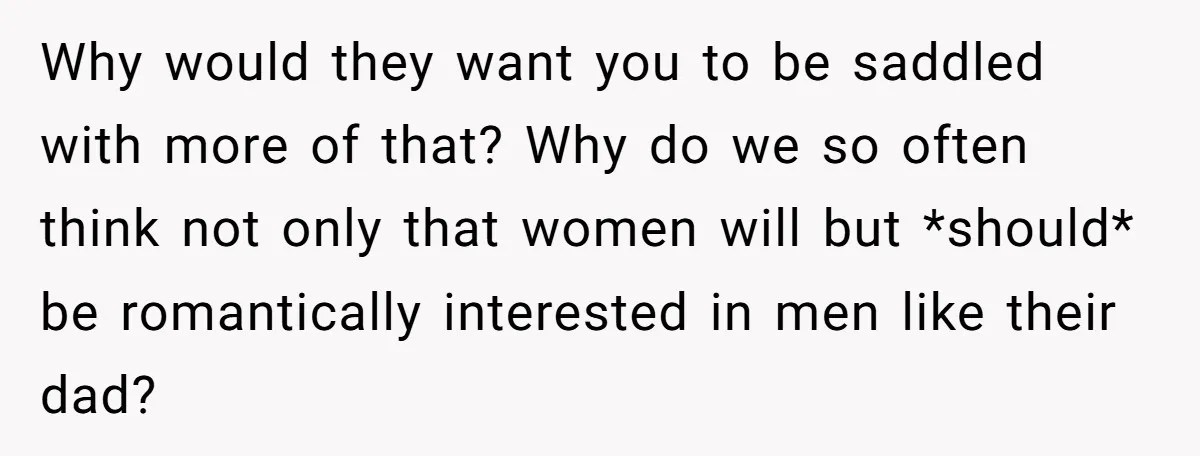
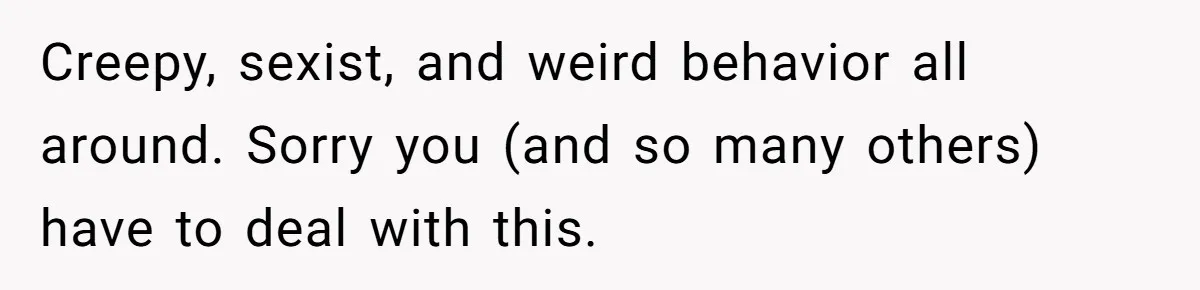
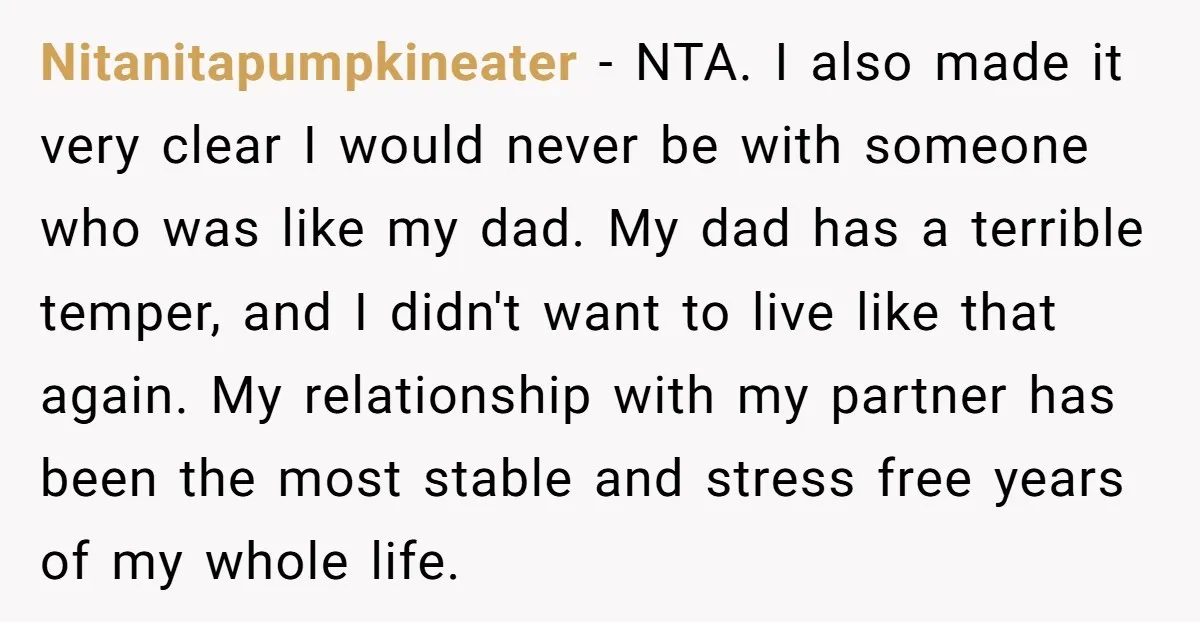
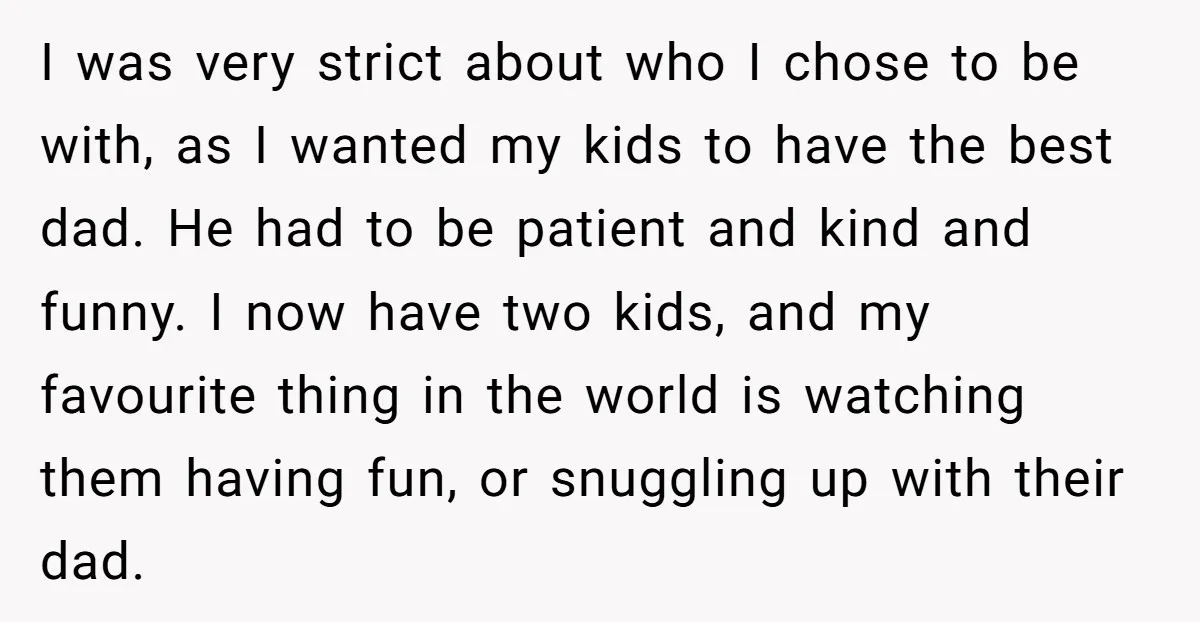
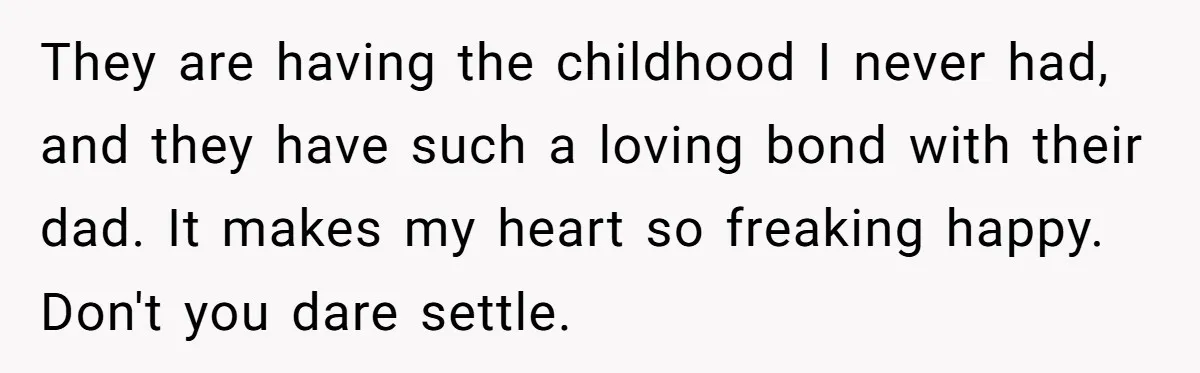
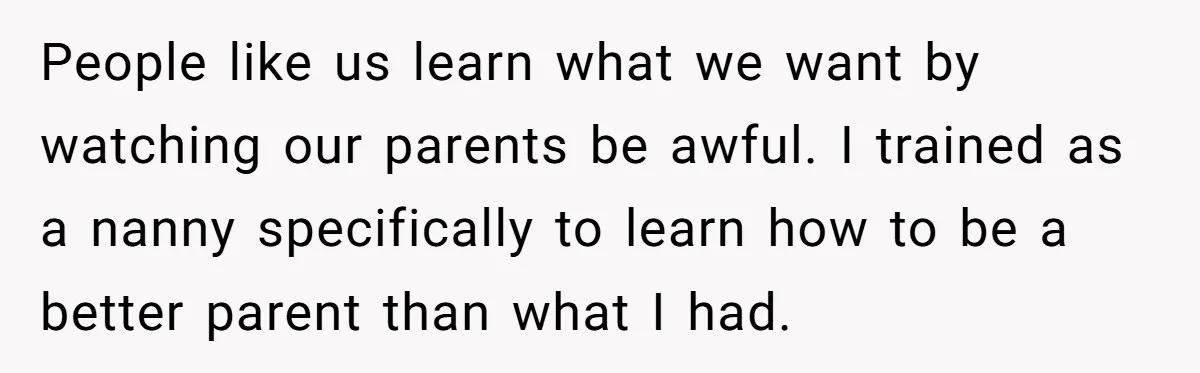
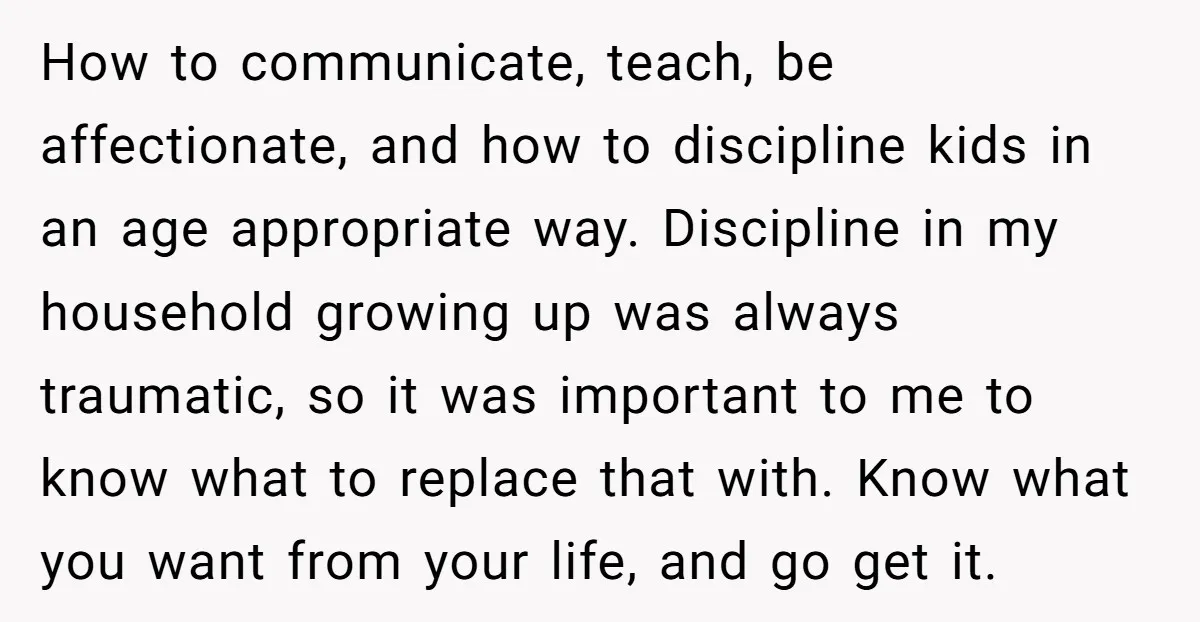
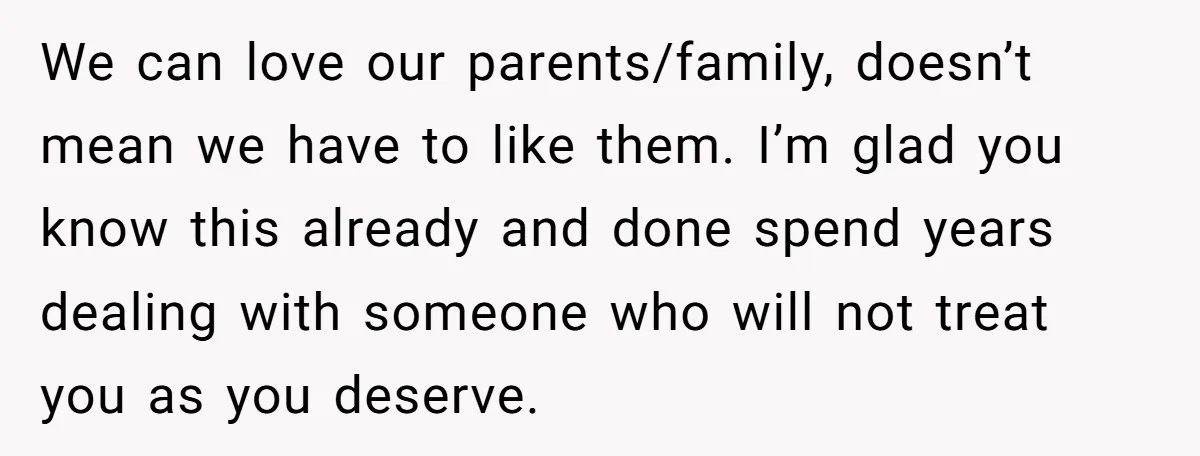
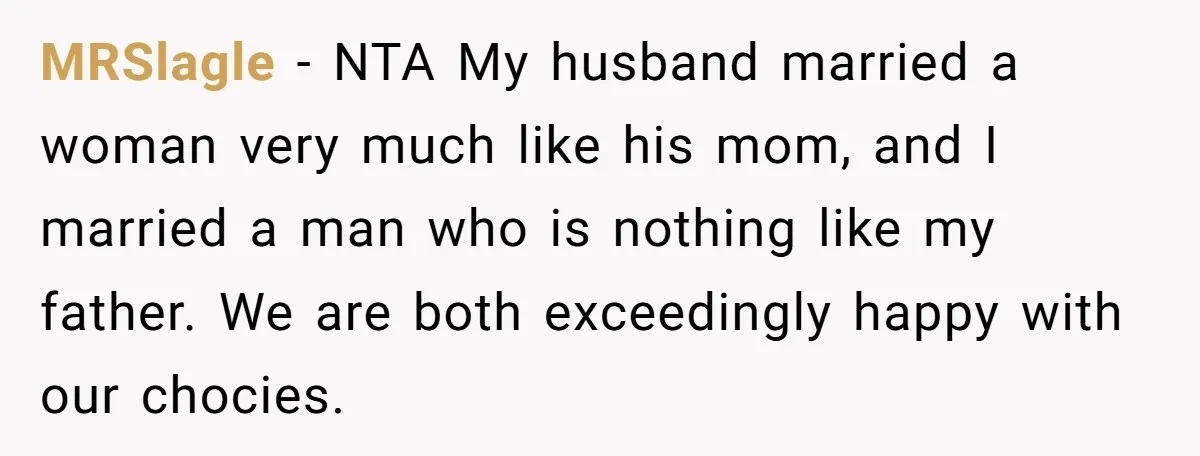
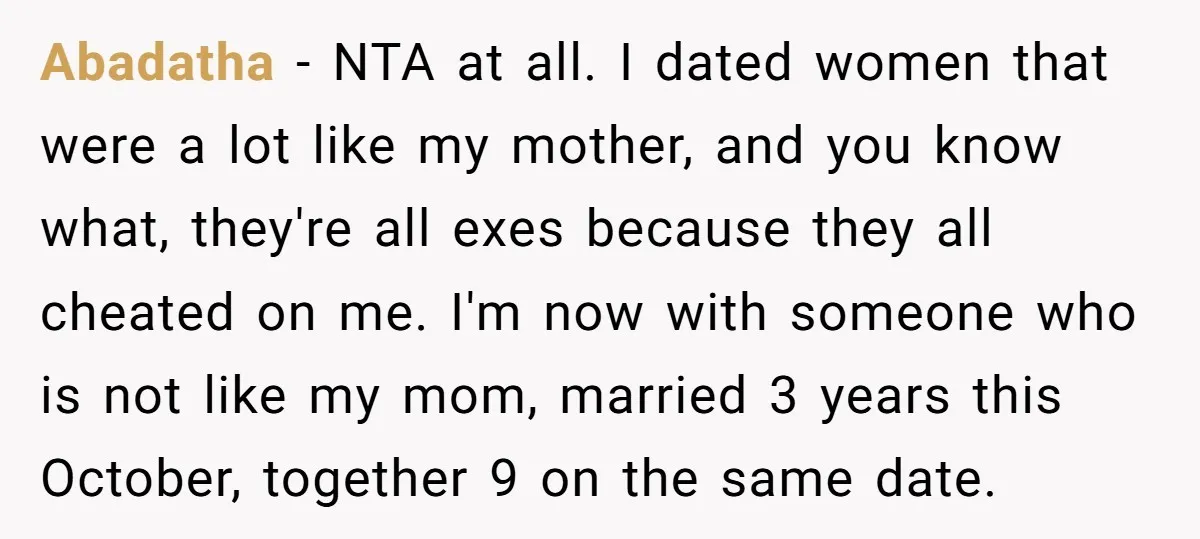
Others shared deeply personal experiences:


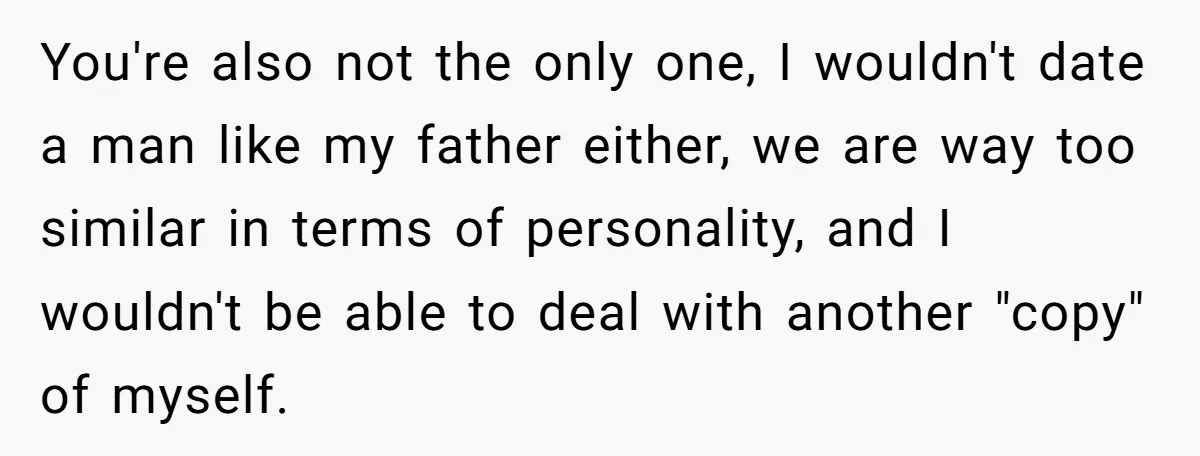
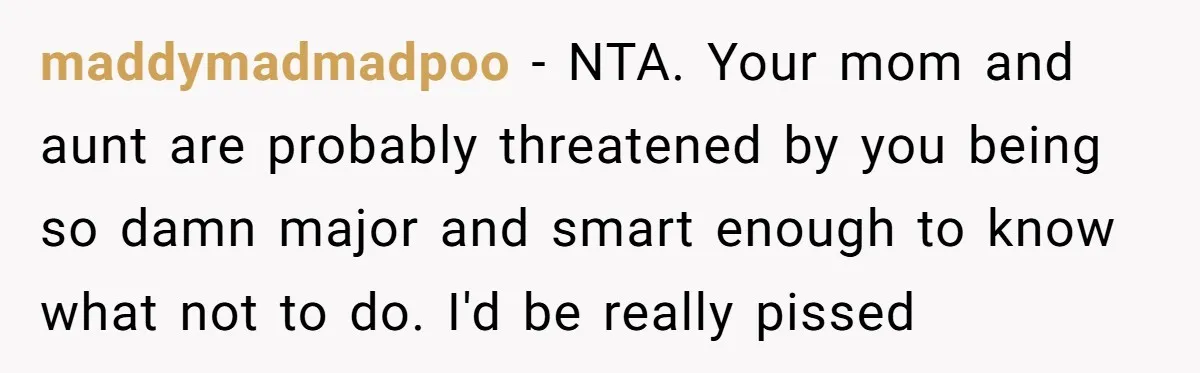
And others simply offered encouragement:
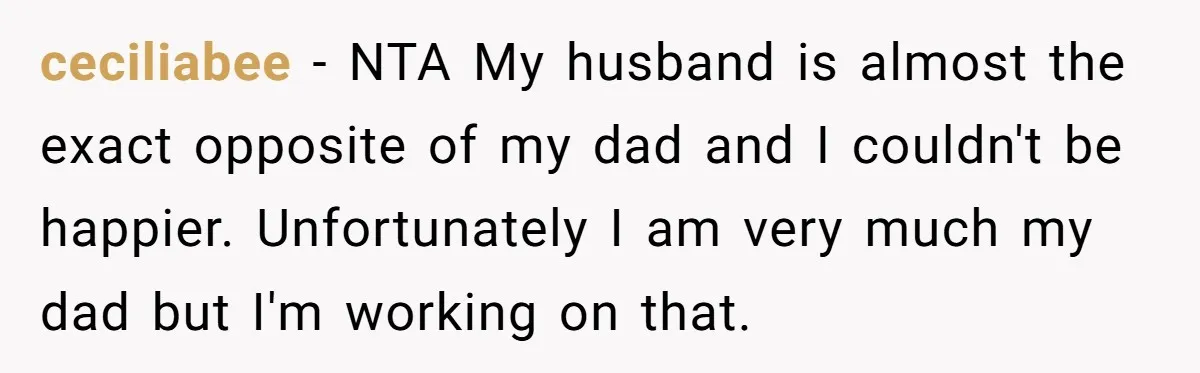
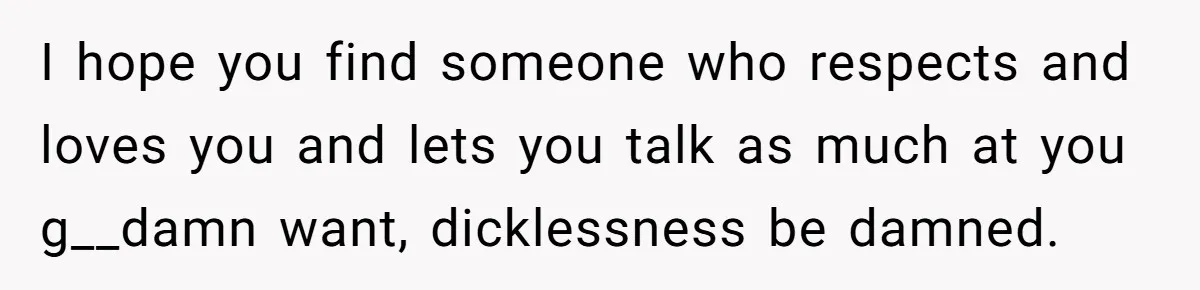
![[Reddit User] − NTA. You should just quote your dad when describing your dream husband then. Like mom I hope my husband tells me I talk too much for a...](https://loknam.com/aita/images/5c810c5f67/wp-editor-1772590995325-3.webp)

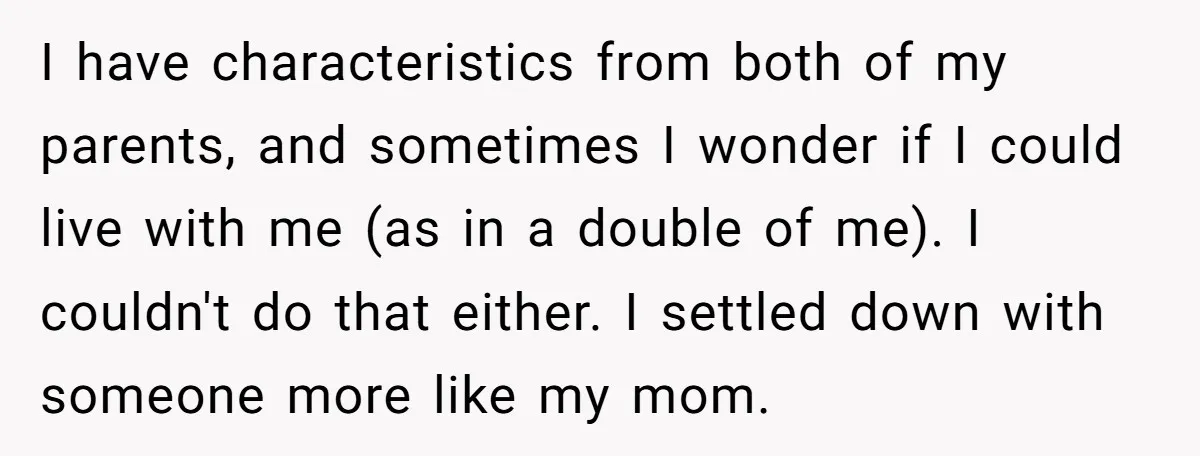
![[Reddit User] − NTA. Even I don't want date a man like my father.](https://loknam.com/aita/images/5c810c5f67/wp-editor-1772590998313-6.webp)
This 19-year-old’s story isn’t just about one heated family conversation. It’s about the complicated space where love, respect, and honesty collide. She cares about her father — but she refuses to repeat patterns that have hurt her.
Was her comment unnecessarily harsh, or simply candid? If you were in her position, would you stay quiet to keep the peace — or say exactly what you believe?