
Parenting doesn’t stop when a child turns 18, but control is supposed to. One father found himself in the middle of an unexpected conflict when his adult son’s biological father decided to weigh in on a relationship he didn’t approve of. The issue wasn’t abuse, manipulation, or secrecy. It was a six-year age difference between two adults who clearly cared about each other.
The adoptive parents were happy for their son, impressed by his independence, and genuinely fond of his girlfriend. The biological father, however, saw the situation very differently and demanded action. What followed was a blunt response, a flurry of messages, and a debate that struck a nerve online. The central question became simple yet emotionally charged: who actually gets a say when an adult child chooses love?


The foundation of this situation was built years earlier through adoption and support
Over time, the relationship between father and son slowly found its footing
The son’s independent path and new relationship became a source of pride



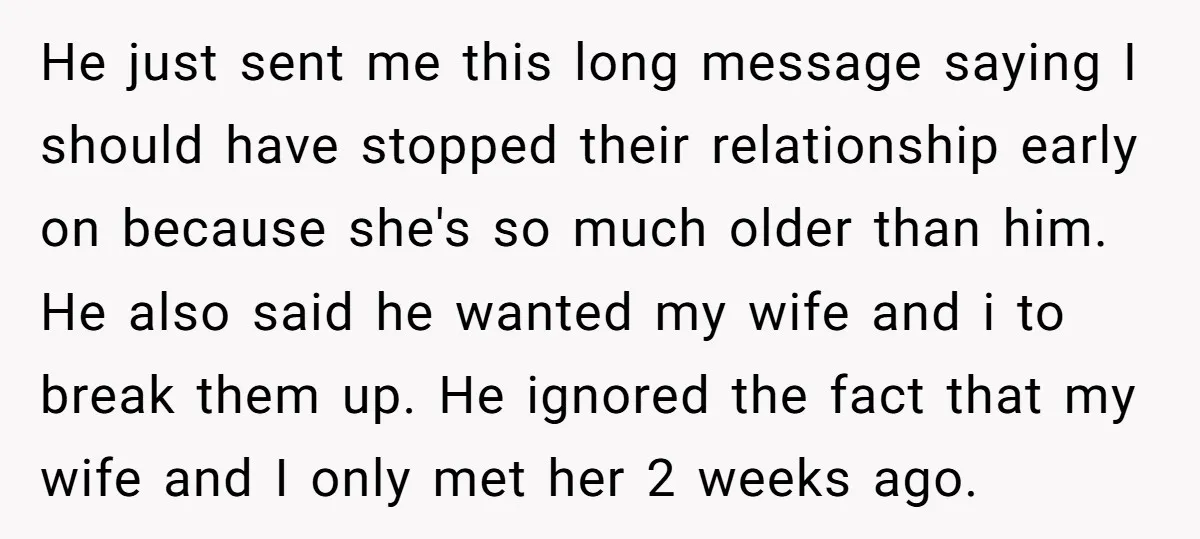
The problem surfaced when the biological father learned about the age difference

Things escalated quickly once the biological father decided to intervene
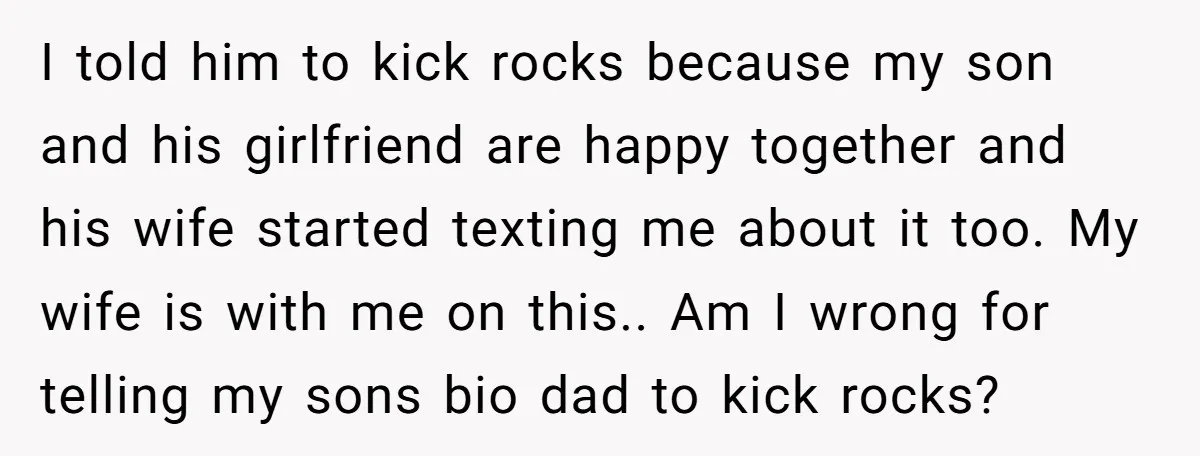
This conflict highlights a common tension between parental instinct and adult autonomy. While parents may feel protective well into their children’s adulthood, healthy relationships depend on respecting independence. In this case, the son is 23, financially independent, and in a stable relationship that has lasted over a year. Those facts matter. From a developmental standpoint, age-gap relationships become far less concerning once both partners are fully grown adults.
Psychologist Dr. Justin Lehmiller, a research fellow at The Kinsey Institute, has explained that relationship success is far more closely tied to communication, mutual respect, and shared values than numerical age differences among adults. The biological father’s reaction appears less about concern and more about control. His request that the adoptive parents “break them up” suggests he understands his influence is limited. Rather than risk his own relationship with his son, he attempted to outsource the conflict.
The adoptive father’s response, though blunt, served an important boundary-setting function. Family therapists often stress that clarity prevents long-term resentment. Allowing one parent to undermine an adult child’s relationship can create confusion and emotional strain, especially in blended family dynamics.
A constructive next step would be transparency with the son. Letting him know about the messages ensures he isn’t blindsided by potential interference. Ultimately, love chosen freely and supported by respect tends to outlast love policed by fear. Parents can offer guidance, but they cannot dictate happiness.
Here’s the comments of Reddit users:
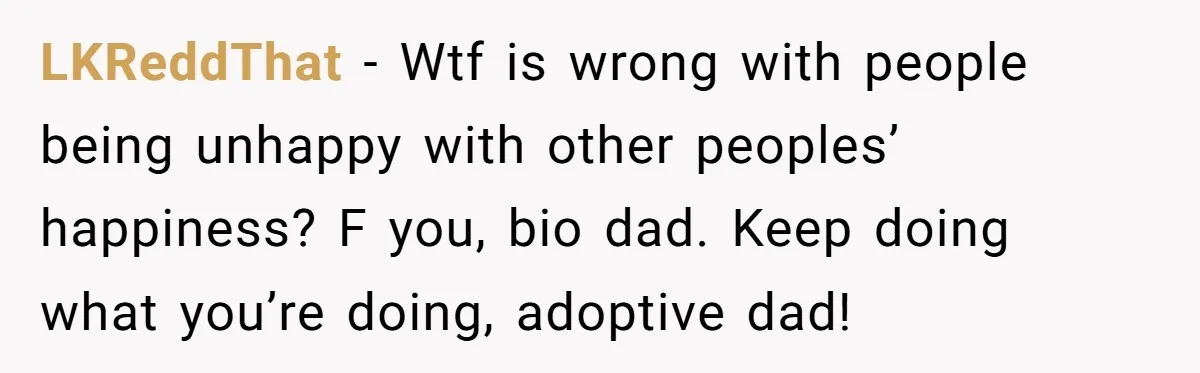
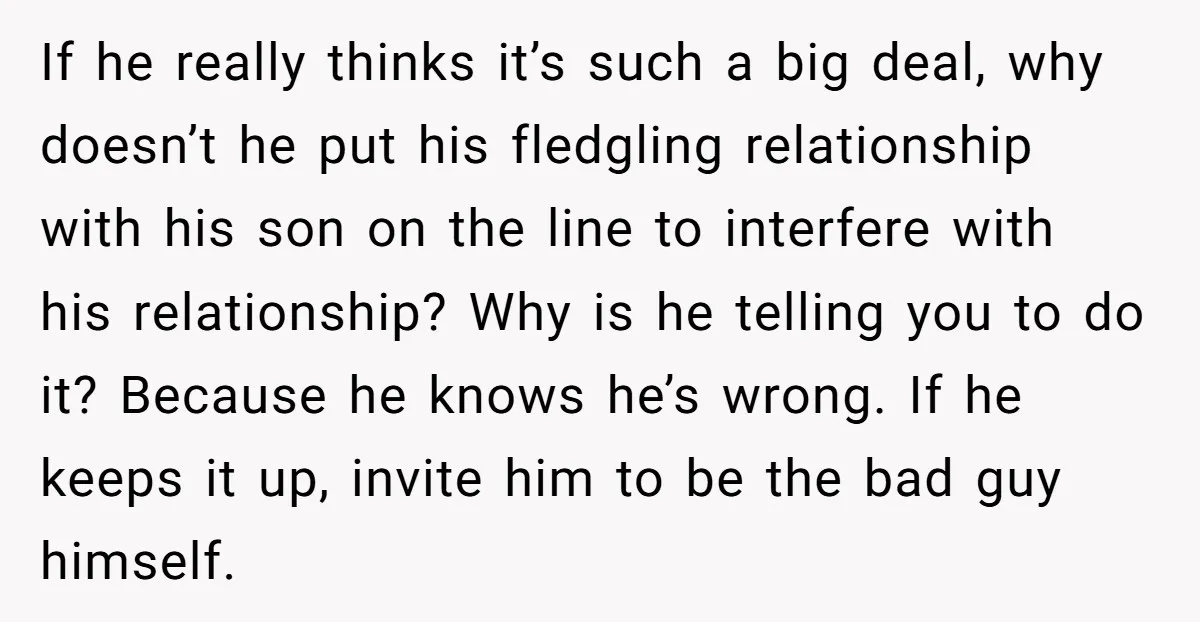
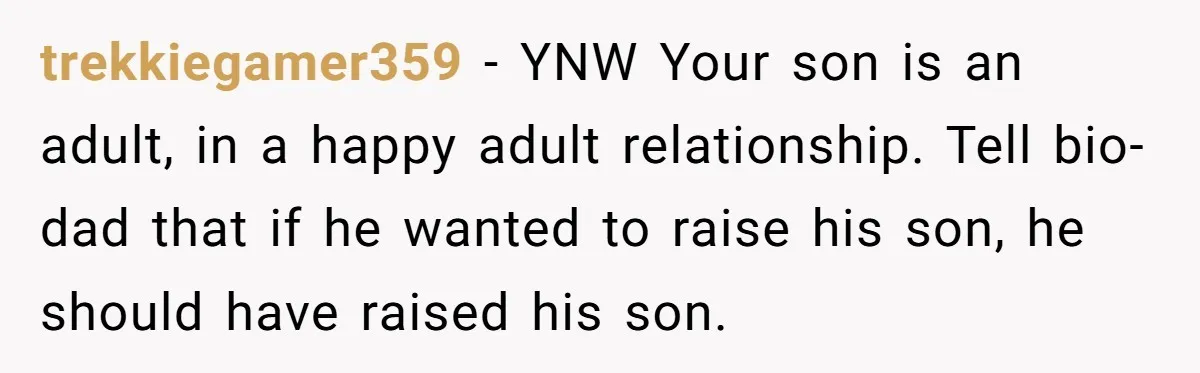
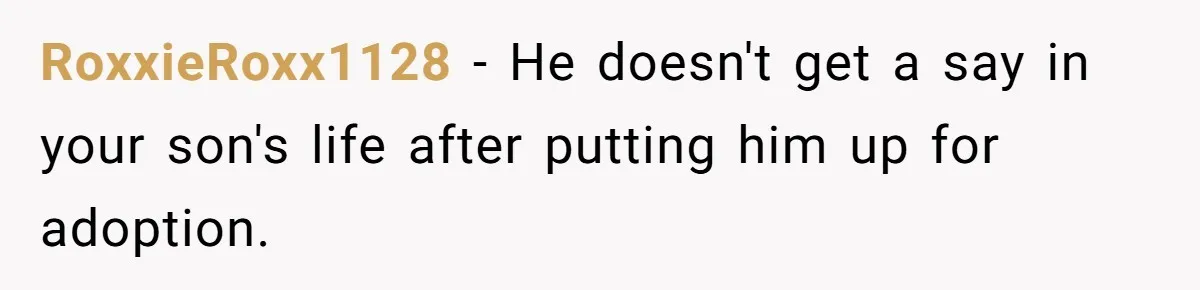
Many users firmly backed the adoptive father and applauded his refusal to interfere


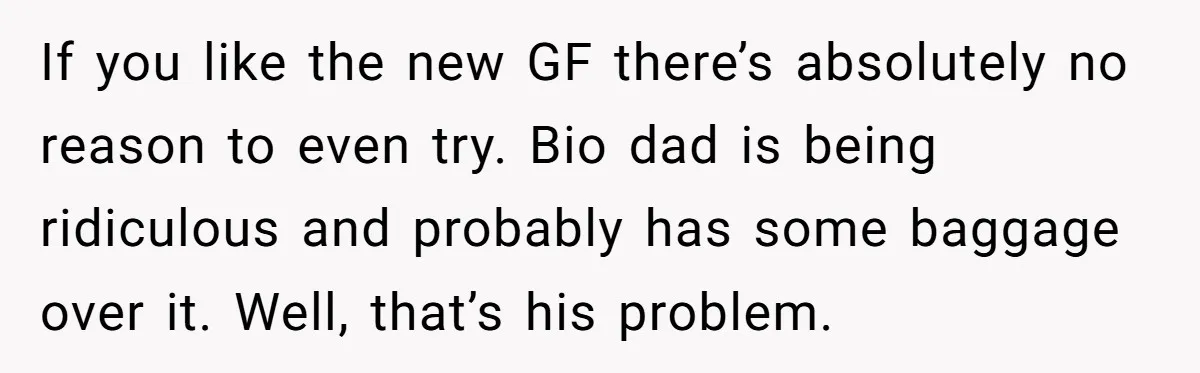


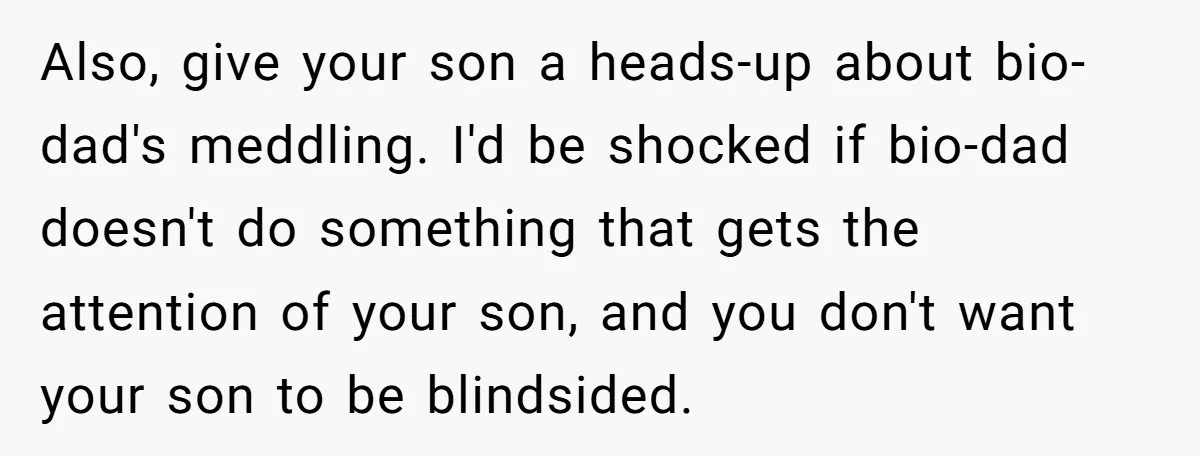
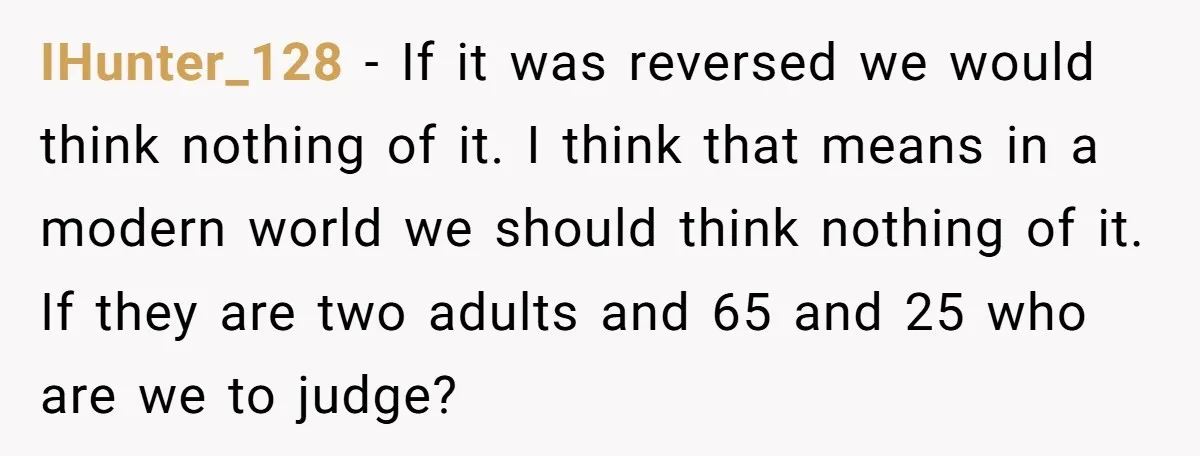
Others focused on the double standard around age gaps
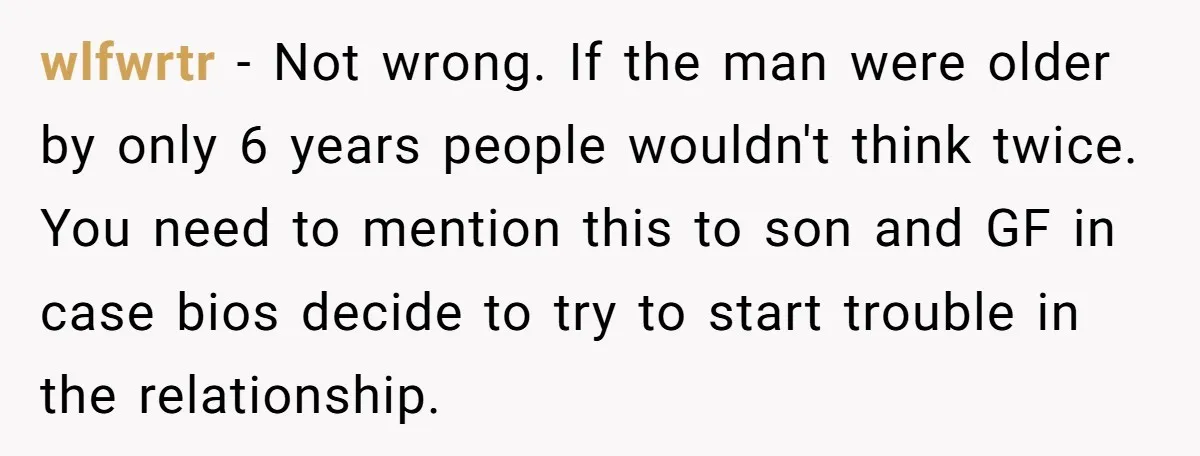




Several commenters urged caution and communication moving forward




This situation struck a chord because it underscores a simple truth many families struggle with: adulthood changes the rules. While concern can come from love, control often comes from fear. The adoptive father chose to stand by his son’s happiness rather than entertain interference from someone who no longer holds parental authority. With clear boundaries and honest communication, the family can avoid deeper rifts. When an adult child chooses a partner who makes them happy, should anyone else really get a vote?