
What would you do if someone tried to force their way into one of the most private and vulnerable moments of your life — right as you were bringing your children into the world?
Many new parents expect support and respect during labor and delivery, yet some family members cross serious lines in the name of excitement or “rights.” This mother’s experience with her mother-in-law shows just how quickly joy can turn into chaos when boundaries are ignored. Her story highlights the importance of standing firm during those first precious hours with a newborn.

‘Entitled MIL tries to break into delivery room’
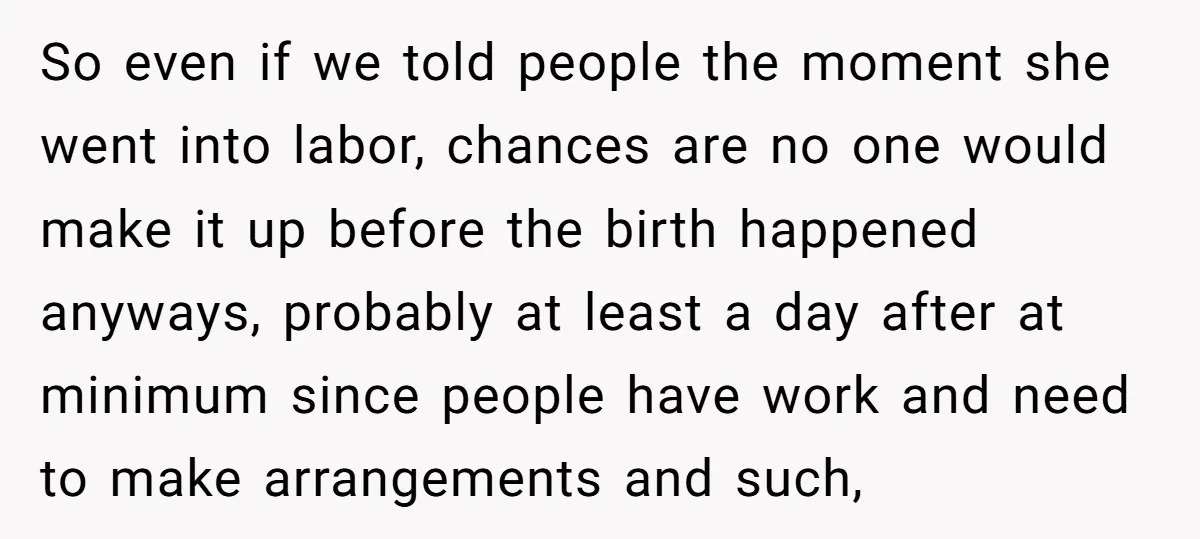
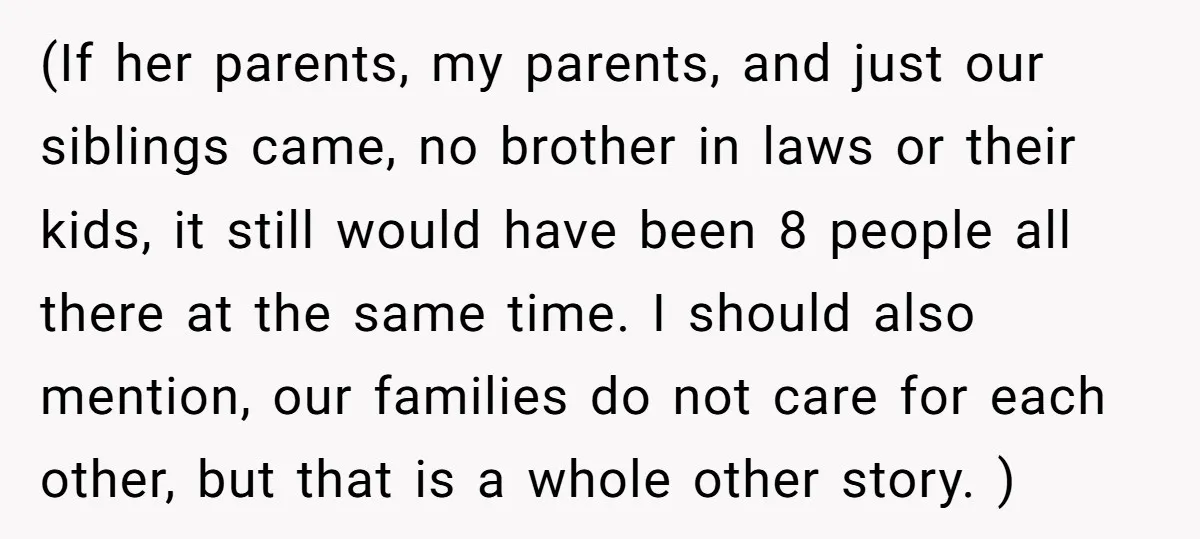
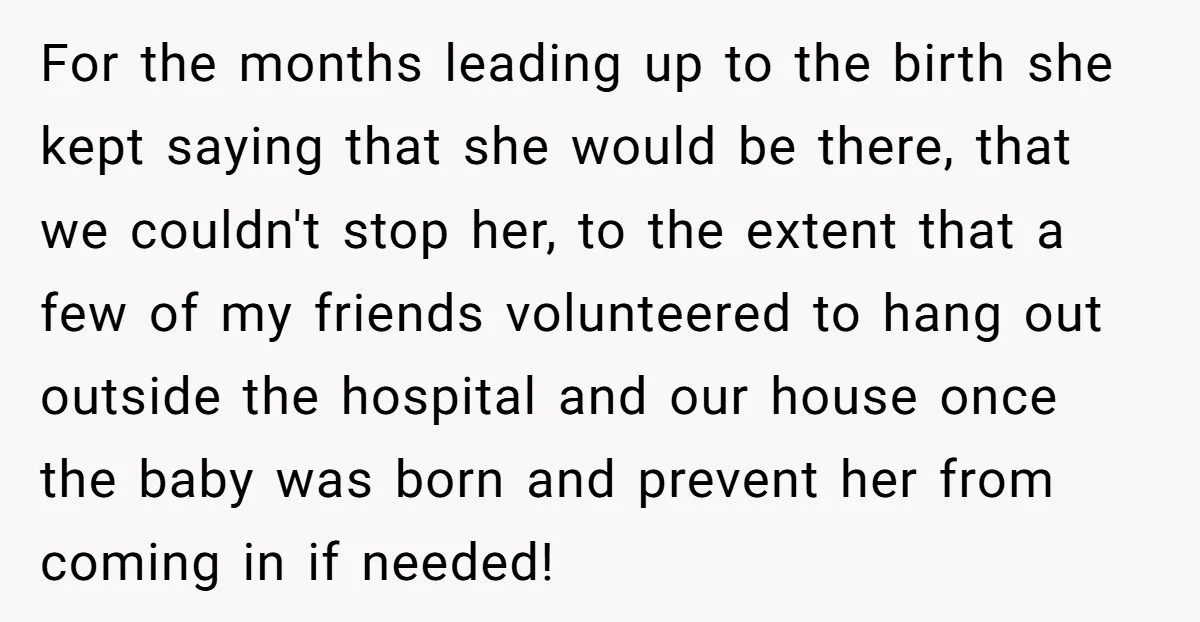
The story starts with pure happiness as a second-time mom prepares to welcome her newborn twins.





Things escalated quickly right after the twins arrived.



The core conflict centers on a grandmother’s intense desire to witness and participate in the birth of her grandchildren, clashing directly with the parents’ need for privacy, control, and immediate bonding time. What began as shared excitement quickly escalated into confrontation, emotional outbursts, and security involvement. The situation reveals deep differences in expectations around family roles, personal space during medical events, and respect for the birthing mother’s autonomy.
The mother-in-law appears driven by entitlement and perhaps anxiety about missing out on a major family milestone. She equates her status as grandmother with an automatic right to be present, overriding the parents’ clearly stated wishes. The new mother and father, meanwhile, prioritize recovery, skin-to-skin contact, and protection from overstimulation for both themselves and the fragile newborns. The failure to listen created a painful standoff right when the family needed calm and support most.
Family therapist Esther Perel has observed that “grandparents sometimes forget that becoming a grandparent is not the same as becoming a parent again.” This insight fits perfectly — the grandmother’s actions suggest she was trying to reclaim a parental role during delivery, which damaged trust instead of building connection. When emotions run high, such misunderstandings can quickly spiral.
The healthiest path forward involves clear, consistent boundaries set by both parents together. The husband should take the lead in communicating consequences with his mother, starting with a calm conversation about mutual respect. A temporary pause in visits (a “time-out”) can help reset expectations. Small steps like asking permission before entering a room, washing hands without protest, and respecting quiet bonding periods will rebuild trust over time. With patience and firmness, families can move past these early clashes.
Let’s dive into the reactions from Reddit:
Reactions on social media came in fast and strong, with the majority of readers fully backing the new parents and sharing their own experiences of overstepping family members.
Many readers strongly supported the mother and praised her for protecting those first sacred moments with her twins:

![[Reddit User] − So i like to warn people about this kinda behavior. My son was born in 2017 and right away grandma was overstepping boundaries.](https://loknam.com/aita/images/4ebbfb9ffe/wp-editor-1768269069517-2.webp)






A large number of people directly challenged the original poster’s hesitation to call the MIL “nut crazy” and strongly recommended immediate consequences:




Others shared detailed stories of their own encounters with entitled grandparents, offering warnings and advice on how to handle or prevent similar situations:













A few readers recounted their own extreme experiences with mothers-in-law who tried to force their way into delivery rooms or hospital stays:





Some shared milder but still frustrating stories of grandparents who made the birth experience about themselves:





One reader described a long, detailed story of how they had to set extremely firm boundaries with their own mother-in-law to prevent similar entitlement:

















This experience serves as a powerful reminder that the first hours after birth belong to the parents and baby — not to anyone else, no matter how close the relationship. Protecting that fragile bubble of bonding, rest, and recovery matters more than keeping everyone happy. When boundaries are clearly stated and calmly enforced early, families have a better chance of building healthier long-term dynamics.
Have you ever had to stand up to a family member during a vulnerable moment like childbirth? How did you handle it — and would you do anything differently now?