
We all know that moment when you meticulously tailor a resume for the perfect job, hit submit, and wait in hopeful silence. For one former recruiter, the crushing reality of what happens on the other side of that submit button eventually became too heavy to bear. It turns out that the silence applicants hear isn’t always a reflection of their skills or experience—sometimes, the game is rigged before it even begins.
Stepping away from a lucrative career in human resources, this professional decided to pull back the curtain on a deeply frustrating corporate practice: ghost jobs. From phantom listings to internal politics, the revelations shed light on a hiring process that often prioritizes administrative checkboxes over human decency. Want the juicy details on how to spot these fake listings? The full story is right below.

Setting the scene at a typical corporate desk, the recruiter reveals the unsettling mechanics of a predetermined outcome.
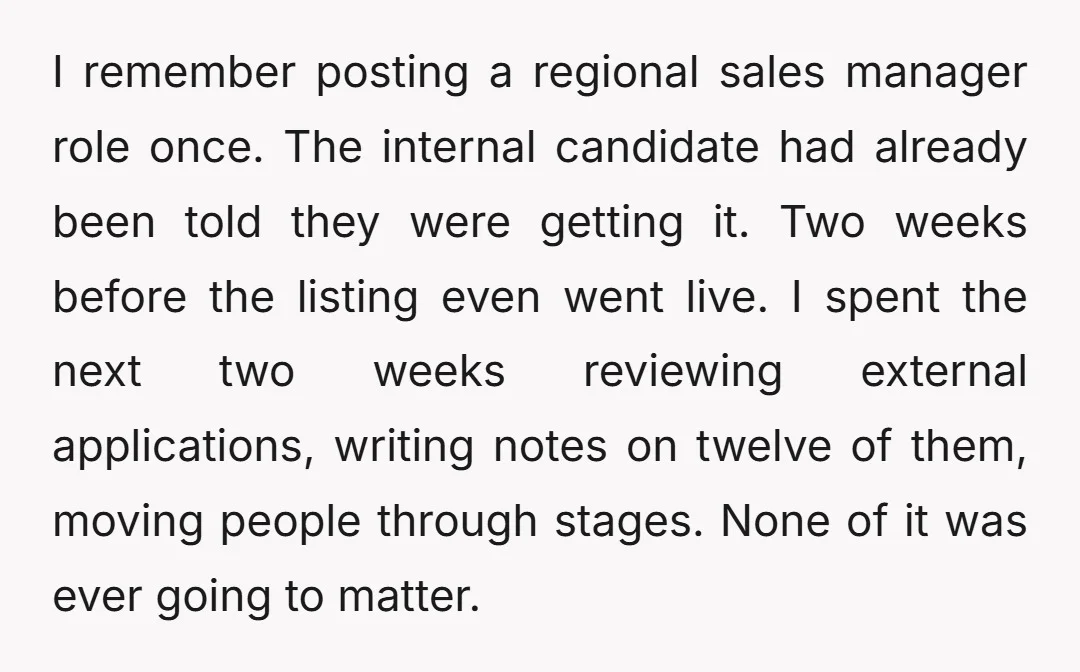
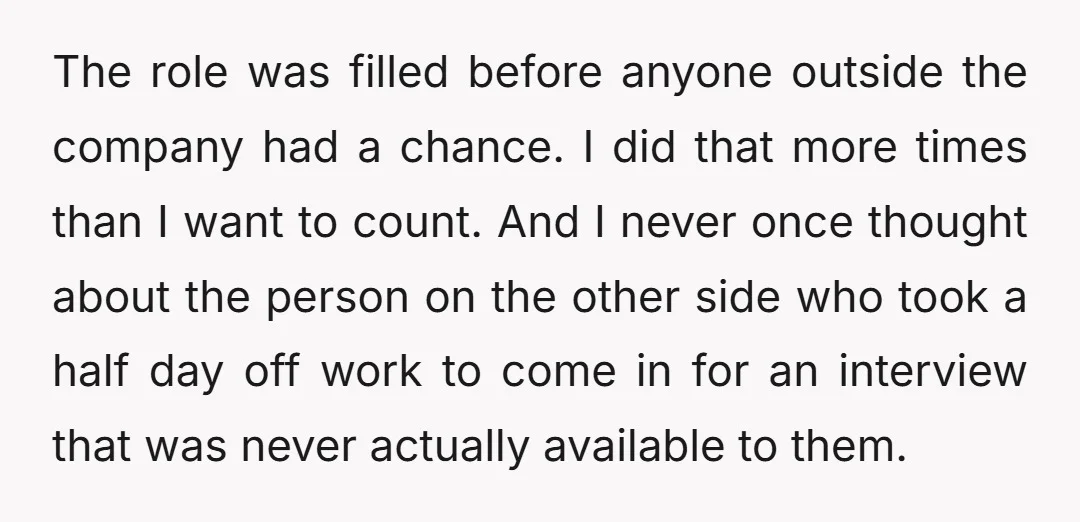
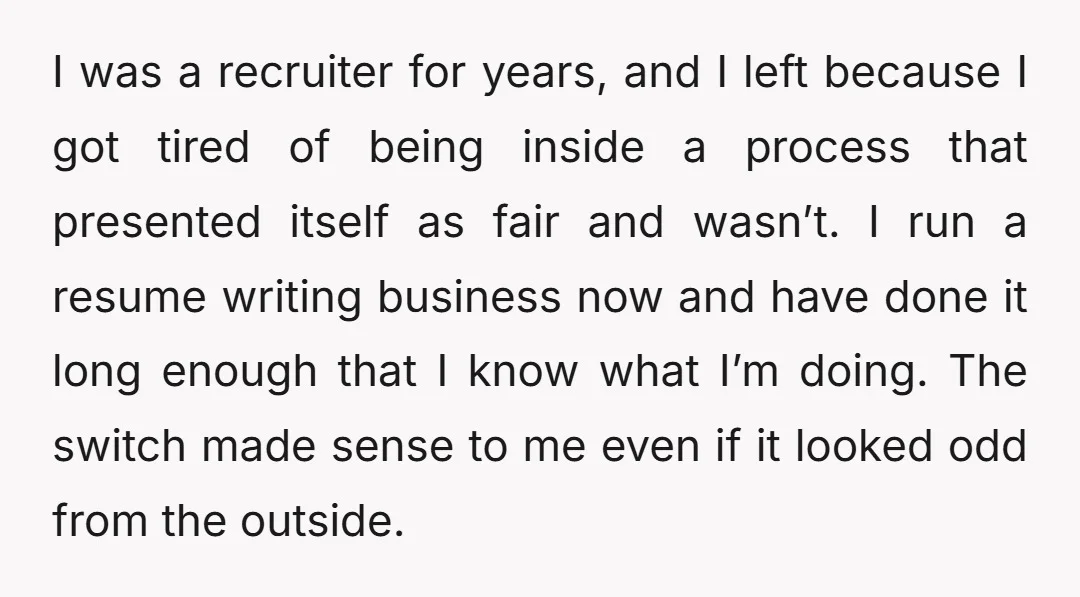
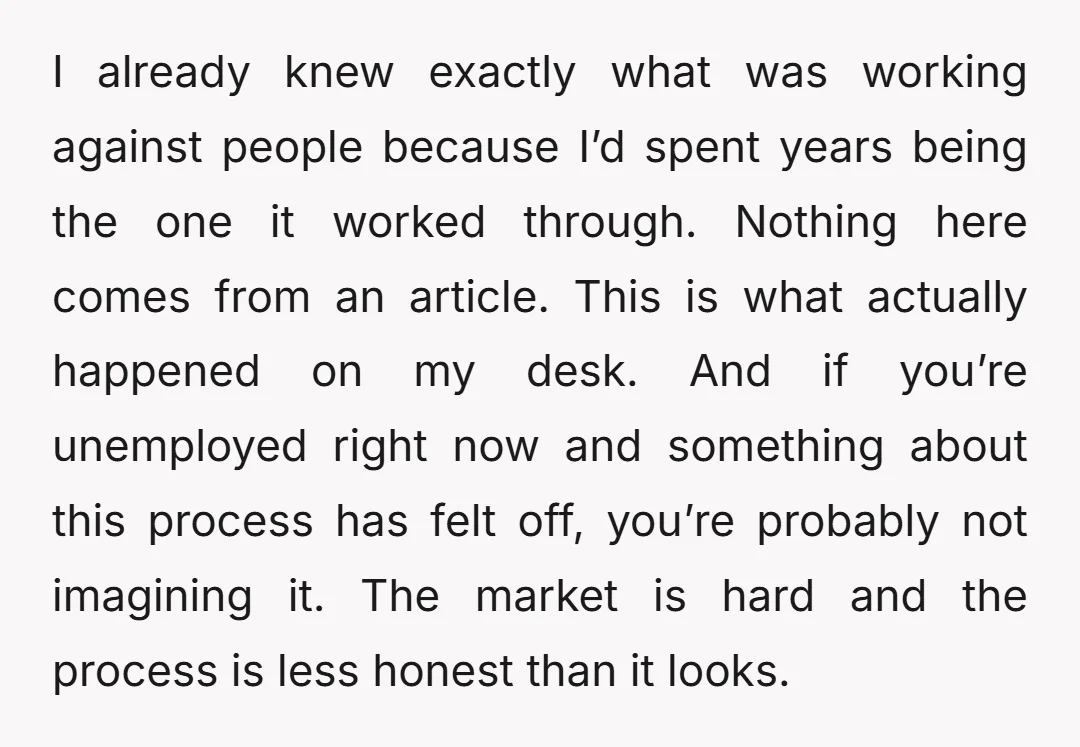
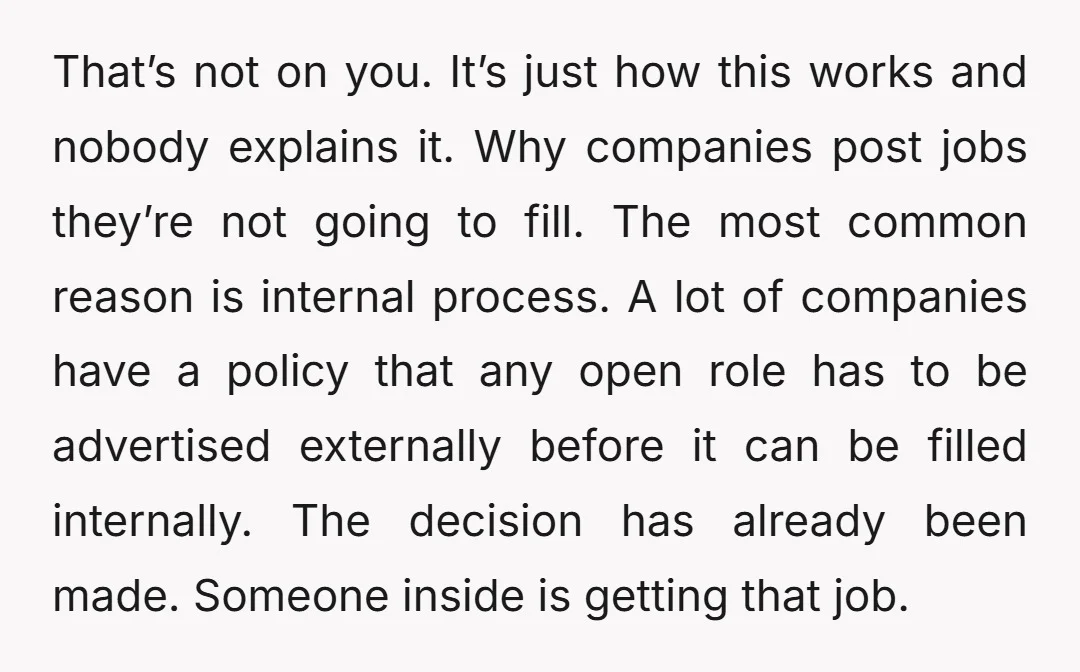
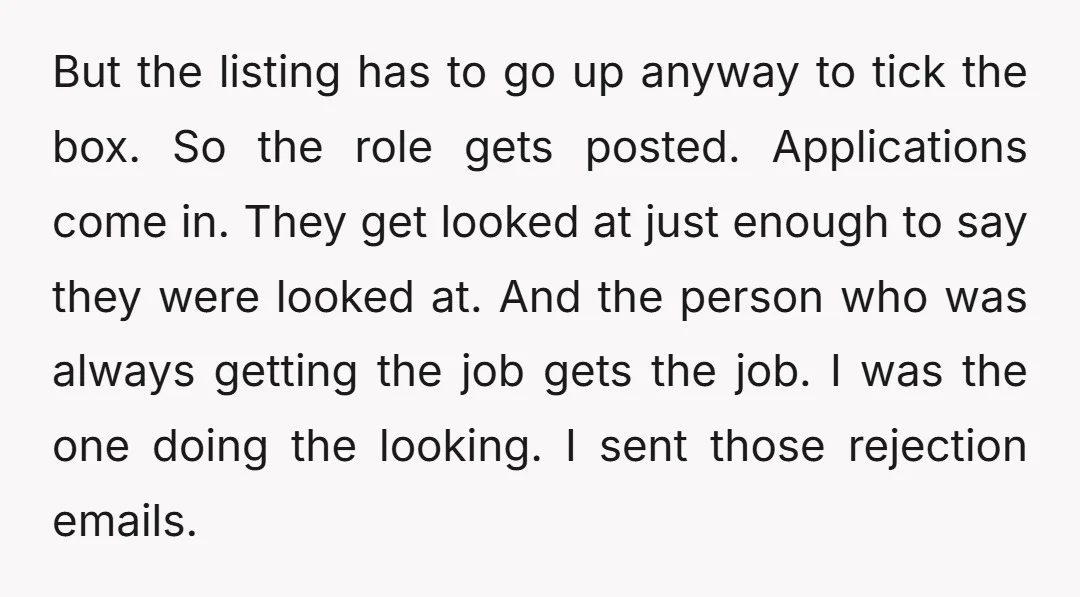
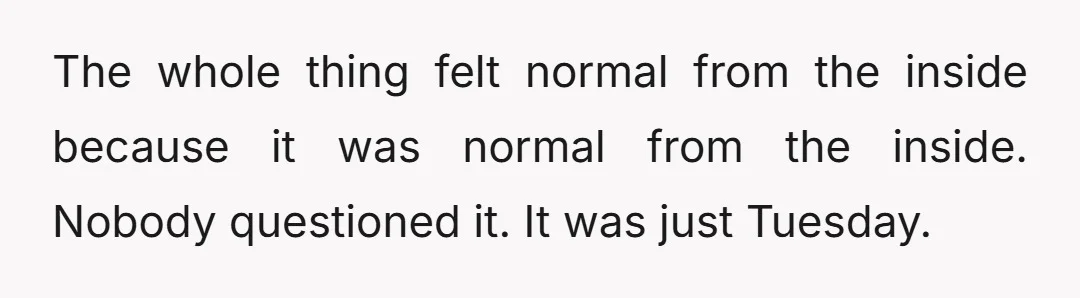
We’ve all been there—pouring hours into an application only to be met with a deafening void that makes us question our worth.
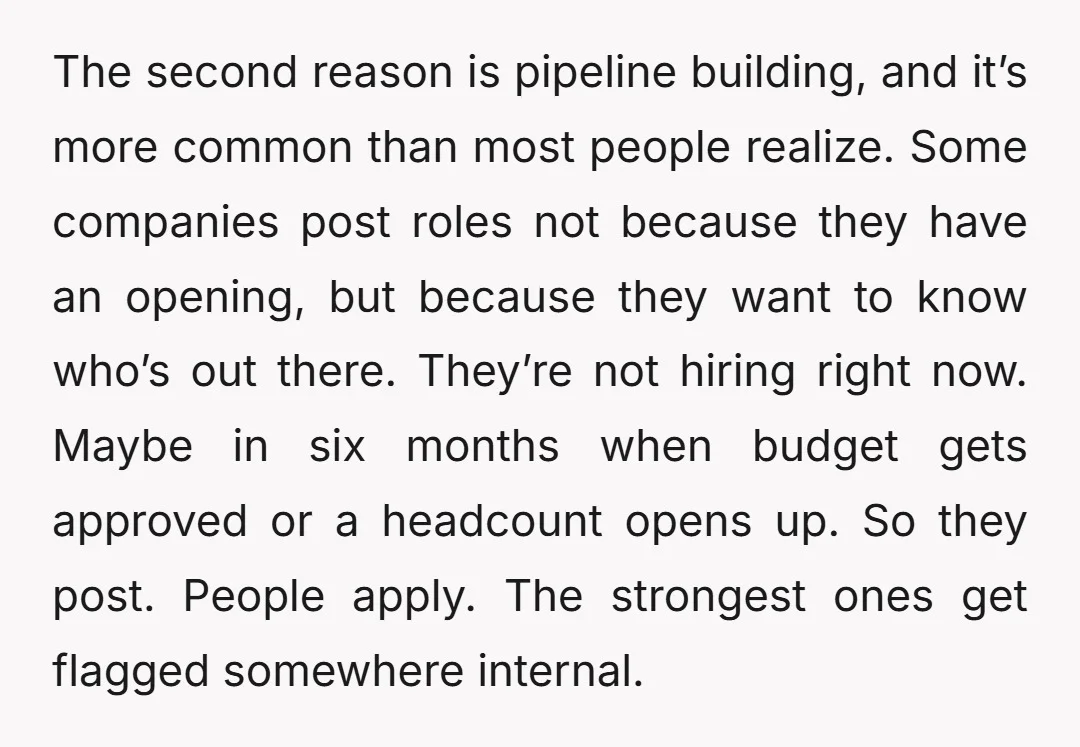
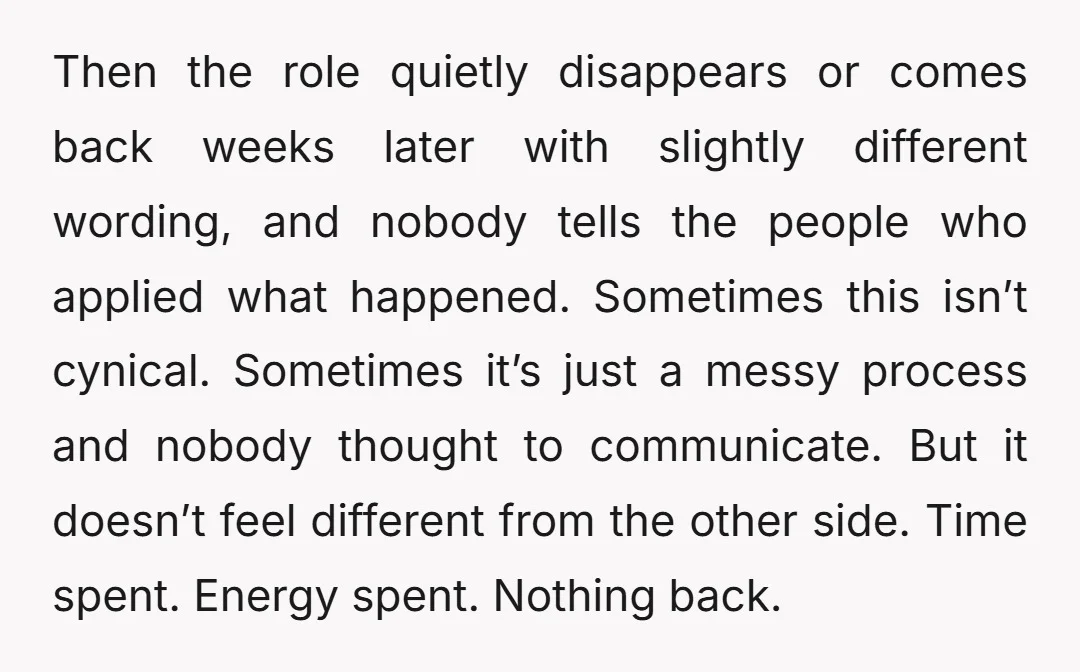
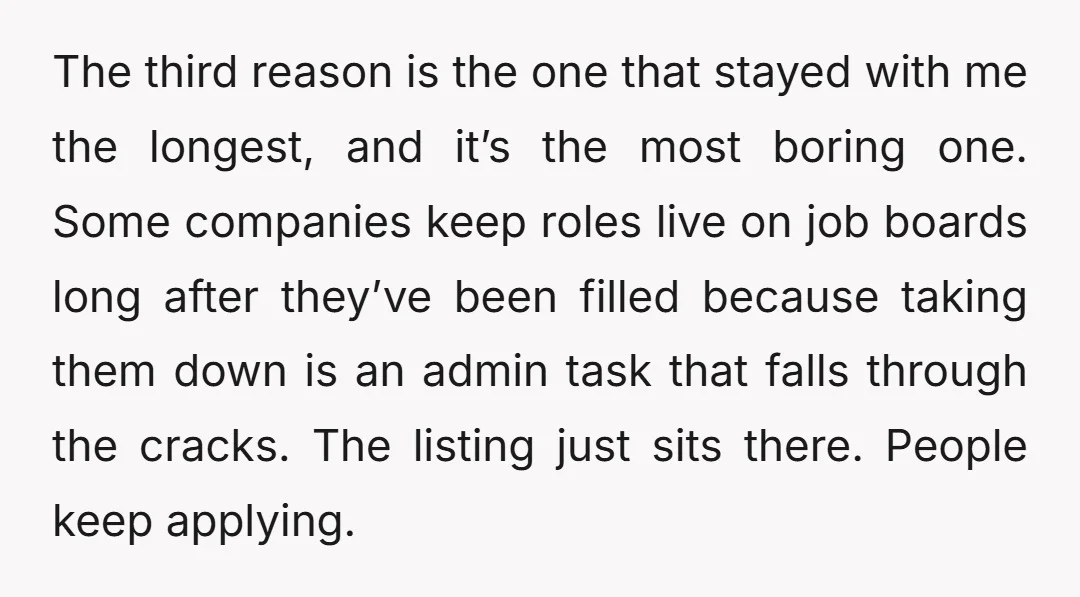
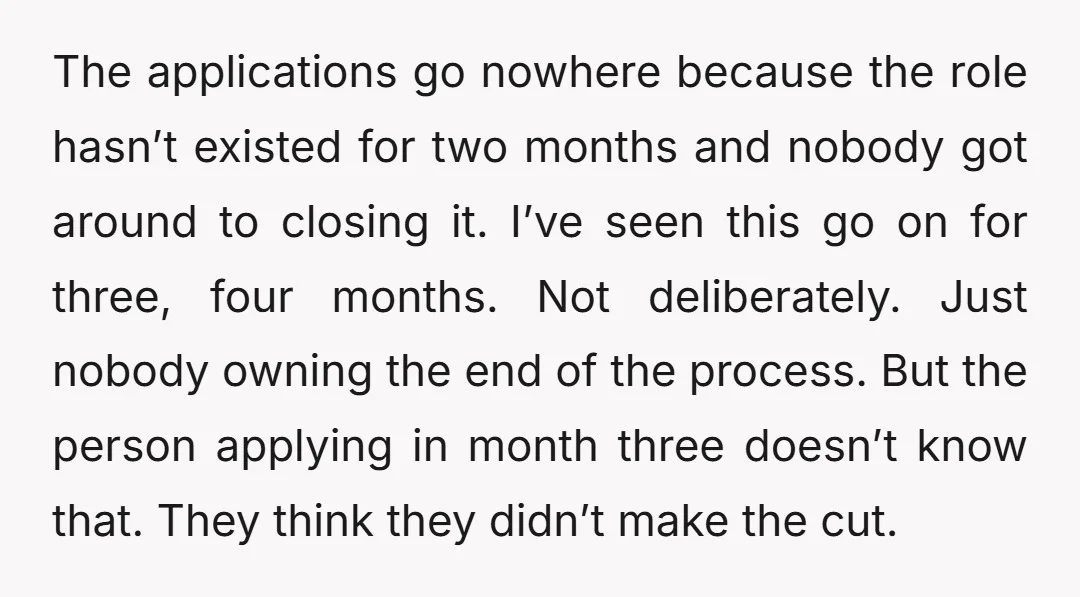
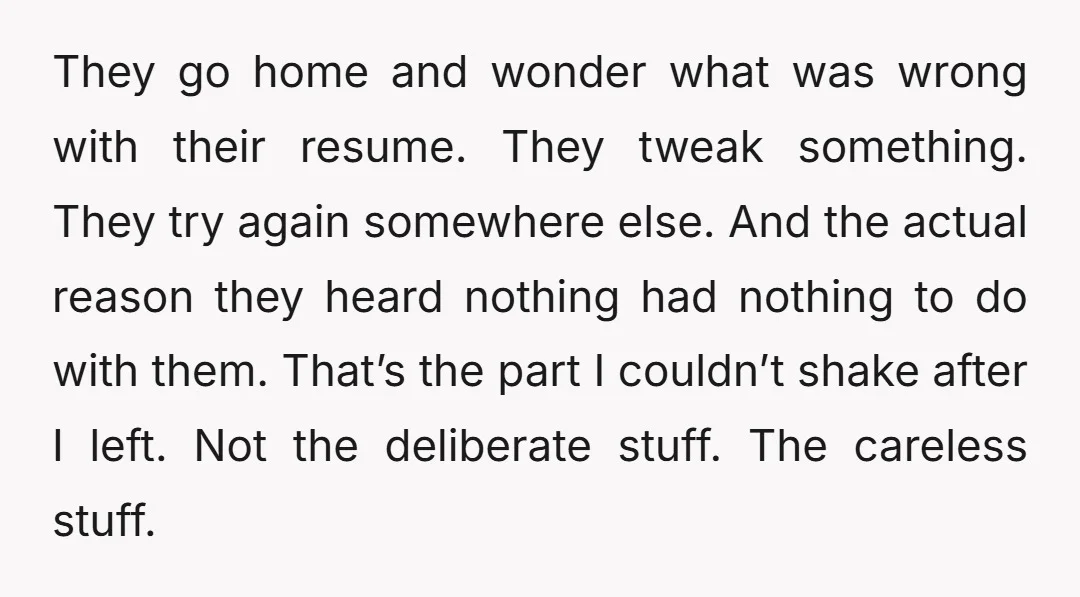
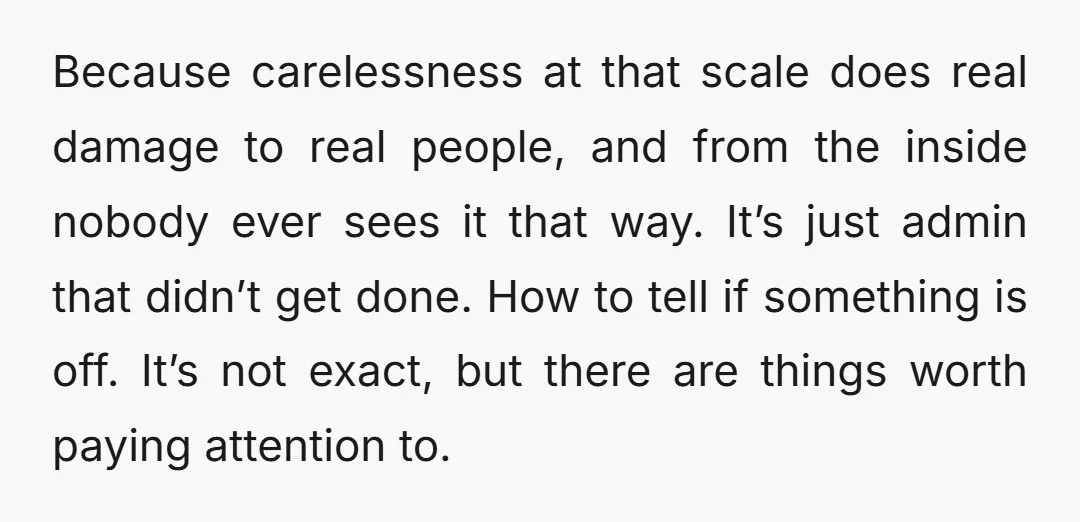
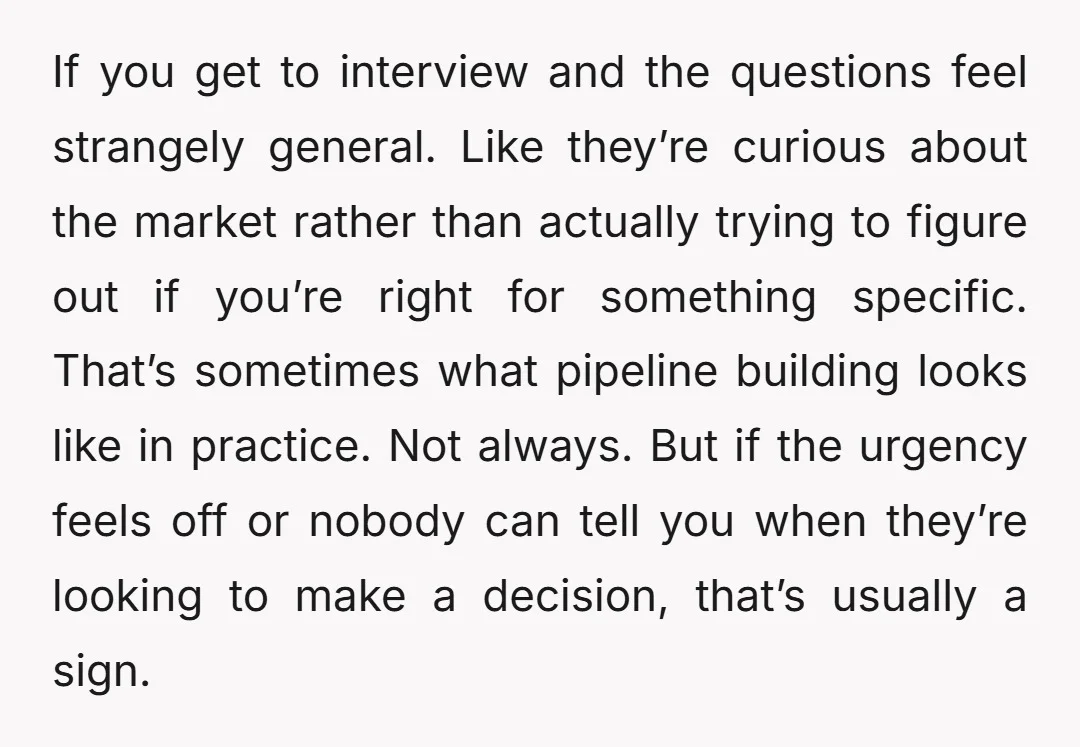
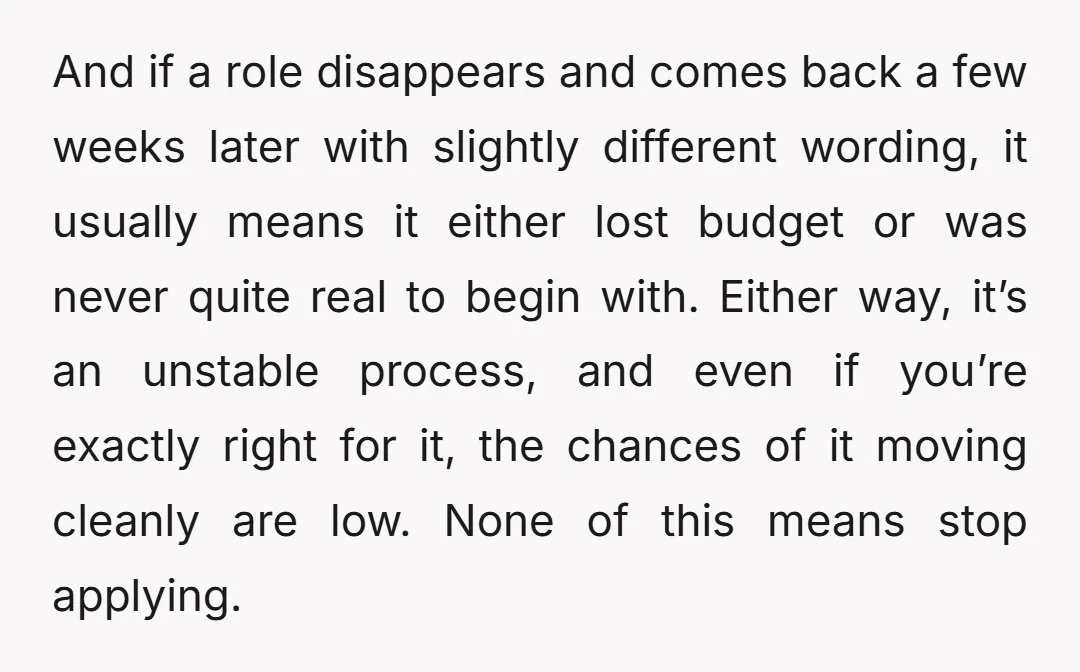
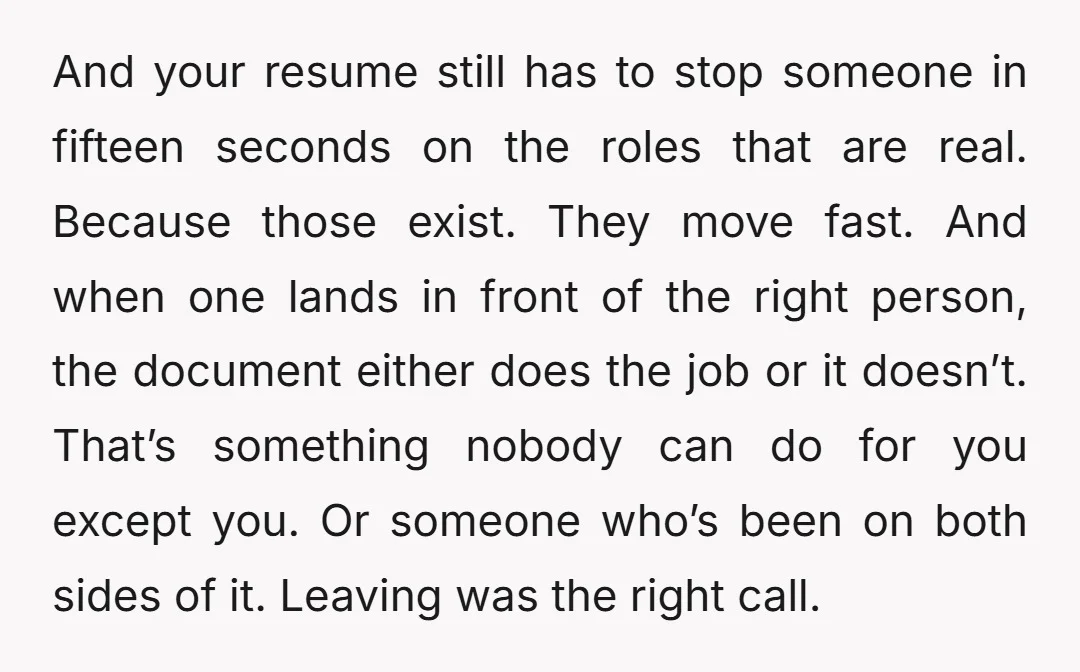
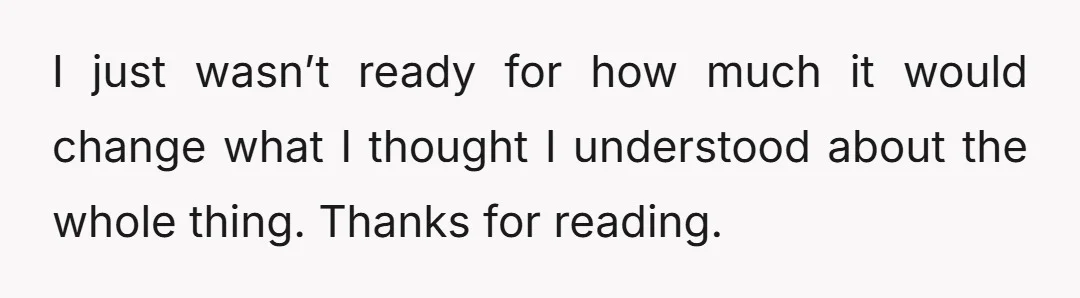
Connecting directly to this recruiter’s confession, a fascinating mix of institutional momentum and psychological detachment drives this behavior. For HR departments, maintaining a high volume of active listings creates an illusion of productivity and growth, satisfying internal metrics. Meanwhile, the hiring managers operating within this system often experience cognitive dissonance; they view their actions as harmless administrative tasks rather than emotionally devastating blows to real people. This disconnect allows the practice of posting fake jobs to flourish unchallenged.
The psychological toll on applicants, however, is immense and well-documented. When job seekers repeatedly pour their energy into ghost jobs, they experience severe burnout, self-doubt, and a profound erosion of trust in the hiring process. The feeling of inadequacy stems not from a lack of skill, but from competing in a rigged game where corporate transparency is entirely absent.
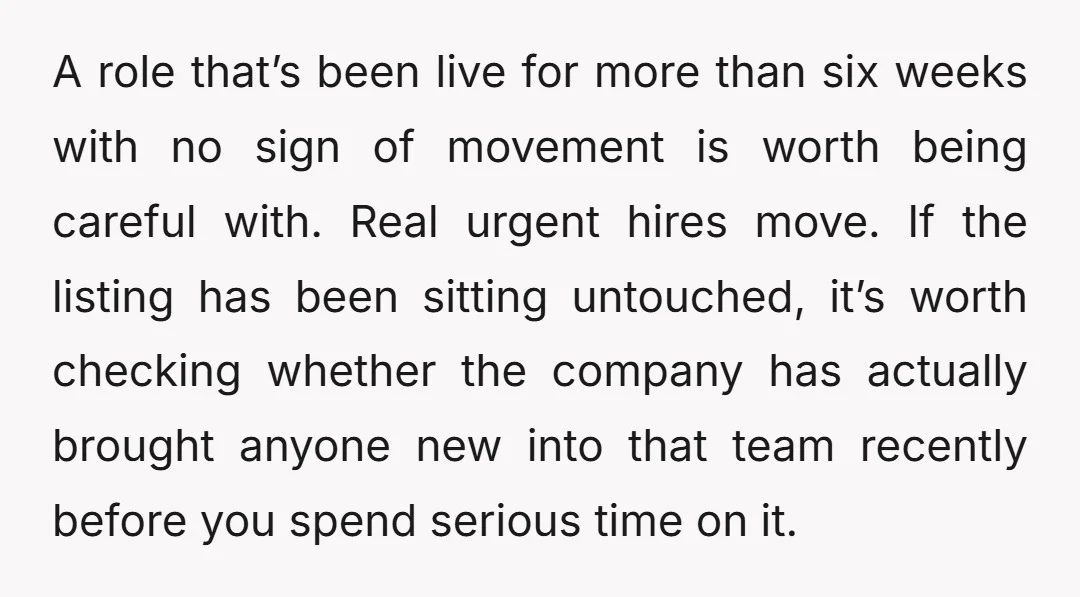
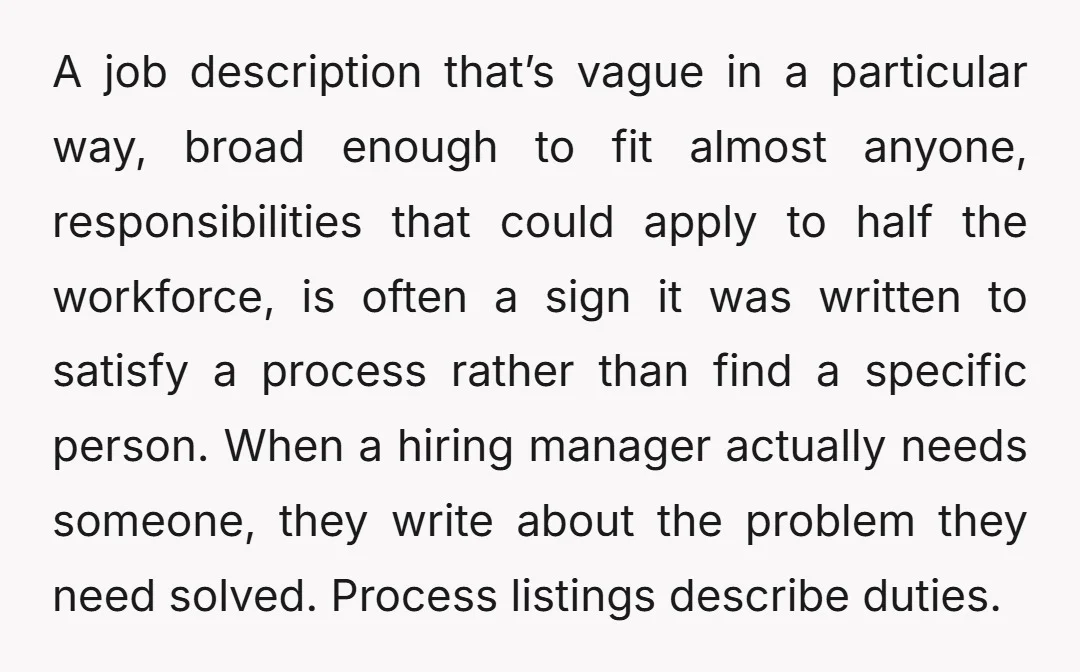
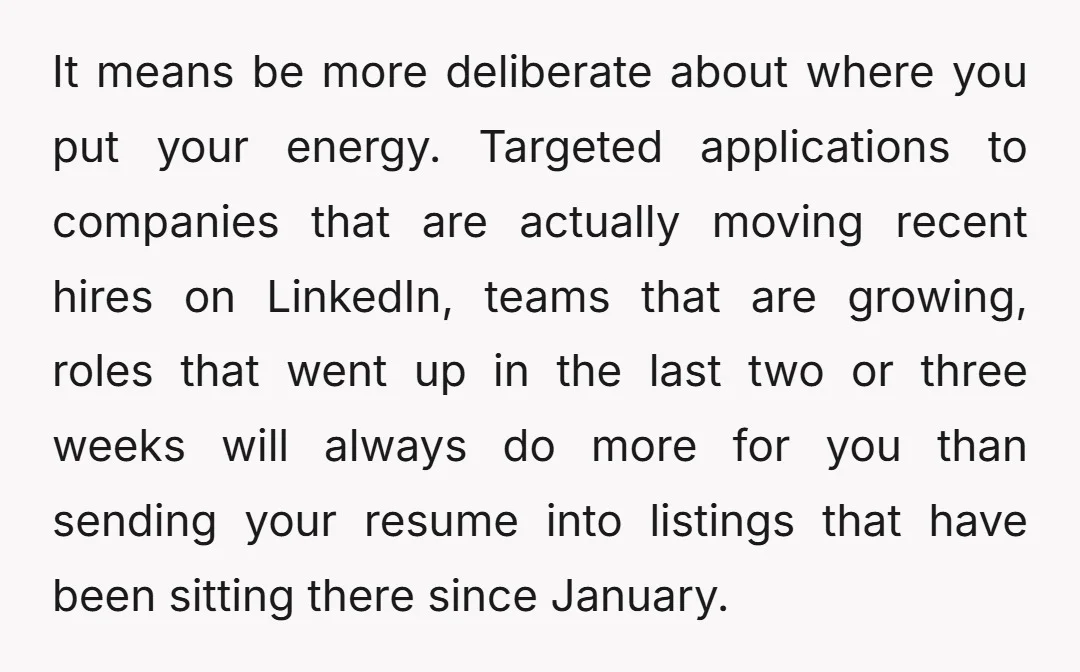
For job seekers navigating this landscape, the best defense is strategic detachment. Focus your energy on targeted applications where companies show genuine momentum, such as recent hires on LinkedIn or hyper-specific job descriptions. For companies, a simple audit of aging job postings could prevent immense collateral damage to their employer brand.
Navigating the modern job market often feels like shouting into a void, but understanding the mechanics behind phantom job listings can empower applicants to protect their time and energy. By recognizing the signs of an unreal job posting, candidates can redirect their focus toward genuine opportunities rather than burning out on administrative illusions. Do you think companies should face penalties for posting ghost jobs, or is it simply an unavoidable byproduct of corporate bureaucracy? And how have your own job-hunting experiences changed after learning this? Share your thoughts below!
Community Opinions
Reddit came in hot, with nearly unanimous outrage directed at the recruiting industry and deep empathy for exhausted job seekers.
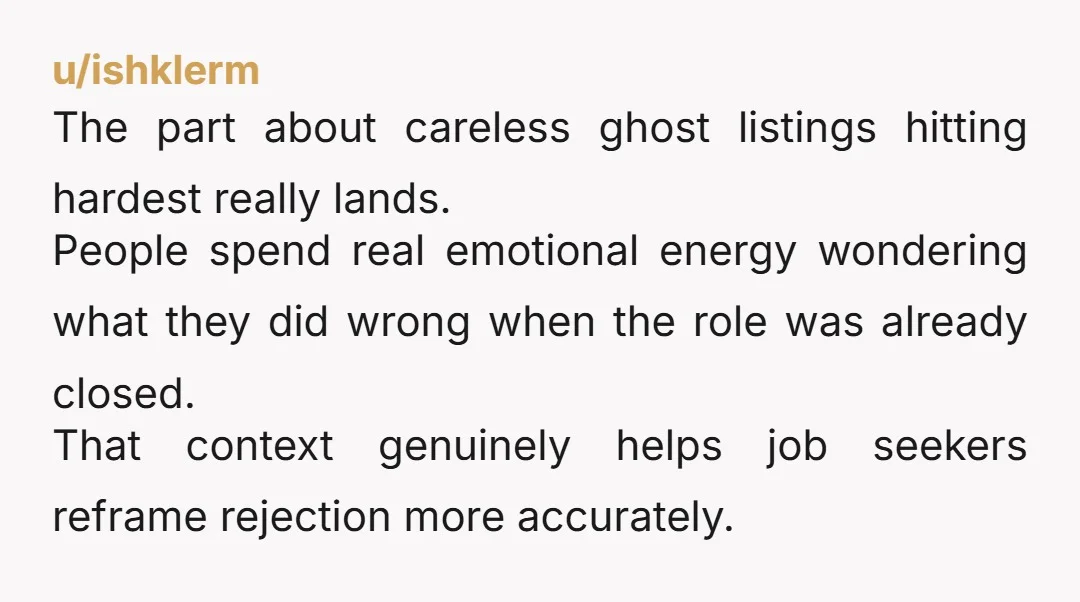
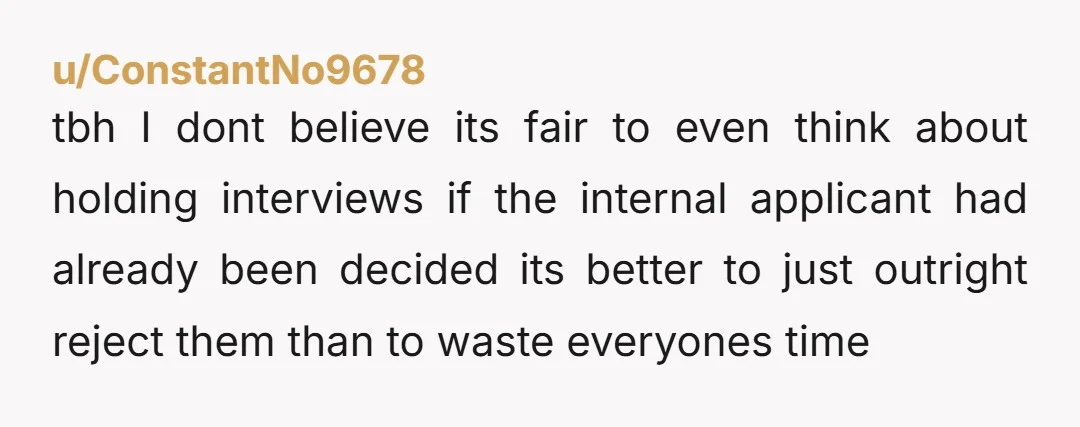

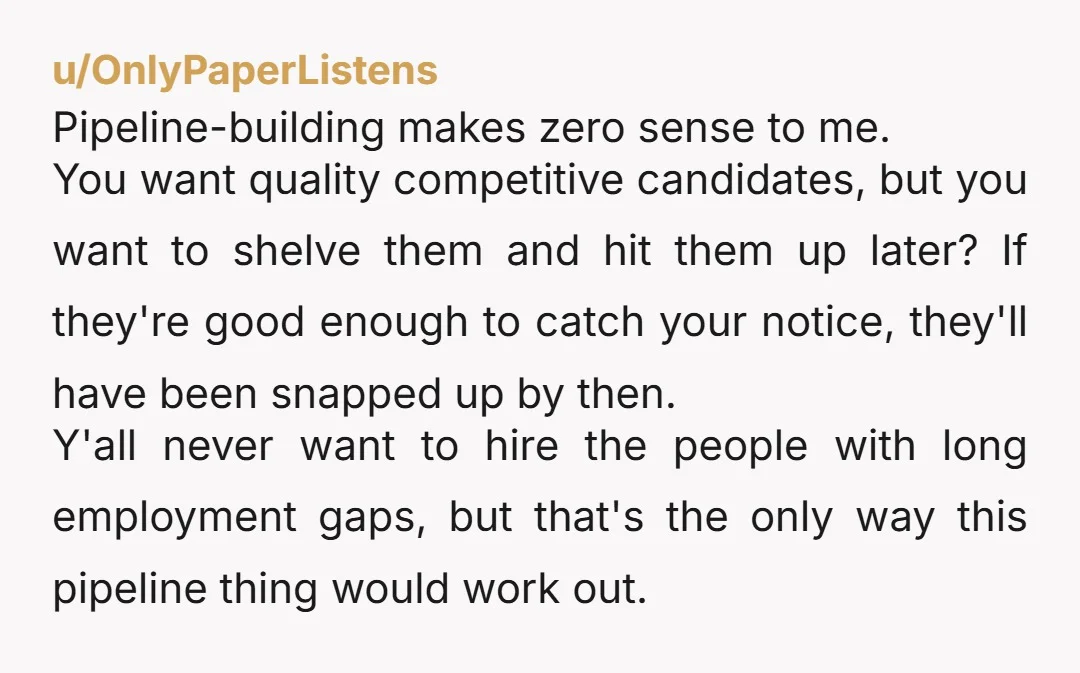

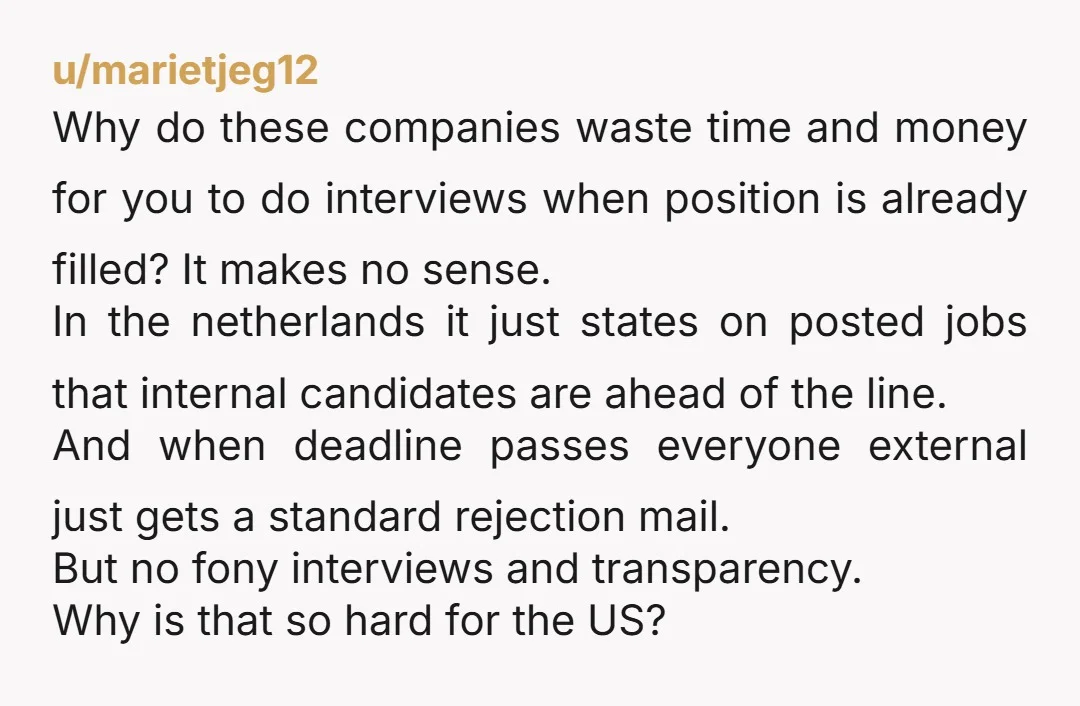
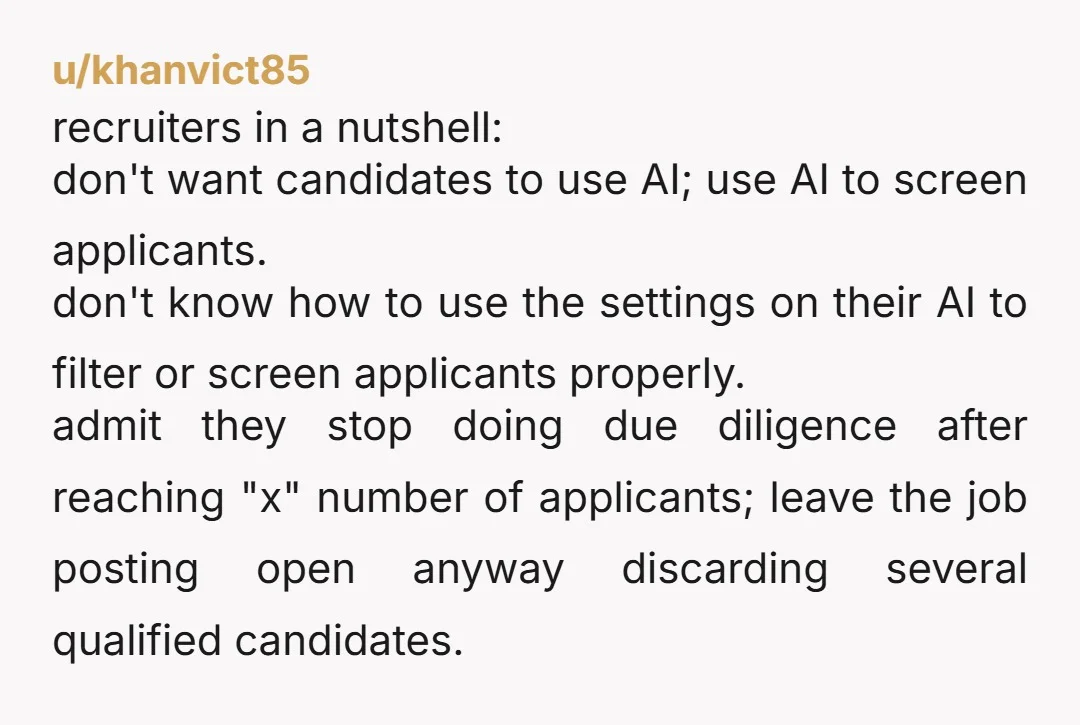
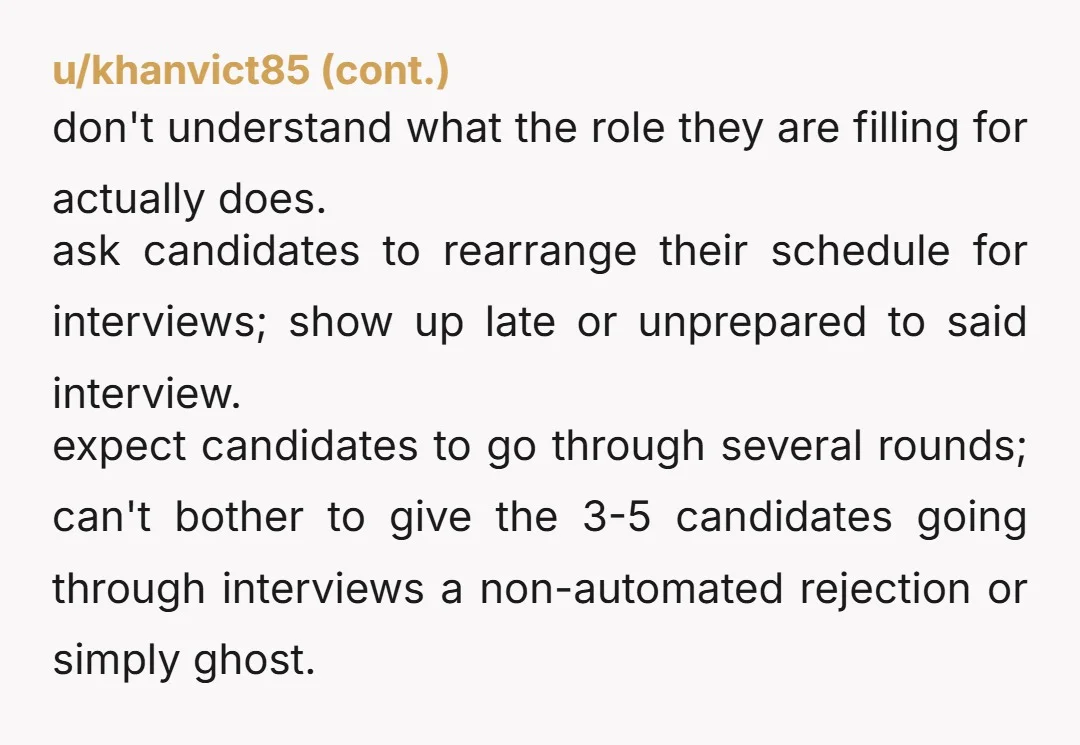
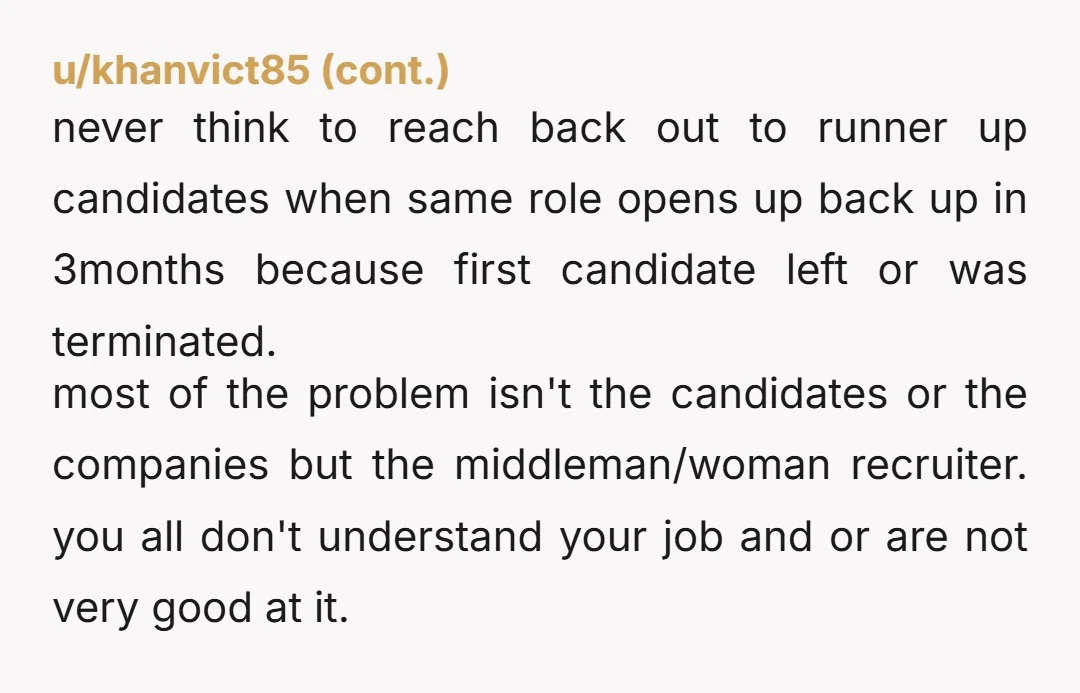
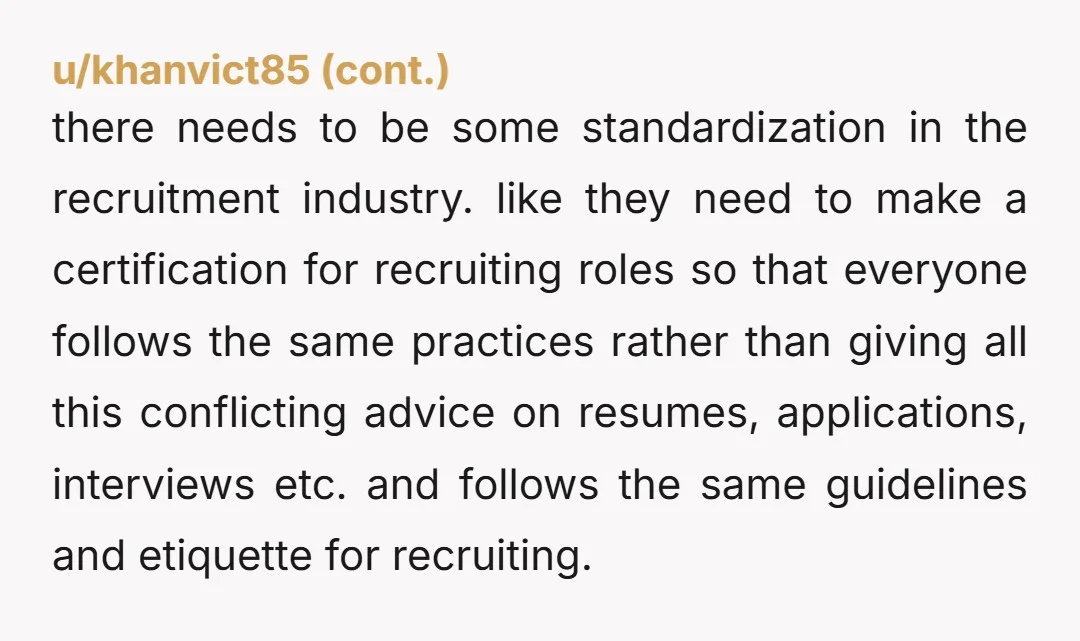
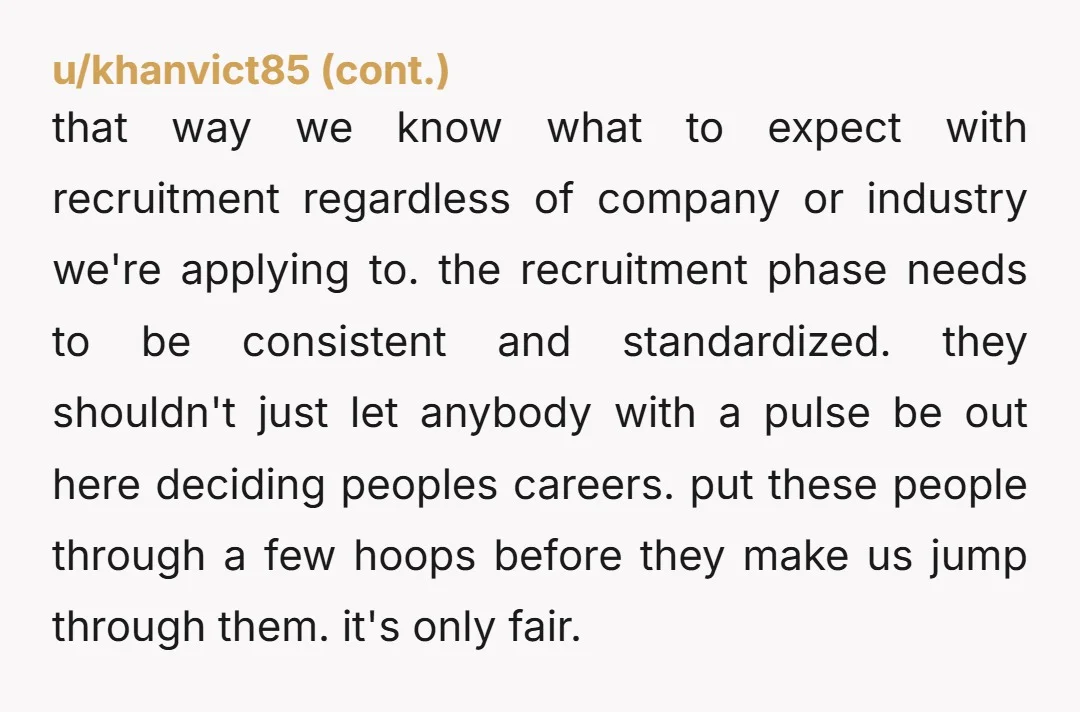
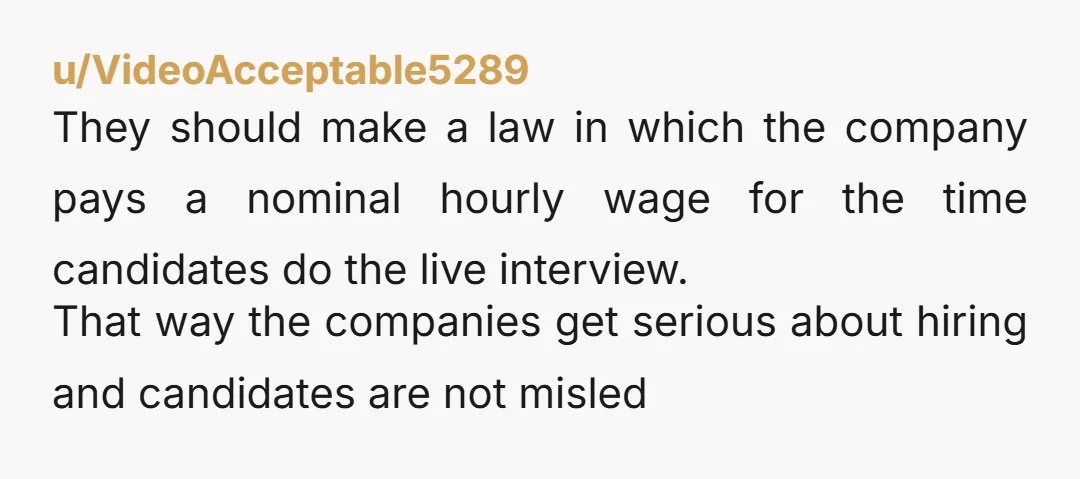
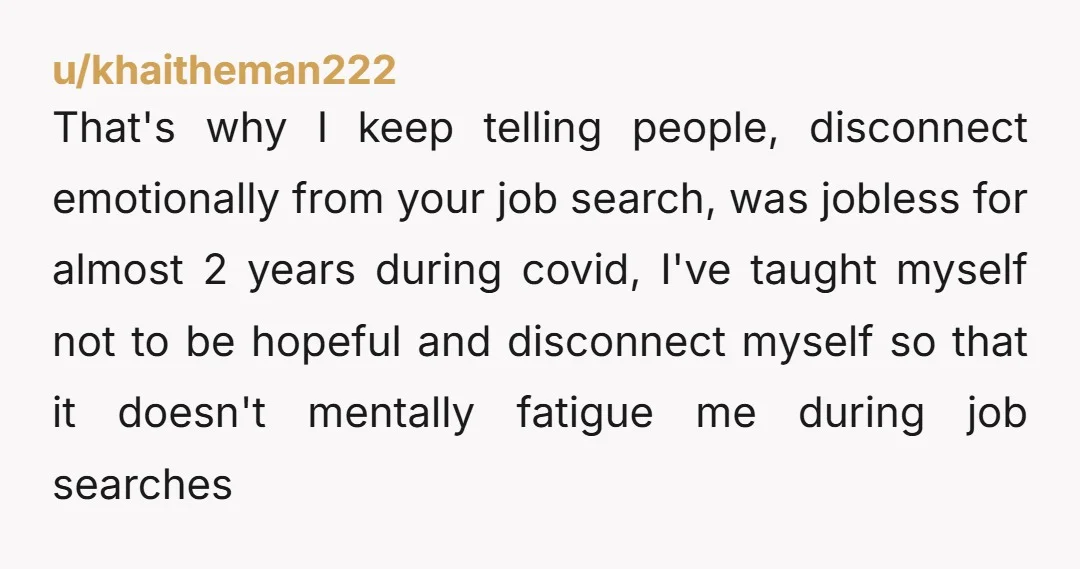

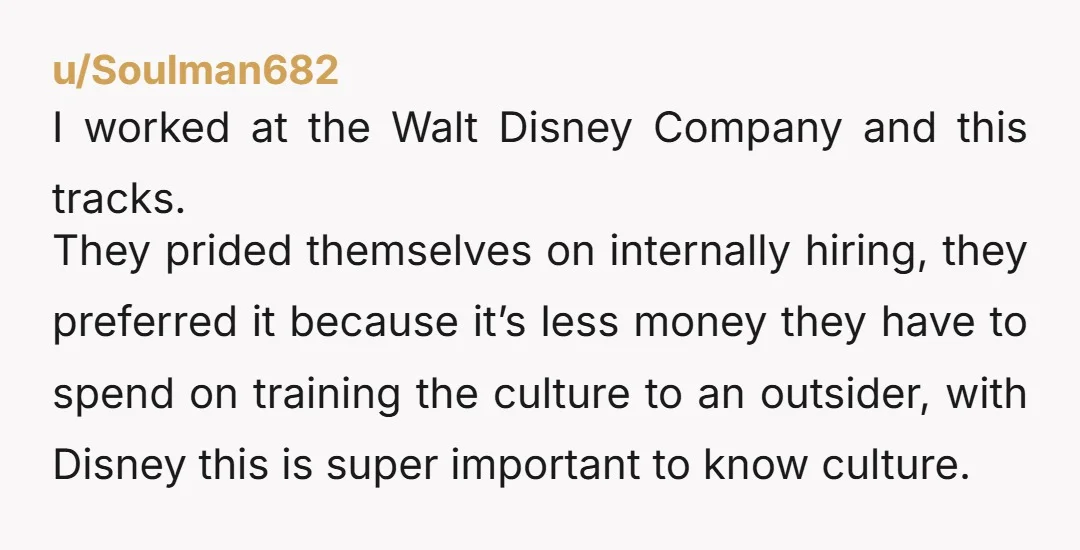
A few commenters, however, pointed out that systemic corporate protocols are as much to blame as individual recruiters.
The reality of the modern job hunt is undeniably complex, caught between rigid corporate policies and the very real emotional toll on applicants. While some view these practices as unavoidable bureaucratic hurdles, others see them as deeply unethical traps that drain job seekers of their time and hope.
Do you think companies should be legally required to disclose when internal candidates are favored, or is pipeline building just a necessary part of modern business? And how would you adjust your own job search knowing this goes on behind the scenes? Share your hot take below!