
We all know that moment when a crowded room feels incredibly lonely. For one family, watching their deaf stepdaughter retreat into the shadows during holiday gatherings was the final straw. She thought family dinners were supposed to be about connection, but she soon realized some relatives cared more about a free meal than basic inclusion.
When the parents laid down a new boundary requiring guests to show minimal effort in communicating with the teen, the resulting backlash exposed deep rifts. Want the juicy details? Dive into the original story below!


The scene is set with a heartbreaking realization that often comes with adolescence.
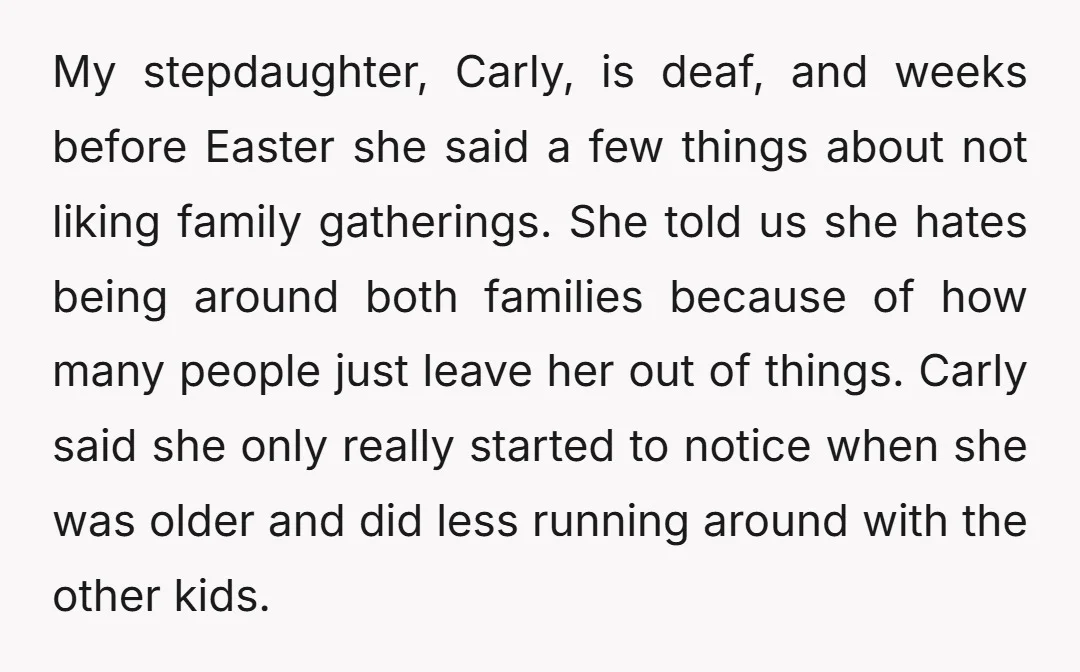
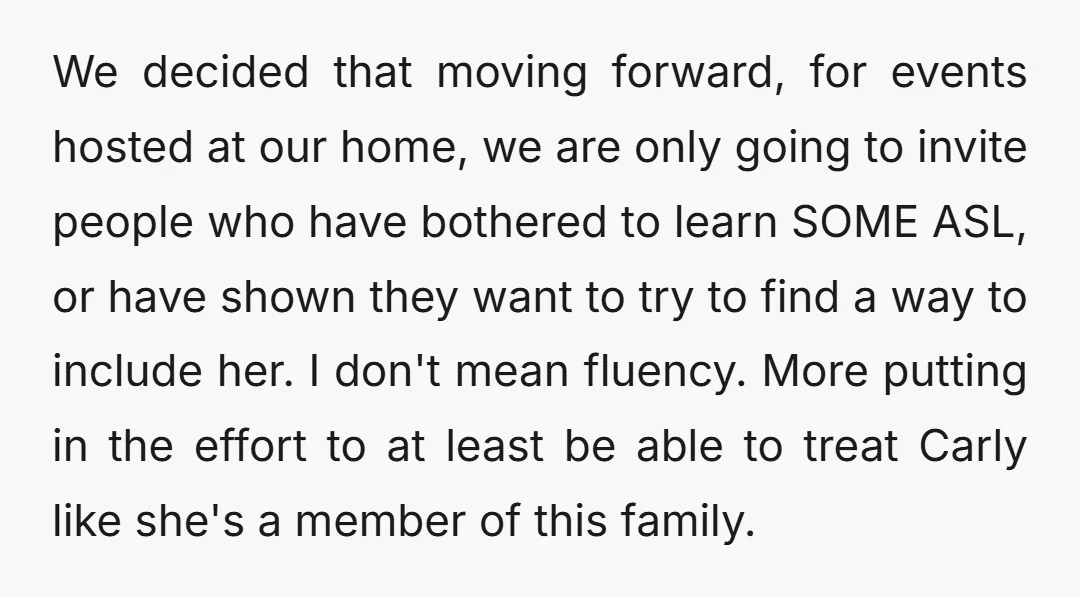

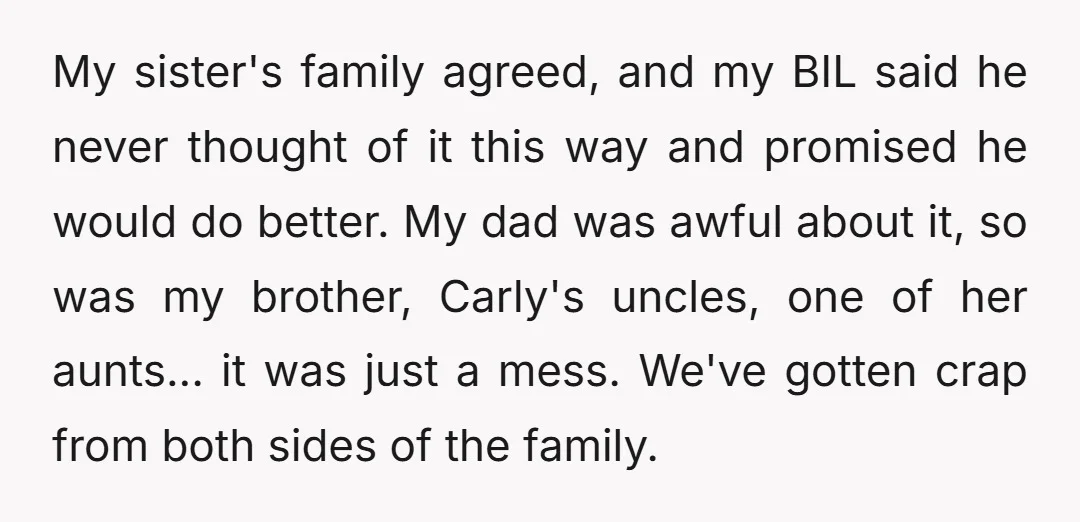
The tension heightens as the family’s true colors emerge in response to a simple request.


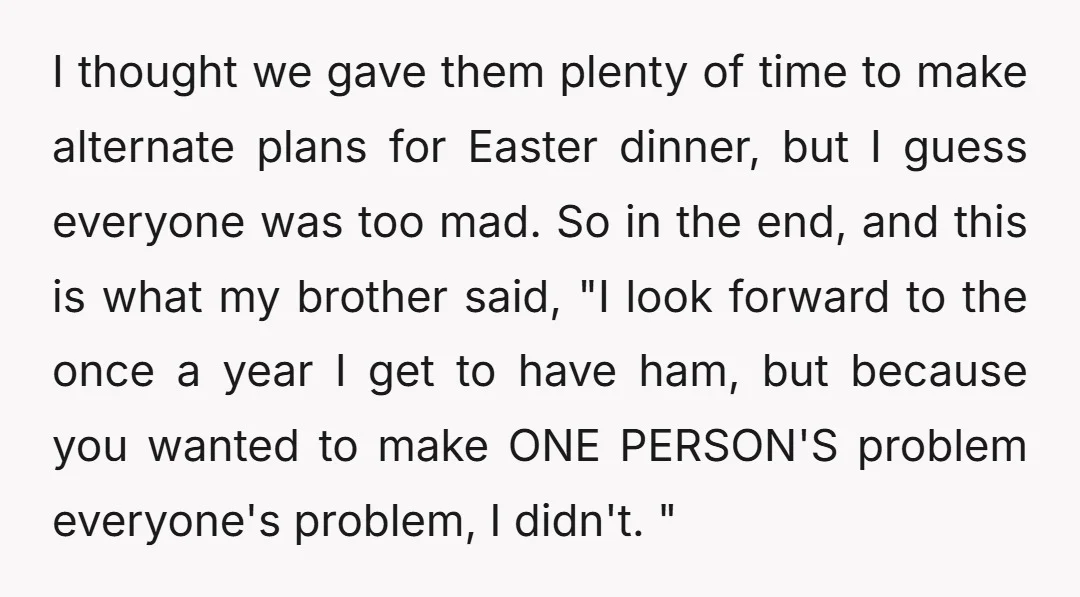
A wry observation highlights the sheer absurdity of the brother’s complaint.

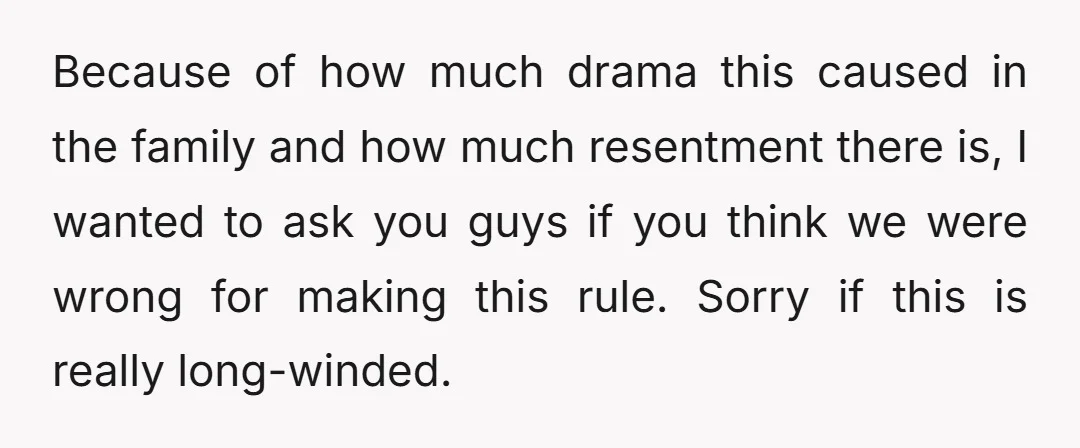
The isolation Carly experienced at family gatherings is a textbook example of what advocates call Dinner Table Syndrome. This well-documented phenomenon occurs when deaf or hard-of-hearing individuals are inadvertently or intentionally left out of fast-paced conversations at family gatherings, leading to profound isolation. General professional consensus in deaf advocacy emphasizes that the burden of communication should not rest solely on the deaf individual.
By requiring minimal effort, such as simply facing the teenager to allow for lip-reading, the parents are enforcing a necessary boundary to protect her mental health. Psychologists suggest that navigating such family boundaries requires absolute consistency, as caving to complaints teaches relatives that exclusion is acceptable.
Moving forward, the parents might consider sending out a short, beginner-friendly ASL video link before future holidays to lower the barrier for hesitant relatives, while maintaining their firm stance on basic respect. It is crucial to remember that inclusive parenting is an active choice, not a passive assumption.
This situation highlights the complex dynamics of setting boundaries within extended families, especially when it comes to accommodating the needs of a specific family member. The parents prioritized their daughter’s comfort in her own home, while some relatives felt alienated by the new rules.
Do you think the parents were right to enforce this communication rule for dinner guests, or was the ultimatum too harsh on the extended family? And how should families navigate differing levels of effort when it comes to inclusion? Share your thoughts below!
Community Opinions
Reddit came in hot, with nearly unanimous support for the parents and absolute bewilderment over the brother's bizarre obsession with holiday ham.
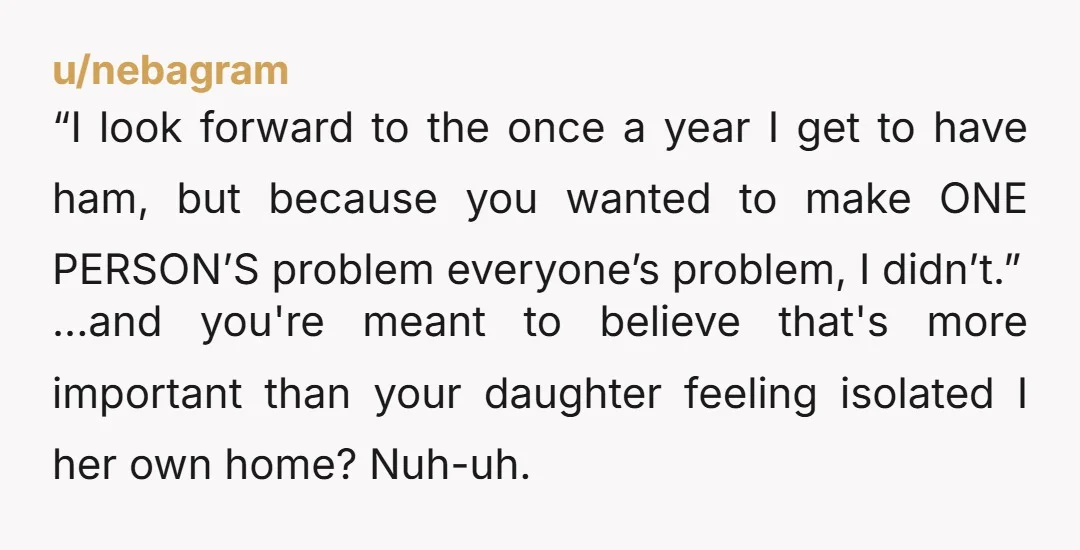


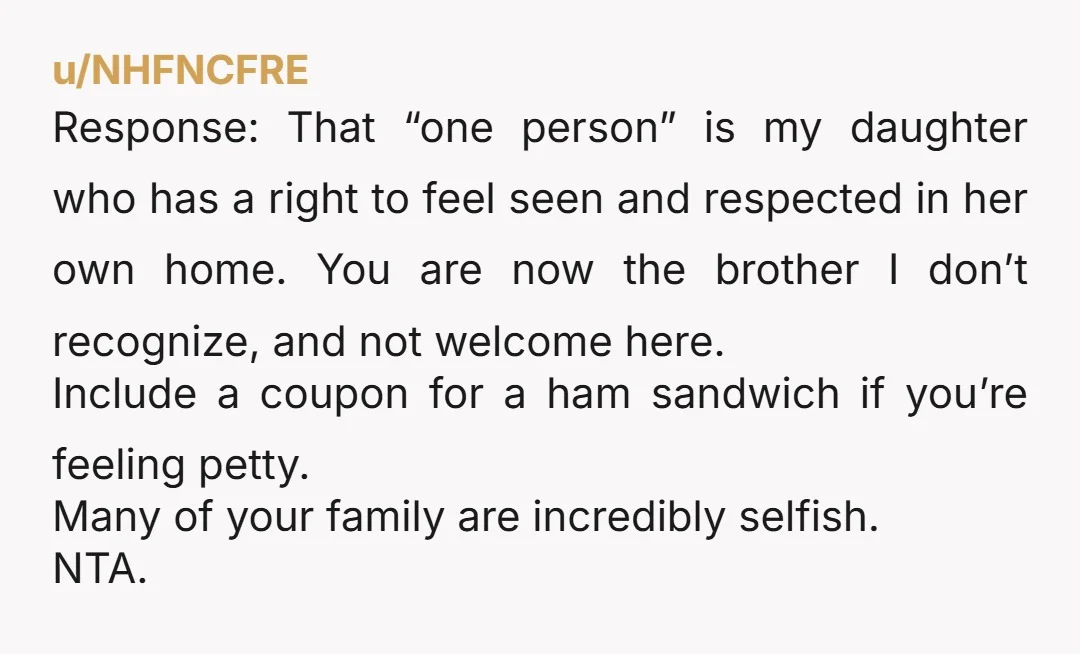


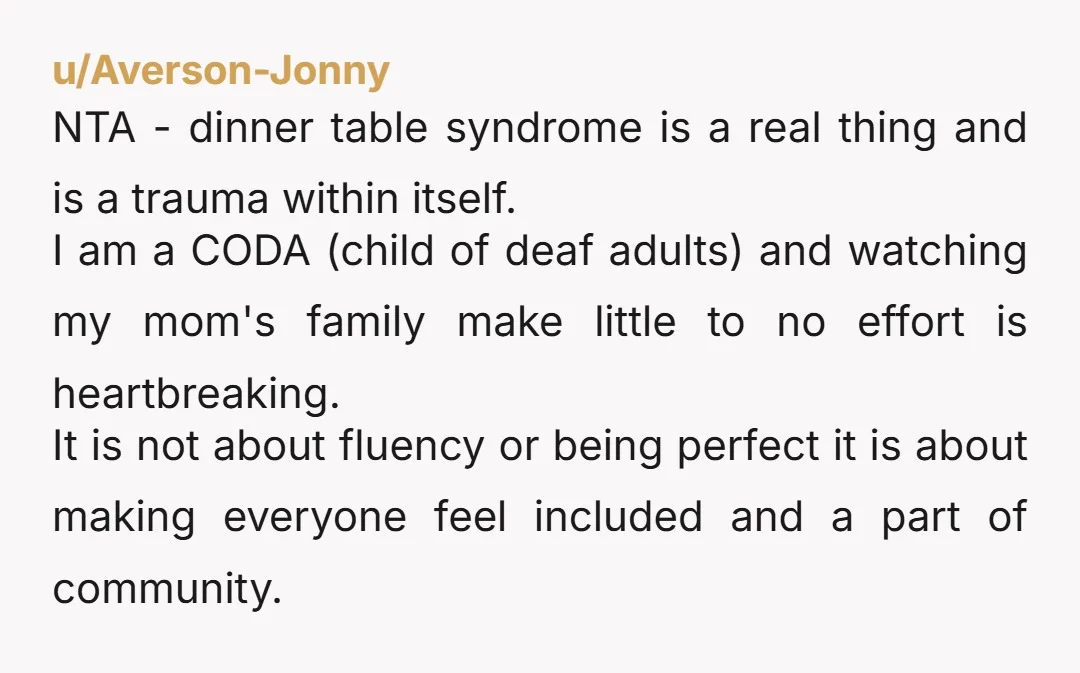

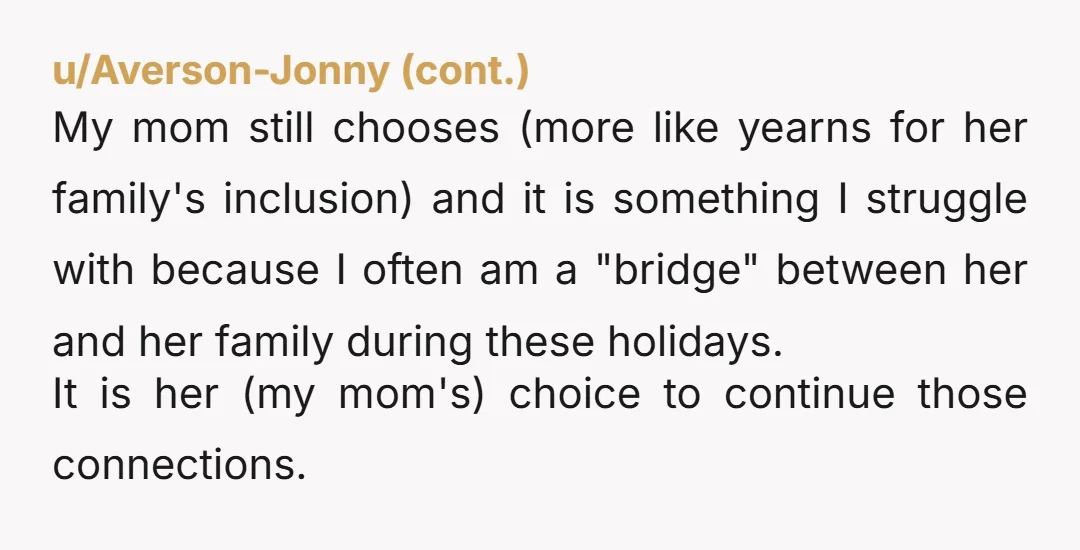
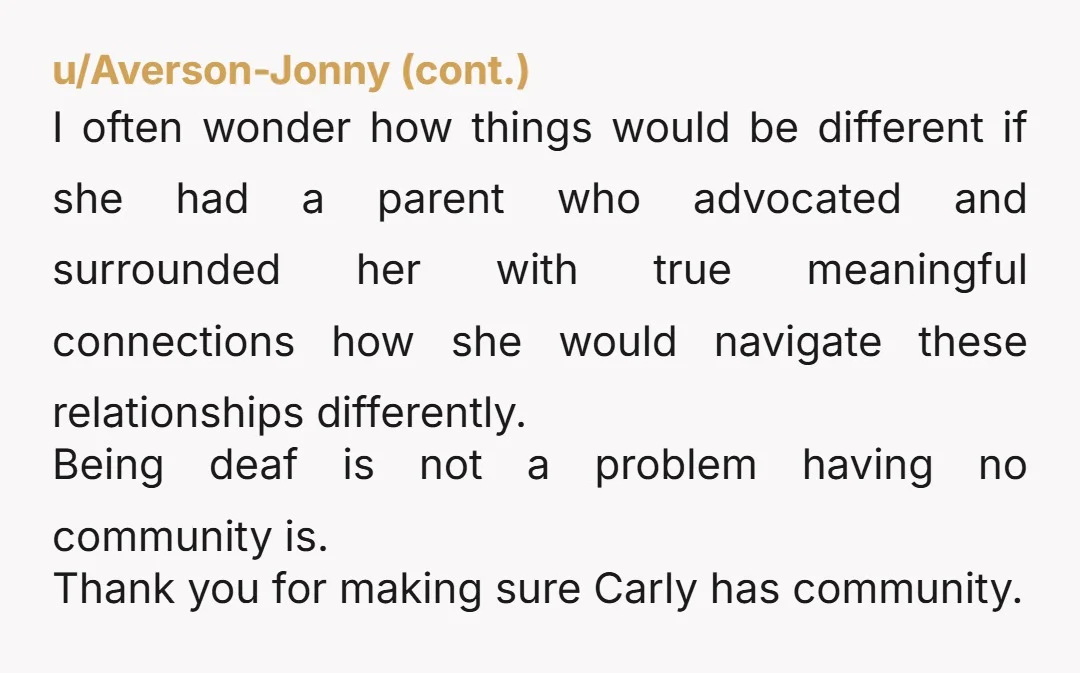





A few commenters even shared their own experiences growing up in the Deaf community, validating just how damaging long-term family exclusion can be.
The clash between establishing an inclusive home environment and maintaining traditional family ties often leaves someone feeling alienated. While the parents successfully created a safe space for the teenager, the resulting fracture with the extended family remains unresolved. Do you think the parents were right to draw such a hard line, or did they expect too much too soon? And how would you handle stubborn relatives who refuse to adapt to a child’s needs? Share your hot take below!