
A woman recently found herself drawing a hard line with her mother-in-law after more than a decade of disrespect. Married to her wife for several years, she endured being ignored, minimized, and openly judged by her spouse’s mother long before they tied the knot.
The dynamic shifted abruptly when the couple welcomed their first child. Suddenly, the same woman who once refused to acknowledge her now wanted daily contact and casual visits. What followed was not reconciliation, but denial of past behavior and accusations of overreacting. As tensions escalated, the decision to step back reignited family drama and sparked debate across a social network about forgiveness, accountability, and whether becoming a grandparent excuses years of mistreatment.

‘AITA For telling my MIL to just contact my wife instead of me from now on?’
The relationship with her mother-in-law was strained from the very beginning.

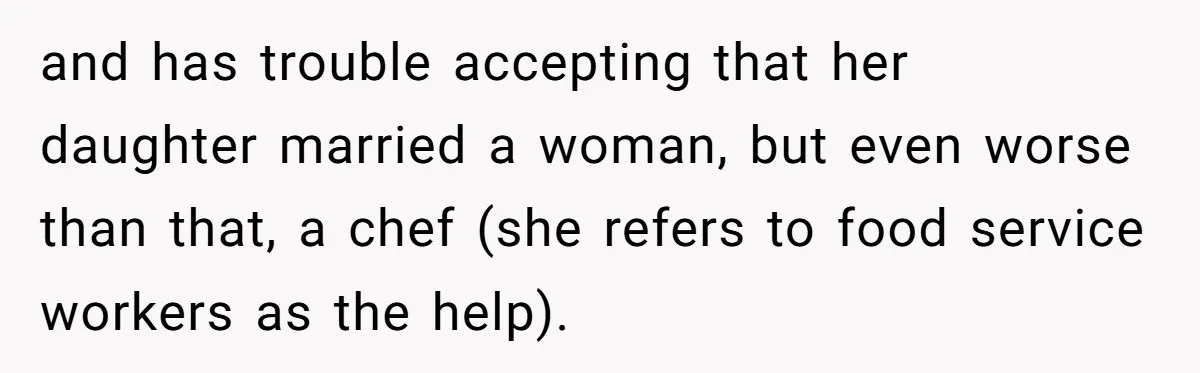
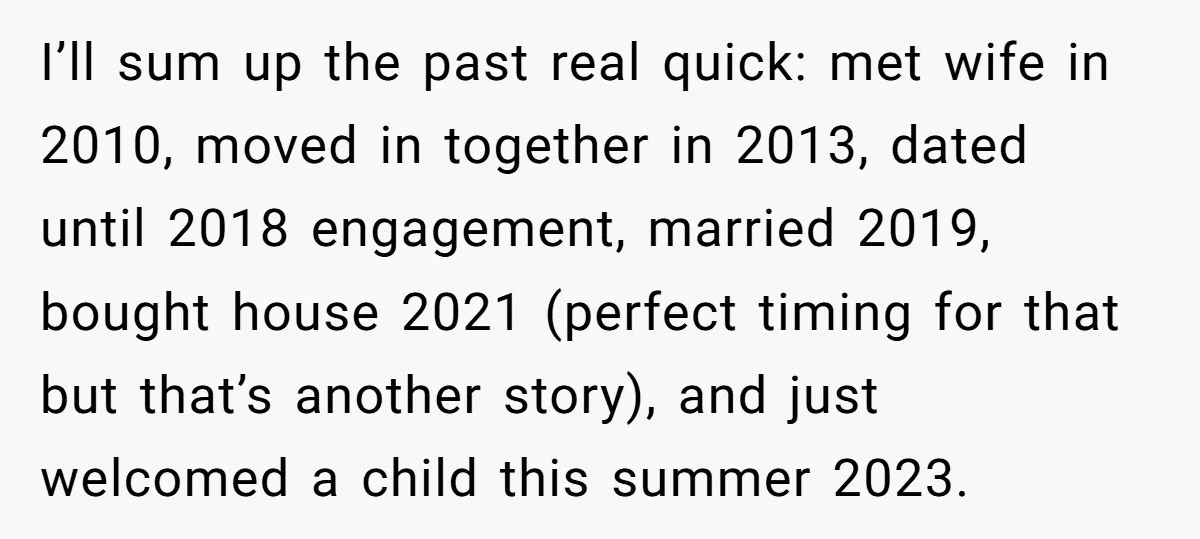

Years of dismissal and judgment left lasting damage on the relationship.
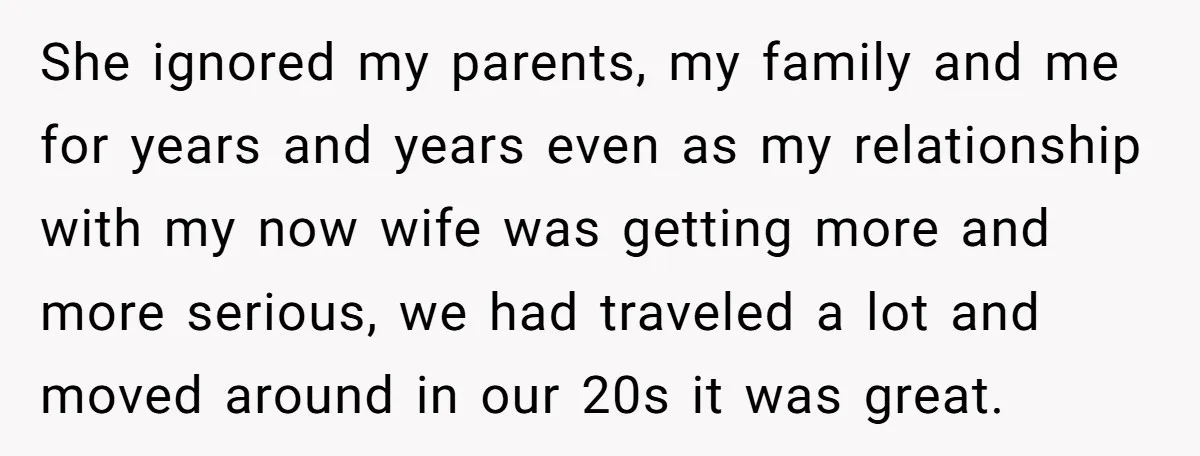
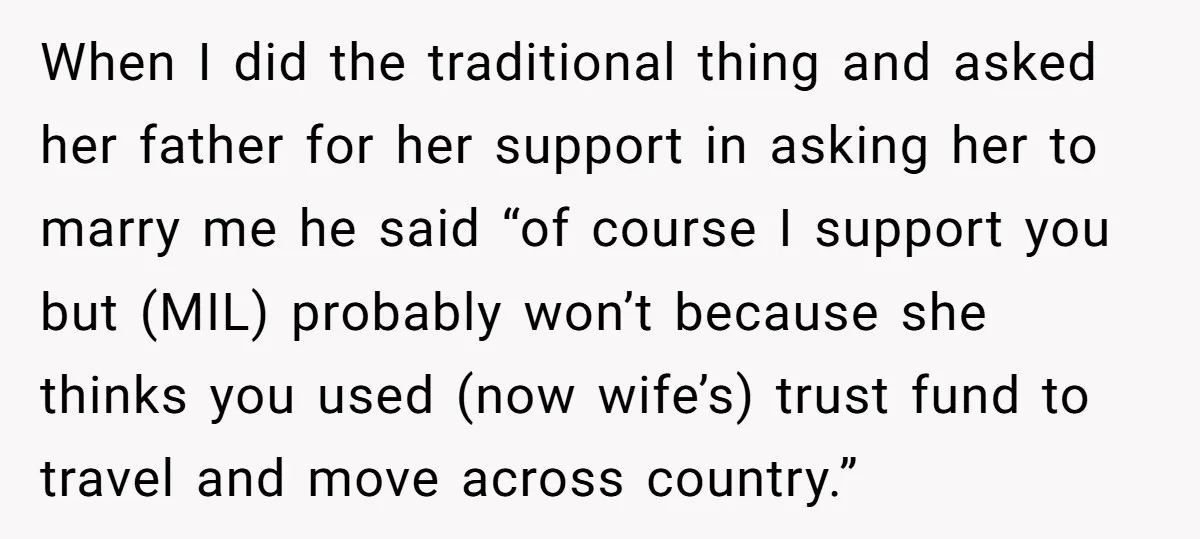

The birth of a child suddenly changed the mother-in-law’s behavior.

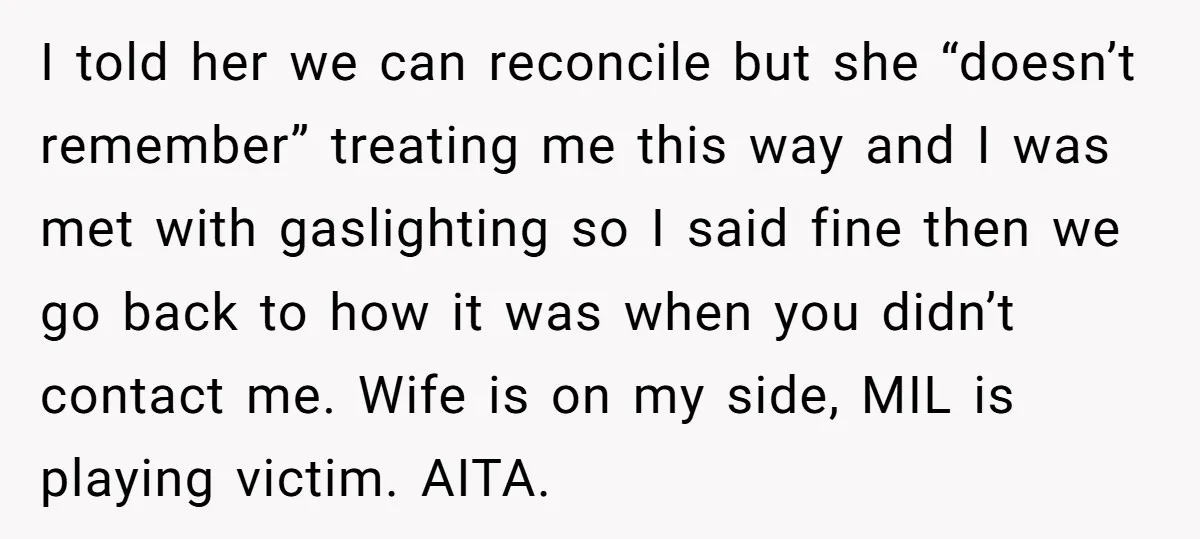

At its core, the issue revolves around accountability. The mother-in-law’s sudden interest appears tied to the arrival of a grandchild rather than genuine remorse. Denying years of dismissive and demeaning behavior, especially when confronted calmly, undermines any attempt at rebuilding trust. Reconciliation without acknowledgment often leads to repeated harm.
Opposing perspectives might argue that becoming a grandparent can prompt reflection and a desire to reconnect. However, reconciliation requires effort from both sides. Expecting immediate closeness while dismissing past actions places the emotional burden solely on the person who was hurt.
From a broader social perspective, this reflects a common pattern where marginalized partners are tolerated only when they serve a desired role. Setting boundaries in such cases is not punishment, but self-protection. The fact that the wife supports her partner’s decision reinforces that this is not an overreaction, but a response shaped by years of consistent treatment.
These are the responses from Reddit users:
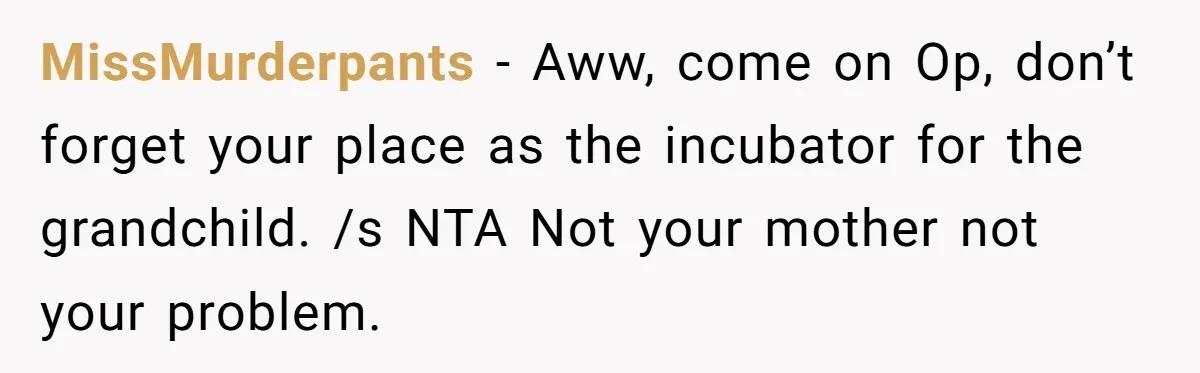
Many users supported the decision, emphasizing accountability and self-protection.





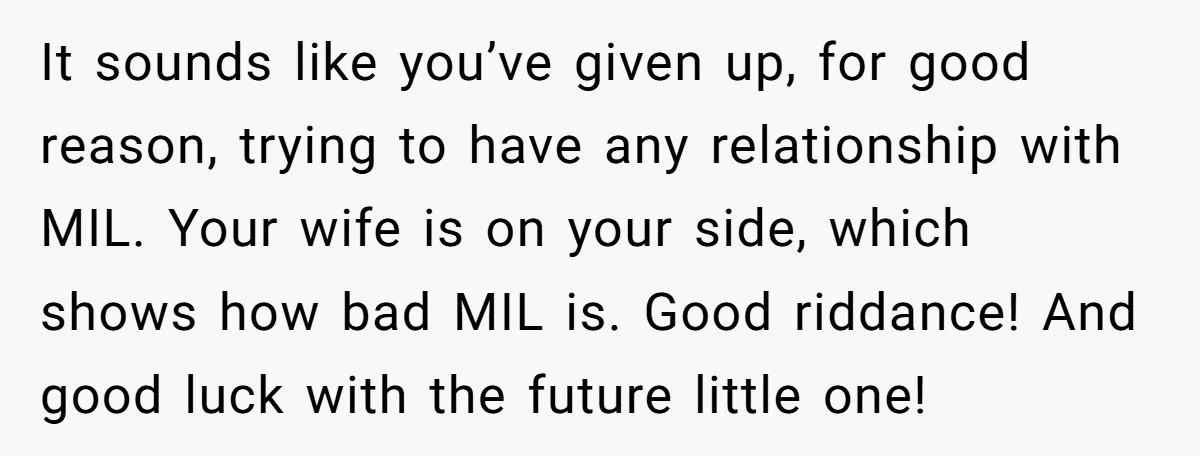
Some users offered caution and long-term considerations.


![[Reddit User] − NTA I'd think long and hard about whether or not I want this person in my child's life. There's a real chance that she could at the...](https://loknam.com/aita/images/abac52ee0d/wp-editor-1770606263434-3.webp)
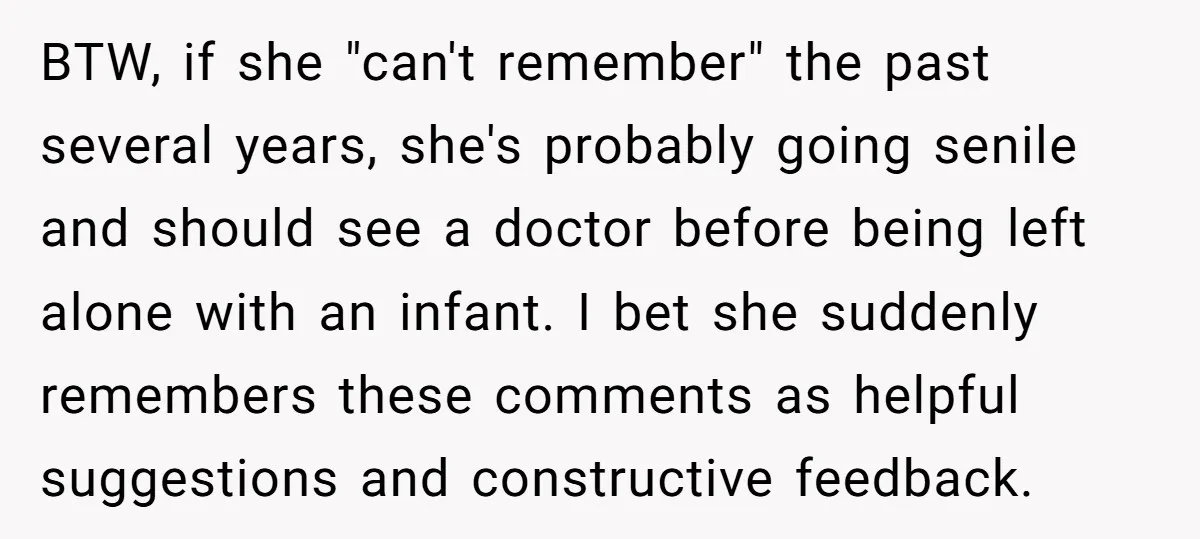
Others used humor or sarcasm to ease the tension.





![[Reddit User] − NTA. Actions have consequences. If she's too proud to apologize (really apologize not some BS 'sorry if' or 'sorry you feel that way') then she can have...](https://loknam.com/aita/images/abac52ee0d/wp-editor-1770606314548-6.webp)
This story highlights how unresolved resentment can resurface during major life milestones, especially when accountability is avoided. Drawing boundaries after years of mistreatment is not about holding grudges, but about protecting emotional well-being and creating a healthier family dynamic moving forward.
Do you believe becoming a grandparent justifies a sudden change in behavior? Is reconciliation possible without acknowledgment of past harm? How should couples navigate in-law relationships when history and denial collide?