
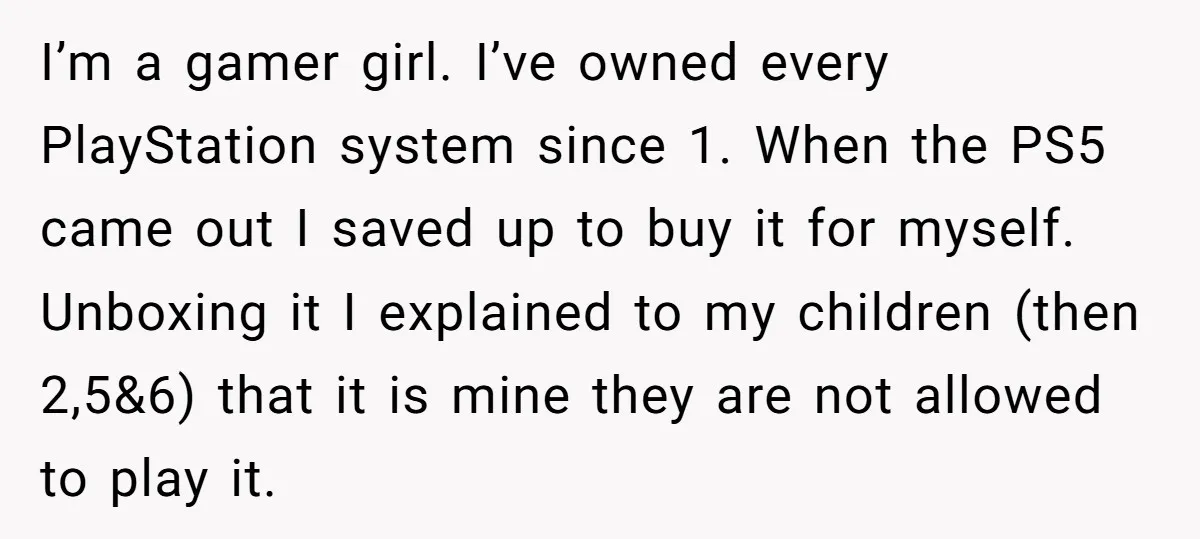
She proudly calls herself a gamer girl and has owned every PlayStation console since the very first one. When the PS5 was released, she saved up and bought it with her own money — a rare “just for me” purchase in the middle of busy family life.
But that small luxury didn’t stay simple for long. She later discovered that while she was at work, her husband had been letting their young children play GTA on it. After four broken Nintendo Switches and countless sticky fingerprints on everything the kids touch, she felt entitled to protect the one thing she’d set aside for herself. Her husband, however, strongly disagreed.
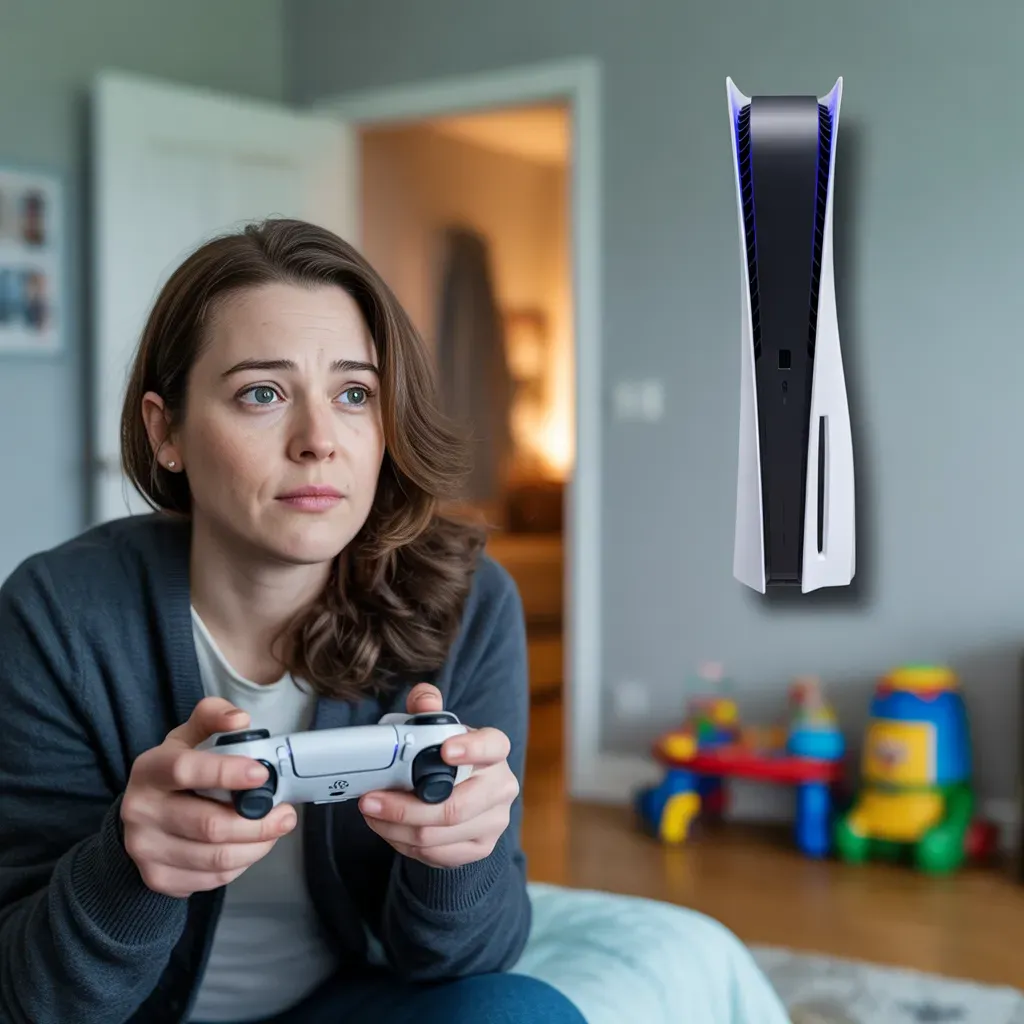
‘WIBTA if I change the password on my PS5 so my husband can’t play it?’
From the beginning, she made it clear the console was hers:
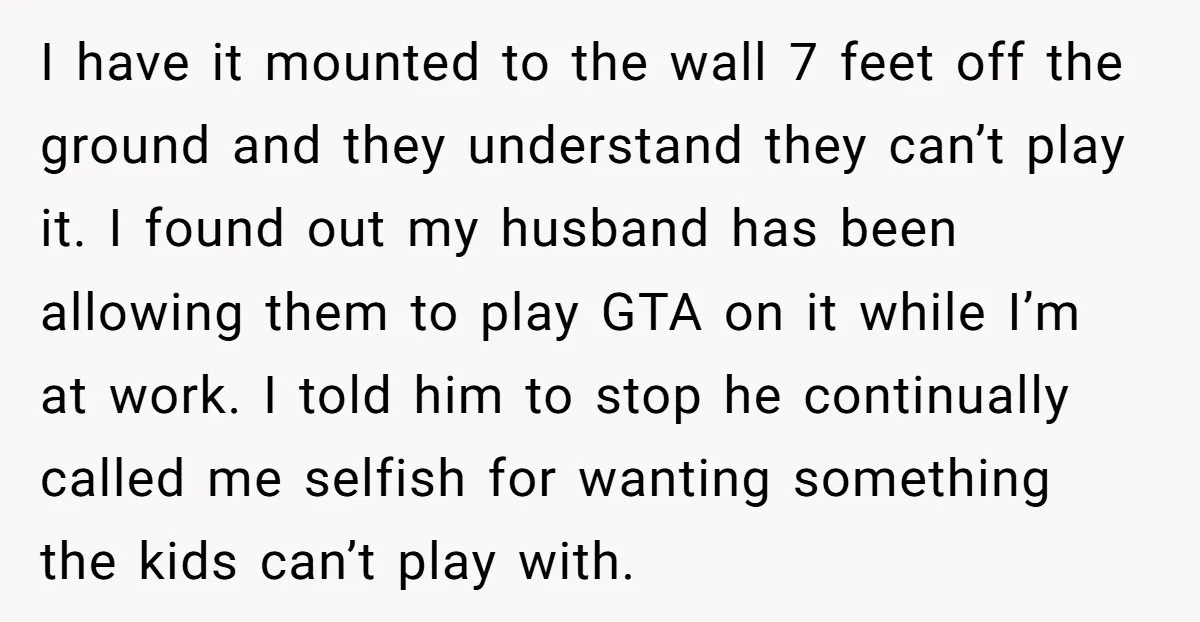
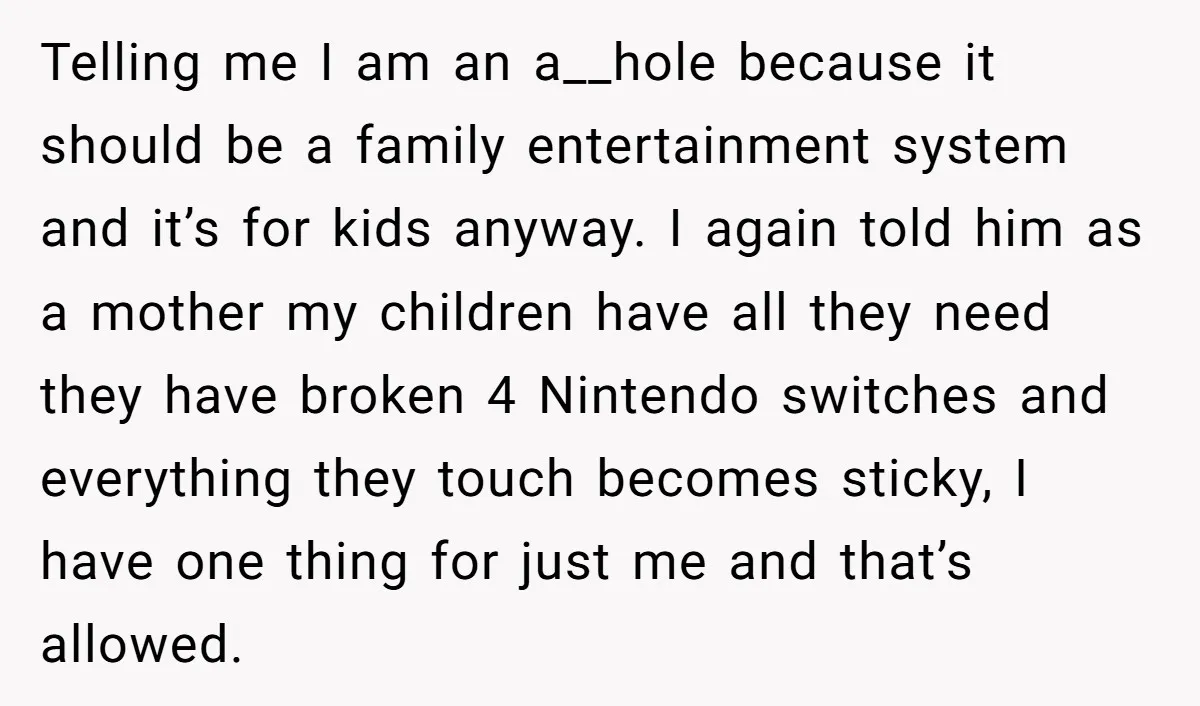
Meanwhile, the pressure didn’t stop:
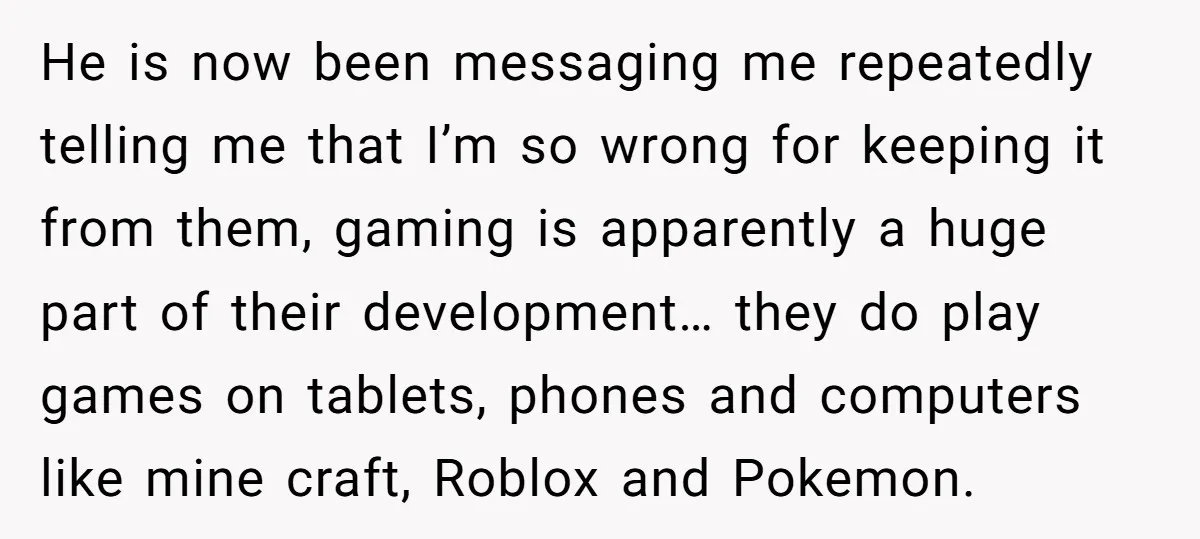
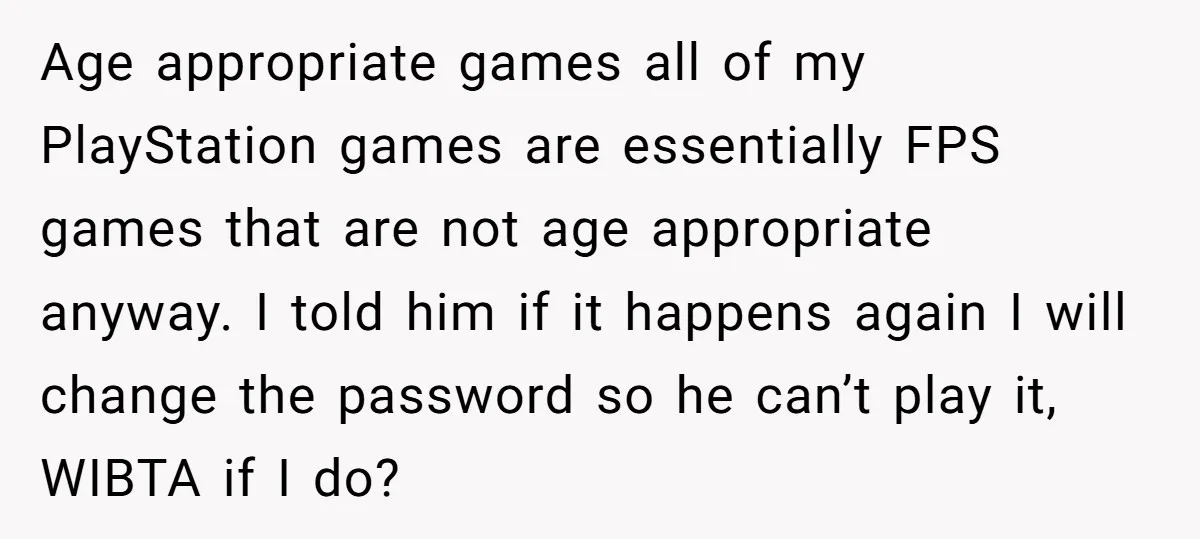
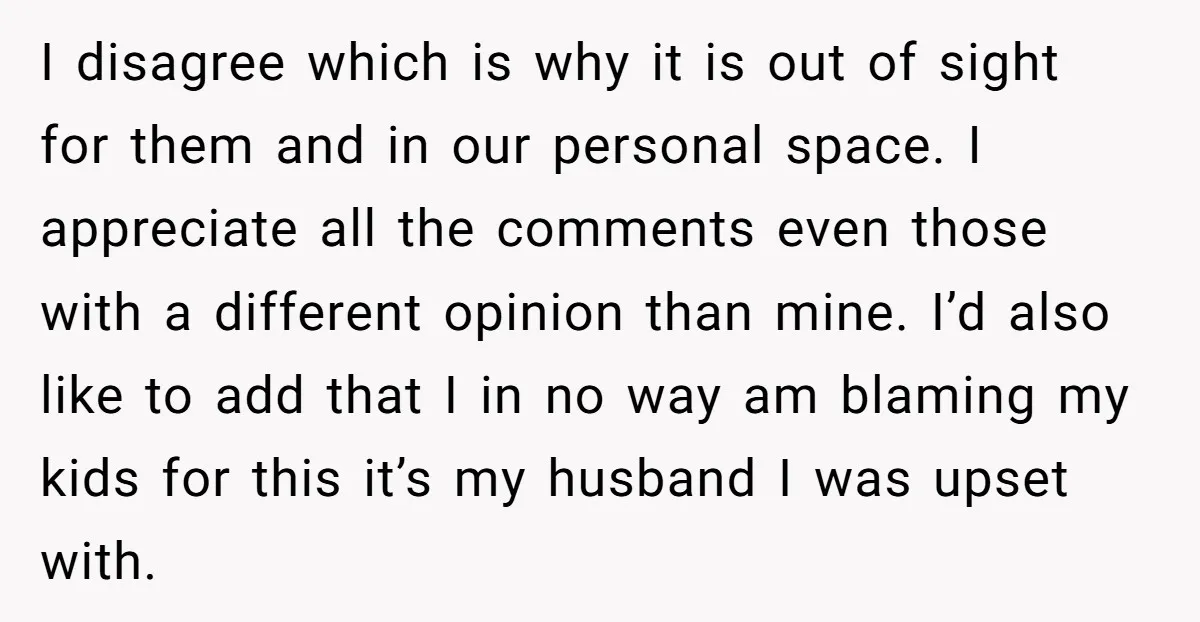
She clarified where the console is kept:
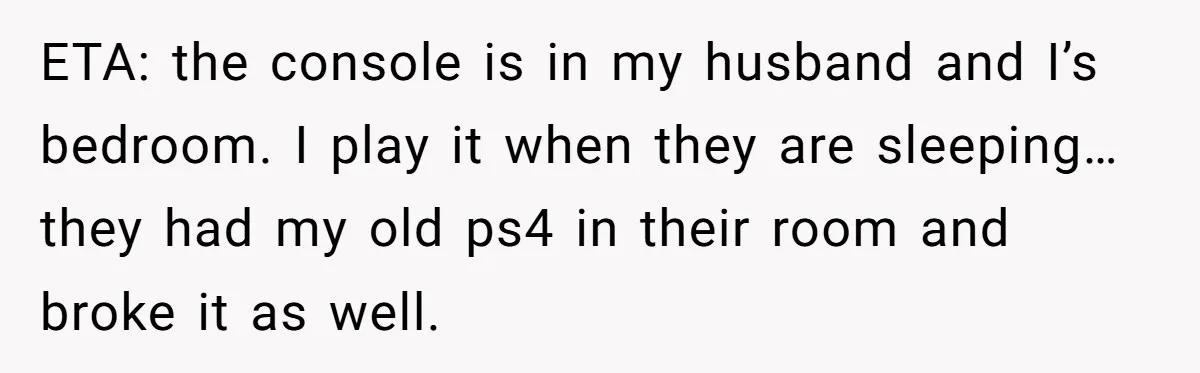
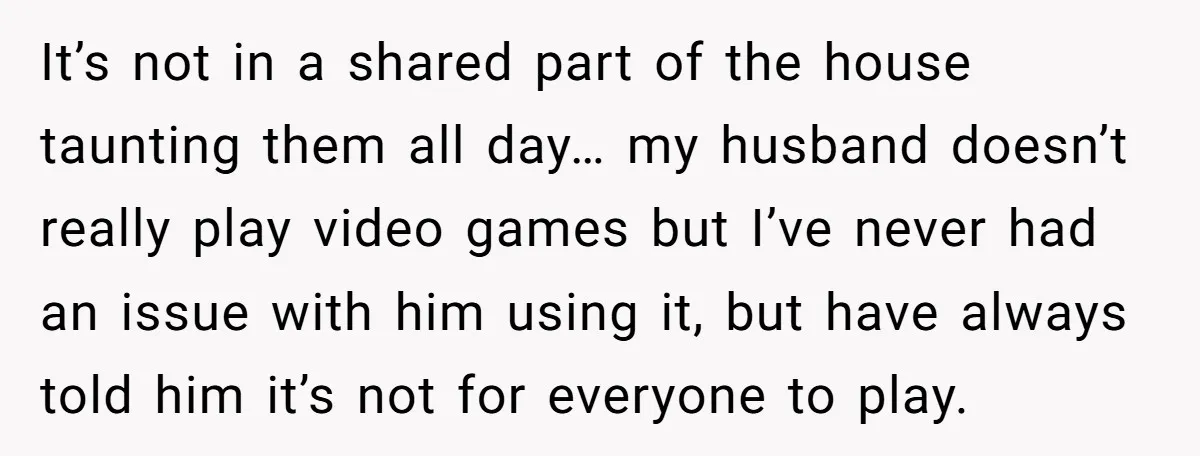
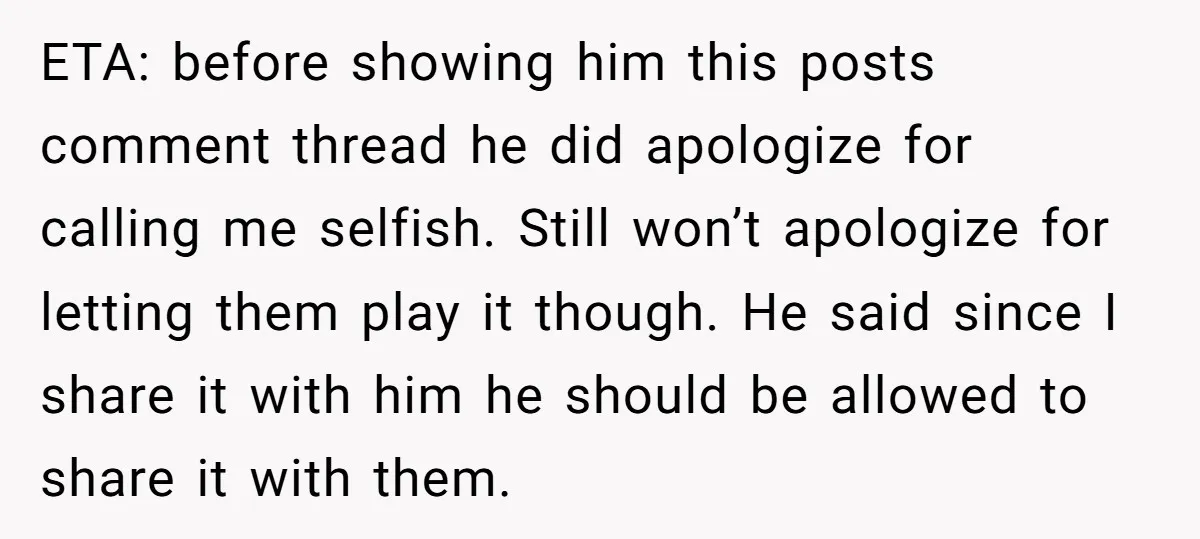
After showing him the comment thread, he shifted slightly:
This conflict goes beyond a gaming console. It touches on ownership, parenting consistency, and mutual respect between spouses. She clearly established from day one that the PS5 was her personal purchase. When her husband overrode that decision, it wasn’t just about gaming — it was about undermining an agreement.
Children, especially between ages 2 and 9, rely on consistent rules. When one parent enforces a boundary and the other dismisses it, kids quickly learn that “no” can become “yes” if they go to the other parent. Over time, that dynamic can create confusion and tension within the household.
There’s also the question of age-appropriate content. According to the American Psychological Association (APA), early exposure to violent media can increase aggressive thoughts and behaviors in some children. While not every child reacts the same way, developmental experts consistently emphasize matching content to maturity levels.
Ultimately, changing the password might address the immediate issue, but the deeper conversation is between the two adults. If she purchased the console herself and keeps it in their private bedroom, her expectation of control is reasonable. If the family wants a shared gaming system, that can be discussed separately — ideally with clear guidelines and age-appropriate limits. The real solution lies in alignment, not just access control.
Here’s what the community had to contribute:
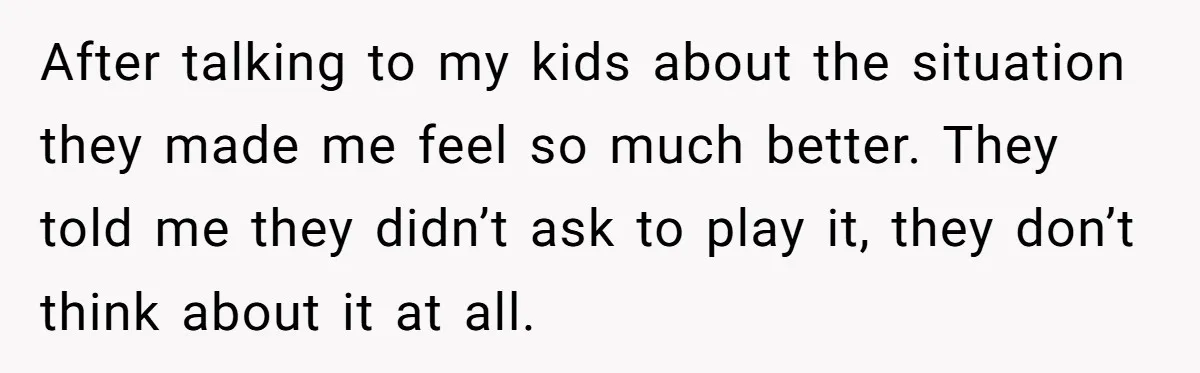
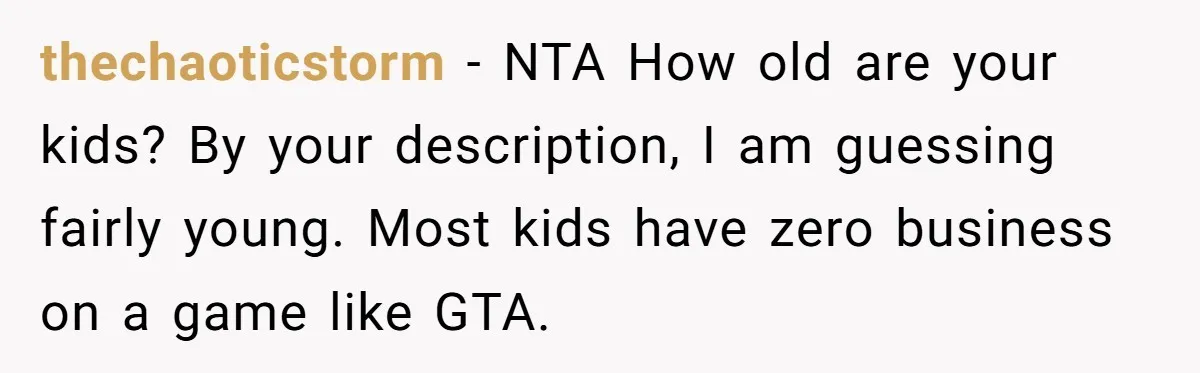
Commenters had strong opinions, especially about GTA, many focused on the children’s ages:


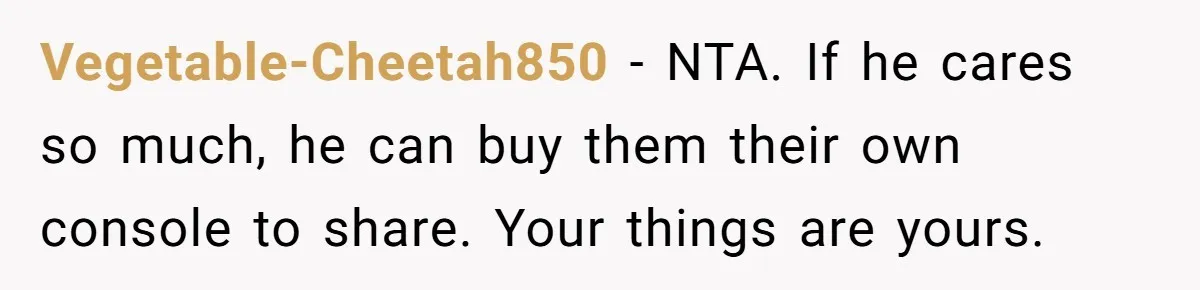
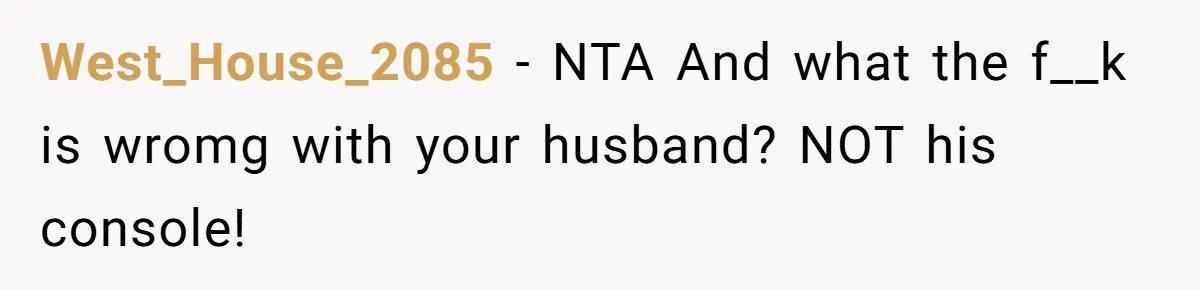
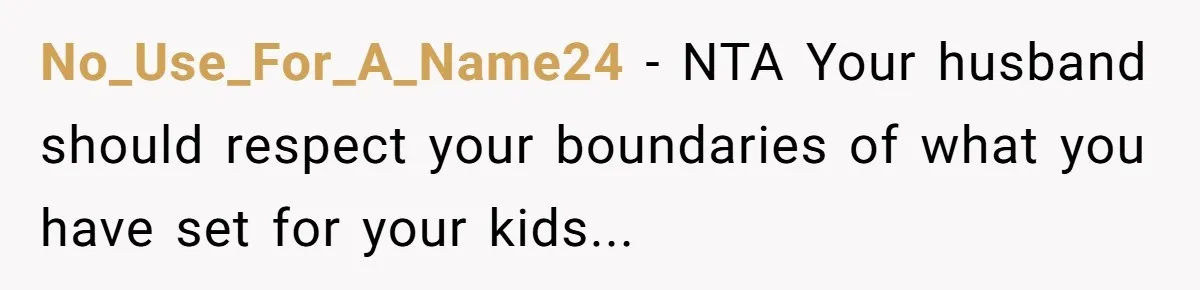
Others highlighted ownership and respect:
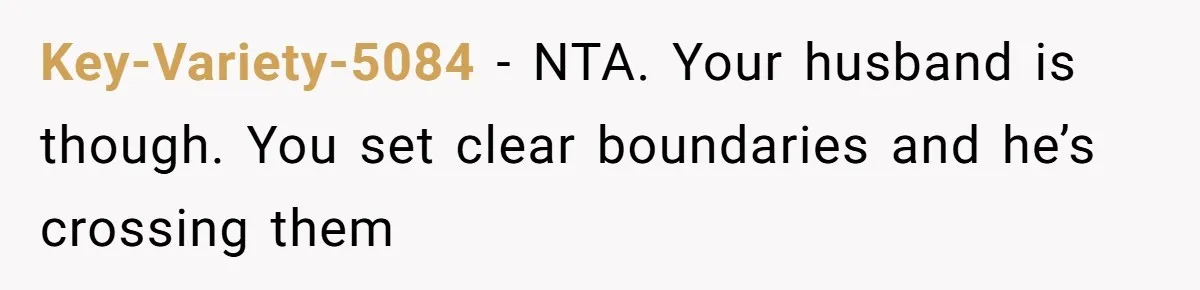
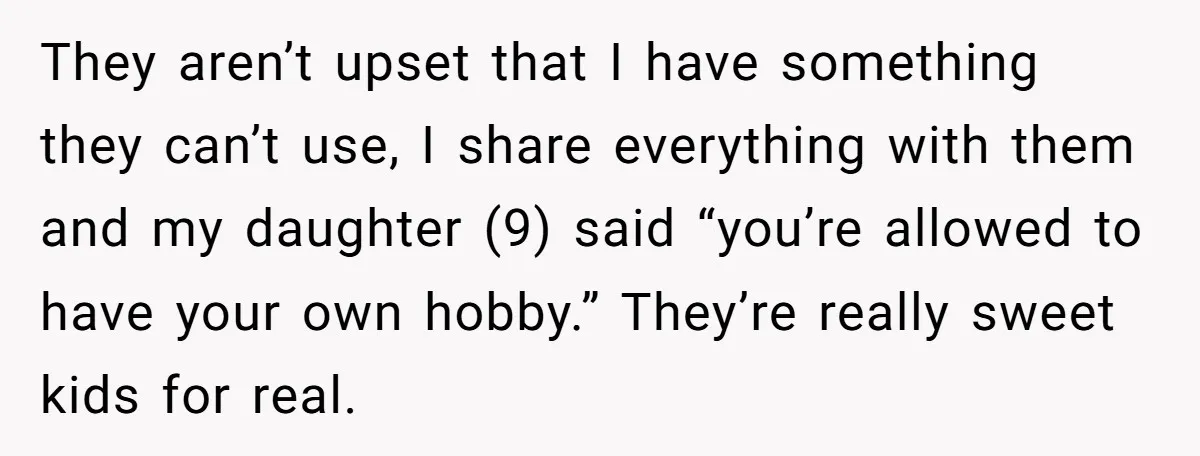
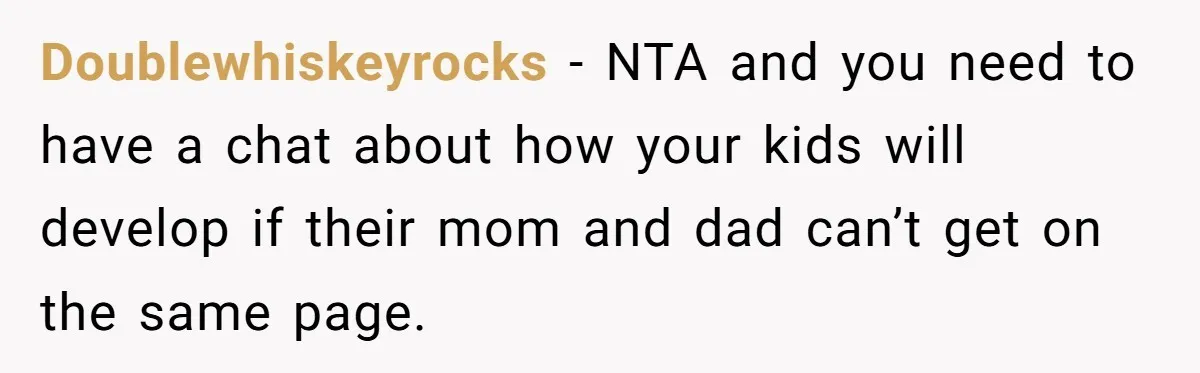
Some commenters zoomed out to parenting dynamics:
Others offered practical solutions:
![[Reddit User] - Setting aside the inappropriateness of GTA for kids that age… If the concern is them breaking things, then why not just get them their own controllers?](https://loknam.com/aita/images/491ecf8e9b/wp-editor-1771898905708-1.webp)

A PS5 might seem like a small thing, but underneath it is a bigger question: are parents allowed to keep something just for themselves? And in a marriage, how much weight should personal boundaries carry?
If you bought something with your own money and clearly set the rules from day one, would your partner have the right to override that decision in the name of “family”? Would you change the password — or handle it differently?